
AI, Copyright Reform and the Fragile Reinvention of Indian Journalism

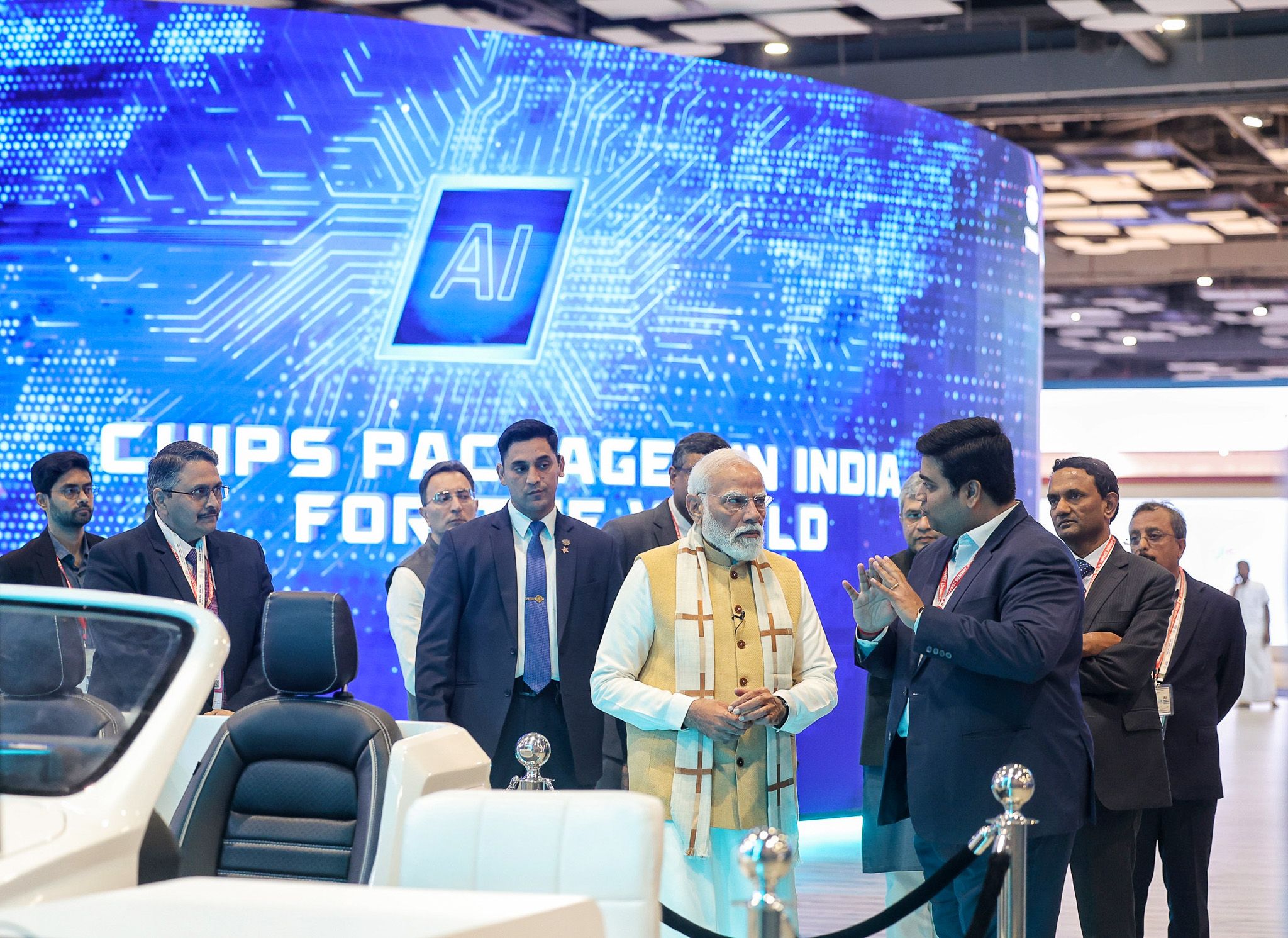
Prime Minister Narendra Modi inaugurates the India AI Impact Summit 2026 at Bharat Mandapam, bringing together global technology leaders, policymakers, and industry experts to discuss the future of innovation and regulation. The summit marks a pivotal moment in India's AI trajectory, addressing the profound shifts in digital infrastructure and the legal frameworks governing artificial intelligence.
Prime Minister Narendra Modi inaugurates the India AI Impact Summit 2026 at Bharat Mandapam, bringing together global technology leaders, policymakers, and industry experts to discuss the future of innovation and regulation. The summit highlights the growing intersection of state policy and technological transformation within the Global South. (Photo: Seshadri Sukumar/ZUMA Press Wire. New Delhi, India – Feb 17, 2026)

AI, Copyright Reform and the Fragile Reinvention of Indian Journalism

India’s proposed AI copyright framework risks turning independent journalism into a pooled data resource, undermining the subscription-based models that sustain it. At a moment of political and economic fragility, the struggle over AI licensing is ultimately a struggle over who controls, values, and profits from journalistic work.


India’s proposed blanket AI licensing regime could redefine independent journalism at a fragile moment. As generative AI tools spread across newsrooms, subscription-funded outlets risk seeing their reporting absorbed into centralised training systems, shifting journalism from a civic product to extractable data infrastructure. 

As artificial intelligence becomes an increasingly central force reshaping news production and distribution, Indian journalism finds itself confronting yet another structural transformation. Over the past decade, the country’s media landscape has already undergone profound reconfiguration. As mainstream television channels increasingly echoed the narrative of the ruling government and adversarial reporting narrowed within legacy media institutions, a parallel ecosystem of independent digital outlets quietly emerged. 

These platforms, subscription-driven, reader-funded and digitally native, restructured the media economy by decentralising distribution and lowering infrastructural barriers. They repositioned audiences as direct financial stakeholders in journalism. In doing so, they attempted to rebuild public trust in a climate of political pressure and institutional consolidation. Yet this fragile reinvention now faces a new test, not from prime-time politics, but from artificial intelligence. 

Debates around AI’s integration into journalism remain disproportionately shaped by regulatory and technological frameworks emerging from the Global North. Western technology corporations continue to function as primary centres of innovation, exporting generative AI systems as finished products to newsrooms across the Global South. Embedded within these systems are assumptions about authorship, value extraction, copyright, ownership and legality. In India, where independent digital journalism survives on narrow subscription margins, the implications are particularly acute. 
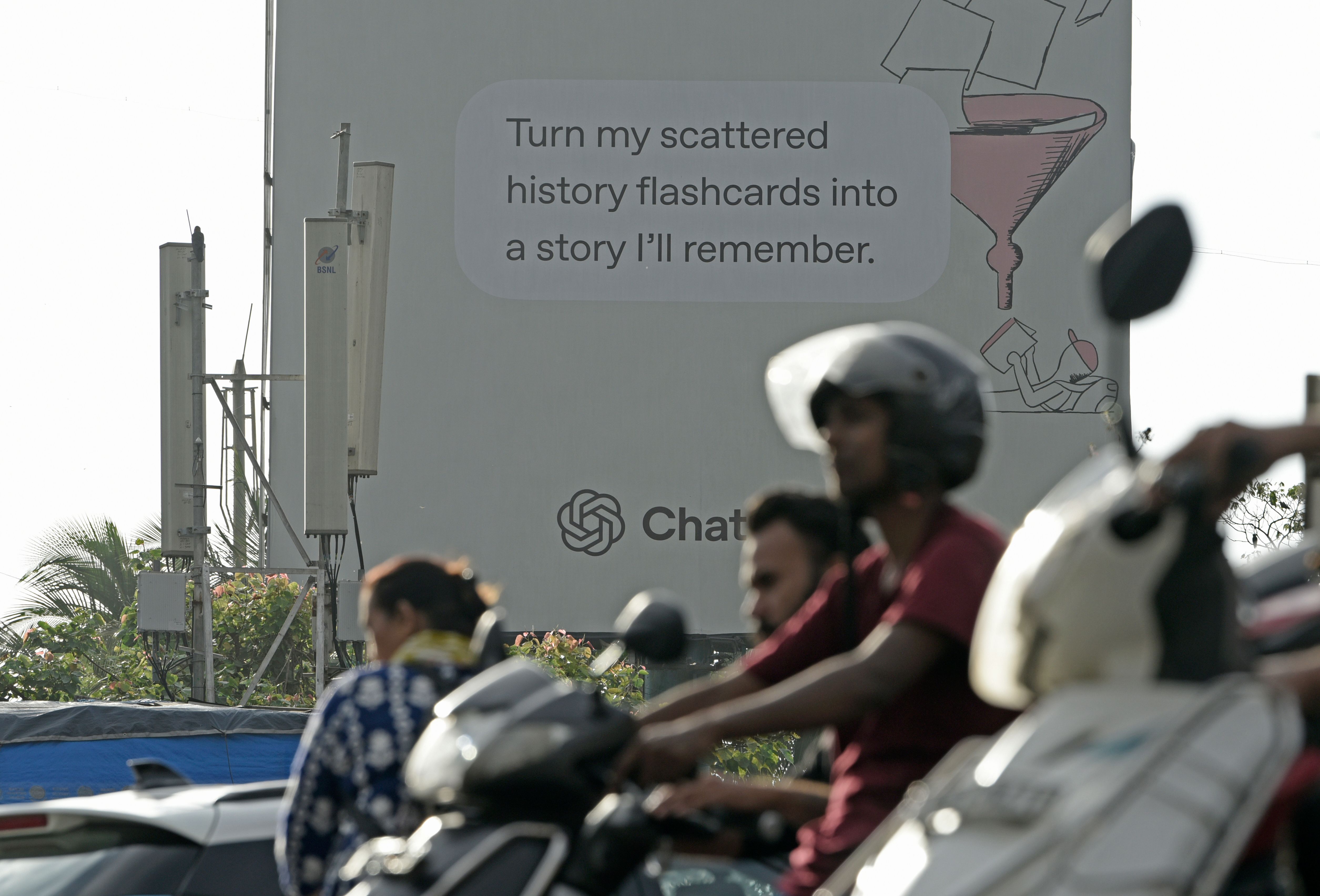
ChatGPT Branding In Mumbai, India


Enthusiasm Without Safeguards: India’s AI Moment 

Across Indian newsrooms, generative AI tools are already being integrated into everyday workflows. Journalists use AI applications to summarise lengthy documents, translate articles across languages, draft headlines and assist with research. Much of this adoption is informal and driven by individual initiative rather than institutional policy. 

Ishtayaq Rasool, an independent journalist based in New Delhi, describes the shift in research practices: earlier, reporters relied primarily on search engines. Now, much of the initial information-seeking process takes place through AI applications. The appeal, he says, lies in speed and simplicity. 

For others, AI represents accessibility rather than automation. Rakesh Verma, a journalist working in a digital newsroom, explains that coming from a Hindi-medium educational background once limited his engagement with major English newspapers. AI tools now allow him to upload images of articles and request simplified explanations in Hindi or plain English. For his newsroom, he says, the experience feels transformative. 

Such accounts reveal a genuine optimism. In a country marked by linguistic diversity and unequal educational access, AI appears to lower barriers to participation in journalism. Yet this enthusiasm coexists with structural vulnerability. 

The infrastructure of intelligence model design, training architecture and algorithmic governance remains external, controlled by global technology firms. Indian newsrooms are users, not architects. 

Most small and mid-sized digital outlets lack formal AI policies governing transparency, attribution, verification or copyright compliance. Adoption occurs in the absence of structured safeguards. 


A Fragile Media Ecosystem 

The AI debate unfolds against an already strained media environment. India ranks 151st out of 180 countries in the 2025 World Press Freedom Index. Independent journalism operates under economic pressure, legal scrutiny and, in some cases, direct threat. 

The killing of Mukesh Chandrakar illustrates this vulnerability. A journalist who left traditional media to start his own independent news portal in Chhattisgarh, Chandrakar was found dead in January 2025 in a septic tank in Bijapur district. His autopsy reportedly revealed brutal violence. Days before his death, he had reported on alleged road construction corruption involving a local contractor. 

His murder was not an isolated symbolic act, but a stark reminder of the risks faced by independent reporters operating outside large institutional umbrellas. 

Over the past decade, outlets such as The Wire, Scroll.in and NewsClick attempted to carve out spaces for adversarial reporting. Many rely heavily on subscriptions and reader contributions. Their sustainability depends on maintaining a direct financial relationship with audiences. It is this already fragile model that now confronts the implications of AI-driven copyright reform.

Publicly accessible journalistic content could become eligible for ingestion into AI training datasets under a statutory licensing regime. Consent shifts from negotiation to regulation. This reclassifies journalism. 


Blanket Licensing and the Reclassification of Journalism 

India’s ongoing discussions around revisiting the Copyright Act in light of generative AI have introduced the possibility of a hybrid licensing framework for AI training. 

Under proposals outlined in recent policy consultations, AI developers could receive a broad licence permitting the use of copyrighted content for model training. Instead of negotiating directly with individual publishers, companies would pay royalties into a centralised system. Compensation rates would be determined by a government-appointed committee and funds distributed through a collective mechanism. 

On paper, the framework offers administrative efficiency and regulatory clarity. It reduces transaction costs and formalises compensation. However, for independent digital outlets, the implications are structural. 

The proposed model does not meaningfully provide individual creators or publishers the option to opt out. 

Over the past decade, independent outlets rebuilt themselves online through subscription-supported paywalls and reader-funded investigative reporting. Their economic survival depends on the exclusivity and civic value of their work. If that same reporting becomes raw training material for AI systems capable of synthesising summaries, analysis and derivative outputs at scale, the incentive for direct subscription may weaken. 

A senior editor at one of India’s leading independent platforms, speaking on condition of anonymity, described the margins as precarious. Missing even a small number of monthly subscriptions can affect travel budgets and reporting capacity. In such a context, revenue diverted into centrally determined royalty pools with rates fixed by government-appointed committees raises concerns about valuation and bargaining power. The worry is not merely about compensation amounts. It is about who defines value. 

If journalistic labour is absorbed into training datasets without meaningful consent mechanisms, its economic identity shifts from a differentiated civic product to aggregated data infrastructure. 


Infrastructure, Visibility and Control 

Beyond economics lies a deeper issue of narrative power. AI systems trained on large datasets influence how information is synthesised, summarised and surfaced. Those who control these systems influence visibility. In a media landscape already marked by consolidation and political pressure, infrastructural control becomes inseparable from epistemic power. 

The risk is subtle but significant: journalism becomes material rather than message. AI adoption may therefore produce a two-speed transformation. Larger institutions with capital and access to infrastructure integrate AI strategically and consolidate reach. Smaller subscription-dependent platforms struggle to maintain economic viability if their core reporting is algorithmically repurposed. In such a scenario, the AI divide compounds existing fragilities within India’s media ecosystem. 

Independent outlets that emerged to challenge dominant narratives may find their reporting folded into algorithmic systems whose outputs are mediated by external corporate infrastructures. 


A Structural Crossroads 

Artificial intelligence undeniably offers tools that can enhance efficiency, accessibility and analytical capacity within newsrooms. Journalists across India are already using these systems creatively to overcome linguistic and resource constraints. Yet technological adoption without structural safeguards risks deepening asymmetries. 

Blanket licensing frameworks, if implemented without robust opt-out protections and transparent rate-setting mechanisms, could transform journalism from a protected civic function into a pooled data resource. 

For independent media that rebuilt themselves against political and economic headwinds, such a shift would not be marginal; it would be foundational. 

India’s AI policy trajectory will therefore shape not only innovation ecosystems but also the future architecture of its public sphere. The debate is not simply about royalties or regulatory compliance. It is about consent, control and the meaning of journalistic value in an algorithmically mediated age. 

At a moment when independent journalism remains both economically fragile and democratically indispensable, the structure of AI governance will determine whether this technological transition strengthens media plurality or quietly extracts from it.

مقالات ذات صلة

الصحافة العربية تسأل: ماذا نفعل بكل هذا الحديث عن الذكاء الاصطناعي؟

كيف أصبح الحديث عن استعمال الذكاء الاصطناعي في الصحافة مجرد "موضة"؟ وهل يمكن القول إن الكلام الكثير الذي يثار اليوم في وسائل الإعلام عن إمكانات الاستفادة من تقنيات الذكاء الاصطناعي ما يزال عموميّا ومتخيّلا أكثر منه وقائع ملموسة يعيشها الصحفيون في غرف الأخبار؟

Mohammad Zeidan
محمد زيدان نشرت في: 2 يناير, 2025

المزيد من المقالات

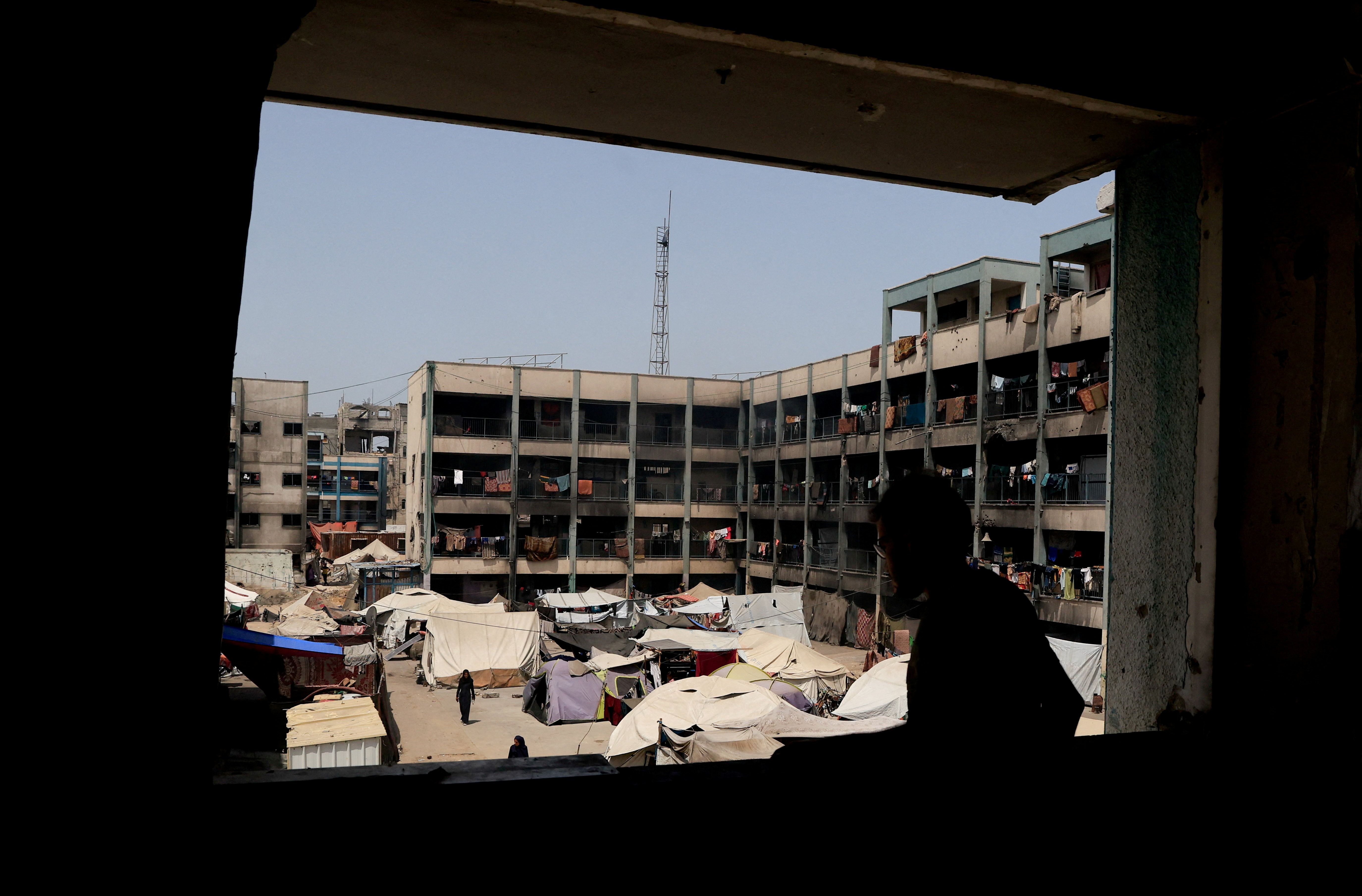
الصحافة بعد إبادة غزة.. انتهت حرب وبدأت حروب أخرى!
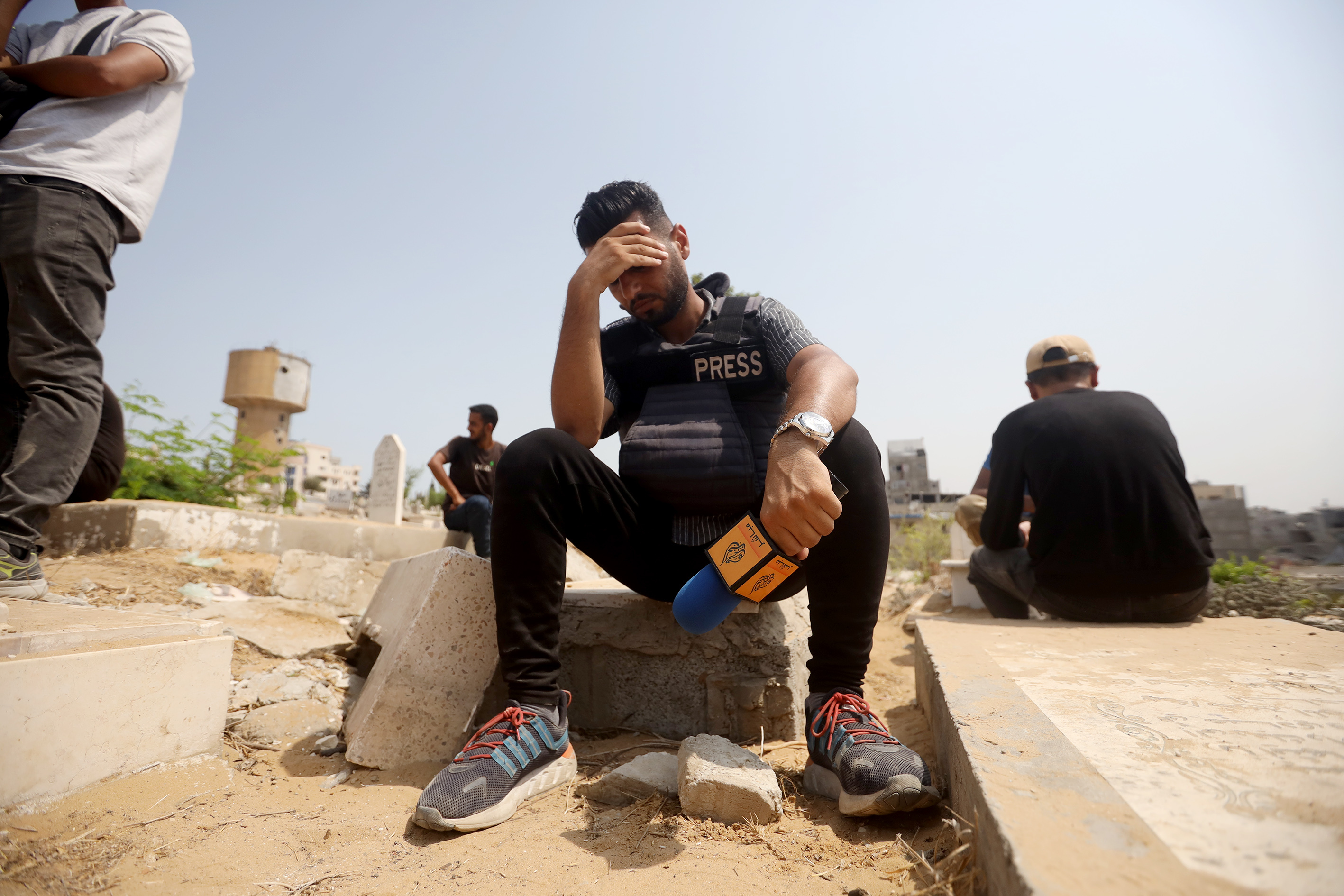
ماهي أولويات الصحفيين بعد حرب الإبادة الجماعية في فلسطين؟ كيف يمكن للصحافة أن تتحول إلى أداة لتوثيق جرائم الحرب ورواية القصص الإنسانية؟ يوسف فارس، الذي وثق مئات القصص الإنسانية خلال الحرب على غزة، يعترف أن حرب الإبادة بنسقها اليومي، كانت أكثر سهولة من التفكير في قصص في اليوم التالي للحرب.

Yousef Fares
يوسف فارس نشرت في: 17 مارس, 2026
الصحافة في غزّة.. صراع من أجل بقاءٍ ما

"كابتن نيلي"، صحفية رياضية فلسطينية، تنتمي إلى عائلة رياضية، وجدت نفسها مثل عشرات الآلاف الفلسطينيين، تعيش تجربة الفقدان والنزوح، والإجهاز على الأبطال والمنشآت الرياضية. في هذه الشهادة تروي كيف دبرت التناقض بين "أن تبقى حيا" وبين ملاحقة شغف الرياضة ولو عبر توثيق انتهاكات الاحتلال ضد الرياضة والرياضيين في غزة.

نيلّي المصري نشرت في: 9 فبراير, 2026
من الخبر إلى التوثيق.. دروس عملية من تغطية الحرب على غزة

منذ اللحظة الأولى لحرب الإبادة الجماعية التي شنتها إسرائيل على غزة، كان هشام زقوت، مراسل الجزيرة، شاهدًا على الجوع والدمار وجرائم الحرب، وعلى اغتيال زملائه في الميدان. إنها معركة من أجل البقاء والتوثيق، تتجاوز مجرد التغطية ومتابعة التفاصيل اليومية.

Hisham Zakkot
هشام زقوت نشرت في: 25 يناير, 2026
صحفي أم محلل؟

المسافة بين الصحافة والتحليل الرياضي دقيقة جدا، حقلان يلتقيان في تقديم المعلومات للجمهور، ويختلفان في الأدوات والمعارف. ما هي الحدود بينهما؟ ولماذا على الصحفيين الالتزام بمعايير مهنة الصحافة قبل "المغامرة" بالتحليل؟

همام كدر نشرت في: 18 يناير, 2026
الفيلم الوثائقي القصير.. الذاكرة المضادة للإبادة

فرضت تغطية حرب الإبادة الجماعية على غرف الأخبار إيقاعا سريعا من المتابعات اليومية همش الكثير من القصص الإنسانية الصحفية. في هذه المساحة، يشتغل الفيلم الوثائقي القصير على البحث عن زوايا إنسانية تمثل امتدادا لعمل غرف الأخبار في التغطية الإخبارية، وترسيخا للذاكرة الجماعية ضد رواية الاحتلال.

بشار حمدان نشرت في: 4 يناير, 2026
كيف يحمينا الشك من التضليل؟

هل تكفي الأدوات التقنية وحدها لإنقاذ الصحفيين من موجات التضليل التي ازدادت تعقيدا وخطورة في عصر الذكاء الاصطناعي؟ وكيف يمكن أن يتحول الشك المهني والحسّ النقدي إلى آليات أساسية في عملية التحقق من الأخبار؟ وما هي التحديات الجديدة التي تفرضها المنصات الرقمية على مدققي المعلومات في زمن السرعة وتدفق المعلومات؟

إسلام رشاد نشرت في: 14 ديسمبر, 2025
من الحارات إلى "القارات".. كيف أصبحت صحفيا في الجزيرة؟

في عام 2011، ظهر عمر الحاج على شاشة الجزيرة باسم أوس العربي، متحدثا بلسان الثائر الرافض لنظام بشار الأسد، قبل أن يصبح لاحقا صحفيا في القناة، مطوقا بالمعايير المهنية والأخلاقية. في هذا المقال، يروي رحلته من النشاط السياسي إلى العمل الصحفي، والدروس التي استخلصها من هذه التجربة.

عمر الحاج نشرت في: 6 ديسمبر, 2025
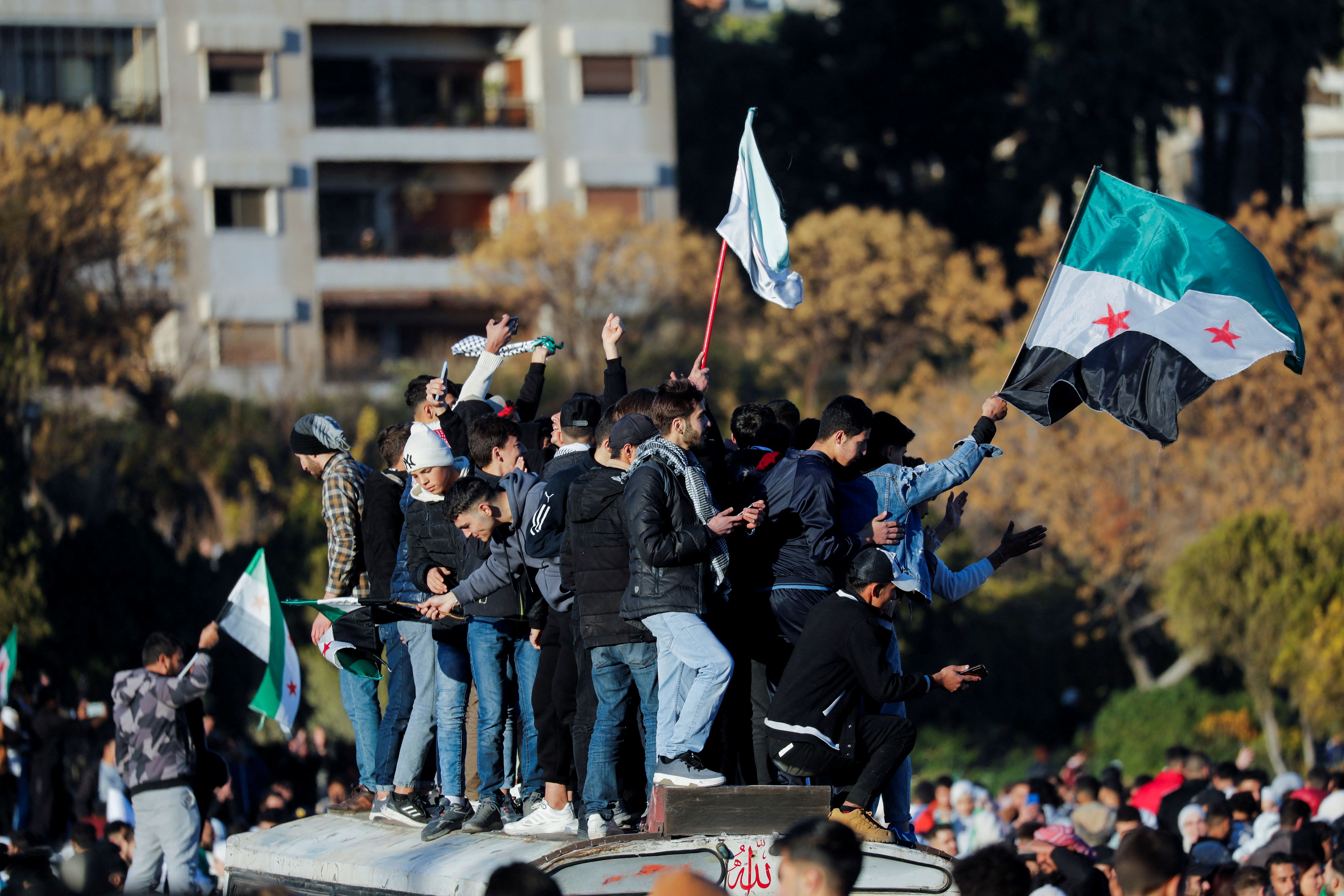
يوميات صحفي في دمشق يوم التحرير

وجد الصحفي محمد ديب نفسه متأرجحا بين شعورين متناقضين: فرحة السوري بسقوط نظام استبد بالبلاد لعقود، ومسؤولية الصحفي الذي يسعى لتوثيق لحظة مفصلية في تاريخ سوريا بصفته شاهدًا عليها. في هذا المقال، يتأمل ديب المسافة الدقيقة بين الإنسان والصحفي.

محمد موسى ديب نشرت في: 3 ديسمبر, 2025
ماذا يعني أن تكون صحفيا استقصائيا اليوم؟

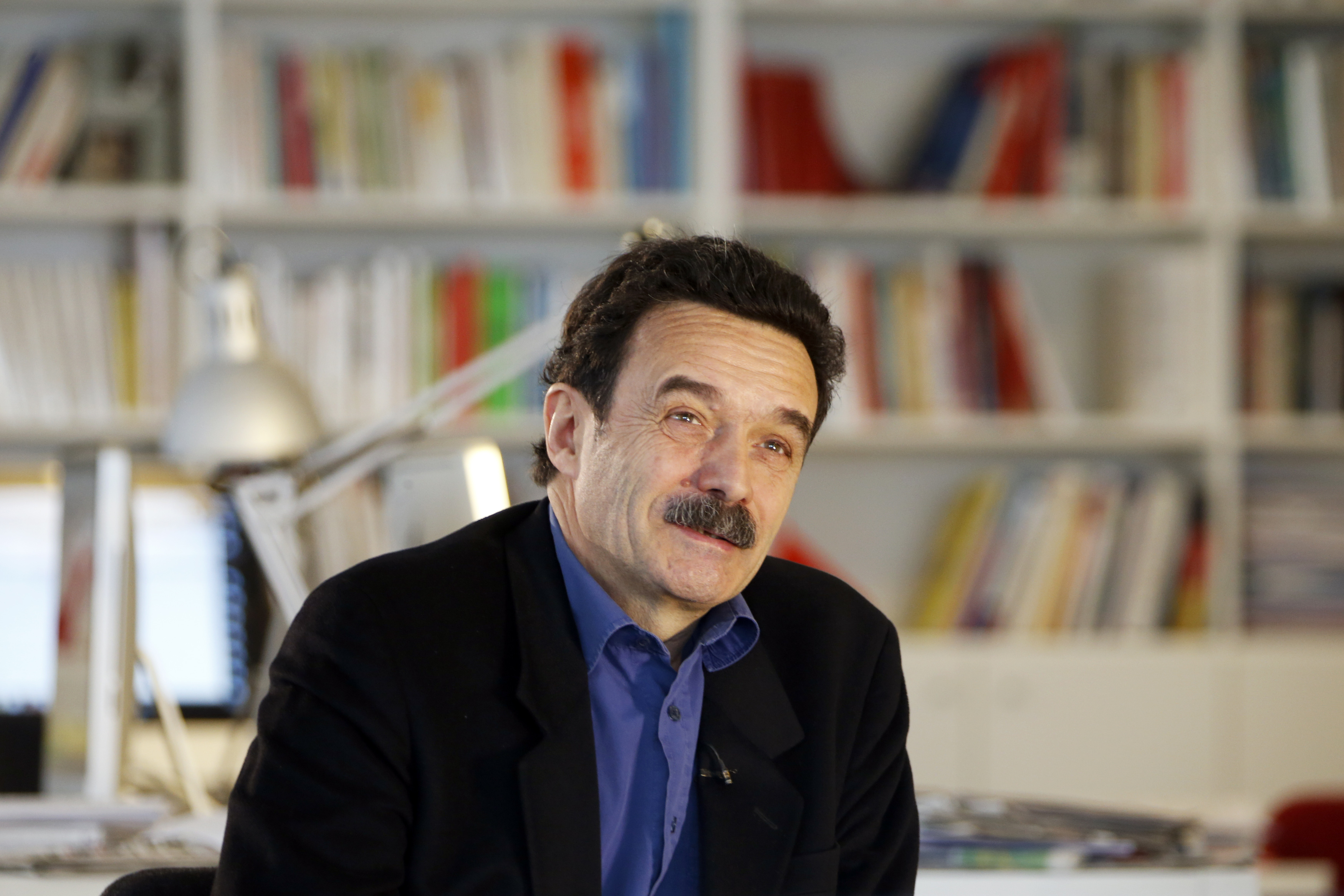
قبل أسابيع، ظهرت كارلا بروني، زوجة الرئيس الفرنسي الأسبق نيكولا ساركوزي، وهي تزيل شعار منصة "ميديا بارت". كانت تلك اللحظة رمزا لانتصار كبير للصحافة الاستقصائية، بعدما كشفت المنصة تمويل القذافي لحملة ساركوزي الانتخابية التي انتهت بإدانته بالسجن. في هذا المقال، يجيب إدوي بلينيل، مؤسس "ميديا بارت"، وأحد أبرز وجوه الصحافة الاستقصائية العالمية، عن سؤال: ماذا يعني أن تكون صحفيًا استقصائيًا اليوم؟

Edwy Plenel
إدوي بلينيل نشرت في: 25 نوفمبر, 2025
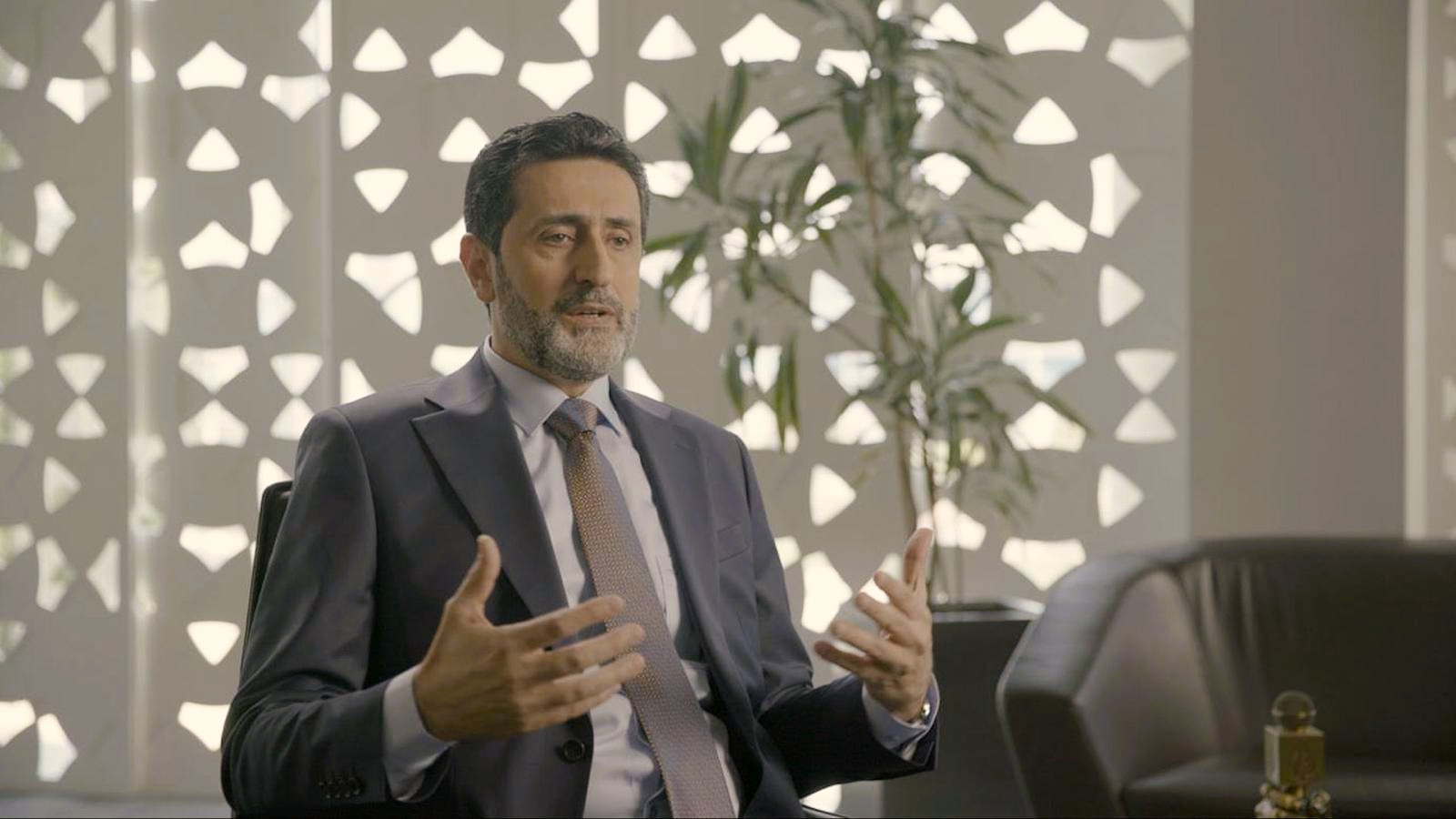
عاصف حميدي: لا نخفي الحقيقة تحت شعار التوازن

شكلت تغطية حرب الإبادة الجماعية على غزة حدثا مهنيا استثنائيا كانت فيه قناة الجزيرة في قلب المشهد، ودفع طاقمها ثمنا باهظا. في هذا الحوار، تتحدث مجلة الصحافة مع عاصف حميدي، مدير قناة الجزيرة، حول خصوصيات التغطية، وآليات التعامل مع المراسلين، وأولوية السلامة المهنية، وكواليس صناعة القرار التحريري داخل غرفة الأخبار.

Mohammed Ahddad
محمد أحداد نشرت في: 23 نوفمبر, 2025
قصة صحفية سودانية في قبضة "الدعم السريع"

تعرضت للاعتقال، عُذبت، حاولوا اغتصابها، هددوها بالقتل، نعتوها بأوصاف حاطة بالكرامة، عذبوا ونكلوا بشقيقها بحثا عنها، ثم دفعت عائلتها فدية لإطلاق سراحها. جربت الهجرة واللجوء، لكنها عادت إلى السودان لتغطي جانبا من مآسي الحرب، خاصة في منطقة الفاشر التي ترزح تحت الحصار. هذه قصة اعتقال وتعذيب صحفية سودانية على يد قوات جيش السريع.

Empty screen
صحفية سودانية نشرت في: 29 أكتوبر, 2025
نجونا… وبقينا على قيد الحياة!

في العادة يعرف الصحفيون بمساراتهم وصفاتهم المهنية، لكن يمنى السيد، الصحفية التي عاشت أهوال الحرب في غزة، تعرف نفسها بـ: ناجية من الإبادة. وربما يفسد أي اختصار أو تقديم عفوية هذه الشهادة/ البوح الذي يمتزج فيه الصحفي بالإنساني وبالرغبة الغريزية في النجاة..

يمنى السيد نشرت في: 10 سبتمبر, 2025
محمد الخالدي ومروة مسلم.. "منسيون" أنكرتهم الحياة وأنصفهم الموت

قتل الاحتلال الصحفيان محمد الخالدي ومروة مسلم ضمن نسق ممنهج لاستهداف الصحفيين، لكن في مسيرتهما المهنية واجها الإنكار وقلة التقدير. الزميلة ميسون كحيل تحكي قصتهما.

ميسون كحيل نشرت في: 4 سبتمبر, 2025
المحنة المزدوجة للصحفيين الفريلانسرز بغزة

لا يتوفرون على أي حماية، معرضون للقتل والمخاطر، يواجهون الاستهداف المباشر من الاحتلال، يبحثون عن حقوقهم في حدها الأدنى.. عن المحنة المزدوجة للصحفيين الفريلانسرز في غزة تروي الزميلة نور أبو ركبة قصة أربعة صحفيات وصحفيين مستقلين.

نور أبو ركبة نشرت في: 26 أغسطس, 2025
"لا أريدك صحفية يا ماما".. هل يملك صحفيو غزة ترف الغياب؟

هل يملك الصحفي الفلسطيني في غزة حرية "الغياب"؟ وكيف يوازن بين حياته المهنية والعائلية؟ وإلى أي مدى يمثل واجب التغطية مبررا لـ "التضحية" بالأسرة؟ هذه قصص ترويها الزميلة جنين الوادية عن تفاصيل إنسانية لا تظهر عادة على الشاشة.

Jenin Al-Wadiya
جنين الوادية نشرت في: 24 أغسطس, 2025
اللغة تنحاز: كيف روت الصحافة السويدية حرب غزة؟

أظهرت نتائج تحقيق تحليلي أنجزته أنجزته صحيفة Dagens ETC على عينة من 7918 مادة خبرية منشورة في بعض المؤسسات الإعلامية السويدية انحيازا لغويا واصطلاحيا ممنهجا لصالح الروائية الإسرائيلية حول حرب الإبادة الجماعية المستمرة على غزة.

عبد اللطيف حاج محمد نشرت في: 19 أغسطس, 2025
تقاطعات الصحافة والعلوم الاجتماعية في الميدان

يمثل الميدان ذروة التقاطع بين الصحافة والعلوم الاجتماعية والإنسانية، ومع تعقد الظواهر، يرتدي الصحفي في الكثير من الأحيان عباءة السوسيولوجي دون أن يتخلى عن جوهر المهنة في المساءلة والبحث عن الحقائق المضادة لكل أشكال السلطة. إن هذا "اللجوء" لأدوات ومعارف العلوم الاجتماعية، يحسن جودة التغطية ويؤطر القصص بسياقاتها الأساسية.

Mohammed Ahddad
محمد أحداد نشرت في: 10 أغسطس, 2025
رصد وتفنيد التغطيات الصحفية المخالفة للمعايير المهنية في الحرب الحالية على غزة

في هذه الصفحة، سيعمد فريق تحرير مجلة الصحافة على جمع الأخبار التي تنشرها المؤسسات الصحفية حول الحرب الحالية على غزة التي تنطوي على تضليل أو تحيز أو مخالفة للمعايير التحريرية ومواثيق الشرف المهنية.

Al Jazeera Journalism Review
مجلة الصحافة نشرت في: 31 يوليو, 2025
القصة الإنسانية في غزة.. الحيرة القاتلة "عمن نحكي"!

في سياق تتسارع فيه وتيرة الإبادة الجماعية، هل يتجاوز "إيقاع" الموت بغزة قدرة الصحفيين على معالجة القصص الإنسانية؟ وكيف يطلب منهم التأني في كتابة القصص في ظروف الجوع والنزوح والموت؟ وإلى أي حد يمكن أن يشكل التوثيق اللاحق للحرب قيمة صحفية في حفظ الذاكرة الجماعية وملاحقة الجناة؟

Mirvat Ouf
ميرفت عوف نشرت في: 28 يوليو, 2025
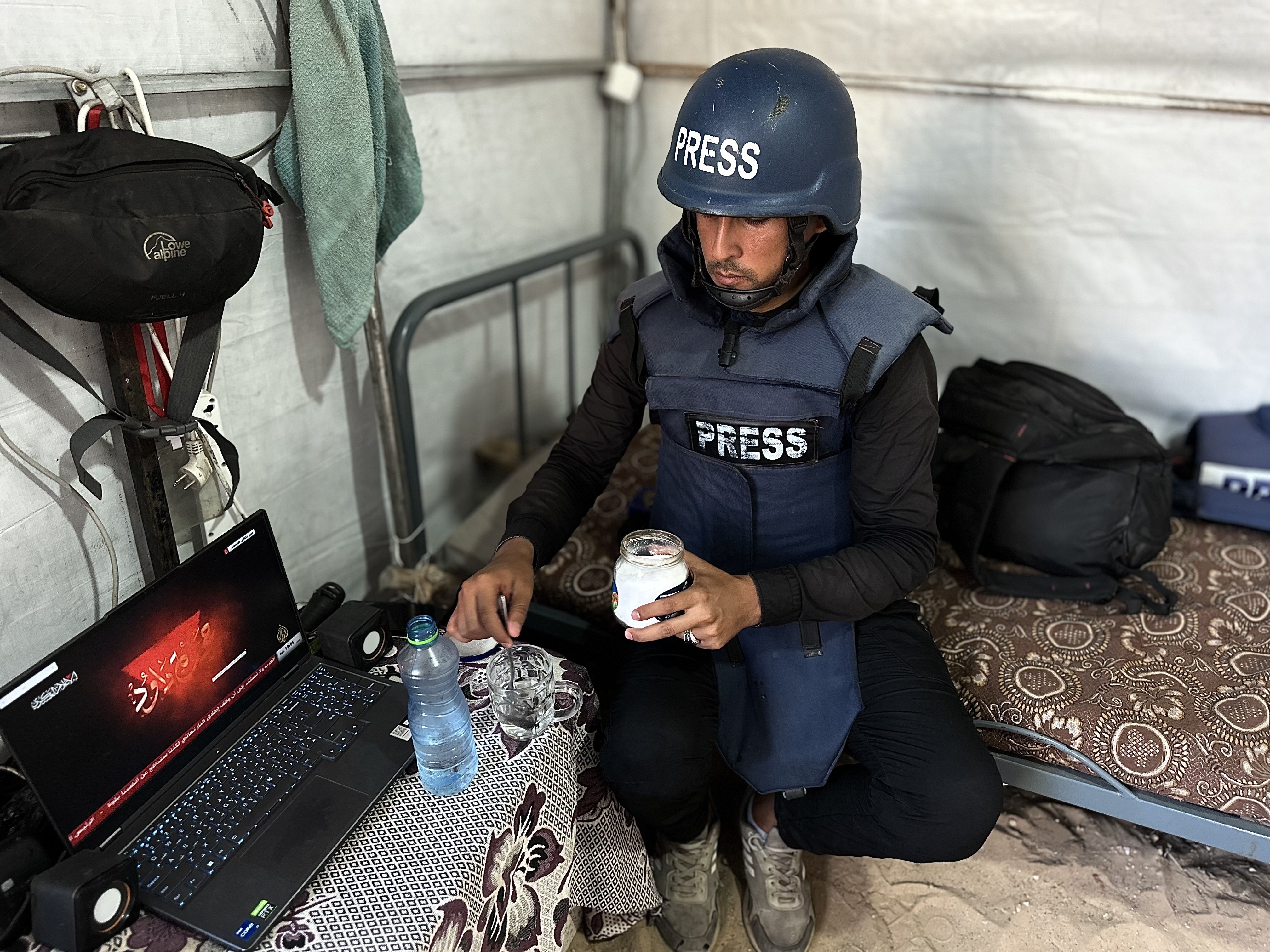
معركة أن يبقى الصحفي حيا في غزة

صحفيون جوعى يغطون أخبار التجويع في غزة، يتناولون الملح للبقاء أحياء، يبيعون وسائل عملهم لتوفير "كيس دقيق" لأبنائهم"، يتحللون من "خجل" أن يطلبوا الغذاء علنا، يقاومون أقسى بيئة إعلامية للحفاظ على "التغطية المستمرة"..

Mona Khodor
منى خضر نشرت في: 24 يوليو, 2025
كيف يصوغ الإعلام الغربي كارثة المجاعة في قطاع غزة؟

هل يمكن لوسائل الإعلام أن تخضع موضوع المجاعة في فلسطين للتوازن المهني حتى بعد إقرار المنظمات الأممية ومحكمة العدل الدولية بذلك؟ لماذا تفادت الكثير من وسائل الإعلام الغربية توصيفات قانونية وأخلاقية دقيقة، مثل "مجاعة" (famine) أو "تجويع " (starvation) ولجأت إلى تعابير فضفاضة مثل "نفاد الغذاء" أو "أزمة تغذية؟ ألا تنطوي هذه الممارسة على تحيز واضح لصالح الرواية الإسرائيلية وتبرير لسياسة "التجويع الممنهجة"؟

Fidaa Al-Qudra
فداء القدرة نشرت في: 18 يونيو, 2025
أن تحكي قصص الأطفال من غزة!

تبدو تجربة الصحفية الفلسطينية ريما القطاوي مختلفة تماما في الاشتغال على القصص الإنسانية. في معهد الأمل بغزة التقت أطفال يعيشون ظروفا قاسية بعد فقدان عائلاتهم، ولم تخل التجربة من تحديات مهنية وأخلاقية. أين ينتهي التعاطف وأين تبدأ المهنة؟ وكيف يمكن التعامل مع الأطفال، وهل مقبول من الناحية الأخلاقية إجراء المقابلات معهم؟

Rima Al-Qatawi
ريما القطاوي نشرت في: 16 يونيو, 2025
قصتي مع "تركيز الصوت والإلقاء" ومعهد الجزيرة للإعلام

كيف بدأت قصة فادي مطر مع دورة "تركيز الصوت والإلقاء" بمعهد الجزيرة للإعلام؟ وإلى أي مدى يمكن أن تحسن مهارات الصحفيين؟ وما تأثيرها على على أداء وسائل الإعلام؟

فادي مطر نشرت في: 25 مايو, 2025
حسام شبات.. سيرة صحفي شجاع

منذ انطلاق حرب الإبادة الجماعية على غزة، قتل الاحتلال 208 صحفيا بنمط ممنهج لإسكات صوت الحقيقة، آخرهم كان حسام شبات مراسل الجزيرة. الزميل محمد الزعانين كان قريبا منه مهنيا وإنسانيا، كتب هذه الشهادة المزدوجة عن الصحفي والإنسان.

محمد الزعانين نشرت في: 25 مارس, 2025