As journalists weigh the costs of their work against threats to their lives and families, the fight for press freedom in the Maldives enters a dangerous new chapter, one where the stakes have never been higher.
The turquoise waters of the Maldives are a tourist's paradise, but for the reporters in the island nation, 2025 has been trouble in paradise.
On September 18, 2025, the government led by President Muizzu established a controversial Media and Broadcasting Commission. This new body replaced the Maldives Media Council (MMC) and Maldives Broadcasting Commission (BroadCom).
Around 151 journalists had signed a petition to withdraw the bill behind this media commission. Many protested in person and took to their social media accounts to demand due process for the bill.
However, the Maldivian government went ahead and within one month of its introduction in parliament, the bill was passed.
Former president Ibrahim Solih also criticised the underhanded manner in which the bill was approved, despite protests from the journalists.
“All Doors to Investigative Journalism Closed”
The new commission’s sweeping powers to be able to heavily fine journalists, and its selection process, has raised questions and concerns from the beginning.
Additionally, this new media commission will have three commissioners and a chair, who will be a presidential appointee. The parliament is also given the power to remove members nominated by media outlets.
Critics argue this will undermine the commission’s independence and increase government influence over the media.
However, the Maldives government on its website maintained that the Media and Broadcasting Commission is created to prevent the spread of misinformation, and uphold the rights and responsibilities of journalists.
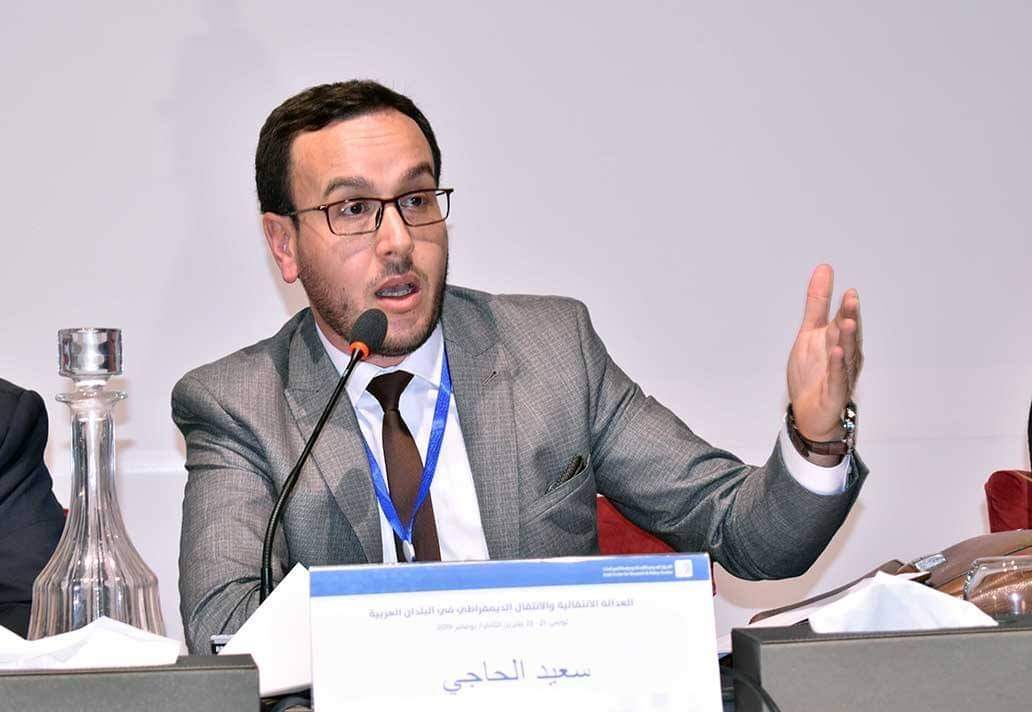
"The body that decides on these punishments is fully controlled by the government," Moosa Rasheed, founder of the news website Citizen Media, says. He adds that the bill closes all doors to “investigative journalism".
The law contains vague terms prohibiting content that "diminish a person's dignity”or pose "a threat to national security"— terms that can be weaponized for political purposes.
"Even if a whistleblower approaches us with evidence of government corruption, we face the fear of massive fines and the potential closure of our media outlet if we publish the story," Moosa explains.
Pepper Spray, Death Threats, and Sonic Weapons
The trajectory of press freedom in the Maldives has been turbulent. With the Reporters Without Borders (RSF) ranking the Maldives 104 out of 180 countries in 2025, Maldives remains a challenging ground for journalists.
Moosa points out that there was no press freedom in the country until 2008, when a new constitution guaranteed freedom of speech and the press.
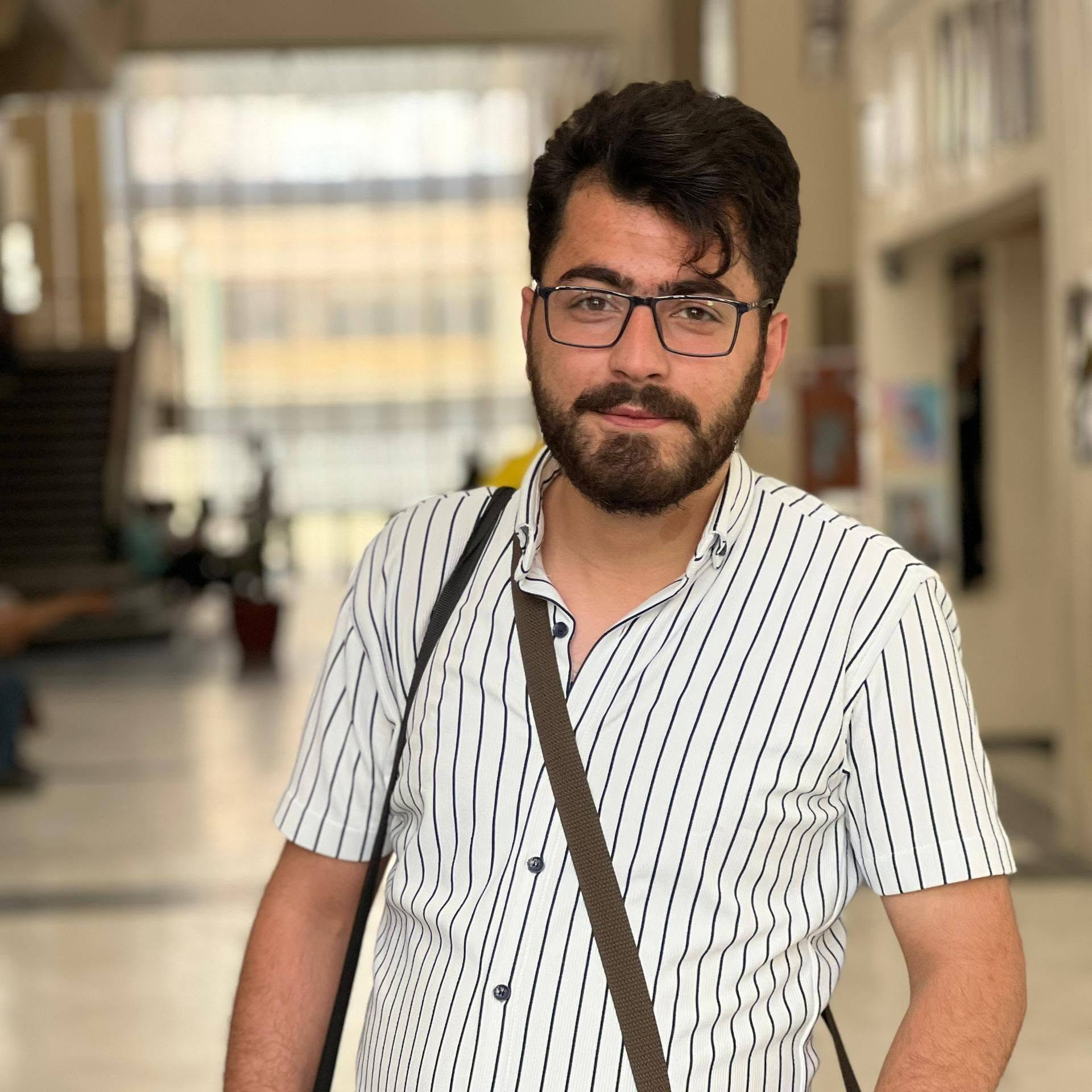
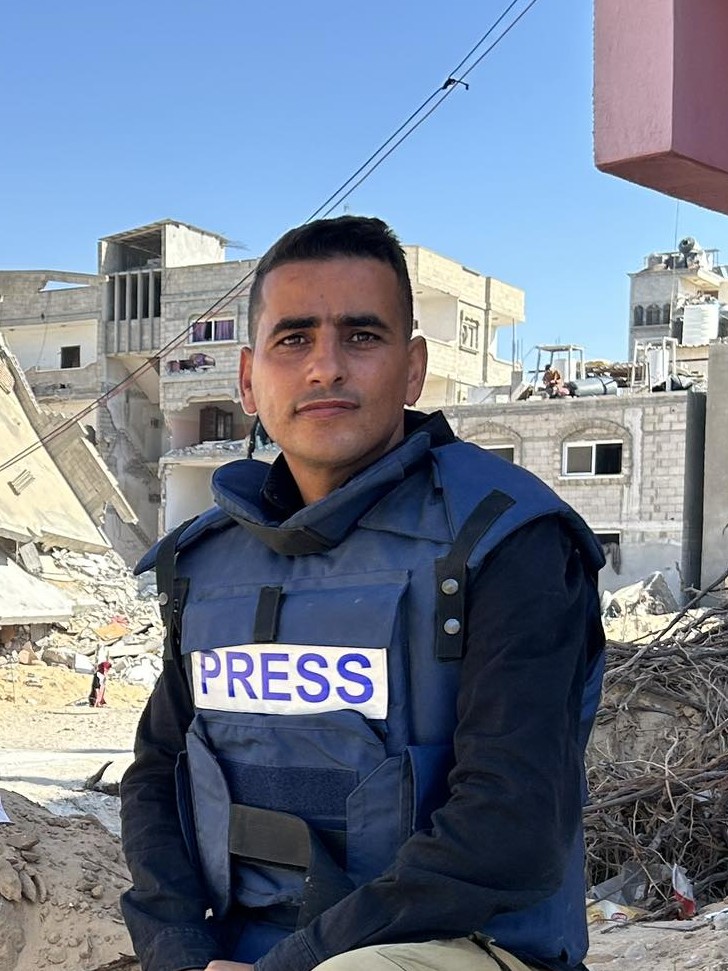
Even after the constitution’s adoption, indirect attacks on the press have continued. Another voice in this struggle is Anoof Junaid, a journalist who shares a similar fear but remains committed to his work. Anoof says he loves being a journalist, but given the lack of freedom and the recently passed media regulation bill, the fear of being fined for reporting on something that would upset the government is definitely rising.
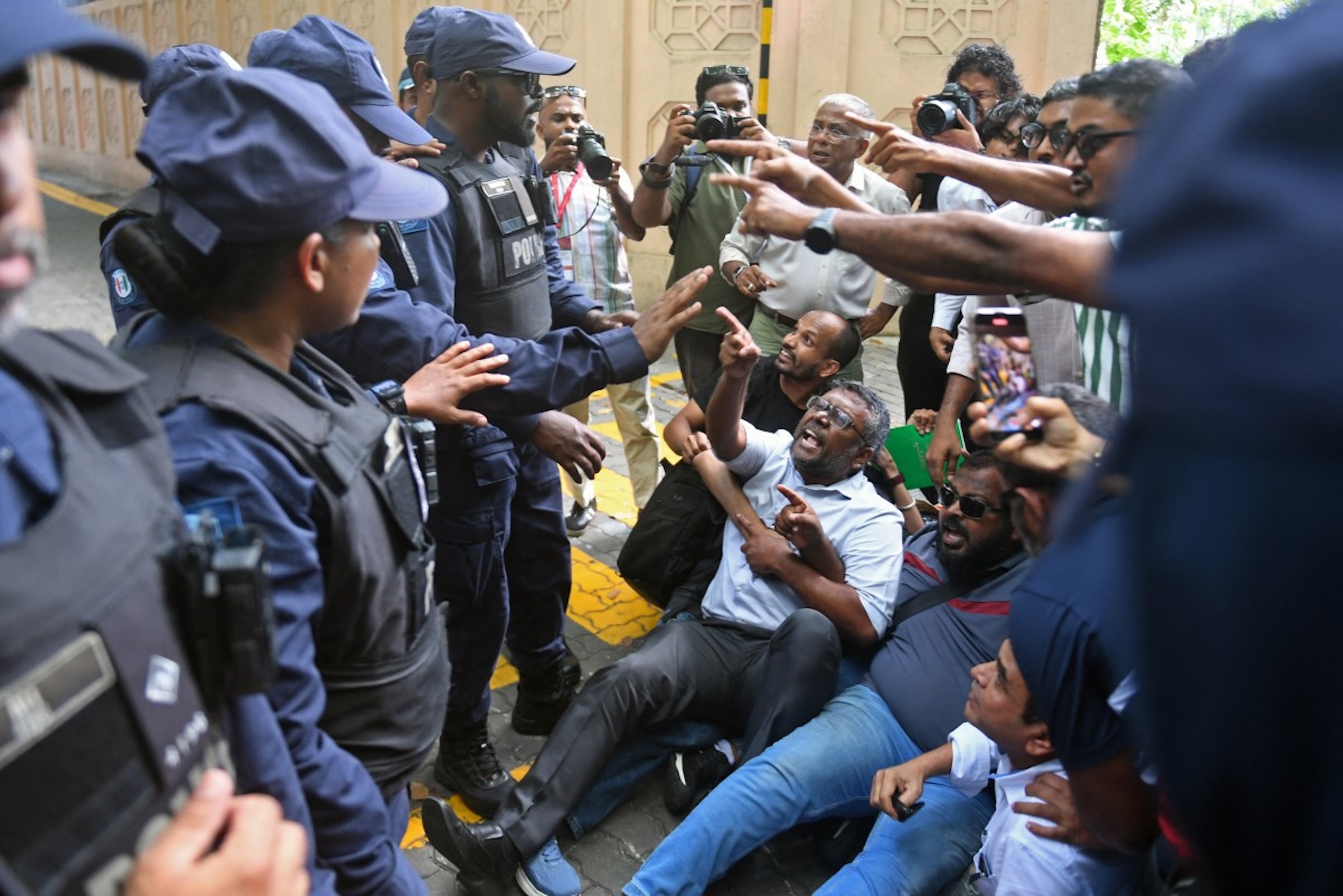
On September 16, when the new media bill was being pushed through in an extraordinary session of the parliament, journalists staged their protests outside the building.
Anoof recounts the day, "I've faced police brutality multiple times, been pepper-sprayed, got pushed around, had my camera kicked, and very recently got attacked with LRAD [Long Range Acoustic Device] at a protest I was covering."
He emphasizes that he has only participated in one protest personally on September 16, while all other times he was present only to document events. "The police have on many occasions gotten in the way of my work despite my complying with all the laws," he says.
The intimidation extends beyond physical confrontation. "I know multiple [journalists who receive] death threats regarding certain articles that upset those in power, death threats due to the recent journalists' protests," Anoof reveals. "They even mentioned their family members' jobs getting threatened."
International Condemnation, Domestic Resistance
The bill has sparked new backlash both internationally and domestically. UN High Commissioner for Human Rights Volker Türk has appealed to repeal the law, stating that it undermines freedom of expression and "freedom of media".
The United States, the United Kingdom, and the European Union all condemned it.
An array of international and national civil society organisations joined the ranks, such as Reporters Without Borders, Committee to Protect Journalists, and the International Federation of Journalists.
In a show of protest, most media organisations boycotted the commission's member election process entirely.
The result was predictable: only four candidates applied for four available seats, and in October, these individuals were appointed without a vote.
"We don't disagree with regulation in principle," Moosa clarifies. "However, it should not be done by the government. It must be achieved through an independent self-regulatory mechanism."
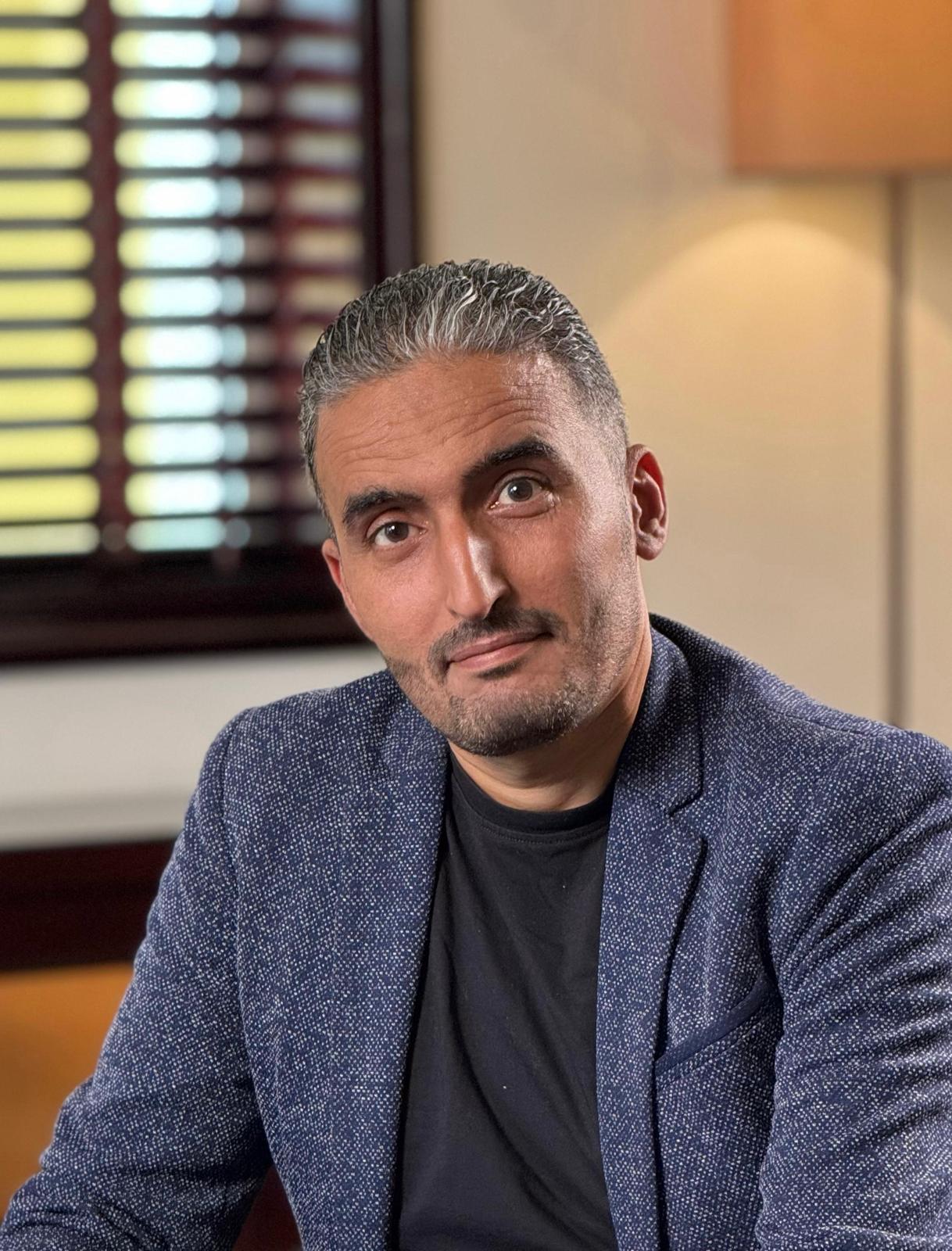
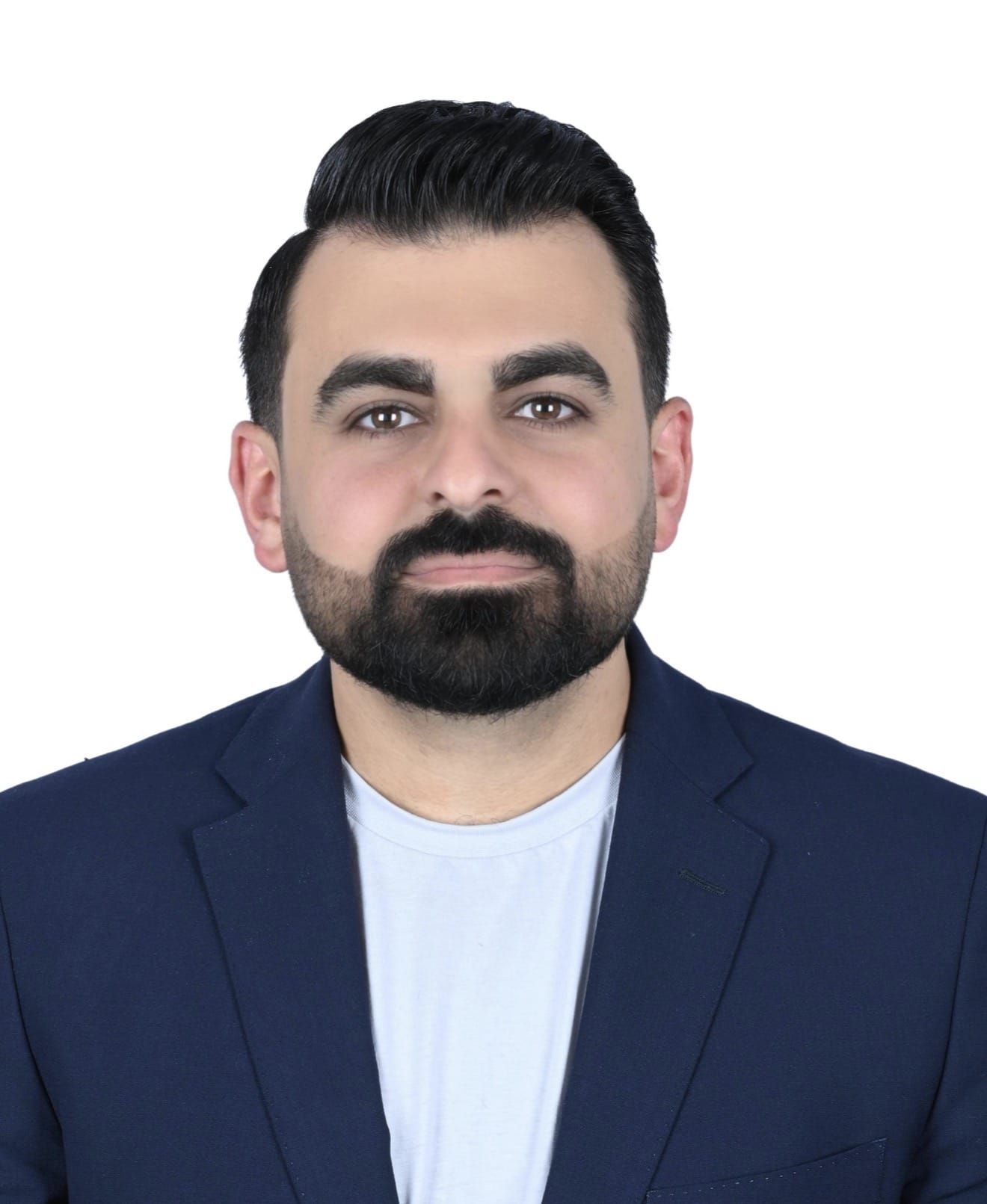
Ahmed Naif is the President of the Maldives Journalists Association (MJA) and a senior associate editor of the independent news outlet, Dhauru. As MJA President, Naaif has been at the forefront of the campaign to protect press freedom in the Maldives.
Naif believes the Media Control Bill will make self-censorship an official reality for journalists. He highlights that the law is filled with vague words like "undermining the national interest" or respecting “public order”, which are not legal definitions but tools to silence dissent.
Caught Between Sponsors and Safety
Beyond legal restrictions, Maldivian media face a financial model that compromises editorial independence. With a relatively small private sector, most media organisations rely on sponsorships from state-owned enterprises.
"Currently, almost all mainstream media outlets accept sponsorships from the government," Moosa says. "These companies provide huge payouts to the media, but it comes with a price. If a media outlet publishes anything negative about the government or the sponsoring company, the sponsors are cut, which would be a huge financial loss."
Naif points out the most alarming concern to be direct, credible death threats. During the recent protest against the media bill, he received messages explicitly threatening to "kill or stab" him and other journalists.
The constant harassment and these threats make reporters question: "Is this story worth my life? Is it worth the safety of my family?"
Naif was personally told to leave the country after one of his stories exposed an influential politician and his business dealings. Journalists like Ahmed Rilwan and Yameen Rasheed, who died under mysterious circumstances, cast a dark shadow on the press freedom in the country. Rilwan was forced into a car at knifepoint and later killed, while Rasheed was stabbed to death.