Bangladesh: Crackdown on Reporting on Indigenous Communities

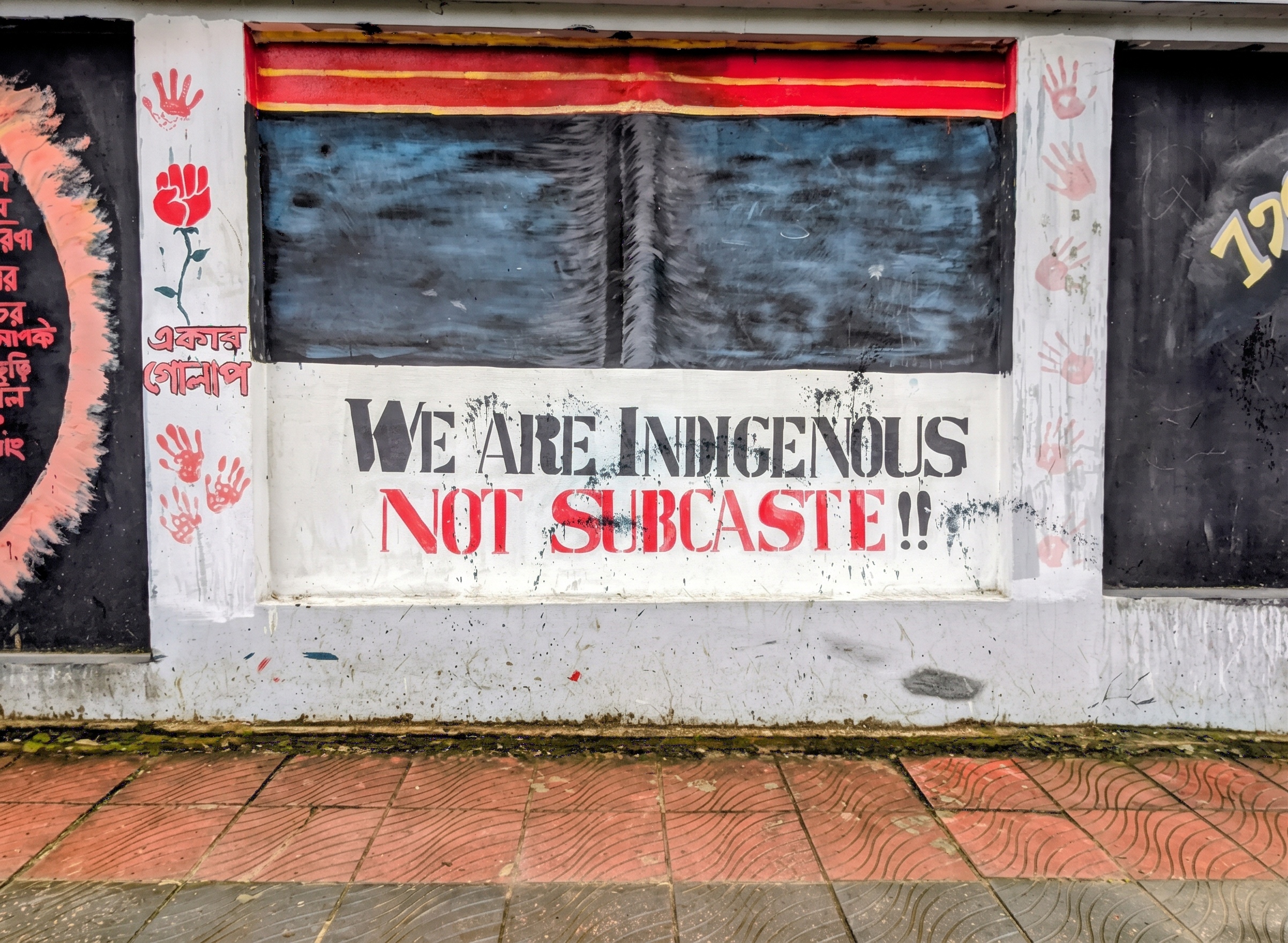
Graffiti painted by indigenous artists calls for constitutional rights for Bangladesh’s Indigenous people. (Photo: Denim Chakma, Rangamati, Bangladesh-September 9, 2026
Graffiti painted by indigenous artists calls for constitutional rights for Bangladesh’s Indigenous people. (Photo: Denim Chakma, Rangamati, Bangladesh-September 9, 2026)

Bangladesh: Crackdown on Reporting on Indigenous Communities

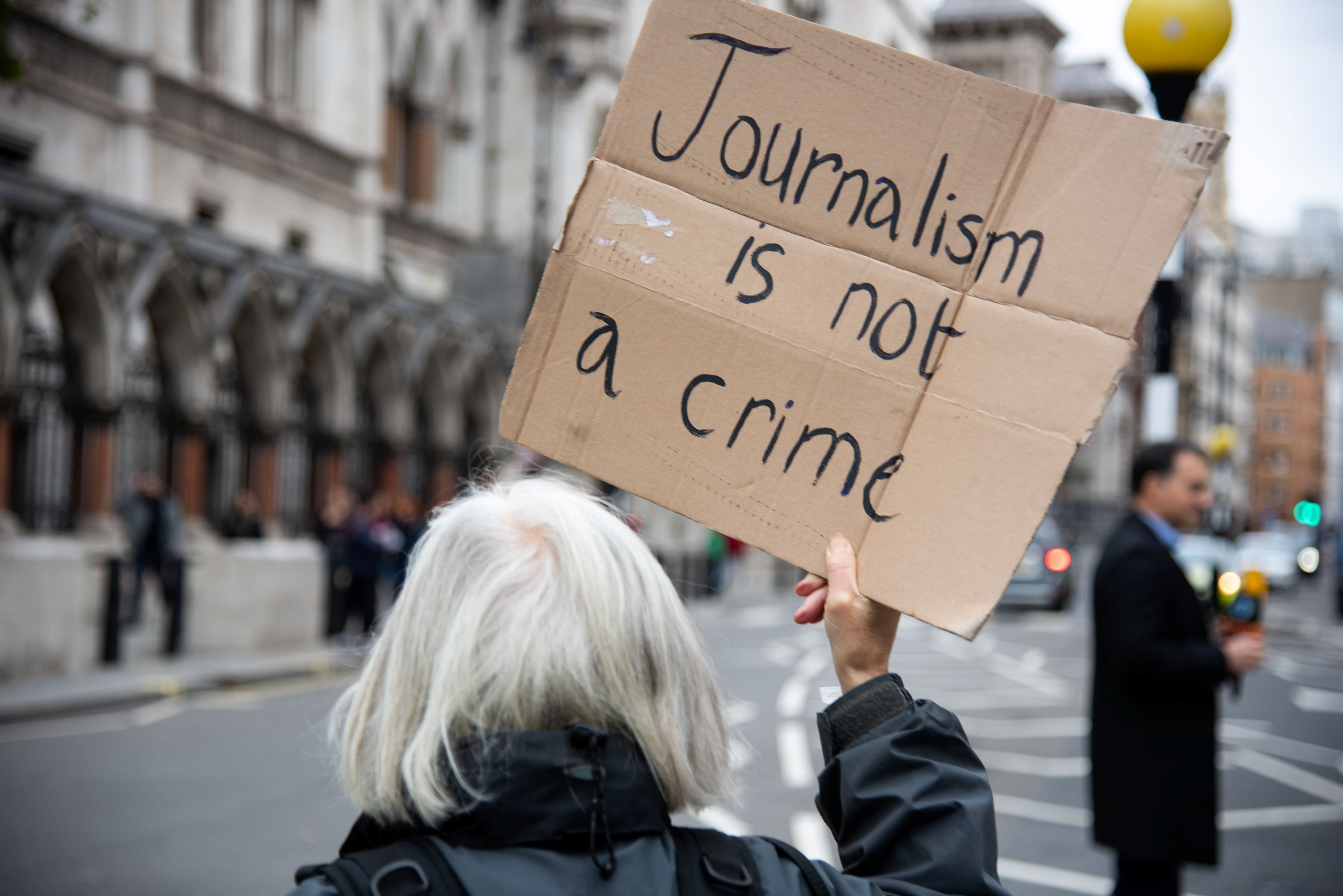
In newsrooms across Bangladesh, the word 'Indigenous' has become too dangerous to put in print. Editors quietly strike it from the copy, wary that a single mention could invite the wrath of the state.


Through a campaign by the country’s military intelligence agency, the Directorate General of Forces Intelligence (DGFI), and the Ministry of Information, mainstream journalism has effectively banished the term "Indigenous". Earlier in August, two cabinet ministers declared that Bangladesh has no indigenous population at all. Therefore, they argued, the word had no place in the national vocabulary. 

This prohibition is not a mere update to a government style guide. To indigenous journalists, it is a calculated effort to rewrite history, erase distinct cultural identities, strip indigenous communities of long-recognised rights, and tighten the state’s grip on the press. ‘‘It feels like an attempt to strip away our identity and rights,’’ said Rikors Chakma, an Indigenous journalist working in the Chittagong Hill Tracts. 

Indigenous reporting has been driven to the brink of collapse by mounting pressure, according to him. Especially replacing Adivasi with terms such as "small ethnic groups" is aimed at omitting personal identity from reports, which creates frustration and a psychological barrier for journalists. 

The consequences of defiance are swift. "Claiming there are no Indigenous people implies that their problems do not exist either," said Buddha Jyoti Chakma, an Indigenous journalist working in Chittagong Hill Tracts for more than two decades. He noted that news coverage of Indigenous issues is being actively suppressed.  

Buddha Jyoti views the recent crackdown as a threat to Bangladesh’s entire Indigenous population. "If a minister holding a responsible state position purposefully claims that there are no Indigenous peoples in the country," he said, "it is dangerous for Indigenous communities."


Why Reporting on Indigenous Issues Matters 

Bangladesh’s Indigenous communities in the Chittagong Hill Tracts are living under militarisation, enduring armed conflict, and facing extrajudicial killings. Journalists need to investigate these human rights violations. They can expose systemic abuses, hold authorities accountable, and amplify the silenced voices of marginalised communities. Ultimately, documenting these realities is a fundamental obligation of a free press.  

Reporting on incidents such as the seizure of Indigenous forests and land, the rape of Indigenous women, and the torture and killing of Indigenous youths in the custody of law enforcement remains a major challenge for Bangladeshi journalists. The moment they arrive at the scene, they are confronted by the administration on site. Because the Chittagong Hill Tracts are dotted with numerous military checkpoints, journalists face constant interrogation as they pass through them. After a story is published, media workers are often summoned to army camps, where editors are pressured to take the story down. 

Dipayan Khisha, former editor of IP News BD, said Indigenous journalists and news outlets in Bangladesh have long operated under the threat of censorship.  

"The experience of running an Indigenous online news portal was not a pleasant one under the Hasina government," he told Al Jazeera Journalism Review. "Whenever we published news about human rights violations by law enforcement, it would be blocked almost immediately."

As editor of IP News, Khisha said he and his colleagues were forced to repeatedly change the site’s domain name to stay online. "We kept the core name, IP News, intact," he said, "but we had to keep switching domains just to keep the portal running."

Sydia Gulrukh worked as a journalist for more than a decade. In an interview, she said, "In the Chittagong Hill Tracts, the civil and military administration has been waging a decades-long war on truth, controlling, directly or indirectly, the flow of information.’’ When the military issues a statement following a security operation or a rights violation, it arrives less as information than as instruction. The media is expected to relay the official narrative. Those who pursue independent leads do so at their peril. 

Sydia added, "Journalists who question that account or pursue independent leads, whether reporting from the Hill Tracts or from Dhaka, can face consequences."

The latest escalation came on August 11, when Home Minister Salahuddin Ahmed told a roundtable in Dhaka that no separate indigenous group exists in the country. The information minister, Zahir Uddin Swapan, went further, dismissing the term ‘‘indigenous’’ as irrelevant to Bangladesh altogether. 

This linguistic policing spans administrations. In 2022, under the ousted government of Sheikh Hasina, the information ministry circulated a directive ordering television stations to drop the word "Indigenous". The order, signed by a deputy secretary in the information ministry, cited guidance from the DGFI. As early as 2015, military intelligence officers were pressured by major companies to pull advertising from two prominent newspapers. Just after, these newspapers described men killed by the army in the Chittagong Hill Tracts as indigenous rather than as "insurgents".

In this context, repeated statements from senior officials risk creating a climate of fear, self-censorship, intimidation, surveillance, or reprisals against journalists documenting legitimate human rights concerns. Protecting press freedom requires ensuring that journalists can report independently and accurately on Indigenous issues without political interference or intimidation. 


Press Freedom Continues to Shrink in Bangladesh 

A crackdown on the news media coincides with the ongoing struggle of Indigenous populations for recognition, land rights, and demilitarisation of the Chittagong Hill Tracts. Systemic intimidation has contributed to Bangladesh’s low ranking, 152nd, on the World Press Freedom Index.  

"Bangladesh has had three governments in under two years: Hasina’s Awami League, the Yunus-led interim administration, and now Tarique Rahman’s BNP government since February 2026, and through each transition, journalists have been detained, prosecuted and surveilled," Kunal Majumdar says. 

The Asia-Pacific Program Coordinator of CPJ noted that although Tareq Rahman’s government campaigned on a pledge to safeguard press freedom, meaningful progress remains limited.  

Bangladesh has not ratified the International Labour Organization’s (ILO) Convention 169. Yet it remains bound by an earlier 1957 ILO convention on indigenous and tribal populations, as well as by the broader human rights covenants it has ratified. The fresh remarks from one of the BNP-led government’s top ministers drew swift condemnation from advocacy groups. In a joint statement, the International Work Group for Indigenous Affairs and the International Chittagong Hill Tracts Commission said they viewed the ministers’ comments with grave concern and rejected the premise that Bangladeshi citizenship and indigenous identity are mutually exclusive.   

"When senior government officials publicly declare that the term 'Indigenous' is irrelevant or deny the existence of Indigenous Peoples, it can inadvertently discourage journalists and media outlets from using internationally recognised terminology or covering Indigenous rights issues accurately." Kathrin Wessendorf, executive director at IWGIA, told Al Jazeera Journalism Review.  

Kathrin stressed that the ministers’ remarks do not in themselves constitute a censorship measure, but they raise legitimate concerns about the broader environment for press freedom and civic space.  

Responsible reporting depends on journalists being able to describe communities according to their own identities and document issues such as land rights, violence, discrimination, and implementation of the Chittagong Hill Tracts Accord without political pressure. If state agencies continue to dictate how journalists cover marginalised Indigenous communities, the interference will not only perpetuate systemic injustice but also further suffocate press freedom in Bangladesh.  


The views expressed in this article are those of the author and do not necessarily reflect the views of the Al Jazeera Journalism Review 
المزيد من المقالات

عاصف حميدي: لا نخفي الحقيقة تحت شعار التوازن

شكلت تغطية حرب الإبادة الجماعية على غزة حدثا مهنيا استثنائيا كانت فيه قناة الجزيرة في قلب المشهد، ودفع طاقمها ثمنا باهظا. في هذا الحوار، تتحدث مجلة الصحافة مع عاصف حميدي، مدير قناة الجزيرة، حول خصوصيات التغطية، وآليات التعامل مع المراسلين، وأولوية السلامة المهنية، وكواليس صناعة القرار التحريري داخل غرفة الأخبار.

Mohammed Ahddad
محمد أحداد نشرت في: 23 نوفمبر, 2025
البروباغندا بين الضمير المهني والأجندة المفروضة

حين فكرت وسائل الإعلام في صياغة مواثيق التحرير والمدونات المهنية، كان الهدف الأساسي هو حماية حرية التعبير. لكن التجربة بينت أنها تحولت إلى "سجن كبير" يصادر قدرة الصحفيين على مواجهة السلطة بكل أشكالها. وهكذا يلبس "الأخ الأكبر" قفازات ناعمة ليستولي على ما تبقى من مساحات لممارسة مهنة الصحافة.

فرح راضي الدرعاوي Farah Radi Al-Daraawi
فرح راضي الدرعاوي نشرت في: 15 أكتوبر, 2025
الصحفي الفلسطيني كعدو "يجب قتله" في الإعلام الإسرائيلي

بعد اغتيال الصحفي أنس الشريف، ظهر الصحفي الفلسطيني في الإعلام الإسرائيلي كهدف عسكري مشروع ضمن إستراتيجية مصممة لإسكات شهود الحقيقة. يرصد هذا المقال جزءا من النقاشات في مؤسسات إعلامية عبرية تحرض وتبرر قتل الصحفيين في غزة.

Anas Abu Arqoub
أنس أبو عرقوب نشرت في: 14 أغسطس, 2025
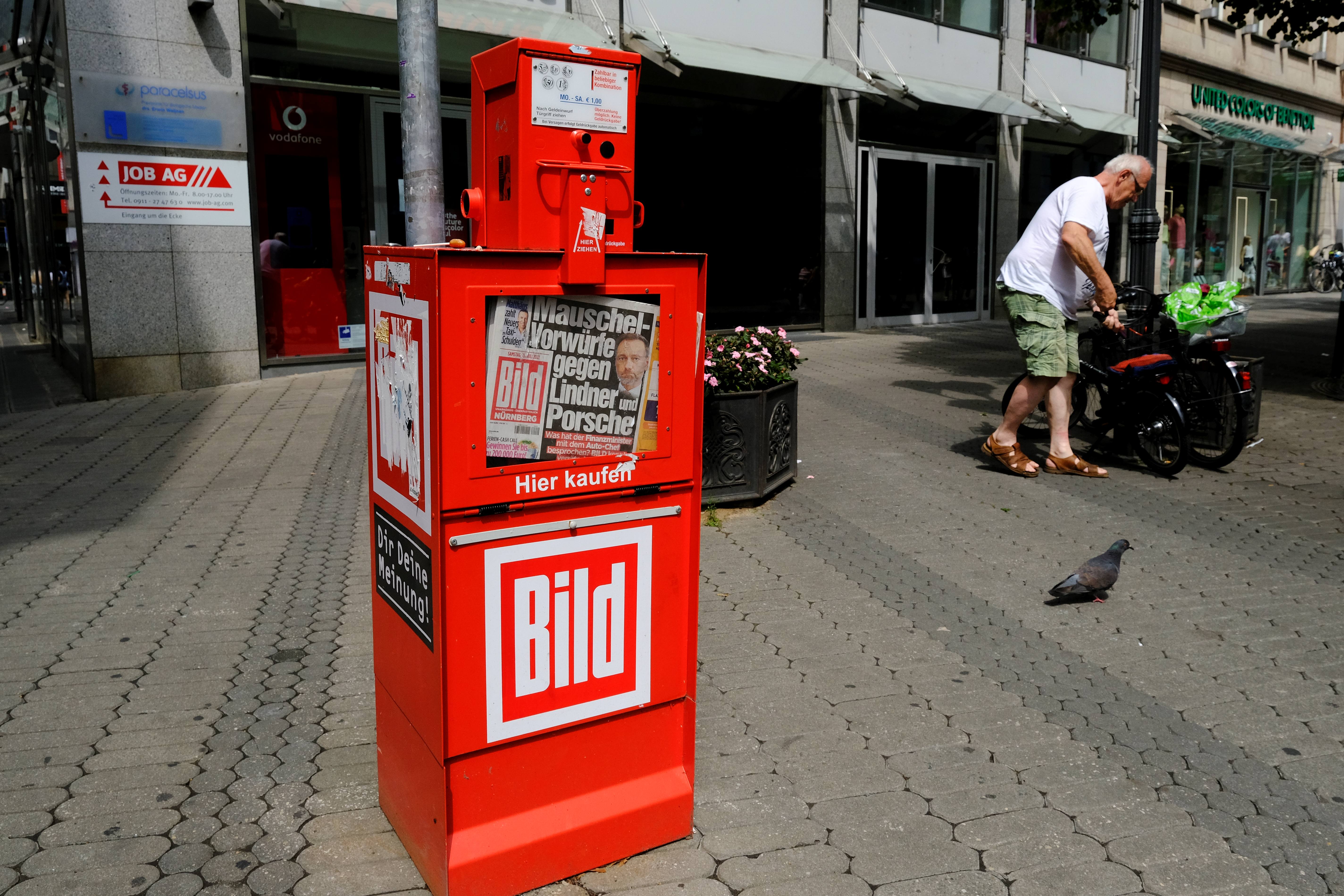
صحيفة "بيلد".. قصة "ماكينة الدعاية" الإسرائيلية المتخصصة في التحريض ضد الفلسطينيين

وصفت أنس الشريف، صحفي الجزيرة الذي اغتاله الاحتلال بـ "الإرهابي"، تنكر وجود مجاعة في غزة، تدرب صحفييها في إسرائيل للترويج للسردية الصهيونية، نشرت وثائق مفبركة مسربة من مكتب نتانياهو، وتنتمي إلى مجموعة إعلامية ينص ميثاقها الأساسي على "دعم حق إسرائيل في الوجود". هذه قصة "بيلد" الألمانية صحيفة التحريض ضد الفلسطينيين، التي يستشهد بها الرئيس الإسرائيلي.

Al Jazeera Journalism Review
مجلة الصحافة نشرت في: 13 أغسطس, 2025
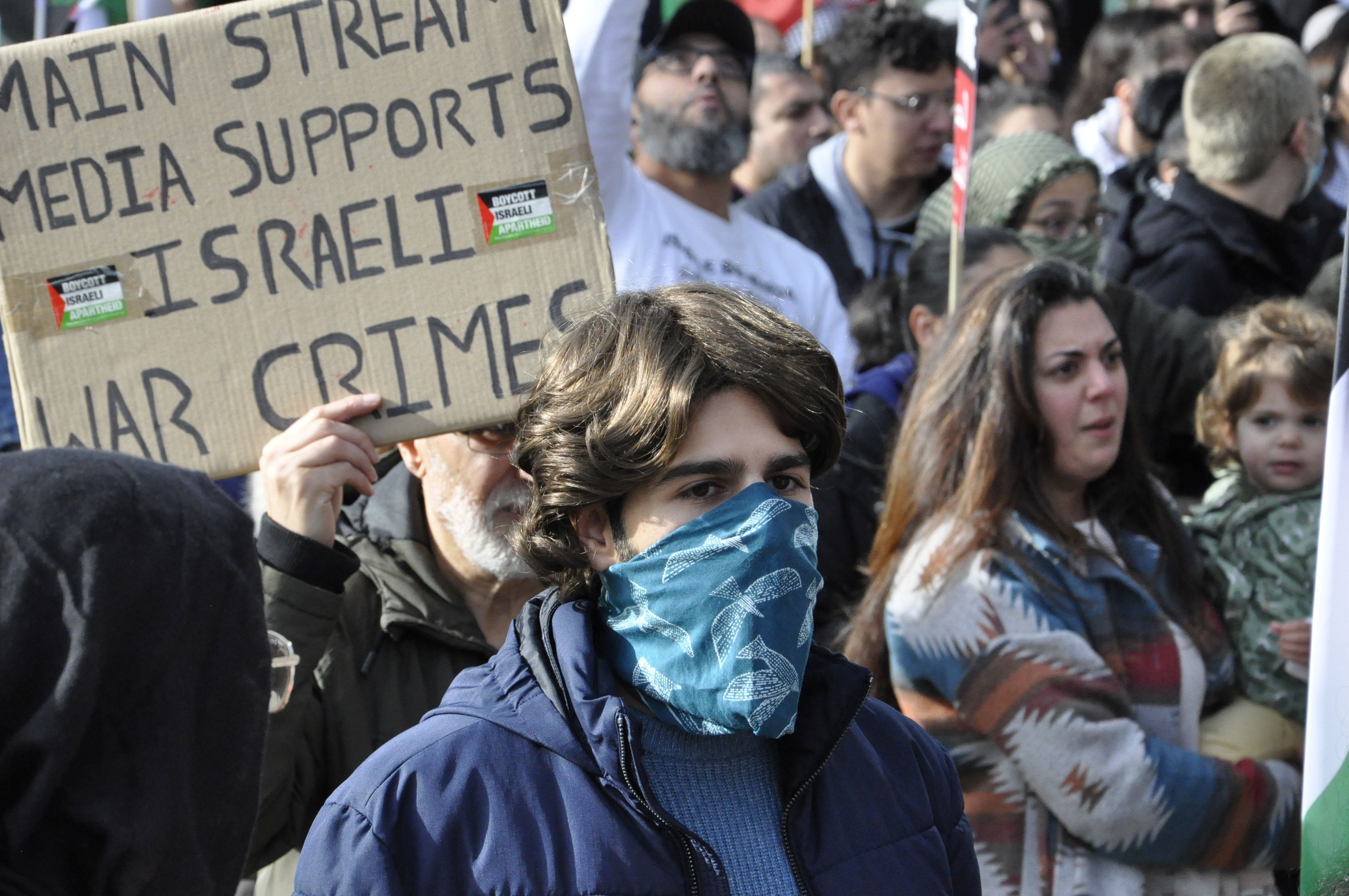
رصد وتفنيد التغطيات الصحفية المخالفة للمعايير المهنية في الحرب الحالية على غزة

في هذه الصفحة، سيعمد فريق تحرير مجلة الصحافة على جمع الأخبار التي تنشرها المؤسسات الصحفية حول الحرب الحالية على غزة التي تنطوي على تضليل أو تحيز أو مخالفة للمعايير التحريرية ومواثيق الشرف المهنية.

Al Jazeera Journalism Review
مجلة الصحافة نشرت في: 31 يوليو, 2025
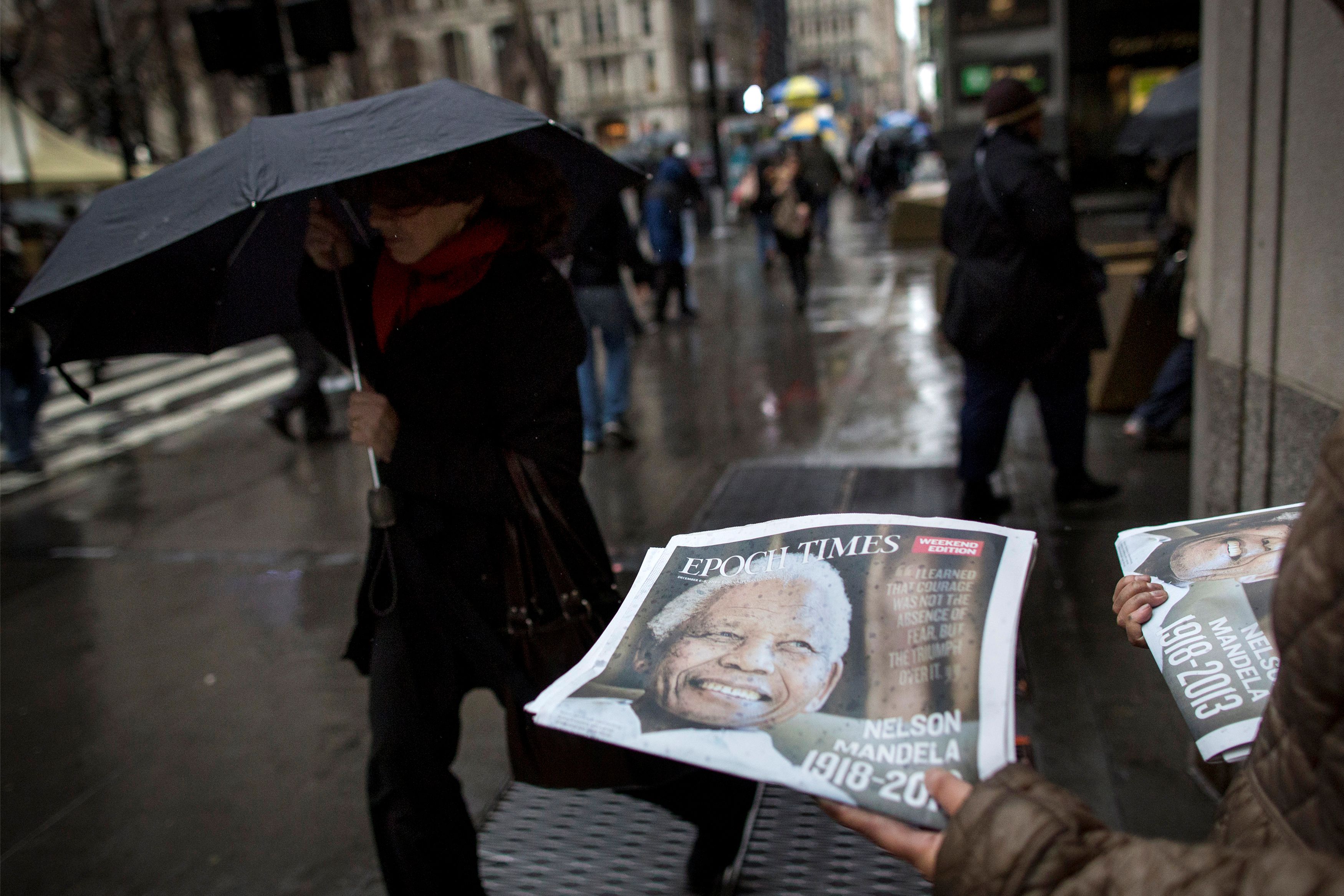
من "إعلان وفاة" إلى "مرثية".. "النعي" وقد أصبح نمطا صحفيا

أصبح النعي الإعلامي للشخصيات العامة المؤثرة نمطا/ جنسا صحفيا راسخا في الكثير من المؤسسات الإعلامية العالمية يتولاه كبار الصحفيين وأكثرهم خبرة ومعرفة. كيف تطورت هذه الممارسة وما أبرز سماتها المهنية؟ وإلى أي مدى يعتبر "تجهيز" النعي المسبق مقبولا من زاوية المعايير الأخلاقية؟

Mahfoud G. Fadili
المحفوظ فضيلي نشرت في: 13 يوليو, 2025
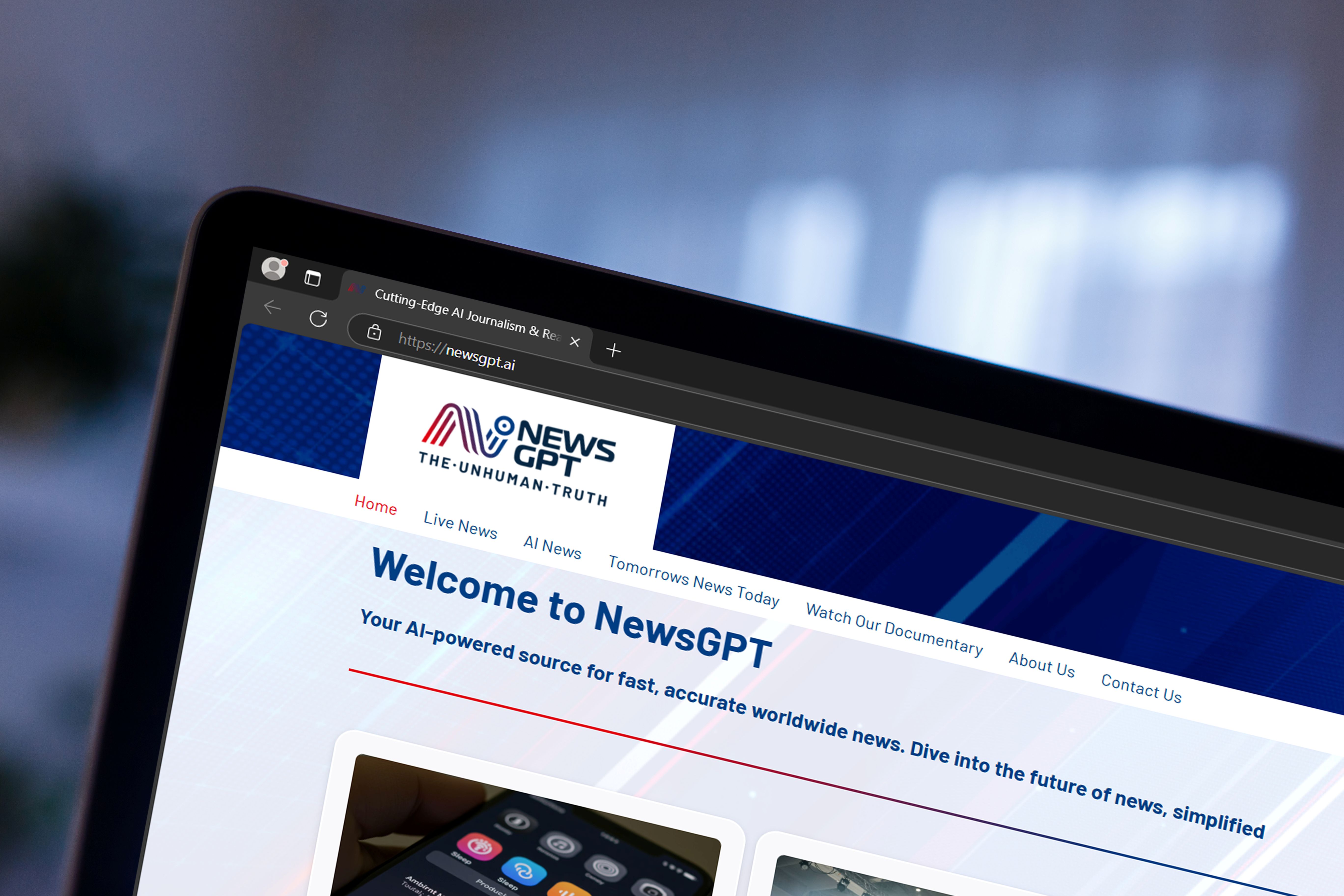
موقع "NewsGPt''.. أن يصبح الذكاء الاصطناعي محررا للأخبار

هل يمكن للذكاء الاصطناعي أن يصبح محرر أخبار؟ يدّعي موقع NewsGPT تقديم تجربة فريدة في إنتاج الأخبار دون تدخل بشري، لكن بحثًا أجرته الزميلة كوثر صالح ضمن برنامج "زمالة الجزيرة"، يكشف اعتماده الكلي على مصادر غربية في تحديد مواضيع الأخبار، ونسخ كامل لمواد منشورة سابقا.

Kawthar Saleh
كوثر صالح نشرت في: 13 أبريل, 2025
تدقيق المعلومات ليست فقط عملية تقنية

من التلاعب بالسياقات إلى الحملات الرقمية المدفوعة بتقنيات الذكاء الاصطناعي، يحاول مدققو المعلومات التكيف مع الإستراتيجيات والأساليب الجديدة للأخبار الزائفة والمضللة الساعية لبناء "روايات بديلة". في اليوم العالمي لتدقيق المعلومات، يقدم الزميل حسن خضري تجربة وكالة "سند" للتحقق من الأخبار التابعة لشبكة الجزيرة، خاصة عملها في تتبع زيف السردية الإسرائيلية عن حرب الإبادة الجماعية على فلسطين.

hassan khodary
حسن خضري نشرت في: 1 أبريل, 2025
كاريشما باتيل وبي بي سي والانحياز إلى "الحقائق البديلة"

ما الأسباب التي دفعت كاريشنا باتيل للاستقالة من "بي بي سي"؟ وما الذي تكشفه من تفاصيل عن موقف الهيئة البريطانية من الحرب على غزة؟

Mohammad Zeidan
محمد زيدان نشرت في: 29 مارس, 2025
شهادات صحفيين في مؤسسات غربية حول تغطية حرب غزة.. الرواية الأخرى

نجمع في هذا المقال شهادات صحفيين وجهوا انتقادات لمؤسساتهم كما وردت في تقارير أو رسائل أو مقابلات صحفية. معظمهم أدلى بشهادته دون الكشف عن هويته خوفا من العواقب؛ لأن حرية التعبير تبدو مصانة إلى أن يصل الأمر حدود إسرائيل، عندئذ تظهر الإكراهات والحواجز، وتتبدل السياسات التحريرية، وتفعّل منظومة المعايير المزدوجة.

Al Jazeera Journalism Review
مجلة الصحافة نشرت في: 19 مارس, 2025
نقاش مهني مع بي بي سي!

على أي أساس مهني وأخلاقي حذفت بي بي سي فيلمها عن أطفال غزة؟ هل يجب علينا فحص هوية أقارب الأطفال وتوجهاتهم السياسية حتى نستمع إلى رواياتهم؟ وإذا افترضنا أن الطفل متأثر بتوجهات سياسية ما، فهل يمنعنا ذلك من سماع قصته؟ ثم من وضع هذا المعيار؟ ألا يعتبر الكثير من أبطال الأفلام الأخرى المنشورة على المنصة مؤدلجين أيضاً؟

جمانة سعادة نشرت في: 12 مارس, 2025
عن أصول الانتقال الإعلامي في سوريا

في البدايات الأولى للمرحلة الجديدة في سوريا ظهر الكثير من الصحفيين والنشطاء و"المؤثرين" في السجون والمعتقلات ينقبون في الأوراق والمستندات التي قد تمثل أدلة هامة لكشف جرائم النظام السابق. هذه "الفوضى" التي عادة ما تلي الفترات الانتقالية، تدفع الدكتور عربي المصري إلى طرح سؤال جوهري: ماهي أصول الانتقال الإعلامي في سوريا؟

Arabi Al-Masri
عربي المصري نشرت في: 9 مارس, 2025
كيف نغطي الانتخابات الأمريكية للجنوب العالمي؟

يتجه الأمريكيون إلى صناديق الاقتراع في الخامس من تشرين الثاني/ نوفمبر، وهو حدث عادة ما يتصدّر عناوين الأخبار في العالم وعلى مدى أسابيع عديدة. في الجزيرة بلس +AJ تنطلق مقاربتنا لتغطية هذه الانتخابات من اعتبار مجموعة من القيم الأساسية التي ترتبط باسم "الجزيرة" في مشهد الإعلام العالمي؛ وهي هوية تحريرية ليس مركزها في الغرب، بل في الجنوب العالمي.

Tony Karen توني كارون
توني كارون نشرت في: 26 يناير, 2025
لماذا يجب أن يحْذر الصحفيون من المصادر الإسرائيلية؟

دعاية وإشاعات وأخبار متضاربة رافقت المفاوضات العسيرة لصفقة وقف إطلاق النار بين إسرائيل وحماس، اعتمدت خلالها الكثير من المؤسسات الإعلامية العربية على المصادر العبرية لمتابعة فصولها. ما هو الفرق بين نقل الخبر والرأي والدعاية إلى الجمهور العربي؟ وكيف أثرت الترجمة "العشوائية" على الجمهور الفلسطيني؟ وما الحدود المهنية للنقل عن المصادر الإسرائيلية؟

Ahmad Al-Agha
أحمد الأغا نشرت في: 20 يناير, 2025
شبكة MSNBC تحذف مقابلة مع صحفي انتقد تحيّز الإعلام الغربي للرواية الإسرائيلية

الأمر ليس متعلقا بالموضوعية هنا. كيف يمكن لأي منا أن يشاهد هذه الإبادة الجماعية تحدث في بث مباشر، ثم نصمت على مناورات السياسيين الذين يترشحون للرئاسة حيال ذلك من دون أن نصرخ ونقول إن هذا كلّه يجب أن يتوقف؟ نحن نشاهد إبادة جماعية أمام الشاشات، ويؤسفني أن أقول إنه على هذه الشبكة أتيحت الفرصة لأشخاص روجوا للدعاية الإسرائيلية ودافعوا عنها".

Al Jazeera Journalism Review
مجلة الصحافة نشرت في: 24 أكتوبر, 2024
نصف الحقيقة كذبة كاملة

في صحافة الوكالة الموسومة بالسرعة والضغط الإخباري، غالبا ما يطلب من الصحفيين "قصاصات" قصيرة لا تستحضر السياقات التاريخية للصراعات والحروب، وحالة فلسطين تعبير صارخ عن ذلك، والنتيجة: نصف الحقيقة قد يكون كذبة كاملة.

Ilya إيليا توبر 
إيليا توبر  نشرت في: 14 أكتوبر, 2024
الذكاء الاصطناعي "المسلح".. "ضيف" ثقيل على منصات التدقيق

تعقدت مهمة مدققي المعلومات في حرب الإبادة الجماعية على فلسطين بعدما لجأ الاحتلال إلى توظيف الذكاء الاصطناعي بشكل مكثف لممارسة التضليل. كيف أصبح الذكاء الاصطناعي قادرا على التأثير زمن الحروب، وماهي خطة مدققي المعلومات لمواجهة هذا "الضيف الثقيل" على غرف الأخبار؟

Ahmad Al-Arja
أحمد العرجا نشرت في: 30 سبتمبر, 2024
المصادر المجهّلة في نيويورك تايمز.. تغطية الحرب بعين واحدة

ينظر إلى توظيف المصادر المجهلة ضمن المعايير المهنية والأخلاقية بأنها "الخيار الأخير" للصحفيين، لكن تحليل بيانات لصحيفة نيويورك تايمز يظهر نمطا ثابتا يوظف "التجهيل" لخدمة سرديات معينة خاصة الإسرائيلية.

Mohammad Zeidan
محمد زيدان نشرت في: 5 سبتمبر, 2024
إرهاق الأخبار وتجنبها.. ما الذي عكر مزاج جمهور وسائل الإعلام؟

أبرزت دراسة  أجريت على 12 ألف بالغ أمريكي، أن الثلثين منهم يعترفون بأنهم "منهكون" بسبب الكم الهائل من الأخبار التي تقدم لهم. لماذا يشعر الجمهور بالإرهاق من الأخبار؟ وهل أصبح يتجنبها وتؤثر عليه نفسيا؟ وكيف يمكن لوسائل الإعلام أن تستعيد الثقة في جمهورها؟

Othman Kabashi
عثمان كباشي نشرت في: 1 سبتمبر, 2024
كيف تغطي الألعاب الأولمبية؟

تمنح تغطية الألعاب الأولمبية للإعلامي الشغوف فرصة لا تُضاهى كي يستعمل كل الأجناس/ الأنماط الصحفية التي درسها، ولا سيما الأجناس الكبرى منها، من ربورتاج، وحوار، و

يونس الخراشي نشرت في: 26 يوليو, 2024
حرية الصحافة في مواجهة مع الذكاء الاصطناعي

بعيدا عن المبالغات التي ترافق موضوع استخدام الذكاء الاصطناعي في الصحافة، فإن سرعة تطوره تطرح مخاوف تتعلق بمدى تأثيره على حرية التعبير. تنبع هذه الهواجس من أن الذكاء الاصطناعي يطور في القطاع الخاص المحكوم بأهداف اقتصادية رأسمالية بالدرجة الأولى.

عبد اللطيف حاج محمد نشرت في: 7 يوليو, 2024
"الحرب الهجينة".. المعلومات سلاحا في يد الاحتلال

شكلت عملية "طوفان الأقصى" وما أعقبها من حرب إسرائيلية على قطاع غزة مسرحا لإستراتيجيات متقدمة من التلاعب الجماعي بالمعلومات، وقدمت أمثلة وشواهد حية وافرة على حرب المعلومات التي باتت لازمة للحروب والصراعات والنزاعات في العصر الرقمي للاتصال، ضمن ما بات يعرف في أوساط الباحثين بـ "الحروب الهجينة".

بكر عبد الحق نشرت في: 3 يوليو, 2024
دعم الحقيقة أو محاباة الإدارة.. الصحفيون العرب في الغرب والحرب على غزة

يعيش الصحفيون العرب الذين يعملون في غرف الأخبار الغربية "تناقضات" فرضتها حرب الاحتلال على غزة. اختار جزء منهم الانحياز إلى الحقيقة مهما كانت الضريبة ولو وصلت إلى الطرد، بينما اختار آخرون الانصهار مع "السردية الإسرائيلية" خوفا من الإدارة.

Al Jazeera Journalism Review
مجلة الصحافة نشرت في: 29 فبراير, 2024
تقرير معهد رويترز: فرص وتحديات المشهد الإعلامي لعام 2024

يستعرض تقرير روتيترز 2024 نتائجاً لمسح ركز بشكل أساسي على التحديات والفرص لوسائل الإعلام في عام 2024. وقد شارك فيه 314 من قيادات وسائل الإعلام في 56 دولة وإقليما، منهم 76 يشغلون منصب رئيس تحرير، و65 رئيسا تنفيذيا أو مديرا إداريا، و53 من رؤساء الأقسام الرقمية، وبعض هؤلاء من المؤسسات الإعلامية الرائدة في العالم.

Othman Kabashi
عثمان كباشي نشرت في: 30 يناير, 2024