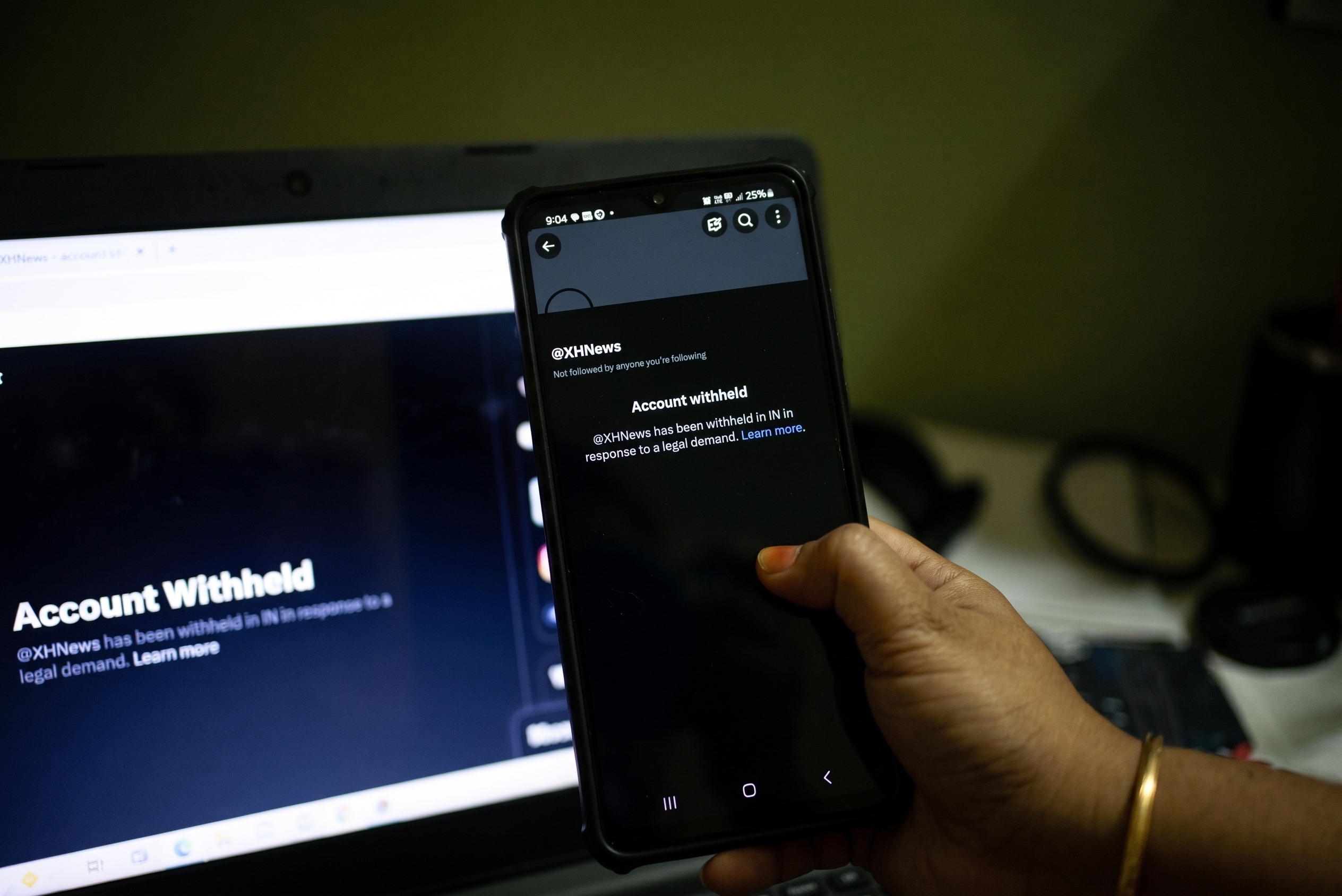

Governments do not need to shut down a newsroom to silence its reporting: repeated social media takedowns can sever its access to audiences, deprive journalists of sources and evidence, and leave gaps in the historical record.
Srinagar, India — When a journalism post disappears from a social media platform within hours of publication, what disappears is not simply a headline, a link or a piece of content. It can also mean the loss of information from the places where audiences discover news, journalists find stories and public conversations develop. In some cases, it can remove testimony, images, video and context that may later become part of the historical record.
For journalists, the consequences can extend beyond the immediate loss of an audience. As social media increasingly becomes part of the infrastructure through which journalism is distributed and discovered, repeated removals and restrictions can shape what journalists are able to see, research and report. At scale, they can create gaps in the information available to both journalists and the public, even when a government has not formally banned a news organisation.
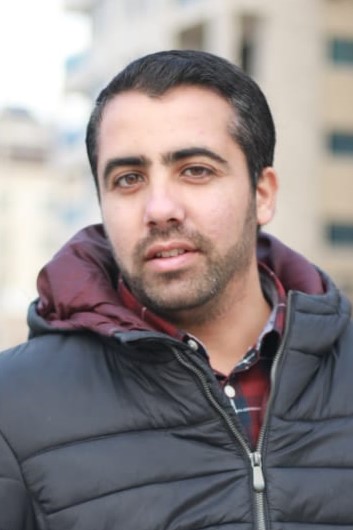
For a 21-year-old freelance journalist from Kashmir, social media is more than a place to publish his work. It is a window to events and reporting beyond his immediate surroundings. He has requested anonymity, fearing that speaking publicly about government-ordered content removals could have serious consequences for both him and his work.
“For young journalists who rely on social media to discover stories, follow conflicts and understand what is happening across borders, government-ordered takedowns and restrictions can leave us with a filtered view of the world,” he says.
For journalists beginning their careers, the loss can mean more than a missing post or video. If important reporting disappears from the platforms where young reporters discover news, they can lose access to context, perspectives, sources and opportunities to understand an issue before reporting on it themselves.
“It’s not just about what is taken down. It is also about what young journalists never get to see. It can create an information blackout, not just for journalists but for the public as well,” he says.
It’s not just about what is taken down. It is also about what young journalists never get to see. It can create an information blackout, not just for journalists but for the public as well
When journalism becomes harder to find
India provides one example of how this broader problem plays out. India issued nearly 195,000 government blocking orders to social media platforms between March and July 2026, according to report by The Indian Express.
Government takedown requests and platform restrictions have increasingly shaped what journalists and independent media organisations can publish and circulate online. But the implications extend beyond India, as journalists in different countries face decisions by governments and technology platforms that can determine whether their reporting remains visible.
Pragya Singh, a journalist at The Wire, an independent Indian news platform, says that when journalism is removed from the platforms where audiences get their news, the impact goes beyond losing a post. It can amount to “censorship”, cutting off reporting from the people it was intended to reach.
When that material disappears, journalists can lose not only published reporting but also leads, sources and evidence that could inform future work.
“Social media increasingly drives readership and viewership. When journalists’ work is removed from these platforms, they are effectively denied the opportunity for their reporting to be read, discussed and debated,” she says.
Her own experience illustrates how quickly that loss can occur. The Wire published a story by Singh featuring three people from Kashmir who had suffered pellet-gun injuries during earlier protest uprisings in Kashmir. The story documented their experiences alongside the use of pellet guns during recent protests in Delhi, giving survivors an opportunity to speak about the physical and social consequences of their injuries and how those injuries affected their families.
Within minutes of publication, the story was removed from both Instagram and Facebook.
“My immediate reaction to the removal of my news article was one of surprise and shock, followed by the question: why?” she says.
The notice The Wire received said the content had been restricted “through an automated system” implemented pursuant to legal requirements under India’s information technology guidelines.
For Singh, the explanation raises a broader question about how journalism is assessed online. If automated systems make decisions based on keywords or other signals, she questions whether the journalism itself is being understood before it is removed.
“Journalists work very hard. Their organisations put in a lot of effort. Their labor cannot be treated so casually,” she says.
The case points to the growing influence of automated systems and government requests over what journalism remains visible to the public.
Large-scale content removals can create information gaps or “information blackouts” even when governments do not formally ban news organisations. This is especially true in situations where the information ecosystem is heavily controlled and the only source of information available is through people or journalists reporting from the ground.
A global information problem
The concern over automated systems and government requests is part of a broader global debate over who determines what remains visible online.
Freedom House's Freedom on the Net 2025 found that global internet freedom declined for the 15th consecutive year. Of the 72 countries assessed, conditions deteriorated in 28, while 17 registered overall gains. The report describes an online environment increasingly shaped by censorship, legal measures and pressure on digital platforms, while highlighting the growing use of online controls to influence information and public discourse.
For journalism, the significance of these restrictions goes beyond whether a particular post violates a platform's rules. It is also about who gets to decide what information remains available, how transparent those decisions are and whether journalists and audiences have meaningful ways to challenge them.
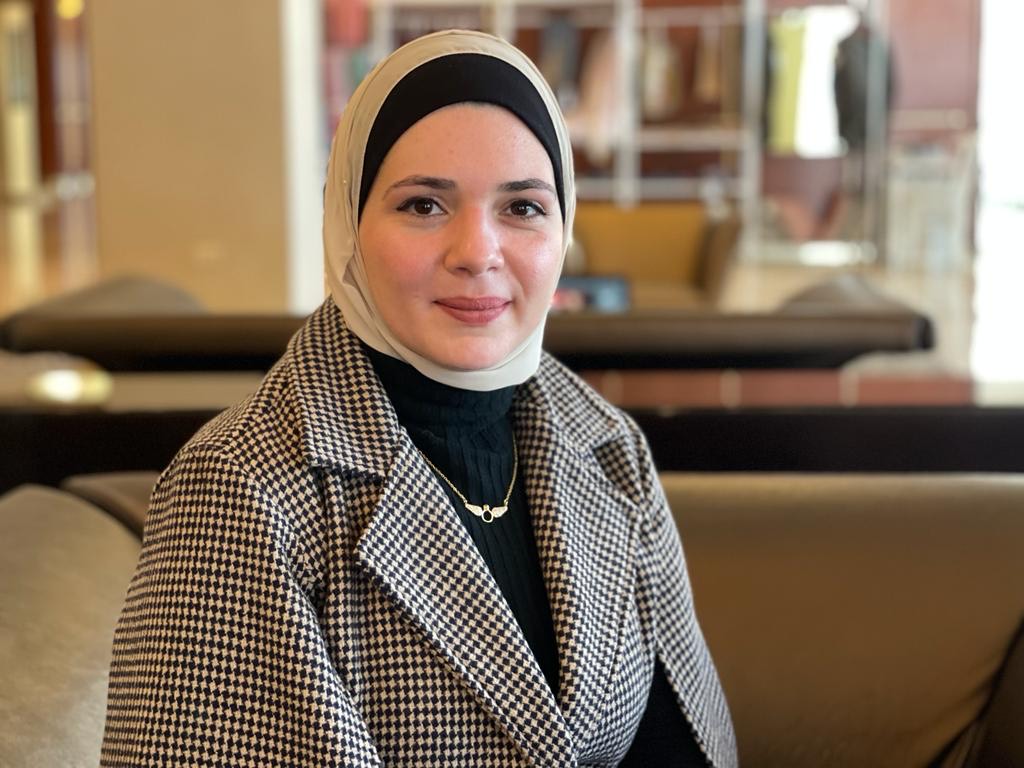
Marwa Fatafta, MENA Policy and Advocacy Director at Access Now, an international non-profit organisation focused on digital rights and civil liberties, says platform censorship directly undermines journalists who rely on social platforms to publish their reporting. The impact is especially acute for independent and citizen journalists operating under oppressive regimes where traditional media is state-controlled or even barred. Ultimately, censoring journalists starves the public of critical news on the very platforms they rely on most to access information.
Fatafta says large-scale content removals can create information gaps or “information blackouts” even when governments do not formally ban news organisations. This is especially true in situations where the information ecosystem is heavily controlled and the only source of information available is through people or journalists reporting from the ground.
“We see states resorting to draconian laws, such as cybercrime or anti-terrorism legislations, to order platforms to censor human rights defenders, journalists, and civil society organizations with little resistance,” Fatafta says.
The issue is therefore not limited to traditional censorship, in which a government directly shuts down a newspaper or television station. It can also emerge through platform restrictions, legal requests, automated moderation and the removal of individual pieces of reporting.
Once a government can ask a platform to take something down and get compliance without a court order or any real check on the request, censorship moves out of the legal system and into a backroom deal between an official and a company that has every incentive to say yes.
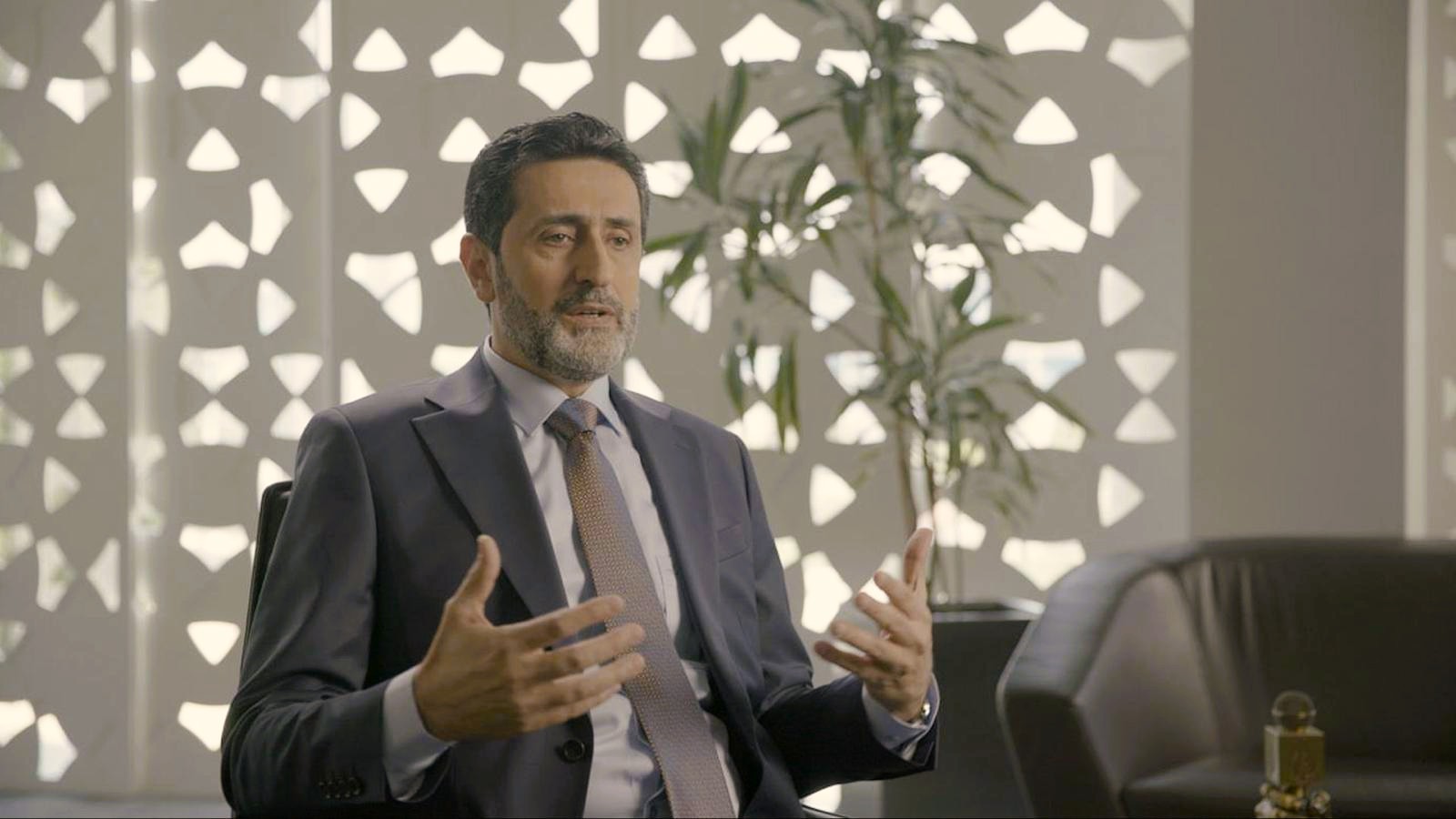
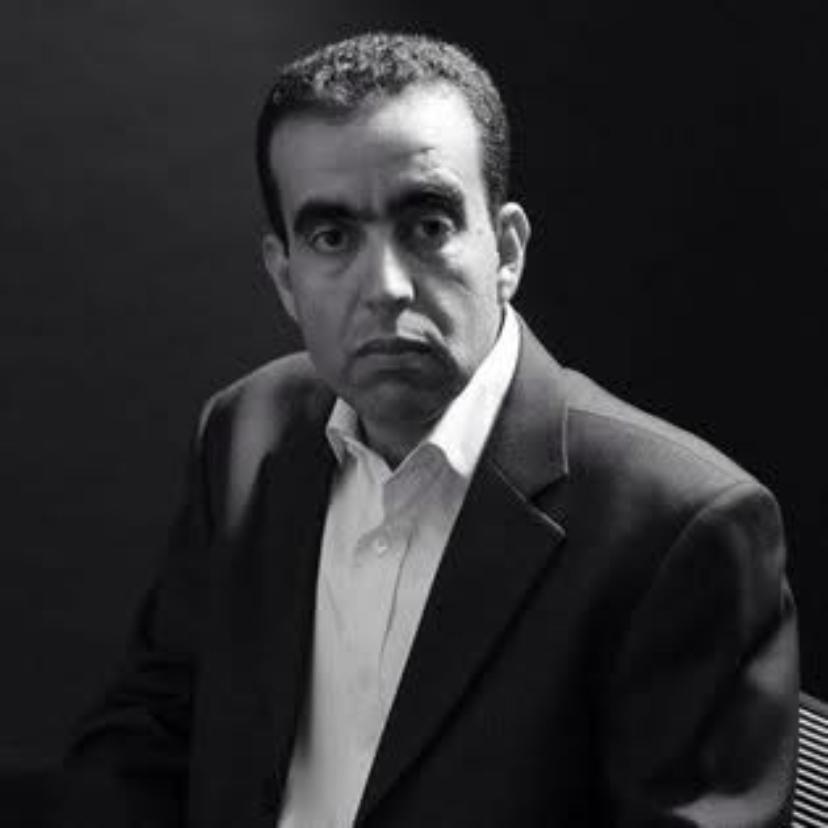
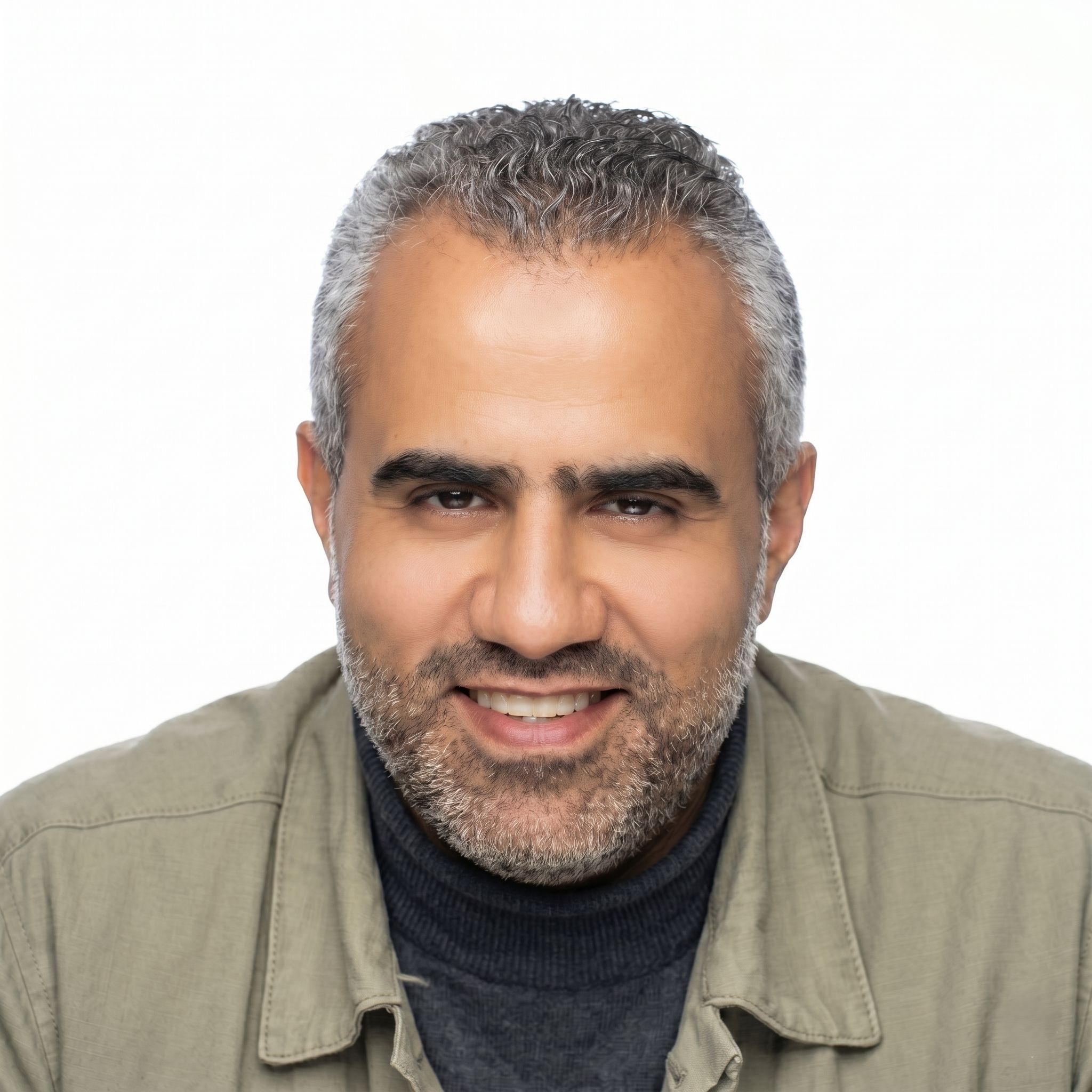
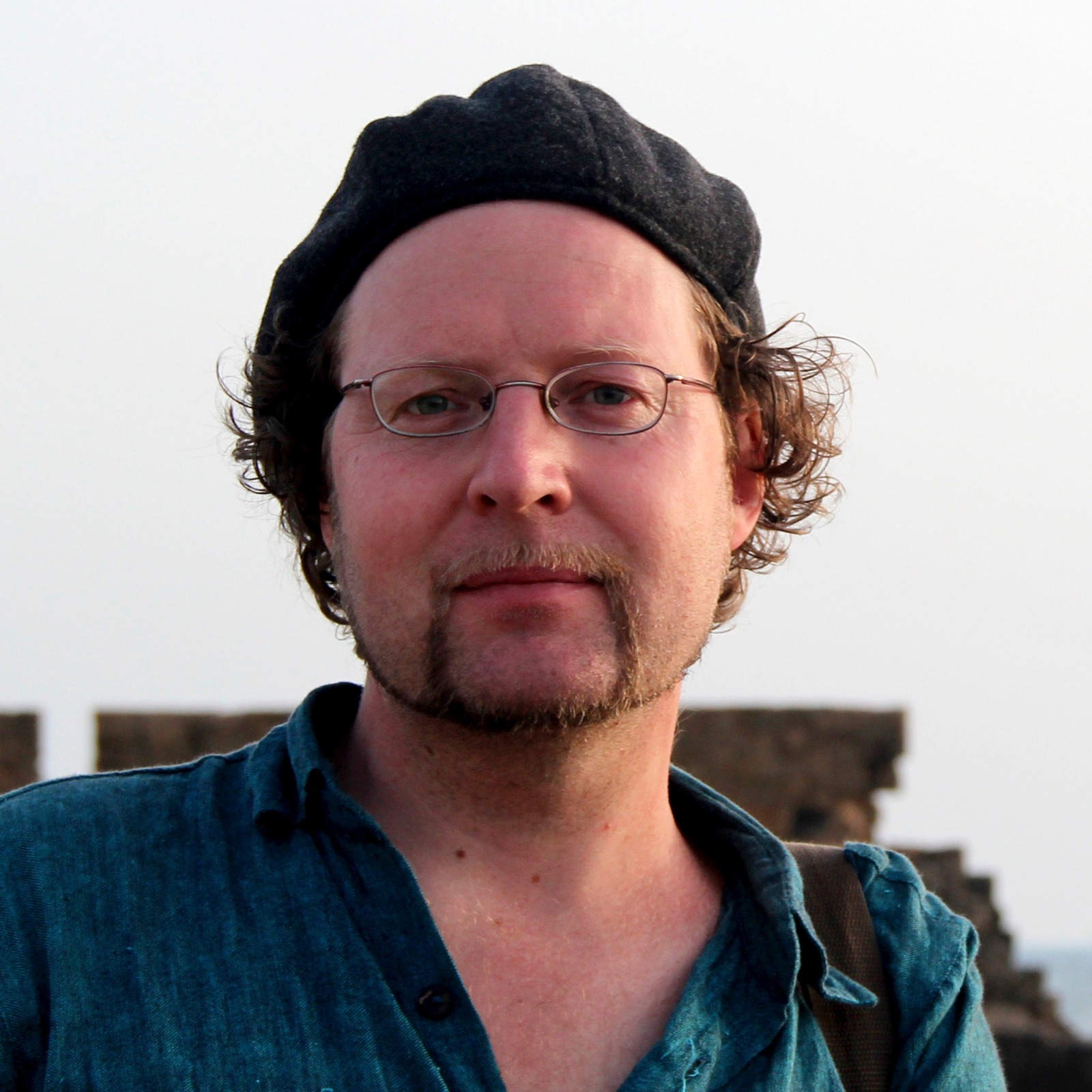
American Kuwaiti journalist Ahmed Shihab-Eldin, an Emmy-nominated journalist and producer, says government requests to remove or restrict content can move decisions about censorship away from formal legal processes and into the relationship between governments and technology companies.
“Once a government can ask a platform to take something down and get compliance without a court order or any real check on the request, censorship moves out of the legal system and into a backroom deal between an official and a company that has every incentive to say yes,” Shihab-Eldin says.
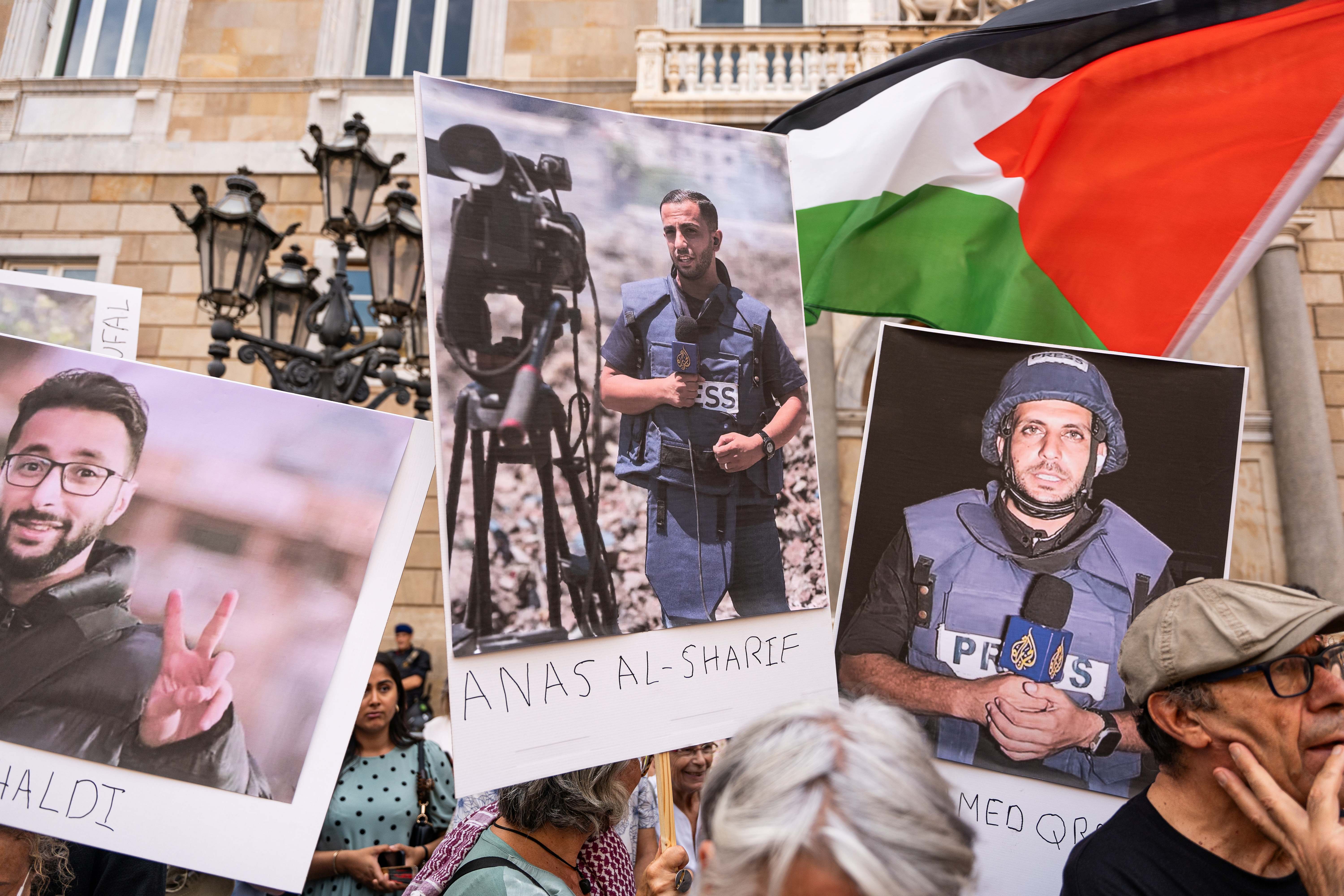
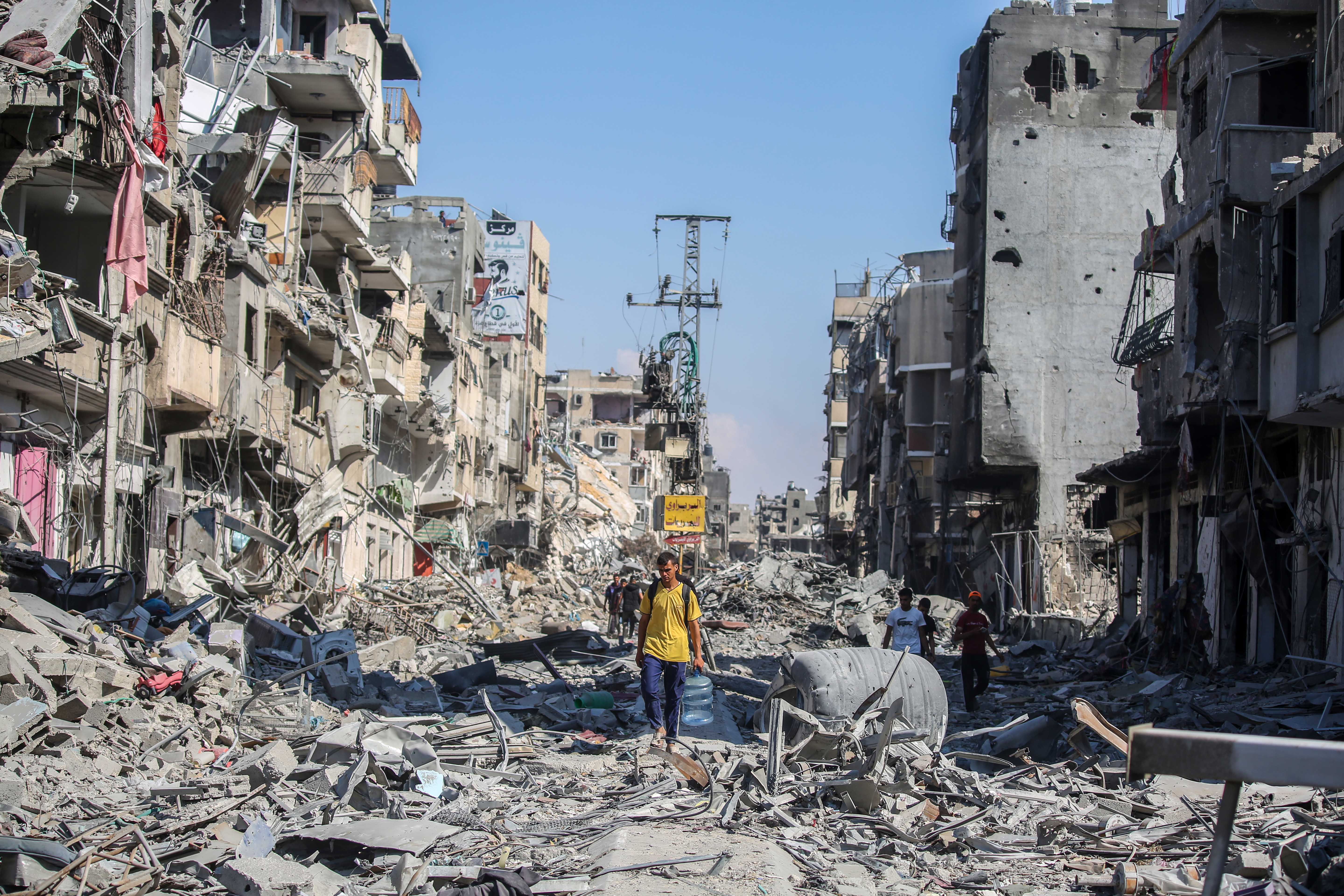
The consequences become particularly significant during conflicts and other moments when access to information is critical. Shihab-Eldin points to coverage from Gaza, where he says footage and testimony have disappeared from platforms at a time when journalists were prevented from entering Israel.
“Once that record is gone from people’s feeds, it’s effectively gone from public memory, even if a copy survives somewhere else,” he says.
That distinction between journalism technically remaining online and journalism remaining accessible is increasingly important.
“A website nobody visits aren’t reaching an audience. Most people encounter journalism because it showed up in their feed, not because they typed a URL into a browser,” Shihab-Eldin says.
For journalists, visibility is therefore also about discovery which stories are encountered, which sources are found and which events enter public discussion.
The consequences become particularly significant during conflicts and other moments when access to information is critical… where [Gaza] footage and testimony have disappeared from platforms at a time when journalists were prevented from entering Israel. Once that record is gone from people’s feeds, it’s effectively gone from public memory, even if a copy survives somewhere else.
The effect of thousands of small restrictions
The loss does not always come through one dramatic ban. “It happens through thousands of small actions an account restricted, a post taken down, live-streaming disabled quietly for a handful of accounts,” he says.
Individually, each decision may appear limited. Collectively, however, such restrictions can change the information environment in which journalists and audiences operate. Stories can become harder to discover, sources harder to find and public discussions fragmented.
A government may never need to formally shut down a news organisation if the channels through which its reporting reaches audiences are repeatedly restricted. This creates a different kind of censorship, one that can be difficult to see because no single action necessarily amounts to a complete information blackout.
For journalists working in conflict zones, under authoritarian governments or in places where traditional media is already restricted, the consequences can be particularly serious. Social platforms may provide access to eyewitnesses, local reporters, activists and communities that are otherwise difficult to reach.
When that material disappears, journalists can lose not only published reporting but also leads, sources and evidence that could inform future work.
Individually, each decision may appear limited. Collectively, however, such restrictions can change the information environment in which journalists and audiences operate. Stories can become harder to discover, sources harder to find and public discussions fragmented.
What disappears from the historical record?
The problem is also not limited to what disappears today. It can affect what journalists are able to find tomorrow.
In Kashmir, many politically sensitive articles published by local news organisations over the past 15–20 years have disappeared from their websites, making it harder for young journalists to research past events and build on earlier reporting.
For journalists, such gaps can have consequences beyond historical memory. Earlier reporting can provide timelines, identify sources, document previous claims and help reporters understand how an issue has developed. When those records become inaccessible, journalists may have to reconstruct events without the reporting that originally documented them.
This creates another dimension of the information blackout not only information that audiences cannot see in the present, but information that future journalists may be unable to find when they try to understand the past.
Journalism is not only produced for the moment in which it is published. News reports can later become sources for investigations, historical research, accountability efforts and new reporting.
When those records disappear, become inaccessible or are pushed out of the places where journalists normally search for information, the loss can extend across generations of reporters.
Earlier reporting can provide timelines, identify sources, document previous claims and help reporters understand how an issue has developed. When those records become inaccessible, journalists may have to reconstruct events without the reporting that originally documented them.
When visibility becomes a livelihood
For independent and freelance journalists, the consequences can also extend from access to information to their livelihoods. Shihab-Eldin says restrictions can mean losing an audience built over years, along with assignments, speaking opportunities or subscriptions that depend on that reach.
“For a lot of journalists, especially freelancers, the platform account isn’t just a distribution channel, it’s the income itself.”
For journalists whose work depends on social media to reach audiences, losing access to an account or seeing reporting repeatedly removed can affect both their ability to publish and their ability to sustain their work.
The dependence is particularly significant for freelancers and independent journalists who may not have the institutional distribution networks of large news organisations. A newsroom may have a website, newsletter, television broadcast or print edition to fall back on. An individual journalist may have built an audience almost entirely through a platform. When that channel disappears, the consequences can therefore extend from editorial reach to professional survival.
A problem larger than any single country
Shihab-Eldin sees developments in India, Meta’s handling of Palestinian and Arabic-language content, and similar cases elsewhere as part of a broader pattern.
“The same pattern is emerging elsewhere, as governments test how far they can push platforms to remove content without attracting public scrutiny,” Shihab-Eldin says.
That pattern matters for journalists globally because the power to determine what remains visible online is increasingly shared between governments and private technology companies. The implications are therefore larger than any single takedown, platform or country.