الجذور السياسية والرقمية لتغييب حرب السودان

الجذور السياسية والرقمية لتغييب حرب السودان


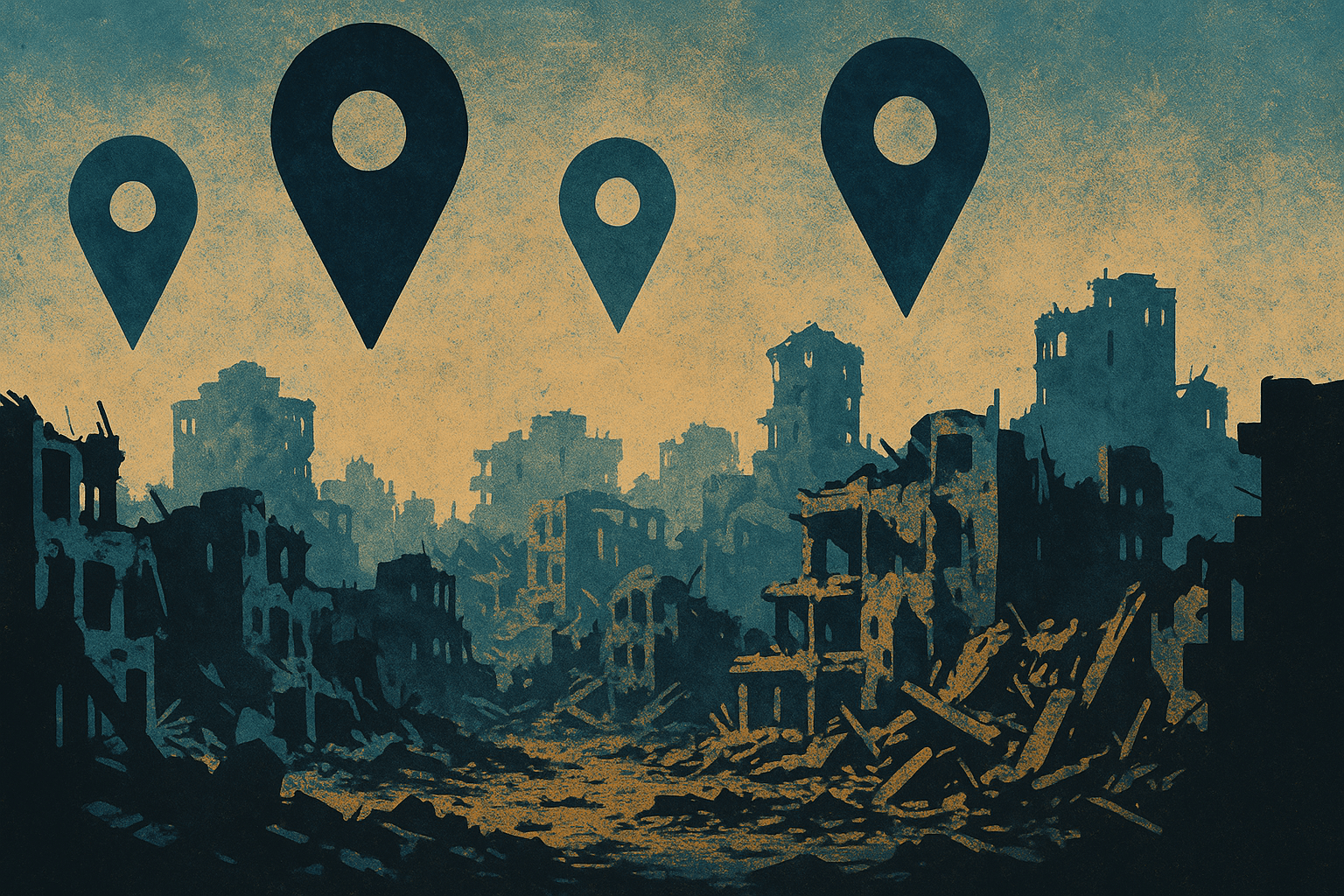
ثمة أسئلة لا تطرحها الأزمات بل تفرضها. ومنها سؤال يظل معلقاً في صمت مريب كلما تأملنا مشهد الحرب السودانية: لماذا تختفي بعض النزاعات عن أجندة التغطية الإعلامية رغم ضخامتها الإنسانية، بينما تحتل أخرى أقل كلفةً بشريةً مركز اهتمام تلك التغطية؟

السودان ليس مجرد حالة للإجابة على هذا السؤال بل هو اختبار لحدوده: هل غياب السودان عن الأجندة العالمية شعور كامن في ذات الضحية، أم ظاهرة مرصودة وموثقة تستحق النقاش والبحث عن تفسير؟

الوقائع تُرجِّح الثانية؛ فقد قال المبعوث الأمريكي الخاص إلى السودان توم بيريلو صراحةً إن "حجم الأزمة في السودان لم يُقابَل بالاهتمام العالمي اللازم، ولا بالاهتمام الإعلامي اللازم؛ سواء في الصحافة الغربية أو الإفريقية أو العربية أو سواها" وفي السياق ذاته، وصفت مجلة The Economist حرب السودان بـ "الحرب التي نسيها العالم" وهو وصف لم يأتِ تعاطفاً بل توثيقاً لمفارقة باتت موضع إجماع؛ فبَيْن ضخامة الكارثة الإنسانية وضآلة الاهتمام الإعلامي الدولي بها مسافةٌ لا تُفسَّر بالصدفة.

تتمادى الأزمة السودانية وتمتد جغرافياً وتاريخياً لتصنع واقعاً غريباً عن تاريخ المنطقة وطبيعة العلاقة بين مكوناتها. ويبدو جلياً أن التصور التاريخي لشبكة علاقات الدولة السودانية في الإقليم والعالم قد تبدّل على نحو شامل، وهو ما يجعل مدخلاً جديداً للتعاطي مع هذا الشأن ضرورةً وجودية قبل أن يكون مطلباً آنياً. ومع غياب أي نقاش جدّي حول مراجعة علاقة السودان بالمنظومات الإقليمية والدولية التي أسهمت في تفاقم أزمته، تبقى حقيقة لا تقبل التأجيل: هذه المنظومات لم تعجز عن إدارة الأزمة فحسب، بل أسهمت في تشكيل البيئة التي سمحت باستدامتها. وهنا بالضبط يصبح السودان نموذجاً كاشفاً لما يحدث حين يتقاطع الصمت الدولي مع التغييب الإعلامي.


مسافة الصمت وأبعاد التجاهل

ولعل الدليل الأكثر كشفاً عن عمق هذه الأزمة لا يأتي من ميادين القتال بل من أرقام الإعلام. في مايو 2024، نشرت مجلة The Economist تحليلاً بيانياً موسّعاً تحت عنوان "السودان: الحرب التي نسيها العالم"، خلص فيه المحررون إلى أنه بينما تتجه أنظار العالم نحو أوكرانيا وغزة، يبقى الاهتمام أقلَّ كثيراً بالحرب والمجاعة في ثالث أكبر دولة في أفريقيا، التي يصفها المراقبون الدوليون باستمرار بأنها تشهد أسوأ أزمة إنسانية في العالم.

والأرقام تُجسّد هذا التجاهل بدقّة لا تقبل الجدل؛ إذ كشفت بيانات شركة Chartbeat للتحليلات الإعلامية أن التغطية الإخبارية للسودان بلغت ذروتها في أبريل 2023 بنحو 7,000 مقال نشرتها 3,000 مؤسسة في 70 دولة، ثم انهارت منذ مطلع 2024 إلى 600 مقال شهرياً فقط؛ في حين لم تنخفض تغطية أوكرانيا وغزة عن 100,000 مقال شهرياً (1). وأكدت دراسة مركز أبحاث الصحافة والإعلام 2025 أن السودان يحصل على تغطية لا تتناسب مع حجم كارثته رغم تصدّره قوائم الأزمات الإنسانية الأشد تأثيراً وفق مكتب أوتشا الأممي.

600 مقابل 100,000، ليس رقماً إحصائياً فحسب، بل قياسٌ لمسافة الصمت التي تفصل بين حجم المأساة السودانية وما يصل منها إلى الوعي الإعلامي العالمي.

والأكثر دلالةً ليس حجم التغطية بل توزيعها الجغرافي داخل السودان ذاته؛ فبينما نالت الخرطوم وولاية الجزيرة نصيباً من الاهتمام، ظلت مناطق أخرى في شبه ظلام إعلامي. والأخطر أن الاهتمام الدولي بدارفور - وإن بدا مكثفاً - يستند في معظمه إلى أطر توثيقية موروثة من نزاعات 2003 لا من قراءة الحرب الأخيرة بعيون جديدة؛ إذن فالأمم المتحدة ترى السودان بعيون دارفور 2003، والإعلام الدولي يرى السودان بعيون الأمم المتحدة، والنتيجة حرب جديدة تُقرأ بمفاتيح خاطئة.

كشفت بيانات شركة Chartbeat للتحليلات الإعلامية أن التغطية الإخبارية للسودان بلغت ذروتها في أبريل 2023 بنحو 7,000 مقال نشرتها 3,000 مؤسسة في 70 دولة، ثم انهارت منذ مطلع 2024 إلى 600 مقال شهرياً فقط؛ في حين لم تنخفض تغطية أوكرانيا وغزة عن 100,000 مقال شهرياً
 

أنظمة الحجب والتوصية الرقمية

يفرِّق علم الاتصال بين مفهومين متكاملين: الغياب بصفته حالة طبيعية تُنتجها بنية قيم الأخبار؛ إذ تقوم فرضية الاستبعاد عند غالتونغ وروغ على أن الأحداث التي لا تستوفي معايير الأخبار لن تصير خبراً أصلاً (2).

 والمفهوم الثاني هو التغييب الناتج عن التأطير بمعناه عند إنتمان؛ وهو "اختيار بعض جوانب الواقع وجعلها أكثر بروزاً" على حساب جوانب أخرى تُحجب بشكل ممنهج (3). وفي العصر الرقمي، انضمت الخوارزميات إلى المحررين بوصفها فاعلاً في هذا الحجب؛ إذ باتت أنظمة توصية المحتوى تُشارك في بناء السرديات وتوزيع الرؤية (4).

ما يتعرض له السودان يتجاوز الغياب البسيط إلى التغييب البنيوي، لثلاثة عوامل متشابكة:

أولها: اقتصاديات الانتباه الرقمي؛ حيث تعمل أنظمة توصية المحتوى في المنصات الكبرى من Meta وGoogle إلى YouTube وTikTok وفق منطق مشترك يقوم على تضخيم ما يحصل على تفاعل وتقليص ما لا يحصل عليه. والصراعات التي تملك "ضحية مثالية"  - وجه محدد  وقصة فردية مؤثرة - تحصل على انتشار أوسع مما تحصل عليه الصراعات ذات الطابع الجماعي المعقد، كما هو حال الصراع في السودان.

وثانيها: الجغرافيا السياسية للاهتمام الإعلامي؛ فالمؤسسات الإعلامية الكبرى تعمل وفق مبدأ القرب الجغرافي والثقافي، وبما أن السودان لا يقع على حدود أوروبا، ولا تربطه بالغرب علاقة استعمارية مباشرة، ولا يملك ثقلاً اقتصادياً يهدّد مصالح القوى الكبرى، فإنه يقع في أقصى هوامش منطقة الاهتمام الإعلامي.

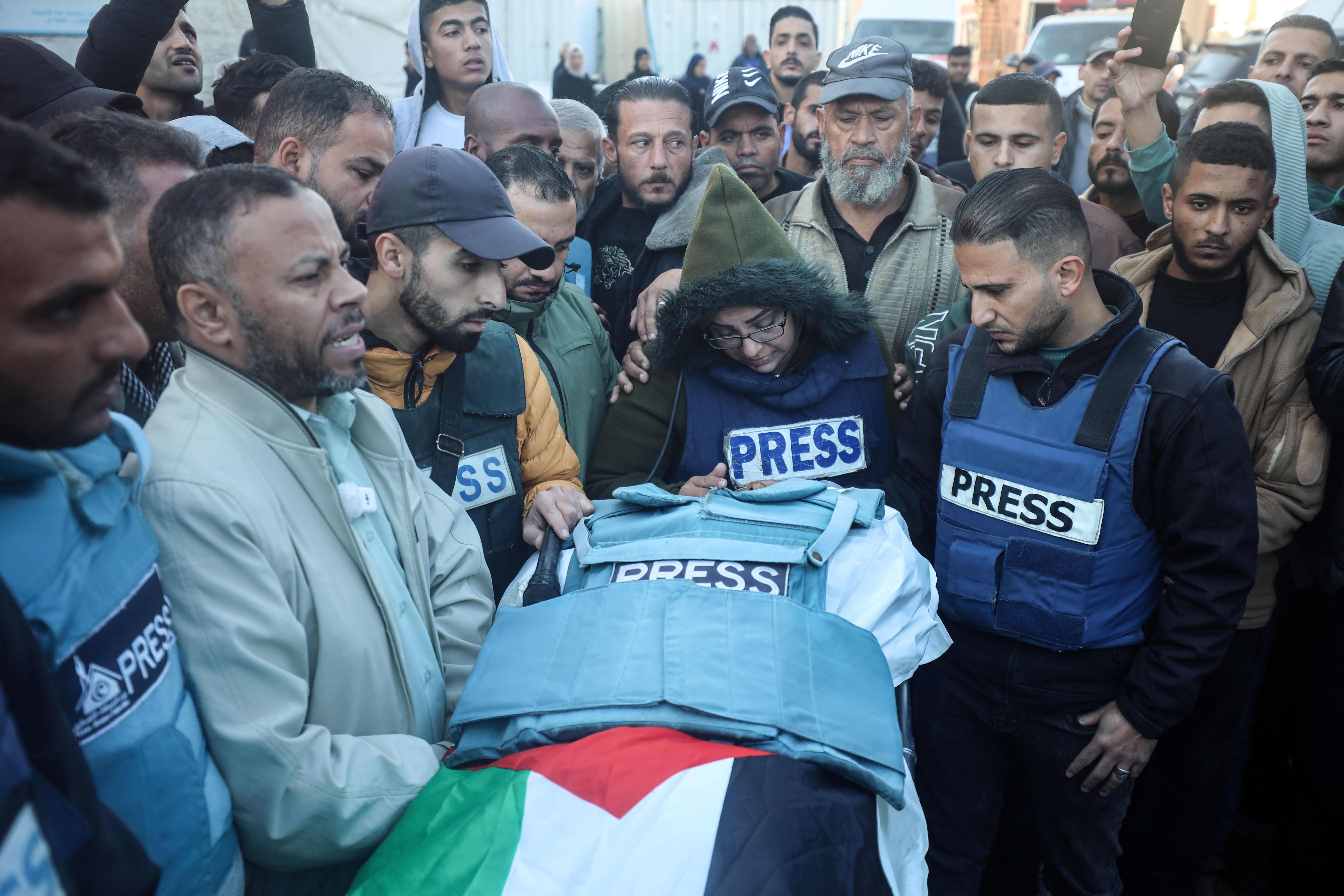
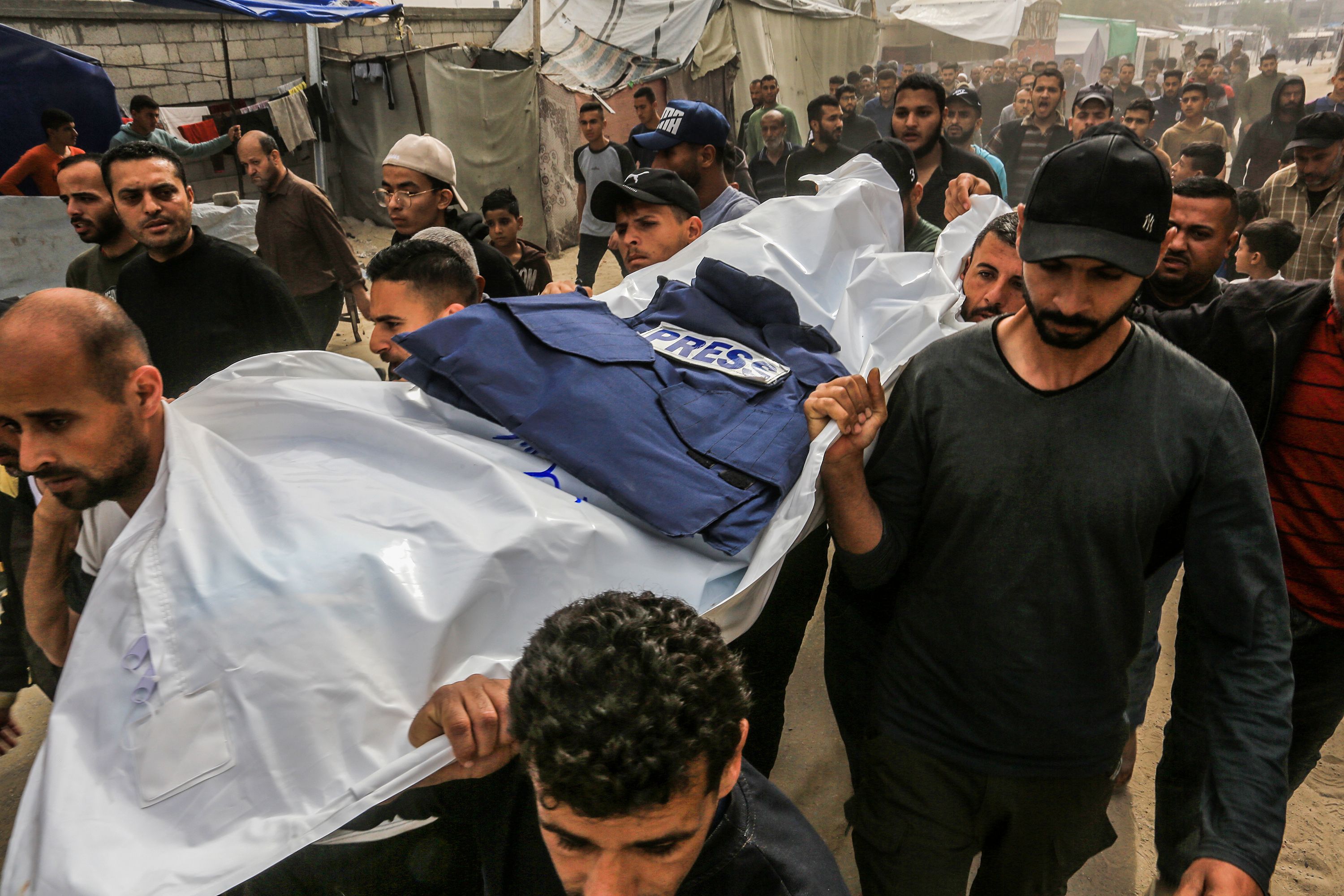
وثالثها: تدمير البنية الإعلامية المحلية؛ فعند غياب المحتوى المحلي الموثق يلجأ الإعلام الدولي إلى مصادر أقل عمقاً ودقةً عبر ثلاثة أنماط موثّقة: الاعتماد المفرط على بيانات المنظمات الدولية، وتوظيف منصات التواصل مصدراً للأخبار في فضاء تنشر فيه الأطراف المتحاربة الدعاية بشكل ممنهج، والاستهداف الممنهج للمنظومة الإعلامية ذاتها: إذ أعلن الاتحاد العام للصحفيين السودانيين عن استشهاد 26 صحفياً وتدمير بنية تحتية إعلامية تتجاوز قيمتها 26 مليون دولار.

تعمل أنظمة توصية المحتوى في المنصات الكبرى من Meta وGoogle إلى YouTube وTikTok وفق منطق مشترك، تضخيم ما يحصل على تفاعل وتقليص ما لا يحصل عليه. والصراعات التي تملك "ضحية مثالية" — وجه محدد وقصة فردية مؤثرة — تحصل على انتشار أوسع مما تحصل عليه الصراعات ذات الطابع الجماعي المعقد، كما هو حال الصراع في السودان.


تغطية "حروب ما بعد الدولة الوطنية"

يكشف التأمل في أزمة التغطية السودانية عن معضلة أعمق تواجهها الصحافة العالمية في تغطية ما بات يُسمى "حروب ما بعد الدولة الوطنية". تتسم هذه الحروب بثلاث سمات تجعلها عصيَّةً على الأطر الإعلامية التقليدية: أُولاها انهيار احتكار العنف من الداخل؛ إذ نَمَت قوات الدعم السريع في أحشاء الدولة ثم انقلبت عليها في نمط يتكرر في مالي وأفريقيا الوسطى وميانمار. والثانية: هي غياب الجغرافيا الثابتة للمعارك وهذا ما يصعّب تحديد نقاط تغطية ثابتة وينتفي معه "الصورة النموذجية" التي تحتاجها أنظمة التوصية الرقمية. والأخيرة: تشابك الفاعلين الإقليميين والدوليين في دعم أطراف النزاع دون إعلان رسمي، وهو ما يجعل خريطة المسؤولية ضبابية، ويصعّب السرد الصحفي الذي يشترط تقليدياً عدواً محدّداً وضحيةً واضحة.

الصحافة التقليدية نشأت في سياق حروب كلاسيكية بجبهات واضحة. والحرب في السودان تكسر هذه الأطر جميعاً، وتضع الصحافة العالمية أمام تحدٍّ مهني لم تجد له إجابة مقنعة بعد.

المطلوب مراجعة جذرية تطرح أسئلة لم تعتد المؤسسات الإعلامية العربية والأفريقية طرحها: كيف تُبنى شبكات مراسلين قادرة على تغطية حروب بلا جبهات؟ وكيف تُطوَّر أطر تأطير بديلة تجعل معاناة الملايين قابلةً للرؤية في عصر تتحكم فيه أنظمة توصية المحتوى في توزيع الاهتمام الإنساني؟
 

نحو تأطير جديد

ما يجري في السودان نموذج متقدم لنوع من النزاعات بات يتكرر في مناطق متعددة من العالم دون أن تمتلك الصحافة العالمية أدوات تأطير كافية للتعامل معه. ومن يتقن تأطير السودان إعلامياً اليوم يمتلك مفاتيح تغطية نزاعات الغد. غير أن هذا الإتقان لن يأتي بالأدوات الصحفية الموروثة ذاتها. والمطلوب هو مراجعة جذرية تطرح أسئلة لم تعتد المؤسسات الإعلامية العربية والإفريقية طرحها: كيف تُبنى شبكات المراسلين القادرة على تغطية حروب بلا جبهات؟ وكيف تُطوَّر طرق تأطير بديلة تجعل معاناة الملايين مرئيّة في عصر تتحكم فيه أنظمة توصية المحتوى في توزيع الاهتمام الإنساني؟ وهل يمكن للتحالفات التحريرية بين مؤسسات الجنوب أن تملأ الفراغ الذي تتركه الصحافة الغربية؟

هذه أسئلة لا تخص السودان وحده، لكن السودان بحجم كارثته وعمق صمته الإعلامي هو الاختبار العملي لمدى جدية من يطرحها.

والجواب - بعد كل ما سبق - ليس أحد شِقَّي الاستفهام الذي يطرحه عنوان المقال دون الآخر. إنّ ما يعانيه السودان أزمةٌ مركّبة: دبلوماسية في جذورها، إعلامية في تجلياتها، وخوارزمية في آلياتها؛ فالفشل الدبلوماسي أنتج فراغاً سياسياً، والفراغ السياسي أضعف الضغط الإعلامي، وضعف الضغط الإعلامي أطال أمد الأزمة وهكذا تدور الحلقة.

التغطية الإعلامية ليست مجرد انعكاس للواقع إنما هي جزء من صناعته. وما لا تراه الخوارزمية لا يُحسب في موازين الضغط الدولي، ولا يحرّك إرادة الحل السياسي.

والحرب التي لا تراها الخوارزمية، حرب لا يتوقف عندها أحد.


المراجع:

  1. Galloway, M. (2024, June 20). The Challenge of Reporting Neglected Crises. International Broadcasting Trust. https://ibt.org.uk/opinion/the-challenge-of-reporting-neglected-crises/
  2. Galtung, J. & Ruge, M. (1965). The Structure of Foreign News. Journal of Peace Research, 2(1), 64-91
  3. Entman, R.M. (1993). Framing: Toward Clarification of a Fractured Paradigm. Journal of Communication, 43(4), 51-58
  4. Borah, P. (2011). Conceptual Issues in Framing Theory. Journal of Communication, 61(2), 246-263
  5. Tom Perriello (2024). Special Online Briefing with Special Envoy for Sudan Tom Perriello — U.S. Department of State, March 2024. https://2021-2025.state.gov/special-online-briefing-with-special-envoy-for-sudan-tom-perriello/
  • مشروع بيانات مواقع النزاعات المسلحة وأحداثها (ACLED)، تقرير السودان، 2024
  • مركز الجزيرة للدراسات (2024). الاتحاد الأفريقي وأزمة السودان: الجهود والسيناريوهات
  • الاتحاد العام للصحفيين السودانيين، بيان اليوم العالمي لحرية الصحافة، مايو 2024
  • تقرير الأمم المتحدة للشؤون الإنسانية (أوتشا)، السودان، يناير 2025

More Articles

RSF's World Press Freedom Index: How Balanced Is the Ranking System?

The 2026 World Press Freedom Index analysis reveals a troubling gap between global media rankings and the violent reality facing journalists in Gaza. The pressure on the Index’s credibility appears set to intensify as critics argue that its Western-centric methods fail to accurately count Palestinian casualties or hold those responsible for the "journacide" accountable.

Sarah Samuel-Ayyash
Sarah Samuel-Ayyash Published on: 10 May, 2026
Journalism in Mauritania: Behind the Facade of Press Freedom Indicators

Mauritania holds the top position in the Arab world in the Press Freedom Index published by Reporters Without Borders. However, behind this favourable ranking, the media and journalists face significant challenges, chief among them the ambiguity surrounding the definition of a "journalist" and the capacity of media professionals to fulfil their roles in accountability and oversight. Despite official efforts, the defining feature of Mauritania’s media landscape remains its persistent state of fluctuation.

 Ahmed Mohamed El-Moustapha
Ahmed Mohamed El-Moustapha Published on: 6 Jan, 2026
Generative AI in Journalism and Journalism Education: Promise, Peril, and the Global North–South Divide

Generative AI is transforming journalism and journalism education, but this article shows that its benefits are unevenly distributed, often reinforcing Global North–South inequalities while simultaneously boosting efficiency, undermining critical thinking, and deepening precarity in newsrooms and classrooms.

Carolyne Lunga
Carolyne Lunga Published on: 2 Jan, 2026
Crisis of Credibility: How the Anglo-American Journalism Model Failed the World

Despite an unprecedented global flood of information, journalism remains strikingly impotent in confronting systemic crises—largely because the dominant Anglo-American model, shaped by commercial imperatives and capitalist allegiances, is structurally incapable of pursuing truth over power or effecting meaningful change. This critique calls for dismantling journalism’s subordination to market logic and imagining alternative models rooted in political, literary, and truth-driven commitments beyond the confines of capitalist production.

Imran Muzaffar
Imran Muzaffar, Aliya Bashir, Syed Aadil Hussain Published on: 14 Nov, 2025
Interview with Zina Q. : Digital Cartography as a Tool of Erasure in Gaza

Amid Israel’s war on Gaza, Zina Q. uncovers how Google Maps and satellite imagery are being manipulated; homes relabelled as “haunted,” map updates delayed, and evidence of destruction obscured, revealing digital cartography itself as a weapon of war. By exposing these distortions and linking them to conflicts from Sudan to Ukraine, she demonstrates how control over maps and AI surveillance influences not only what the world sees, but also what it remembers.

Al Jazeera Journalism Review
Al Jazeera Journalism Review Published on: 6 Sep, 2025
Monitoring of Journalistic Malpractices in Gaza Coverage

On this page, the editorial team of the Al Jazeera Journalism Review will collect news published by media institutions about the current war on Gaza that involves disinformation, bias, or professional journalistic standards and its code of ethics.

A picture of the Al Jazeera Media Institute's logo, on a white background.
Al Jazeera Journalism Review Published on: 11 Aug, 2025

The BBC Says It’s “Impartial.” But Its Own Staff Say Otherwise

BBC journalists and media professionals accuse the BBC’s leadership — and board member Robbie Gibb in particular — of blocking truthful reporting on Israel/Palestine through censorship, political bias, and a culture of fear that betrays the BBC’s duty to report “without fear or favour.”

Al Jazeera Journalism Review
Al Jazeera Journalism Review Published on: 2 Jul, 2025

Western Media Has Failed Their Palestinian Colleagues

A 2024 CPJ report revealed that nearly 70% of journalists killed that year were targeted by Israel, yet major Western media outlets largely ignored or downplayed the findings. The muted response to these targeted attacks and escalating press restrictions highlights a troubling double standard in the West’s commitment to press freedom.

Assal Rad
Assal Rad Published on: 21 Apr, 2025
‘A Massacre Unlike Any Before’: French Journalists Break Silence on Colleagues Killed in Gaza

Leading French and international institutions—foremost among them Reporters Without Borders and Agence France-Presse—have signed a letter published in Le Monde condemning the Israeli occupation’s actions against Palestinian journalists. In an unprecedented tone, journalists described the ongoing events as a 'massacre' unparalleled in the history of the profession.

Al Jazeera Journalism Review
Al Jazeera Journalism Review Published on: 16 Apr, 2025
Predicting the Future of Media in 2025

The rise of citizen journalism, the rethinking of long-form content, the evolution of video, and the exploration of AI opportunities are key elements of the media landscape forecast for 2025, according to a report from Harvard University's Nieman Lab.

Othman Kabashi
Othman Kabashi Published on: 15 Apr, 2025
Revisioning Journalism During a Genocide

Western media’s coverage of the Gaza genocide has revealed fundamental cracks in the notion of journalistic objectivity. Mainstream outlets have frequently marginalized or discredited Palestinian perspectives, often echoing narratives that align with Israeli state interests. In stark contrast, Palestinian journalists—reporting from within a besieged landscape—have become frontline truth-tellers. Through raw, emotional storytelling, they are not only documenting atrocities but also redefining journalism as a form of resistance and a reclaiming of ethical purpose.

Ana Maria Monjardino
Ana Maria Monjardino Published on: 4 Apr, 2025
Journalist Testimonies on Western Media Coverage of the Gaza War: The Other Narrative

In this article, we compile testimonies from journalists who have criticised their own media institutions as documented in reports, letters, or interviews. Most spoke anonymously out of fear of repercussions—because freedom of expression appears protected only until it reaches the borders of Israel. At that point, constraints emerge, editorial policies shift, and the system of double standards is activated.

Al Jazeera Journalism Review
Al Jazeera Journalism Review Published on: 29 Mar, 2025
Western Media Bias and Complicity with Israel is Beyond Borders

Once again, Western media framed civilians within the context of "collateral damage" while covering Israeli attacks on Syria. The language of international law was absent, and the tragedy of civilians affected by military strikes was completely obscured, while justifications and cover for the occupation prevailed under the banner of "maintaining national security."

Zainab Afifa
Zainab Afifa Published on: 23 Mar, 2025
Systematic Bias: How Western Media Framed the March 18 Massacre of Palestinians

On March 18, Israel launched a large-scale assault on Gaza, killing over 412 Palestinians and injuring more than 500, while Western media uncritically echoed Israel’s claim of “targeting Hamas.” Rather than exposing the massacre, coverage downplayed the death toll, delayed key facts, and framed the attacks as justified pressure on Hamas—further highlighting the double standard in valuing Palestinian lives.

Mei Shigenobu مي شيغينوبو
Mei Shigenobu Published on: 18 Mar, 2025
The Sharp Contrast: How Israeli and Western Media Cover the War on Gaza

Despite being directly governed by Israeli policies, some Israeli media outlets critically report on their government’s actions and use accurate terminology, whereas Western media has shown complete bias, failing to be impartial in its coverage of Israel’s aggression in Gaza.

Faras Ghani Published on: 5 Mar, 2025
Journalists in DR Congo Face New Threats, Censorship in a Decades-long Conflict

Countless journalists have been arbitrarily arrested, kidnapped or have disappeared in the fog of the protracted war tearing the eastern Democratic Republic of Congo apart. The renewed M23 offensive augurs a more uncertain future for these ‘soldiers of the pen’.

Nalova Akua
Nalova Akua Published on: 3 Mar, 2025
International Media Seek Gaza Access; What Do Palestinian Journalists Say?

As international media push for access to Gaza, Palestinian journalists—who have been the primary voices on the ground—criticize their Western counterparts for failing to acknowledge their contributions, amplify their reports, or support them as they risk their lives to document the war. They face systemic bias and exploitation, and continue to work under extreme conditions without proper recognition or support.

NILOFAR ABSAR
Nilofar Absar Published on: 26 Feb, 2025
Tweets Aren’t News: Why Journalism Still Matters

Twitter, once key for real-time news, has become a battleground of misinformation and outrage, drowning out factual journalism. With major newspapers leaving, the challenge is to remind audiences that true news comes from credible sources, not the chaos of social media.

Ilya إيليا توبر 
Ilya U Topper Published on: 10 Feb, 2025
Sound of Change: How Podcasting is Changing Journalism in India

India’s podcasting scene is on the rise, driven by affordable internet and changing content habits, yet still faces challenges like limited monetisation and urban-focused reach. Despite these hurdles, independent creators are using the medium to amplify grassroots narratives, shaping a more inclusive media landscape.

Hanan Zaffa
Hanan Zaffar, Jyoti Thakur Published on: 9 Jan, 2025
Bolivia’s Mines and Radio: A Voice of the Global South Against Hegemony

Miners' radio stations in the heart of Bolivia's mining communities, played a crucial role in shaping communication within mining communities, contributing to social and political movements. These stations intersected with anarchist theatre, educational initiatives, and alternative media, addressing labour rights, minority groups, and imperialism.

Khaldoun Shami PhD
Khaldoun H. Shami Published on: 16 Dec, 2024
Journalists and the Gen–Z protest in Kenya

Caught between enraged protesters and aggressive police officers, journalists risked their lives to keep the world informed about the Gen–Z protests in Kenya. However, these demonstrations also exposed deeper issues regarding press freedom, highlighting a troubling aspect of Ruto’s government.

Shuimo Trust Dohyee
Shuimo Trust Dohyee Published on: 12 Dec, 2024
Behind the Burka: Journalism and Survival Under Taliban Rule

An account of a female Afghan journalist who persisted in her work in spite of the Taliban's comeback, using her writing to expose the harsh realities of oppression and promote women's rights. In defiance of the Taliban government's prohibitions on female education, she oversaw underground schools for girls and reported under a pseudonym while constantly fearing for her safety.

Khadija Haidary
Khadija Haidary Published on: 8 Dec, 2024
Is Pakistan’s Media Ignoring Climate Change?

Pakistan's media, despite its wide reach, largely neglects climate change in favor of political and economic issues, leaving the public under-informed about the causes and consequences of climate-related disasters. As a result, many Pakistanis remain unaware of the growing threats posed by climate change, which has devastating effects on the country's economy and population, as seen in the catastrophic floods of 2022.

Faras Ghani Published on: 3 Dec, 2024
Fact or Fiction? Quantifying the 'Truth' in True-Crime Podcasts

Over the centuries, true crime narratives have migrated across mediums—from tabloids and books to documentaries, films, and, most recently, podcasts. Despite these evolutions, one constant endures: the storytellers’ drive to detail the darkest corners of human behaviour and the insatiable curiosity of their audiences.

Suvrat Arora
Suvrat Arora Published on: 28 Nov, 2024