هل سنكتب تاريخا مزوّرا في المستقبل؟

هل سنكتب تاريخا مزوّرا في المستقبل؟

لم تكن رحلة تنقيب روتينية في أرشيف الصحافة الأوربية، قصد إنجاز دراسة تاريخية تخص مرحلة معينة من تاريخ المغرب، توحي بأن الأمر سينتهي إلى طرح سؤال مقلق حول مستقبل الكتابة التاريخية التي تعتمد على الأرشيف الصحفي. ذلك أنه يمثل مادة مصدرية أساسية فيما يتعلق بالتأريخ لبعض التحولات والأحداث الكبرى في القرنين التاسع عشر والعشرين، حيث تطورت الصحافة الأوربية والأمريكية مبكّرا مستفيدة من سياقات عديدة بدأت إرهاصاتها منذ التحولات الفكرية بأوربا في القرنين السابع عشر والثامن عشر، وصولا إلى الانتشار الواسع للصحافة منتصف القرن التاسع عشر ومطلع القرن العشرين.


الأرشيف الصحفي مصدرا أساسيا لكتابة التاريخ

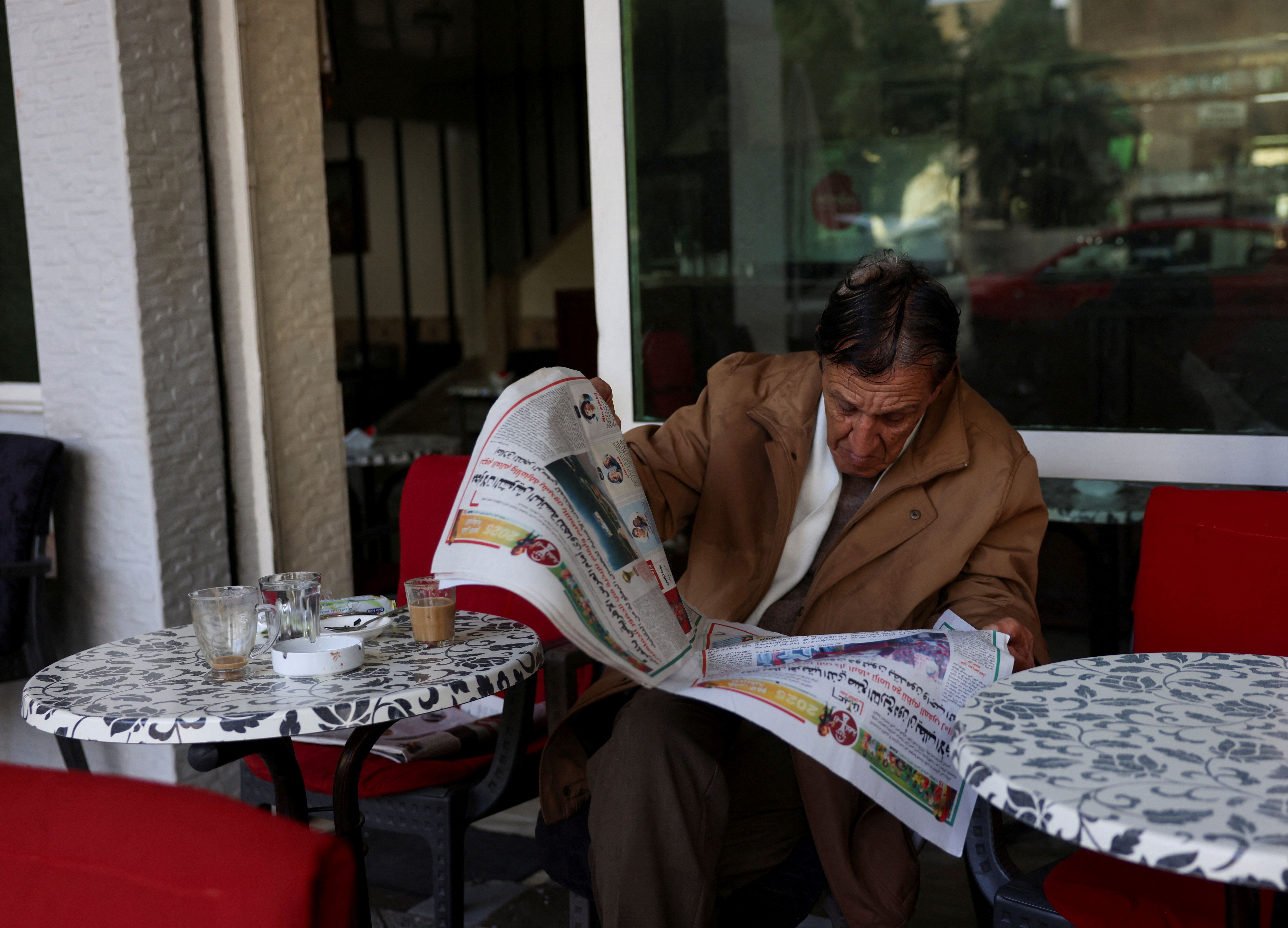
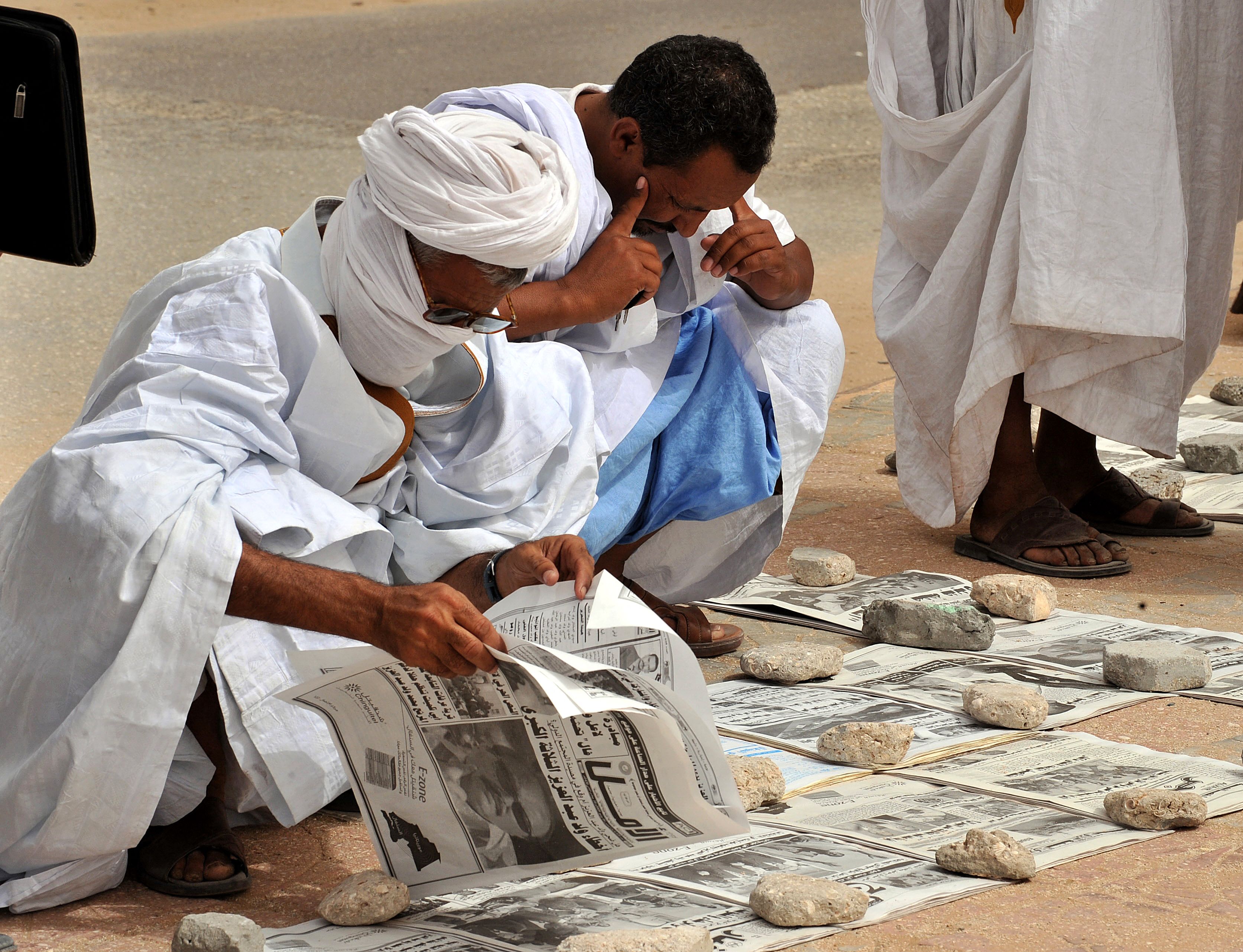
انتبه المؤرخون إلى الأهمية البالغة للأرشيف الصحفي، خصوصا مع الطرح الجديد الذي تبناه روّاد مدرسة الحوليات الفرنسية، وعلى رأسهم المؤرخ الفرنسي مارك بلوخ المتمثل في ضرورة توسيع مفهوم الوثيقة التاريخية وعدم حصرها فيما كتبه المؤرخون القدماء، لتطال أنواعا أخرى تشمل أي وثيقة تحوي معطيات من شأنها المساعدة على كتابة التاريخ، ويندرج في هذا الصنف الأرشيف الصحفي(1)، الذي يؤدي دور "الشاهد المباشر" بتعبير عبد الله العروي في كتابه "مفهوم التاريخ"، في حين يؤدي المؤرخ دور "الراوي الذي يأتي بعده" بتعبير العروي دائما، وهو ما يبرز في نظره ذلك التشابه بين وظيفتي الصحفي والمؤرخ وإن كان في فترات مختلفة، فالصحفي مؤرخ اللحظة، والمؤرخ صحفي الماضي (2)، الشيء الذي خلّف للمؤرخين مادة أرشيفية غنية ساعدتهم على كتابة التاريخ من زوايا متعددة، سواء تعلق الأمر بتاريخ الأحداث الكبرى، أو تاريخ الهامش والبنى الاجتماعية المختلفة.

يبرز لنا رينيه مازيديي  من خلال النموذج الباريسي، كيف تحولت الصحافة منذ أواخر القرن 19 إلى قوة أساسية في توجيه الرأي العام الفرنسي (3)، وبفضل الأرشيف الصحفي استطاع المؤرخون رصد تطور القوميات الحديثة في أوربا وبعض دول آسيا، إذ يذهب بينديكت أندرسون إلى أن رواج الصحافة وإيصالها اليومي للخبر إلى الآلاف من الناس، ساهم في توحيد شعورهم ومواقفهم نحو مجموعة من القضايا التي أفضت إلى تشكل فكرة الدولة القومية، وتقوية الشعور بالانتماء إلى الدولة بدل الانتماء إلى الجماعة الدينية أو الهوياتية، ويستحضر أندرسون حالة تركيا، التي يرجع بذور القومية التركية فيها إلى ظهور صحافة عامية نشطة في إسطنبول خلال سبعينيات القرن التاسع عشر (4)، الشيء الذي يجعل من الأرشيف الصحفي لتلك الفترة، مادة مهمة وأساسية لكتابة تاريخها.

إن ما يعطي قوة للمادة الأرشيفية الصحفية الأوربية باعتبارها مصدرا للكتابة التاريخية، أنّ الممارسة الصحفية كانت ممارسة مؤسساتية تخضع لضوابط مهنية صارمة على مستوى نقل الأخبار وشكل تقديمها، رغم ما يمكن أن يقال عن تحكم الخطوط التحريرية في انتقاء الأخبار وطريقة تقديمها للقارئ والمصطلحات المستعملة وغيرها.

هكذا يبرز المؤرخ الفرنسي بيير رونوفان أهمية نشرات الصحافة التي كانت تعدها حكومات أطراف الحرب العالميتين الأولى والثانية، لفهم الحدث وإعادة كتابة تاريخه ونقده باستمرار على مستوى ما يستجد في المادة الأرشيفية الصحفية، رغم تأكيده على بعض العوائق التي شابتها، من قبيل تشديد الرقابة على المعلومات المنشورة وتوجيهها بما يخدم هذا الطرف أو ذاك، غير أن ذلك لم يمنع من توفر النشرات على معطيات مهمة، مرتبطة بالتطورات اليومية للحرب وتأثيرها على مختلف مناحي الحياة الاقتصادية والاجتماعية وفهم اتجاهات الرأي العام، ومن خلال هذه النشرات والصحافة بشكل يمكن للمؤرخ بلوغ "الروح العامة" بتعبير رنوفان (5)، فضلا عن أن هذه النشرات كانت تتيح للمؤرخ التمييز بين المواضيع المعلنة أو المسكوت عنها لدواع مختلفة، وهو ما يعتبره العروي من صميم عمل المؤرخ، الذي يجب أن يكشف الأحدث غير المعلنة من خلال تتبع آثارها. (6)

إن ما يعطي قوة للمادة الأرشيفية الصحفية الأوربية باعتبارها مصدرا للكتابة التاريخية، أنّ الممارسة الصحفية كانت ممارسة مؤسساتية تخضع لضوابط مهنية صارمة على مستوى نقل الأخبار وشكل تقديمها، رغم ما يمكن أن يقال عن تحكم الخطوط التحريرية في انتقاء الأخبار وطريقة تقديمها للقارئ والمصطلحات المستعملة وغيرها. إلا أن وضوح هوية الصحف وحرصها الكبير على سمعتها وتنافسها في تقديم الخدمة الصحفية من حيث دقة الأخبار ومصداقيتها، وسعيها لضمان أكبر قدر ممكن من الانتشار بالطرق التقليدية آنذاك، وفر للمؤرخين مادة أرشيفية مهمة ساعدتهم كثيرا على كتابة تواريخ متعددة، والأكثر من ذلك، كانت الصحافة مادة أساسية لتشجيع بعض المباحث التاريخية، من قبيل التاريخ الاقتصادي وتاريخ الذهنيات والتواريخ المحلية، وغير ذلك من مباحث التاريخ التي أظهرت الأدوار المهمة لبعض العناصر التي همشتها التواريخ العامة في صنع الأحداث الكبرى التي كان يكتبها مؤرخو الدول والبلاطات والدول وغيرها مما خلفته النخب من كتابات.


الإعلام الرقمي وهواجس المؤرخين

يستحضر المؤرخ في اعتماده على المادة الأرشيفية الصحفية مجموعة من الشروط والضوابط، على رأسها أن تكون الجهة الصحيفة منشورة باسم معروف وصحفيين معروفين، فضلا عن تاريخ النشر ومكانه وغير ذلك من العناصر التي تعزز مصداقية المعلومة المعتمدة، وهذا ما كانت تتيحه الصحافة الورقية في الماضي، فأرشيف الصحافة الإسبانية أو الفرنسية أو الإنجليزية مثلا، ومنذ منتصف القرن التاسع عشر، يبرز أنه كان يوجد لكل صحيفة عنوان واضح مع إظهار الجهة الناشرة، وأعضاء هيئة التحرير، ومكان الإصدار، والرقم التسلسلي، والتاريخ، وغير ذلك من العناصر التي تعكس المهنية والمسؤولية التي يتحلى بها القائمون على الصحيفة، وبالتالي فإن المؤرخ يكون أمام مصدر معلوم يتحمل المسؤولية الأخلاقية فيما يقدمه للمؤرخ، وهذا الأخير يبني عليه تحليله وتوثيقه للوقائع.

الأرشيفات الصحفية أظهرت الأدوار المهمة لبعض العناصر التي همشتها التواريخ العامة في صنع الأحداث الكبرى التي كان يكتبها مؤرخو الدول والبلاطات والدول وغيرها مما خلفته النخب من كتابات

إن الاعتبارات السالفة هي التي ولدت السؤال المقلق حول مستقبل الكتابة التاريخية على ضوء التحولات التي عرفتها الصحافة، والتراجع المستمر في تداول الصحافة الورقية، بعدما اتجهت مختلف الصحف إلى الفضاء الرقمي واعتمادها على النسخ الإلكترونية عوض الورقية، فضلا عن ظهور أجناس (أنماط) صحفية أخرى مرتبطة بالفضاء الرقمي، مستفيدة من سهولة الولوج وبث المحتوى الإعلامي، وضمان انتشاره الواسع والسريع. وفي العقد الأخير، حقق الإعلام الرقمي تراكما هائلا في الفضاء الرقمي، وأصبح توثيق الأحداث يتم بشكل لحظي مع تعدد الزوايا والخلفيات، وتداخل الإعلام المهني مع الإعلام الهاوي، وصولا إلى ما يعرف بـ "صحافة المواطن" التي حولت كل فرد في المجتمع إلى "صحفي" على أساس ما يقوم به من توثيق لحظي للأحداث ومن مكانها.

غير أن سؤال المصداقية يطرح نفسه بإلحاح في ظل التحولات الجديدة التي طالت الحقل الإعلامي وطريقة تقديم الأحداث والأخبار، إذ رافقت هذا التحول ظواهر وضعت الإعلام الرقمي محل مساءلة قوية على مستوى التحقق من الأخبار أو تعمد تشويه الأحداث وتزوير المعطيات المرتبطة بها، كما دفعت سهولة الولوج إلى الفضاء الرقمي وسرعة وصوله إلى المتلقي -  وعلى أوسع نطاق- ، الأطراف الفاعلة في الأحداث إلى تكثيف حضورها بشكل يرجح روايتها أو رؤيتها للوقائع حتى وإن كانت غير صحيحة، وهو ما يتجسد مثلا في ظاهرة الأخبار الزائفة (Fake News) التي تخضع لمنطق الانتشار وليس لمنطق الحقيقة بالشكل الذي يجعل تطويقها في الفضاء الرقمي صعبا في الكثير من الحالات.

في كتابه "بماذا تحلم الخوارزميات؟" يطرح دومينيك كاردون إشكاليات مهمة، مرتبطة بمدى تحكم الخوارزميات في كتابة التاريخ مستقبلا، فهذه الأخيرة تجعل من الروايات الأكثر انتشارا هي الصحيحة عوض الروايات الأصح أو الأكثر دقة (7)، وهو ما سيكون له تأثير كبير على المادة الخام التي سيوفرها الفضاء الرقمي للمؤرخ في المستقبل، كما أن اعتماد الإعلام الرقمي على الخوارزميات لتحقيق الانتشار الواسع، يمكن أن يساهم في تشكيل ذاكرة رقمية قائمة على كثرة التفاعل لا على الدقة في المعطيات، ويدفع إلى تعزيز سرديات معينة وإقصاء أخرى، وهو ما يمكن أن يدعم بتطور العديد من التقنيات التي تسهل عملية التزييف والتضليل، مثل تقنيات تعديل الفيديو واستخدام الذكاء الاصطناعي، ليصبح إنتاج المادة الإعلامية في الفضاء الرقمي، خاضعا لمنطق الانتشار والتفاعل الربحي على حساب المنطق المعرفي (8).

في نفس السياق، يطرح الأرشيف الصحفي الرقمي إشكالية أخرى على مستوى صمود الأرشيف في ظل خاصية الحذف والتعديل، بالشكل الذي يجعل المعلومة موجودة اليوم قبل أن تحذف غدا أو تعدل لسبب من الأسباب، كما أن مصادر بعض المعلومات يكون غير واضح أو مجهول. وهو ما ينبه إليه إرنست وولفغانغ، عبر إبراز الفرق بين الأرشيف التقليدي والأرشيف الرقمي. فالأرشيف التقليدي يتميز بكونه ماديا وزمنيا وهذا ما يمنحه خاصية الثبات، بينما الأرشيف الرقمي متغير لتميزه بخاصية القابلية للتعديل، ويرى وولفغانغ أن الأرشيف الرقمي لا "يحفظ الماضي" بل يعيد إنتاجه عند كل عملية استرجاع، وهو ما يجعل الزمن في نظره زمنا آليا وليس زمنا إنسانيا، وهذا ما يغيّر العلاقة بين التاريخ والوثيقة، وفي البيئة الرقمية، فإن التاريخ المستقبلي سيعتمد على ما تسمح الخوارزميات بإظهاره. (9)

الأرشيف التقليدي يتميز بكونه ماديا وزمنيا وهذا ما يمنحه خاصية الثبات، بينما الأرشيف الرقمي متغير لتميزه بخاصية القابلية للتعديل

وفر الفضاء الرقمي للإعلام مجالا للتنافس في إنتاج المعلومات والسرديات بالاعتماد على ما تتيحه الخورازميات من إمكانيات للنشر على أوسع نطاق، كما أن السعي نحو أكبر قدر من التفاعل من طرف الجماعة الرقمية، دفع الإعلام إلى تأويل الأحداث التاريخية بما يتماشى مع هويتها، والتحول بشكل تدريجي إلى فاعل معرفي بعد الوصول إلى قدر معين من التراكم، ولعب دور الوسيط الذي يعيد إنتاج السرديات بصيغ قد تشوهها أو تحرفها أو تقصيها أو تعززها، وبذلك تعيد الصحافة الرقمية تشكيل المعرفة التاريخية بدل أن تحررها بالكامل[10]، ويقترح جيرالد برونير في هذا السياق مجموعة من الوقائع - المتخيلة أو المختلقة أو الكاذبة تماما - التي حققت انتشارا واسعا في الفضاء الإلكتروني، وأصبحت تؤثر في قرارات السياسيين بل وتسهم في تشكيل جزء من العالم الذي نعيش فيه (11).

إن بعض الجوانب السلبية في الإعلام الرقمي تجعل المؤرخين أمام إشكالية عويصة مرتبطة بمدى الاستمرار مستقبلا في اعتبار الأرشيف الصحفي وتحديدا الرقمي مصدرا مهمّا من مصادر كتابة التاريخ، فالمادة الأرشيفية الرقمية بما تحتمله من مخاطر عالية ذات علاقة بمصداقية المعلومة المقدمة، قد يفضي اعتمادها بشكل مكثف إلى إنتاج تواريخ مزيفة، خصوصا وأن هذه المادة الإعلامية سوف تتحول - مع تسارع وتيرة تحول الصحافة من الورقي إلى الإلكتروني - إلى مادة أرشيفية أساسية لدى مؤرخي الأجيال المقبلة، والحال أننا قد نكون أمام تواريخ مزيفة على قدر تأثير الصحافة غير المسؤولة وقوة حضورها في الفضاء الإلكتروني، لاسيما أن المؤرخ لن تكون لديه الأدوات اللازمة لتمييز المعلومات الصحيحة عن الكاذبة في الفضاء الرقمي بعد مرور فترة زمنية طويلة.


المراجع 
1) Marc Bloch, Apologie pour l’histoire ou Métier d’historien (Paris : Armand Colin, 1949)
2) عبد الله العروي، مفهوم التاريخ، ط 4 (الدار البيضاء: المركز الثقافي العربي، 2005)، ص 67
3) René Mazedier, Histoire de la presse parisienne (Paris : Éditions du Pavois, 1945)
4) - Benedict Anderson, Imagined Communities: Reflections on the Origin and Spread of Nationalism, rev. ed. (London: Verso, 1991), p 75
5)- Pierre Renouvin, “La presse et l'histoire. Un instrument de travail : le Bulletin de presse.” Matériaux pour l’histoire de notre temps, no. 49 (1998), p 83
6) العروي، مفهوم التاريخ، ص 69
7)  Dominique Cardon, À quoi rêvent les algorithmes: Nos vies à l’heure des big data (Paris: Éditions du Seuil, 2015).
8) Shoshana Zuboff, The Age of Surveillance Capitalism: The Fight for a Human Future at the New Frontier of Power (New York: PublicAffairs, 2019).
9) Wolfgang Ernst, Digital Memory and the Archive (Minneapolis: University of Minnesota Press, 2013).
10) Luca Serafini, “The Old-New Epistemology of Digital Journalism: How Algorithms and Filter Bubbles Are (Re)creating Modern Metanarratives,” Humanities and Social Sciences Communications 10 (2023), p 395
11)  Gérald Bronner, La démocratie des crédules (Paris: Presses Universitaires de France, 2013).

Related Articles

October 7: The Battle for Narratives and the Forgotten Roots of Palestine

What is the difference between October 6th and October 7th? How did the media distort the historical context and mislead the public? Why did some Arab media strip the genocidal war from its roots? Is there an agenda behind highlighting the Israel-Hamas duality in news coverage?

Said El Hajji
Said El Hajji Published on: 21 Jan, 2025

More Articles

Moroccan Journalism Between State Support and Market Dominance: Can the “Information Economy” Save the Profession?

Moroccan journalism remains trapped between state dependency and market pressure, and its survival may depend on turning information into sustainable public value rather than cheap content for clicks.

Anas al-Shaara Published on: 24 Aug, 2026
RSF's World Press Freedom Index: How Balanced Is the Ranking System?

The 2026 World Press Freedom Index analysis reveals a troubling gap between global media rankings and the violent reality facing journalists in Gaza. The pressure on the Index’s credibility appears set to intensify as critics argue that its Western-centric methods fail to accurately count Palestinian casualties or hold those responsible for the "journacide" accountable.

Sarah Samuel-Ayyash
Sarah Samuel-Ayyash Published on: 10 May, 2026
Journalism in Mauritania: Behind the Facade of Press Freedom Indicators

Mauritania holds the top position in the Arab world in the Press Freedom Index published by Reporters Without Borders. However, behind this favourable ranking, the media and journalists face significant challenges, chief among them the ambiguity surrounding the definition of a "journalist" and the capacity of media professionals to fulfil their roles in accountability and oversight. Despite official efforts, the defining feature of Mauritania’s media landscape remains its persistent state of fluctuation.

 Ahmed Mohamed El-Moustapha
Ahmed Mohamed El-Moustapha Published on: 6 Jan, 2026
Generative AI in Journalism and Journalism Education: Promise, Peril, and the Global North–South Divide

Generative AI is transforming journalism and journalism education, but this article shows that its benefits are unevenly distributed, often reinforcing Global North–South inequalities while simultaneously boosting efficiency, undermining critical thinking, and deepening precarity in newsrooms and classrooms.

Carolyne Lunga
Carolyne Lunga Published on: 2 Jan, 2026
Crisis of Credibility: How the Anglo-American Journalism Model Failed the World

Despite an unprecedented global flood of information, journalism remains strikingly impotent in confronting systemic crises—largely because the dominant Anglo-American model, shaped by commercial imperatives and capitalist allegiances, is structurally incapable of pursuing truth over power or effecting meaningful change. This critique calls for dismantling journalism’s subordination to market logic and imagining alternative models rooted in political, literary, and truth-driven commitments beyond the confines of capitalist production.

Imran Muzaffar
Imran Muzaffar, Aliya Bashir, Syed Aadil Hussain Published on: 14 Nov, 2025
Interview with Zina Q. : Digital Cartography as a Tool of Erasure in Gaza

Amid Israel’s war on Gaza, Zina Q. uncovers how Google Maps and satellite imagery are being manipulated; homes relabelled as “haunted,” map updates delayed, and evidence of destruction obscured, revealing digital cartography itself as a weapon of war. By exposing these distortions and linking them to conflicts from Sudan to Ukraine, she demonstrates how control over maps and AI surveillance influences not only what the world sees, but also what it remembers.

Al Jazeera Journalism Review
Al Jazeera Journalism Review Published on: 6 Sep, 2025
Monitoring of Journalistic Malpractices in Gaza Coverage

On this page, the editorial team of the Al Jazeera Journalism Review will collect news published by media institutions about the current war on Gaza that involves disinformation, bias, or professional journalistic standards and its code of ethics.

A picture of the Al Jazeera Media Institute's logo, on a white background.
Al Jazeera Journalism Review Published on: 11 Aug, 2025
The BBC Says It’s “Impartial.” But Its Own Staff Say Otherwise

BBC journalists and media professionals accuse the BBC’s leadership — and board member Robbie Gibb in particular — of blocking truthful reporting on Israel/Palestine through censorship, political bias, and a culture of fear that betrays the BBC’s duty to report “without fear or favour.”

Al Jazeera Journalism Review
Al Jazeera Journalism Review Published on: 2 Jul, 2025
Western Media Has Failed Their Palestinian Colleagues

A 2024 CPJ report revealed that nearly 70% of journalists killed that year were targeted by Israel, yet major Western media outlets largely ignored or downplayed the findings. The muted response to these targeted attacks and escalating press restrictions highlights a troubling double standard in the West’s commitment to press freedom.

Assal Rad
Assal Rad Published on: 21 Apr, 2025
‘A Massacre Unlike Any Before’: French Journalists Break Silence on Colleagues Killed in Gaza

Leading French and international institutions—foremost among them Reporters Without Borders and Agence France-Presse—have signed a letter published in Le Monde condemning the Israeli occupation’s actions against Palestinian journalists. In an unprecedented tone, journalists described the ongoing events as a 'massacre' unparalleled in the history of the profession.

Al Jazeera Journalism Review
Al Jazeera Journalism Review Published on: 16 Apr, 2025
Predicting the Future of Media in 2025

The rise of citizen journalism, the rethinking of long-form content, the evolution of video, and the exploration of AI opportunities are key elements of the media landscape forecast for 2025, according to a report from Harvard University's Nieman Lab.

Othman Kabashi
Othman Kabashi Published on: 15 Apr, 2025
Revisioning Journalism During a Genocide

Western media’s coverage of the Gaza genocide has revealed fundamental cracks in the notion of journalistic objectivity. Mainstream outlets have frequently marginalized or discredited Palestinian perspectives, often echoing narratives that align with Israeli state interests. In stark contrast, Palestinian journalists—reporting from within a besieged landscape—have become frontline truth-tellers. Through raw, emotional storytelling, they are not only documenting atrocities but also redefining journalism as a form of resistance and a reclaiming of ethical purpose.

Ana Maria Monjardino
Ana Maria Monjardino Published on: 4 Apr, 2025
Journalist Testimonies on Western Media Coverage of the Gaza War: The Other Narrative

In this article, we compile testimonies from journalists who have criticised their own media institutions as documented in reports, letters, or interviews. Most spoke anonymously out of fear of repercussions—because freedom of expression appears protected only until it reaches the borders of Israel. At that point, constraints emerge, editorial policies shift, and the system of double standards is activated.

Al Jazeera Journalism Review
Al Jazeera Journalism Review Published on: 29 Mar, 2025
Western Media Bias and Complicity with Israel is Beyond Borders

Once again, Western media framed civilians within the context of "collateral damage" while covering Israeli attacks on Syria. The language of international law was absent, and the tragedy of civilians affected by military strikes was completely obscured, while justifications and cover for the occupation prevailed under the banner of "maintaining national security."

Zainab Afifa
Zainab Afifa Published on: 23 Mar, 2025
Systematic Bias: How Western Media Framed the March 18 Massacre of Palestinians

On March 18, Israel launched a large-scale assault on Gaza, killing over 412 Palestinians and injuring more than 500, while Western media uncritically echoed Israel’s claim of “targeting Hamas.” Rather than exposing the massacre, coverage downplayed the death toll, delayed key facts, and framed the attacks as justified pressure on Hamas—further highlighting the double standard in valuing Palestinian lives.

Mei Shigenobu مي شيغينوبو
Mei Shigenobu Published on: 18 Mar, 2025
The Sharp Contrast: How Israeli and Western Media Cover the War on Gaza

Despite being directly governed by Israeli policies, some Israeli media outlets critically report on their government’s actions and use accurate terminology, whereas Western media has shown complete bias, failing to be impartial in its coverage of Israel’s aggression in Gaza.

Faras Ghani Published on: 5 Mar, 2025
Journalists in DR Congo Face New Threats, Censorship in a Decades-long Conflict

Countless journalists have been arbitrarily arrested, kidnapped or have disappeared in the fog of the protracted war tearing the eastern Democratic Republic of Congo apart. The renewed M23 offensive augurs a more uncertain future for these ‘soldiers of the pen’.

Nalova Akua
Nalova Akua Published on: 3 Mar, 2025
International Media Seek Gaza Access; What Do Palestinian Journalists Say?

As international media push for access to Gaza, Palestinian journalists—who have been the primary voices on the ground—criticize their Western counterparts for failing to acknowledge their contributions, amplify their reports, or support them as they risk their lives to document the war. They face systemic bias and exploitation, and continue to work under extreme conditions without proper recognition or support.

NILOFAR ABSAR
Nilofar Absar Published on: 26 Feb, 2025
Tweets Aren’t News: Why Journalism Still Matters

Twitter, once key for real-time news, has become a battleground of misinformation and outrage, drowning out factual journalism. With major newspapers leaving, the challenge is to remind audiences that true news comes from credible sources, not the chaos of social media.

Ilya إيليا توبر 
Ilya U Topper Published on: 10 Feb, 2025
Sound of Change: How Podcasting is Changing Journalism in India

India’s podcasting scene is on the rise, driven by affordable internet and changing content habits, yet still faces challenges like limited monetisation and urban-focused reach. Despite these hurdles, independent creators are using the medium to amplify grassroots narratives, shaping a more inclusive media landscape.

Hanan Zaffa
Hanan Zaffar, Jyoti Thakur Published on: 9 Jan, 2025
Bolivia’s Mines and Radio: A Voice of the Global South Against Hegemony

Miners' radio stations in the heart of Bolivia's mining communities, played a crucial role in shaping communication within mining communities, contributing to social and political movements. These stations intersected with anarchist theatre, educational initiatives, and alternative media, addressing labour rights, minority groups, and imperialism.

Khaldoun Shami PhD
Khaldoun H. Shami Published on: 16 Dec, 2024
Journalists and the Gen–Z protest in Kenya

Caught between enraged protesters and aggressive police officers, journalists risked their lives to keep the world informed about the Gen–Z protests in Kenya. However, these demonstrations also exposed deeper issues regarding press freedom, highlighting a troubling aspect of Ruto’s government.

Shuimo Trust Dohyee
Shuimo Trust Dohyee Published on: 12 Dec, 2024
Behind the Burka: Journalism and Survival Under Taliban Rule

An account of a female Afghan journalist who persisted in her work in spite of the Taliban's comeback, using her writing to expose the harsh realities of oppression and promote women's rights. In defiance of the Taliban government's prohibitions on female education, she oversaw underground schools for girls and reported under a pseudonym while constantly fearing for her safety.

Khadija Haidary
Khadija Haidary Published on: 8 Dec, 2024
Is Pakistan’s Media Ignoring Climate Change?

Pakistan's media, despite its wide reach, largely neglects climate change in favor of political and economic issues, leaving the public under-informed about the causes and consequences of climate-related disasters. As a result, many Pakistanis remain unaware of the growing threats posed by climate change, which has devastating effects on the country's economy and population, as seen in the catastrophic floods of 2022.

Faras Ghani Published on: 3 Dec, 2024