
The Revolution That Framed Islam: How 1979 Shaped Western Media on Iran

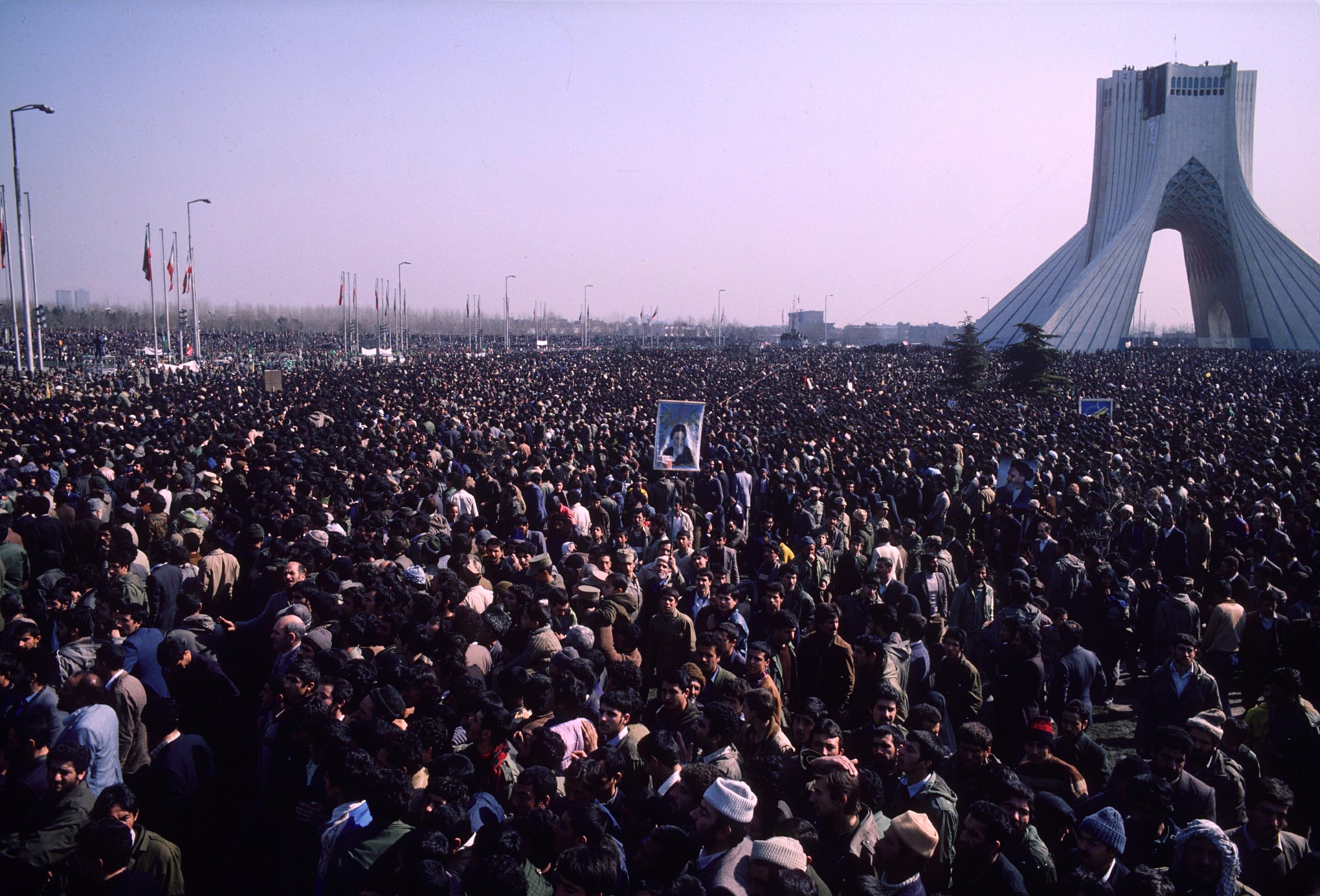
Massive crowds of demonstrators and supporters gather in Azadi Square, surrounding the iconic Shahyad Tower, to witness the historic return of Ayatollah Khomeini to Tehran. The event marks the end of Khomeini’s 15-year exile and signifies the definitive collapse of the Pahlavi monarchy, serving as a pivotal catalyst for the Islamic Revolution. This momentous assembly represents a sea change in Iran's political landscape, capturing the intense fervor and shifting power dynamics of the era.
Massive crowds of demonstrators and supporters gather in Azadi Square, surrounding the iconic Shahyad Tower, to witness the historic return of Ayatollah Khomeini to Tehran after a 15-year exile and the definitive collapse of the Pahlavi monarchy, serving as a pivotal catalyst for the Islamic Revolution. (Photo: Sharok Hatami. Tehran, Iran – Feb 1979)

The Revolution That Framed Islam: How 1979 Shaped Western Media on Iran

The 1979 Revolution transformed how the Western world views and reports on Islam. What started as a confused attempt to understand a new religious movement has turned into a permanent media habit of framing Iran through the lens of conflict and suspicion.


The Iranian Revolution of 1979 thrust Iran into the mainstream discourse of the West, the US particularly, and became a defining moment in how Western media began to frame political Islam and Iran

In the same year as the Revolution, the Siege of Mecca and its aftermath would divert Saudi Arabia away from western-style reforms towards ultra-conservatism and see the Soviet Union Invade Afghanistan. Yet it is the Iranian Revolution that would essentially shape the way in which the media reports on Islam and Iran to this day.


The Revolution Comes into Focus

As the soon-to-be Supreme Leader Ayatollah Khomeini sat reclined in his seat on an Air France flight chartered toward Iran it was the end of his over 15 year-long exile. The Shah of Iran had already fled the country a couple of weeks earlier, and Khomeini would go on to spearhead the government that would replace the unbroken two and half millennia chain of kings that presided over Iran. When ABC News Journalist Peter Jennings asked the Ayatollah how he felt returning to Iran after years in exile Khomeini simply replied in Persian, “Hichi” – “Nothing.”

To many in the European and the United States news media the unpierceable and stoic persona of the Shiite Cleric Khomeini was baffling, reflecting the presses and Western Worlds inability to gauge the future for Iran within this man.

President Carter had called Iran an “Island of Stability” a little over a year before Khomeini’s flight, now it was an unclear player in the region for the US, and the media often reflected this.

A report analysing The New York Times coverage between 1968 and 1978, the time of the Shah’s western reforms called the White Revolution, found that on average less than half an editorial a year was dedicated to Iran and Iranian affairs.

When protests began in Iran the NYT published on average 24 times as many editorials on Iran per year during this period than it had in the previous decade. Across much of the European and US media was a gravitational pull towards Khomeini, who at the time of the protests in Iran of 1978/79 was living in exile near Paris, a clear oppositional player to the Shah in the narrative of the Revolution.

There he could speak freely and have access to the press for which family, students and close advisors helped him prepare statements and manage journalists where he downplayed certain aspects of his Islamism when talking about what comes after the Shah. As former French Ambassador to Iran, François Nicoullaud, explained many decades after the event:

Intellectuals in France told him to come here. He wanted to go to a Muslim country, but [they] felt it better for him to be in a country where the international media could capture everything, he would say and get the proper media support and coverage.

To observers Khomeini’s long black robes and clericalism made him a striking, almost caricature, type figure. When Robert MacNiel, PBS, interviewed Khomeini on December 1st, 1978, he first describes him as a man of, “a spartan diet of prayer and little food.

Joan Shore, Junior Correspondent at the Paris Bureau of CBS News, said at the time that, “the French press covered Khomeini's arrival thoroughly and seriously. Finally, two months later, in December, America began to take notice of this bearded old man in France.”

Khomeini’s interaction with the press in Europe not only legitimised himself as the internationally recognised opposition of the Shah but cemented an orientalist image left over from the colonial period of the ‘cleric from the east’. Yet the confusion of what to make of the Islamic Revolution at a time before the US Hostage Crisis was still unclear.

For the NYT in February 1979, Richard Falk, then American Professor at Princeton University wrote an article saying,

“The news media have defamed him in many ways, associating him with efforts to turn the clock back 1,300 years, with virulent anti‐Semitism, and with a new political disorder, “theocratic fascism,” about to be set loose on the world. About the best he has fared has been to be called (by Newsweek) “Iran's Mystery Man.


The Hostage Crisis and the Hardening of the Narrative 

The US Hostage Crisis which saw 66 personnel of the US embassy in Tehran held captive by Iranian students was a turning point. No longer was there a ‘man of mystery’ in Khomeini as the narrative from the United States Media began to shift unequivocally against Iran.
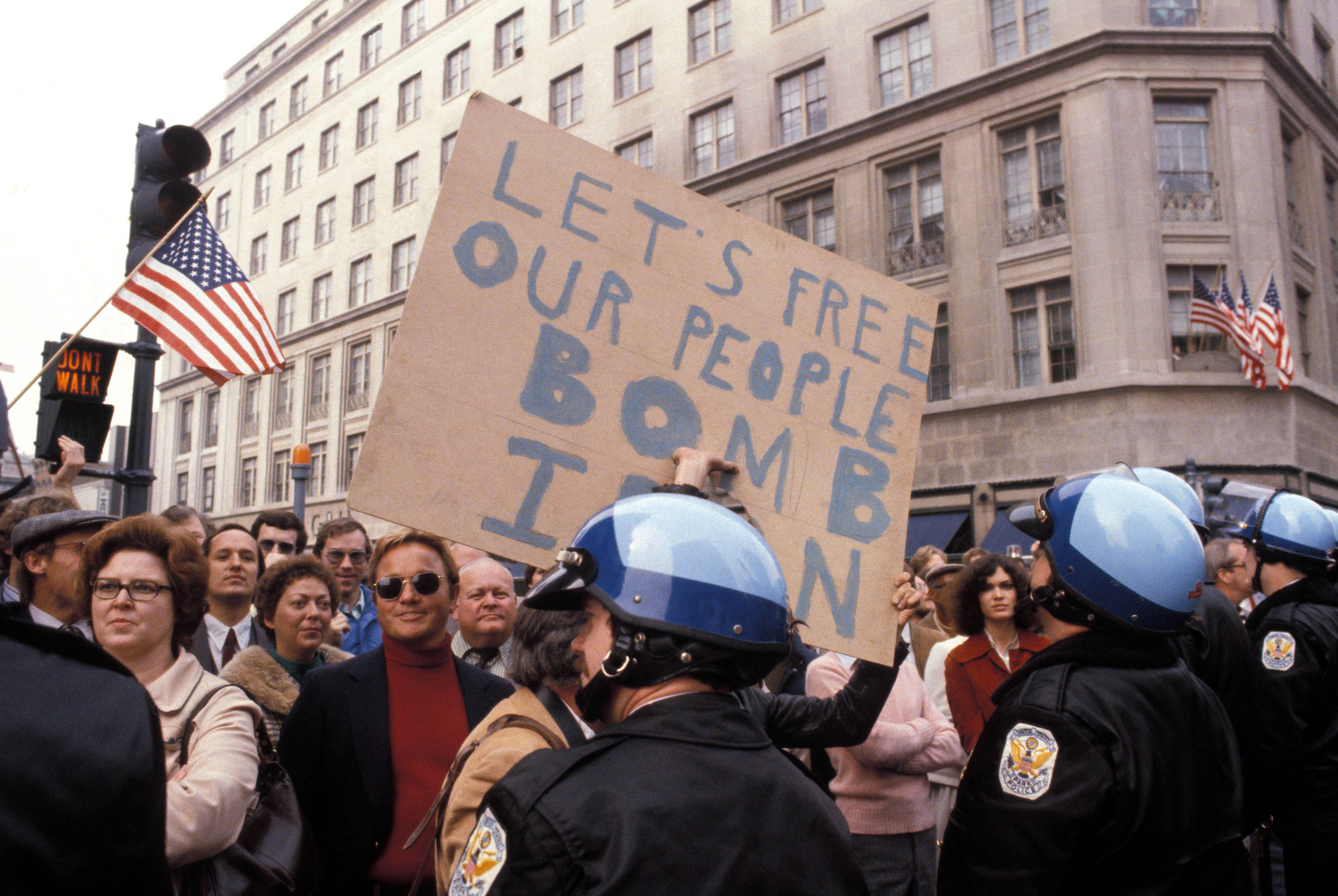
Nov 13, 1979; Washington, DC, USA; People in the streets protest against the hostage-taking of 66 Americans in Tehran, Iran, in November 14th, 1979. The so-called 'Iran Hostage Crisis' lasted for 444 days and caused then U.S. President Carter to lose his re-election attempt, and punctued the first Fundamentalist Islamic Revolution of modern times.


The NYT coverage of Iran increased by 55 times as much during the 444-day captivity of the hostages compared to the ten years between 1968 and 1978. This is due to the obvious outrage of United States Citizens being held by a foreign power but also due to the sharp rise in gasoline prices globally due to the Revolution in Iran affecting oil shipments.

The Chicago Tribune in November 1979, the same month as the hostage crisis began, wrote “Intolerance grips revolutionary Iran.”, “The New Barbarians are loose in Iran," wrote Hal Gulliver in The Atlanta Constitution on November 13th. ABC News published that “the crescent of crisis, sweeping across the world of Islam like a cyclone hurtling across a prairie," on November 21.

In an article for the Columbia Journalism Review titled ‘Iran and the press: whose holy war?’ Edward Said wrote about the lack of fact checking and the demonisation of Iran during this period. He states The Atlanta Constitution on November 8 alleged that the Palestine Liberation Organization was behind the embassy takeover, sources stated as “diplomatic and European intelligence," with the Washington Post saying, "there is some basis to believe that the whole operation is being orchestrated by well-trained Marxists." He states many others in his article with similar false claims.

Although these allegations were untrue their purpose to associate the Iranian Revolutionaries with cold war rivals and terror groups was, Said wrote:

The hardest thing to understand about the news media is why, almost without exception, they regard the movement that overthrew the Pahlavi regime and brought in different, perhaps more popular groups, with such disdain and suspicion. A partial answer, no doubt, is that the movement employed a dramatically unfamiliar (to Western eyes) idiom of religious, as well as political, resistance to tyranny.

Said’s views come from another aspect of the Western Media also, in the form of the Islamic Revolution being an anti-imperialist movement that breaks the shackles of oppressive powers, invalidating the struggles a new government can place upon Iran also.

As a report by the Tony Blair Institute for Global Change outlines:

Just as in 1979 some Western observers thought Khomeini would liberate the Iranian people. Although there is a perception that such a view is confined to the far left, its proponents can be found across the political spectrum.


The Enduring Legacy of 1979

Before the current war between Israel, the United States and Iran, recent media narratives on Iran were focused on protests inside the regime, most notably the Green Revolution of 2009, the Women, Life, Freedom movement in 2022 and the protests at the end of 2025, beginning of 2026.

As Dr. Esmaeil Esfandiary and Dr. Shahab Esfandiary wrote in the book Reporting the Middle East, these protests also became the sole view of many of the West on Iran:

Stories of human rights violations have had a strategic value and function for Western governments in their decades-old battle of narratives with the Islamic Republic of Iran.

Depictions of Islam were also exacerbated following 9/11 and the War on Terror, resulting in Western Media to report on the ideals of the foreign policy of their governments, not necessarily on lived realities. Dr. Ayman Talal Yousef of the Arab-American University spoke of the post-cold war era of media on Islam in a publication about stereotypes of Islam within this period.

That Western media figures, academics, decision-makers and research centres are trying to deliver the idea that Islamic globalism based on extremism and terrorism has become the next threat, replacing Communism

The Western Media’s spontaneous fix on Iran reflects, like most mainstream news, the push and pull of geo-political, geographic and ideological circumstances that shape the world and its apparent spheres of ideological separation. Journalists too have their limits and can only repeat facts of current events, often without being able to give more than a sentence or two on the background of complex issues rooted in history, religion and ideology.

Francis Ghilès, Senior Fellow at the European Institute of the Mediterranean, spoke of the ‘journalist’ when reporting on the MENA Region, saying:

He does not have the time to be an expert in the academic sense. His essential qualification is to produce the right number of words, in television jargon the right “footage”, at the right time. His ability to say some things in an intelligible and entertaining fashion is another essential qualification.

Nearly half a century after Khomeini’s return and the disposure of the Shah, the media today now gives airtime to the son of the Shah as the Iranian diaspora in the West now shout, “Long Live the Shah” instead of “Death to the Shah”. Over 200,000 people came to see the son of the Shah when he spoke in Munich during the Security Conference in February 2026.

The language, imagery and assumptions that emerged in 1979 continue to shape how Iran is reported, suggesting that the revolution did not just transform a nation, but also the lens through which it is still understood.



مقالات ذات صلة

هل صنعت خطابات نتنياهو وترامب أجندة الإعلام الغربي؟

من خطابَي ترامب ونتنياهو لتبرير الحرب على إيران… إلى غرف الأخبار. هل تصنع الخطابات السياسية أجندة وسائل الإعلام في زمن الحروب؟ وكيف تساهم اللغة الإعلامية في شرعنة الحروب وصياغة "الرواية المقبولة" لدى الجمهور؟ وإلى أي مدى يمكن لخطاب الإعلام أن يؤطر الأحداث، ويعيد إنتاج الرواية الرسمية، ويؤثر في تشكيل الرأي العام؟
Shaimaa Al-Eisai
شيماء العيسائي نشرت في: 6 مارس, 2026

المزيد من المقالات

هل صنعت خطابات نتنياهو وترامب أجندة الإعلام الغربي؟

من خطابَي ترامب ونتنياهو لتبرير الحرب على إيران… إلى غرف الأخبار. هل تصنع الخطابات السياسية أجندة وسائل الإعلام في زمن الحروب؟ وكيف تساهم اللغة الإعلامية في شرعنة الحروب وصياغة "الرواية المقبولة" لدى الجمهور؟ وإلى أي مدى يمكن لخطاب الإعلام أن يؤطر الأحداث، ويعيد إنتاج الرواية الرسمية، ويؤثر في تشكيل الرأي العام؟

Shaimaa Al-Eisai
شيماء العيسائي نشرت في: 6 مارس, 2026
كيف تعيد غزة تعريف العمل الصحفي

مباشرة بعد الشروع في حرب الإبادة الجماعية أغلق الاحتلال الإسرائيلي غزة في وجه الصحفيين الدوليين، وتبنى نسقا إباديا ممنهجا ضد الصحفيين الفلسطينيين، أعاد "النشطاء" تعريف المهنة بتغطيات مفتوحة ومحدثة أحدثت نوعا من التوازن ضد الصحافة الغربية المنحازة.

آنا ماريا مونخاردينو نشرت في: 2 فبراير, 2026
قضايا الهجرة ومأزق التأطير في الصحافة الغربية

كيف تؤثر الصحافة الغربية في تشكيل سردية الهجرة؟ ما الأطر الصحفية الأكثر استخداما في تغطية قضاياها؟ وهل تغطية المظاهرات المناهضة للهجرة محايدة أم مؤدلجة؟ الزميلة سلمى صقر تحلل تغطيات لجانب من الصحافة الغربية تماهت مع خطاب العنصرية الذي يتبناه أقصى اليمين.

Salma Saqr
سلمى صقر نشرت في: 29 يناير, 2026
صحفي أم محلل؟

المسافة بين الصحافة والتحليل الرياضي دقيقة جدا، حقلان يلتقيان في تقديم المعلومات للجمهور، ويختلفان في الأدوات والمعارف. ما هي الحدود بينهما؟ ولماذا على الصحفيين الالتزام بمعايير مهنة الصحافة قبل "المغامرة" بالتحليل؟

همام كدر نشرت في: 18 يناير, 2026
مؤتمر الصحافة الاستقصائية.. الهجرة والمساءلة والحرية

في ماليزيا، اجتمع عشرات الصحفيين في المؤتمر العالمي للصحافة الاستقصائية لسرد تجاربهم الميدانية. بين تحقيقات الهجرة على خطوط الموت، ومعارك الخصوصية والتشريعات المقيّدة وحجب المعلومات، ما يزال الصحفيون الاستقصائيون يواجهون قوانين "الصمت" وإخفاء الحقيقة.

سماح غرسلي نشرت في: 15 يناير, 2026
الصحة شأن سياسي، وعلى الصحافة أن تكون كذلك

يدافع المقال عن أطروحة جوهرية مفادها أن الصحة، باعتبارها قضية مجتمعية مركزية، لا يمكن فصلها عن السياسات العامة والقرارات السياسية التي تحدد مآلاتها. ومن ثم، فإن دور الصحفي لا يقتصر على نقل المعلومات الطبية أو تبسيط المصطلحات للجمهور، بل يتجاوز ذلك إلى مساءلة السياسات الصحية بحس نقدي، وتحليل أبعادها الاجتماعية والاقتصادية والسياسية، بما يعيد النقاش إلى جوهره: الصحة كحق عام ومسؤولية سياسية قبل أن تكون شأنا تقنيا.

أنيس الجرماني نشرت في: 13 يناير, 2026
من سروليك إلى حنظلة.. الكاريكاتير كرمز إعلامي

من شخصية سروليك الإسرائيلي المدافعة عن الاحتلال إلى حنظلة الفلسطيني المقاوم والساخر، يبرز الكاريكاتير، كساحة أخرى للصراع على الذاكرة والمستقبل. كيف ظهرت هذه الشخصيات، وما رمزيتها الإعلامية؟ ولماذا ما يزال الكاريكاتير مؤثرا؟

سجود عوايص نشرت في: 11 يناير, 2026
الصحافة في موريتانيا.. ما خلف مؤشرات حرية التعبير

تحتل موريتانيا مرتبة الصدارة في مؤشر حرية التعبير الصادر عن "منظمة مراسلون بلاد" في العالم العربي، لكن خلف هذه الصورة، تواجه وسائل الإعلام والصحفيون تحديات كبيرة ترتبط بضبابية مفهوم "الصحفي"، وقدرتهم على تمثل أدوار المهنة في المساءلة والمحاسبة. ورغم الجهود الرسمية، فإن السمة الأساسية للمشهد الإعلامي الموريتاني هي: التأرجح.

 Ahmed Mohamed El-Moustapha
أحمد محمد المصطفى نشرت في: 7 يناير, 2026
المسافة بين البنادق والصحافة في كولومبيا

كيف يعمل الصحفيون والبنادق فوق رؤوسهم؟ ما حدود تحدي عصابات المخدرات والمنظمات الإجرامية؟ وهل المعلومة أهم من سلامة الصحفي؟ من الحدود الكولومبية- الفنزويلية، يروي أيمن الزبير، مراسل الجزيرة، لمجلة الصحافة تجارب صحفيين يبحثون عن الحقيقة "بقدر ما يسمح لها".

أيمن الزبير نشرت في: 29 ديسمبر, 2025
كيف تجعل الصحافة أزمة المناخ قضية الناس؟

بين استيراد منظومة مفاهيم ومصطلحات غربية لا تنسجم مع البيئة العربية، وإنكار الأزمة المناخية أو العجز عن تبسيطها وشرحها للناس، تبرز قيمة الصحافة في تنوير الجمهور وإظهار أن قضايا التغير المناخي تمس جوهر الحياة اليومية للإنسان العربي.

Bana Salama
بانا سلامة نشرت في: 24 ديسمبر, 2025
ليبيا على سلم حرية التعبير.. هل نصدق المؤشرات؟

هل يعكس تحسن تصنيف ليبيا على مؤشرات حرية التعبير وضعية الصحفيين الحقيقية؟ وماذا تخفي الأرقام عن تأثير الانقسام السياسي وغياب التشريعات على المهنة؟ وما التحديات الأساسية لظهور "المؤثرين على المنصات الرقمية؟

عماد المدولي نشرت في: 17 ديسمبر, 2025
كيف يحمينا الشك من التضليل؟

هل تكفي الأدوات التقنية وحدها لإنقاذ الصحفيين من موجات التضليل التي ازدادت تعقيدا وخطورة في عصر الذكاء الاصطناعي؟ وكيف يمكن أن يتحول الشك المهني والحسّ النقدي إلى آليات أساسية في عملية التحقق من الأخبار؟ وما هي التحديات الجديدة التي تفرضها المنصات الرقمية على مدققي المعلومات في زمن السرعة وتدفق المعلومات؟

إسلام رشاد نشرت في: 14 ديسمبر, 2025
أي صورة ستبقى في الذاكرة العالمية عن غزة؟

أي صورة ستبقى في المخيلة العالمية عن غزة؟ هل ستُختصر القصة في بيانات رسمية تضع الفلسطيني في خانة "الخطر"؟ أم في صور الضحايا التي تملأ الفضاء الرقمي؟ وكيف يمكن أن تتحول وسائل الإعلام إلى أداة لترسيخ الذاكرة الجماعية وصراع السرديات؟

Hassan Obeid
حسن عبيد نشرت في: 30 نوفمبر, 2025
ظاهرة "تجنب الأخبار".. هل بتنا نعرف أكثر مما ينبغي؟

رصدت الكثير من التقارير تفشي ظاهرة "تجنب الأخبار" بسبب الضغوط النفسية الشديدة وصلت حد الإجهاد النفسي نتيجة تلقي كميات ضخمة من الأخبار والمعلومات. ما تأثيرات هذه الظاهرة على غرف الأخبار؟ وكيف يمكن التعامل معها؟

وسام كمال نشرت في: 16 نوفمبر, 2025
الصحافة الثقافية.. تاريخ المجتمع والسلطة والتحولات الكبرى

تطورت الصحافة الثقافية في العالم العربي في سياق وثيق الارتباط بالتحولات السياسية والاجتماعية، ورغم كل الأزمات التي واجهتها فإن تجارب كثيرة حافظت على أداء دورها في تنوير المجتمع. ما هي خصائص هذه التجارب ومواضيعها، وكيف تمثلت الصحافة الثقافية وظيفتها في التثقيف ونشر الوعي؟

علاء خالد نشرت في: 13 نوفمبر, 2025
حرب السودان.. حين يُجرَّد الصحفيون من المهنة

"يُلقي الصحفيون السودانيون باللوم على المنظمات الدولية المعنيّة بِحرّيّة الصحافة، متهمين إياها بالتقاعس عن دعمهم والاكتفاء بتقديم مساعدات محدودة في الأسابيع الأولى للحرب، ثم تُرِك نحو 500 صحفي سوداني يصارعون ظروفا معيشية قاسية بلا دخل ثابت". عن وضعية الصحافة والصحفيين السودانيين يكتب محمد سعيد حلفاوي لمجلة الصحافة.

محمد سعيد حلفاوي نشرت في: 9 نوفمبر, 2025
الصحافة المتأنية في زمن الذكاء الاصطناعي: فرصة صعود أم بوادر أفول؟

هل يمكن أن تساهم أدوات الذكاء الاصطناعي في ترويج وانتشار الصحافة المتأنية التي ما تزال تحظى بنسبة مهمة من متابعة الجمهور، أم ستسهم في اندثارها؟ يقدّم الزميل سعيد ولفقير قراءة في أبرز الأدوات، ويبحث في الفرص الجديدة التي يمكن أن يتيحها الذكاء الاصطناعي للصحافة المتأنية، خاصة في مجال خيارات البحث.

. سعيد ولفقير. كاتب وصحافي مغربي. ساهم واشتغل مع عددٍ من المنصات العربية منذ أواخر عام 2014.Said Oulfakir. Moroccan writer and journalist. He has contributed to and worked with a number of Arab media platforms since late 2014.
سعيد ولفقير نشرت في: 4 نوفمبر, 2025
كما في رواندا.. هل يمكن ملاحقة الصحافة الإسرائيلية بتهمة المشاركة في الإبادة الجماعية؟

"إرهابيون"، "وحوش"، "منتمون إلى حماس يجب قتلهم"، وتوصيفات أخرى لاحقت الصحفيين الفلسطينيين في الإعلام الإسرائيلي. أنس الشريف، صحفي الجزيرة، كان واحدا ممن تعرضوا لحملة ممنهجة انتهت باغتياله في غزة. ماهي أنماط التحريض الإعلامي ضد الصحفيين الفلسطينيين في إعلام الاحتلال؟ وهل يمكن متابعة الصحفيين والمؤسسات الإعلامية أمام العدالة الدولية كما حدث في رواندا؟

ناصر عدنان ثابت نشرت في: 2 نوفمبر, 2025
البروباغندا بين الضمير المهني والأجندة المفروضة

حين فكرت وسائل الإعلام في صياغة مواثيق التحرير والمدونات المهنية، كان الهدف الأساسي هو حماية حرية التعبير. لكن التجربة بينت أنها تحولت إلى "سجن كبير" يصادر قدرة الصحفيين على مواجهة السلطة بكل أشكالها. وهكذا يلبس "الأخ الأكبر" قفازات ناعمة ليستولي على ما تبقى من مساحات لممارسة مهنة الصحافة.

فرح راضي الدرعاوي Farah Radi Al-Daraawi
فرح راضي الدرعاوي نشرت في: 15 أكتوبر, 2025
عن تداعي الصحافة الثقافية.. أعمق من مجرد أزمة!

ترتبط أزمة الصحافة الثقافية في العالم العربي بأزمة بنيوية تتمثل في الفشل في بناء الدولة ما بعد الاستعمار، وقد نتج عن ذلك الإجهاز على حرية التعبير ومحاصرة الثقافة واستمرار منطق التبعية والهيمنة والنتيجة: التماهي التام بين المثقف والسلطة وانتصار الرؤية الرأسمالية التي تختزل الثقافة في مجرد "سلعة".ما هي جذور أزمة الصحافة الثقافية؟ وهل تملك مشروعا بديلا للسلطة؟

هشام البستاني نشرت في: 12 أكتوبر, 2025
آليات التكامل بين الدعاية العسكرية والعمليات الميدانية ضد الصحفيين الفلسطينيين في غزة

مراكز استخبارات ومنظمات ضغط وإعلام إسرائيلية عملت منذ بداية حرب الإبادة الجماعية على غزة بالتوازي مع آلة الحرب في استهداف الصحفيين مهنيًا ومعنويًا. الإعلام الإسرائيلي، بنسختيه العبرية والإنجليزية، عزّز روايات المؤسستين العسكرية والأمنية وروّجها عالميًا، عبر حملات تشويه ممنهجة أغرقت الصحفيين باتهامات فضفاضة بلا أدلة. كيف أصبح استهداف الصحفيين إستراتيجية ممنهجة؟ وما آليات التنسيق بين الدعاية العسكرية وقتل الصحفيين الفلسطينيين؟

إبراهيم الحاج نشرت في: 8 أكتوبر, 2025
جندي برتبة مراسل أو صحافة على مقاس الجيش الإسرائيلي

يقدّم المقال قراءة تاريخية في أثر المراسل العسكري الإسرائيلي وأدواره المتماهية مع الفعل الحربي منذ ما قبل النكبة، عبر نقل أخبار العصابات الصهيونية وخلق حالة من التماهي بين الصحافة والعنف. وقد تحولت هذه "الوظيفة" لاحقا إلى أداة لتدويل الرواية الإسرائيلية، قبل أن تصبح مرجعًا أساسيًا في تغطية الحروب مثل العراق وأوكرانيا.

سجود عوايص نشرت في: 1 أكتوبر, 2025
دينامية "الاقتباس": التأثير المتبادل بين الصحافة والعلوم الاجتماعية

تقارب هذه المقالة مسألة "الاقتباس" بوصفها ضرورة إبستمولوجية ومنهجية، وتدعو إلى تجاوز الثنائية الصارمة بين الحقلين من خلال تبني منهج "التعقيد" الذي يسمح بفهم تداخلهما ضمن تحولات البنى الاجتماعية والمهنية. كما يجادل المقال بأن هذا التفاعل لا يُضعف استقلالية أي من الحقلين، بل يُغنيهما معرفيًا، ويمنح الصحافة مرونة أكبر في إنتاج المعنى داخل عالم تتسم فيه المعلومة بالسيولة والتدفق.

أنس الشعرة نشرت في: 28 سبتمبر, 2025
الصحفي السوري بين المنفى والميدان

كيف عاش الصحفي السوري تجربة المنفى ؟ وما هي ملامح التجربة الصحفية السورية بعد ثورة 2011: هل كانت أقرب إلى النشاط أم إلى المهنة؟ الزميل محمد موسى ديب يحاول في هذا المقال قراءة هوية المهنة المتأرجحة بين المنفى والميدان خاصة في ظل حكم نظام الأسد.

محمد موسى ديب نشرت في: 23 سبتمبر, 2025