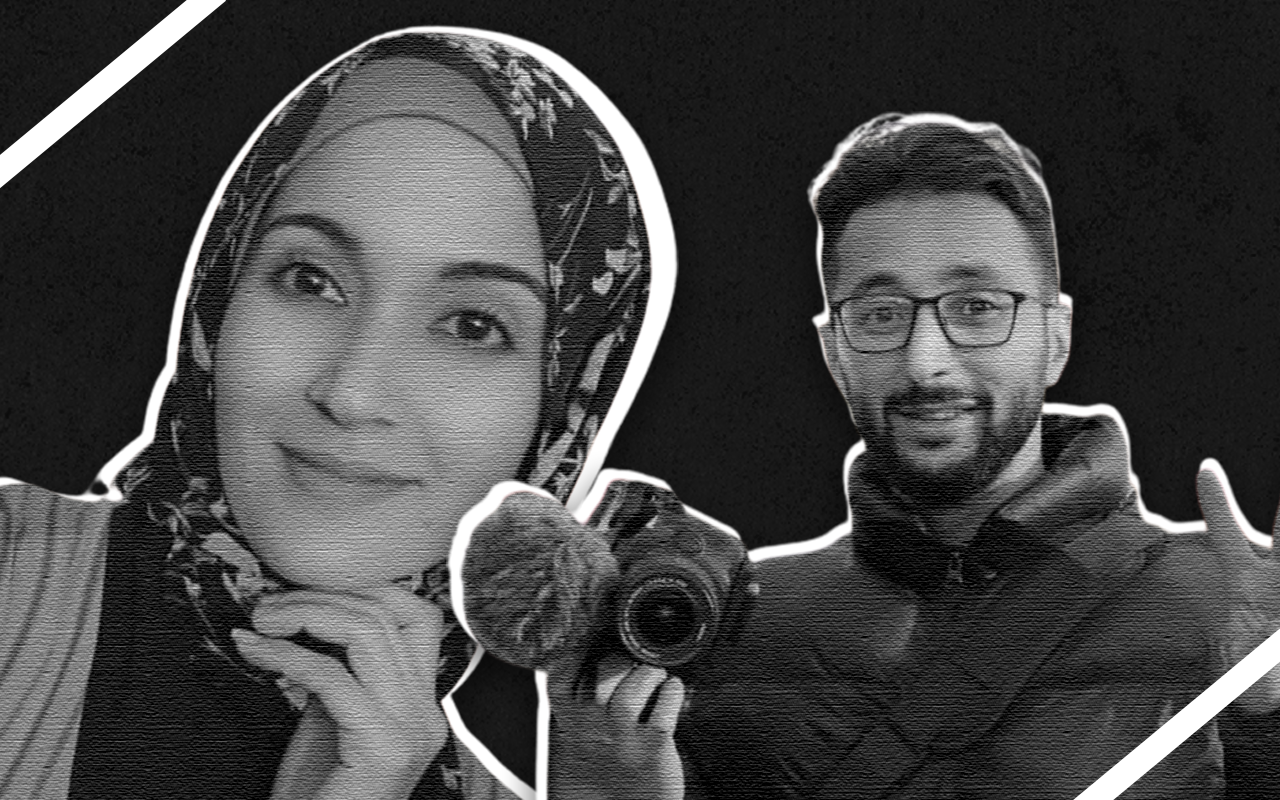
The arrest of an Afghan female athlete after appearing in a Dutch documentary highlights the dangers of reporting under authoritarian rule. It underscores a growing dilemma in journalism regarding how to amplify the voices of vulnerable people without accidentally turning them into targets for the regime.
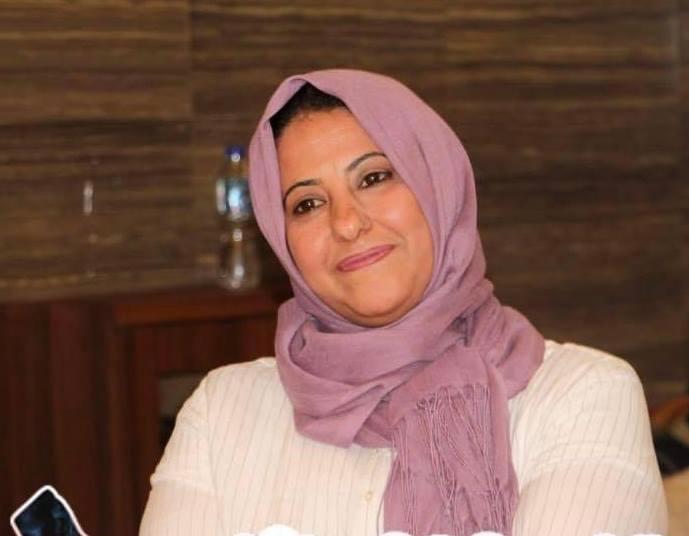
Inside a training hall in Herat province, in western Afghanistan, Khadija Amadzadah taught women how to defend themselves. An act that already carried risks under the Taliban rule. The taekwondo instructor had quietly continued training women despite growing restrictions on female athletes.
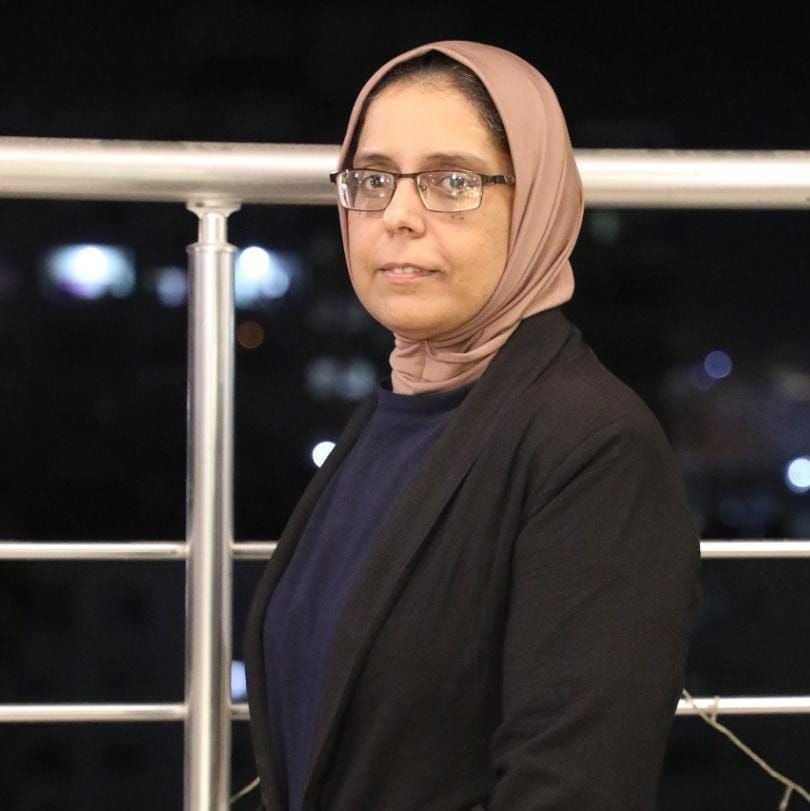
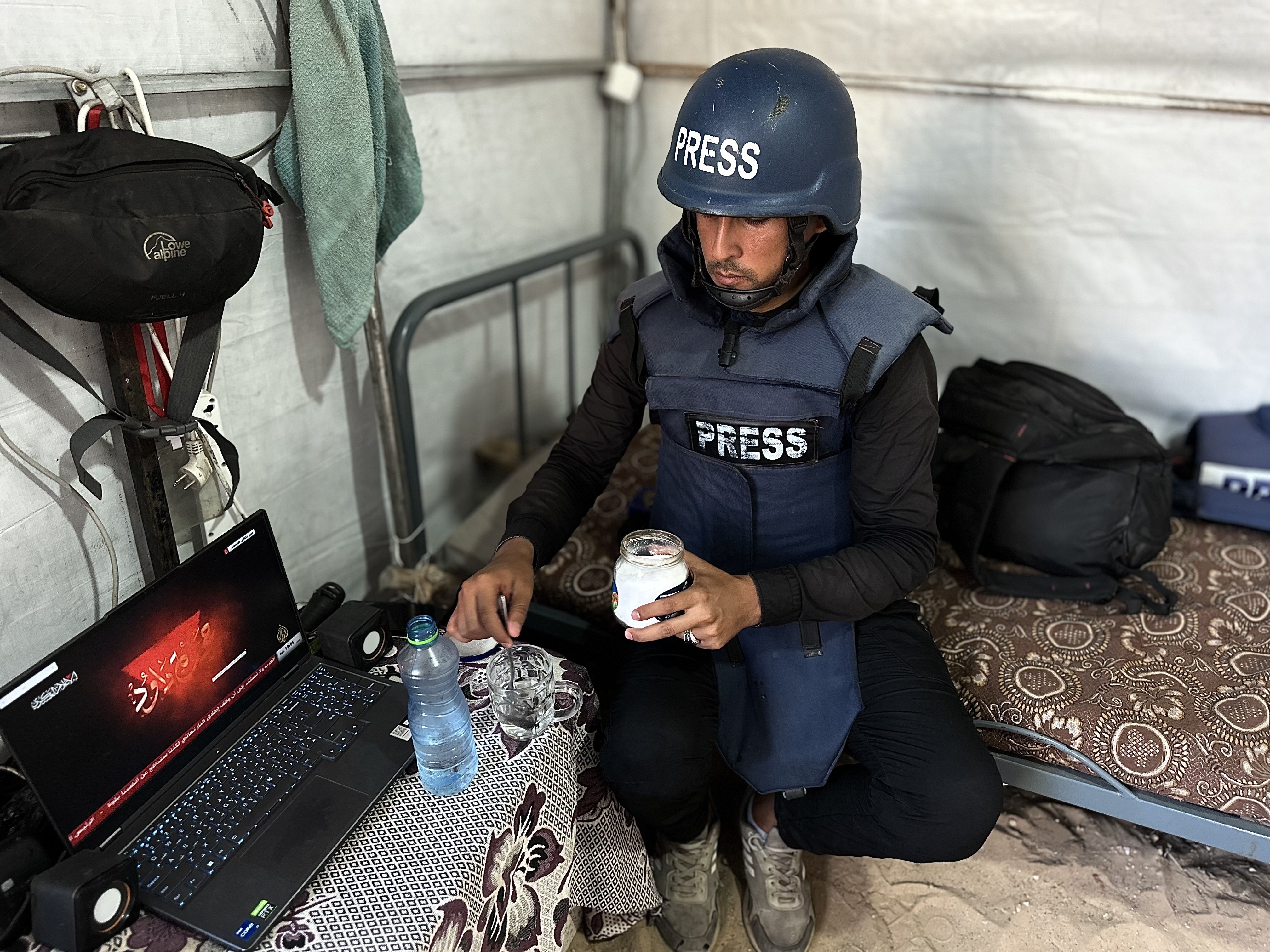
Late last year, Khadija’s training appeared in a Dutch television documentary, Hila voorbij de Taliban (Hila Beyond the Taliban), in which journalist Hila Noorzai followed several Afghan women navigating daily life under the regime.
Weeks after the series aired, reports began circulating that the Taliban had detained Khadija.
The news triggered alarm among journalists and viewers alike. Had the documentary exposed her to danger? Or was the timing simply a coincidence in a country where women who defy the Taliban’s rules already face constant risk?
As speculation grew, the filmmakers removed the series from streaming platforms while trying to determine what had happened. The episode raised questions journalists increasingly confront when reporting under authoritarian rule: what responsibility do reporters carry when the people they document remain exposed long after they leave?
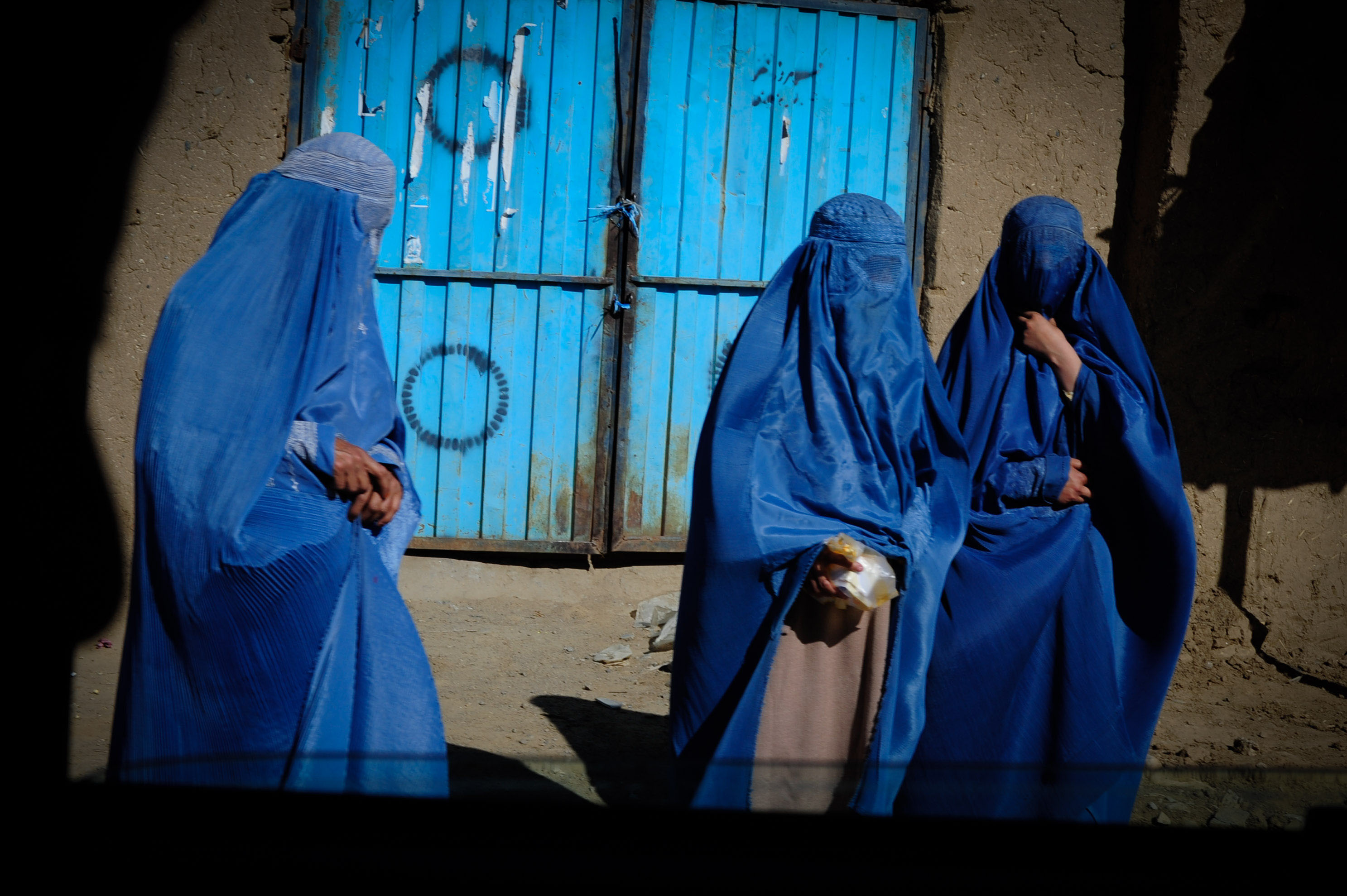
Since the Taliban returned to power in 2021 after the U.S. withdrawal and the collapse of the Republic, women and girls in Afghanistan are faced with sweeping restrictions on their rights and public participation. Girls have been barred from attending secondary schools and universities. Women have also been largely excluded from many forms of employment, including work with NGOs and, in some cases, international organisations.
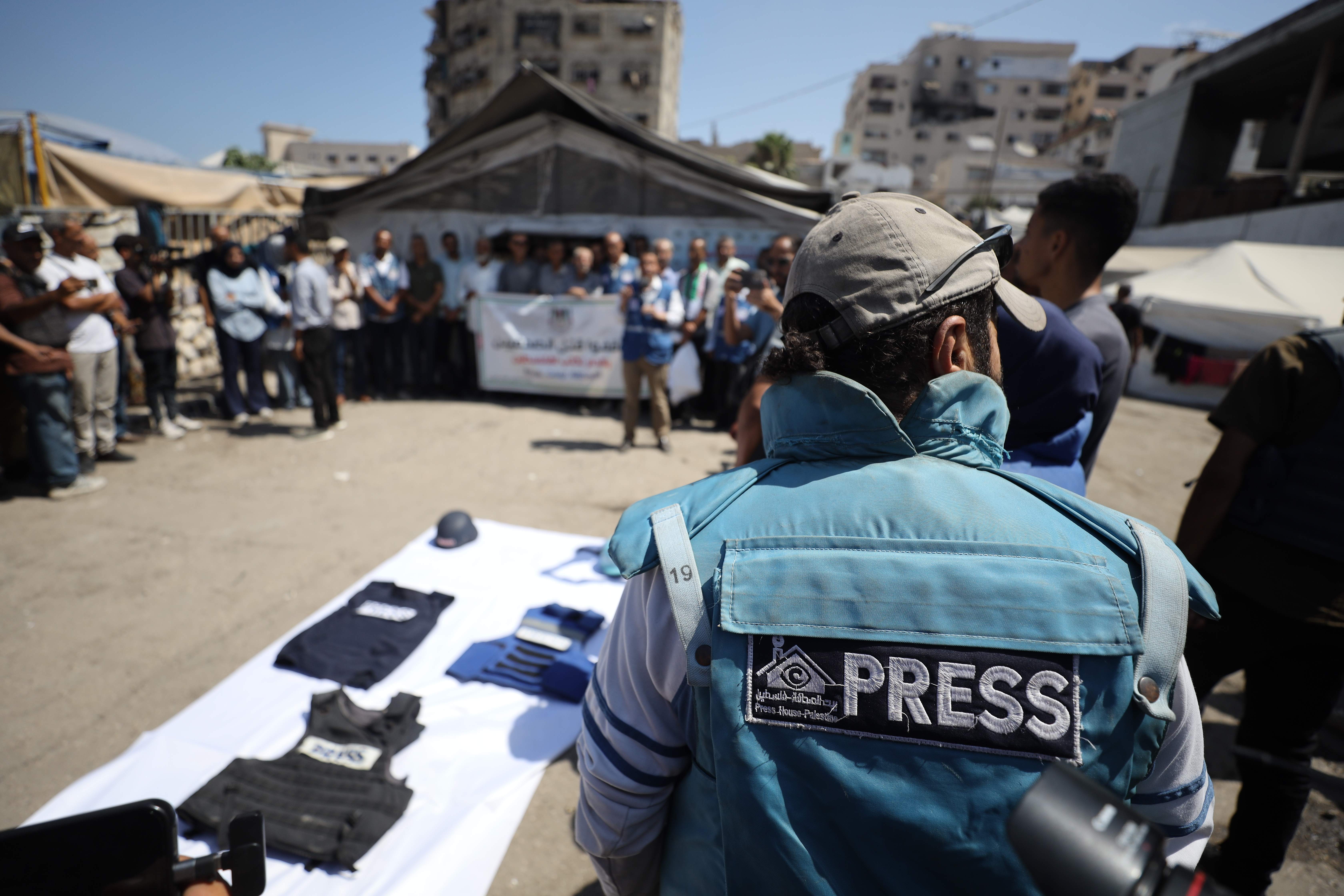
The Taliban authorities have imposed strict rules on dress and movement, requiring women to travel with a male guardian and limiting their presence in public spaces such as parks, gyms, and beauty salons. Media, civil society, and activists have also come under increasing pressure, with journalists and women’s rights advocates facing harassment, detention, or forced silence.
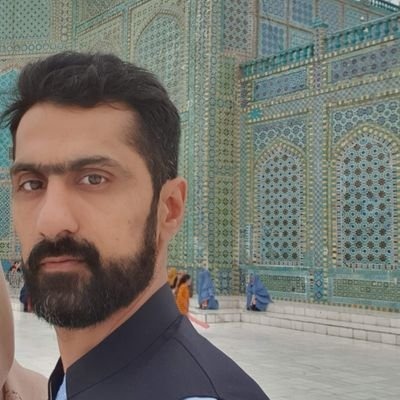
As speculation about the arrest spread, people reached different conclusions about what might have happened. Afghan journalist Sabre Perzad, formerly with TOLO News in Afghanistan and now based in the Netherlands, was among the reporters who raised the alarm.
In a later public statement, he wrote that Khadija’s friends and her sister had approached him with reports that she had been detained by the Taliban. “I brought this news to light without adding anything to it or giving it my own interpretation,” he said.
Such uncertainty is common for journalists reporting from authoritarian contexts. Information often travels through relatives, intermediaries, or local contacts, and in such environments, information is often partial, delayed, and difficult to verify. Independent reporting may be restricted, and sources may fear retaliation for speaking openly. Nonetheless, journalists frequently face the dilemma of how to respond to allegations of harm before the full picture becomes clear.
In Khadija’s case, the timing of the arrest, which came shortly after the documentary aired, naturally triggered the assumption of a possible connection. But a link does not necessarily indicate causation, particularly in a country where women who challenge Taliban rules are often faced with harassment or detention regardless of media attention.
The filmmaker declined to be interviewed for this article, saying the production team is avoiding further media attention around Hila: Beyond the Taliban to protect the women featured in the documentary.
To ensure her safety and that of the other women, we wish to avoid drawing further attention to their participation in the documentary, especially within Afghanistan itself, by making any new public statements,” Noorzai wrote in an email response. She added that the team had received “convincing confirmation from multiple sources that the documentary played no role in Khadija’s arrest.
Noorzai also shared an English transcript of a television interview she and the film’s director, Nicolette Bloemberg, gave to the Dutch talk show Pauw en de Wit on January 26, which addressed media reports that had linked the documentary to the arrest.
The Limits of Verification
Once news of Khadija’s arrest began circulating, the filmmakers tried to determine what had happened. But gathering reliable information proved difficult. “We cannot easily obtain information from Afghanistan,” director Nicolette Bloemberg said during the same interview, describing the challenges of confirming events from outside the country. According to the filmmakers, conversations with intermediaries and local sources suggested that the arrest was linked to other factors, including restrictions on women’s sports and dress, rather than the documentary itself.
Amid the uncertainty, the filmmakers decided to remove the series from online platforms. The decision, Noorzai said, was intended to prevent further exposure of the women featured in the documentary while the situation remained unclear. “That was a precautionary measure,” she explained, noting that the team wanted to ensure that other participants could not be traced if there was any connection between the film and the arrest.
Perzad also said he had not intended to accuse the filmmakers directly but to raise concerns based on information he received from Khadija’s family. In the same statement, he emphasised the broader risks faced by women in Afghanistan and argued that journalists must remain mindful of the potential consequences of public exposure. “Carefulness, honesty, and transparency should be the starting point for every journalist,” he wrote.
Ethical discussions in journalism often focus on decisions made before publication: verifying facts, obtaining consent, and assessing potential harm. But the most dilemmas can emerge afterwards, when events continue to unfold, and reporters must decide how to respond.
Responsibility After Publication
In the past, in most cases, once a story was out, the journalist's job was largely considered done. However, in today’s digital space, the responsibility extends beyond publication into what happens after a story begins to circulate. “That was a precautionary measure,” Noorzai explained.
The move was not an admission that the film caused the arrest, but a recognition that in such environments, information is often partial, delayed, and difficult to verify. The only responsible action is to minimise further exposure. But as international reporting increasingly relies on vulnerable local voices, the "after" becomes equally critical.
Journalists are often forced to choose between exposure and protection, without knowing which carries the greater risk. And the challenge is to ensure that the light they shine on injustice does not become a target for the oppressor. Their response reflects a broader challenge in international reporting: once a story becomes public, journalists may have limited control over how it circulates, how audiences interpret it, or how authorities respond.
Episodes like this highlight the evolving responsibilities journalists face when reporting in restrictive environments. Stories about repression often depend on the courage of individuals willing to speak openly about their lives.
Agency and Risk
The central ethical debate focused on whether the filmmakers should have overridden Khadija’s wishes and blurred her face to mitigate risk. Yet Noorzai argued that removing that choice from participants could itself be problematic. When asked whether filmmakers should override a subject’s wishes to protect them, she replied: “But then I would be making that decision for her.” For the filmmakers, the women’s agency mattered. Many of them already lived publicly under Taliban restrictions and “had chosen to speak openly about their lives".
Such decisions illustrate one of the core ethical tensions in journalism. Protecting sources can sometimes require limiting their exposure, but doing so can also silence the very voices that journalists seek to amplify. The balance between protection and independence becomes even more delicate in environments where people continue living with the consequences of exposure long after the story has been published.
In documentary storytelling, seeing a person’s face and hearing their voice can humanise distant struggles.
In the talk show interview that followed the controversy, journalist Hila Noorzai emphasised that many of the women she filmed wanted to appear openly. “All of these women want their faces to be seen and their voices to be heard,” she said, explaining that several participants had insisted on being recognisable on screen despite the risks.
The case challenges the assumption that protecting sources always means limiting their visibility. While traditional safety protocols suggest protecting sources at all costs, modern reporting increasingly recognises the agency of the subject. To hide her face against her will, in the filmmakers' view, is a secondary form of silencing.
In this case, consent did not resolve risk; it exposed its limits. This shows a growing tension in journalism: whether consent is sufficient when risk is unpredictable. In practice, these decisions are made without clear answers, and often too late. Consent, visibility, and protection do not always align, and when they don’t, journalists must decide which risk they are willing to carry.
For journalists, the question is no longer only how to tell these stories, but how to live with what follows in places where people cannot leave.