الصحافة في موريتانيا.. ما خلف مؤشرات حرية التعبير

الصحافة في موريتانيا.. ما خلف مؤشرات حرية التعبير

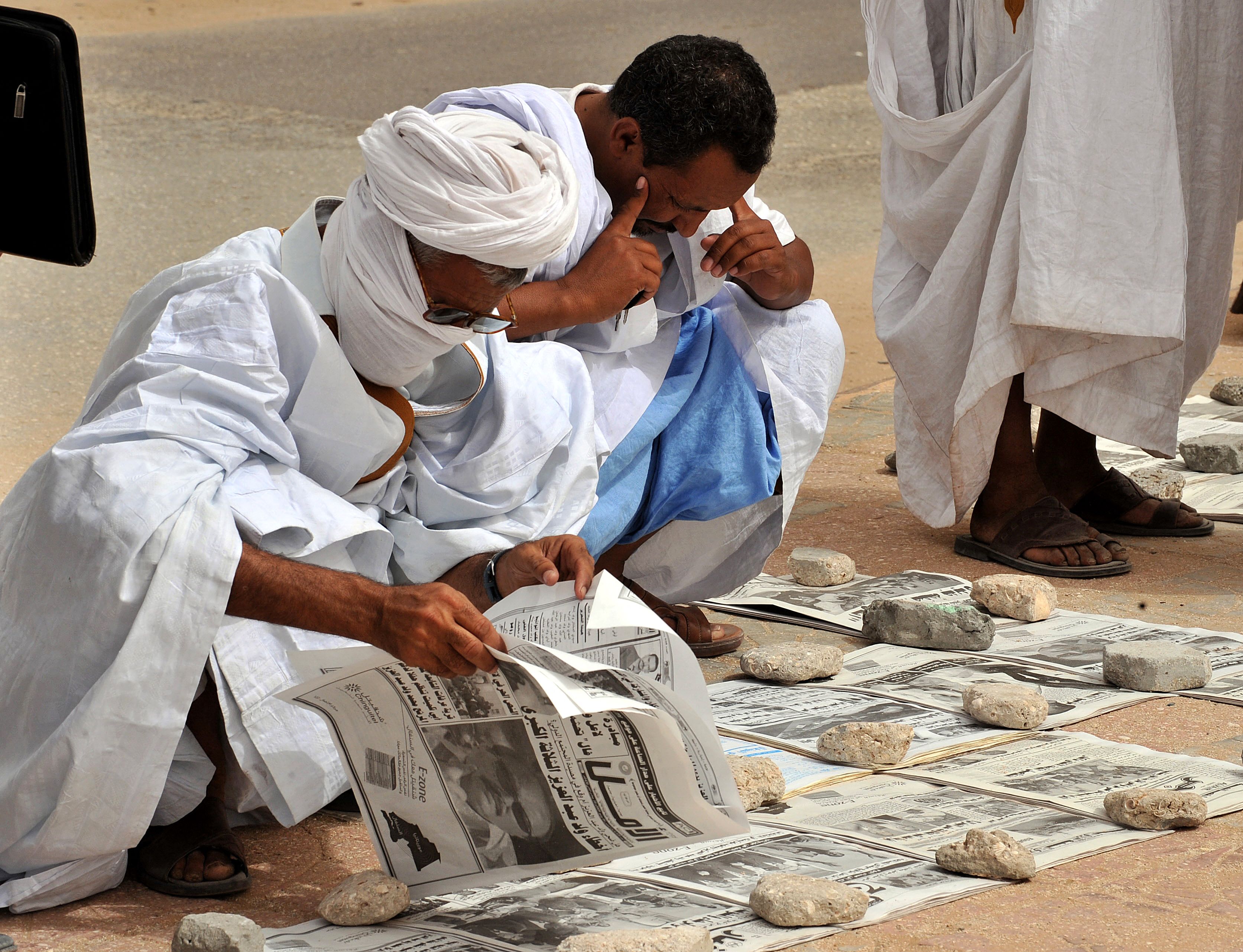
قد تبدو صورة المشهد الإعلامي الموريتاني للمتلقي الخارجي براقة وزاهية، فالبلد حافظ – رغم تراجعه – على تصدر العالم العربي في مجال الحريات الصحفية وفق تقرير "مراسلون بلا حدود"(1)، أما التصريحات الرسمية فتتحدث عن خطوات واثقة على طريق المأسسة والتمهين، والبلد يشهد تنوعا في المؤسسات، ووفرة في الإعلاميين، وتضخما في المؤسسات النقابية المدافعة عن حقوق الصحفيين، لكن خلف هذه الصورة-  أو في جانبها  -صورة أخرى لمشهد مختلف، لعل أقرب توصيف لها هو أن المشهد الإعلامي يعيش حالة تأرجح دائم ومربك، تجعل الحكم عليه غير مركب وعرضة للخطأ إذا ما أخذنا بعين الحسبان كل أبعاد الصورة.

وفق آخر مسح (2) - أعدته السلطات - أنجز خلال الفترة من 18 نوفمبر/ تشرين الثاني إلى 05 ديسمبر/ كانون الأول 2025، أظهر وجود 4 مؤسسات إعلامية عمومية، و250 موقعا إلكترونيا، و66 صحيفة ورقية، و11 قناة سمعية بصرية، و10 مراسلين دوليين، و4 ممثلين لوكالات نفاذ شامل مشروط، و62 منصة إعلامية على فيسبوك، و15 وكالة إنتاج سمعي بصري، و27 هيئة أو رابطة صحفية. فيما تكشف آخر قائمة للمنتسبين لنقابة الصحفيين الموريتانيين (كبرى النقابات المهنية) وجود أكثر من 1700 منتسب، فضلا عن قوائم منتسبة للنقابات والروابط والاتحادات الأخرى.

نجد هذا الأرقام (3) في بلد لا يصل عدد سكانه إلى 5 ملايين، وتتجاوز نسبة الأمية فيه 40 بالمئة، أما نسبة الولوج إلى الإنترنت فتتراوح بين  65 و70%. وفق الأرقام الرسمية.


تجربة قصيرة

قد تبدو تجربة الإعلام المستقل في البلاد قصيرة نسبيا، مقارنة مع بلدان أخرى عربية وأفريقية أسست لتجربتها بعد الاستقلال مباشرة، أو حتى قبله، إذ بالكاد أكملت عقدها الرابع وظهرت بواكيرها بالتزامن مع ما عرف بالتحضير لمسلسل التعددية السياسية في النصف الأخير من عقد الثمانينات وبداية عقد التسعينيات مع صدور دستور العشرين من يوليو 1991.

ظلت التجربة تتقدم مسجلة انتكاسات هنا أو هناك تمثلت في مصادرة العديد من الصحف المطبوعة خلال عقد التسعينات، والنصف الأول من عقد الألفية الجديدة، قبل أن تحقق قفزة خلال الفترة الانتقالية 2005 – 2007، بعيد سقوط نظام معاوية ولد الطايع (رئيس موريتاني سابق).

وبقليل من المنهجية يمكن القول: إن الأنظمة التي تعاقبت على الحكم منذ بداية تجربة الإعلام المستقل سعت لترك بصمتها الخاصة في مجال تطوير التجربة الإعلامية؛ ففي عهد حكم الرئيس الأسبق معاوية ولد الطايع (1984 - 2005) انطلقت التجربة، وفي عهد العقيد علي ولد محمد فال الذي حكم البلاد لفترة انتقالية قصيرة (2005 – 2007) قفز مؤشر الحرية، وألغيت الرقابة القبلية على الإعلام، وأوكلت مهمة ترخيصه إلى القضاء بدل الداخلية، وألغي قانون مصادرة الصحف، وأسست السلطة العليا للصحافة والسمعيات البصرية "الهابا"، وفي عهد الرئيس السابق محمد ولد عبد العزيز (2008 - 2019) أطلقت تجربة تحرير الفضاء السمعي البصري من خلال رفد تجربة الإعلام المستقل بإطلاق إذاعات وقنوات خاصة، بعد أن كان مقتصرا على الصحف والمواقع الإلكترونية، رغم أن التجربة واجهت عقبات وتحديات حدت كثيرا من نجاحها، لكنها تركت بصمة على التجربة الإعلامية في البلاد.


لجنة إصلاح ووعود متكررة بالتمهين

وفي يونيو/ حزيران 2020، وبعد أشهر من استلامه السلطة، شكل الرئيس الحالي محمد ولد الغزواني، لجنة (4) عهد إليها تقديم تشخيص لواقع الصحافة في البلاد، وعقد معها اجتماعا في اليوم الموالي لتعيينها ذكّرها خلاله بـ "جسامة المسؤولية المسندة لها، المتمثلة في تقديم مقترحات لإصلاح شامل للقطاع الإعلامي بشقيه العمومي والخاص".

وبعد أشهر من العمل، ودراسة الساحة الإعلامية، ومقابلة الخبراء والإعلاميين، قدمت اللجنة تقريرا للرئيس، خلصت فيه إلى أن وضع الإعلام في البلاد "بالغ الخطورة، وأن تأثيره السلبي على الدولة والمجتمع لم يعد خافيا"، مردفة أن "كل ما نعاينه اليوم من الفوضى والتسيب والفساد، عائد كليا أو جزئيا إلى فشل الإعلام".

وأضافت اللجنة في تشخيصها لواقع الإعلام في موريتانيا أنه "في واد سحيق بعيد عن الإعلام الناجح، فهو على تعدد قنواته العمومية والخصوصية، وكثرة محطاته ومراسليه في الداخل، بلا تأثير جوهري على المواطن، وبعيد عن التنوير والتحديث، وعن الإسهام في معركة نشر العلم والتنمية"، كما أنه "يبتعد عن تناول الملفات والقضايا التي ترتبط بحياة الناس.. ولا يمارس النقد البناء ويغطي على الإخفاقات، ولا يستخدم البحث والاستقصاء في قضايا الرشوة والكذب والغش والدجل والكسل، ومظاهر الفوضى في الشارع والسوق والمدرسة والمسجد والنقل".

وقدمت اللجنة 64 مقترحا (5) رأت أن تنفيذها كفيل بحل الأزمة التي تواجه المشهد الإعلامي في البلاد، وتوزعت هذه المقترحات على ثمانية محاور، هي السياسة الوطنية للإعلام، والهيكلة، والقوانين، والمصادر البشرية والتكوين، والدعم والمصادر المالية، والمضامين، والمجال لتقني، والإعلام الجديد.

لعل من أبرز العقبات والتحديات التي تواجه المشهد الإعلامي الموريتاني هو ما يعانيه من تشتت وتمييع، حوّله إلى مجال طارد للكفاءات والخبرات، (6) إذ ثمة أعداد هائلة تمتلك رخص مؤسسات إعلامية، وتتصدر أحيانا الحضور في الأنشطة الرسمية، في حين أن مستوياتها وكفاءتها، وطبيعة عملها بعيد كل البعد عن الممارسة الإعلامية المهنية.

وقد وصل الأمر إلى درجة تسلل أشخاص أميين إلى الحقل الإعلامي، ووجود أعداد من المؤسسات التي لا تتجاوز في الواقع مجموعة أوراق في محفظة شخصية، يزاحم حاملها مديري المؤسسات الإعلامية، والصحفيين في الأنشطة والمؤتمرات، وفي الدعم العمومي المخصص للصحافة الخاصة، بل قد يكون أوفر حظا منها فيه.

هذا الواقع ناتج بالأساس عن تعطيل القوانين السارية في البلاد، خصوصا المواد التي تحدد من هو الصحفي، وتتضمن شروط الحصول على البطاقة الصحفية وضوابطها، وحق ممارسة العمل الإعلامي، ورغم بروز العديد من المحاولات خلال السنوات الماضية لتطبيق هذه النصوص - كان آخرها قبل أسابيع (7) - فإنها كانت تتوقف في منتصف الطريق دائما.

وقد عبّرت منظمة "مراسلون بلا حدود"، عن هذا الواقع بطريقة دبلوماسية، حين أكدت أن وضع الصحفيين في موريتانيا "لا يزال يتسم بالهشاشة، مما يجعلهم عرضة لما يُصطلح عليه بـ "صحافة القوت اليومي"، أي كتابة مقالات أو إنجاز تقارير صحفية مقابل تقاضي مبلغ مالي معين.. وإذا كانت وسائل الإعلام تتلقى إعانات مهمة، فإن هذه الأخيرة تبقى غير كافية لضمان استقرارها الاقتصادي، بسبب سوء الإدارة وضعف التدبير". (8)

ولمعالجة هذا الواقع، اقترحت السلطة العليا للصحافة والسمعيات البصرية "الهابا" إعداد خطة ومتابعة وتقييم، وقد رأت ضرورة أن تأخذ في الحسبان ثلاثة اعتبارات، هي اعتماد خطة عملية لتنزيل المقتضيات القانونية، واستكمال محددات إصدار البطاقة الصحفية، ومراجعة طريقة توزيع صندوق دعم الصحافة الخاصة، كما رأت – أيضا- أن لجنة مشتركة بينها والوزارة الوصية يمكن أن تنفذ هذه الخطة خلال الفترة 2025 – 2028.


تعثر تحرير الفضاء

وكما تعثرت تجربة ضبط الإعلام على مستوى الأفراد، والمؤسسات التي تعمل في مجال الصحافة المطبوعة، فإن تجربة الفضاء السمعي البصري لم تكن أفضل حالا، حيث واجهت إكراهات وعقبات أفرغتها من رسالتها وأهدافها، ودفعت بالعديد منها للتوقف عن البث بشكل فعلي، أو التحول إلى بث مسجل دون احترام للالتزامات المترتبة على الرخصة.

بدأت التجربة 2011 عبر الترخيص لخمس إذاعات وقناتين تلفزيونيتين، تبعتها ثلاث قنوات في العام 2013، وفي السنوات الثلاث الأخيرة رخص لثلاث قنوات جديدة.

أما الواقع اليوم، فهو أن القنوات الثلاث الأخيرة هي وحدها التي تعمل بشكل منتظم في ظل وضعية قانونية سليمة، أما البقية، فستّ منها منتهية الترخيص ومتوقفة بشكل كلي أو جزئي، والبقية تعمل دون ترخيص بعد نهاية رخصتها القانونية دون تجديدها.

كما أن مؤسسات الإعلام العمومي (إذاعة موريتانية – قناة الموريتانية) لم توقّع - إلى اليوم - على دفتر الشروط والالتزامات الملزم لها قانونيا مع السلطة العليا للصحافة والسمعيات البصرية، كما لم توقّع برنامجا تعاقديا مع الحكومة.

ويكشف المسح الذي أعدته السلطة، أن عدد عمال قناة الموريتانية (الرسمية) لا يتجاوز 885 عاملا، 204 منهم فقط يمتلكون عقود عمل، فيما يبلغ عدد عمال إذاعة موريتانيا 1078 عاملا، 180 منهم فقط يمتلكون عقود عمل، (9) أما الوكالة الرسمية فيبلغ عدد عمالها 416 عاملا، 262 منهم لديهم عقود عمل. أما القنوات والإذاعات الخاصة، فبلغ مجموع عمالهم 241 عاملا فقط، 151 منهم لديهم عقود عمل. (10)

هذا الواقع المؤسسي المتأرجح، دفع السلطة لتوقيف المسار عمليا من خلال تأجيل إصدار النصوص المتعلقة بالقنوات الجمعوية، في ظل تعثر تجارب القنوات والإذاعات الخاصة الإخبارية.


تأرجح على مستوى الحريات

وإذا كان التأرجح والتعثر واضحا في المحاور السابقة، فإنه في مجال الحريات يبدو أوضح وأكثر حضورا، سواء على مستوى الممارسات الميدانية، أو التصنيفات والمؤشرات الدولية.

وهكذا، يتعرض الصحفيون في الميدان لمضايقات دائمة من أجهزة الأمن أثناء أدائهم لمهامهم، تصل أحيانا درجة الاعتداء الجسدي، ومصادرة أدوات عملهم، كما يواجهون ضغوطا رسمية ومجتمعية لمنعهم من أداء مهامهم في كشف الفساد، ومتابعة الاختلالات.

أما على مستوى المؤشرات الدولية، فمثال ذلك آخر تصنيف صادر عن منظمة "مراسلون بلا حدود"، الذي كشف عن تراجع موريتانيا بـ17 مرتبة دفعة واحدة خلال العام الجاري؛ إذ انتقلت من المرتبة 33  إلى المرتبة 50، لتفقد بذلك صدارة الدول الأفريقية، مع احتفاظها بصدارة الدول العربية.

   وفي الحقيقة، فإن تاريخها مع التأرجح على هذا المؤشر طويل جدا، فخلال عقدين تأرجحت موريتانيا بين مراكز متقدمة جدا يضعها في مقدمة الدول التي تحترم حرية الصحافة، وارتكاس كبير ومتسارع يعيدها إلى عمق الدول المحاصرة لحرية التعبير.

فبين عامي 2005 و2025، بلغت موريتانيا المرتبة الخمسين أو تجاوزتها أربع مرات فقط، فيما جاءت في بقية السنوات في مراتب أدنى، وصلت في بعضها إلى ما بعد المرتبة المئة. (11)

والخلاصة، أن المشهد الإعلامي الموريتاني يمتلك مقومات قوة يمكن البناء عليها لتقديم تجربة إعلامية ناجحة في أبعادها ومكوناتها المختلفة، لكنه في الآن ذاته يحمل نقاط ضعف، واختلالات بنيوية، تشكل خطرا عليه، وقد تدفع بهذه التجربة نحو الفشل.


المصادر 
(1) مراسلون بلا حدود. "موريتانيا." مراسلون بلا حدود. تم الدخول في 2 نوفمبر 2025. https://rsf.org/ar/البلاد/موريتانيا.

(2) Al Jazeera Media Institute. “AJMI Trainer Application Form.” Jotform. Accessed November 2, 2025. https://www.jotform.com/231545029583054.

(3) Ansade. "النتائج النهائية للتعداد العام للسكان والمساكن 2023." Ansade. تم الدخول في 2 نوفمبر 2025. https://ansade.mr/ar/النتائج-النهائية-للتعداد-العام-للسكا/.

(4) السراج. "عينت اللجنة يوم 20 يوليو 2020، واجتمع الرئيس مع أعضائها في اليوم الموالي." السراج الإخباري. تم الدخول في 2 نوفمبر 2025. https://essirage.net/node/20228.

(5) الأخبار إنفو. "يمكنكم مطالعة أبرز المقترحات من خلال هذا الرابط." الأخبار إنفو. تم الدخول في 2 نوفمبر 2025. https://alakhbar.info/?q=node/31256.

(6) سيدي، أحمد. "الصّحافة الرقميّة في موريتانيا.. البدايات الصعبة." معهد الجزيرة للإعلام. تم الدخول في 2 نوفمبر 2025. https://institute.aljazeera.net/ar/ajr/article/1549.

(7) صحراء ميديا. "في منتصف أغسطس الماضي، أعلن عن تشكيل لجنة مكلفة بدراسة ومنح البطاقة الصحفية الوطنية في موريتانيا..." صحراء ميديا. تم الدخول في 2 نوفمبر 2025. https://saharamedias.net/248134/.

(8) مراسلون بلا حدود. "موريتانيا." مراسلون بلا حدود. تم الدخول في 2 نوفمبر 2025. https://rsf.org/ar/البلاد/موريتانيا.

(9) أعلن قبل أسابيع قليلة عن مسار لتسوية وضعية العمال غير الحائزين على عقود عمل في مؤسسات الإعلام الرسمية

(10) المسح الوطني الذي أعدته السلطة العليا للصحافة والسمعيات البصرية "الهابا" نهاية العام المنصرم

(11) أحمد محمد المصطفى، "كيف نفهم تصدّر موريتانيا ترتيب حرّيات الصحافة عربياً وأفريقياً؟" معهد الجزيرة للإعلام، تم الدخول في 2 نوفمبر 2025، https://institute.aljazeera.net/en/node/2663.

More Articles

How Can Journalism Make the Climate Crisis a People’s Issue?

Between the import of Western concepts and terminology that often fail to reflect the Arab context, and the denial of the climate crisis, or the inability to communicate it in clear, accessible terms, journalism plays a vital role in informing the public and revealing how climate change directly affects the fabric of daily life in the Arab world.

Bana Salama
Bana Salama Published on: 19 Dec, 2025
Freelancers in Kashmir Fear Losing Access as Verification Tightens

Kashmir’s new “verification drive” claims to root out impostors, yet its heavy bureaucratic demands mainly sideline the independent freelancers who still dare to report in a shrinking media landscape. But here’s the unsettling question that hangs over the Valley like fog at dawn: who really benefits when the storytellers without institutional shields are pushed out of the frame?

Tauseef Ahmad
Tauseef Ahmad, Sajid Raina Published on: 11 Dec, 2025
Journalists in Maldives Enter New Phase of Government-Controlled Media Repression

As journalists weigh the costs of their work against threats to their lives and families, the fight for press freedom in the Maldives enters a dangerous new chapter, one where the stakes have never been higher.

Sumaiya Ali
Sumaiya Ali Published on: 8 Dec, 2025
Reporting Under Fire: The Struggle of African Journalists Facing Intimidation

African journalists who expose corruption and power now face a brutal mix of arrests, torture, digital surveillance, and lawsuits meant to drain their resources and silence them. From Ethiopia, Nigeria, Malawi, Benin, Sudan, Uganda, and Kenya to exile in Canada, reporting the truth has become an act of personal survival as much as public service.

Nigerian freelance Journalist John Chukwu
John Chukwu Published on: 4 Dec, 2025
Shipwrecked Narratives: How to Keep Migration Stories Afloat

Migration stories don’t become real until you meet people in the journey: the carpenter carrying photos of his fantasy coffins, or the Libyan city worker burying the forgotten dead, or the Tatar woman watching her livelihood collapse at a militarised border. Following these surprising human threads is the only way journalism can cut through collective exhaustion and make readers confront a crisis they’ve been trained to ignore.

Karlos Zurutuza, a freelance journalist and a media trainer. His work has been published in The Guardian, Al Jazeera English, POLITICO, The Middle East Eye and The Independent, among others.
Karlos Zurutuza Published on: 30 Nov, 2025
In-Depth and Longform Journalism in the AI Era: Revival or Obsolescence?

Can artificial intelligence tools help promote and expand the reach of longform journalism, still followed by a significant audience, or will they accelerate its decline? This article examines the leading AI tools reshaping the media landscape and explores the emerging opportunities they present for longform journalism, particularly in areas such as search and content discovery.

. سعيد ولفقير. كاتب وصحافي مغربي. ساهم واشتغل مع عددٍ من المنصات العربية منذ أواخر عام 2014.Said Oulfakir. Moroccan writer and journalist. He has contributed to and worked with a number of Arab media platforms since late 2014.
Said Oulfakir Published on: 24 Nov, 2025
Zapatismo and Citizen Journalism in Chiapas, Mexico

In Chiapas, independent journalists risk their lives to document resistance, preserve Indigenous memory, and challenge state and cartel violence. From Zapatista films to grassroots radio, media becomes a weapon for dignity, truth, and survival.

Ana Maria Monjardino
Ana Maria Monjardino Published on: 26 Oct, 2025
Lost in Translation: The Global South and the Flaws of Content Moderation

Global Rules, Local Consequences: How Biased Moderation Fuels Disinformation in the Global South. Unequal systems of AI and human oversight are failing to protect and often silencing non-Western voices online.

Lucia Bertoldini
Lucia Bertoldini Published on: 22 Oct, 2025
Propaganda: Between Professional Conscience and Imposed Agendas

When media institutions first envisioned editorial charters and professional codes of conduct, their primary goal was to safeguard freedom of expression. However, experience has shown that these frameworks have often morphed into a "vast prison", one that strips journalists of their ability to confront authority in all its forms. In this way, Big Brother dons velvet gloves to seize what little space remains for the practice of true journalism.

فرح راضي الدرعاوي Farah Radi Al-Daraawi
Farah Radi Al-Daraawi Published on: 17 Oct, 2025
Journalists Under Occupation; Palestinian Journalists in the West Bank

Palestinian journalists in the West Bank face extreme physical danger, psychological trauma, and systemic targeting under Israeli occupation, yet continue to report with resilience, amplifying the voices of their people despite global indifference and media bias.

Synne Furnes Bjerkestrand
Synne Bjerkestrand Published on: 13 Oct, 2025
Narrative Without Debate: The Telegraph’s Comment Ban on Gaza Coverage

What does it mean for readers when their voices are deliberately cut off? This content analysis of The Telegraph, a UK-based conservative newspaper known for its pro-establishment stance and alignment with right-leaning narratives, shows it systematically disabled Instagram comments on Israel-Gaza posts, blocking dissent and shaping a one-sided, pro-Israel narrative.

Mohammed Ramees
Mohammed Ramees Published on: 9 Oct, 2025
The Silent Death of Urdu Newspapers in India

With a 200-year history, Urdu newspapers in India are now facing a silent death—trapped in a cycle of decline where circulation has fallen by nearly 25%, advertising is absent, and government support is scarce. What vanishes is more than print: it is the erosion of a cultural and political lifeline that once bound Hindus, Muslims, and Sikhs in common debates and carried the voices of the marginalised into India’s public sphere.

Hanan Zaffa
Hanan Zaffar, Majid Alam Published on: 1 Oct, 2025
Mental Health in Newsrooms

Newsrooms, long lauded as bastions of information, are quietly grappling with a mental health crisis, underscoring an urgent need for systemic support, emotional safety, and sustainable practices to protect those telling the world’s stories.

Faras Ghani Published on: 27 Sep, 2025
Why Are Young Journalists in Kashmir Quitting Before They Begin?

In Kashmir, mounting censorship, political pressure, and shrinking job prospects are forcing a generation of aspiring journalists to abandon the profession, many before they even get the chance to begin, leaving behind a media landscape stripped of dissent, debate, and independent voices.

Abrar Fayaz, Muqeet Mohammed Shah Published on: 23 Sep, 2025
Sudan’s Journalists Are Being Silenced: By Bullets, Exile, and Fear

The collapse of the media industry in Sudan has subjected journalists to physical threats, legal and professional challenges, with no functioning legal system to investigate crimes committed against the press.

Nalova Akua
Nalova Akua Published on: 17 Sep, 2025
Nepali Journalists Trapped Between “GenZ” Protest and State Crackdowns

Nepali journalists are under attack on two fronts: facing violence from protesters in the streets while also being targeted by government crackdowns, restrictive laws, and political interference that threaten press freedom.

Sumaiya Ali
Sumaiya Ali Published on: 12 Sep, 2025
Interview with Zina Q. : Digital Cartography as a Tool of Erasure in Gaza

Amid Israel’s war on Gaza, Zina Q. uncovers how Google Maps and satellite imagery are being manipulated; homes relabelled as “haunted,” map updates delayed, and evidence of destruction obscured, revealing digital cartography itself as a weapon of war. By exposing these distortions and linking them to conflicts from Sudan to Ukraine, she demonstrates how control over maps and AI surveillance influences not only what the world sees, but also what it remembers.

Al Jazeera Journalism Review
Al Jazeera Journalism Review Published on: 6 Sep, 2025
I Don’t Want You to Be a Journalist, Mama”. Do Gaza’s Journalists Have the Luxury of Absence?

Does the Palestinian journalist in Gaza have the freedom to simply “step away”? How do they navigate the balance between their professional responsibilities and their family life? And to what extent does the duty to report justify the personal cost of being separated from one’s loved ones? Journalist Jenin Al-Wadiya sheds light on the deeply human details that rarely make it to the screen.

Jenin Al-Wadiya
Jenin Al-Wadiya Published on: 31 Aug, 2025
The Continent Experience: A New Kind of Newspaper for the Future of Journalism

The Continent is a new way of empowering people through quality journalism, blending the authority of newspapers with the reach of 21st-century distribution. Readers love it. That’s why we built it. It’s a model other newsrooms can learn from and one that comes with its own set of challenges.

Sipho Kings
Sipho Kings Published on: 28 Aug, 2025
Intersections of Journalism and Social Sciences in the Field

The field is where journalism and the social sciences meet at their most dynamic edge. As the world grows more complex, journalists increasingly take on the role of sociologists, without abandoning their core mission to question power and expose uncomfortable truths. By drawing on the methods and insights of social science, journalism deepens its coverage, grounds stories in real-world contexts, and resists the temptation of surface-level narratives.

Mohammed Ahddad
Ahdad Mohamed Published on: 23 Aug, 2025
Anas Al-Sharif’s Killing and the Israeli Media Narrative

Following the assassination of journalist Anas Al-Sharif, Palestinian journalists have been framed in Israeli media as legitimate military targets—part of a deliberate strategy to silence those who bear witness to the truth. This article explores how Hebrew-language media outlets have engaged in rhetoric that incites and legitimises the killing of journalists in Gaza.

Anas Abu Arqoub
Anas Abu Arqoub Published on: 19 Aug, 2025
New Media Reforms in Bangladesh Introduced to Replace Hasina-Era Journalism

Bangladesh’s interim government, led by Muhammad Yunus, has launched ambitious media reforms to undo the legacy of Sheikh Hasina’s 15-year rule, which was marked by censorship, media monopolies, and the notorious Digital Security Act. However, despite promises of greater freedom, journalists remain wary, as self-censorship, restrictive laws, and public scepticism continue to cast doubt on genuine change.

Sumaiya Ali
Sumaiya Ali Published on: 17 Aug, 2025
Monitoring of Journalistic Malpractices in Gaza Coverage

On this page, the editorial team of the Al Jazeera Journalism Review will collect news published by media institutions about the current war on Gaza that involves disinformation, bias, or professional journalistic standards and its code of ethics.

A picture of the Al Jazeera Media Institute's logo, on a white background.
Al Jazeera Journalism Review Published on: 11 Aug, 2025
The Washington Post: When Language Becomes a Veil for Pro-Israel Bias

How did The Washington Post's coverage differ between Israel’s bombing of Gaza hospitals and Iran’s strike on an Israeli hospital? Why does the paper attempt to frame Palestinian victims within a “complex operational context”? And when does language become a tool of bias toward the Israeli narrative?

Said Al-Azri
Said Al-Azri Published on: 6 Aug, 2025