قضايا الهجرة ومأزق التأطير في الصحافة الغربية

قضايا الهجرة ومأزق التأطير في الصحافة الغربية


تزامنا مع "أزمة اللاجئين" عام 2015، ثم استفتاء خروج بريطانيا من الاتحاد الأوروبي عام 2016، اكتسبت قضية الهجرة أهمية متزايدة في السياسة الأوروبية المعاصرة، حيث انتشرت عدوى خطاب أقصى اليمين، الذي دفع إلى سلسلة من المظاهرات المتكررة المناهضة للهجرة في عدد من المدن الأوروبية؛ احتجاجا على سياسات بعض الحكومات الغربية المتعلقة باستقبال اللاجئين وتنظيم الهجرة.

وعلى الرغم من تفاوت نطاق هذه المظاهرات واختلاف الدوافع وحجم المشاركين من دولة إلى أخرى، إلا أن التداول الإعلامي المستمر لها، ودورها الحاسم في توجّيه الرأي العام الغربي كان القاسم المشترك بينها. فكيف غطت الصحافة الغربية سردية تلك المظاهرات اليمينية المناهضة للهجرة؟ وهل هي ناقلة محايدة للأحداث أم مؤثرة في تأطيرها وصياغتها؟ وإلى أي مدى توازن بين المسؤولية المهنية وحرية التعبير دون أن تتحول إلى منبر لخطاب الكراهية والعنصرية؟

يُعدّ التأطير الصحفي من أرسخ الممارسات الإعلامية التي تؤثر على طريقة فهم الجمهور للأحداث، خاصة في أوقات الأزمات التي تتقاطع فيه القضايا السياسية والهوية الثقافية مع حرية التعبير. ذلك لأن وظيفة التأطير الصحفي لا تقتصر على نقل الوقائع فقط؛ بل تعيد صياغتها ضمن سردية من التحيزات الإقناعية؛ بهدف توجيه المتلقي نحو رؤية مُعدّة مسبقًا. ويؤدي الانتقاء المقصود للعناوين والمصطلحات والصور والمصادر، وترتيب المعلومات وتقديمها، إلى تشكيل صورة ذهنية لدى المتلقي وفق الدلالات المراد إيصالها.  وهو ما يثير   التحيزات والتفاعلات الذاتية لديه بطريقة ناعمة وغير مباشرة.

يؤدي الانتقاء المقصود للعناوين والمصطلحات والصور والمصادر، وترتيب المعلومات وتقديمها، إلى تشكيل صورة ذهنية لدى المتلقي وفق الدلالات المراد إيصالها.  وهو ما يثير   التحيزات والتفاعلات الذاتية لديه بطريقة ناعمة وغير مباشرة.

وقد تباينت تغطيات وسائل الإعلام في تأطير المظاهرات المناهضة للهجرة تبعا للتوجه الأيديولوجي وسياساتها التحريرية. مثلا، ركزت شبكة بي بي سي في جزء كبير من متابعتها على التأطير الأمني في تغطيتها للمظاهرات في بولندا، مشددة على ضرورة مراقبة الحدود وفرض عمليات تفتيش على حدودها مع ألمانيا وليتوانيا. 

 بينما وظفت الصحيفة ذاتها أكثر من إطار في تغطيتها للأحداث في أستراليا، من بينها الصراع بين المتظاهرين المناهضين للهجرة وبين السياسيين المعارضين لهم، وكذلك وظف الإطار الاقتصادي لأزمة الهجرة بشأن الأجور والإسكان وإمدادات المياه وارتفاع معدلات الجريمة إضافة إلى إطار ثقافي يثير القلق حول الهوية الأصلية الغربية بتوظيف سردية "الأنا والآخر" ونظريات المؤامرة المتعلقة "بأسلمة أوروبا “وفقدان المجتمع للقيم الغربية.

وبالمثل، ركزت رويترز في جزء من تغطيتها على إطار الصراع، واعتمدت الانتقاء في تأطير الأرقام؛ إذ قدّمت أعداد المشاركين المناهضين للهجرة بنحو 110 آلاف، مقابل خمسة آلاف فقط من المناهضين للعنصرية. ويوجّه هذا التأطير القارئ نحو سردية مفادها أن خطاب الكراهية والعنصرية يمثل غضبًا شعبيًا واسعًا يعكس رأي “الأغلبية”، في مقابل تصوير الحضور المناهض للعنصرية على أنه محدود وهامشي في مظاهرات لندن.

أما صحيفة ديلي ميل، فقد وظفت في تغطيتها لمظاهرات المملكة المتحدة إطار الصراع بين المتظاهرين المناهضين للهجرة والمتظاهرين المضادين، إلى جانب إطار قانوني يركز على قرارات قضائية تقضي بإغلاق فنادق إيواء اللاجئين. وإضافة إلى ذلك، اعتمدت الصحيفة إطار الخطر الاجتماعي للمهاجرين، مقدمة إياهم بوصفهم سببا رئيسا للأزمات الداخلية وارتفاع معدلات الجريمة، بما يرسّخ صورة نمطية سلبية تعزّز الشعور بالتهديد تجاه المهاجرين، من دون تقديم أي سياق إنساني أو بنيوي لأزمة الهجرة.

ركزت رويترز في جزء من تغطيتها على إطار الصراع، واعتمدت الانتقاء في تأطير الأرقام؛ إذ قدّمت أعداد المشاركين المناهضين للهجرة بنحو 110 آلاف، مقابل خمسة آلاف فقط من المناهضين للعنصرية. ويوجّه هذا التأطير القارئ نحو سردية مفادها أن خطاب الكراهية والعنصرية يمثل غضبًا شعبيًا واسعًا يعكس رأي “الأغلبية”، في مقابل تصوير الحضور المناهض للعنصرية على أنه محدود وهامشي في مظاهرات لندن.

بينما جمعت صحيفة  الغارديان في تغطيتها بين الإطار التحذيري المتعلق بتطبيع خطابات أقصى اليمين وأنشطته، وتهديده للقيم الديمقراطية داخل المجتمع البريطاني، وبين الإطار الإنساني الذي يصور المهاجرين بوصفهم ضحايا رحلة لجوء محفوفة بالمخاطر وضحايا خطاب قومي معاد لهم، كما لجأت الصحيفة إلى جانب هذه الأطر إلى إطار الحلول والمسئولية الاجتماعية للحكومة في حماية اللاجئين.

  أما تغطية صحيفة نيويورك تايمز للمظاهرات المناهضة للهجرة فى أستراليا، نجد التأطير المتعلق بالإدانة والحذر من تنامي خطاب التطرف العنيف الذي يتغذي على نظرية المؤامرة والأيديولوجيات المناهضة للحكومة حيث أدانت الحكومة استقطاب الأشخاص من قبل الجماعات النازية. كما تناولت الصحيفة إطار الاستغلال اليميني لأزمة نقص السكن وارتفاع تكاليف المعيشة وإحالتهما للهجرة لإثارة المشاعر المعادية والعنصرية ضد المهاجرين.

وإلى جانب هذا التأطير؛ أدت عناوين بعض الصحف دورا محوريا في الدفع باتجاه سرديات مقصودة، حيث حملت نبرة استعراضىة يضفي شرعية لخطابات أقصى اليمين ويعزز قوته ويوسع من نطاقه، ليبدو كأنه يحظى بدعم واسع أكثر مما هو عليه جغرافيا.

من الأمثلة على هذه العناوين، ما جاء في شبكة بي بي سي تجمعات مناهضة للهجرة نظمت في جميع أنحاء بولندا".  وبالمثل، صحيفة ديلي ميل "يواجه الناشطون الغاضبون المناهضون للمهاجرين المتظاهرين المضادين في المدن والبلدات في جميع أنحاء المملكة المتحدة“.

أما صحيفة الغارديان  فقد جاء عنوانها مغايرا: "لحظة خطيرة: جرأة اليمين المتطرف في بريطانيا"، في محاولة لوضع الحدث ضمن إطار التحذير من خطورة تصاعد احتجاجات اليمين المتطرف وخطابه، باعتباره منبرًا يمنح التيارات العنصرية شرعية رمزية لاستهداف اللاجئين والمهاجرين.


وفي سياق التأطير البصري خلال تغطية أزمات مشابهة، تصبح الرسالة الإعلامية أكثر تأثيرًا ورسوخا لدى المتلقي؛ إذ إن اختيار لقطات بعينها، وطريقة عرضها، والسياق الذي تُقدَّم فيه، يكون فعلا مقصودا، يعكس أيديولوجيا تحريرية قد تُحرّف الواقع أو تُضخّمه ضمن سرديات تتجاوز مجرد توثيق الحدث.

وقد كشفت تغطية المظاهرات المناهضة للهجرة عن غياب المعايير المهنية والموضوعية في الموازنة بين حرية التعبير وحدودها الأخلاقية؛ إذ نُشرت صور لمتظاهرين يؤدون حركات غير أخلاقية ويطلقون إيماءات غير لائقة، من دون أي معالجة تحريرية تُخفي التفاصيل التي قد تحرّف السياق، أو تحدّ من تعزيز خطابات وشعارات أقصى اليمين المغذّية للكراهية والعنصرية لدى الجمهور. وهو ما برز بوضوح في لقطات صحيفة ديلي ميل خلال تغطيتها لمظاهرات مماثلة في أستراليا.

في سياق التأطير البصري خلال تغطية أزمات مشابهة، تصبح الرسالة الإعلامية أكثر تأثيرًا ورسوخا لدى المتلقي؛ إذ إن اختيار لقطات بعينها، وطريقة عرضها، والسياق الذي تُقدَّم فيه، يكون فعلا مقصودا، يعكس أيديولوجيا تحريرية قد تُحرّف الواقع أو تُضخّمه ضمن سرديات تتجاوز مجرد توثيق الحدث.

كما تبنّت الصحيفة، بشكل مقصود، سردية الإسلاموفوبيا عبر التأطير البصري في تغطيتها للمظاهرات المناهضة للهجرة في بريطانيا، حين نشرت صورة لمتظاهر مناهض للهجرة يقف في مواجهة متظاهر مضاد للعنصرية يرتدي جلبابًا ويظهر بلحية، بينما يفصل بينهما ضابط شرطة. ويُرسّخ هذا النوع من التأطير لدى الجمهور فكرة مفادها أن الصراع موجّه ضد المسلمين تحديدًا، لا ضد المهاجرين بوصفهم فئة عامة.

من جهة أخرى، ركزت تغطية صحيفة الغارديان على البعد الإنساني للأزمة. ونشرت صورًا لسفينة بحث وإنقاذ تراقب قارباً صغيراً للمهاجرين، في محاولة لإبراز مخاطر الرحلة التي يواجهها هؤلاء اللاجئون.

وإلى جانب التأطير البصري، يبرز التأطير اللغوي بوصفه أداة مركزية في تغطية الأزمات، إذ يقوم على انتقاء دقيق للمفردات والمصطلحات داخل الخطاب الصحفي. وهي ممارسة مقصودة تسهم في تحديد الإطار الذي تُقدَّم من خلاله الأحداث، ومن ثم في تشكيل تصورات المتلقي وفق توجهات بعينها. ويعود ذلك إلى أن هذا الانتقاء اللغوي يؤثر مباشرة في فهم الوقائع، ويكرس انطباعات نمطية، وقد يسهم في تصعيد التوتر. ويتحقق ذلك عبر توظيف لغة موجِّهة تدفع المتلقي نحو تبنّي سردية محددة دون غيرها.

وتجلى هذا النوع من التأطير في انتقاء صحيفة ديلي ميل لمصطلحات شرعنت التظاهر ضد المهاجرين مثل استخدام عبارة "النشطاء الغاضبون المناهضون للمهاجرين"، والتي تضعهم في إطار احتجاج مشروع يدافع عن حقوقهم، في مقابل اختزال معاناة اللاجئين ووضعهم محل اتهام؛ وبالتالي تصعيد التوتر والصراع.

 وفيما يتعلق بغياب الحياد الموضوعي في انتقاء المصطلحات وتأطيرها، وظّفت تغطية وكالة رويترز موضوع الهوية الدينية للمهاجرين بمعزل عن أبعادهم الإنسانية، ومخاطر رحلة النزوح، وويلات الحروب التي دفعتهم إلى الهجرة، وقدّمتهم بوصفهم كتلة واحدة متجانسة. كما استخدمت الوكالة مصطلحات ذات حمولة أيديولوجية، من قبيل: "مهاجر إسلامي متطرف" في تغطيتها للمظاهرات في إنجلترا بتاريخ 27 أغسطس/آب 2025 و"نشطاء مناهضون للإسلام" في تغطيتها للمظاهرات في لندن بتاريخ 14 سبتمبر/أيلول 2025 بينما نهجت صحيفة 'ديلي ميل' المسار ذاته عبر دمج عبارات مثل "مسيرات مناهضة للعنصرية ومؤيدة لفلسطين في سياق واحد؛ وهو اختيار لغوي لا يخلو من دلالات موجهة تهدف إلى إعادة تشكيل وعي القارئ.


إن هذا الربط المتعمد يسعى إلى صهر الحراك المناهض للعنصرية ضمن قالب "دعم الإرهاب"، مما يحول المتظاهرين في نظر الرأي العام من نشطاء حقوقيين إلى مصدر تهديد وجودي للمجتمع الغربي. هذه الاستراتيجية الخطابية لا تكتفي بتشويه صورة الحراك فحسب، بل إنها تتماشى عضويا مع سردية أقصى اليمين، وتمنح غطاء أخلاقيًا وتبريريًا للهجمات التي تستهدف المهاجرين، عبر تصويرها كفعل 'دفاعي' ضد أخطار محتملة."

بهذا الشكل يكون طيف واسع من وسائل الإعلام الغربية فاعلا في تأطير الأحداث لا مجرد ناقل لها، وذلك من خلال التلاعب في سردية الخطاب ولغته ومصطلحاته وزوايا التغطية. إذ أظهرت غيابا واضحا للعمل الصحفي المهني وما يترتب عليه من أخلاقيات لنقل الأحداث بموضوعية.  يأتي ذلك تحت ذريعة حرية التعبير، التي تحوّلت في هذا السياق إلى غطاء لترويج خطابات الكراهية والعنصرية، وتعميق الانقسامات والتوترات، من دون مراعاة حق الجمهور في معرفة الحقيقة وفهمها بعيدا عن التحيز والتضخيم والتهويل.


More Articles

Polarised, Intimidated, Silenced: The Media Under Siege in Cameroon’s Election

Cameroon’s 2025 presidential election exposed a troubling paradox: a nation voting under the watchful eye of power, while its press remained silenced. From the arrest of a teenage reporter to bans on political debate and digital manipulation, freedom of expression is under siege, and journalism is on trial.

Shuimo Trust Dohyee
Shuimo Trust Dohyee, Ngweh Rita Published on: 22 Jan, 2026
What Image of Gaza Will the World Remember?

Will the story of Gaza be reduced to official statements that categorise the Palestinian as a "threat"? Or to images of the victims that flood the digital space? And how can the media be transformed into a tool for reinforcing collective memory and the struggle over narratives?

Hassan Obeid
Hasan Obaid Published on: 13 Jan, 2026
Journalism in Mauritania: Behind the Facade of Press Freedom Indicators

Mauritania holds the top position in the Arab world in the Press Freedom Index published by Reporters Without Borders. However, behind this favourable ranking, the media and journalists face significant challenges, chief among them the ambiguity surrounding the definition of a "journalist" and the capacity of media professionals to fulfil their roles in accountability and oversight. Despite official efforts, the defining feature of Mauritania’s media landscape remains its persistent state of fluctuation.

 Ahmed Mohamed El-Moustapha
Ahmed Mohamed El-Moustapha Published on: 6 Jan, 2026
How Can Journalism Make the Climate Crisis a People’s Issue?

Between the import of Western concepts and terminology that often fail to reflect the Arab context, and the denial of the climate crisis, or the inability to communicate it in clear, accessible terms, journalism plays a vital role in informing the public and revealing how climate change directly affects the fabric of daily life in the Arab world.

Bana Salama
Bana Salama Published on: 19 Dec, 2025
Freelancers in Kashmir Fear Losing Access as Verification Tightens

Kashmir’s new “verification drive” claims to root out impostors, yet its heavy bureaucratic demands mainly sideline the independent freelancers who still dare to report in a shrinking media landscape. But here’s the unsettling question that hangs over the Valley like fog at dawn: who really benefits when the storytellers without institutional shields are pushed out of the frame?

Tauseef Ahmad
Tauseef Ahmad, Sajid Raina Published on: 11 Dec, 2025
Journalists in Maldives Enter New Phase of Government-Controlled Media Repression

As journalists weigh the costs of their work against threats to their lives and families, the fight for press freedom in the Maldives enters a dangerous new chapter, one where the stakes have never been higher.

Sumaiya Ali
Sumaiya Ali Published on: 8 Dec, 2025
Reporting Under Fire: The Struggle of African Journalists Facing Intimidation

African journalists who expose corruption and power now face a brutal mix of arrests, torture, digital surveillance, and lawsuits meant to drain their resources and silence them. From Ethiopia, Nigeria, Malawi, Benin, Sudan, Uganda, and Kenya to exile in Canada, reporting the truth has become an act of personal survival as much as public service.

Nigerian freelance Journalist John Chukwu
John Chukwu Published on: 4 Dec, 2025
Shipwrecked Narratives: How to Keep Migration Stories Afloat

Migration stories don’t become real until you meet people in the journey: the carpenter carrying photos of his fantasy coffins, or the Libyan city worker burying the forgotten dead, or the Tatar woman watching her livelihood collapse at a militarised border. Following these surprising human threads is the only way journalism can cut through collective exhaustion and make readers confront a crisis they’ve been trained to ignore.

Karlos Zurutuza, a freelance journalist and a media trainer. His work has been published in The Guardian, Al Jazeera English, POLITICO, The Middle East Eye and The Independent, among others.
Karlos Zurutuza Published on: 30 Nov, 2025
In-Depth and Longform Journalism in the AI Era: Revival or Obsolescence?

Can artificial intelligence tools help promote and expand the reach of longform journalism, still followed by a significant audience, or will they accelerate its decline? This article examines the leading AI tools reshaping the media landscape and explores the emerging opportunities they present for longform journalism, particularly in areas such as search and content discovery.

. سعيد ولفقير. كاتب وصحافي مغربي. ساهم واشتغل مع عددٍ من المنصات العربية منذ أواخر عام 2014.Said Oulfakir. Moroccan writer and journalist. He has contributed to and worked with a number of Arab media platforms since late 2014.
Said Oulfakir Published on: 24 Nov, 2025
Zapatismo and Citizen Journalism in Chiapas, Mexico

In Chiapas, independent journalists risk their lives to document resistance, preserve Indigenous memory, and challenge state and cartel violence. From Zapatista films to grassroots radio, media becomes a weapon for dignity, truth, and survival.

Ana Maria Monjardino
Ana Maria Monjardino Published on: 26 Oct, 2025
Lost in Translation: The Global South and the Flaws of Content Moderation

Global Rules, Local Consequences: How Biased Moderation Fuels Disinformation in the Global South. Unequal systems of AI and human oversight are failing to protect and often silencing non-Western voices online.

Lucia Bertoldini
Lucia Bertoldini Published on: 22 Oct, 2025
Propaganda: Between Professional Conscience and Imposed Agendas

When media institutions first envisioned editorial charters and professional codes of conduct, their primary goal was to safeguard freedom of expression. However, experience has shown that these frameworks have often morphed into a "vast prison", one that strips journalists of their ability to confront authority in all its forms. In this way, Big Brother dons velvet gloves to seize what little space remains for the practice of true journalism.

فرح راضي الدرعاوي Farah Radi Al-Daraawi
Farah Radi Al-Daraawi Published on: 17 Oct, 2025
Journalists Under Occupation; Palestinian Journalists in the West Bank

Palestinian journalists in the West Bank face extreme physical danger, psychological trauma, and systemic targeting under Israeli occupation, yet continue to report with resilience, amplifying the voices of their people despite global indifference and media bias.

Synne Furnes Bjerkestrand
Synne Bjerkestrand Published on: 13 Oct, 2025
Narrative Without Debate: The Telegraph’s Comment Ban on Gaza Coverage

What does it mean for readers when their voices are deliberately cut off? This content analysis of The Telegraph, a UK-based conservative newspaper known for its pro-establishment stance and alignment with right-leaning narratives, shows it systematically disabled Instagram comments on Israel-Gaza posts, blocking dissent and shaping a one-sided, pro-Israel narrative.

Mohammed Ramees
Mohammed Ramees Published on: 9 Oct, 2025
The Silent Death of Urdu Newspapers in India

With a 200-year history, Urdu newspapers in India are now facing a silent death—trapped in a cycle of decline where circulation has fallen by nearly 25%, advertising is absent, and government support is scarce. What vanishes is more than print: it is the erosion of a cultural and political lifeline that once bound Hindus, Muslims, and Sikhs in common debates and carried the voices of the marginalised into India’s public sphere.

Hanan Zaffa
Hanan Zaffar, Majid Alam Published on: 1 Oct, 2025
Mental Health in Newsrooms

Newsrooms, long lauded as bastions of information, are quietly grappling with a mental health crisis, underscoring an urgent need for systemic support, emotional safety, and sustainable practices to protect those telling the world’s stories.

Faras Ghani Published on: 27 Sep, 2025
Why Are Young Journalists in Kashmir Quitting Before They Begin?

In Kashmir, mounting censorship, political pressure, and shrinking job prospects are forcing a generation of aspiring journalists to abandon the profession, many before they even get the chance to begin, leaving behind a media landscape stripped of dissent, debate, and independent voices.

Abrar Fayaz, Muqeet Mohammed Shah Published on: 23 Sep, 2025
Sudan’s Journalists Are Being Silenced: By Bullets, Exile, and Fear

The collapse of the media industry in Sudan has subjected journalists to physical threats, legal and professional challenges, with no functioning legal system to investigate crimes committed against the press.

Nalova Akua
Nalova Akua Published on: 17 Sep, 2025
Nepali Journalists Trapped Between “GenZ” Protest and State Crackdowns

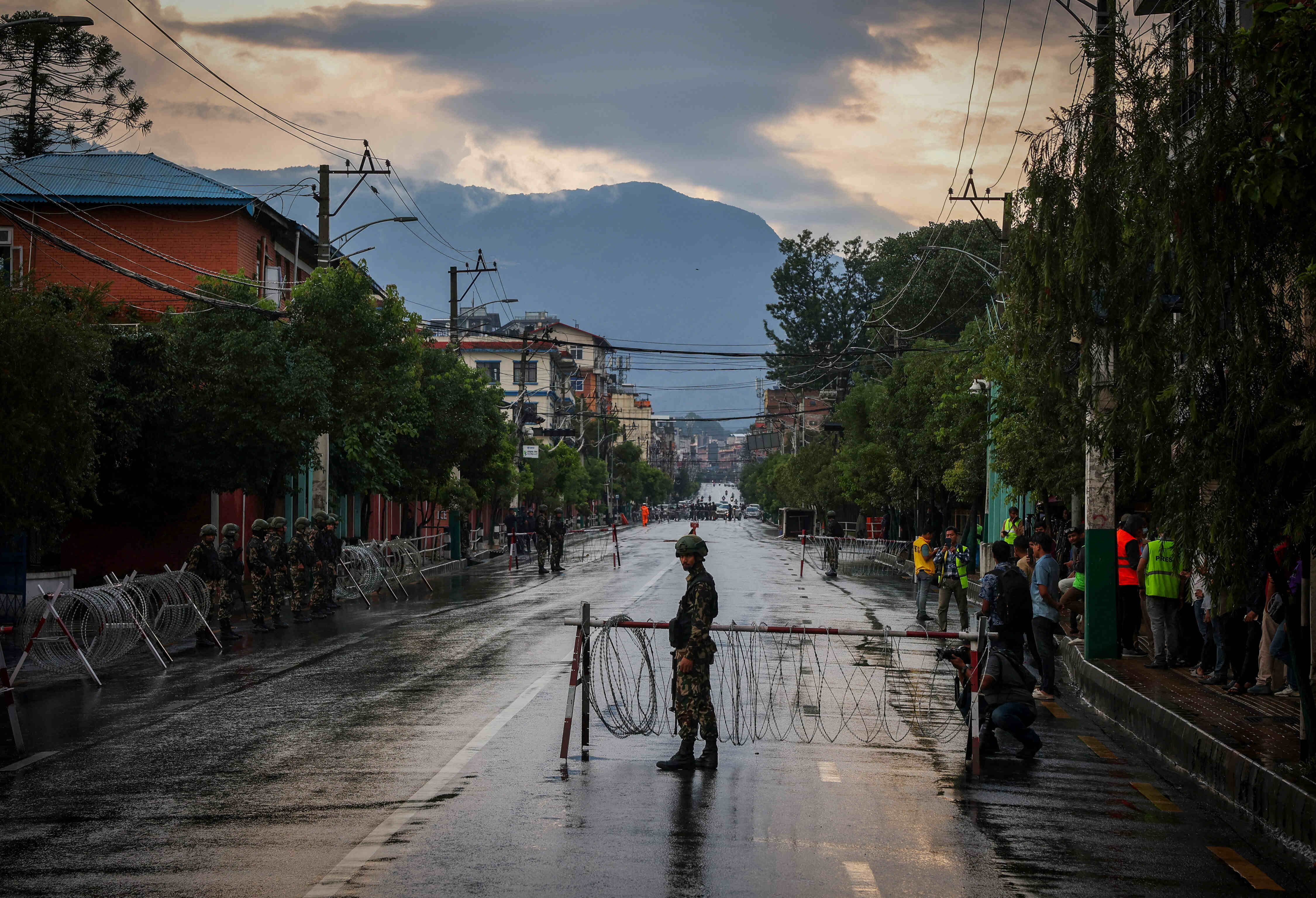
Nepali journalists are under attack on two fronts: facing violence from protesters in the streets while also being targeted by government crackdowns, restrictive laws, and political interference that threaten press freedom.

Sumaiya Ali
Sumaiya Ali Published on: 12 Sep, 2025
Interview with Zina Q. : Digital Cartography as a Tool of Erasure in Gaza

Amid Israel’s war on Gaza, Zina Q. uncovers how Google Maps and satellite imagery are being manipulated; homes relabelled as “haunted,” map updates delayed, and evidence of destruction obscured, revealing digital cartography itself as a weapon of war. By exposing these distortions and linking them to conflicts from Sudan to Ukraine, she demonstrates how control over maps and AI surveillance influences not only what the world sees, but also what it remembers.

Al Jazeera Journalism Review
Al Jazeera Journalism Review Published on: 6 Sep, 2025
I Don’t Want You to Be a Journalist, Mama”. Do Gaza’s Journalists Have the Luxury of Absence?

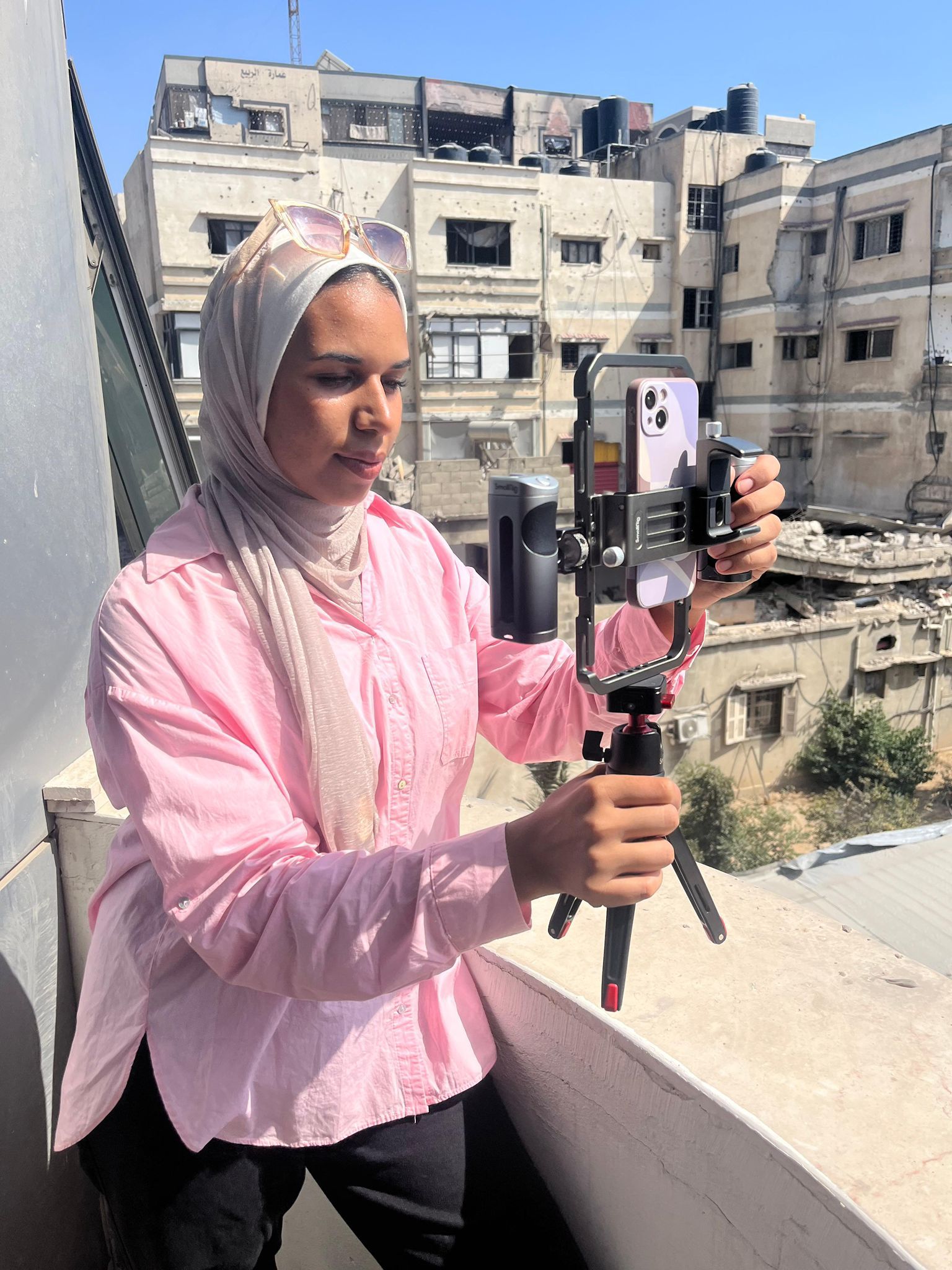
Does the Palestinian journalist in Gaza have the freedom to simply “step away”? How do they navigate the balance between their professional responsibilities and their family life? And to what extent does the duty to report justify the personal cost of being separated from one’s loved ones? Journalist Jenin Al-Wadiya sheds light on the deeply human details that rarely make it to the screen.

Jenin Al-Wadiya
Jenin Al-Wadiya Published on: 31 Aug, 2025
The Continent Experience: A New Kind of Newspaper for the Future of Journalism

The Continent is a new way of empowering people through quality journalism, blending the authority of newspapers with the reach of 21st-century distribution. Readers love it. That’s why we built it. It’s a model other newsrooms can learn from and one that comes with its own set of challenges.

Sipho Kings
Sipho Kings Published on: 28 Aug, 2025
Intersections of Journalism and Social Sciences in the Field

The field is where journalism and the social sciences meet at their most dynamic edge. As the world grows more complex, journalists increasingly take on the role of sociologists, without abandoning their core mission to question power and expose uncomfortable truths. By drawing on the methods and insights of social science, journalism deepens its coverage, grounds stories in real-world contexts, and resists the temptation of surface-level narratives.

Mohammed Ahddad
Ahdad Mohamed Published on: 23 Aug, 2025
Anas Al-Sharif’s Killing and the Israeli Media Narrative

Following the assassination of journalist Anas Al-Sharif, Palestinian journalists have been framed in Israeli media as legitimate military targets—part of a deliberate strategy to silence those who bear witness to the truth. This article explores how Hebrew-language media outlets have engaged in rhetoric that incites and legitimises the killing of journalists in Gaza.

Anas Abu Arqoub
Anas Abu Arqoub Published on: 19 Aug, 2025