الفيلم الوثائقي بين الأرشيف والغياب

الفيلم الوثائقي بين الأرشيف والغياب

بعد أن شاهدت أفلام مؤسسة السينما الفلسطينية وتعرفت إلى مخرجيها في مهرجان لايبزيغ للأفلام الوثائقية في ألمانيا الشرقية حملت المخرجة الألمانية مونيكا ماورير كاميرتها الـ 16 ملم وسافرت إلى بيروت عام 1978، وهناك شاهدت مدى التطور في المؤسسات الصحية التي أنشأتها منظمة التحرير الفلسطينية، لتبدأ بتوثيق ما أنشأته المنظمة من مؤسسات اجتماعية وتعليمية وثقافية، والتقاط تفاصيل الحياة اليومية للاجئين الفلسطينيين. وهكذا أنجزت ستة أفلام منها "الحرب الخامسة" الذي شاركت فيه وقدمته الممثلة البريطانية الحائزة على الأوسكار فانيسا ريدغريف، وفيلم  "وُلدت من الموت" عن مجزرة منطقة الفاكهاني في بيروت عام 1981 وعن قصة الشهيدة اللبنانية فاطمة الصغير التي كانت حاملا في شهرها التاسع عندما حاولت الهرب من القصف الإسرائيلي ولم تستطع النجاة لكن الشظية التي أصابت خاصرتها أدت إلى خروج طفلتها من رحمها لتنجو الطفلة، وسماها والدها فلسطين، واستعادت مونيكا قصتها في هذا الفيلم الذي تحكي عنه بأنه "الأكثر عفوية ويحمل احتجاجا صاخبا"(1)، من خلال ما توفر من صور أرشيفية لفاطمة وعائلتها ومما صورته حول الحرب والمجزرة لتخلق توليفة بصرية مؤثرة.


الأرشيف كذاكرة حية

غادرت مونيكا لبنان عام 1982 مع خروج منظمة التحرير والفدائيين من بيروت إثر الاجتياح الإسرائيلي، وكان من نتائجه سرقة ونهب جيش الاحتلال للأرشيف الفلسطيني الذي يتضمن مواد سينمائية عديدة، كُشف عن حجمها ومدى أهميتها في مقالة لعوفر عوديت في صحيفة هآرتس، تحت عنوان "لماذا دفنت صور وأفلام فلسطينية لا تُحصى في الأرشيفات الإسرائيلية" التي ترجمتها مجلة رُمان الثقافية(2)، وتسلط الضوء على جهود الباحثة الإسرائيلية رونا سيلا في البحث عن هذا الأرشيف. وقد وثقت ذلك في فيلم "المنهوب والمخفي"، وتشير المقالة إلى عدد الأفلام التي سرقتها دولة الاحتلال خلال الاجتياح والتي بلغت 158 فيلما من بين مئات الآلاف من المواد التي نهبتها منذ نكبة 1948 واعتبرتها غنائم حرب.

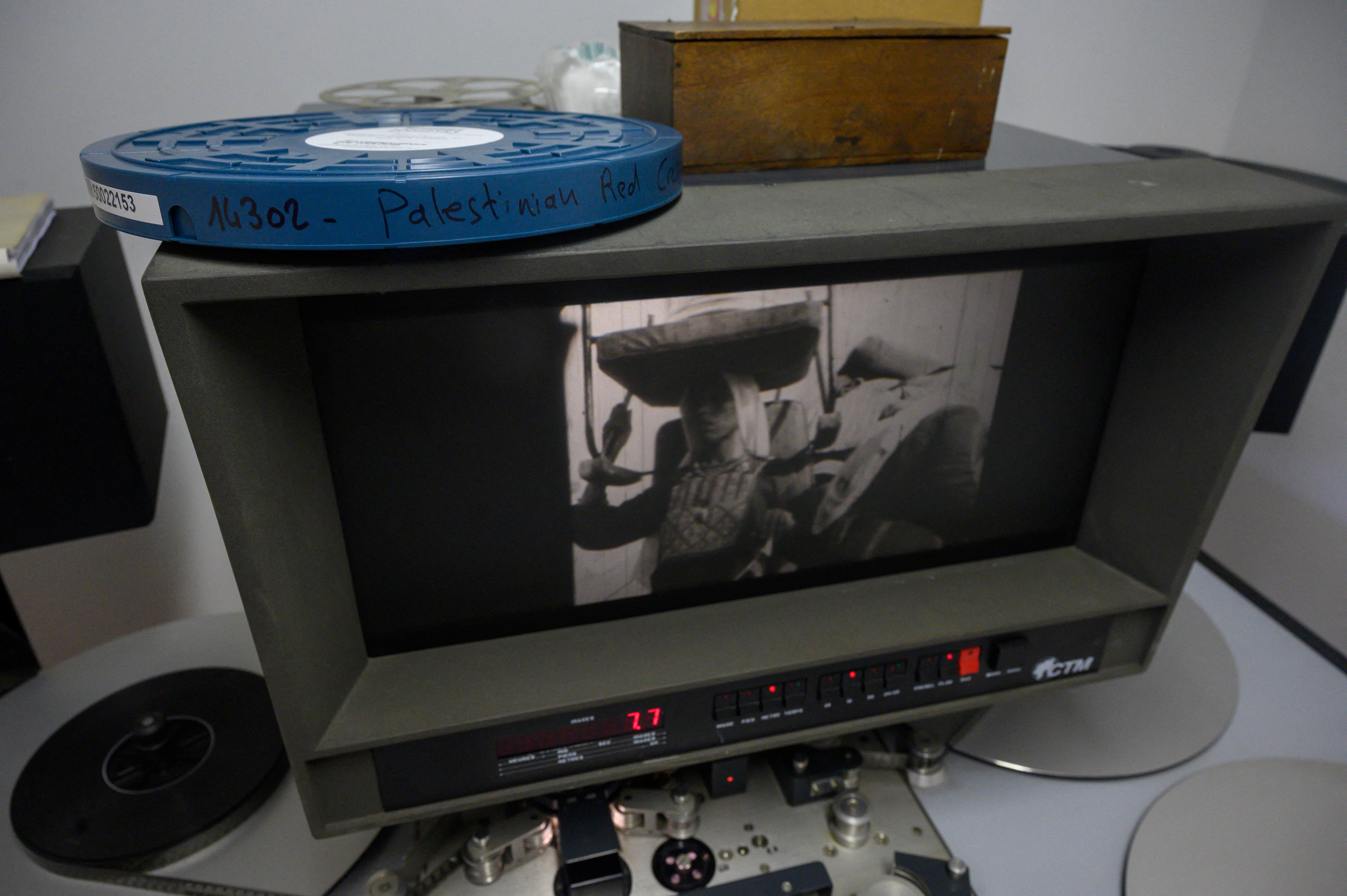
نجحت مونيكا في إنقاذ أكثر من 90 ساعة مصورة، لتصبح هذه المواد بعد سنوات طويلة من الاجتياح ذاكرة حية لا مجرد أرشيف يُحفظ، ذاكرة يمكن أن تُصنع منها أفلام تؤرخ للفلسطينيين وحكاياتهم، واحتفظت مونيكا بهذه المواد لأنها تأمل بأنه سيكون هناك أرشيف وطني فلسطيني يوما ما، كما سعت إلى رقمنة ما صورته تحت مظلة فيلم "تصوير الثورة" حيث استخدمته"بهدف القيام بأرشفة رقمية واسعة لأكبر عدد من المواد المصورة للأفلام".(3)
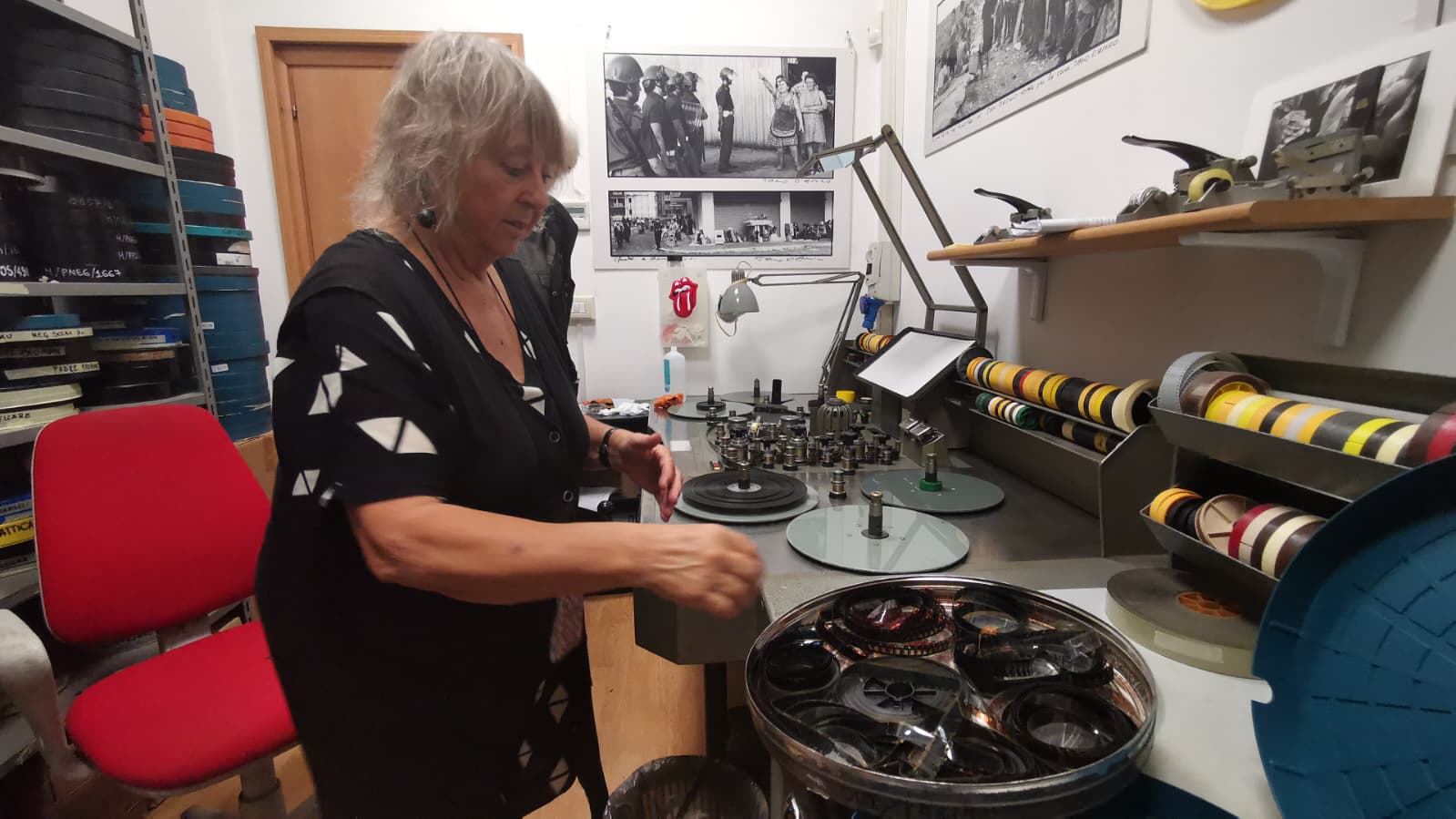
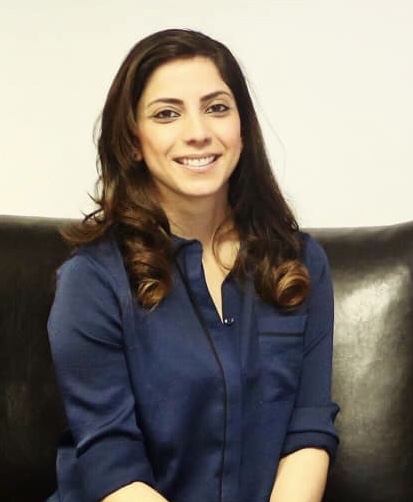
المخرجة مونيكا ماورير
المخرجة مونيكا ماورير داخل الأرشيف السمعي البصري للحركة العمالية والديمقراطية في روما (خاص)

وفي هذه العودة لقصة من زمن سينما الثورة الفلسطينية محاولة للوقوف على أهمية الأرشيف وكيف يتحول إلى ذاكرة حية في الأفلام، وقد تنبه الفلسطينيون منذ بداية ثورتهم، التي انطلقت عام ١٩٦٥، إلى أهمية السينما في معركتهم ضد عدو يحاول محو هويتهم، وسعيا منهم لإضفاء  المزيد من الشرعية  على قضيتهم، فكانت سينما الثورة - التي  بدأت بقسم صغير للتصوير الفوتوغرافي أواخر عام ١٩٦٧ قبل أن تتشكل مؤسسة السينما ضمن إطار الإعلام الموحد التابع لمنظمة التحرير– غنية بإنتاج بصري وأفلام وثائقية ترتكز على رصد للحياة اليومية وتستعيد أرشيف ما يتم توثيقه من أحداث مختلفة.

لم يكن هذا التوثيق بدافع تسجيل اللحظة ولا مجرد حفظ لصور الماضي، بل انطلاقا من وعي مبكر بكون هذا الأرشيف ضروري للمستقبل. وفي النشرة الأولى لمؤسسة السينما الفلسطينية، التي كتبها المصور السينمائي هاني جوهرية – الذي استشهد عام  1976 في عينطورة بلبنان أثناء تصويره للمعارك - يحكي كيف كانوا يستعيرون كاميرا 16 ملم في بداية نشاطهم السينمائي لتصوير ما يمكن تصويره من أحداث؛ لأنهم كانوا يعلمون أن "الثورات افتقدت بعد التحرير إلى أفلام تسجل قبل التحرير" وتوثيقهم اليومي سيكون في المستقبل مادة متاحة للجميع "دون اللجوء إلى جهات خارجية لشراء مثل هذه تلك المواد بأثمان باهظة، إلى جانب أن تسجيل كل ما يحدث سيكون مادة وثائقية لا نقدرها إلا بعد سنوات".(4)

وفي تجربة سينما الثورة الفلسطينية تبرز أفلام تبين كيفية توظيف الأرشيف ليحكي الفلسطينيون قصصهم واستعادة الماضي لفهم واقع القضية وتعقيداتها، كما في فيلم "سجل شعب" الذي أخرجه قيس الزبيدي وأنتجته دائرة الإعلام والثقافة في منظمة التحرير عام 1984، ليسرد مسارات القضية الفلسطينية وتطوراتها وتحولاتها على مدى سبعين عاما - منذ أوائل القرن العشرين- "اتّكاءً على وثائق بصرية نادرة مسبوكة في سياق بصري محكم الصنعة" و"استثمارا لأرشيفات عالمية نادرة.." (5)

في تجربة سينما الثورة الفلسطينية تبرز أفلام تبين كيفية توظيف الأرشيف ليحكي الفلسطينيون قصصهم واستعادة الماضي لفهم واقع القضية وتعقيداتها، كما في فيلم "سجل شعب" الذي يسرد مسارات القضية الفلسطينية وتطوراتها وتحولاتها على مدى سبعين عاما


إعادة تشكيل الذاكرة

يمتلك الفيلم الوثائقي مساحة يتقاطع فيها توثيق لقطات الماضي مع إعادة تشكيلها، بحيث لا تقتصر قيمة الأرشيف على تتبع أحداث تاريخية بعينها، بل باعتباره مادة تُعاد صياغتها في المونتاج بما يخدم رؤية المخرج وتفسيره للأحداث والوقائع، متجاوزا كونه مجرد مخزون بصري يحفظ الذاكرة من المحو والضياع. وتبرز قوة توظيف الأرشيف من قدرة الفيلم على إحياء ما لم يعد موجودا، إذ تُستعاد الأحداث من خلال ما تبقى من تسجيلات عنها تعزز مصداقية الوثائقي وتمنحه قوة إثباتية دون شرط الالتزام بسرد زمني خطي بل عبر بناء يعيد توليفها ليرى المتفرج أثر التاريخ على الواقع، وبذلك لا يكون الأرشيف في الفيلم محايدا بل وإنما مادة قابلة للتأويل، ويمكن عبر المونتاج خلق دلالاتٍ ومعانٍ قد تكون غير واضحة في الواقع الأصلي، وأن يفتح آفاقا جديدة للتفكير ورواية الجانب غير المرئي للكثير من الأحداث والقصص. 

والفيلم التسجيلي -رغم استناده إلى وقائع حقيقية- قادر على أن يؤثر كدراما، ويشير الناقد السينمائي والمخرج عدنان مدانات، الذي عمل مساعدا للمخرج في فيلم "سجل شعب" إلى أهمية "تعامل المخرج مع مونتاج المواد المصورة والوثائق السينمائية" فالفليم "إذا أراد أن يتجاوز وظيفته الإعلامية ليصبح فنّا ينبغي عليه أن يعكس سيروة حياتية، ولكن ليس ببساطة تعتمد السرد والتسلسل الواقعي، بل عن طريق الوصول إلى حالة من التصادم، كما في الدراما، بين المواد والمواضيع والشخصيات الموجودة في الفيلم، بما يؤدي إلى خلق بنية درامية للفيلم تترافق مع إيصال الشحنات الانفعالية لجماهير المشاهدين وليس فقط المعلومات"(6)


التأويل والمسؤولية الأخلاقية

يمنح الفيلم الوثائقي، بما يتيحه من مساحات للخيال والإبداع، إمكانية أن يُبنى اعتمادًا على أرشيف كامل من دون الحاجة إلى تصوير جديد، تبعًا لرؤية المخرج وتأويله. وهو ما يفتح الباب أحيانا أمام إشكالات أخلاقية حول احتمال التلاعب باللقطات وإخراجها من سياقها بما قد يفضي إلى قراءة مضللة للواقع؛ لذلك على المخرج أن يكون حذرا ويتحمل مسؤوليات مضاعفة في تعامله مع الأرشيف، وعليه أن يوازن بين حريته في البناء الفني والتزامه بالصدق والحقيقة، فانتقاء ما يعرض من لقطات أرشيفية وما يُهمش ليس قرارا تقنيا فقط، فاللقطة الأرشيفية الواحدة يمكن أن تتبنى مواقف وأفكارا معينة وأن تكتسب معنىً جديدا بحسب تركيبها في السياق السردي وكيفية توظيفها ومدى اشتباكها مع الحاضر، وبذلك يمكن للأرشيف أن يُصبح جزءا من روايات مختلفة وصراعا على المعنى وعلى الحقيقة.

يمتلك الفيلم الوثائقي مساحة يتقاطع فيها توثيق لقطات الماضي مع إعادة تشكيلها، بحيث لا تقتصر قيمة الأرشيف على تتبع أحداث تاريخية بعينها، بل باعتباره مادة تُعاد صياغتها في المونتاج بما يخدم رؤية المخرج وتفسيره للأحداث والوقائع

في السياق الفلسطيني اليوم - وضمن مواجهة السردية الإسرائيلية التي تتلاعب بالحقائق - تصبح استعادة الأرشيف المسروق المهمل المنسي وحفظ كل ما يُصور يوميا كأرشيف للمستقبل ضرورة، وتبرز أهمية ذلك من خلال الأفلام لا بكونها في هذه الحالة فعلا سياسيا وإعلاميا فقط بل بوصفه فنا يعيد الاعتبار لصوت تم غيبت روايته، وكشاهد على حياة الفلسطيني في ظل الاحتلال. وهنا نسجل مفارقة لافتة وهي أن البحث عن الأرشيف الفلسطيني، الضائع والمسروق، واستعادته تحول إلى موضوع لأفلام وثائقية حاولت تتبعه، كما في أفلام مثل "خارج الإطار" لمهند اليعقوبي، وقبله "ملوك وكومبارس" لعزة الحسن، ليصير الغياب مادة بحد ذاته.

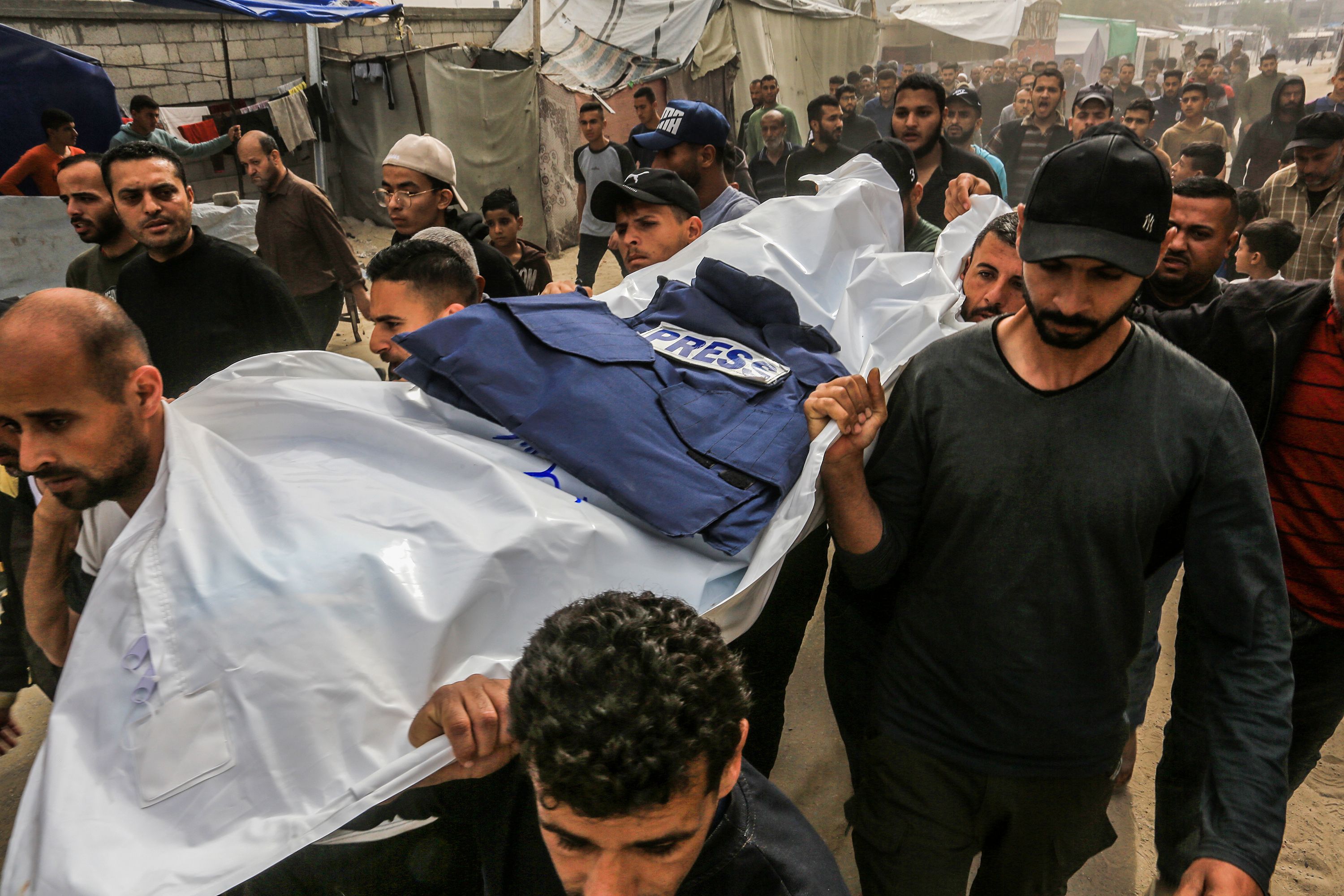
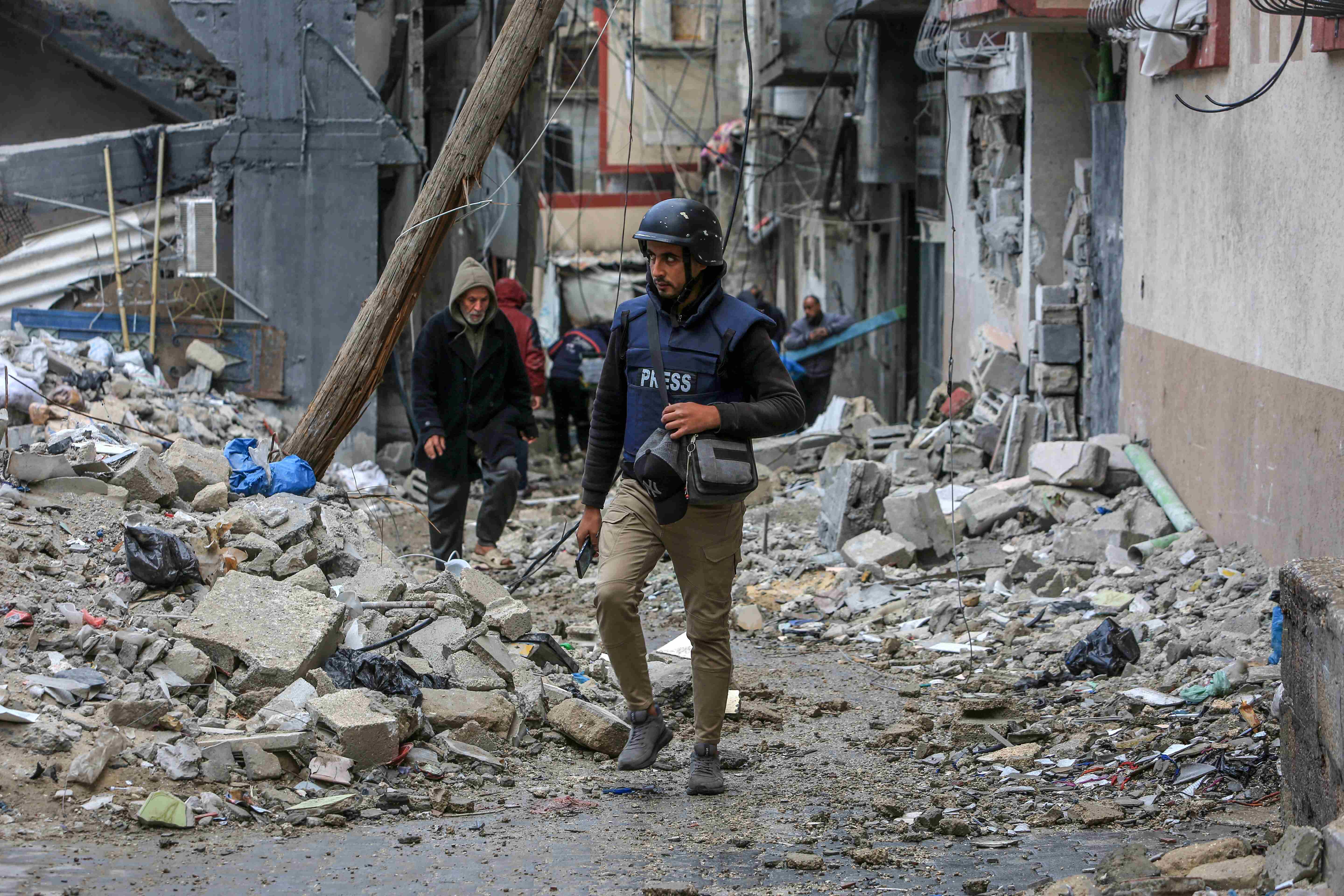
هذا الغياب، لا يرتبط فقط بضياع الأرشيف أو نهبه بل بعدم استغلاله، وفي حرب الإبادة على غزة التي بدأت في السابع من  أكتوبر 2023، قدم مخرجون وصحفيون أرواحهم في سبيل توثيق الحقيقة وشهدنا تدفقا هائلا من المواد المصورة عبر  الشاشات والمنصات المختلفة، وتفاعل معها العالم بوصفها أحداثا جارية في لحظتها، غير أن هذه المواد وإن حُفظت لاحقا في أرشيف وطني أو أرشيفات وسائل الإعلام المختلفة، لن تستعيد حياتها إلا عبر أفلام قادرة على أن تبقيها في الذاكرة وربطها بواقع الفلسطينيين وقضيتهم حتى وإن انتهت نكبتهم ورحل الاحتلال عن بلادهم.

وفي هذا الإطار لا تبدو مسألة الأرشيف نظرية أو تقنية فحسب، بل جزءا أساسيا من مسؤولية التوثيق وإنتاج أفلام تحمي الذاكرة وتحملها إلى الحاضر والمستقبل بحيث لا تتحول الإبادة إلى مجرد حدث وقع في الماضي وانتهى. وقد بدا ذلك لي بصورة أكثر وضوحا خلال العمل، طوال عامين، بالتعاون مع عدد من الزملاء في غزة، حيث وصلنا منهم ما يزيد على ألف ومئة مادة بما فيها من قصص إنسانية استندت إلى أكثر من 20 ألف فيديو، كمواد خام، صُورت خلال أكثر من 420 يوما. وأمام هذه المواد وجدت نفسي مسؤولا وجدنا أنفسنا، كفريق عمل في الجزيرة، مسؤولين عن حفظها وتوثيقها على أمل أن نتمكن في يوم ما من تحويلها إلى أفلام لا لحفظ التاريخ وإنما لتحكي عن الإنسان الفلسطيني الذي سيحمل عبء الذاكرة طوال حياته، فهذه المواد التي وصلتنا لم تكن فقط لدواعي التغطية الإخبارية، بل نبشا عميقا في تفاصيل حياة تحت وقع الإبادة.

 بعكس معتقد سائد بأن الفيلم الوثائقي المبني على الأرشيف مُملّ ويفقد قيمته الفنية والجمالية والإنسانية، فإن العلاقة بين الأرشيف والفيلم الوثائقي تكشف عن جوهر هذا الفن وقدرته على خلق التفاعل بين الماضي والحاضر


عن استهداف الصورة وطمس الأرشيف

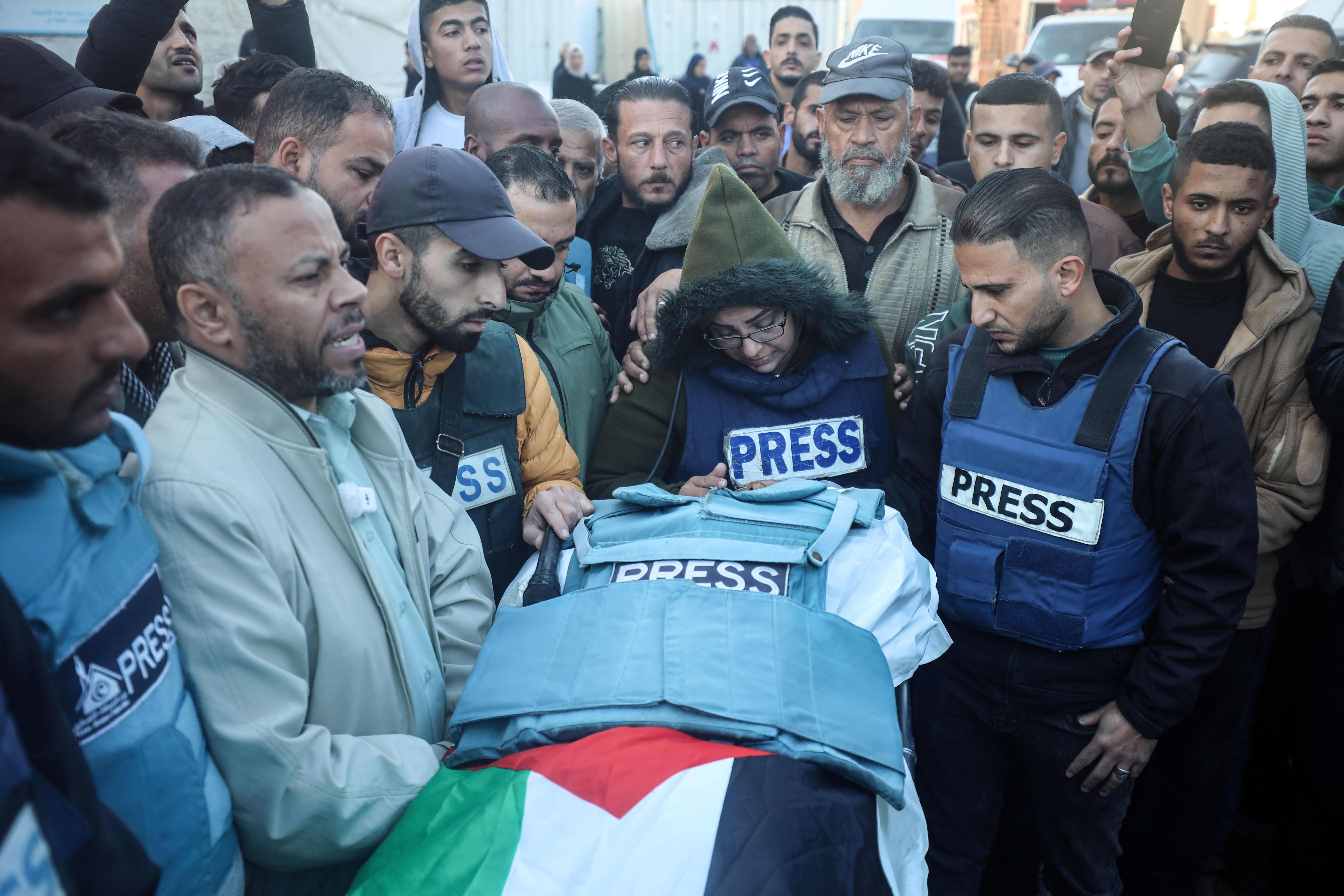
يقول المصور الفلسطيني عبد الحافظ الأسمر (عمر المختار) في مقابلة معه، عندما سُئل عن الفرق بين عمله وعمل مراسلي الوكالات إن "عمل المراسل يتطلب تغطية الحدث بسرعة، واجبه أن يرسل خبرا سريعا؛ عملنا إنساني أكثر مما هو إخباري. البحث عن الحقيقة وليس عن الخبر المجرد، المهم هو تقديم الحدث بكل جوانبه الانسانية" والأهم هو "خلق أرشيف سينمائي عن نضال شعبنا" (7) أُصيب عبد الحافظ مع رفيقه المصور إبراهيم ناصر (مطيع إبراهيم) في عام 1978، عندما كانا يغطيان العدوان الإسرائيلي على جنوب لبنان، ورغم إعلانهما بصوت مسموع أنهما مصوران جريحان ولا يحملان غير معداتهما السينمائية، لكن إلا أن جنود الاحتلال أطلقوا النار عليهما، مما أدى لاستشهادهما، واختطفوا جثتيمها وسرقوا معداتهما. (8)

بعكس معتقد سائد بأن الفيلم الوثائقي المبني على الأرشيف مُملّ ويفقد قيمته الفنية والجمالية والإنسانية، فإن العلاقة بين الأرشيف والفيلم الوثائقي تكشف عن جوهر هذا الفن وقدرته على خلق التفاعل بين الماضي والحاضر، فالأرشيف لا يحفظ الذاكرة فقط، بل يمنح الوثائقي مادته الخام لكنه لا يحدد معناه ولا يكتفي بالقول ماذا حدث، فعلى الفيلم أن يعيد قراءته لنفهم كيف حدث ولماذا، وما هي مآلاته وتأثيراته على الحاضر والمستقبل. يضعه المخرج في سياقات جديدة أو يخلق توليفة منه ويدمجه مع تصوير حديث ليصوغ سردا موضوعيا وبصريا مركبا يمتد أيضًا إلى الجانب الجمالي والإيقاعي، فالتباين بين اللقطات القديمة والجديدة، يخلق طبقات زمنية داخل الفيلم تتنقل بالمتفرج بين الماضي والحاضر، وتُبقي قصة الإنسان حيّة في ذاكرة الشعوب.


المراجع 
1) برامج الميادين - Al Mayadeen Programs. “من الداخل | مونيكا ماورير و"تصوير الثورة" الفلسطينية  | 2017-09-10,” September 10, 2017. https://www.youtube.com/watch?v=sGKciHUiG_8.
2) “لماذا دُفنت صور وأفلام فلسطينية لا تُحصى في الأرشيفات الإسرائيلية؟ (ترجمة). مجلة رمان الثقافية،  https://rommanmag.com/archives/18791
3) المصدر السابق
4)   هاني جوهرية، البدايات الأولى لمؤسسة السينما الفلسطينية (الإعلام الموحد م.ت.ف – نشرة رقم 1).
5) قيس الزبيدي، فلسطين في السينما (بيروت: مؤسسة الدراسات الفلسطينية، 2006)، ص 96 -97.
6) عدنان مدانات، كتابات في فهم السينما (عمّان: دار خطوط وظلال للنشر والتوزيع، 2021)، ص 280
7) نشرة الصورة الفلسطينية (مؤسسة السينما الفلسطينية/ الإعلام الموحد/ منظمة التحرير الفلسطينية، العدد الأول 1978)،ص 9-10
8)   مطيع وعمر شهيدان آخران للسينما النضالية الفلسطينية (مؤسسة السينما الفلسطينية: الإعلام الموحد م.ت.ف، نشرة رقم 3)

More Articles

RSF's World Press Freedom Index: How Balanced Is the Ranking System?

The 2026 World Press Freedom Index analysis reveals a troubling gap between global media rankings and the violent reality facing journalists in Gaza. The pressure on the Index’s credibility appears set to intensify as critics argue that its Western-centric methods fail to accurately count Palestinian casualties or hold those responsible for the "journacide" accountable.

Sarah Samuel-Ayyash
Sarah Samuel-Ayyash Published on: 10 May, 2026
Journalism in Mauritania: Behind the Facade of Press Freedom Indicators

Mauritania holds the top position in the Arab world in the Press Freedom Index published by Reporters Without Borders. However, behind this favourable ranking, the media and journalists face significant challenges, chief among them the ambiguity surrounding the definition of a "journalist" and the capacity of media professionals to fulfil their roles in accountability and oversight. Despite official efforts, the defining feature of Mauritania’s media landscape remains its persistent state of fluctuation.

 Ahmed Mohamed El-Moustapha
Ahmed Mohamed El-Moustapha Published on: 6 Jan, 2026
Generative AI in Journalism and Journalism Education: Promise, Peril, and the Global North–South Divide

Generative AI is transforming journalism and journalism education, but this article shows that its benefits are unevenly distributed, often reinforcing Global North–South inequalities while simultaneously boosting efficiency, undermining critical thinking, and deepening precarity in newsrooms and classrooms.

Carolyne Lunga
Carolyne Lunga Published on: 2 Jan, 2026
Crisis of Credibility: How the Anglo-American Journalism Model Failed the World

Despite an unprecedented global flood of information, journalism remains strikingly impotent in confronting systemic crises—largely because the dominant Anglo-American model, shaped by commercial imperatives and capitalist allegiances, is structurally incapable of pursuing truth over power or effecting meaningful change. This critique calls for dismantling journalism’s subordination to market logic and imagining alternative models rooted in political, literary, and truth-driven commitments beyond the confines of capitalist production.

Imran Muzaffar
Imran Muzaffar, Aliya Bashir, Syed Aadil Hussain Published on: 14 Nov, 2025
Interview with Zina Q. : Digital Cartography as a Tool of Erasure in Gaza

Amid Israel’s war on Gaza, Zina Q. uncovers how Google Maps and satellite imagery are being manipulated; homes relabelled as “haunted,” map updates delayed, and evidence of destruction obscured, revealing digital cartography itself as a weapon of war. By exposing these distortions and linking them to conflicts from Sudan to Ukraine, she demonstrates how control over maps and AI surveillance influences not only what the world sees, but also what it remembers.

Al Jazeera Journalism Review
Al Jazeera Journalism Review Published on: 6 Sep, 2025
Monitoring of Journalistic Malpractices in Gaza Coverage

On this page, the editorial team of the Al Jazeera Journalism Review will collect news published by media institutions about the current war on Gaza that involves disinformation, bias, or professional journalistic standards and its code of ethics.

A picture of the Al Jazeera Media Institute's logo, on a white background.
Al Jazeera Journalism Review Published on: 11 Aug, 2025
The BBC Says It’s “Impartial.” But Its Own Staff Say Otherwise

BBC journalists and media professionals accuse the BBC’s leadership — and board member Robbie Gibb in particular — of blocking truthful reporting on Israel/Palestine through censorship, political bias, and a culture of fear that betrays the BBC’s duty to report “without fear or favour.”

Al Jazeera Journalism Review
Al Jazeera Journalism Review Published on: 2 Jul, 2025
Western Media Has Failed Their Palestinian Colleagues

A 2024 CPJ report revealed that nearly 70% of journalists killed that year were targeted by Israel, yet major Western media outlets largely ignored or downplayed the findings. The muted response to these targeted attacks and escalating press restrictions highlights a troubling double standard in the West’s commitment to press freedom.

Assal Rad
Assal Rad Published on: 21 Apr, 2025
‘A Massacre Unlike Any Before’: French Journalists Break Silence on Colleagues Killed in Gaza

Leading French and international institutions—foremost among them Reporters Without Borders and Agence France-Presse—have signed a letter published in Le Monde condemning the Israeli occupation’s actions against Palestinian journalists. In an unprecedented tone, journalists described the ongoing events as a 'massacre' unparalleled in the history of the profession.

Al Jazeera Journalism Review
Al Jazeera Journalism Review Published on: 16 Apr, 2025
Predicting the Future of Media in 2025

The rise of citizen journalism, the rethinking of long-form content, the evolution of video, and the exploration of AI opportunities are key elements of the media landscape forecast for 2025, according to a report from Harvard University's Nieman Lab.

Othman Kabashi
Othman Kabashi Published on: 15 Apr, 2025
Revisioning Journalism During a Genocide

Western media’s coverage of the Gaza genocide has revealed fundamental cracks in the notion of journalistic objectivity. Mainstream outlets have frequently marginalized or discredited Palestinian perspectives, often echoing narratives that align with Israeli state interests. In stark contrast, Palestinian journalists—reporting from within a besieged landscape—have become frontline truth-tellers. Through raw, emotional storytelling, they are not only documenting atrocities but also redefining journalism as a form of resistance and a reclaiming of ethical purpose.

Ana Maria Monjardino
Ana Maria Monjardino Published on: 4 Apr, 2025
Journalist Testimonies on Western Media Coverage of the Gaza War: The Other Narrative

In this article, we compile testimonies from journalists who have criticised their own media institutions as documented in reports, letters, or interviews. Most spoke anonymously out of fear of repercussions—because freedom of expression appears protected only until it reaches the borders of Israel. At that point, constraints emerge, editorial policies shift, and the system of double standards is activated.

Al Jazeera Journalism Review
Al Jazeera Journalism Review Published on: 29 Mar, 2025
Western Media Bias and Complicity with Israel is Beyond Borders

Once again, Western media framed civilians within the context of "collateral damage" while covering Israeli attacks on Syria. The language of international law was absent, and the tragedy of civilians affected by military strikes was completely obscured, while justifications and cover for the occupation prevailed under the banner of "maintaining national security."

Zainab Afifa
Zainab Afifa Published on: 23 Mar, 2025
Systematic Bias: How Western Media Framed the March 18 Massacre of Palestinians

On March 18, Israel launched a large-scale assault on Gaza, killing over 412 Palestinians and injuring more than 500, while Western media uncritically echoed Israel’s claim of “targeting Hamas.” Rather than exposing the massacre, coverage downplayed the death toll, delayed key facts, and framed the attacks as justified pressure on Hamas—further highlighting the double standard in valuing Palestinian lives.

Mei Shigenobu مي شيغينوبو
Mei Shigenobu Published on: 18 Mar, 2025
The Sharp Contrast: How Israeli and Western Media Cover the War on Gaza

Despite being directly governed by Israeli policies, some Israeli media outlets critically report on their government’s actions and use accurate terminology, whereas Western media has shown complete bias, failing to be impartial in its coverage of Israel’s aggression in Gaza.

Faras Ghani Published on: 5 Mar, 2025
Journalists in DR Congo Face New Threats, Censorship in a Decades-long Conflict

Countless journalists have been arbitrarily arrested, kidnapped or have disappeared in the fog of the protracted war tearing the eastern Democratic Republic of Congo apart. The renewed M23 offensive augurs a more uncertain future for these ‘soldiers of the pen’.

Nalova Akua
Nalova Akua Published on: 3 Mar, 2025
International Media Seek Gaza Access; What Do Palestinian Journalists Say?

As international media push for access to Gaza, Palestinian journalists—who have been the primary voices on the ground—criticize their Western counterparts for failing to acknowledge their contributions, amplify their reports, or support them as they risk their lives to document the war. They face systemic bias and exploitation, and continue to work under extreme conditions without proper recognition or support.

NILOFAR ABSAR
Nilofar Absar Published on: 26 Feb, 2025
Tweets Aren’t News: Why Journalism Still Matters

Twitter, once key for real-time news, has become a battleground of misinformation and outrage, drowning out factual journalism. With major newspapers leaving, the challenge is to remind audiences that true news comes from credible sources, not the chaos of social media.

Ilya إيليا توبر 
Ilya U Topper Published on: 10 Feb, 2025
Sound of Change: How Podcasting is Changing Journalism in India

India’s podcasting scene is on the rise, driven by affordable internet and changing content habits, yet still faces challenges like limited monetisation and urban-focused reach. Despite these hurdles, independent creators are using the medium to amplify grassroots narratives, shaping a more inclusive media landscape.

Hanan Zaffa
Hanan Zaffar, Jyoti Thakur Published on: 9 Jan, 2025
Bolivia’s Mines and Radio: A Voice of the Global South Against Hegemony

Miners' radio stations in the heart of Bolivia's mining communities, played a crucial role in shaping communication within mining communities, contributing to social and political movements. These stations intersected with anarchist theatre, educational initiatives, and alternative media, addressing labour rights, minority groups, and imperialism.

Khaldoun Shami PhD
Khaldoun H. Shami Published on: 16 Dec, 2024
Journalists and the Gen–Z protest in Kenya

Caught between enraged protesters and aggressive police officers, journalists risked their lives to keep the world informed about the Gen–Z protests in Kenya. However, these demonstrations also exposed deeper issues regarding press freedom, highlighting a troubling aspect of Ruto’s government.

Shuimo Trust Dohyee
Shuimo Trust Dohyee Published on: 12 Dec, 2024
Behind the Burka: Journalism and Survival Under Taliban Rule

An account of a female Afghan journalist who persisted in her work in spite of the Taliban's comeback, using her writing to expose the harsh realities of oppression and promote women's rights. In defiance of the Taliban government's prohibitions on female education, she oversaw underground schools for girls and reported under a pseudonym while constantly fearing for her safety.

Khadija Haidary
Khadija Haidary Published on: 8 Dec, 2024
Is Pakistan’s Media Ignoring Climate Change?

Pakistan's media, despite its wide reach, largely neglects climate change in favor of political and economic issues, leaving the public under-informed about the causes and consequences of climate-related disasters. As a result, many Pakistanis remain unaware of the growing threats posed by climate change, which has devastating effects on the country's economy and population, as seen in the catastrophic floods of 2022.

Faras Ghani Published on: 3 Dec, 2024
Fact or Fiction? Quantifying the 'Truth' in True-Crime Podcasts

Over the centuries, true crime narratives have migrated across mediums—from tabloids and books to documentaries, films, and, most recently, podcasts. Despite these evolutions, one constant endures: the storytellers’ drive to detail the darkest corners of human behaviour and the insatiable curiosity of their audiences.

Suvrat Arora
Suvrat Arora Published on: 28 Nov, 2024