أظهرت التغطية الإعلامية الغربية لكأس العالم قطر 2022 تسليطا لافتا للضوء على القضايا الحقوقية والسياسية، في حين تبدو التغطية الخاصة بكأس العالم 2026 أكثر تركيزا على الجوانب الرياضية والتنظيمية. ويطرح هذا التباين سؤالا مهمّا: هل يعكس هذا التحول اختلافا في الوقائع ذاتها، أم أنه نتاج لاختلاف الأطر الخبرية والأجندات الإعلامية التي تحدد أولويات التغطية؟
تنطلق هذه المقالة من هذا التساؤل، مستندةً إلى نظريتي التأطير الإعلامي (Framing Theory) ووضع الأجندة (Agenda-Setting Theory)، لتحليل هذا التحول في ضوء الأدبيات العلمية والدراسات الحديثة.
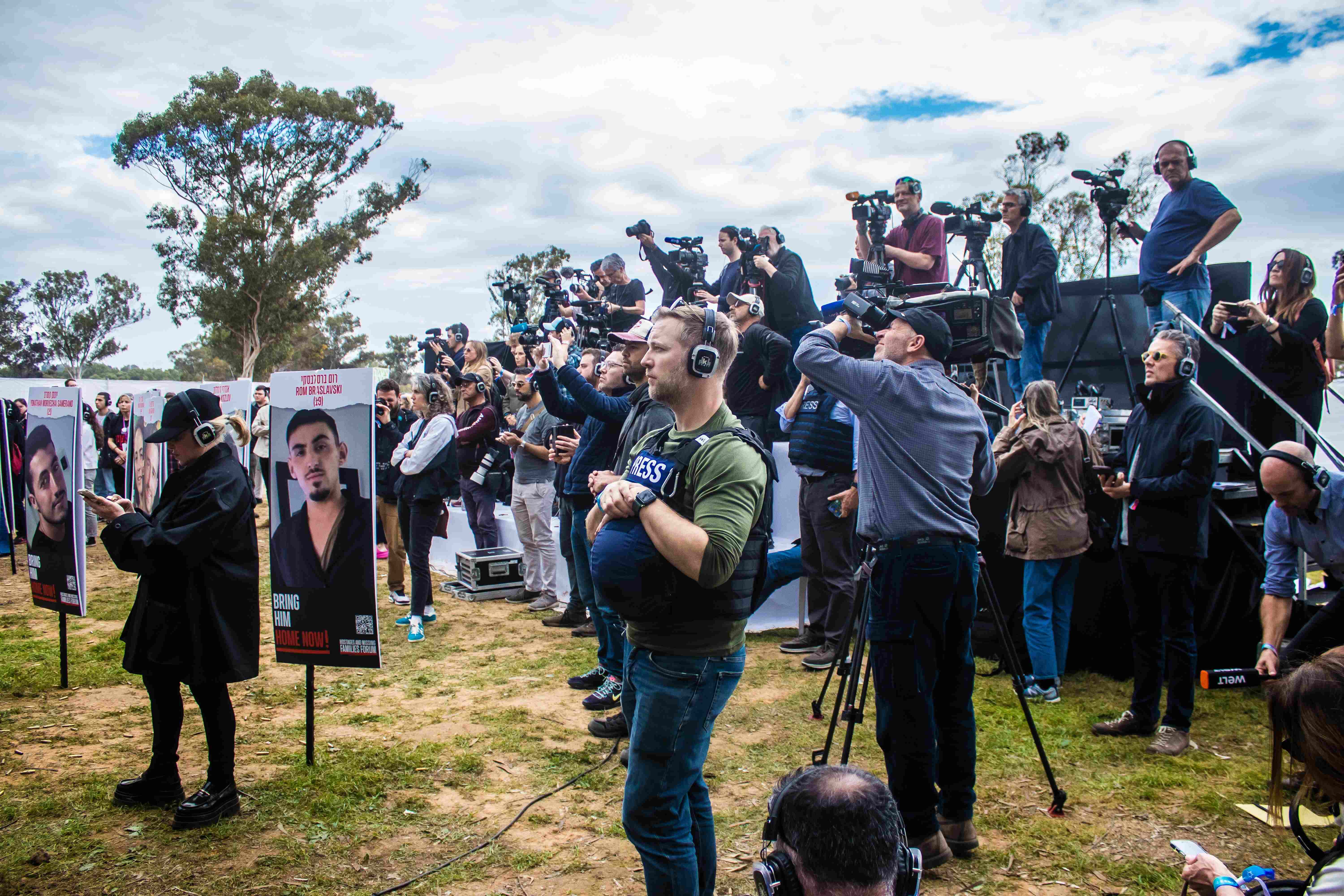
لم تكن بطولة كأس العالم قطر 2022 في عيون الإعلام الغربي حدثا رياضيا فحسب، بل تحولت إلى واحدة من أكثر الأحداث إثارة للنقاش الإعلامي والسياسي خلال العقد الأخير؛ فقبل انطلاق البطولة وأثناءها، أولت العديد من وسائل الإعلام الغربية اهتماما مكثّفا بقضايا بعيدة عن الطابع الرياضي مثل حقوق العمال الوافدين والمثلية والحريات الفردية والبيئة، حتى أصبحت هذه الموضوعات جزءا رئيسا من الصورة الذهنية المرتبطة بالمونديال لدى قطاع واسع من الجمهور الدولي (1).
في المقابل، تناولت بعض من وسائل الإعلام ومراكز الدراسات جوانب أخرى من البطولة، من بينها مشاريع البنية التحتية، والتحولات العمرانية، والإرث الاجتماعي والاقتصادي والثقافي الذي سعت قطر إلى تحقيقه من خلال استضافة الحدث، فضلا عن تأثير البطولة في مكانة الدولة عالميا (2). غير أن هذه الموضوعات لم تحظ بمثل حضور القضايا السابقة في التغطية الإعلامية الغربية التي بدت للناس كأنها تعمل بشكل ممنهج لحرف الأنظار عن أول كأس عالم في الشرق الأوسط والمنطقة العربية، وهو ما دفع أمير دولة قطر الشيخ تميم بن حمد آل ثاني إلى الإدلاء بخطاب أشار فيه بشكل صريح إلى أن بلاده تتعرض لافتراءات، ويتم التعامل مع ملف تنظيمها بازدواجية معايير (3).
يمكن فهم هذا النمط من التغطية في ضوء نظرية التأطير الإعلامي (Framing Theory) التي تنطلق من أن وسائل الإعلام لا تنقل الواقع كما هو، بل تنتقي جوانب معينة منه وتبرزها على حساب جوانب أخرى. ويعرّف روبرت إنتمان التأطير بأنه عملية اختيار بعض العناصر دون غيرها وإضفاء مزيد من الضوء عليها داخل النص الإعلامي، بما يسهم في تشكيل تفسير الجمهور للأحداث والقضايا (4).
من هذا المنظور، يمكن القول إن جانبا وازنا من التغطية الغربية لمونديال قطر 2022 قدّم البطولة في أطرٍ وسياقات بعيدة عن الحدث الرياضي نفسه، وذلك وفقاً لدراسات في تحليل المضمون الإعلامي خلصت إلى أن قضايا غير رياضية كانت من بين الأطر الأكثر حضورا في تغطية عدد من وسائل الإعلام الغربية للبطولة (5).
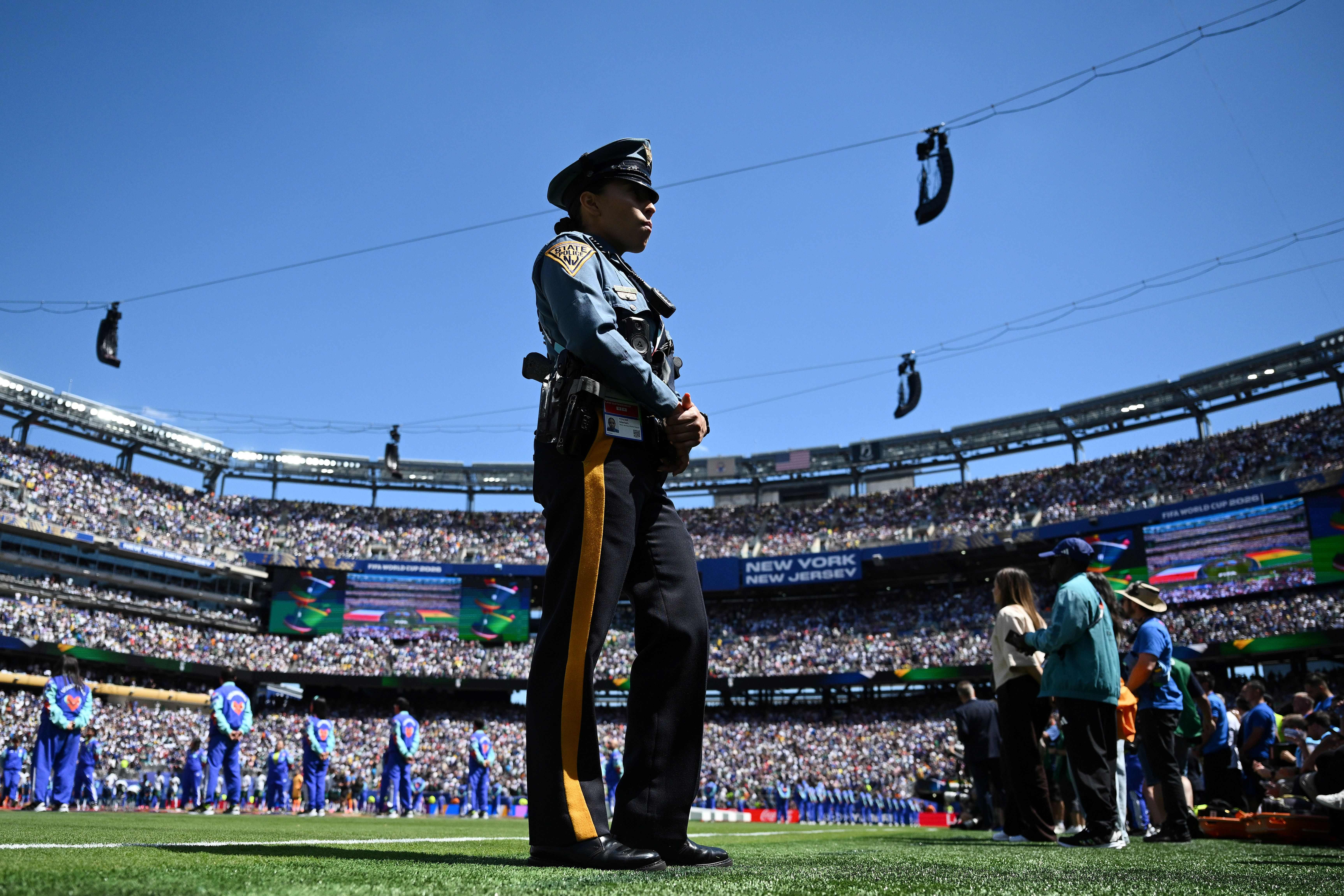
تشير التغطية الإعلامية الغربية المرتبطة بمونديال 2026 إلى التركيز بصورة أساسية على الجوانب الرياضية والتنظيمية؛ مثل جاهزية الملاعب والاستعدادات اللوجستية والمدن المستضيفة والعوائد الاقتصادية والسياحية المتوقعة، بينما تحضر القضايا الحقوقية والاجتماعية بدرجة أقل في الخطاب الإعلامي المرتبط بالبطولة
وتبدو المفارقة أكثر وضوحا عند الانتقال إلى كأس العالم 2026 الذي استضافته الولايات المتحدة وكندا والمكسيك؛ فالدول الثلاثة تواجه بدورها تحديات اجتماعية وحقوقية موثقة، من بينها قضايا الهجرة وانتقادات سياسات اللجوء والعنف المسلح في الولايات المتحدة والتمييز العنصري وأوضاع السكان الأصليين، وهي ملفات تناولتها تقارير صادرة عن منظمات حقوقية دولية ودراسات أكاديمية خلال السنوات الأخيرة (6)، ولكن على النقيض من كأس العالم في قطر 2022 تراجعت مفردات الانتقاد إلى حد كبير في تناول بطولة 2026 (7).
على الصعيد السياسي، تواجه الولايات المتحدة أيضاً انتقادات دولية تتعلق بدورها في عدد من الملفات الدولية - من بينها الحرب في غزة - تتهمها بالتواطؤ مع إسرائيل (8)، إلى جانب سياساتها في الشرق الأوسط وأمريكا اللاتينية، فضلا عن خلافات دبلوماسية وتجارية مع عدد من الدول، بما في ذلك بعض الدول المشاركة في كأس العالم مثل كولومبيا والبرازيل وبنما، وكذلك مع شريكيها في استضافة البطولة كندا والمكسيك. وتهدف هذه الإشارة إلى أن الدول المستضيفة لهذه النسخة من البطولة - شأنها شأن غيرها - تواجه تحديات سياسية وحقوقية يمكن أن تشكل مادة للتغطية الإعلامية (9).
ورغم ذلك، تشير التغطية الإعلامية الغربية المرتبطة بمونديال 2026 إلى التركيز بصورة أساسية على الجوانب الرياضية والتنظيمية؛ مثل جاهزية الملاعب والاستعدادات اللوجستية والمدن المستضيفة والعوائد الاقتصادية والسياحية المتوقعة، بينما تحضر القضايا الحقوقية والاجتماعية بدرجة أقل في الخطاب الإعلامي المرتبط بالبطولة (10). فمصطلحات مثل "الغسيل الرياضي" (Sportswashing) استُخدمت بكثافة عند استضافة قطر لكأس العالم، لكنها تكاد تغيب عن الخطاب الإعلامي عند الحديث عن الولايات المتحدة، رغم وجود قضايا تستحق التدقيق الأخلاقي أيضاً، ويعتبر هذا التفاوت في التناول كاشفا عمّا يصفه نقاد وباحثون بازدواجية في المعايير عند تقييم الدول المستضيفة للأحداث الرياضية الكبرى (11).
ويمكن مقاربة هذا الاختلاف في التغطية أيضاً في ضوء نظرية وضع الأجندة التي طورها ماكسويل ماكومبس ودونالد شو. وتنطلق هذه النظرية من أن وسائل الإعلام لا تؤثر فقط في كيفية تفكير الجمهور في القضايا، بل في القضايا التي يراها الجمهور جديرة بالاهتمام، من خلال حجم التغطية والحيز الذي تمنحه لكل قضية (12).
وعليه، فإن المقارنة بين مونديال قطر 2022 ومونديال 2026 لا تتعلق بوجود المشكلات أو غيابها، بقدر ما تتعلق بكيفية ترتيب الأولويات الإعلامية. فعندما تتحول قضية معينة إلى محور التغطية الرئيس لحدث ما بينما تتراجع قضايا مشابهة إلى الهامش في حدث آخر، فإننا نكون أمام حالة واضحة في بناء الأجندة الإعلامية تستحق الدراسة والتحليل.
لكن كيف تقرر وسائل الإعلام أيّ القضايا تستحق أن تكون في واجهة المشهد، وأيها يبقى في الخلفية؟
للإجابة عن هذا التساؤل، تشير الأدبيات الإعلامية إلى أن عملية بناء الأجندة لا تتم بصورة عشوائية، ولا تخضع لقرار الصحفي الفرد وحده، وإنما تتأثر بتفاعل معقد بين المؤسسات الإعلامية والنخب السياسية ومصادر الأخبار وجماعات الضغط والمنظمات الحقوقية، فضلا عن القيم المهنية والثقافية السائدة داخل غرف الأخبار. ويشير كوب وإيلدر (Cobb & Elder) إلى أن القضايا لا تصل إلى الأجندة العامة تلقائيا، بل تمر عبر عملية تنافس بين فاعلين متعدّدين يسعون إلى جعل قضية معينة أكثر حضورا من غيرها في المجال العام (13).
مصطلحات مثل "الغسيل الرياضي" (Sportswashing) استُخدمت بكثافة عند استضافة قطر لكأس العالم، لكنها تكاد تغيب عن الخطاب الإعلامي عند الحديث عن الولايات المتحدة، رغم وجود قضايا تستحق التدقيق الأخلاقي أيضاً، ويعتبر هذا التفاوت في التناول كاشفا عمّا يصفه نقاد وباحثون بازدواجية في المعايير عند تقييم الدول المستضيفة للأحداث الرياضية الكبرى
وفي السياق ذاته، يذهب شوميكر وريس في نموذج هرمية التأثيرات (Hierarchy of Influences) إلى أن المحتوى الإعلامي يتأثر بخمسة مستويات مترابطة: خصائص الصحفي، والروتين المهني، وسياسات المؤسسة الإعلامية، والبيئة الاقتصادية، وأخيراً النظامين الاجتماعي والسياسي اللذين تعمل المؤسسة الإعلامية في إطارهما. ومن ثم، فإن اختلاف معالجة حدثين متشابهين قد يكون انعكاسا لاختلاف هذه السياقات، وليس بالضرورة نتيجة قرار تحريري منفرد أو موقف سياسي مباشر (14).
كما يوضح إنتمان أن التأطير الإعلامي لا يقتصر على اختيار موضوع التغطية، بل يمتد إلى تعريف المشكلة وتحديد أسبابها وإضفاء حكم أخلاقي عليها ثم اقتراح الحلول المناسبة لها (4). ومن هذا المنظور، فإن اختلاف الأطر المستخدمة في تغطية البطولتين لا يقتصر على حجم الاهتمام، بل يشمل أيضاً الكيفية التي قُدِّمت بها كل بطولة، والقيم التي جرى إبرازها أو تهميشها داخل الخطاب الإعلامي.
وانطلاقا من ذلك، لا تستهدف هذه المقالة إصدار حكم قطعي بوجود انحياز إعلامي متعمد أو نفيه، وإنما توظيف حالتين متقاربتين زمنيا لاختبار اثنتين من أبرز نظريات بحوث الاتصال، وهما نظرية التأطير الإعلامي ونظرية وضع الأجندة. وعليه، فإن السؤال العلمي لا ينبغي أن يكون: أي البطولتين كانت أفضل تنظيما؟ أو أي الدولتين أكثر احتراما لحقوق الإنسان؟ بل: كيف وُضعت الأجندة الإعلامية في كل حالة؟ وما الأطر الخبرية التي هيمنت على التغطية؟ وما العوامل التي دفعت وسائل الإعلام إلى إبراز قضايا بعينها وتهميش أخرى؟
هذا الطرح لا يقف عند حدود الأدبيات النظرية، بل تدعمه نتائج دراسات مقارنة حديثة؛ فقد توصلت دراسة نشرتها مجلة Communication & Sport إلى أن صحفاً غربية، مثل The Guardian وThe New York Times، قدّمت مونديال قطر 2022 ضمن أطر ركزت بصورة متكررة على حقوق الإنسان وحقوق العمال وما أسمتها قضايا القيم، وهو ما أضفى على التغطية طابعا سياسيا واضحا. وفي المقابل، أظهرت الدراسة أن Al Jazeera English أولت اهتماما أكبر بالجوانب الرياضية والاحتفالية والإرث الذي خلّفته البطولة، مع معالجة القضايا السياسية من منظور أقل نقدا وأكثر تركيزا على الدولة المستضيفة. وخلص الباحثون إلى أن اختلاف الأطر الخبرية لم يكن مرتبطا باختلاف الوقائع بقدر ما ارتبط باختلاف المرجعيات التحريرية والمؤسسية للوسائل الإعلامية محل الدراسة (5).
السؤال العلمي لا ينبغي أن يكون: أي البطولتين كانت أفضل تنظيما؟ أو أي الدولتين أكثر احتراما لحقوق الإنسان؟ بل: كيف وُضعت الأجندة الإعلامية في كل حالة؟ وما الأطر الخبرية التي هيمنت على التغطية؟
وتعزز هذا الاتجاهَ دراسةٌ أخرى بعنوان Media Agenda-Setting and Framing Tourist Risks: What the FIFA World Cup 2026 Can Learn from Russia 2018، التي خلصت إلى أن التغطية الإعلامية للمخاطر الأمنية تؤثر بصورة مباشرة في إدراك الجماهير لمستوى الأمان في الدول المستضيفة، وأن عمليتي وضع الأجندة والتأطير الإعلامي تسهمان في تشكيل الصورة الذهنية للبطولة والدولة المضيفة قبل وصول الجماهير إليها. كما أشارت الدراسة إلى أن التغطية الإعلامية لمونديال قطر 2022 كانت أكثر انتقادا بصورة ملحوظة من التغطية التي حظي بها مونديال روسيا 2018، وهو ما يعكس ما وصفه الباحثون تصاعدا في ميل بعض وسائل الإعلام إلى إبراز القضايا الخلافية عندما يتعلق الأمر بدول الشرق الأوسط عند تغطية الأحداث الرياضية الكبرى. وانطلاقا من هذه النتيجة، أوصى الباحثون بضرورة أن تمتلك الدول المستضيفة إستراتيجيات اتصال وإعلام للتعامل مع التأطير الإعلامي السلبي قبل البطولات الكبرى وأثناءها (15).
واللافت أن الدراسة نفسها، وهي تستشرف مونديال 2026، تتوقع أن تتحول قضية العنف المسلح في الولايات المتحدة مثلاً إلى واحدة من أبرز القضايا التي قد تتصدر التغطية الإعلامية، لكنها تشير في الوقت نفسه إلى أن قوة العلامة التجارية لكأس العالم والصورة الإيجابية للبطولة قد تحدّان من تأثير هذه التغطية في قرارات الجماهير بالسفر، مع بقاء طريقة المعالجة الإعلامية عاملا مؤثرا في تشكيل الانطباعات الدولية عن الدولة المستضيفة.
وفي هذا السياق، تؤكد دراسة للباحثين النواوي والمصري (2025) هذا التباين الممنهج عبر تحليل مضمون مقارن لصحيفة "نيويورك تايمز" بين مونديالي روسيا 2018 وقطر 2022 ؛ إذ أظهرت التغطية نبرة نقدية وتصاعدية ضد قطر بشكل حاد حتى بعد نجاح البطولة، مقابل تراجع النقد لروسيا تدريجيا. وتعزو الدراسة هذا التباين في التعامل الإعلامي إلى "رواسب استشراقية"، حيث صُنفت قطر كـ "آخر مستبعد" ومنبوذ رغم نجاحها التنظيمي الملموس (16). ويرى أصحاب هذه الدراسات أن هذه الأنماط تُظهر اختلافا واضحا في بناء الأطر الخبرية وترتيب الأولويات الإعلامية بين المؤسسات.
وفي هذا السياق أيضا، تطرح دراسة "مجلس الشرق الأوسط للشؤون العالمية" (2026) مفهوم "الغضب الانتقائي" وازدواجية المعايير بين النسختين، فبينما رُوّج لمقاطعة مونديال قطر إعلاميا، حظيت نسخة 2026 بتغطية مهادنة رغم وجود قرارات متعلقة بالحرمان من التأشيرات لبعض الجماهير والوفود. وتوضح الدراسة أن الفجوة امتدت للبعد الطبقي، حيث يرى الباحثون أن المونديال الأمريكي قد يرسخ النخبوية بارتفاع أسعار التذاكر والنقل، مقارنة بالتسهيلات الشاملة التي ميزت نسخة الدوحة (17).
وتتجلّى حالة تسييس الرياضة هذه في المعالجة الإعلامية لمشاركة المنتخب الإيراني في كأس العالم؛ إذ ربطت التغطيات بين الضغوط والمضايقات التي واجهها الفريق وسياق التوترات الجيوسياسية الإقليمية. ويكشف هذا النموذج بوضوح كيف يمكن استغلال المحافل الرياضية الكبرى لتكون أداة للتأثير الدبلوماسي، عبر تأطير مشاركة بعض المنتخبات من منظور سياسي ضيّق يُهمش الطابع الرياضي لصالح الأجندات الدولية المهيمنة (18).
إن الإجابة عن التساؤلات حول هذه القضية لا يمكن أن تعتمد على الانطباعات أو الأمثلة الفردية، إنما بالإشارة إليها نوضّح كم تتطلب من دراسات مقارنة معمقة لتحليل المضمون تقيس حجم التغطية والأطر المستخدمة ونبرة المعالجة ومصادر الأخبار وترتيب الأولويات في وسائل الإعلام المختلفة. وعندها فقط يمكن الانتقال من الجدل الإعلامي إلى استنتاجات علمية قابلة للتحقّق.
المراجع
(1) Brannagan, P. M., & Reiche, D. (2022). Qatar and the 2022 FIFA World Cup: Politics, Controversy, Change. Palgrave Macmillan. https://dokumen.pub/qdownload/qatar-and-the-2022-fifa-world-cup-politic…
(2) Reiche, Danyel. Building a Legacy: Qatar FIFA World Cup 2022 Project, Georgetown University in Qatar. https://cirs.qatar.georgetown.edu/research/research-initiatives/buildin…
(3) وكالة الأنباء القطرية. سمو الأمير يفتتح دور الانعقاد العادي لمجلس الشورى. الدوحة: وكالة الأنباء القطرية، 25 أكتوبر 2022. متاح على:
https://qna.org.qa/ar-QA/news/news-details?id=0031-%D8%B3%D9%85%D9%88-%…
(4) Entman, Robert M. (1993). Framing: Toward Clarification of a Fractured Paradigm. Journal of Communication, Vol. 43, No. 4, pp. 51–58.
(5) Daoudi, O. (2026). Media Bias in Sports Journalism: A Comparative Study of Qatar 2022 World Cup Coverage. Communication & Sport (SAGE Journals).
(6) Human Rights Watch. World Report 2025: United States. New York: Human Rights Watch, 2025؛ Freedom House. Freedom in the World 2025. Washington, DC: Freedom House, 2025؛ Amnesty International Canada. Indigenous Peoples’ Rights in Canada. Ottawa: Amnesty International Canada, 2025؛ Lee, L.K., et al. “Firearm Violence in the United States.” The Lancet Public Health, Vol. 7, No. 6, 2022.
(7) The New Arab. (2026). Where are the cries of 'sportswashing' over Trump's World Cup? https://www.newarab.com/opinion/where-are-cries-sportswashing-over-trum…
(8) Human Rights Watch. (2025, February 4). Suspend arms transfers to end US complicity in Israeli abuses.
https://www.hrw.org/news/2025/02/04/suspend-arms-transfers-end-us-compl…
(9) Maresca, Alberto. (2026). The Impact of the Second Trump Administration on Latin American Foreign Policy.
(10) مراجعة أجراها الباحث لتغطيات كأس العالم FIFA 2026 المنشورة حتى 14 يوليو/تموز 2026 في The New York Times وThe Guardian و The Washington Post وBBC Sport .
(11) Oborne, P. (2026, July 5). USA, illegal wars, racism, genocide: Why the World Cup should be boycotted. Middle East Eye. https://www.middleeasteye.net/opinion/usa-illegal-wars-racism-genocide-…
(12) McCombs, Maxwell E., & Shaw, Donald L. (1972). The Agenda-Setting Function of Mass Media. Public Opinion Quarterly, 36(2), pp. 176–187.
(13) Cobb, R. W., & Elder, C. D. (1971). The Politics of Agenda-Building: An Alternative Perspective for Modern Democratic Theory. Journal of Politics, 33(4), 892–915.
(14) Shoemaker, P. J., & Reese, S. D. (2014). Mediating the Message in the 21st Century: A Media Sociology Perspective (3rd ed.). Routledge.
(15) Karadakis, K., Kaplanidou, K., & Walters, G. (2025). Media agenda-setting and framing tourist risks: What the FIFA World Cup 2026 can learn from Russia 2018. Journal of Sport & Tourism. Taylor & Francis.
(16) el-Nawawy, M., & Elmasry, M. H. (2025). World Cups apart: comparing New York Times coverage of the 2018 Russia and 2022 Qatar World Cup tournaments. Soccer & Society, 26(3), 437-454. https://doi.org/10.1080/14660970.2024.2446862
(17) Middle East Council on Global Affairs. (2026). The 2026 World Cup and the Politics of Selective Outrage. Analysis, Middle East Council on Global Affairs. https://mecouncil.org
(18) CGTN. (2026, July 4). Muhammad Marandi: Based on a false narrative, US convinced it could easily defeat Iran. [Video]. YouTube. https://www.youtube.com/watch?v=YDRqQVD_vmc