عودة الضحايا من الموت.. إحياء للذاكرة التضامنية أم تسليع للألم؟

عودة الضحايا من الموت.. إحياء للذاكرة التضامنية أم تسليع للألم؟


في مشهدٍ مربك، تطلّ على الشاشة الطفلة ديمة الياسين ابنة الدكتورة رانيا العباسي؛ لتحكي قصة العائلة التي عُرف مصيرها مؤخراً بعد اختفائها قسريا لمدة ثلاثة عشر عاما في سجون النظام السوري.

يعيد الفيديو المولّد بالذكاء الاصطناعي أفراد العائلة إلى الحياة عبر الشاشة، فيما تروي ديمة عن حياتهم قبل الاعتقال وتفاصيل ما جرى لهم بنبرة تضامنية. يظن المتلقي أنه يشاهد مادة سردية وجدانية لقصة واقعية، هدفها إحياء الضحايا في الذاكرة والتضامن معهم والمطالبة بالعدالة ومحاسبة الجناة.

هذا المشهد ليس حالة فريدة، بل يمثل واحدا من نماذج متعددة تكشف كيف تحوّلت تقنيات (الإحياء الرقمي) (Digital Resurrection) عبر الذكاء الاصطناعي التوليدي إلى أداة إعلامية متنازع عليها، بين من يراها امتدادا نبيلا للتوثيق الحقوقي، ومن يحذّر من انزلاقها نحو تسليع الألم وتضليل الجمهور ببناء سرديات لم تصدر عن الضحايا.

 هنا يبرز سؤال أخلاقي ومفهومي ملحّ: أين ينتهي التضامن الإبداعي الذي يخدم قضايا العدالة، وأين يبدأ التأليف الدرامي الذي ينتزع الخصوصية ويضلل الجمهور ويعيد الضحايا إلى الحياة افتراضيا دون ضوابط ومعايير واضحة؟ 


الإحياء الرقمي وآليات التوليد

الإحياء الرقمي (Digital Resurrection) هو توظيف للتقنيات الرقمية، بما فيها الذكاء الاصطناعي التوليدي؛ لإعادة إنتاج ملامح الشخص المتوفى أو صوته أو أسلوب حديثه وشخصيته في صور أو تسجيلات صوتية أو فيديوهات أو بيئة تفاعلية.

 ومن أمثلته المبكرة مشروع الصحفي الأميركي جيمس فلاهوس الذي بدأ عام 2016 بتسجيل ذكريات والده المحتضر، ثم طور روبوت محادثة عُرف باسم Dadbot يحاكي شخصيته وذكرياته وطريقة كلامه وانتقلت هذه التقنيات لاحقا إلى المجال العام والسياسي، حين استخدمت منظمة أميركية عام 2020 تقنية التزييف العميق لإحياء المراهق خواكين أوليفير - وهو ضحية مجزرة مدرسية - في حملة سياسية لحث الناخبين على التصويت لصالح قوانين ضبط السلاح.

تتم عملية (الإحياء الرقمي) عبر دمج ثلاث آليات تقنية متكاملة: الأولى استنساخ الصوت؛ حيث قد تكفي بضع دقائق من تسجيل صوتي حقيقي لتدريب النموذج على محاكاة نبرة الشخص وطريقة نطقه. والثانية تحريك الصور الثابتة؛ إذ تحوّل الخوارزميات صورة فوتوغرافية واحدة إلى شخصية متحركة ناطقة مع تزامن دقيق لحركة الشفاه وتعابير الوجه. أما الثالثة - وهي الأكثر حرجا وتطرح معضلة أخلاقية بارزة - فتتمثل في توليد النصوص والسيناريوهات؛ حيث تُصاغ حوارات كاملة بلسان المتوفى، قد تستند إلى شهاداته الموثقة، وقد تكون من نسج خيال صانع المحتوى وتصوره لما يمكن أن يقال.

تكشف دراسة أجراها الباحثان توم ديفون وكريستيان بنتزولد(1) أن الإحياء الرقمي لا يقتصر على إعادة إنتاج صور الموتى أو أصواتهم، بل قد يحول آثارهم الرقمية إلى موارد تُستخرج وتُعاد صياغتها وتداولها داخل الاقتصاد الإعلامي، ويصف الباحثان هذه العملية بمفهوم (العمل الطيفي) (Spectral Labor) حيث يصبح الموتى - بصورة لا إرادية - مصادر للبيانات والشبه والصوت والعاطفة، ويمكن إعادة توظيف هذه العناصر دون موافقتهم. 

ومن بين أنماط الإحياء الرقمي التي رصدتها الدراسة، تبرز إعادة استحضار ضحايا العنف في سياقات سياسية أو تذكارية؛ بحيث يمكن أن يُمنح الضحية حضورا رقميا جديدا بوصفه شاهدا على الماضي، لكن هذا الحضور قد يصبح في الوقت نفسه خاضعا لأهداف الجهات التي تعيد إنتاجه. 


عوالم استخدام الإحياء الرقمي 

تستخدم هذه الأدوات اليوم في مساحتين مختلفتين جذريا؛ فهي تستخدم في المؤسسات التعليمية والأكاديمية وفي الصحافة الجادة والمؤسسات الثقافية، وهي تُخضع إنتاج هذا النوع من المحتوى لموافقات موثقة ومراجعة تحريرية قبل النشر. أما في الفضاء الرقمي المفتوح فتغيب في كثير من الأحيان آليات المراجعة التقليدية؛ إذ يمكن لأي مستخدم إنتاج محتوى مماثل ونشره مباشرة، دون تقييم أخلاقي ودون مراجعة أو مساءلة مهنية.

إن استخدام هذه الأدوات في الإعلام الرقمي دون الالتزام بمعايير أخلاقية واضحة، يصبّ مباشرة في مصلحة منصات التواصل الاجتماعي التي تحكمها خوارزميات تكافئ المحتوى الذي يؤجج المشاعر ويثير التعاطف ويحفّز على التفاعل؛ فهذا النوع من المحتوى لا ينفصل عن منطق اقتصاد الانتباه (Attention Economy) الذي يحرّك تلك المنصات.

يقدم مشروع (In Event of Moon Disaster) مثالا مهما لفهم الحدود الأخلاقية لإعادة إحياء الشخصيات التاريخية رقميا. أُنتج المشروع في مركز Advanced Virtuality التابع لمعهد MIT، واعتمد على تقنيات التزييف العميق (Deepfake) لإنتاج فيديو اصطناعي يظهر فيه الرئيس الأمريكي الأسبق ريتشارد نيكسون (1913-1994)، وهو يلقي خطابا لم يُلقه فعليا.  يستند الخطاب إلى بيان صاغه الكاتب ويليام سافاير عام 1969 تحسبا لفشل مهمة الهبوط على سطح القمر (أبولو 11) ووفاة رائدَي الفضاء؛ ليخلق المشروع مشهدا إعلاميا يبدو واقعيا رغم أنه لم يحدث تاريخيا.

وتكمن أهمية هذه الحالة في تقديمها خطا فاصلا بين إعادة الإحياء الرقمي المسؤول وبين استخدام التقنية بأسلوب يعوزه الضبط التحريري؛ فالمشروع لم يطرح نيكسون باعتباره قال الخطاب فعلا، بل أعلن بوضوح عن طبيعة المحتوى الاصطناعي، محولا التلاعب الرقمي ذاته إلى أداة تعليمية لتوعية الجمهور  بقدرة الـتزييف العميق على إعادة تشكيل الذاكرة التاريخية.


حفاظا على الذاكرة الجمعية أم استهلاكا للسردية؟

يقف الفيديو المولَّد بالذكاء الاصطناعي لأطفال الدكتورة رانيا العباسي في منطقة رمادية تجمع بين غاية إنسانية من أجل صورة الضحايا في الذاكرة، وبُعد آخر أكثر إشكالية يتمثل في إعادة إنتاج قصتهم بصوت لم يصدر عنهم في حياتهم.

 فحين تُستخدم تقنيات التوليد الاصطناعي لجعل الضحية تتحدث عبر سيناريو لم تنطق به فعليا - حتى وإن كان مستوحى من قصتها أو من معلومات موثقة عنها - تنتقل العملية من استعادة الأثر التاريخي إلى إنتاج خطاب جديد باسم الضحية. وتزداد حساسية هذا الاستخدام عندما لا يكون هناك إذن صريح وموثق من أصحاب الحقوق أو ذوي الضحية؛ إذ تبرز أسئلة تتعلق بملكية السردية وخصوصية الذاكرة وحق العائلة في تقرير كيفية تمثيل فقيدها.

في المقابل تكشف هذه التقنية عن قدرة مهمة على أنسنة الأرقام والتقارير الحقوقية؛ إذ يمكن أن تنقل ضحايا الاختفاء القسري من موقعهم داخل الإحصاءات والتقارير إلى حضور بصري وسمعي يجعل قصتهم أكثر قابلية لإدراك الجمهور لها وتفاعلهم معها، وقد يسهم هذا النوع من التمثيل في تعزيز الذاكرة الجمعية وإبقاء الضحايا حاضرين في المجال العام بدل أن تختزل حياتهم في أرقام أو سجلات حقوقية. غير أن القيمة التذكارية لا تلغي المخاطر الأخلاقية الملازمة لإعادة بناء صوت الضحية وشخصيتها رقميا.

وتصبح المشكلة أكثر تعقيدا عندما تُستخدم سيناريوهات افتراضية أو نصوص متخيلة على لسان الضحية؛ إذ يمكن لمثل هذا الاستخدام أن يطمس الحدود بين ما قالته الضحية فعلا وما نسب إليها بعد وفاتها، كما قد يحوّل المعاناة الفردية إلى مادة قابلة للتداول ضمن مفهوم اقتصاد الانتباه؛ حيث تتنافس القصص المؤثرة على المشاهدة والمشاركة والانتشار. ومن هنا لا تكمن المعضلة في قدرة الذكاء الاصطناعي على إعادة إحياء الضحية فحسب، بل بمن يملك حق إعادة روايتها، وبأي شروط، ولأي غاية.


فضاء خالٍ من الرقابة 

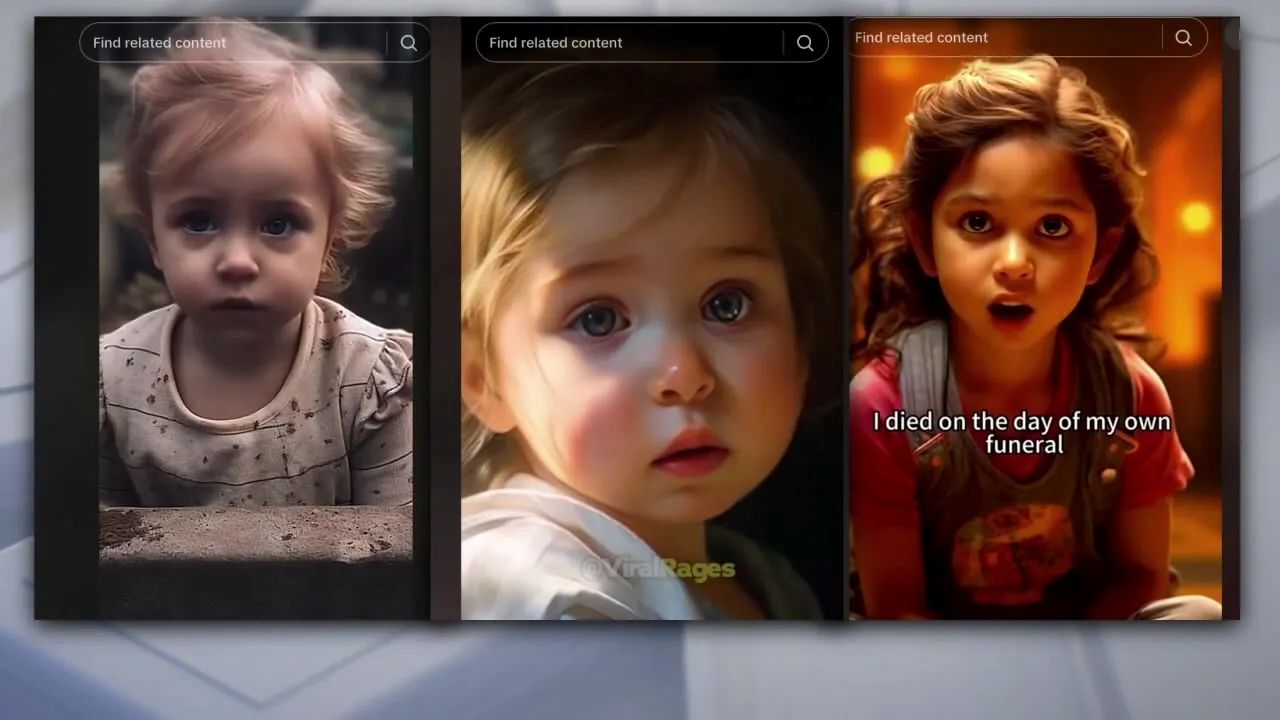
في أوائل عام 2023 انتشر على منصات مثل تيك توك تريند مثير للجدل وصادم أخلاقيا؛ استخدم فيه الذكاء الاصطناعي التوليدي لإعادة إنشاء صور متحركة وفيديوهات لأطفال حقيقيين راحوا ضحايا لجرائم قتل شهيرة ومروعة وهم يروون تفاصيل مقتلهم بلسانهم. وقد اعتمد صناع المحتوى على صور حقيقية للضحايا من الأخبار، ثم استخدموا أدوات الذكاء الاصطناعي لتحريك وجوههم وتوليد أصوات تحاكي أصواتهم. ظهرت الضحايا في صورة شخصية رقمية تتحدث في الفيديو بعبارات مثل: "مرحباً، أنا (اسم الضحية) واليوم سأخبركم كيف تعرضت للقتل..." وتبدأ بسرد تفاصيل مرعبة وصادمة عن لحظاتها الأخيرة. وكان الهدف الرئيسي خلف هذه الفيديوهات هو إثارة الصدمة والفضول لجذب المشاهدات والتفاعلات.

تسبّبت هذه المقاطع بصدمات نفسية حقيقية لعائلات الضحايا؛ ففي كندا، فوجئت الأم أميلي ليميو بمقطع يُظهر نسخة اصطناعية لابنتها نورا (11 عاماً) التي قُتلت مع شقيقتها على يد والدهما عام 2020 وهي تتحدث عن تفاصيل مقتلها. تصف ليميو الصدمة بأنها "أسوأ من أسوأ لكمة يمكن تخيّلها". أما البارونة بيبان كيدرون عضو مجلس اللوردات البريطاني فوصفت هذا المحتوى بأنه بمثابة "هجوم عاطفي" مباشر على الأسر الثكلى.

زادت حدة الانتقادات الصارخة تجاه هذا المحتوى مما دعا منصة تيك توك لحذف المحتوى وأعلنت أن هذه الفيديوهات تنتهك سياساتها الصارمة المتعلقة بالتحرش التنمر واستخدام صور الأشخاص الحقيقيين دون إذن وتقوم بحظر الحسابات وحذف الفيديوهات بمجرد الإبلاغ عنها. 

 غير أن تحقيقا لـ "بي بي سي" كشف أن مقاطع مماثلة ظلت متاحة لأشهر وحققت ملايين المشاهدات رغم إعلان تيك توك حظر هذا النوع من المحتوى؛ إذ أفاد أحد مراقبي المحتوى بالمنصة بأنه لم يُبلَّغ بالحظر رغم مرور أربعة أشهر على صدوره وهذا دليل إضافي على أن غياب المساءلة ليس فقط من صنّاع المحتوى، بل من المنصات ذاتها.

ويرى خبراء الإعلام والعدالة الجنائية أن هذا السلوك يمثل شكلا بالغ التطرف من الاستغلال غير الأخلاقي للمآسي الإنسانية وتحويلها إلى مادة للترفيه الرقمي؛ فبحسب بول بليكلي Paul Bleakley الأستاذ المساعد بالعدالة الجنائية بجامعة نيوهيفن، تُصمَّم هذه الفيديوهات خصيصا لإثارة ردود فعل عاطفية قوية لأنها وسيلة مضمونة لجذب المشاهدات والتفاعل، مع خطر حقيقي بإعادة تعريض عائلات الضحايا للصدمة من جديد. 


من إعادة التمثيل إلى الفبركة

يضعنا هذا الجدل أمام إشكال مهني حاسم في صميم الرسالة الصحفية؛ فبينما يمكن تفهّم استخدام الإحياء الرقمي في الحملات التوعوية أو السياسية المعلنة، تظل ممارسته داخل المؤسسات الإخبارية أكثر إشكالية؛ لأنها تصطدم مباشرة بمبدأ التوثيق والتحقق، فالصحافة لا تكتفي بإنتاج محتوى مؤثر، بل تقوم على نقل الشهادات والتحقق من مصادرها، لا على توليد أقوال جديدة على لسان شخصيات رحلت.

ففي عام 2025 أجرى الصحفي المستقل جيم أكوستا المذيع السابق بشبكة CNN مقابلة مع نسخة رقمية مولّدة بالذكاء الاصطناعي لخواكين أوليفير الشاب الذي سبق أن استُخدمت صورته بحملة سياسية عام 2020. أثارت المقابلة نقاشا واسعا حول الحدود التي ينبغي أن تفصل بين إعادة التمثيل الإعلامي والممارسة الصحفية خصوصا حين يُقدَّم المحتوى ضمن إطار صحفي لا إعلاني. 

ويكتسب هذا التمييز أهمية إضافية في ضوء مبادئ جمعية الصحفيين المحترفين (SPJ) التي تضع السعي إلى الحقيقة والتحقق منها في صميم المسؤولية الصحفية إلى جانب تقليل الضرر والشفافية مع الجمهور؛ فالإشكالية لا تكمن في استخدام الذكاء الاصطناعي بوصفه أداة، بل في إسناد كلام لم يقله شخص حقيقي إلى شخص متوفى، ثم تقديم هذا الكلام داخل قالب صحفي وهو ما يقترب من "الفبركة الصحفية" (Journalistic Fabrication) حين تتقوّل الصحافة على أشخاص بتصريحات لم يدلوا بها، خصوصا إذا لم يكن واضحا للجمهور أنه إعادة بناء اصطناعية. وهنا يصبح السؤال المهني الحاسم: إذا كان بالإمكان نقل قصة الضحية عبر شهاداتها الموثقة ووثائقها وصورها الأرشيفية وشهادات ذويها فما الضرورة الصحفية التي تسوّغ أن تُقوَّل شيئاً لم تقله؟ القدرة التقنية لا تعني بالضرورة وجود مسوِّغ صحفي لاستخدامها.  

سباق التشريع الناقص

لم تقتصر هذه التجاوزات على مجرد سجال إعلامي، إنما امتدت إلى المجال التشريعي الفيدرالي؛ حيث يطالب حقوقيون وخبراء قانونيون بسنّ تشريعات صارمة تمنع استغلال صور الضحايا وتوليد محتوى رقمي لأشخاص متوفين دون موافقة خطية وموثقة من عائلاتهم.

 في الولايات المتحدة أوصى مكتب حقوق النشر عام 2024 بأن يسنّ الكونغرس قانونا فدراليا لحماية الأفراد من الاستخدام غير المصرح به لنسخهم الرقمية، مؤكدا قصور القوانين الحالية وتضاربها (12). وتلا ذلك تقديم مشروع قانون (NO FAKES Ac) الذي يمنح كل فرد - بمن فيهم من تُوفي قبل أو بعد سنّ القانون - حقّا فدراليا على نسخته الرقمية، يؤول بعد الوفاة لورثته أو منفّذي وصيته مع آلية لإزالة المحتوى غير المصرح به فور الإبلاغ عنه (12). غير أن المشروع لا يزال قيد المداولة في الكونغرس حتى منتصف عام 2026، ولم يتحول بعدُ إلى قانون نافذ، وهو ما يعني أن هذا الفراغ التشريعي لا يزال قائما فعليا في أكبر سوق رقمي عالمي.


بين المسؤولية المهنية والفراغ الرقمي

بين مشهد ديمة الياسين الذي يستحضر الذاكرة، وفيديوهات تيك توك التي تعيد إنتاج الألم، فإن ما يفصل بين إحياء الذاكرة التضامنية وتسليع الألم ليس نوع التقنية بل من يقف خلفها ولأي غاية؛ فقد أثبت نموذج MIT أن الإحياء الرقمي يمكن أن يخدم الذاكرة والتعليم حين يخضع لإفصاح شفاف وموافقة موثقة، بينما يحوّل غياب هذين الشرطين الأداةَ نفسها إلى سلاح لإعادة صدمة العائلات واستغلال المحتوى للتفاعل.

فحين يُستخدم الإحياء الرقمي داخل الإعلام المؤسسي يبقى هناك من يحرس البوابة، ويُخضع السردية وصناعتها لأخلاقيات المهنة. أما حين تنتقل الأداة إلى الفضاء المفتوح حيث لا رادع مهني أو أخلاقي أو قانوني فتصبح المسؤولية مشتركة بين المشرّع الذي يجب أن يسدّ الفراغ التشريعي والمنصة التي يجب أن تطبّق سياساتها بجدية لا شكليا، قبل أن تتحول إعادة إحياء الضحايا إلى انتهاك جديد لكن هذه المرة رقميا.


المراجع 
1- Divon, Tom, and Christian Pentzold. "Artificially alive: An exploration of AI resurrections and spectral labor modes in a postmortal society." New Media & Society (2025): 14614448251397518.

More Articles

Will We Write A Falsified History In The Future?

The digital transition of journalism has exposed a growing archive reliability gap, where online news documents are often subject to fake news, content manipulation, and a lack of verification mechanisms, challenging their role as official historical records.

Said El Hajji
Said El Hajji Published on: 24 Sep, 2026
Docudrama: Aesthetic Narration as an Alternative to the Missing Camera!

The use of drama in documentaries sparks a debate between fears of fabrication and the celebration of filling gaps left by missing visual archives. This hybrid format occupies a middle ground, merging emotional impact with documentary reality. Its use requires strict ethical constraints to prevent deception. With the rise of digital platforms, "docudrama" has transcended the rigid limits of television, venturing into new creative and cinematic horizons.

Hani Bishr Published on: 13 Sep, 2026
Moroccan Journalism Between State Support and Market Dominance: Can the “Information Economy” Save the Profession?

Moroccan journalism remains trapped between state dependency and market pressure, and its survival may depend on turning information into sustainable public value rather than cheap content for clicks.

Anas al-Shaara Published on: 24 Aug, 2026
RSF's World Press Freedom Index: How Balanced Is the Ranking System?

The 2026 World Press Freedom Index analysis reveals a troubling gap between global media rankings and the violent reality facing journalists in Gaza. The pressure on the Index’s credibility appears set to intensify as critics argue that its Western-centric methods fail to accurately count Palestinian casualties or hold those responsible for the "journacide" accountable.

Sarah Samuel-Ayyash
Sarah Samuel-Ayyash Published on: 10 May, 2026
Journalism in Mauritania: Behind the Facade of Press Freedom Indicators

Mauritania holds the top position in the Arab world in the Press Freedom Index published by Reporters Without Borders. However, behind this favourable ranking, the media and journalists face significant challenges, chief among them the ambiguity surrounding the definition of a "journalist" and the capacity of media professionals to fulfil their roles in accountability and oversight. Despite official efforts, the defining feature of Mauritania’s media landscape remains its persistent state of fluctuation.

 Ahmed Mohamed El-Moustapha
Ahmed Mohamed El-Moustapha Published on: 6 Jan, 2026
Generative AI in Journalism and Journalism Education: Promise, Peril, and the Global North–South Divide

Generative AI is transforming journalism and journalism education, but this article shows that its benefits are unevenly distributed, often reinforcing Global North–South inequalities while simultaneously boosting efficiency, undermining critical thinking, and deepening precarity in newsrooms and classrooms.

Carolyne Lunga
Carolyne Lunga Published on: 2 Jan, 2026
Crisis of Credibility: How the Anglo-American Journalism Model Failed the World

Despite an unprecedented global flood of information, journalism remains strikingly impotent in confronting systemic crises—largely because the dominant Anglo-American model, shaped by commercial imperatives and capitalist allegiances, is structurally incapable of pursuing truth over power or effecting meaningful change. This critique calls for dismantling journalism’s subordination to market logic and imagining alternative models rooted in political, literary, and truth-driven commitments beyond the confines of capitalist production.

Imran Muzaffar
Imran Muzaffar, Aliya Bashir, Syed Aadil Hussain Published on: 14 Nov, 2025
Interview with Zina Q. : Digital Cartography as a Tool of Erasure in Gaza

Amid Israel’s war on Gaza, Zina Q. uncovers how Google Maps and satellite imagery are being manipulated; homes relabelled as “haunted,” map updates delayed, and evidence of destruction obscured, revealing digital cartography itself as a weapon of war. By exposing these distortions and linking them to conflicts from Sudan to Ukraine, she demonstrates how control over maps and AI surveillance influences not only what the world sees, but also what it remembers.

Al Jazeera Journalism Review
Al Jazeera Journalism Review Published on: 6 Sep, 2025
Monitoring of Journalistic Malpractices in Gaza Coverage

On this page, the editorial team of the Al Jazeera Journalism Review will collect news published by media institutions about the current war on Gaza that involves disinformation, bias, or professional journalistic standards and its code of ethics.

A picture of the Al Jazeera Media Institute's logo, on a white background.
Al Jazeera Journalism Review Published on: 11 Aug, 2025
The BBC Says It’s “Impartial.” But Its Own Staff Say Otherwise

BBC journalists and media professionals accuse the BBC’s leadership — and board member Robbie Gibb in particular — of blocking truthful reporting on Israel/Palestine through censorship, political bias, and a culture of fear that betrays the BBC’s duty to report “without fear or favour.”

Al Jazeera Journalism Review
Al Jazeera Journalism Review Published on: 2 Jul, 2025
Western Media Has Failed Their Palestinian Colleagues

A 2024 CPJ report revealed that nearly 70% of journalists killed that year were targeted by Israel, yet major Western media outlets largely ignored or downplayed the findings. The muted response to these targeted attacks and escalating press restrictions highlights a troubling double standard in the West’s commitment to press freedom.

Assal Rad
Assal Rad Published on: 21 Apr, 2025
‘A Massacre Unlike Any Before’: French Journalists Break Silence on Colleagues Killed in Gaza

Leading French and international institutions—foremost among them Reporters Without Borders and Agence France-Presse—have signed a letter published in Le Monde condemning the Israeli occupation’s actions against Palestinian journalists. In an unprecedented tone, journalists described the ongoing events as a 'massacre' unparalleled in the history of the profession.

Al Jazeera Journalism Review
Al Jazeera Journalism Review Published on: 16 Apr, 2025
Predicting the Future of Media in 2025

The rise of citizen journalism, the rethinking of long-form content, the evolution of video, and the exploration of AI opportunities are key elements of the media landscape forecast for 2025, according to a report from Harvard University's Nieman Lab.

Othman Kabashi
Othman Kabashi Published on: 15 Apr, 2025
Revisioning Journalism During a Genocide

Western media’s coverage of the Gaza genocide has revealed fundamental cracks in the notion of journalistic objectivity. Mainstream outlets have frequently marginalized or discredited Palestinian perspectives, often echoing narratives that align with Israeli state interests. In stark contrast, Palestinian journalists—reporting from within a besieged landscape—have become frontline truth-tellers. Through raw, emotional storytelling, they are not only documenting atrocities but also redefining journalism as a form of resistance and a reclaiming of ethical purpose.

Ana Maria Monjardino
Ana Maria Monjardino Published on: 4 Apr, 2025
Journalist Testimonies on Western Media Coverage of the Gaza War: The Other Narrative

In this article, we compile testimonies from journalists who have criticised their own media institutions as documented in reports, letters, or interviews. Most spoke anonymously out of fear of repercussions—because freedom of expression appears protected only until it reaches the borders of Israel. At that point, constraints emerge, editorial policies shift, and the system of double standards is activated.

Al Jazeera Journalism Review
Al Jazeera Journalism Review Published on: 29 Mar, 2025
Western Media Bias and Complicity with Israel is Beyond Borders

Once again, Western media framed civilians within the context of "collateral damage" while covering Israeli attacks on Syria. The language of international law was absent, and the tragedy of civilians affected by military strikes was completely obscured, while justifications and cover for the occupation prevailed under the banner of "maintaining national security."

Zainab Afifa
Zainab Afifa Published on: 23 Mar, 2025
Systematic Bias: How Western Media Framed the March 18 Massacre of Palestinians

On March 18, Israel launched a large-scale assault on Gaza, killing over 412 Palestinians and injuring more than 500, while Western media uncritically echoed Israel’s claim of “targeting Hamas.” Rather than exposing the massacre, coverage downplayed the death toll, delayed key facts, and framed the attacks as justified pressure on Hamas—further highlighting the double standard in valuing Palestinian lives.

Mei Shigenobu مي شيغينوبو
Mei Shigenobu Published on: 18 Mar, 2025
The Sharp Contrast: How Israeli and Western Media Cover the War on Gaza

Despite being directly governed by Israeli policies, some Israeli media outlets critically report on their government’s actions and use accurate terminology, whereas Western media has shown complete bias, failing to be impartial in its coverage of Israel’s aggression in Gaza.

Faras Ghani Published on: 5 Mar, 2025
Journalists in DR Congo Face New Threats, Censorship in a Decades-long Conflict

Countless journalists have been arbitrarily arrested, kidnapped or have disappeared in the fog of the protracted war tearing the eastern Democratic Republic of Congo apart. The renewed M23 offensive augurs a more uncertain future for these ‘soldiers of the pen’.

Nalova Akua
Nalova Akua Published on: 3 Mar, 2025
International Media Seek Gaza Access; What Do Palestinian Journalists Say?

As international media push for access to Gaza, Palestinian journalists—who have been the primary voices on the ground—criticize their Western counterparts for failing to acknowledge their contributions, amplify their reports, or support them as they risk their lives to document the war. They face systemic bias and exploitation, and continue to work under extreme conditions without proper recognition or support.

NILOFAR ABSAR
Nilofar Absar Published on: 26 Feb, 2025
Tweets Aren’t News: Why Journalism Still Matters

Twitter, once key for real-time news, has become a battleground of misinformation and outrage, drowning out factual journalism. With major newspapers leaving, the challenge is to remind audiences that true news comes from credible sources, not the chaos of social media.

Ilya إيليا توبر 
Ilya U Topper Published on: 10 Feb, 2025
Sound of Change: How Podcasting is Changing Journalism in India

India’s podcasting scene is on the rise, driven by affordable internet and changing content habits, yet still faces challenges like limited monetisation and urban-focused reach. Despite these hurdles, independent creators are using the medium to amplify grassroots narratives, shaping a more inclusive media landscape.

Hanan Zaffa
Hanan Zaffar, Jyoti Thakur Published on: 9 Jan, 2025
Bolivia’s Mines and Radio: A Voice of the Global South Against Hegemony

Miners' radio stations in the heart of Bolivia's mining communities, played a crucial role in shaping communication within mining communities, contributing to social and political movements. These stations intersected with anarchist theatre, educational initiatives, and alternative media, addressing labour rights, minority groups, and imperialism.

Khaldoun Shami PhD
Khaldoun H. Shami Published on: 16 Dec, 2024
Journalists and the Gen–Z protest in Kenya

Caught between enraged protesters and aggressive police officers, journalists risked their lives to keep the world informed about the Gen–Z protests in Kenya. However, these demonstrations also exposed deeper issues regarding press freedom, highlighting a troubling aspect of Ruto’s government.

Shuimo Trust Dohyee
Shuimo Trust Dohyee Published on: 12 Dec, 2024