The Afterlife of an Image: How Photojournalism Contests Shape Visibility and Responsibility

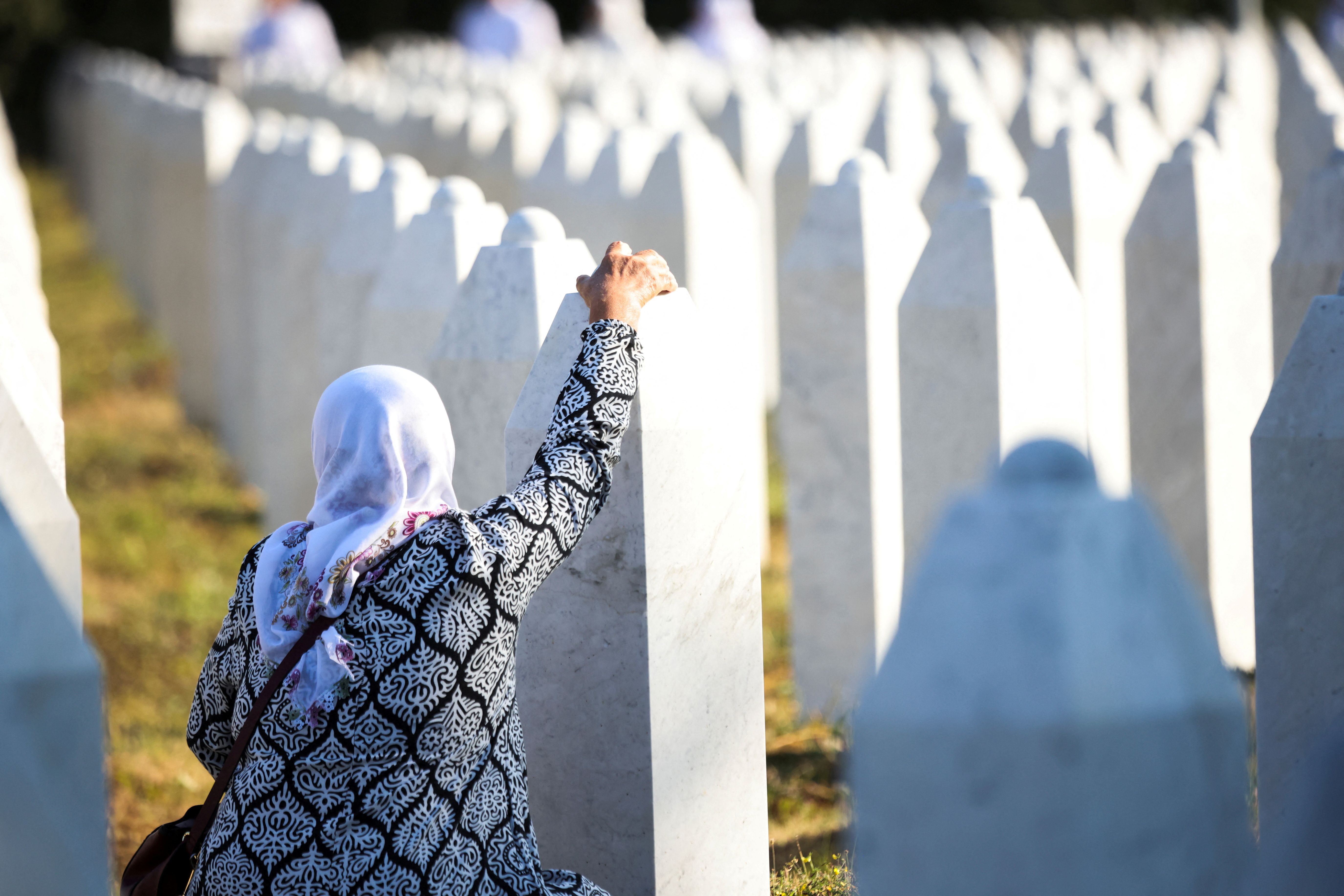
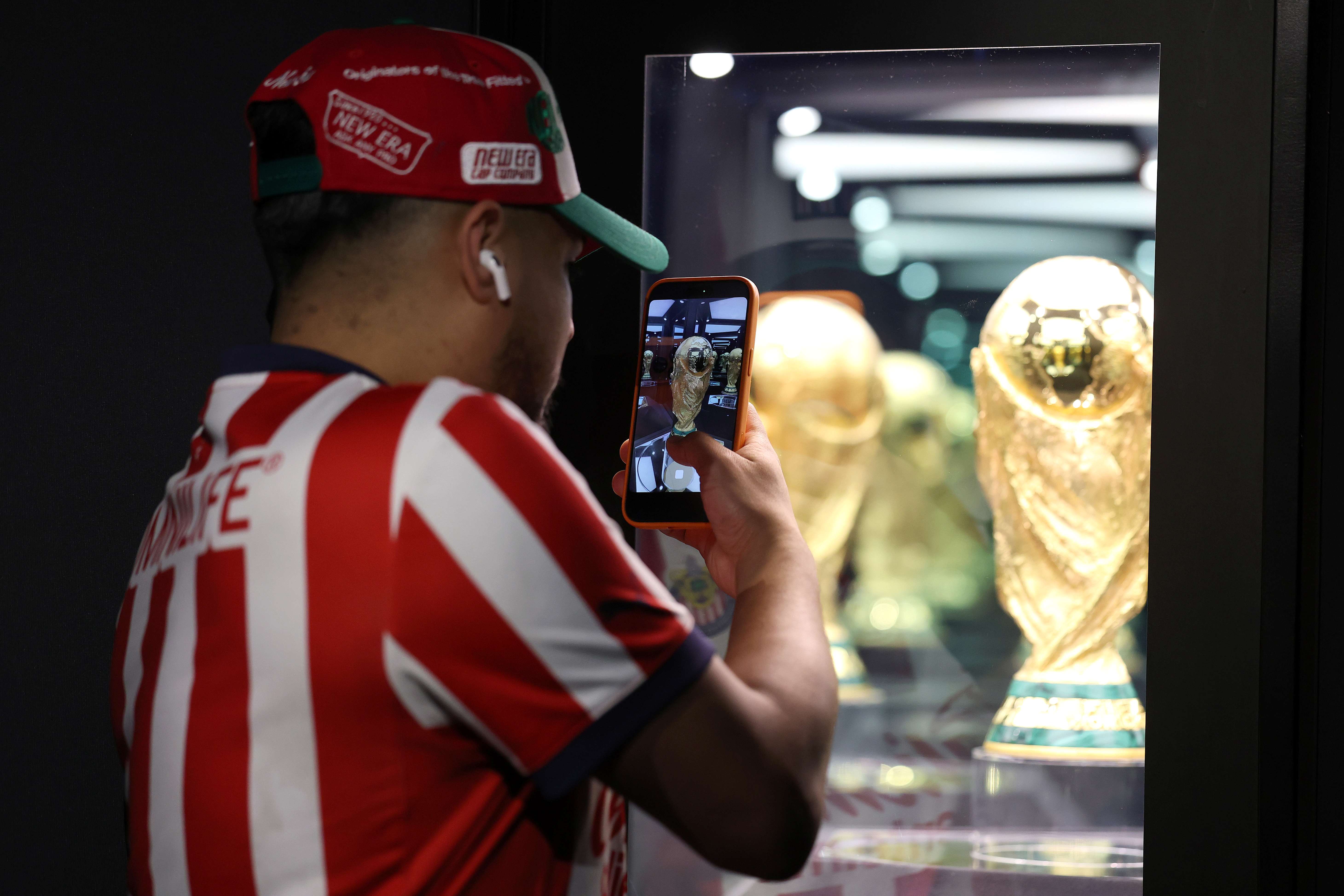
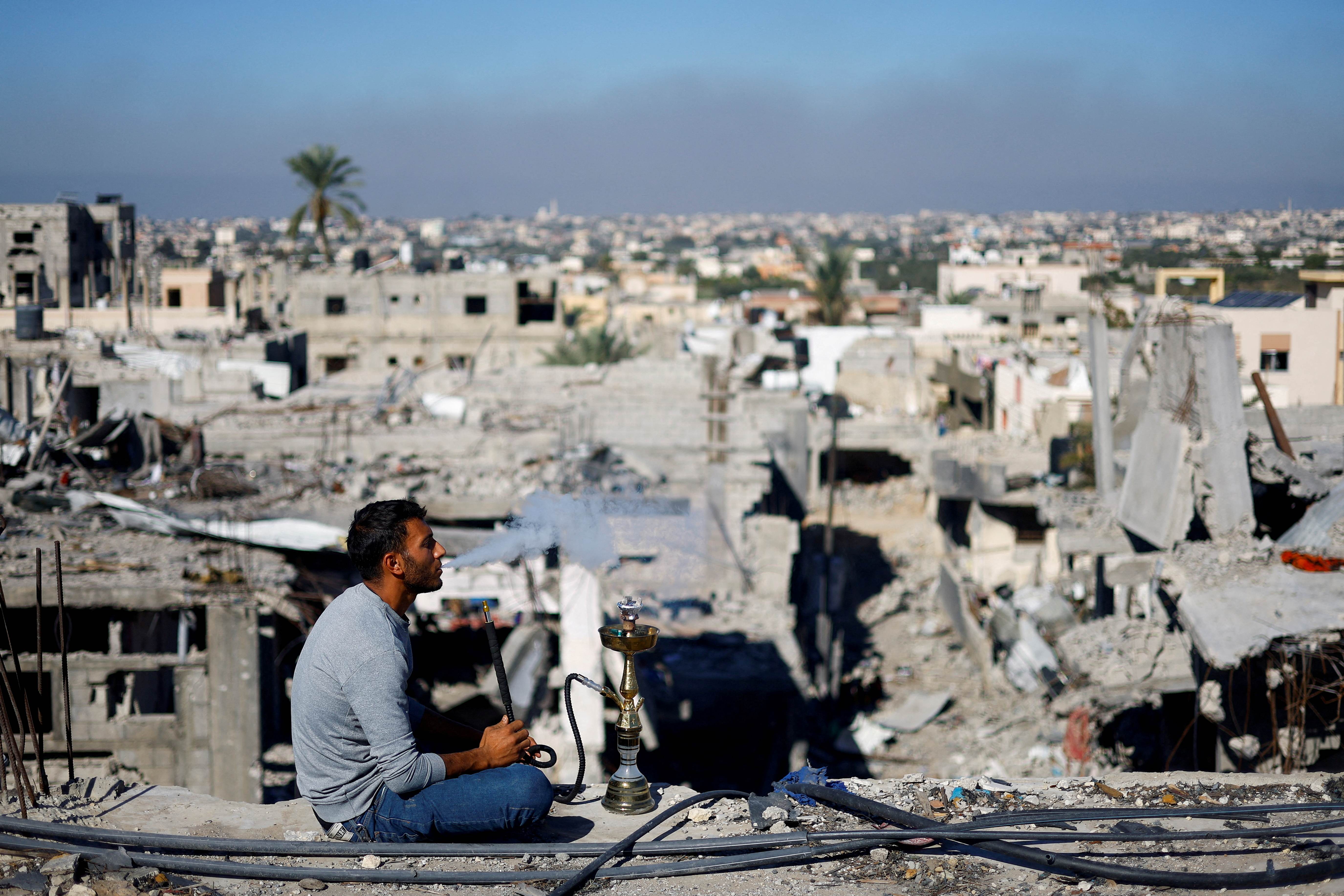
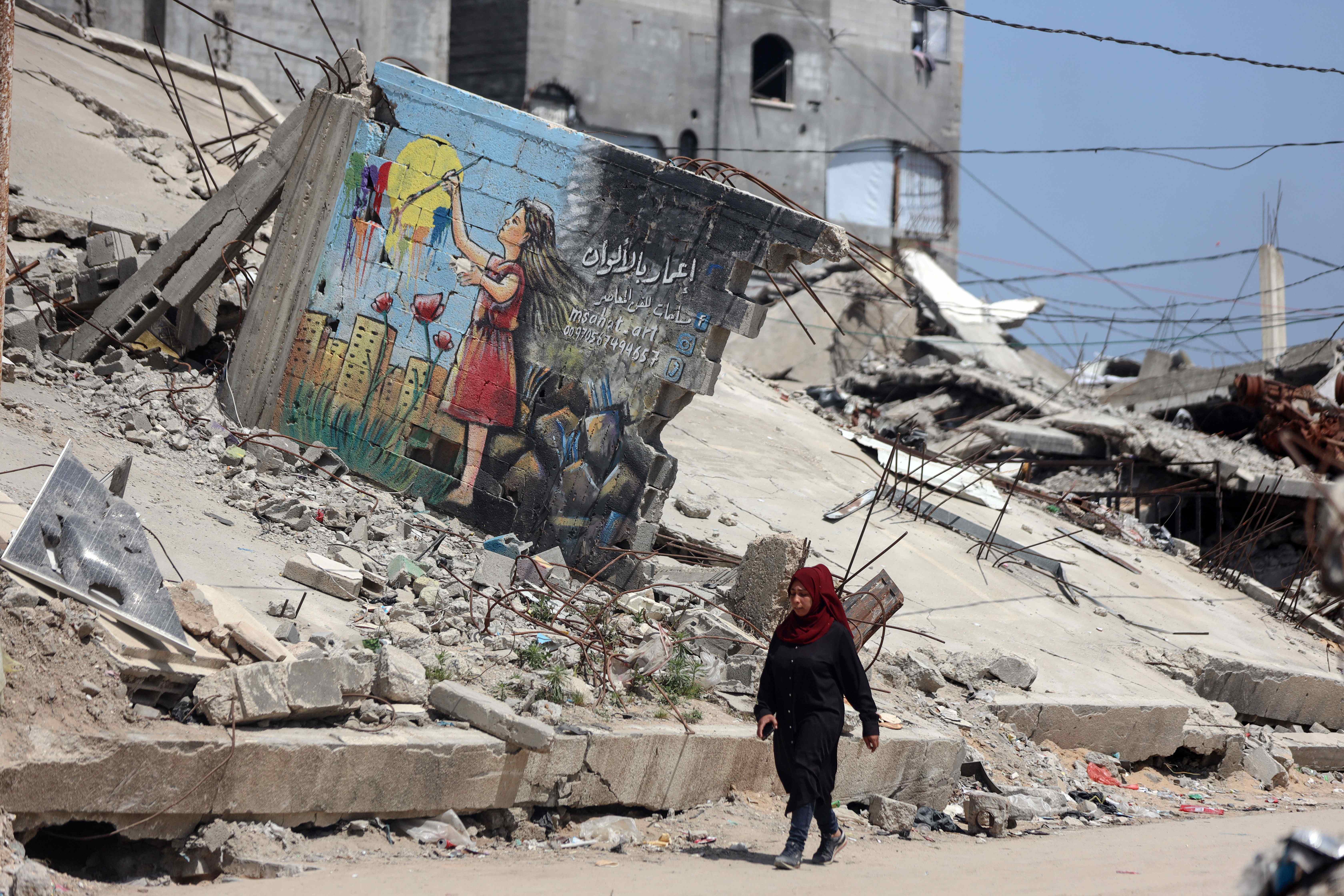
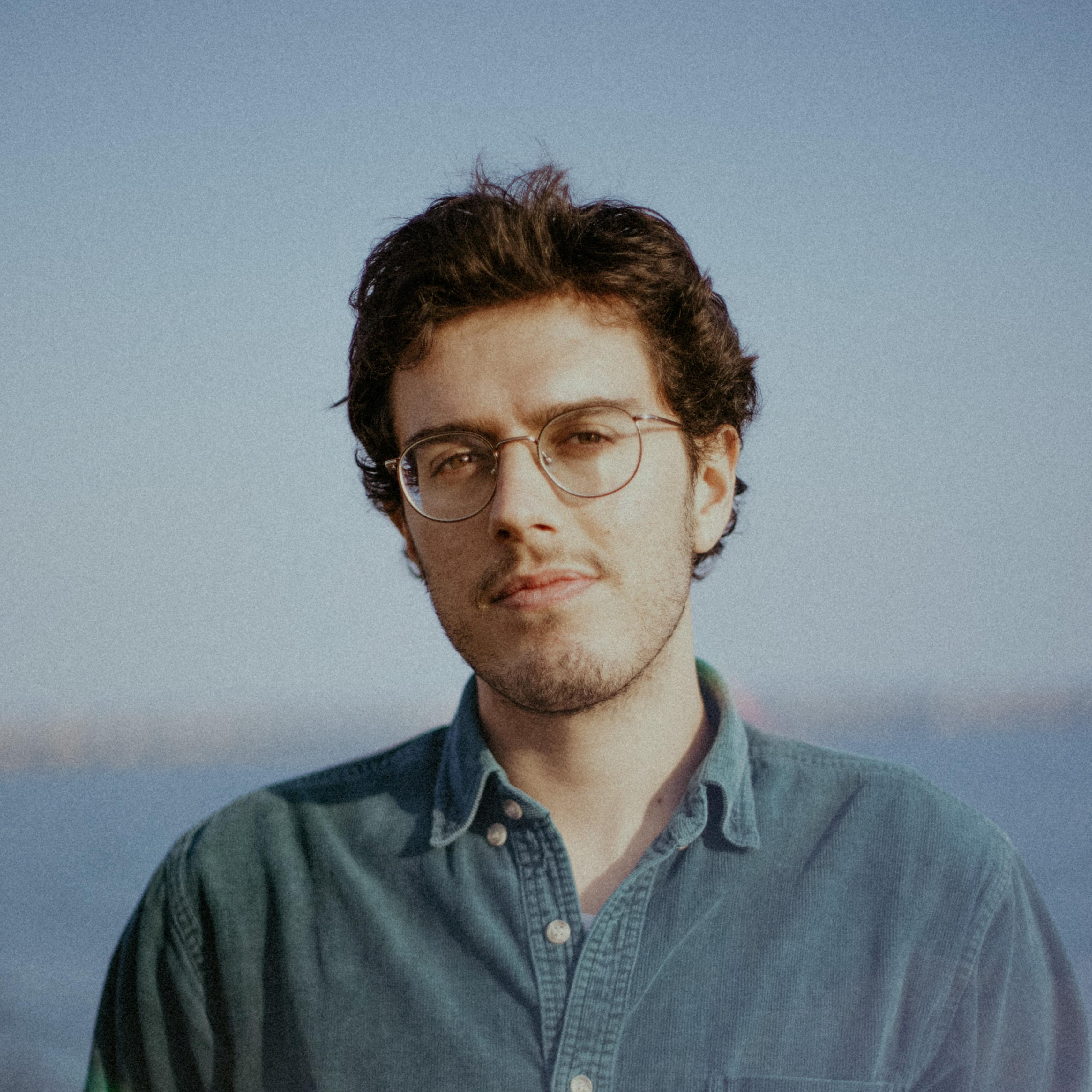
A woman walks past a colorful mural painted on the remains of a destroyed building in the Jabalia refugee camp. As images of conflict move from the frontlines to global exhibitions, the line between raw trauma and curated art becomes blurred.  (Photo: Majdi Fathi. Gaza, Palestine – April 2026)
A woman walks past a colorful mural painted on the remains of a destroyed building in the Jabalia refugee camp. As images of conflict move from the frontlines to global exhibitions, the line between raw trauma and Refined art becomes blurred. (Photo: Majdi Fathi. Gaza, Palestine – April 2026)

The Afterlife of an Image: How Photojournalism Contests Shape Visibility and Responsibility

As photojournalism contests elevate certain images to global prominence, they also influence how violence, dignity, and memory are constructed in the public imagination. 


Several years ago, a prominent European photojournalist gave a lecture about their work at the Frontline Club in London. After a slideshow and explanation of the process of her incredible work depicting refugees in Sudan and mothers in the West Bank, someone asked, “Does the striking aesthetic ‘beauty’ of these photos detract from the context and meaning behind them?” A fair question. After all, as a photojournalist, I know that to have work commissioned, it needs to be truthful yet appealing to the eye to sell or reach a wider audience.  

Photojournalist and documentary photography contests are a clear example of this. A business model where winning photographers and their work receive money, camera gear, and other incentives. Yet it is also the subject of the photo that ‘wins’ and has their image in an ‘afterlife’ of the contest that can be used in promotion, exhibitions, social media, etc., often in contexts far from what they, or the photographer, imagined. It is in the process by which contests choose winning photos and their following dissemination in other environments that one can see the lines blurred between a ‘truthful depiction’ and a ‘beautiful photo’ for mass consumption. 


There’s creating the photograph and then sharing the photograph. And I think that those things are sometimes quite conflated. . .. a really great place to start is to separate them and consider them as two separate processes. Consent to take a photograph is not the same thing as consent for it to appear on a newsfeed or on a billboard.

Dr. Savannah Dodd, founder and director of the Photography Ethics Centre 


The ‘Afterlife’ of a Contest-Winning Photo 

The World Press Photo is the most prestigious and famous photojournalistic contest and organisation in the world, responsible for touring photos in exhibition spaces globally and giving outreach, acclaim and notoriety to the winners and finalists.  

The winner of the 2025 World Press Photo of the Year is a striking, stark and confrontational image, a portrait of nine-year-old Mahmoud Ajjour, who lost both arms in an airstrike in Gaza, photographed by Samar Abu Elouf for The New York Times. The jury described it as “strong composition and attention to light, to be contemplative, sparking questions about the experiences yet to come for the young, wounded boy”. 

A Gazan native herself, Samar’s winning photo was used in the advertisement of the travelling exhibition of the World Press Photo, the armless Mahmoud lining the walls of an ascending escalator in the Barcelona metro. This is the ‘second life’ of the photo, used to inform the public of the exhibition.  

Dr. Savannah Dodd, founder and director of the Photography Ethics Centre, ponders this separation of the photo from its original creation: 

“There’s creating the photograph and then sharing the photograph. And I think that those things are sometimes quite conflated. ... A really great place to start is to separate them and consider them as two separate processes. Consent to take a photograph is not the same thing as consent for it to appear on a newsfeed or on a billboard.” 

Images now move fluidly across platforms and contexts that the photographer may never have anticipated, from exhibitions to social media to commercial spaces. This includes how images are captioned, how they are spatially presented in exhibitions or public advertising, and how much agency we retain – or should retain – over secondary uses. Ethical responsibility does not end at publication; it evolves as images continue to circulate.

Joumana El Zein Khoury, Executive Director of the World Press Photo Contest 2026 

In her book, Popular Trauma Culture: Selling the Pain of Others in the Mass Media, Anne Rothe describes how trauma functions in contemporary culture and how media surrounding suffering is used to make a ‘story or narrative’ to sell to the public. She uses examples of the Holocaust in film depictions, as well as photos and videos utilised by newsrooms.  

Mahmoud’s image seemed eerie plastered on the metro, and later, when witnessing the leaflets for the exhibition with his image used as coasters in a nearby bar, it seemed even more so. This can be seen as an example of a society desensitised to a conflict that has been so much in the public eye via traditional news media and social media since October 2023 or, simply, the method to advertise the real purpose of the World Press Photo: to showcase compelling and urgent stories, deepening our understanding of the world’s complexities to inspire action.  

Yet, much like the famous photo of Che Guevara now plastered on t-shirts and university bedroom walls globally, can the image’s ‘afterlife’ completely strip the original context and intent behind the photo? 

Executive Director of the World Press Photo Contest 2026, Joumana El Zein Khoury, speaks about the nature of the ‘afterlife’ of an image past these contests: 

“The ‘afterlife’ of images is no longer peripheral; it is central to ethical practice today. Images now move fluidly across platforms and contexts that the photographer may never have anticipated, from exhibitions to social media to commercial spaces. This includes how images are captioned, how they are spatially presented in exhibitions or public advertising, and how much agency we retain – or should retain – over secondary uses. Ethical responsibility does not end at publication; it evolves as images continue to circulate.” 

Another aspect of a photo’s ‘afterlife’ is the way it can move a mass audience of people into action. The photo of Mahmoud inspired a fundraising campaign for him to access prosthetic care, signifying how concern can catalyse solidarity and change beyond the publication.  


The ‘afterlife’ of images is no longer peripheral; it is central to ethical practice today. Images now move fluidly across platforms and contexts that the photographer may never have anticipated, from exhibitions to social media to commercial spaces.

Joumana El Zein Khoury, Executive Director of the World Press Photo Contest 2026 


How A Photo Is Chosen 

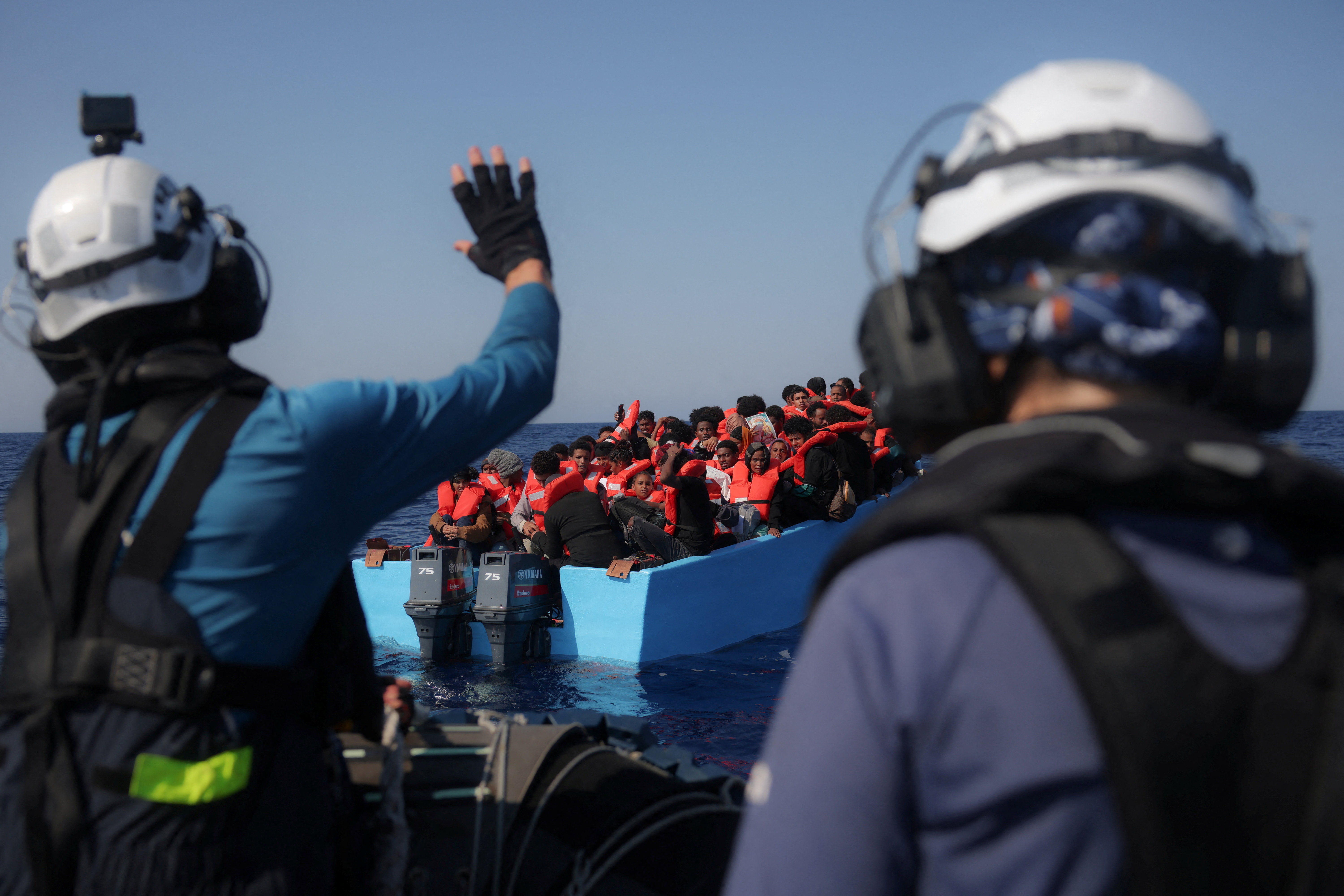
The documentary, Sea of Pictures, by Misja Pekel, details the journey from photographer to newsroom and judges’ table of the infamous photograph of Aylan Kurdi, the drowned boy on the beach during the peak of the ‘refugee crisis’ in Europe in the mid-2010s.  

In an interview, Aiden White, director of the Ethical Journalism Network, discussed the editorial motivation in choosing the photo to publish, and by extension, what people will see/what photographers will be eligible for: 

“We need aesthetics in pictures as much as we need good language in the use of words. Of course, we need elements in a picture or a video that will reach out to people and communicate quickly and simply the story behind them.” 

When judging photography contests, considerations must be made over the use of editing, consent, context and whether the photo reinforces dominant visual tropes of suffering, the starving African, for example. 

Professor Ingrid Berman, American documentary photographer and professor at Columbia University Graduate School of Journalism, explained how visual clichés are a reflection of the violent reality of our world:

“The truth is that our world has become way more violent, and much of that violence is visible and perpetuating; hence the repetitive images. When children are murdered, parents and family members cry out. Should journalists not photograph that visual trope of the grieving loved ones? When a state bombs people into smithereens, should we not see the results of that violence even though the picture has been seen in some way many times before?” 

As a judge in this year’s World Press Photo contest, Professor Berman sits alongside many other professionals in the photographic and journalistic world, measuring the photos not by their virality or reach in changing policy. Judges examine captions, photographer engagement, and context, not the unforeseeable consequences of global circulation. 

When I first saw Mahmoud’s portrait lining the Barcelona metro, it felt jarring, even unsettling. But perhaps that discomfort is not a failure of photojournalism. Perhaps it is evidence of its power. 


Stretching back decades, the World Press Photo and other photographic contests and archives have determined what images of the global south have become iconic. Reform was made when regional juries were introduced based on the geographical section the submitted photo is from. As Joumana El Zein Khoury states herself: 

“World Press Photo does not merely reflect the field; we actively shape it.” 

Time changes our perceptions, both of what is acceptable as a society and as individuals. Practices within the photojournalistic sphere in the past directly impacted what the World Press Photo contest published and reinforced in the minds of exhibition goers worldwide and within wider media circles, journalistic communities, and those affected directly by the subject of the photos.  

The World Press Photo archives site states the following:

“What voices dominated the contest, and whose voices were excluded? Why did it take over 20 years for a woman photographer to be awarded the Photo of the Year?” 

When I first saw Mahmoud’s portrait lining the Barcelona metro, it felt jarring, even unsettling. But perhaps that discomfort is not a failure of photojournalism. Perhaps it is evidence of its power. 

The issue is not whether such photographs should exist. They must. Violence should not be hidden. 

The question is how institutions that elevate them, that tour them, brand them, monetise them, and historicise them can remain accountable not only to audiences and photographers, but to the people in the frame. 

If contests shape what the world sees, they also shape how suffering is remembered. And memory, once institutionalised, rarely belongs to those who first lived it.


مقالات ذات صلة

المصوّر الصحفي في فلسطين.. عين لا تنطفئ

في 15 تشرين الثاني/نوفمبر 2019 فقدَ معاذ العمارنة عينه اليسرى بعد إصابة مباشرة برصاص جنود الاحتلال خلال توثيقه مواجهاتٍ مع الجيش الإسرائيلي في بلدة صوريف في جنوب الضفة الغربية المُحتلَّة. في 16 تشرين الأول/أكتوبر 2013، اعتقل معاذ على خلفيّة نشاطه الصحفي، وظلّ رهن الاعتقال الإداري لفترة امتدّت تسعة أشهر، قبل أن يعتقله في شهر غشت 2025 مرة أخرى.. هذه قصته.

Muath Amarneh
معاذ عمارنة نشرت في: 21 أغسطس, 2025
من الخبر إلى التوثيق.. دروس عملية من تغطية الحرب على غزة

منذ اللحظة الأولى لحرب الإبادة الجماعية التي شنتها إسرائيل على غزة، كان هشام زقوت، مراسل الجزيرة، شاهدًا على الجوع والدمار وجرائم الحرب، وعلى اغتيال زملائه في الميدان. إنها معركة من أجل البقاء والتوثيق، تتجاوز مجرد التغطية ومتابعة التفاصيل اليومية.

Hisham Zakkot
هشام زقوت نشرت في: 25 يناير, 2026

المزيد من المقالات

كيف ننقذ قصص الهجرة من الغرق؟

اعتاد الجمهور على مشاهد غرق المهاجرين غير النظاميين إلى درجة أنها نادرا ما تحدث التأثير والتعاطف. كيف يمكن إبقاء قضية الهجرة حية في وسائل الإعلام؟ وماهي زوايا المعالجة المبتكرة التي تؤنسن قصص المهاجرين؟

صحفي مستقل ومدرب إعلامي، نشرت مقالاته في الغارديان، والجزيرة الإنجليزية، وبوليتيكو، وميدل إيست آي، وذا إندبندنت، وغيرها.
كارلوس زوروتوزا نشرت في: 7 مايو, 2026
مزهريات وحفاضات أطفال.. الحرب كما يرويها الناس لا الساسة!

هل يمكن لمزهريات تشهد على تاريخ عائلة، أو لحفاضات أطفال مفقودة، أن تتحول إلى قصص صحفية إنسانية مؤثرة؟ وكيف تتراجع لغة السياسة وخطاباتها الكبيرة، ليعلو صوت المأساة اليومية التي يعيشها الإنسان في الحرب؟ في غزة كانت مرام حميد الصحفية والإنسان والقصة.

Maram
مرام حميد نشرت في: 5 مايو, 2026
أنا زوجة إسماعيل الغول!

تروي ملك زريد، زوجة الصحفي إسماعيل الغول، شهادة إنسانية عن حياة مراسل اختار أن يبقى في قلب الحرب في قطاع غزة لينقل ما يجري للعالم. من خلف الكاميرا لم يكن الغول مجرد صحفي يظهر على الشاشة، بل أبا وزوجا عاش صراعا يوميا بين واجبه المهني وحنينه لعائلته. طوال أشهر الحرب وثق المجازر والحصار بصوت صار صدى لمعاناة غزة.

Rima Al-Qatawi
ريما القطاوي نشرت في: 15 أبريل, 2026
حوار مع أوليفييه كوش: كيف يختار شات جي بي تي مصادرنا الصحفية؟

في هذا الحوار، يحاول أستاذ الصحافة بجامعة السوربون أوليفييه كوش تفكيك سؤال: كيف يختار شات جي بي تي مصادر الأخبار التي يقترحها على المستخدمين؟ تكشف تجربته أن التوصيات تميل غالبا إلى وسائل إعلام كبرى، خاصة الأنغلوسكسونية، بينما يغيب حضور الصحافة المستقلة. ويرى كوش أن هذا النمط قد يحدّ من التعددية الإعلامية ويطرح تحديات جديدة أمام اقتصاد الصحافة.

سفيان البالي نشرت في: 12 أبريل, 2026
الصحافة كمعركة بقاء في السودان

مع اندلاع الحرب في السودان انهار المشهد الصحفي فجأة، بعدما دخلت قوات قوات الدعم السريع إلى العاصمة الخرطوم. وجد مئات الصحفيين أنفسهم بلا مؤسسات ولا رواتب ولا مأوى، وتفرّقوا بين نازح ولاجئ ومحاصر داخل مدينة تحولت إلى ساحة حرب. ومع توقف الصحف وتعطل المؤسسات، انحدرت حياة كثير منهم إلى صراع يومي من أجل الطعام والسكن، وسط غياب دعم حقيقي من الدولة أو المؤسسات المهنية، لتتحول المهنة إلى معركة بقاء.

سيف الدين البشير أحمد نشرت في: 8 أبريل, 2026
هل صنعت خطابات نتنياهو وترامب أجندة الإعلام الغربي؟

من خطابَي ترامب ونتنياهو لتبرير الحرب على إيران… إلى غرف الأخبار. هل تصنع الخطابات السياسية أجندة وسائل الإعلام في زمن الحروب؟ وكيف تساهم اللغة الإعلامية في شرعنة الحروب وصياغة "الرواية المقبولة" لدى الجمهور؟ وإلى أي مدى يمكن لخطاب الإعلام أن يؤطر الأحداث، ويعيد إنتاج الرواية الرسمية، ويؤثر في تشكيل الرأي العام؟

Shaimaa Al-Eisai
شيماء العيسائي نشرت في: 6 مارس, 2026
كيف تعيد غزة تعريف العمل الصحفي

مباشرة بعد الشروع في حرب الإبادة الجماعية أغلق الاحتلال الإسرائيلي غزة في وجه الصحفيين الدوليين، وتبنى نسقا إباديا ممنهجا ضد الصحفيين الفلسطينيين، أعاد "النشطاء" تعريف المهنة بتغطيات مفتوحة ومحدثة أحدثت نوعا من التوازن ضد الصحافة الغربية المنحازة.

آنا ماريا مونخاردينو نشرت في: 2 فبراير, 2026
قضايا الهجرة ومأزق التأطير في الصحافة الغربية

كيف تؤثر الصحافة الغربية في تشكيل سردية الهجرة؟ ما الأطر الصحفية الأكثر استخداما في تغطية قضاياها؟ وهل تغطية المظاهرات المناهضة للهجرة محايدة أم مؤدلجة؟ الزميلة سلمى صقر تحلل تغطيات لجانب من الصحافة الغربية تماهت مع خطاب العنصرية الذي يتبناه أقصى اليمين.

Salma Saqr
سلمى صقر نشرت في: 29 يناير, 2026
صحفي أم محلل؟

المسافة بين الصحافة والتحليل الرياضي دقيقة جدا، حقلان يلتقيان في تقديم المعلومات للجمهور، ويختلفان في الأدوات والمعارف. ما هي الحدود بينهما؟ ولماذا على الصحفيين الالتزام بمعايير مهنة الصحافة قبل "المغامرة" بالتحليل؟

همام كدر نشرت في: 18 يناير, 2026
مؤتمر الصحافة الاستقصائية.. الهجرة والمساءلة والحرية

في ماليزيا، اجتمع عشرات الصحفيين في المؤتمر العالمي للصحافة الاستقصائية لسرد تجاربهم الميدانية. بين تحقيقات الهجرة على خطوط الموت، ومعارك الخصوصية والتشريعات المقيّدة وحجب المعلومات، ما يزال الصحفيون الاستقصائيون يواجهون قوانين "الصمت" وإخفاء الحقيقة.

سماح غرسلي نشرت في: 15 يناير, 2026
الصحة شأن سياسي، وعلى الصحافة أن تكون كذلك

يدافع المقال عن أطروحة جوهرية مفادها أن الصحة، باعتبارها قضية مجتمعية مركزية، لا يمكن فصلها عن السياسات العامة والقرارات السياسية التي تحدد مآلاتها. ومن ثم، فإن دور الصحفي لا يقتصر على نقل المعلومات الطبية أو تبسيط المصطلحات للجمهور، بل يتجاوز ذلك إلى مساءلة السياسات الصحية بحس نقدي، وتحليل أبعادها الاجتماعية والاقتصادية والسياسية، بما يعيد النقاش إلى جوهره: الصحة كحق عام ومسؤولية سياسية قبل أن تكون شأنا تقنيا.

أنيس الجرماني نشرت في: 13 يناير, 2026
من سروليك إلى حنظلة.. الكاريكاتير كرمز إعلامي

من شخصية سروليك الإسرائيلي المدافعة عن الاحتلال إلى حنظلة الفلسطيني المقاوم والساخر، يبرز الكاريكاتير، كساحة أخرى للصراع على الذاكرة والمستقبل. كيف ظهرت هذه الشخصيات، وما رمزيتها الإعلامية؟ ولماذا ما يزال الكاريكاتير مؤثرا؟

سجود عوايص نشرت في: 11 يناير, 2026
الصحافة في موريتانيا.. ما خلف مؤشرات حرية التعبير

تحتل موريتانيا مرتبة الصدارة في مؤشر حرية التعبير الصادر عن "منظمة مراسلون بلاد" في العالم العربي، لكن خلف هذه الصورة، تواجه وسائل الإعلام والصحفيون تحديات كبيرة ترتبط بضبابية مفهوم "الصحفي"، وقدرتهم على تمثل أدوار المهنة في المساءلة والمحاسبة. ورغم الجهود الرسمية، فإن السمة الأساسية للمشهد الإعلامي الموريتاني هي: التأرجح.

 Ahmed Mohamed El-Moustapha
أحمد محمد المصطفى نشرت في: 7 يناير, 2026
المسافة بين البنادق والصحافة في كولومبيا

كيف يعمل الصحفيون والبنادق فوق رؤوسهم؟ ما حدود تحدي عصابات المخدرات والمنظمات الإجرامية؟ وهل المعلومة أهم من سلامة الصحفي؟ من الحدود الكولومبية- الفنزويلية، يروي أيمن الزبير، مراسل الجزيرة، لمجلة الصحافة تجارب صحفيين يبحثون عن الحقيقة "بقدر ما يسمح لها".

أيمن الزبير نشرت في: 29 ديسمبر, 2025
كيف تجعل الصحافة أزمة المناخ قضية الناس؟

بين استيراد منظومة مفاهيم ومصطلحات غربية لا تنسجم مع البيئة العربية، وإنكار الأزمة المناخية أو العجز عن تبسيطها وشرحها للناس، تبرز قيمة الصحافة في تنوير الجمهور وإظهار أن قضايا التغير المناخي تمس جوهر الحياة اليومية للإنسان العربي.

Bana Salama
بانا سلامة نشرت في: 24 ديسمبر, 2025
ليبيا على سلم حرية التعبير.. هل نصدق المؤشرات؟

هل يعكس تحسن تصنيف ليبيا على مؤشرات حرية التعبير وضعية الصحفيين الحقيقية؟ وماذا تخفي الأرقام عن تأثير الانقسام السياسي وغياب التشريعات على المهنة؟ وما التحديات الأساسية لظهور "المؤثرين على المنصات الرقمية؟

عماد المدولي نشرت في: 17 ديسمبر, 2025
كيف يحمينا الشك من التضليل؟

هل تكفي الأدوات التقنية وحدها لإنقاذ الصحفيين من موجات التضليل التي ازدادت تعقيدا وخطورة في عصر الذكاء الاصطناعي؟ وكيف يمكن أن يتحول الشك المهني والحسّ النقدي إلى آليات أساسية في عملية التحقق من الأخبار؟ وما هي التحديات الجديدة التي تفرضها المنصات الرقمية على مدققي المعلومات في زمن السرعة وتدفق المعلومات؟

إسلام رشاد نشرت في: 14 ديسمبر, 2025
أي صورة ستبقى في الذاكرة العالمية عن غزة؟

أي صورة ستبقى في المخيلة العالمية عن غزة؟ هل ستُختصر القصة في بيانات رسمية تضع الفلسطيني في خانة "الخطر"؟ أم في صور الضحايا التي تملأ الفضاء الرقمي؟ وكيف يمكن أن تتحول وسائل الإعلام إلى أداة لترسيخ الذاكرة الجماعية وصراع السرديات؟

Hassan Obeid
حسن عبيد نشرت في: 30 نوفمبر, 2025
ظاهرة "تجنب الأخبار".. هل بتنا نعرف أكثر مما ينبغي؟

رصدت الكثير من التقارير تفشي ظاهرة "تجنب الأخبار" بسبب الضغوط النفسية الشديدة وصلت حد الإجهاد النفسي نتيجة تلقي كميات ضخمة من الأخبار والمعلومات. ما تأثيرات هذه الظاهرة على غرف الأخبار؟ وكيف يمكن التعامل معها؟

وسام كمال نشرت في: 16 نوفمبر, 2025
الصحافة الثقافية.. تاريخ المجتمع والسلطة والتحولات الكبرى

تطورت الصحافة الثقافية في العالم العربي في سياق وثيق الارتباط بالتحولات السياسية والاجتماعية، ورغم كل الأزمات التي واجهتها فإن تجارب كثيرة حافظت على أداء دورها في تنوير المجتمع. ما هي خصائص هذه التجارب ومواضيعها، وكيف تمثلت الصحافة الثقافية وظيفتها في التثقيف ونشر الوعي؟

علاء خالد نشرت في: 13 نوفمبر, 2025
حرب السودان.. حين يُجرَّد الصحفيون من المهنة

"يُلقي الصحفيون السودانيون باللوم على المنظمات الدولية المعنيّة بِحرّيّة الصحافة، متهمين إياها بالتقاعس عن دعمهم والاكتفاء بتقديم مساعدات محدودة في الأسابيع الأولى للحرب، ثم تُرِك نحو 500 صحفي سوداني يصارعون ظروفا معيشية قاسية بلا دخل ثابت". عن وضعية الصحافة والصحفيين السودانيين يكتب محمد سعيد حلفاوي لمجلة الصحافة.

محمد سعيد حلفاوي نشرت في: 9 نوفمبر, 2025
الصحافة المتأنية في زمن الذكاء الاصطناعي: فرصة صعود أم بوادر أفول؟

هل يمكن أن تساهم أدوات الذكاء الاصطناعي في ترويج وانتشار الصحافة المتأنية التي ما تزال تحظى بنسبة مهمة من متابعة الجمهور، أم ستسهم في اندثارها؟ يقدّم الزميل سعيد ولفقير قراءة في أبرز الأدوات، ويبحث في الفرص الجديدة التي يمكن أن يتيحها الذكاء الاصطناعي للصحافة المتأنية، خاصة في مجال خيارات البحث.

. سعيد ولفقير. كاتب وصحافي مغربي. ساهم واشتغل مع عددٍ من المنصات العربية منذ أواخر عام 2014.Said Oulfakir. Moroccan writer and journalist. He has contributed to and worked with a number of Arab media platforms since late 2014.
سعيد ولفقير نشرت في: 4 نوفمبر, 2025
كما في رواندا.. هل يمكن ملاحقة الصحافة الإسرائيلية بتهمة المشاركة في الإبادة الجماعية؟

"إرهابيون"، "وحوش"، "منتمون إلى حماس يجب قتلهم"، وتوصيفات أخرى لاحقت الصحفيين الفلسطينيين في الإعلام الإسرائيلي. أنس الشريف، صحفي الجزيرة، كان واحدا ممن تعرضوا لحملة ممنهجة انتهت باغتياله في غزة. ماهي أنماط التحريض الإعلامي ضد الصحفيين الفلسطينيين في إعلام الاحتلال؟ وهل يمكن متابعة الصحفيين والمؤسسات الإعلامية أمام العدالة الدولية كما حدث في رواندا؟

ناصر عدنان ثابت نشرت في: 2 نوفمبر, 2025
البروباغندا بين الضمير المهني والأجندة المفروضة

حين فكرت وسائل الإعلام في صياغة مواثيق التحرير والمدونات المهنية، كان الهدف الأساسي هو حماية حرية التعبير. لكن التجربة بينت أنها تحولت إلى "سجن كبير" يصادر قدرة الصحفيين على مواجهة السلطة بكل أشكالها. وهكذا يلبس "الأخ الأكبر" قفازات ناعمة ليستولي على ما تبقى من مساحات لممارسة مهنة الصحافة.

فرح راضي الدرعاوي Farah Radi Al-Daraawi
فرح راضي الدرعاوي نشرت في: 15 أكتوبر, 2025