Al Jazeera Journalism Review

Common Mistakes Made by Television Correspondents
Television correspondents earn trust not by being first or omniscient, but by reporting what they can verify, using images responsibly, resisting performance and speculation, and putting accuracy before speed.
Latest Articles
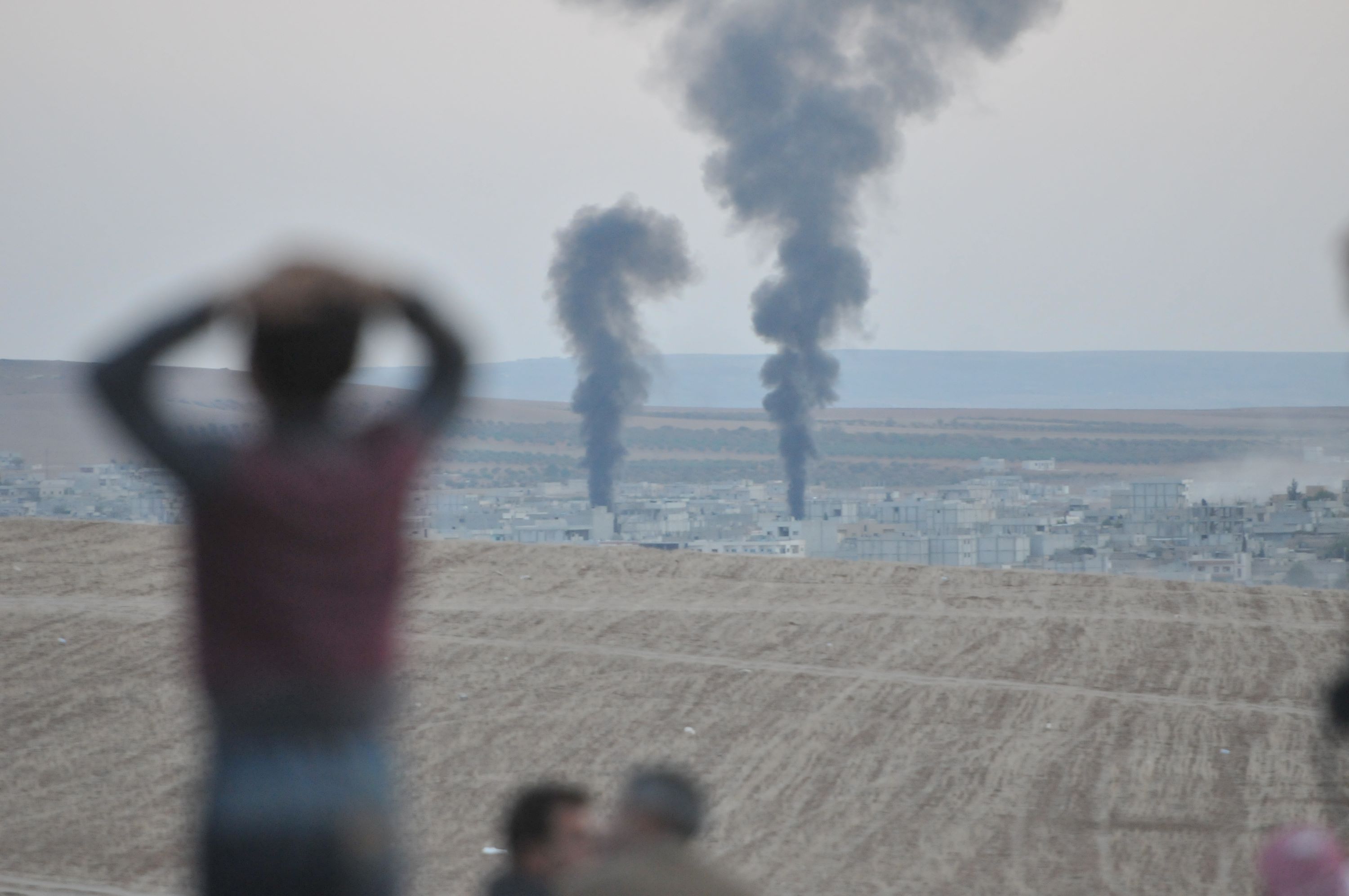
When war is on your doorstep - the impossible road taken by a citizen journalist
REPORTER'S NOTEBOOK: The 11-year war in Syria has shone a light on the struggles of local journalists who are often dismissed as ‘mere’ activists and whose plight is largely ignored by the international community.
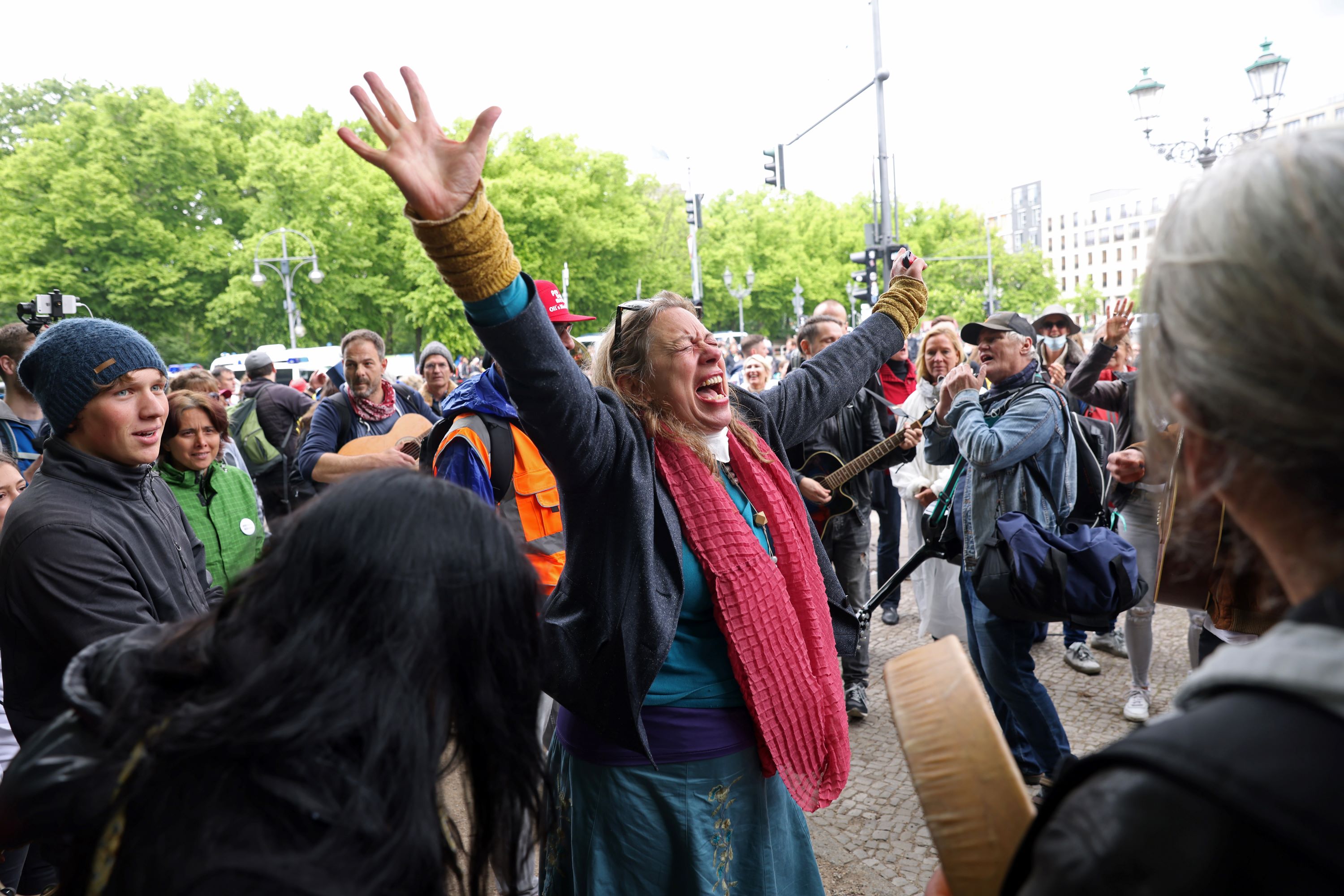
'Both sides’ journalism does not always show us the truth
Journalists are bound to tell the truth, not give platforms to positions which are demonstrably wrong in a misguided attempt to be ‘impartial’.
Forget superheroes - science journalists will save the world
Science journalism is not just about test tubes, it's about everything. And the past few years have shown that the world needs science journalists more than ever before.
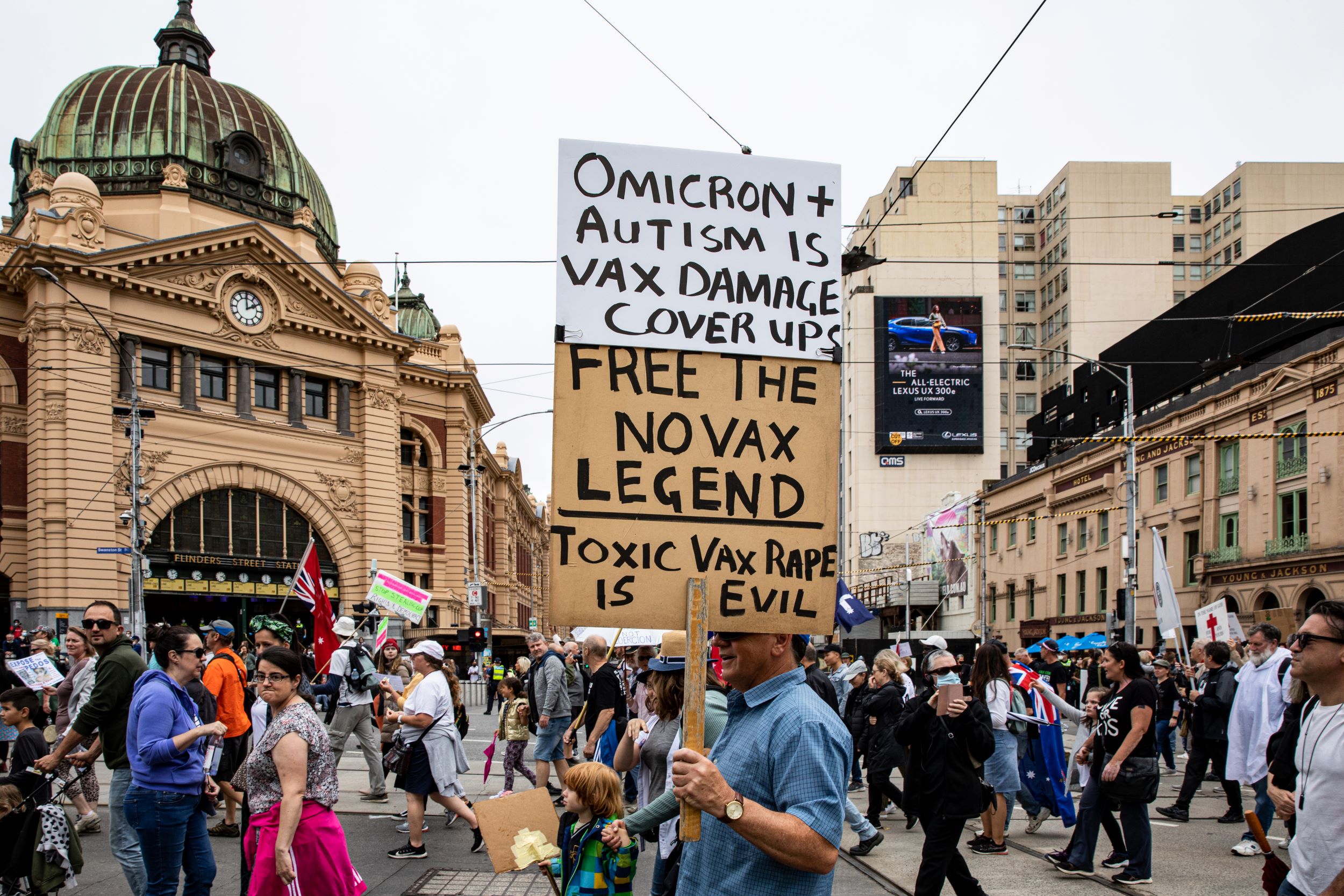
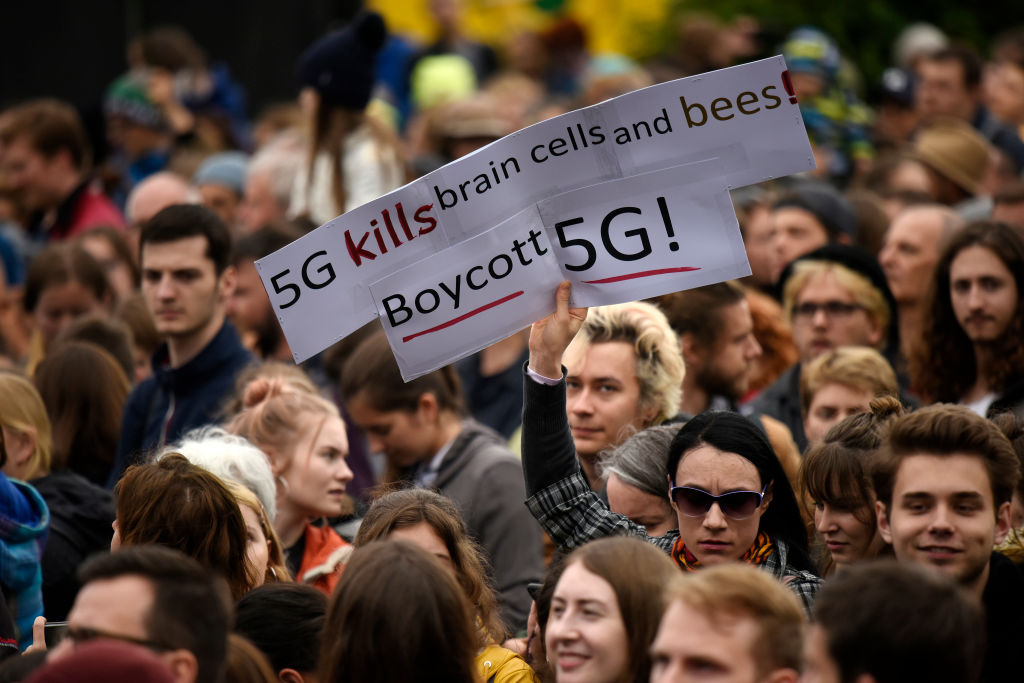
Can you spot the fake news? Steering clear of conspiracies in science journalism
The world is full of fake news, nowhere more so than when it comes to scientific issues, so science journalists must develop a keen sense of scepticism. We look at why it’s so important to keep a clear head and search out the facts.

How to do science journalism - and do it right
THE LONG READ: With a new variant of COVID-19 sweeping the world, putting healthcare systems under strain, good science journalism has never been more important. This is our guide to how to report responsibly, accurately and ethically on scientific issues.
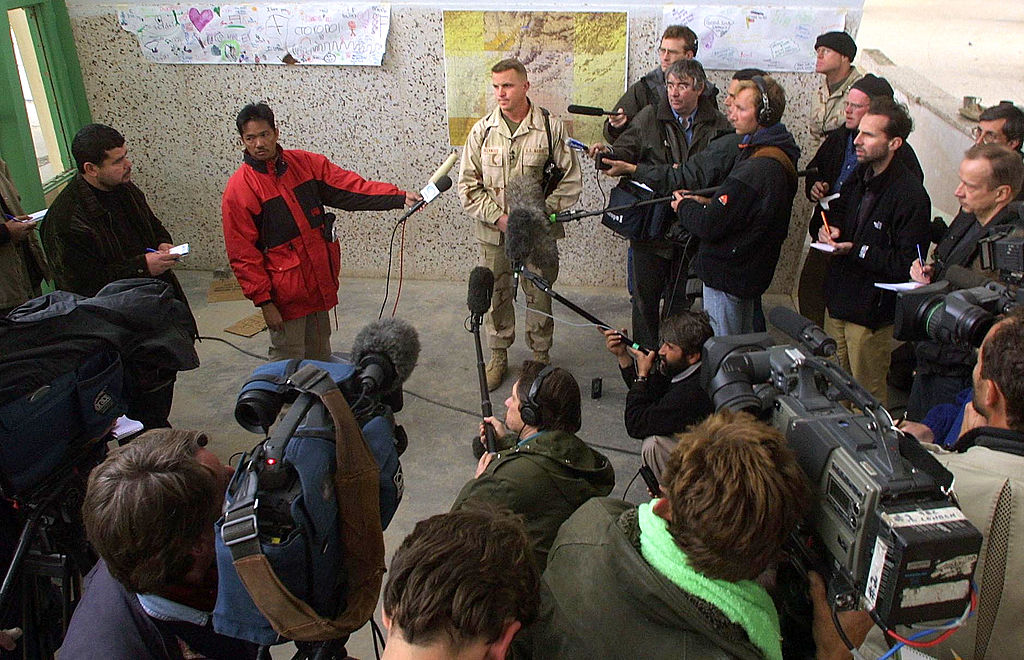
‘Kill the rented journalists’ - the reality of life for local journalists and fixers left behind in Afghanistan
THE LONG READ: The recent takeover of Afghanistan by the Taliban shines a light on the often exploitative relationship between Western foreign correspondents and the Afghan ‘fixers’ they leave behind.
Opinion
Jean-Pierre Afadhali
How to Protect News and Information Integrity During Elections
An analysis of threats to Kenya’s media landscape ahead of the August 2027 elections finds that AI deepfakes, synthetic media, and coordinated online campaigns threaten voter choice and democratic…
Hani Bishr
Docudrama: Aesthetic Narration as an Alternative to the Missing Camera!
The use of drama in documentaries sparks a debate between fears of fabrication and the celebration of filling gaps left by missing visual archives. This hybrid format occupies a middle ground,…
Anas al-Shaara
Moroccan Journalism Between State Support and Market Dominance: Can the “Information Economy” Save the Profession?
Moroccan journalism remains trapped between state dependency and market pressure, and its survival may depend on turning information into sustainable public value rather than cheap content for…
Diaries
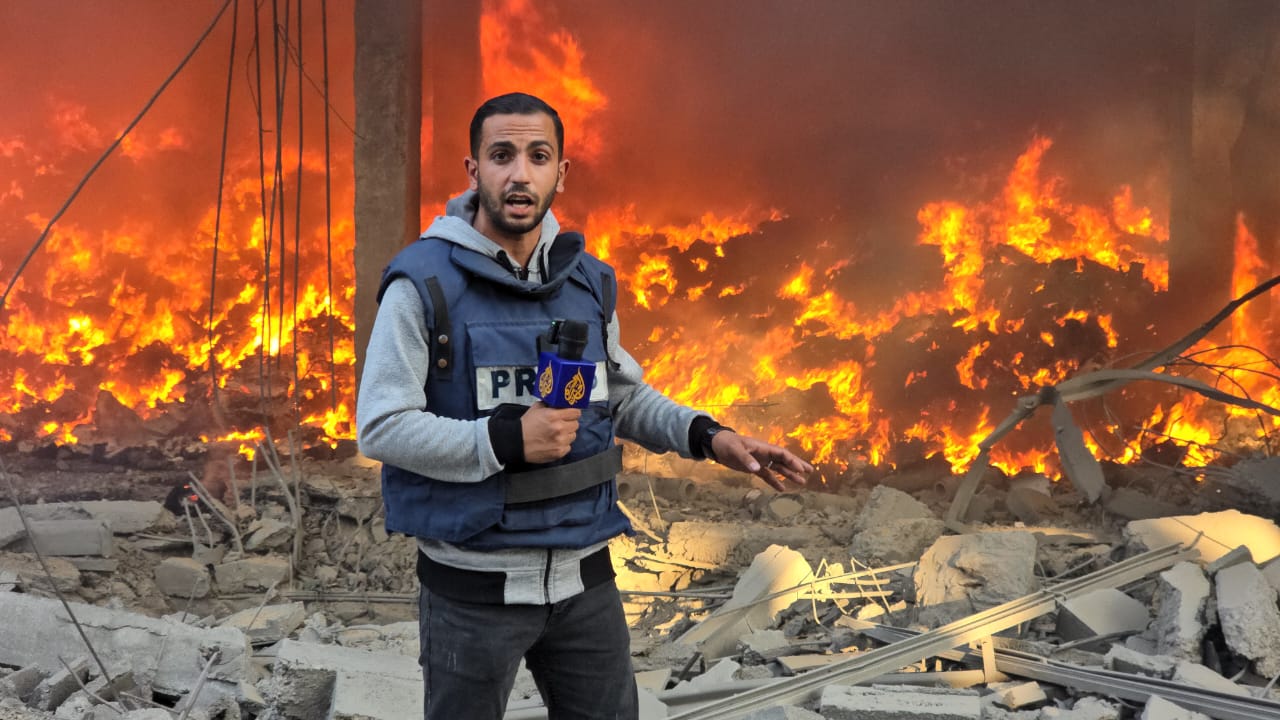
Anas al-Sharif: “I am the owner of a cause before I am a journalist”
From documenting the occupation's crimes on social media platforms to covering the war of genocide on Al Jazeera, journalist Anas Al-Sharif defied harsh field conditions and the lenses of snipers. He lost his father and a number of his loved ones, yet he chose to convey the "Palestinian narrative to the world." In this interview, we get to know the face and features of a Palestinian journalist stripped of protection and faithful to the belief that "coverage continues."

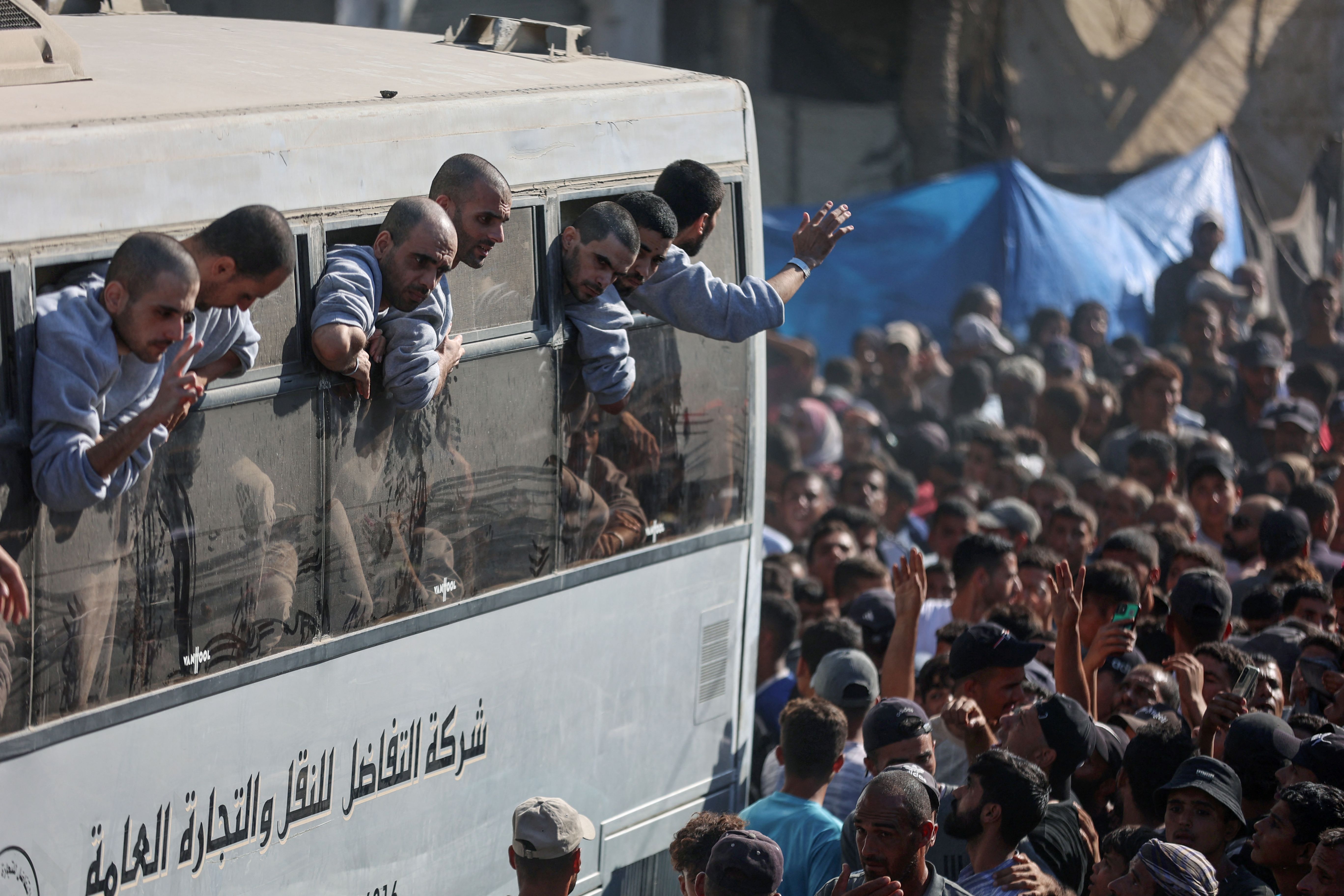
In Gaza… Testimonies That Have Not Been Told
Beyond the frontline dangers, reporting during the Israeli war involves enduring arrest, torture, systematic incitement, and assassination. This reality forces journalists into a relentless struggle to keep reporting from the depths of mass displacement, starvation, and a complete breakdown of daily infrastructure.
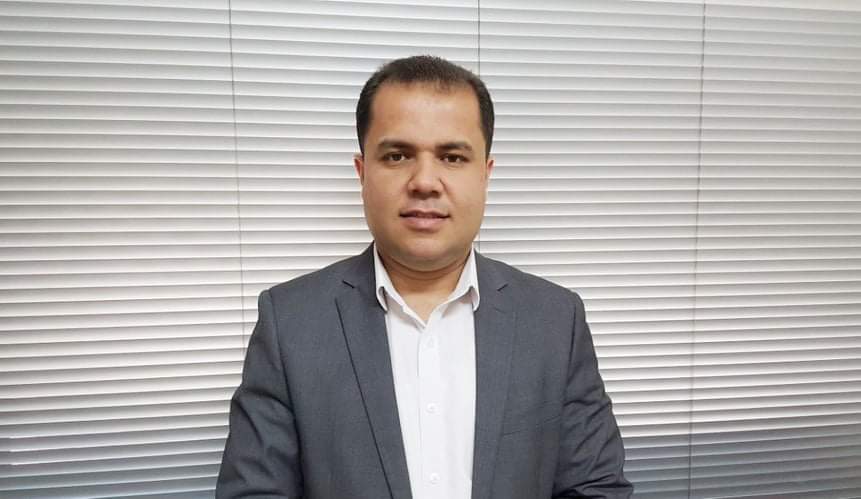
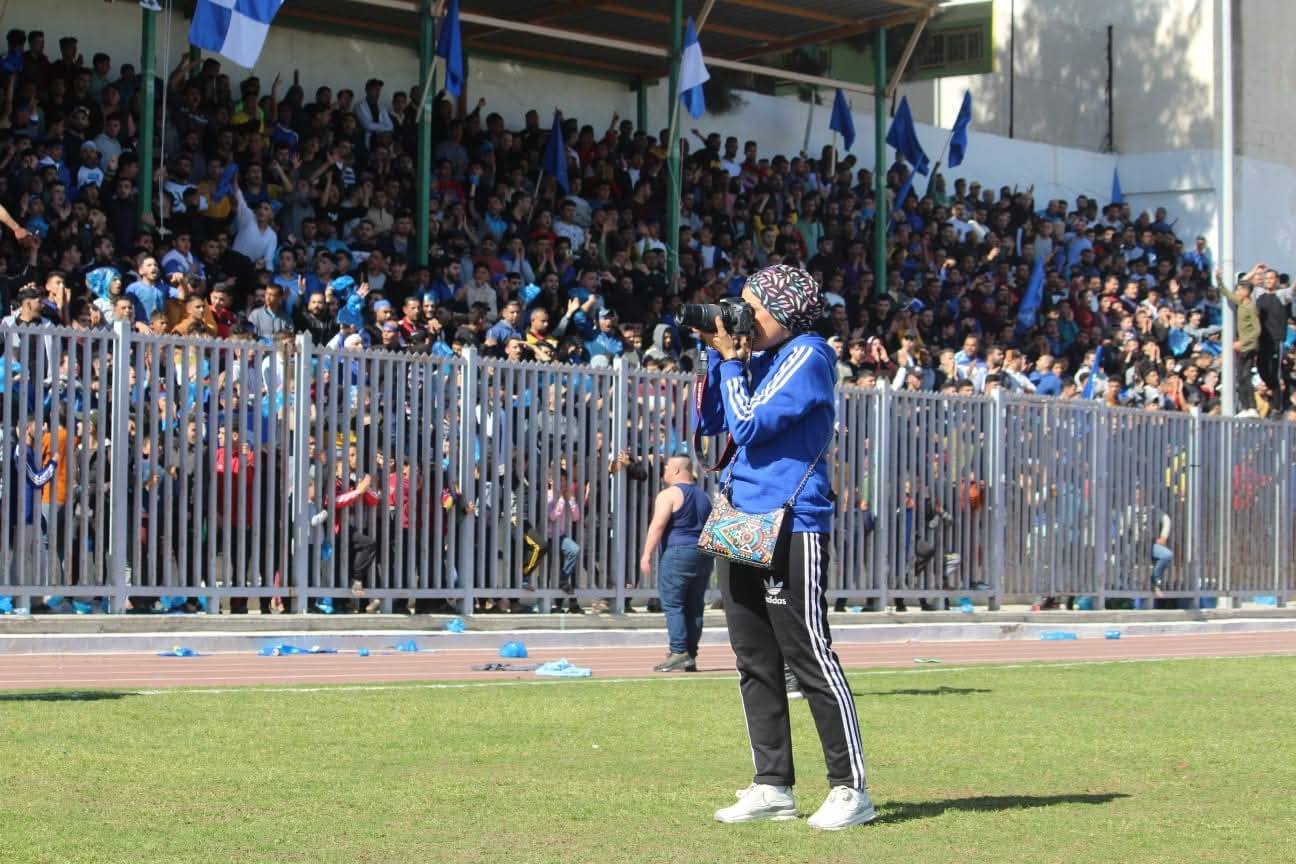
Journalism in Gaza: A Struggle for Survival
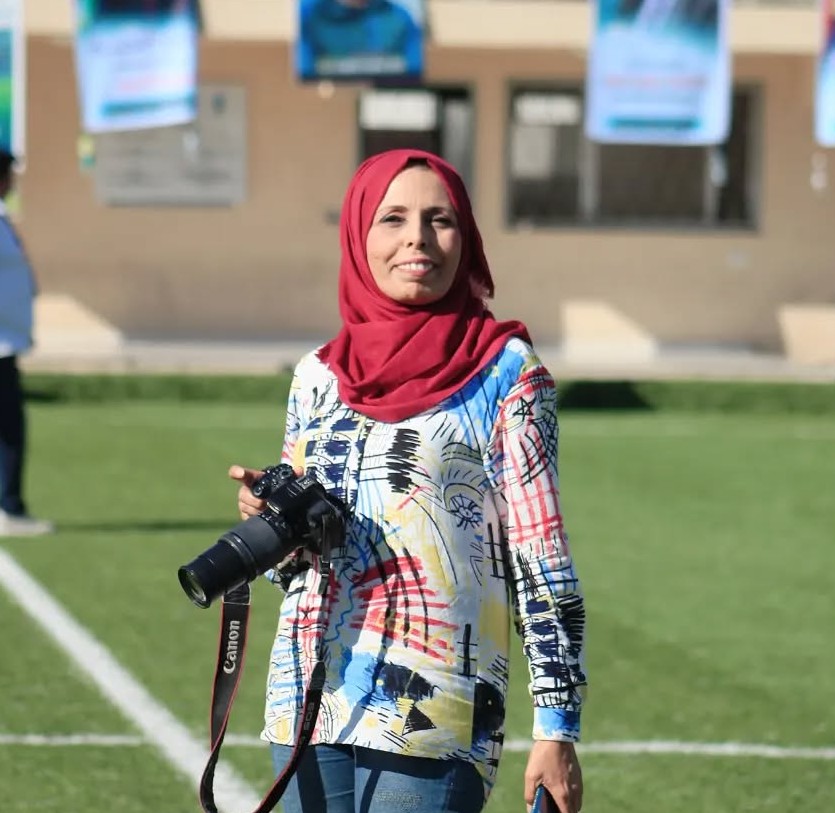
In Gaza, journalism becomes inseparable from the life it documents: reporting continues not from a distance, but from within the same fear, grief, and instability it tries to record.
Reports
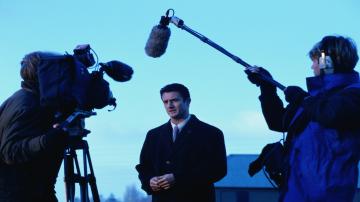
Common Mistakes Made by Television Correspondents
Television correspondents earn trust not by being first or omniscient, but by reporting what they can verify, using images responsibly, resisting performance and speculation, and putting accuracy before speed.
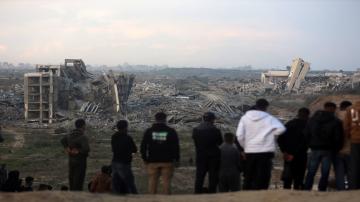
Priorities for Media Recovery in Gaza
Rebuilding Gaza’s media requires more than restoring equipment and newsrooms: it means protecting and supporting journalists, rebuilding institutions, strengthening professional standards, and preserving journalism’s role as a living witness to the truth.
Will We Write A Falsified History In The Future?
The digital transition of journalism has exposed a growing archive reliability gap, where online news documents are often subject to fake news, content manipulation, and a lack of verification mechanisms, challenging their role as official historical records.
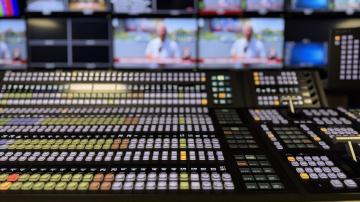
Editorial Workflow in Television Journalism: From Oversight to Quality
Quality television journalism relies on cohesive teamwork rather than individual multitasking. A functional hierarchy is key, restoring the "gatekeeper" role by verifying facts and shielding the public from fake news and propaganda, especially in complex, high-tension environments.

Nepal’s Deadly Floods Expose a Newsroom Safety Gap
Nepal’s deadly floods exposed a wider South Asian newsroom safety gap, where many journalists are often sent into dangerous assignments without formal risk assessments, adequate training, protective equipment, evacuation plans or mental-health support.
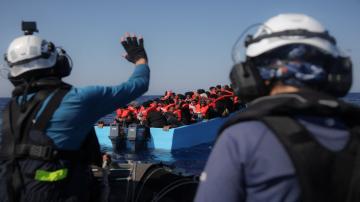
The migrant issue in Libya: did the media pass the test of professionalism?
Libya’s migration debate has become a test of whether the media can report legitimate public concerns without laundering rumours, fuelling hate, or turning vulnerable migrants into scapegoats.