كيف تغير المصادر المفتوحة شكل الصحافة الرياضية؟

كيف تغير المصادر المفتوحة شكل الصحافة الرياضية؟

لم يعد كأس العالم حدثا كرويا تجري وقائعه داخل المستطيل الأخضر فقط، ولم تعد تغطيته حكرا على كاميرات البث الرسمي أو المؤتمرات الصحفية أو تصريحات المدربين بعد المباريات. اليوم في نسخة 2026 التي تتوزع بين الولايات المتحدة وكندا والمكسيك، يجد الصحفي الرياضي نفسه أمام بطولة عابرة للحدود، شاسعة جغرافيّاً وكثيفة جماهيريّاً.

 هذه المساحات  المتنوعة تضع الصحفي في حيرة وأيضاً أمام فرص لا نهائية من مصادر الأخبار؛ من الملاعب والمطارات والفنادق ومناطق المشجعين وشبكات النقل ومنصات التواصل والرحلات الجوية وأسعار الإقامة والحملات الرقمية والفيديوهات المفاجئة والشائعات التي قد تنتشر أسرع من صافرة الحكم.

هنا تحديدا، يصبح التعامل مع المصادر المفتوحة (OSINT) مهارة أساسية من مهارات الصحفي الرياضي؛ فهي لا تحلّ محلَّ الصحفي في الملعب، ولا تغني عن المقابلة أو الخبرة الفنية أو قراءة المباراة، لكنها تمنحه عينا إضافية في أماكن لا يستطيع الوصول إليها، ووسيلة للتحقق مما يتداوله الجمهور، وطريقة لاكتشاف زوايا تغطية لا تظهر في النشرات الرسمية.


من الصحفي الرياضي إلى الصحفي المتحقق

أولى مهام الصحفي الرياضي في هذه البطولة ليست فقط وصف الأهداف وتغطية المنافسات، بل التعامل مع سيل هائل من المواد المتدفقة عبر الإنترنت. على سبيل المثال، يمكن الوقوف عند مقطع فيديو يزعم وقوع اشتباك بين جماهير منتخبين، أو صورة تدعي إظهار ازدحام خانق أمام ملعب، أو فيديو لاحتجاجات على تنظيم النقل، أو منشور عن تأخر وصول منتخب، أو خريطة تزعم انهيار خدمات مدينة مضيفة.

في مثل هذه الحالات، يجب أن يتوجه الصحفي نحو الأسئلة الأهم: هل هذا صحيح؟ أين صُوِّر؟ متى صُوِّر؟ من نشره أول مرة؟ وهل يعكس واقعة عامة أم حالة فردية معزولة؟

أحد أبرز النماذج هي تداول فيديوهات قديمة في سياقات حديثة وغير سليمة؛ مثلا تداولت حسابات على منصات التواصل مقطعا زعمت أنه يوثق وصول جماهير المنتخب الهولندي إلى الولايات المتحدة استعدادا لمباريات كأس العالم 2026، غير أن البحث العكسي كشف أن المشاهد قديمة، ونُشرت في يونيو/حزيران 2024، وتعود إلى تجمع لمشجعي هولندا في مدينة هامبورغ الألمانية قبل مباراة ضمن بطولة أمم أوروبا 2024.

 تبدأ عملية التحقق من تفكيك الفيديو إلى لقطات ثابتة، ثم البحث عنها في محركات متعددة وعبر أدوات البحث العكسي، ومقارنة النتائج بتاريخ النشر الأول واللغة المستخدمة والسياق الأصلي.

بعد ذلك تأتي مرحلة تحديد الموقع الجغرافي، وهنا يتحول الصحفي إلى قارئ بصريّ للتفاصيل الصغيرة؛ مثل لافتة متجر وشكل رصيف ولون حافلة ونوع أعمدة الإنارة وواجهة محطة قطار ولوحة مرورية ومدخل ملعب، أو حتى شكل الجبال في الخلفية إذا كان التصوير في مدينة مكسيكية أو كندية.

توفر الفيديوهات المنشورة من الجماهير مادة لا تقدر بثمن للصحفي الرياضي؛ فهي تلتقط ما لا تلتقطه كاميرا البث الرسمي: لحظة ارتباك في مدخل الملعب، انتظار طويل في محطة قطار، مشادة في منطقة مشجعين. لكنها في الوقت نفسه قد تكون أكثر المواد عرضة للتلاعب، سواء عبر تغيير السياق أو دمج صوت مع صورة أو اقتطاع اللقطة من تسلسلها الكامل أو استخدام تعليق مضلل.

الفيديوهات مفتوحة المصدر فرصة وفخ

توفر الفيديوهات المنشورة من الجماهير مادة لا تقدر بثمن للصحفي الرياضي؛ فهي تلتقط ما لا تلتقطه كاميرا البث الرسمي: لحظة ارتباك في مدخل الملعب، انتظار طويل في محطة قطار، مشادة في منطقة مشجعين. لكنها في الوقت نفسه قد تكون أكثر المواد عرضة للتلاعب، سواء عبر تغيير السياق أو دمج صوت مع صورة أو اقتطاع اللقطة من تسلسلها الكامل أو استخدام تعليق مضلل.

مثال على هذه الحالة: نشرت حسابات رسمية تابعة لسفارات إيرانية فيديو زعمت أنه يوثق عرضا ضخما للاحتفاء بمنتخب إيران خلال حفل افتتاح كأس العالم في الولايات المتحدة. وتظهر في المشاهد مجسمات عملاقة وعروض بصرية داخل أحد الملاعب، تتخللها رموز وعناصر مستوحاة من التراث الإيراني، وهو ما أكسب المقطع طابعا واقعيا وساعد على تداوله.

لذلك يجب ألا يتعامل الصحفي مع فيديو الجمهور باعتباره دليلا نهائيا من اللحظة الأولى؛ عليه أن يخضعه لسلسلة أسئلة: هل الحساب الذي نشره موثوق به؟ هل نُشر من موقع الحدث فعلا؟ هل لدى الناشر سجل سابق من المواد الأصلية؟ هل توجد مقاطع أخرى للواقعة نفسها من زوايا مختلفة؟ هل يتطابق الصوت مع الصورة؟ هل الهتافات الظاهرة تخصّ المنتخب المذكور فعلا؟ هل اللوحات والإعلانات والملابس والملاعب متسقة مع المكان والزمان؟

يجب أن يكون الصحفي دقيقا في لغته؛ فليس كلُّ تفاعل كثيف حملةً منظمة، وليس كل غضب شعبي لِجانا إلكترونية. المطلوب هو البحث عن مؤشرات واضحة مثل: تكرار النصوص، نمط النشر وتوقيته، عمر الحسابات، التشابه في الصور، الروابط المشتركة، القفز المفاجئ في الوسوم، انتقال الحملة بين منصات مختلفة. وعندما تتوافر هذه المؤشرات، تصبح القصة أعمق من مجرد غضب رياضي؛ تصبح قصة عن كيفية صناعة الرأي حول البطولة.

زوايا تغطية تتجاوز الملعب

المصادر المفتوحة تمنح الصحفي الرياضي قدرة على توسيع مفهوم التغطية؛ فالمونديال ليس مباريات فقط، بل نظام ضخم تتحرك داخله الجماهير والسلطات والشركات والمنظمون والمنتخبات.

ومن أهم الزوايا الممكنة، تتبّعُ تجربة المشجعين غير المفلترة بحيث يمكن للصحفي أن يراقب ما ينشره الجمهور حول تحركاته نحو أو خارج الملعب؛ ليقارن بين الرواية الرسمية عن التنظيم وبين التجربة اليومية للمشجعين.

وهنا يطرح الصحفي أسئلة حيوية مثل: هل النقل سلس؟ هل الازدحام طبيعي؟ هل ارتفعت الأسعار؟ هل توجد مشكلات في التذاكر؟ هل تختلف التجربة بين مدينة وأخرى؟

تتبّع حركة الفرق والجماهير يمثل زاوية أخرى، ويمكن استخدام بيانات الطيران العامة لفهم نمط تنقل المنتخبات بين المدن، أو تحليل الضغط على المطارات قبل مباريات كبرى، أو رصد أثر المسافات الطويلة بين المدن المضيفة على الراحة والاستعداد.

يُظهر فيديو نشرته حسابات على إكس تدفقا كبيرا للجماهير المصرية في شوارع مدينة سياتل الأمريكية قبيل مباراة منتخب بلادهم مع منتخب بلجيكا. ويكشف الفيديو حشودا ضخمة في مسيرة باتجاه إلى الإستاد. هنا يذهب الصحفي مسرعا إلى خرائط جوجل ليكشف عن طبيعة الازدحام في هذه المنطقة والطرق الخالية والاتجاهات الأخرى إلى الإستاد.

لكن هذه البيانات لا يجب أن تتحول إلى كشف تفصيلي عن أماكن إقامة اللاعبين أو تحركات عائلاتهم أو معلومات قد تمس سلامتهم وخصوصيتهم؛ فالصحفي هنا مطالب بأن يوازن بين حق الجمهور في المعرفة وحق الأفراد في الأمان.

هناك أيضا اقتصاديات المونديال الخفية؛ حيث يمكن للصحفي أن يرصد أسعار السكن القصير الأجل في المدن المضيفة قبل المباريات وبعدها، وأن يتابع كيف تتغير الأسعار مع تأهل منتخب جماهيري أو خروجه. وقد تكشف البيانات علاقة البطولة بالسكان المحليين وانعكاساتها عليهم، دور الصحفي في هذه الحالة أن يقدم سياقاً أعمق ومداخلَ لفهم أبعاد جديدة حول البطولة.


رصد المزاج العام والحملات المنظمة

في كل بطولة كبرى، تتحول منصات التواصل إلى ملعب موازٍ؛ فقد يؤدي قرار تحكيمي واحد لإطلاق عاصفة رقمية، وخطأ  لاعب قد يجعله هدفا لحملات تشويه، وغيرها. هنا يمكن للصحفي الرياضي استخدام أدوات الاستماع الاجتماعي (social Listening) لرصد اتجاهات النقاش؛ هل هي حقيقية وعفوية أم مدفوعة بحسابات وهمية؟

يجب أن يركز الصحفي على كشف الحملات المنظمة؛ إذ إن ظهور آلاف المنشورات بالصيغة نفسها، وفي توقيت متقارب، ومن حسابات حديثة الإنشاء، يعني أننا أمام "شبكة تضخيم" لا أمام رأي جماهيري طبيعي، وقد تستهدف هذه الشبكات لاعبا أو حكما أو اتحادا وطنيا أو حتى دولة مضيفة.

ويمكن أن نستذكر كيف استغلّت حسابات أمريكية وإسرائيلية استضافة كأس العالم 2026 لتكثيف حملات رقمية ضد عمدة نيويورك زهران ممداني، عبر اجتزاء ظهوره في المباريات ورسائله الرسمية، وتحريف استخدامه اللغة العربية في سياقات سياسية ودينية مضللة.

في هذه الحالات يجب أن يكون الصحفي دقيقا في لغته؛ فليس كلُّ تفاعل كثيف حملةً منظمة، وليس كل غضب شعبي لِجانا إلكترونية. المطلوب هو البحث عن مؤشرات واضحة مثل: تكرار النصوص، نمط النشر وتوقيته، عمر الحسابات، التشابه في الصور، الروابط المشتركة، القفز المفاجئ في الوسوم، انتقال الحملة بين منصات مختلفة. وعندما تتوافر هذه المؤشرات، تصبح القصة أعمق من مجرد غضب رياضي؛ تصبح قصة عن كيفية صناعة الرأي حول البطولة.

 الأمر نفسه ينطبق على التذاكر؛ حيث تتيح المصادر المفتوحة تتبع شبكات السوق السوداء لرصد الأسعار وأنماط الاحتيال؛ لتحذير الجمهور من التورط في التعامل معها.

تغطية كأس العالم 2026 من المصادر المفتوحة ليست مجرد تمرين تقنيّ. إنها تحوّلٌ في طريقة التفكير الصحفي الذي لم يعد ناقلا لما يحدث في المباراة فقط، بل صار مطالبا بقراءة المجال الكامل الذي تتحرك فيه البطولة بكل تفاصيلها: الجمهور والمدن والنقل والمال والبيئة والمنصات والشائعات، وصولا إلى التحليل من زوايا جديدة.


صحافة رياضية بعين أوسع

تغطية كأس العالم 2026 من المصادر المفتوحة ليست مجرد تمرين تقنيّ. إنها تحوّلٌ في طريقة التفكير الصحفي الذي لم يعد ناقلا لما يحدث في المباراة فقط، بل صار مطالبا بقراءة المجال الكامل الذي تتحرك فيه البطولة بكل تفاصيلها: الجمهور والمدن والنقل والمال والبيئة والمنصات والشائعات، وصولا إلى التحليل من زوايا جديدة.

في هذا المونديال، قد تأتي القصة من لقطة مشجع في المدرج أو من ظل يظهر في فيديو قصير أو من ارتفاع مفاجئ في أسعار الشقق أو من رحلة جوية طويلة بين مدينتين أو من وسم غاضب تقوده حسابات وهمية. وبين هذا كله، يبقى جوهر العمل الصحفي ثابتاً: لا تنشر قبل أن تتحقق ولا تكتفِ بما تراه الكاميرا الرسمية ولا تنخدع بضجيج المنصات.
More Articles

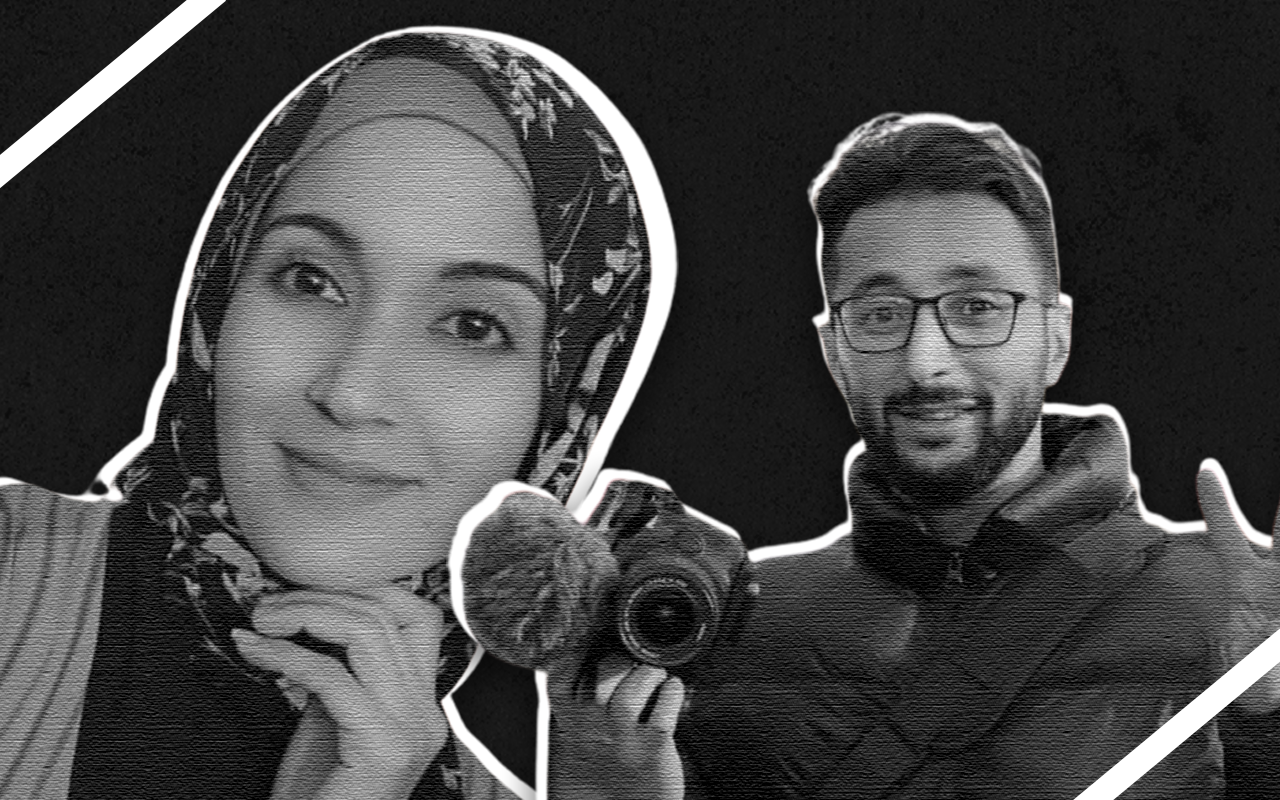
Mohamed al-Khalidi and Marwa Muslim: Forgotten in Life, Vindicated in Death

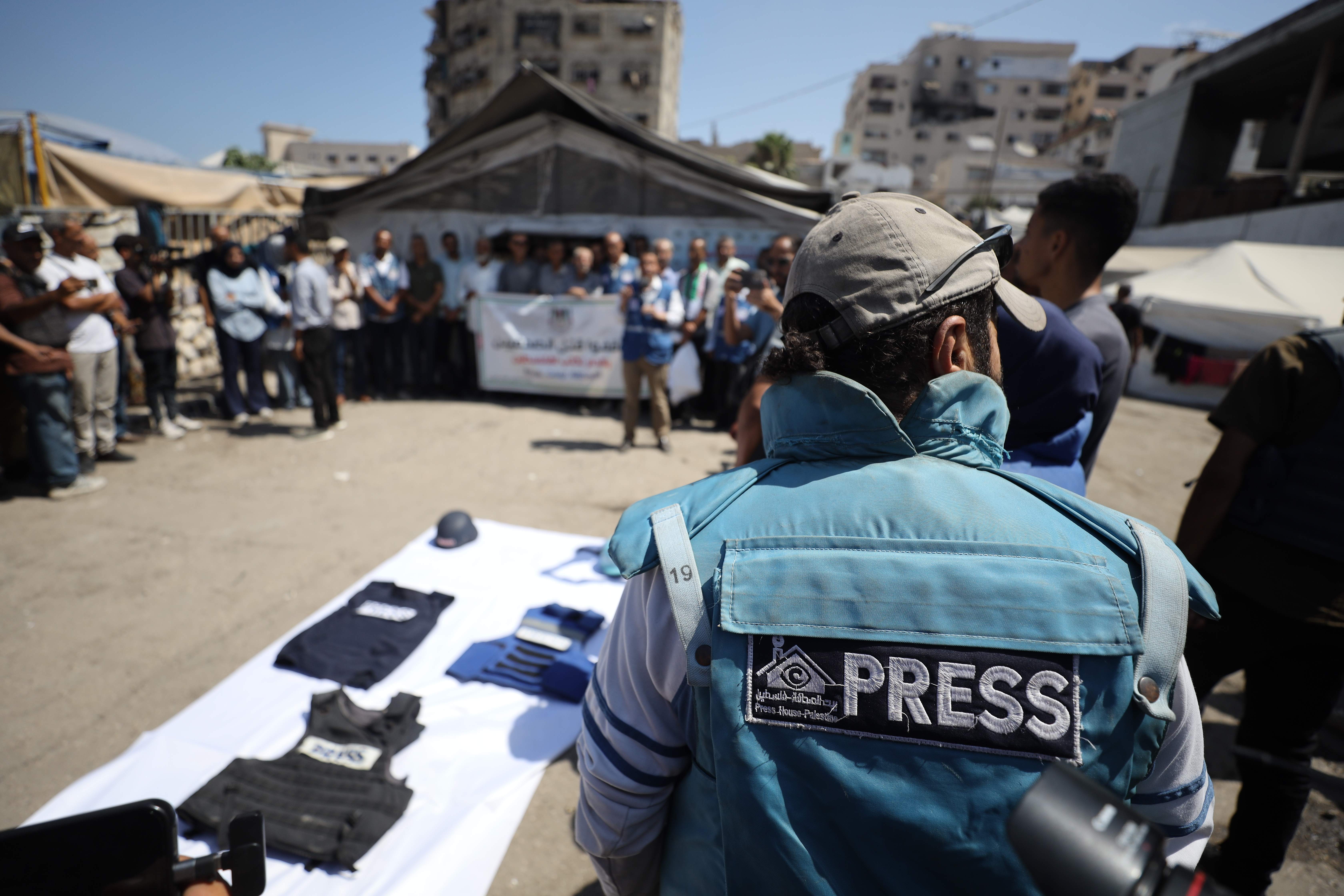
The occupation killed journalists Mohamed al-Khalidi and Marwa Muslim as part of a systematic pattern of targeting the press, but throughout their careers they also faced neglect, marginalisation, and a lack of recognition. Colleague Maysoun Kahil tells their story, and asks why Palestinian journalists are so often honoured only after death, rather than supported in life.

Maysoun Kahil Published on: 17 Jun, 2026
The Double Ordeal of Freelance Journalists in Gaza

Independent journalists in Gaza face a dangerous double battle. Working without institutional protection or financial safety nets, they risk their lives to report the reality of war, overcoming severe resource shortages and systemic neglect to ensure the world hears the truth.

Noor Abu Rokba Published on: 14 Jun, 2026
Reporting on People Who Cannot Leave

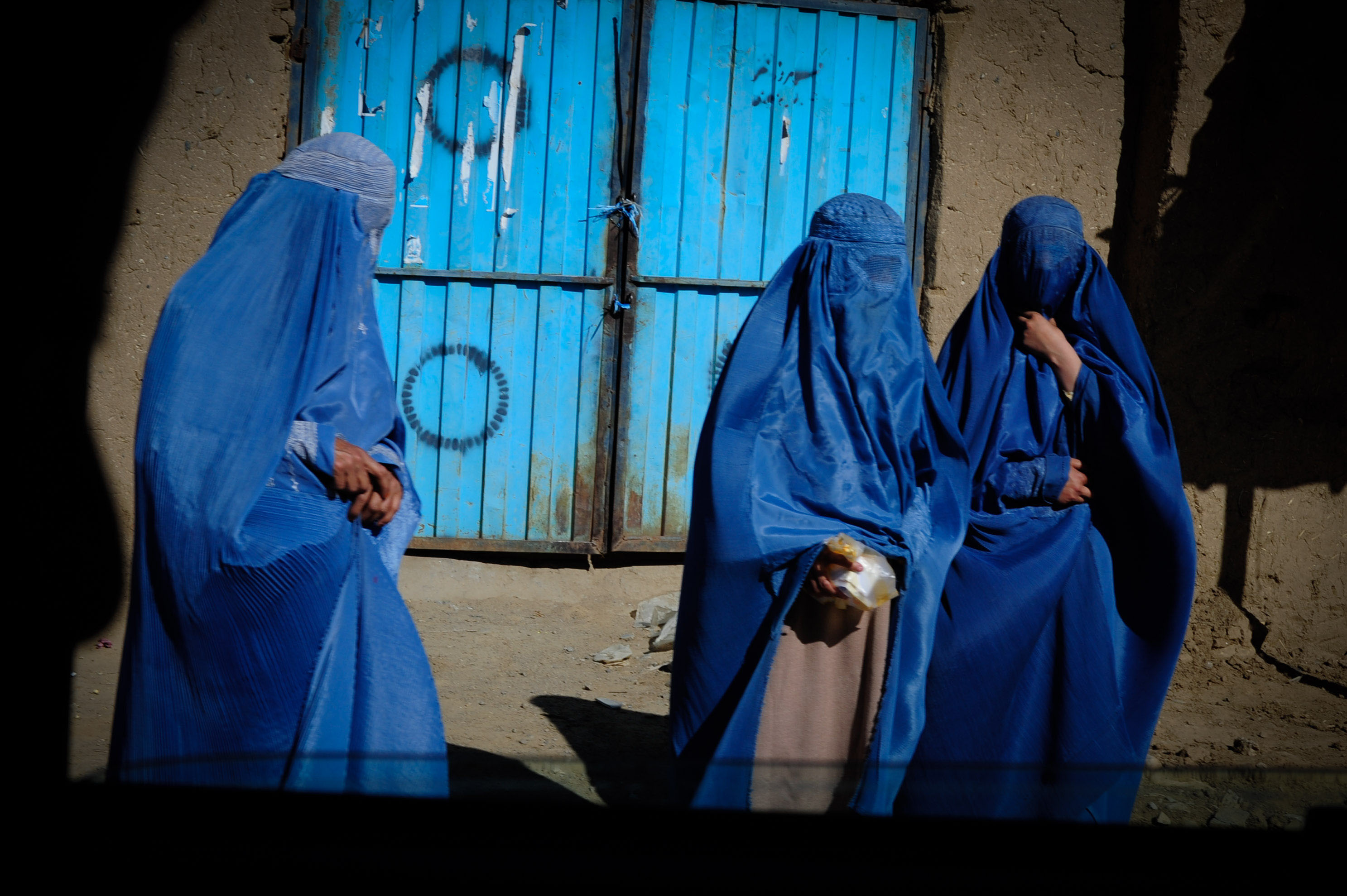
The arrest of an Afghan female athlete after appearing in a Dutch documentary highlights the dangers of reporting under authoritarian rule. It underscores a growing dilemma in journalism regarding how to amplify the voices of vulnerable people without accidentally turning them into targets for the regime.

Sayed Jalal
Sayed Jalal Shajjan Published on: 4 Jun, 2026
Journalism After the Genocide in Gaza: One War Has Ended, and Other Wars Have Begun!

The post-ceasefire reality for Gaza’s journalists reveals a challenging shift from documenting active daily bombardment to navigating an overwhelming landscape of community and structural ruin. The pressure on reporters appears set to escalate as they struggle to rebuild their own lives from absolute zero while fighting to ensure that ongoing human suffering, systemic displacement, and political marginalization are accurately documented and held to account.

Yousef Fares
Yousef Fares Published on: 17 May, 2026
The Vanishing Foreign Desk: What U.S. Media Cuts Mean for South Asia

Recent restructuring at Voice of America and The Washington Post marks a significant withdrawal from global journalism, particularly affecting coverage in South Asia. As these major institutions cut staff and close foreign bureaus, the loss of experienced expertise threatens the visibility of critical regional issues like human rights and climate change. This shift forces a move toward narrative independence for local media, yet leaves a dangerous gap in the global conversation that smaller newsrooms struggle to fill.

Sajid Raina
Tauseef Ahmad, Sajid Raina Published on: 8 May, 2026
US-Iran Islamabad Talks: How Journalists Report from Outside Closed Doors

The "Islamabad Talks" highlight a growing contradiction in modern diplomacy where journalists are physically present but denied direct access to negotiations. The pressure on transparency appears set to intensify as reporters are forced to trade traditional eyewitnessing for outside in investigation and geopolitical speculation.

Anam Hussain
Anam Hussain Published on: 2 May, 2026
Malawi Investigates Poor Pay and Working Conditions for Junior Journalists

Malawi’s investigation into poor pay for junior journalists exposes a deeper crisis where economic hardship is eroding media independence and forcing reporters to choose between ethical integrity and survival.

Benson Kunchezera Published on: 30 Apr, 2026
Why Anonymous Sources Are Fading from Indian Journalism

A generation of reporters-built careers on confidential sources, many now write without them.

Kamran Yousuf
Kamran Yousuf Published on: 19 Apr, 2026
From Print to Pixels: How Small-Town Journalists in Bihar Are Surviving Threats and Closures

As newspapers vanish across districts like Siwan, Gaya, and Purnea, reporters turn to mobile phones, digital start-ups and community networks to keep local journalism alive.

Rehan Qayoom Mir. An independent journalist whose work has appeared in international and national outlets,
Rehan Qayoom Mir, Sajad Hameed Published on: 12 Apr, 2026
AI, Copyright Reform and the Fragile Reinvention of Indian Journalism

India’s proposed AI copyright framework risks turning independent journalism into a pooled data resource, undermining the subscription-based models that sustain it. At a moment of political and economic fragility, the struggle over AI licensing is ultimately a struggle over who controls, values, and profits from journalistic work.

Arsalan Bukhari, an independent journalist based in India
Arsalan Bukhari Published on: 31 Mar, 2026
The Challenge of Reporting in Chechnya

Independent journalism no longer exists as a functioning practice inside Chechnya. What remains is a profession rebuilt in exile, forced to operate at a distance from the very place it is meant to cover.

Rushda Fathima Khan
Rushda Fathima Khan Published on: 29 Mar, 2026
Journalism in Gaza: A Struggle for Survival

In Gaza, journalism becomes inseparable from the life it documents: reporting continues not from a distance, but from within the same fear, grief, and instability it tries to record.

Nelly Al-Masri Published on: 25 Mar, 2026
From News Reporting to Documentation: Practical Lessons from Covering the War on Gaza

From the very first moment of the genocidal war waged by Israel on Gaza, Al Jazeera correspondent Hisham Zaqout has been a witness to hunger, devastation, war crimes, and the assassination of his colleagues in the field. It is a battle for survival and documentation, one that goes beyond mere coverage and daily reporting.

Hisham Zakkout Published on: 26 Jan, 2026
Polarised, Intimidated, Silenced: The Media Under Siege in Cameroon’s Election

Cameroon’s 2025 presidential election exposed a troubling paradox: a nation voting under the watchful eye of power, while its press remained silenced. From the arrest of a teenage reporter to bans on political debate and digital manipulation, freedom of expression is under siege, and journalism is on trial.

Shuimo Trust Dohyee
Shuimo Trust Dohyee, Ngweh Rita Published on: 22 Jan, 2026
Investigating the Assassination of My Own Father

As a journalist, reporting on the murder of my father meant answering questions about my own position as an objective observer.

Diana López Zuleta
Diana López Zuleta Published on: 16 Jan, 2026
Reporting Under Fire: The Struggle of African Journalists Facing Intimidation

African journalists who expose corruption and power now face a brutal mix of arrests, torture, digital surveillance, and lawsuits meant to drain their resources and silence them. From Ethiopia, Nigeria, Malawi, Benin, Sudan, Uganda, and Kenya to exile in Canada, reporting the truth has become an act of personal survival as much as public service.

Nigerian freelance Journalist John Chukwu
John Chukwu Published on: 4 Dec, 2025
Shipwrecked Narratives: How to Keep Migration Stories Afloat

Migration stories don’t become real until you meet people in the journey: the carpenter carrying photos of his fantasy coffins, or the Libyan city worker burying the forgotten dead, or the Tatar woman watching her livelihood collapse at a militarised border. Following these surprising human threads is the only way journalism can cut through collective exhaustion and make readers confront a crisis they’ve been trained to ignore.

صحفي مستقل ومدرب إعلامي، نشرت مقالاته في الغارديان، والجزيرة الإنجليزية، وبوليتيكو، وميدل إيست آي، وذا إندبندنت، وغيرها.
Karlos Zurutuza Published on: 30 Nov, 2025
What It Means to Be an Investigative Journalist Today

A few weeks ago, Carla Bruni, wife of former French president Nicolas Sarkozy, was seen removing the Mediapart logo from view. The moment became a symbol of a major victory for investigative journalism, after the platform exposed Gaddafi’s financing of Sarkozy’s election campaign, leading to his prison conviction. In this article, Edwy Plenel, founder of Mediapart and one of the most prominent figures in global investigative journalism, reflects on a central question: what does it mean to be an investigative journalist today?

Edwy Plenel
Edwy Plenel Published on: 27 Nov, 2025
A Sudanese Journalist in the Grip of the Rapid Support Forces

She was arrested, tortured, nearly raped, threatened with death, and subjected to degrading abuse. Her brother was brutally mistreated in an effort to locate her. In the end, her family had to pay a ransom to secure her release. She sought refuge abroad, but eventually returned to Sudan to continue documenting the war’s toll, particularly in El Fasher, a city now under siege. This is the harrowing account of a Sudanese journalist detained and tortured by the Rapid Support Forces.

Empty screen
Sudanese Female Journalist Published on: 3 Nov, 2025
Zapatismo and Citizen Journalism in Chiapas, Mexico

In Chiapas, independent journalists risk their lives to document resistance, preserve Indigenous memory, and challenge state and cartel violence. From Zapatista films to grassroots radio, media becomes a weapon for dignity, truth, and survival.

Ana Maria Monjardino
Ana Maria Monjardino Published on: 26 Oct, 2025
Journalists Under Occupation; Palestinian Journalists in the West Bank

Palestinian journalists in the West Bank face extreme physical danger, psychological trauma, and systemic targeting under Israeli occupation, yet continue to report with resilience, amplifying the voices of their people despite global indifference and media bias.

Synne Furnes Bjerkestrand
Synne Bjerkestrand Published on: 13 Oct, 2025
The Silent Death of Urdu Newspapers in India

With a 200-year history, Urdu newspapers in India are now facing a silent death—trapped in a cycle of decline where circulation has fallen by nearly 25%, advertising is absent, and government support is scarce. What vanishes is more than print: it is the erosion of a cultural and political lifeline that once bound Hindus, Muslims, and Sikhs in common debates and carried the voices of the marginalised into India’s public sphere.

Hanan Zaffa
Hanan Zaffar, Majid Alam Published on: 1 Oct, 2025
Why Are Young Journalists in Kashmir Quitting Before They Begin?

In Kashmir, mounting censorship, political pressure, and shrinking job prospects are forcing a generation of aspiring journalists to abandon the profession, many before they even get the chance to begin, leaving behind a media landscape stripped of dissent, debate, and independent voices.

Abrar Fayaz, Muqeet Mohammed Shah Published on: 23 Sep, 2025
Sudan’s Journalists Are Being Silenced: By Bullets, Exile, and Fear

The collapse of the media industry in Sudan has subjected journalists to physical threats, legal and professional challenges, with no functioning legal system to investigate crimes committed against the press.

Nalova Akua
Nalova Akua Published on: 17 Sep, 2025