الصحافة العلمية أصدق إنباء..

الصحافة العلمية أصدق إنباء..

إذا فتحت أية وسيلة إعلامية خلال النصف الأول من العام الحالي 2020، ستجد نفسك أمام فيض من الأخبار العلمية. والسبب بكل تأكيد يعود إلى جائحة كورونا (كوفيد-19)، إذ تم توجيه كل إمكانيات وسائل الإعلام من مراسلين لنشرات إخبارية وبرامج نحو إذاعة وتحليل وتدقيق الأخبار العلمية، سواء فيما يتعلق منها بالتأثيرات الصحية للجائحة أو بالتجارب العلمية للمصل واللقاح. وفي ظل هذه الطفرة غير المسبوقة للأخبار العلمية في وسائل الإعلام العربية، برز السؤال عن مدى حضور الصحافة العلمية في كل هذا الزخم الخبري والمعلوماتي المتدفق يوميا.

يقينا أن الإجابة عن هذا السؤال تحتاج أولا إلى تشخيص وضع الصحافة العلمية في سياق وضع الصحافة العربية عامة من ناحية التعريف والتمويل، ثم تسليط الضوء على مدى مواكبة الصحافة العلمية لجائحة كورونا، والدروس المستفادة من الجائحة وتأثيرها على مستقبل هذه الصحافة. 


الصحافة العلمية عربيا 

صدرت أول مجلة طبية متخصصة عربية في مصر عام 1865 تحت اسم "اليعسوب" عن مدرسة الطب حينها، وتميزت بعرض المعلومات الصحية والعلمية بطريقة يسهل على العامة فهمها واستيعابها. كما كانت أول مجلة تسمح للنساء بالكتابة فيها. توقفت التجربة بعد خمس سنوات، ولم تتكرر مرة أخرى إلا بعد نحو مئة عام، وتحديدا في 1969 مع تأسيس مجلة "طبيبك" الخاصة التابعة لدار "الهلال" المصرية الحكومية. توالت بعدها الإصدارات العربية التي بقيت محدودة الانتشار مقارنة بأنماط الصحافة الأخرى، لا سيما السياسية والاقتصادية والرياضية. 

بشكل عام، تعد الصحافة العلمية أحد فروع الصحافة المتخصصة، مثل الصحافة الرياضية والفنية. غير أنها تختلف عنهما بكونها لا تقع ضمن منظومة اقتصادية مثل اقتصاديات الرياضة أو الأفلام وصناعة الترفيه. ولهذا، فإنها محرومة من مصدر مالي منتظم ومتدفق يسمح بتعدد منصاتها ونشر أخبارها. كما أن رأي الجمهور ليس عنصرا أساسيا في البحث العلمي مثلما هو الحال في المجال السياسي أو الرياضي أو الفني، الأمر الذي قلل من فرص السعي الحثيث للترويج للصحافة العلمية بين الجماهير.

 وليس سرا أن الصحافة العربية بشكل عام تعاني من هيمنة السياسة على كافة مناحيها، وأن التمويل لأغراض سياسية يلعب الدور الأبرز في تأسيس واستمرار العديد من وسائل الإعلام العربية، سواء أكان هذا التمويل عبر الجهات الرسمية أو عبر رجال الأعمال. 

ولا يعد وضع الصحافة العلمية في العالم العربي استثناء من وضعها في بقية دول العالم، مع فارق الانتشار ومستويات التمويل. فالصحافة العلمية في الدول الأوروبية مثلا تعاني من مشاكل أخرى تتعلق بغلبة العنصر المعلوماتي على العنصر التحليلي، والخلط بين الترويج للقضايا الصحية الهامة والجهد المفترض في سبر أغوار علاقات السطوة المالية والنفوذ والسياسة وتأثيراتها على البحث العلمي. هذا بالإضافة إلى تغول الخبر السياسي والرياضي والفني على الخبر العلمي. 
3
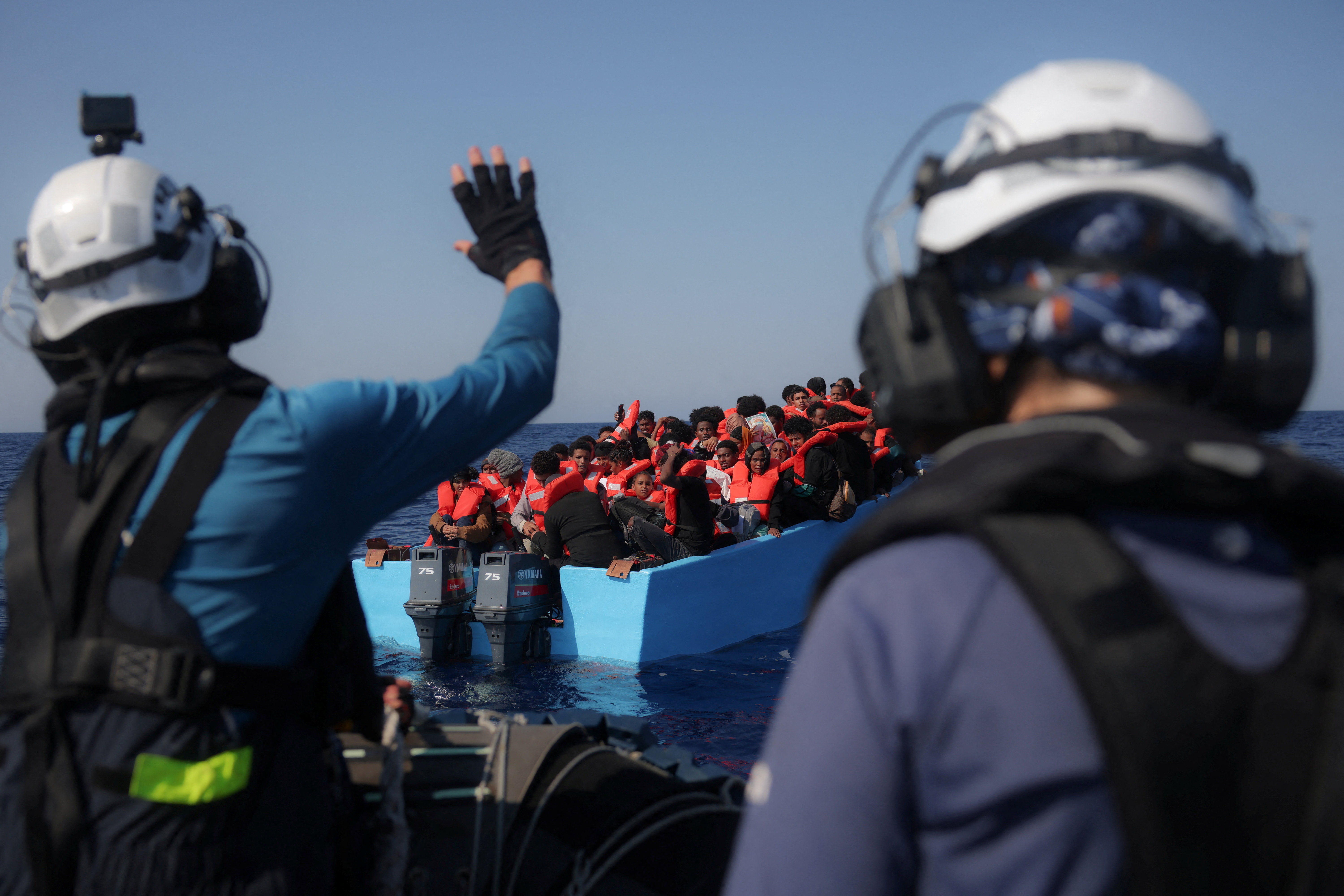
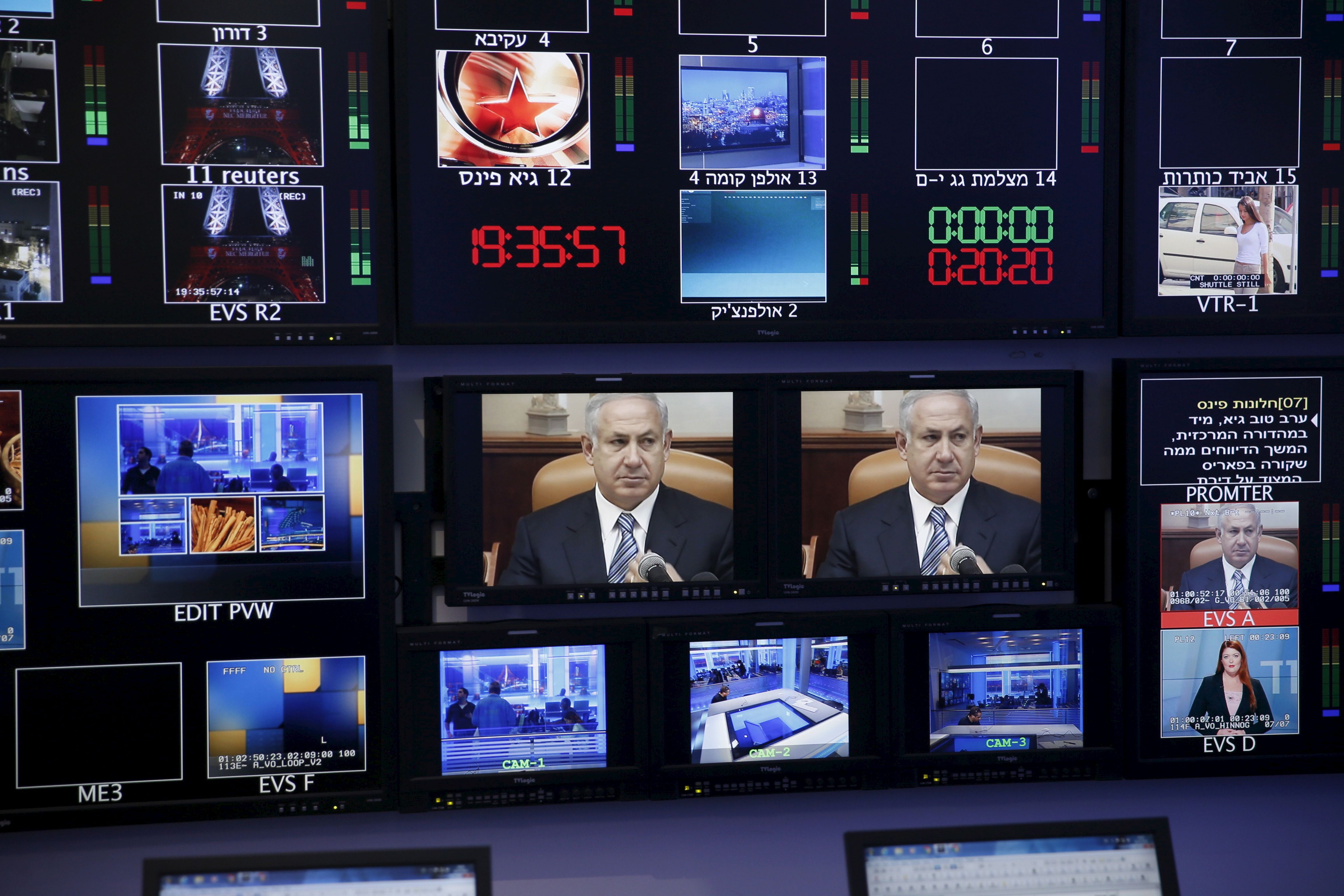
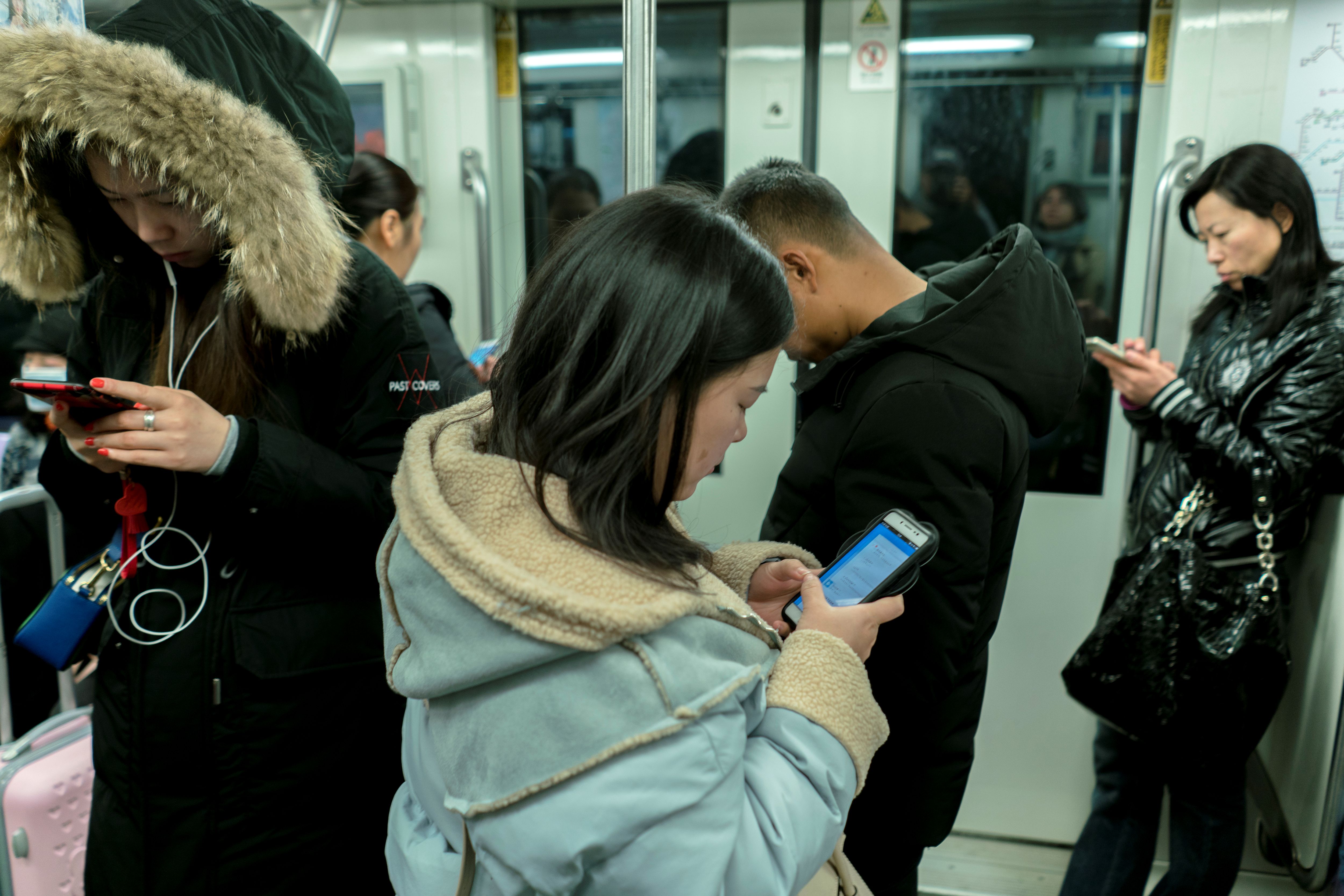
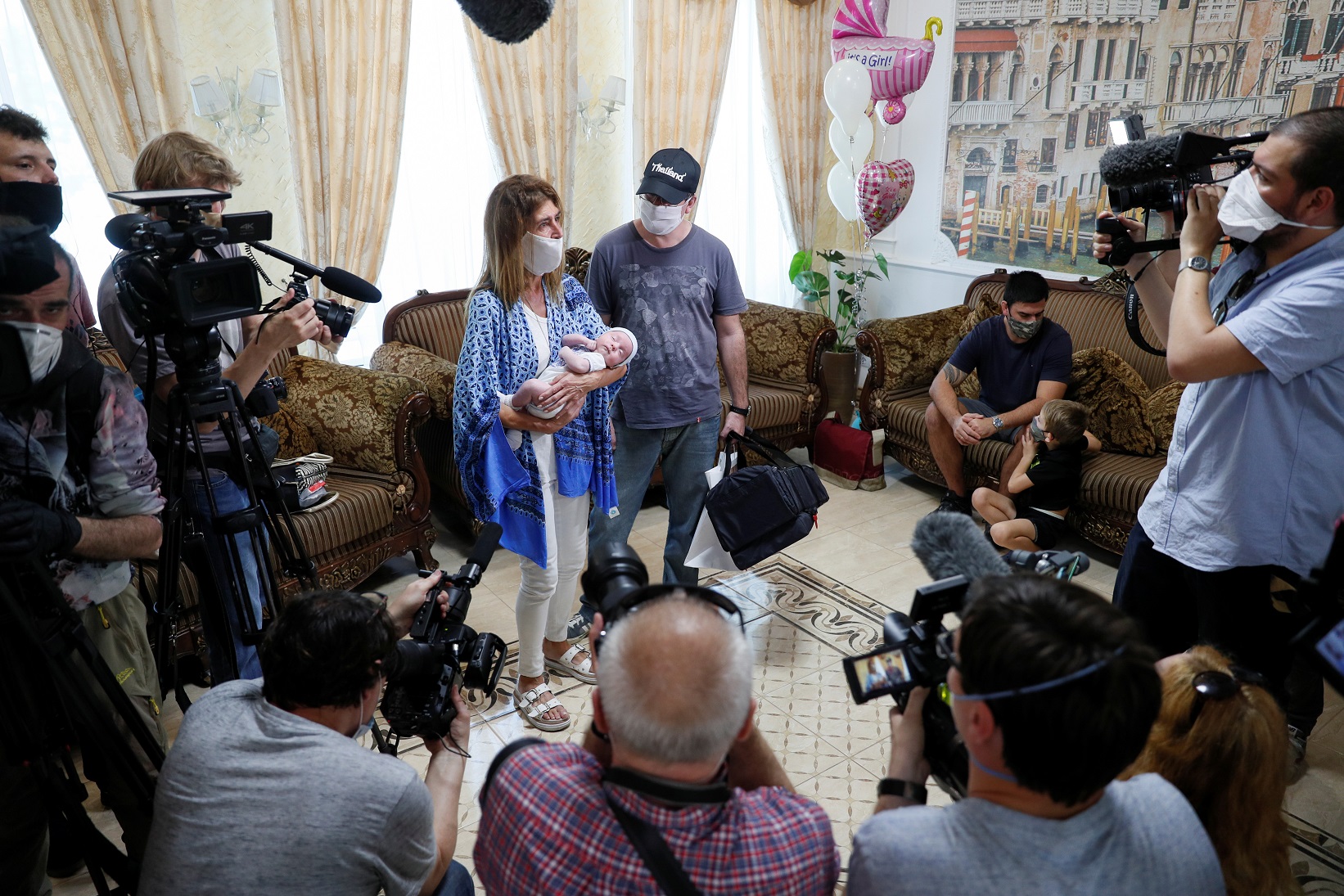
 تغول الخبر السياسي والاقتصادي في العالم العربي حد بشكل كبير من ظهور صحافية علمية متخصصة تحظى بثقة ومتابعة الجمهور(تصوير: غليب غرانيش - رويترز).

"وباء المعلومات" 

ومع إعلان منظمة الصحة العالمية عن جائحة كورونا، وجد الصحفيون العرب أنفسهم أمام حرب على جبهتين: أولاهما تبسيط المعلومات العلمية المعقدة لغير المتخصصين، وهي مهمة شاقة لدى جمهور متعطش لتفسير كثير من القرارات الصحية التي تمس نمط حياته مباشرة. وكان يفترض أن يقوم بهذه المهمة صحفيون علميون. والثانية تفنيد سيل متدفق من الأخبار المزيفة، الأمر الذي دعا مجلة "ساينتيفيك" الأميركية أن تخصص في نسختها باللغة العربية "للعِلم" سلسلة تقارير لمكافحة ما وصفته بانتشار "وباء المعلومات" الناجم عن الشائعات والمعلومات المغلوطة التي صاحبت انتشار الجائحة. 

وقد حذرت عدة وسائل إعلامية ناطقة بالعربية من مغبة انتشار الخبر العلمي المزيف عن الجائحة في تقارير متعددة خلال الأشهر الماضية، مثل تقارير "الجزيرة" و"بي بي سي" العربية و"يورو نيوز" و"روسيا اليوم"، بالإضافة إلى الصحف والمواقع المحلية. ترافق ذلك، مع جهود منصات التواصل الاجتماعي مثل فيسبوك وتويتر في إبراز الخبر العلمي المتعلق بفيروس كورونا، وتوفير أقسام خاصة لهذا الخبر من مصادر موثوق بها.

غير أن هذه الجهود لم تصمد كثيرا أمام قوة الأخبار المزيفة التي تفشت بشكل كبير، وأبرزها نظرية المؤامرة التي تشكك في وجود الجائحة أو تأثيرها الحقيقي، مثل فيديو الشابة المصرية "مي خريستي" الذي حصد أكثر من تسعة ملايين مشاهدة على فيسبوك في غضون أيام قليلة، قبل أن يتم حذفه بعد عدة بلاغات تتهمها بنشر معلومات مغلوطة. 

بدا واضحا أن الإعلام العربي يدفع ثمن غياب الصحافة العلمية المتخصصة، سواء ضمن المؤسسات الإعلامية والصحفية أو عبر منصات إعلامية متخصصة في العلوم. فالجمهور من ناحية غير معتاد على التفاعل مع الخبر العلمي، وليست هناك برامج أو وسائل إعلامية علمية ذات شعبية يمكن أن تتفاعل بشكل جذاب لتقديم معلومات وتحليلات صحيحة حول جائحة كورونا، باستثناء برنامج "الدحيح" على منصة "AJ+" العربية. 

وكانت المفارقة أن يزداد الطلب على مهمة الصحفي العلمي في وقت يبلغ تعداد هؤلاء الصحفيين نسبة قليلة جدا في العالم العربي، ويتركزون بشكل أساسي في النسخ العربية من المطبوعات الأجنبية -وهي محدودة- مثل الطبعة العربية لمجلة "نيتشر" البريطانية، أو مجلة "ناشيونال جيوغرافيك" العربية، أو منصة "للعِلم" التابعة لمجلة "ساينتيفيك" الأميركية. ولا يزال المحتوى العربي الصحفي الجاد في العلوم غائبا، خصوصا فيما يتعلق بدقة الترجمة العربية للمصطلحات. 

لقد مثلت جائحة كورونا جرس إنذار للمؤسسات الإعلامية وجهات التمويل الخاصة والحكومية حول أهمية الصحافة العلمية ومخاطر غياب تبسيط المحتوى الصحي والعلمي، تماما كجرس الإنذار الذي دقته للحكومات والأنظمة الدولية حول أهمية الرعاية الصحية وفداحة الإهمال في هذا القطاع وتأثيره على الأمن القومي. ولأن الصحافة العلمية غير مؤدلجة فكريا وغير قابلة للتسيّس بطبيعتها، فإن أمامها فرصة للتطور عبر استحداث أقسام وبرامج ومنصات علمية جديدة ذات محتوى عربي أصيل. 

وربما يمثل البعد عن المشاكل السياسية ميزة لتوسع التمويل الأجنبي المرصود للتدريب الصحفي، إذ شهد هذا التمويل تركيزا على دعم الصحافة العلمية في الفترة الماضية، مثل مشروعات للكتابة العلمية للصحفيين المدعومة من معهد "غوته" الألماني والهيئة الألمانية للتبادل العلمي في كل من الأردن وتونس ومصر.

 

1
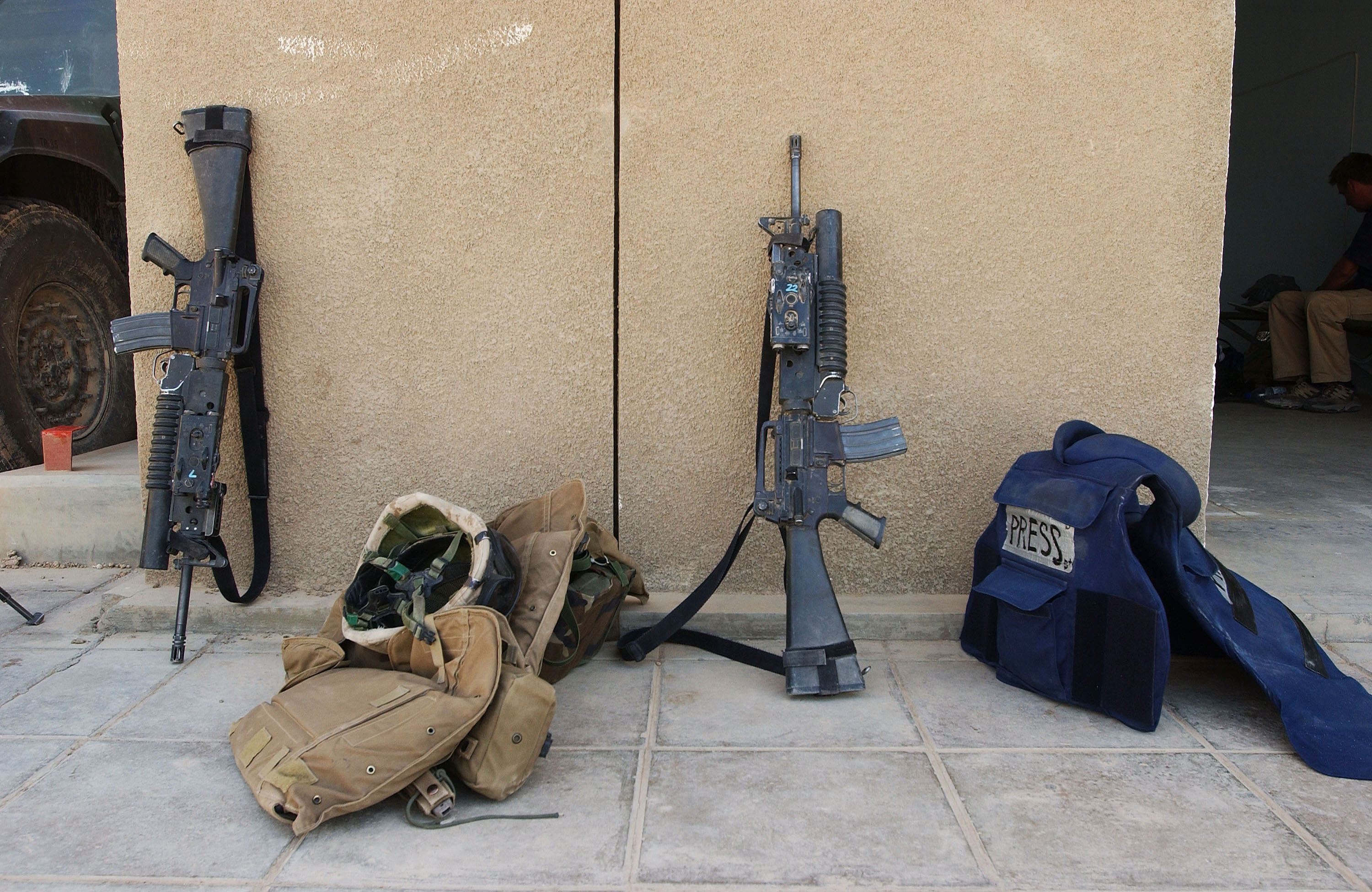
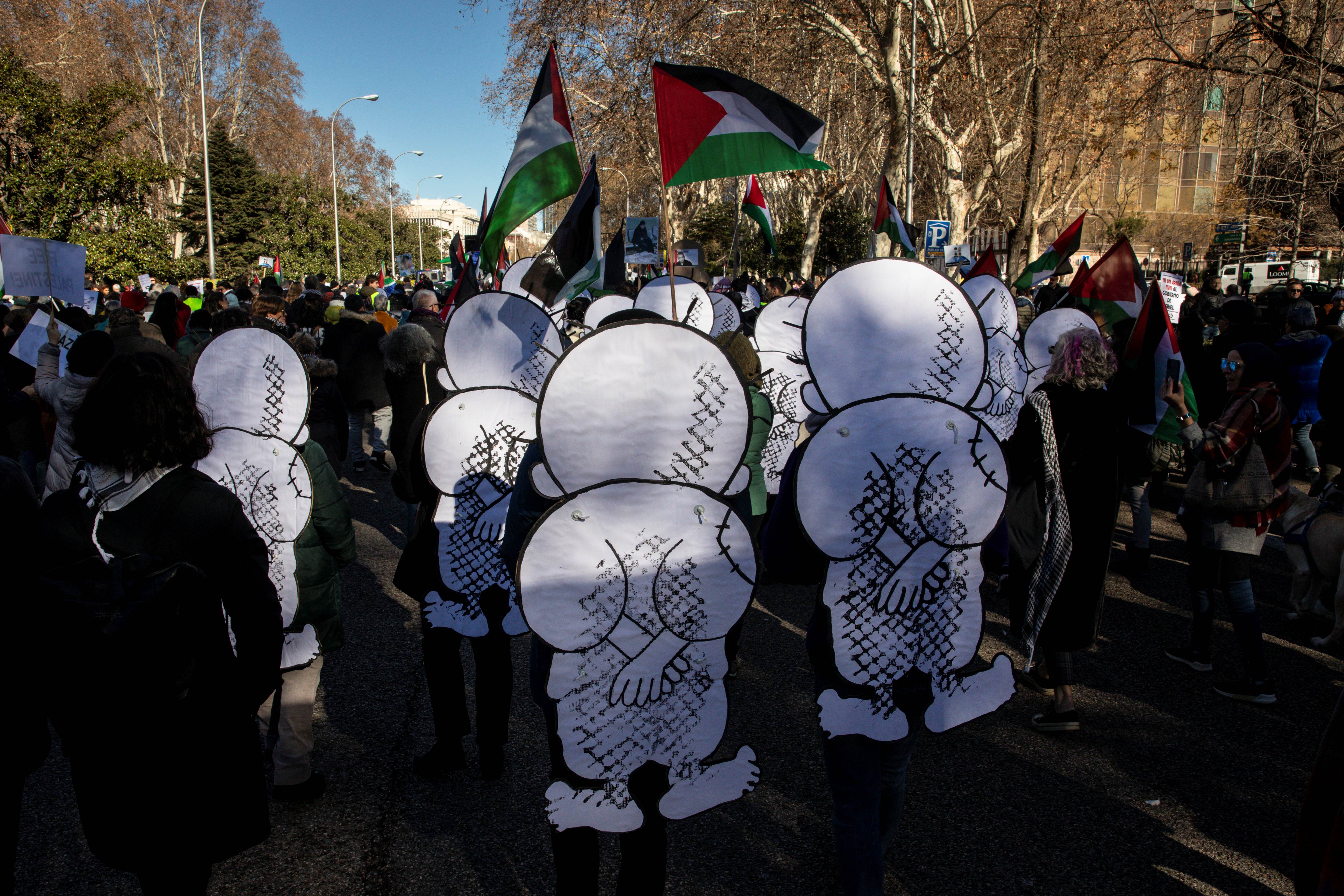
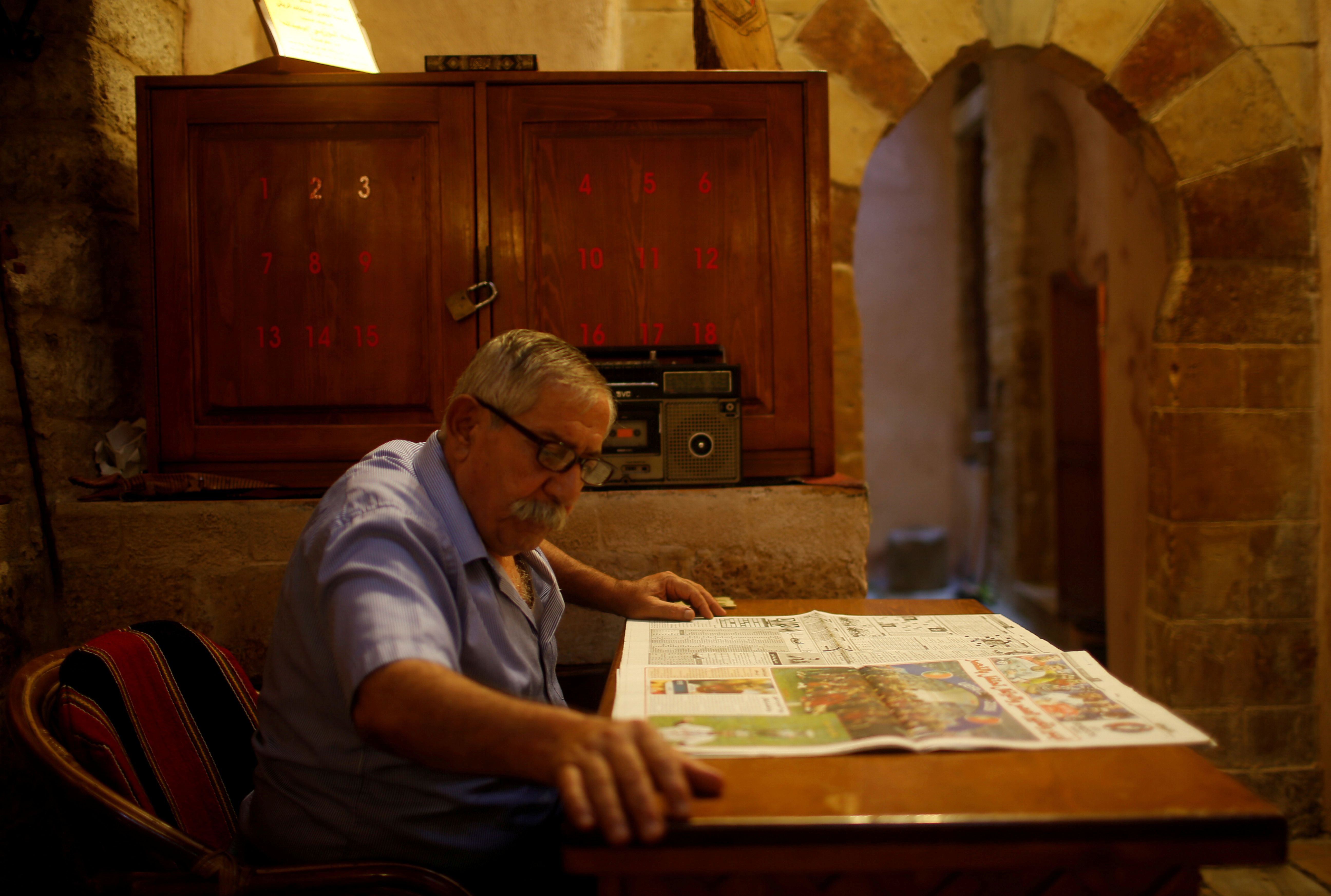
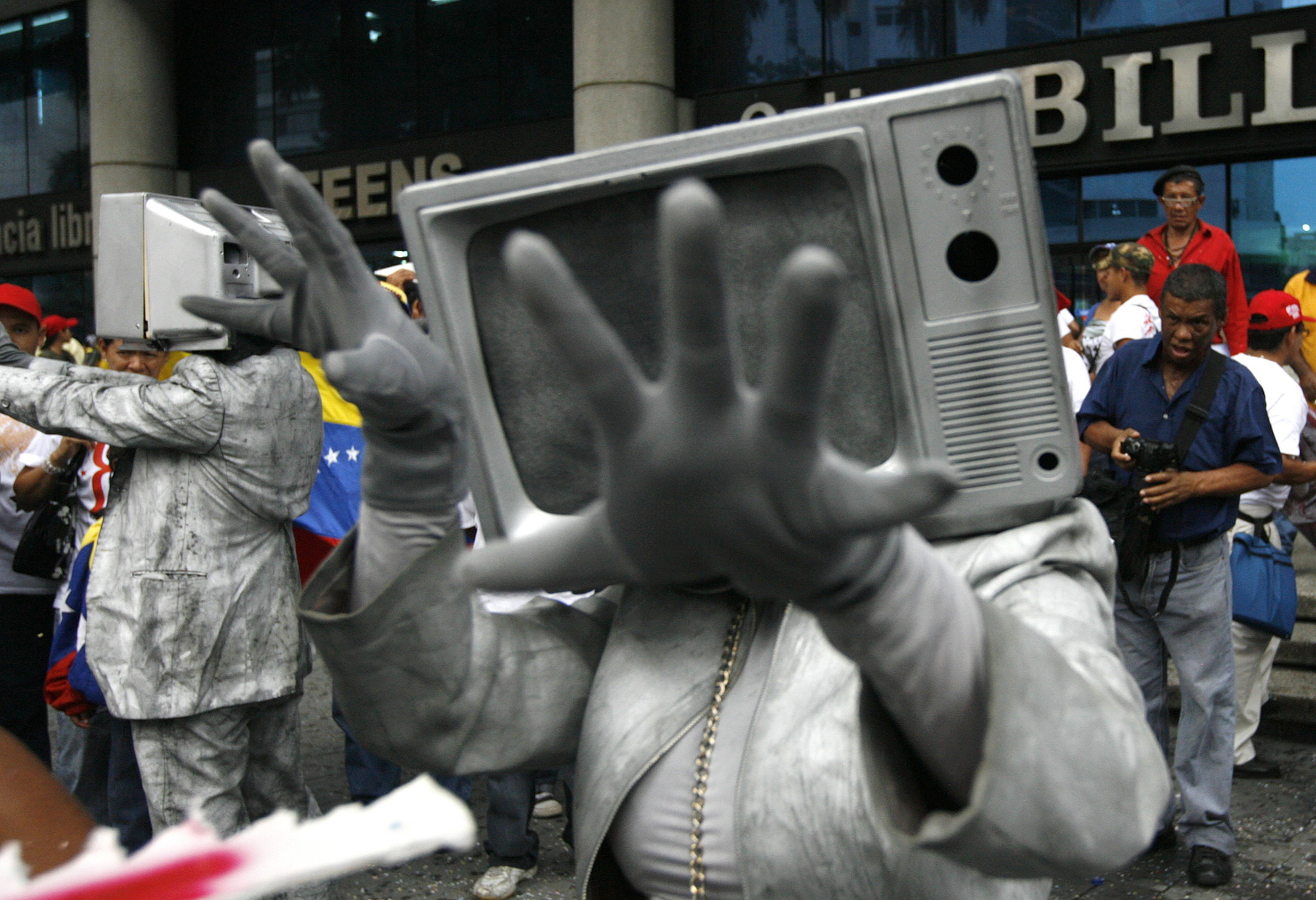
"رأي الجمهور ليس عنصرا أساسيا في البحث العلمي مثلما هو الحال في المجال السياسي أو الرياضي أو الفني"(تصوير: داريان تاينور - غيتي).


المصادر: 

  1. تاريخ الصحافة المصرية.. دراسة تاريخية ومعاصرة، د. عواطف عبد الرحمن، د. نجوى كامل، 2020


  1. the Guardian. 2020. The Problem With Science Journalism: We’Ve Forgotten That Reality Matters Most. [online] Available at: <https://www.theguardian.com/media/2015/dec/30/problem-with-science-jour…;


  1. زايد, ه., 2020 "كورونا المستجد" يوفر بيئة خصبة لـ"وباء المعلومات".
    [online] للعِلم. Available at: https://www.scientificamerican.com/arabic/articles/news/covid19-provides-fertile-environment-for-infodemic/


  1. واقع وتحديات الصحافة العلمية في العالم العربي، هبة حسين، Arab Media & Society، الجامعة الأميركية بالقاهرة


More Articles

Reporting the Spectacle: Myanmar’s Manufactured Elections

Myanmar’s recent elections posed a profound challenge for journalists, who were forced to navigate between exposing a sham process and inadvertently legitimising it. With media repression intensifying, reporting became an act of resistance against the junta’s effort to control information and silence independent voices.

Annie Zaman
Annie Zaman Published on: 7 Feb, 2026
Public Hostility Toward Legacy Media in Bangladesh

The December 2025 arson attacks on Prothom Alo and The Daily Star marked a turning point for journalism in Bangladesh. As public anger replaces state control as the primary threat, reporters are reassessing personal safety, editorial judgement, and professional credibility in a political transition where journalism itself is increasingly treated as an enemy.

Arsalan Bukhari, an independent journalist based in India
Arsalan Bukhari Published on: 4 Feb, 2026
Migration Issues and the Framing Dilemma in Western Media

How does the Western press shape the migration narrative? Which journalistic frames dominate its coverage? And is reporting on anti-immigration protests neutral or ideologically charged? This analysis examines how segments of Western media echo far-right rhetoric, reinforcing xenophobic discourse through selective framing, language, and imagery.

Salma Saqr
Salma Saqr Published on: 31 Jan, 2026
Polarised, Intimidated, Silenced: The Media Under Siege in Cameroon’s Election

Cameroon’s 2025 presidential election exposed a troubling paradox: a nation voting under the watchful eye of power, while its press remained silenced. From the arrest of a teenage reporter to bans on political debate and digital manipulation, freedom of expression is under siege, and journalism is on trial.

Shuimo Trust Dohyee
Shuimo Trust Dohyee, Ngweh Rita Published on: 22 Jan, 2026
What Image of Gaza Will the World Remember?

Will the story of Gaza be reduced to official statements that categorise the Palestinian as a "threat"? Or to images of the victims that flood the digital space? And how can the media be transformed into a tool for reinforcing collective memory and the struggle over narratives?

Hassan Obeid
Hasan Obaid Published on: 13 Jan, 2026
Journalism in Mauritania: Behind the Facade of Press Freedom Indicators

Mauritania holds the top position in the Arab world in the Press Freedom Index published by Reporters Without Borders. However, behind this favourable ranking, the media and journalists face significant challenges, chief among them the ambiguity surrounding the definition of a "journalist" and the capacity of media professionals to fulfil their roles in accountability and oversight. Despite official efforts, the defining feature of Mauritania’s media landscape remains its persistent state of fluctuation.

 Ahmed Mohamed El-Moustapha
Ahmed Mohamed El-Moustapha Published on: 6 Jan, 2026
How Can Journalism Make the Climate Crisis a People’s Issue?

Between the import of Western concepts and terminology that often fail to reflect the Arab context, and the denial of the climate crisis, or the inability to communicate it in clear, accessible terms, journalism plays a vital role in informing the public and revealing how climate change directly affects the fabric of daily life in the Arab world.

Bana Salama
Bana Salama Published on: 19 Dec, 2025
Freelancers in Kashmir Fear Losing Access as Verification Tightens

Kashmir’s new “verification drive” claims to root out impostors, yet its heavy bureaucratic demands mainly sideline the independent freelancers who still dare to report in a shrinking media landscape. But here’s the unsettling question that hangs over the Valley like fog at dawn: who really benefits when the storytellers without institutional shields are pushed out of the frame?

Tauseef Ahmad
Tauseef Ahmad, Sajid Raina Published on: 11 Dec, 2025
Journalists in Maldives Enter New Phase of Government-Controlled Media Repression

As journalists weigh the costs of their work against threats to their lives and families, the fight for press freedom in the Maldives enters a dangerous new chapter, one where the stakes have never been higher.

Sumaiya Ali
Sumaiya Ali Published on: 8 Dec, 2025
Reporting Under Fire: The Struggle of African Journalists Facing Intimidation

African journalists who expose corruption and power now face a brutal mix of arrests, torture, digital surveillance, and lawsuits meant to drain their resources and silence them. From Ethiopia, Nigeria, Malawi, Benin, Sudan, Uganda, and Kenya to exile in Canada, reporting the truth has become an act of personal survival as much as public service.

Nigerian freelance Journalist John Chukwu
John Chukwu Published on: 4 Dec, 2025
Shipwrecked Narratives: How to Keep Migration Stories Afloat

Migration stories don’t become real until you meet people in the journey: the carpenter carrying photos of his fantasy coffins, or the Libyan city worker burying the forgotten dead, or the Tatar woman watching her livelihood collapse at a militarised border. Following these surprising human threads is the only way journalism can cut through collective exhaustion and make readers confront a crisis they’ve been trained to ignore.

Karlos Zurutuza, a freelance journalist and a media trainer. His work has been published in The Guardian, Al Jazeera English, POLITICO, The Middle East Eye and The Independent, among others.
Karlos Zurutuza Published on: 30 Nov, 2025
In-Depth and Longform Journalism in the AI Era: Revival or Obsolescence?

Can artificial intelligence tools help promote and expand the reach of longform journalism, still followed by a significant audience, or will they accelerate its decline? This article examines the leading AI tools reshaping the media landscape and explores the emerging opportunities they present for longform journalism, particularly in areas such as search and content discovery.

. سعيد ولفقير. كاتب وصحافي مغربي. ساهم واشتغل مع عددٍ من المنصات العربية منذ أواخر عام 2014.Said Oulfakir. Moroccan writer and journalist. He has contributed to and worked with a number of Arab media platforms since late 2014.
Said Oulfakir Published on: 24 Nov, 2025
Zapatismo and Citizen Journalism in Chiapas, Mexico

In Chiapas, independent journalists risk their lives to document resistance, preserve Indigenous memory, and challenge state and cartel violence. From Zapatista films to grassroots radio, media becomes a weapon for dignity, truth, and survival.

Ana Maria Monjardino
Ana Maria Monjardino Published on: 26 Oct, 2025
Lost in Translation: The Global South and the Flaws of Content Moderation

Global Rules, Local Consequences: How Biased Moderation Fuels Disinformation in the Global South. Unequal systems of AI and human oversight are failing to protect and often silencing non-Western voices online.

Lucia Bertoldini
Lucia Bertoldini Published on: 22 Oct, 2025
Propaganda: Between Professional Conscience and Imposed Agendas

When media institutions first envisioned editorial charters and professional codes of conduct, their primary goal was to safeguard freedom of expression. However, experience has shown that these frameworks have often morphed into a "vast prison", one that strips journalists of their ability to confront authority in all its forms. In this way, Big Brother dons velvet gloves to seize what little space remains for the practice of true journalism.

فرح راضي الدرعاوي Farah Radi Al-Daraawi
Farah Radi Al-Daraawi Published on: 17 Oct, 2025
Journalists Under Occupation; Palestinian Journalists in the West Bank

Palestinian journalists in the West Bank face extreme physical danger, psychological trauma, and systemic targeting under Israeli occupation, yet continue to report with resilience, amplifying the voices of their people despite global indifference and media bias.

Synne Furnes Bjerkestrand
Synne Bjerkestrand Published on: 13 Oct, 2025
Narrative Without Debate: The Telegraph’s Comment Ban on Gaza Coverage

What does it mean for readers when their voices are deliberately cut off? This content analysis of The Telegraph, a UK-based conservative newspaper known for its pro-establishment stance and alignment with right-leaning narratives, shows it systematically disabled Instagram comments on Israel-Gaza posts, blocking dissent and shaping a one-sided, pro-Israel narrative.

Mohammed Ramees
Mohammed Ramees Published on: 9 Oct, 2025
The Silent Death of Urdu Newspapers in India

With a 200-year history, Urdu newspapers in India are now facing a silent death—trapped in a cycle of decline where circulation has fallen by nearly 25%, advertising is absent, and government support is scarce. What vanishes is more than print: it is the erosion of a cultural and political lifeline that once bound Hindus, Muslims, and Sikhs in common debates and carried the voices of the marginalised into India’s public sphere.

Hanan Zaffa
Hanan Zaffar, Majid Alam Published on: 1 Oct, 2025
Mental Health in Newsrooms

Newsrooms, long lauded as bastions of information, are quietly grappling with a mental health crisis, underscoring an urgent need for systemic support, emotional safety, and sustainable practices to protect those telling the world’s stories.

Faras Ghani Published on: 27 Sep, 2025
Why Are Young Journalists in Kashmir Quitting Before They Begin?

In Kashmir, mounting censorship, political pressure, and shrinking job prospects are forcing a generation of aspiring journalists to abandon the profession, many before they even get the chance to begin, leaving behind a media landscape stripped of dissent, debate, and independent voices.

Abrar Fayaz, Muqeet Mohammed Shah Published on: 23 Sep, 2025
Sudan’s Journalists Are Being Silenced: By Bullets, Exile, and Fear

The collapse of the media industry in Sudan has subjected journalists to physical threats, legal and professional challenges, with no functioning legal system to investigate crimes committed against the press.

Nalova Akua
Nalova Akua Published on: 17 Sep, 2025
Nepali Journalists Trapped Between “GenZ” Protest and State Crackdowns

Nepali journalists are under attack on two fronts: facing violence from protesters in the streets while also being targeted by government crackdowns, restrictive laws, and political interference that threaten press freedom.

Sumaiya Ali
Sumaiya Ali Published on: 12 Sep, 2025
Interview with Zina Q. : Digital Cartography as a Tool of Erasure in Gaza

Amid Israel’s war on Gaza, Zina Q. uncovers how Google Maps and satellite imagery are being manipulated; homes relabelled as “haunted,” map updates delayed, and evidence of destruction obscured, revealing digital cartography itself as a weapon of war. By exposing these distortions and linking them to conflicts from Sudan to Ukraine, she demonstrates how control over maps and AI surveillance influences not only what the world sees, but also what it remembers.

Al Jazeera Journalism Review
Al Jazeera Journalism Review Published on: 6 Sep, 2025
I Don’t Want You to Be a Journalist, Mama”. Do Gaza’s Journalists Have the Luxury of Absence?

Does the Palestinian journalist in Gaza have the freedom to simply “step away”? How do they navigate the balance between their professional responsibilities and their family life? And to what extent does the duty to report justify the personal cost of being separated from one’s loved ones? Journalist Jenin Al-Wadiya sheds light on the deeply human details that rarely make it to the screen.

Jenin Al-Wadiya
Jenin Al-Wadiya Published on: 31 Aug, 2025