
هل صنعت خطابات نتنياهو وترامب أجندة الإعلام الغربي؟

هل صنعت خطابات نتنياهو وترامب أجندة الإعلام الغربي؟

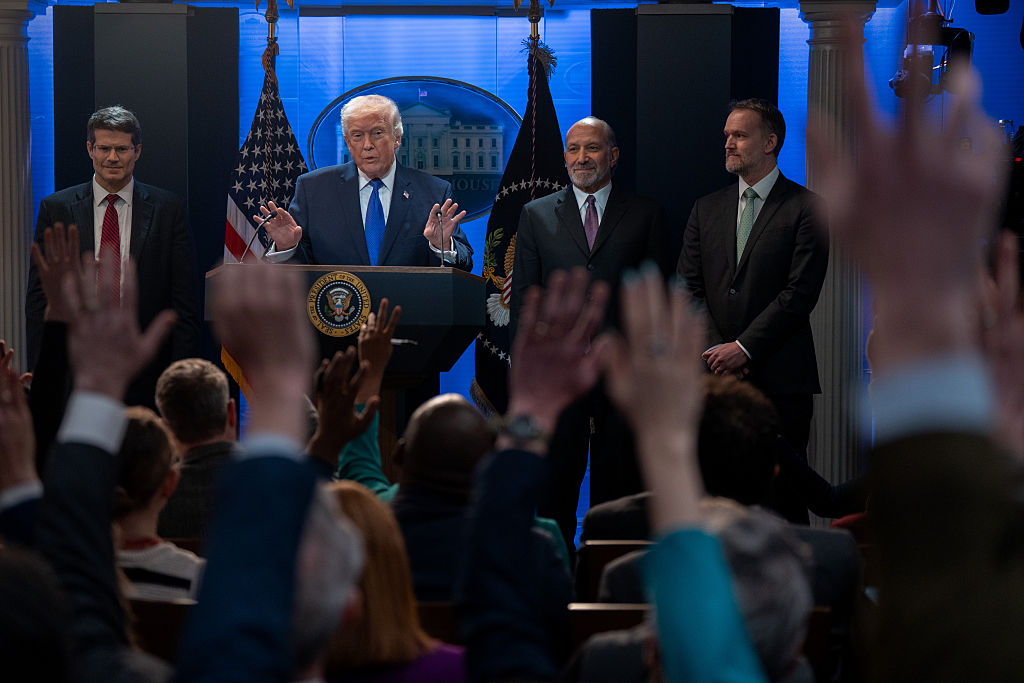
بعد ساعات من الهجوم الإسرائيلي-الأمريكي على إيران صباح 28 فبراير/ شباط 2026، أدلى الرئيس الأمريكي دونالد ترمب بخطاب عبر وسائل الإعلام، تلاه بدقائق قليلة رئيس الوزراء الإسرائيلي نتنياهو بخطاب آخر. قد لا يكون أسلوب الخطابين غريبا على المتلقي العربي الذي اعتاد على هذا النوع من الخطاب الإعلامي منذ حرب غزة التي ابتدأت في أكتوبر 2023؛ فقد تميزت لغة الخطابين بالحدّة في انتقاد النظام الإيراني، حيث اعتمدت على التعبيرات التي تدين الأفعال التي وُصفت بأنها "إرهابية" و"دموية ومرعبة".  وتكرر هذا النهج في الحروب السابقة التي شنتها أمريكا على وجه التحديد على دول مثل أفغانستان والعراق. 

ففي 17 مارس/ آذار 2003 قبيل بدء الغزو على العراق، ألقى جورج بوش خطابا موجها إلى الحكومة والشعب العراقي قائلا : "يتعين على صدام حسين وأبنائه مغادرة العراق خلال 48 ساعة، وإلا فسوف يبدأ نزاع عسكري في الوقت الذي نحدده". في المقابل، أظهر بوش في خطابه اهتماما بالعراقيين حيث قال: "إذا بدأت حملة عسكرية فستكون موجهة إلى الخارجين عن القانون الذين يحكمون بلادكم، وليست ضدكم". ثم واصل بوش حديثه محاولا كسب دعم القوات المسلحة العراقية وتحريضها ضد قيادتها؛ فوجّه لهم نصيحة بالقول: "أحثّ كل عنصر في القوات العسكرية وأجهزة الاستخبارات - في حال نشوب الحرب - ألا يقاتلوا من أجل نظام يحتضر؛ لأنه لا يستحق أن تضحوا بحياتكم من أجله". وقبيل الحرب على العراق، لجأ الإعلام الغربي إلى استخدام عبارات قد تشكل تسويغا لقتل العراقيين واحتلال بلادهم وتأطير الأحداث التي جرت بإطار يتناسب مع خطاب بوش، مثل "هذه حرب لتحرير العراق من نظام صدام"، و"القضاء على الإرهاب عبر البحث عن الإرهابيين والقبض عليهم وطردهم من العراق"، و"حماية حقول النفط وثروات العراق لصالح العراقيين". كانت هذه المصطلحات تهدف إلى شيطنة النظام العراقي في ذلك الوقت وكسب تعاطف الشعب العراقي، وهي التي أدت إلى حرب امتدت منذ 2003 وحتى 2011، كما رآها بعض الباحثين في الخطاب الإعلامي (1).

فاللغة والصور التي يُقدَّم بها "الآخر" في الخطاب الإعلامي تؤدي دوراً حاسماً؛ إذ إن تصويره بصورة نمطية ومتكررة قد يجعل تقبّل العنف ضده، أو حتى إشعال الحروب والإبادة، أمراً مبرراً نفسياً لدى بعض الجمهور.

بالنهج ذاته، ألقى كلٌّ من ترمب ونتنياهو خطابين متتابعين في الساعات الأولى من الهجوم الأمريكي والإسرائيلي على إيران، استخدما لغة متشابهة في مضمونها؛ إذ مالت اللغة المستخدمة إلى تسويغ أفعال كل من إسرائيل وأمريكا، وغلفت العبارات بمصطلحات تدعو للتعاطف وأنسنة الهجوم الإسرائيلي الأمريكي.  وفي المقابل، استخدمت عبارات مغايرة في التعبير لإدانة النظام الإيراني وقد تكون محاولة من الرئيسين لتجريد النظام من إنسانيّته، وحشد الآراء المعارضة لإيران وسياستها، فعلى سبيل المثال استخدم ترمب في خطابه عبارات من قبيل "على مر السنين كان النظام الإيراني يقتل ويسفك الدماء، وقواتنا الآن في البحر تحمي الأبرياء في إيران"، "قام النظام الإيراني بالهجوم على العراق وقتل العديد من العراقيين، ونحن لن نبقى مكتوفي الأيدي عندما يقوم النظام الإيراني بارتكاب الأعمال الإرهابية"، "النظام الإيراني دعم حركة حماس في السابع من أكتوبر للقيام بأعمال إرهابية ضد الإسرائيليين ومن بينهم ٦ أمريكيين، وحجز العديد منهم"، " كما قتل النظام المئات من مواطنيه، وهي سياسة لن تتسامح أمريكا معها"، ثم قال ترمب مخاطبا الإيرانيين: "لقد حانت ساعة حريتكم". وفي خطاب نتنياهو، لم تكن اللغة التي خوطب بها العالم بعيدة عن لغة ترمب، لكنها كانت أكثر ميلا للعدائية تجاه إيران، واتسمت بالهجوم المباشر على النظام الإيراني ومحاولة كسب تعاطف الشعب الإيراني في الوقت نفسه؛ حيث استخدم عبارات من قبيل: "إسرائيل وأمريكا تضعان حدّاً لتهديد "نظام الشر" في عملية تسمى زئير الأسد"، "هذا النظام الدموي والمرعب الذي هدد الإيرانيين أنفسهم، قتل آلاف الأطفال وكبار السن والمدنيين، لقد عُذِّبُوا فقط لأنهم طالبوا لأنفسهم بحياة من الحرية والاحترام والكرامة"، "سنضرب النظام الإيراني بقوة، وسنخلق ظروفا تمكّن الشعب الإيراني الشجاع من العيش والتخلّص من هذا النظام القاتل"...

بعد الخطابين، تبنت بعض من وسائل الإعلام الغربية سردية إخباريّة تتناسب مع طبيعة الخطابين، وربما جاء ذلك في محاولة لاستخدام اللغة الأنسب لإقناع الجمهور المتلقي بشرعية الهجوم الإسرائيلي والأمريكي على إيران وتأطير الأحداث وقولبتها بناء على مصالح الحكومتين؛ فعلى سبيل المثال، فإن صحيفة نيويورك تايمز الأمريكية افتتحت مقالها بـ "يسعى الرئيس ترمب للإطاحة بالحكومة الإيرانية" حيث إن الجملة تقدم نية سياسية بصفتها حقيقة مؤكدة وليست نقلا للتصريح الذي جاء في خطاب ترمب. كما استخدمت الصحيفة أسلوبا عاطفيا حادّاً جدا لإبراز الضحايا المدنيين، وهو ما اتسق تماما مع خطابَي ترمب ونتنياهو عند الحديث عن الشعب الإيراني، فجاء في الخبر: "المدينة تعيش حالة من الفوضى: الإنترنت محدود، والإيرانيون يحاولون العثور على أحبائهم والفرار"، "هرعتُ إلى المدرسة لأُحضر ابنتي من المدرسة الإعدادية، كانت الفتيات يختبئن تحت الدرج ويبكين". في حين تبدو اللغة المستخدمة ضد الحكومة الإيرانية مناقضة تماما لما ذكر في الحديث عن الضحايا المدنيين؛ إذ جاءت النبرة مشحونة بمصطلحات قد تكون أقرب للعاطفة المبالغ بها، فذكر الخبر بأنه "في نهاية العام الماضي، بدأ الإيرانيون الغاضبون من الحكومة والأزمة الاقتصادية المتفاقمة بالاحتجاج. امتدت المظاهرات في جميع أنحاء البلاد، وشهدت البلاد أكبر انتفاضة منذ ما يقرب من نصف قرن، كما أمر خامنئي، المرشد الأعلى قواتِ الأمن بقمع الاحتجاجات بلا رحمة، فأطلقت القوات النار، وارتفع عدد القتلى إلى 5200 شخص على الأقل، وفقا لمنظمة حقوقية".

 تبنت بعض من وسائل الإعلام الغربية سردية إخباريّة تتناسب مع طبيعة خطابي ترامب ونتانياهو، وربما جاء ذلك في محاولة لاستخدام اللغة الأنسب لإقناع الجمهور المتلقي بشرعية الهجوم الإسرائيلي والأمريكي على إيران وتأطير الأحداث وقولبتها بناء على مصالح الحكومتين.

أما موقع دويتشه فيله الألماني فعنون خبرا صحفيا بـ"إسرائيل تعلن شنّ ضربة "استباقية" ضد إيران" وعقب ذلك جاء في الخبر: "يأتي الهجوم الإسرائيلي وسط تصاعد التوترات بين إيران والولايات المتحدة بشأن برامج طهران النووية والصاروخية". يبدو الخبر خاليا من أي انحياز ظاهري، ولكنه يحمل في طياته تأكيدا على شرعية الهجوم؛ فعلى سبيل المثال: تكرار مصطلح "ضربة استباقية" يمنحه شرعية سردية؛ لأنه يضع الإطار الدفاعي في مقدمة الخبر كما يؤكد سردية كلٍّ من إسرائيل وأمريكا. يضاف إلى ذلك أنّ ترتيبَ المعلومات في الخبر يؤكد كذلك نسبة الانحياز الذي تبنته دويتشه فيله، مبتدِأً الصياغة بإعلان وزير الدفاع الإسرائيلي، ثم وصف الضربة بأنها جاءت لأجل إزالة التهديد الإيراني، ثم ذكر التوتر الأمريكي من تبني إيران للسلاح النووي. في المقابل، لا يوجد عرض كافٍ للرواية الإيرانية، وكذلك لا يُذكر سياق سابق قد تراه إيران مسوغا أو تفسيرا.

يبدو الخبر خاليا من أي انحياز ظاهري، ولكنه يحمل في طياته تأكيدا على شرعية الهجوم؛ فعلى سبيل المثال: تكرار مصطلح "ضربة استباقية" يمنحه شرعية سردية؛ لأنه يضع الإطار الدفاعي في مقدمة الخبر كما يؤكد سردية كلٍّ من إسرائيل وأمريكا

تبرز الأمثلة السابقة فهما أوسع لدور اللغة في تشكيل "الرأي العام" للجمهور المتلقي وتأطير الأحداث ضمن قوالب تُصاغ لتتناسب مع مصالح الدول. لقد ألقي الخطابين أمام العالم في بداية الهجوم الإسرائيلي والأمريكي على إيران، ومثلما حدث في أحداث سابقة، منح التأطير بعض وسائل الإعلام فرصة لمحاولة تشكيل "عقل الجماعة" أو "الضمير الجمعي"، وذلك من خلال التأكيد على ما جاء في الخطابين. فبعض وسائل الإعلام الإخبارية تعمل على تقديم الأحداث التي تغطيها بطريقة تهدف إلى جذب استجابات إيجابية من جمهورها، ولا تتوقف هذه الاستجابات عند مرحلة الاستقبال بل تؤثر أيضًا في اختيار السياسيين للألفاظ وطرق العرض نظرا لدورها في تشكيل وبناء الأطر الخبرية (3).  وهو ما ذهب إليه عالم الاجتماع الفرنسي "إميل دوركيم" حين قال: إن اللغة ليست من صنع الأفراد، وإنما تخلقها طبيعة الاجتماع عليها، وتنبعث من تلقاء نفسها عن حياة الجماعات. وهو ما يعنيه تماما علماء الاجتماع بـ "نتاج العقل الجماعي" (4)؛ حيث يمكن لوسائل الإعلام أن تحدد التأثير المطلوب للرسالة الموجهة إلى الجمهور، وتعمل على تأكيده بشكل متسق وثابت، فيساعد الجمهور على الإيمان به لاحقًا.

ونتيجةً لما تقوم به بعض وسائل الإعلام في أوقات الأزمات، تتدخل اللغة بشكل متكرر في تشكيل أفكار جماعات محددة وتوجيهها، سواء أدركت تلك الجماعات ذلك أم لم تدركه. فاللغة والصور التي يُقدَّم بها "الآخر" في الخطاب الإعلامي تؤدي دوراً حاسماً؛ إذ إن تصويره بصورة نمطية ومتكررة قد يجعل تقبّل العنف ضده، أو حتى إشعال الحروب والإبادة، أمراً مبرراً نفسياً لدى بعض الجمهور. لذلك يصبح من الضروري فهم تأثير الإعلام في تشكيل الرأي العام عبر تحليل نقدي يتجاوز ظاهر النص إلى بنيته العميقة، حيث تتشكل المعاني وتُرسم موازين القوة الرمزية.


المصادر

(1) الخدام، ح. خ. (2012). الحملة الإعلامية الأمريكية في الحرب على العراق 2002.

(2) Netanyahu says Israel has begun strikes against Iran, with US help, CNN, 2026

(3) Elmasry, M. H., & El-Nawawy, M. (2024). The Middle East is watching: Iranian and Saudi Arabian newspaper framing of the 2020 US presidential elections. Journal of Arab & Muslim Media Research. 

(4) اللغة الإعلامية - عبدالعزيز شرف - ١٩٩١- دار الجيل، بيروت

More Articles

Kukurigo: Revolutionising news in Zimbabwe's WhatsApp era

The emergence of Kukurigo during Zimbabwe’s 2018 elections marked a turning point for digital journalism, transforming WhatsApp from a hub for misinformation into a vital platform for verified news. By leveraging the app’s low data costs, this grassroots initiative bridged the information gap for under-resourced communities, establishing a new model for media credibility and public service within an unstable political landscape.

Enock Muchinjo
Enock Muchinjo Published on: 19 Feb, 2026
The Epstein Files and the Art of Drowning the Truth

The mass release of millions of files related to Jeffrey Epstein serves as a metaphor for a wider crisis of the digital age: an overabundance of information that obscures rather than illuminates the truth. In an era where data floods replace traditional censorship, citizens risk becoming less informed, underscoring the vital role of professional journalism in filtering noise into meaningful knowledge.

Ilya إيليا توبر 
Ilya U Topper Published on: 12 Feb, 2026
Reporting the Spectacle: Myanmar’s Manufactured Elections

Myanmar’s recent elections posed a profound challenge for journalists, who were forced to navigate between exposing a sham process and inadvertently legitimising it. With media repression intensifying, reporting became an act of resistance against the junta’s effort to control information and silence independent voices.

Annie Zaman
Annie Zaman Published on: 7 Feb, 2026
Public Hostility Toward Legacy Media in Bangladesh

The December 2025 arson attacks on Prothom Alo and The Daily Star marked a turning point for journalism in Bangladesh. As public anger replaces state control as the primary threat, reporters are reassessing personal safety, editorial judgement, and professional credibility in a political transition where journalism itself is increasingly treated as an enemy.

Arsalan Bukhari, an independent journalist based in India
Arsalan Bukhari Published on: 4 Feb, 2026
Migration Issues and the Framing Dilemma in Western Media

How does the Western press shape the migration narrative? Which journalistic frames dominate its coverage? And is reporting on anti-immigration protests neutral or ideologically charged? This analysis examines how segments of Western media echo far-right rhetoric, reinforcing xenophobic discourse through selective framing, language, and imagery.

Salma Saqr
Salma Saqr Published on: 31 Jan, 2026
From News Reporting to Documentation: Practical Lessons from Covering the War on Gaza

From the very first moment of the genocidal war waged by Israel on Gaza, Al Jazeera correspondent Hisham Zaqout has been a witness to hunger, devastation, war crimes, and the assassination of his colleagues in the field. It is a battle for survival and documentation, one that goes beyond mere coverage and daily reporting.

Hisham Zakkout Published on: 26 Jan, 2026
Investigating the Assassination of My Own Father

As a journalist, reporting on the murder of my father meant answering questions about my own position as an objective observer.

Diana López Zuleta
Diana López Zuleta Published on: 16 Jan, 2026
What Image of Gaza Will the World Remember?

Will the story of Gaza be reduced to official statements that categorise the Palestinian as a "threat"? Or to images of the victims that flood the digital space? And how can the media be transformed into a tool for reinforcing collective memory and the struggle over narratives?

Hassan Obeid
Hasan Obaid Published on: 13 Jan, 2026
Bridging the AI Divide in Arab Newsrooms

AI is reshaping Arab journalism in ways that entrench power rather than distribute it, as under-resourced MENA newsrooms are pushed deeper into dependency and marginalisation, while wealthy, tech-aligned media actors consolidate narrative control through infrastructure they alone can afford and govern.

Sara Ait Khorsa
Sara Ait Khorsa Published on: 10 Jan, 2026
Generative AI in Journalism and Journalism Education: Promise, Peril, and the Global North–South Divide

Generative AI is transforming journalism and journalism education, but this article shows that its benefits are unevenly distributed, often reinforcing Global North–South inequalities while simultaneously boosting efficiency, undermining critical thinking, and deepening precarity in newsrooms and classrooms.

Carolyne Lunga
Carolyne Lunga Published on: 2 Jan, 2026
Intifada 2.0: Palestinian Digital Journalism from Uprising to Genocide

From underground newsletters during the Intifadas to livestreams from Gaza, Palestinian journalism has evolved into a decentralised digital practice of witnessing under occupation. This article examines how citizen journalists, fixers and freelancers have not only filled gaps left by international media, but fundamentally transformed how Palestine is reported, remembered and understood.

Zina Q.
Zina Q. Published on: 24 Dec, 2025
How Can Journalism Make the Climate Crisis a People’s Issue?

Between the import of Western concepts and terminology that often fail to reflect the Arab context, and the denial of the climate crisis, or the inability to communicate it in clear, accessible terms, journalism plays a vital role in informing the public and revealing how climate change directly affects the fabric of daily life in the Arab world.

Bana Salama
Bana Salama Published on: 19 Dec, 2025
Inside Vietnam’s Disinformation Machine and the Journalists Exposing It from Exile

Vietnam’s tightly controlled media environment relies on narrative distortion, selective omission, and propaganda to manage politically sensitive news. Exiled journalists and overseas outlets have become essential in exposing these practices, documenting forced confessions and smear campaigns, and preserving access to information that would otherwise remain hidden.

AJR Contributor Published on: 15 Dec, 2025
What It Means to Be an Investigative Journalist Today

A few weeks ago, Carla Bruni, wife of former French president Nicolas Sarkozy, was seen removing the Mediapart logo from view. The moment became a symbol of a major victory for investigative journalism, after the platform exposed Gaddafi’s financing of Sarkozy’s election campaign, leading to his prison conviction. In this article, Edwy Plenel, founder of Mediapart and one of the most prominent figures in global investigative journalism, reflects on a central question: what does it mean to be an investigative journalist today?

Edwy Plenel
Edwy Plenel Published on: 27 Nov, 2025
In-Depth and Longform Journalism in the AI Era: Revival or Obsolescence?

Can artificial intelligence tools help promote and expand the reach of longform journalism, still followed by a significant audience, or will they accelerate its decline? This article examines the leading AI tools reshaping the media landscape and explores the emerging opportunities they present for longform journalism, particularly in areas such as search and content discovery.

. سعيد ولفقير. كاتب وصحافي مغربي. ساهم واشتغل مع عددٍ من المنصات العربية منذ أواخر عام 2014.Said Oulfakir. Moroccan writer and journalist. He has contributed to and worked with a number of Arab media platforms since late 2014.
Said Oulfakir Published on: 24 Nov, 2025
Leaked BBC Memo: What Does the Crisis Reveal?

How Should We Interpret the Leak of the “BBC Memo” on Editorial Standards? Can we truly believe that the section concerning U.S. President Donald Trump was the sole reason behind the wave of resignations at the top of the British broadcaster? Or is it more accurately seen as part of a broader attempt to seize control over editorial decision-making? And to what extent can the pressure on newsrooms be attributed to the influence of the Zionist lobby?

 Mohammed Abuarqoub. Journalist, trainer, and researcher specializing in media affairs. He holds a PhD in Communication Philosophy from Regent University in the United States.محمد أبو عرقوب صحفي ومدرّب وباحث متخصص في شؤون الإعلام، حاصل على درجة الدكتوراه في فلسفة الاتّصال من جامعة ريجينت بالولايات المتحدة الأمريكية.
Mohammed Abuarqoub Published on: 20 Nov, 2025
Crisis of Credibility: How the Anglo-American Journalism Model Failed the World

Despite an unprecedented global flood of information, journalism remains strikingly impotent in confronting systemic crises—largely because the dominant Anglo-American model, shaped by commercial imperatives and capitalist allegiances, is structurally incapable of pursuing truth over power or effecting meaningful change. This critique calls for dismantling journalism’s subordination to market logic and imagining alternative models rooted in political, literary, and truth-driven commitments beyond the confines of capitalist production.

Imran Muzaffar
Imran Muzaffar, Aliya Bashir, Syed Aadil Hussain Published on: 14 Nov, 2025
Why Has Arab Cultural Journalism Weakened in the Third Millennium?

The crisis of cultural journalism in the Arab world reflects a deeper decline in the broader cultural and moral project, as well as the collapse of education and the erosion of human development. Yet this overarching diagnosis cannot excuse the lack of professional training and the poor standards of cultural content production within newsrooms.

Fakhri Saleh
Fakhri Saleh Published on: 10 Nov, 2025
Podcasters, content creators and influencers are not journalists. Are they?

Are podcasters, content creators, and influencers really journalists, or has the word 'journalist' been stretched so thin that it now covers anyone holding a microphone and an opinion? If there is a difference, where does it sit? Is it in method, mission, accountability, or something else? And in a media landscape built on noise, how do we separate a journalist from someone who produces content for clicks, followers or sponsors

Derick Matsengarwodzi
Derick Matsengarwodzi Published on: 7 Nov, 2025
The Power to Write History: How Journalism Shapes Collective Memory and Forgetting

What societies remember, and what they forget, is shaped not only by historians but by journalism. From wars to natural disasters, the news does not simply record events; it decides which fragments endure in collective memory, and which fade into silence.

Daniel Harper
Daniel Harper Published on: 30 Oct, 2025
Journalism in Spain: Why Omitting Ethnicity May Be Doing More Harm Than Good

In Spain, a well-intentioned media practice of omitting suspects’ ethnic backgrounds in crime reporting is now backfiring, fuelling misinformation, empowering far-right narratives, and eroding public trust in journalism.

Ilya إيليا توبر 
Ilya U Topper Published on: 10 Sep, 2025
Interview with Zina Q. : Digital Cartography as a Tool of Erasure in Gaza

Amid Israel’s war on Gaza, Zina Q. uncovers how Google Maps and satellite imagery are being manipulated; homes relabelled as “haunted,” map updates delayed, and evidence of destruction obscured, revealing digital cartography itself as a weapon of war. By exposing these distortions and linking them to conflicts from Sudan to Ukraine, she demonstrates how control over maps and AI surveillance influences not only what the world sees, but also what it remembers.

Al Jazeera Journalism Review
Al Jazeera Journalism Review Published on: 6 Sep, 2025
Canadian Journalists for Justice in Palestine: A Call to Name the Killer, Not Just the Crime

How many journalists have to be killed before we name the killer? What does press freedom mean if it excludes Palestinians? In its latest strike, Israel killed an entire Al Jazeera news crew in Gaza—part of a systematic campaign to silence the last witnesses to its crimes. Canadian Journalists for Justice in Palestine (CJJP) condemns this massacre and calls on the Canadian government to end its complicity, uphold international law, and demand full accountability. This is not collateral damage. This is the targeted erasure of truth.

Samira Mohyeddin
Samira Mohyeddin Published on: 14 Aug, 2025
Protecting Palestinian Journalists Should be First Priority - Above Western Media Access

Why demand entry for foreign reporters when Palestinian journalists are already risking—and losing—their lives to tell the truth? Real solidarity means saving journalists' lives, amplifying their voices, and naming the genocide they expose daily.

Synne Furnes Bjerkestrand
Synne Bjerkestrand, Kristian Lindhardt Published on: 10 Aug, 2025