ليبيا على سلم حرية التعبير.. هل نصدق المؤشرات؟

ليبيا على سلم حرية التعبير.. هل نصدق المؤشرات؟

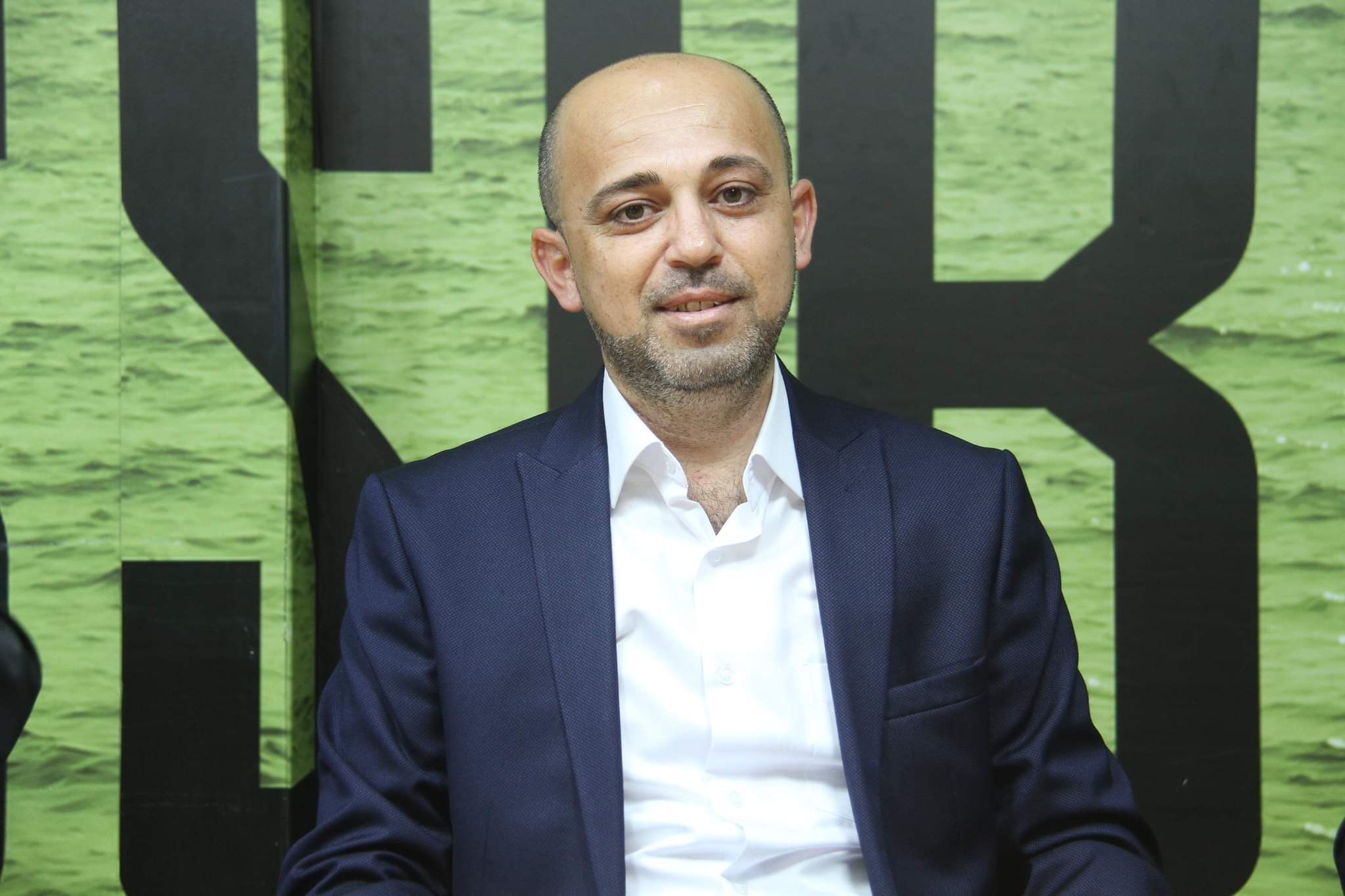
"هذا التحسن يعدّ مؤشرا رمزيا أكثر منه هيكليا"

هذا ما علق به الصحفي والباحث في مجال الإعلام عاطف الأطرش حول تقرير تحسّن مؤشر حرية الصحافة في ليبيا. فلم يكن صعود ليبيا من المرتبة 143 إلى 137 في تصنيف مراسلون بلا حدود  لعام 2025 خبرا عابرا في الوسط الإعلامي؛ لأن البلد الذي عاش أكثر من عقد في ظل إعلام منقسم ومسيّس يعمل داخل فراغ تشريعي، يبدو وكأنه يرسل إشارة خافتة تقول إن بيئة العنف المباشر ضد الصحفيين تراجعت قليلًا، أو على الأقل لم تعد بالحدة نفسها التي عرفتها سنوات الحرب. لكن السؤال الذي يفرض نفسه: هل يعكس هذا التقدّم تحسّنا بنيويا في حرية الصحافة، أم أنه مجرّد تحسّن إحصائي يحدث بينما المشهد الإعلامي ما يزال يتحرك في فضاء من الفوضى والانقسام؟

يقول الأطرش: "يمكن القول بأن هذا الارتفاع يعكس بعض الانفتاح النسبي في المشهد الإعلامي، لكنه لا يشير إلى تحول جذري؛ فما تزال البيئة الصحفية تعاني من الانقسام السياسي وغياب التشريعات الضامنة لحرية التعبير، وكذلك استمرار الضغوط الأمنية والرقابة غير الرسمية، ويعتمد استمراره على استقرار الأوضاع السياسية وتفعيل مؤسسات تحمي الصحفيين وتدعم الإعلام المستقل".


تحسّن وجمود

قراءة الأرقام قد تكون مغرية في الوهلة الأولى: ستّ درجات إلى الأمام تعني أن ليبيا باتت أقل سوء في نظر المؤشرات الدولية، لكن القراءة الأعمق تكشف أن البلاد ما تزال في "الثلث الأدنى" عالميًا، وأن التحسّن جاء في ظل استمرار العوامل نفسها التي عطّلت بناء إعلام مهني منذ 2011؛ أي استمرار الانقسام السياسي بين حكومتين، وتعدّد مراكز الإشراف الإعلامي، وغياب قانون حديث منظم للمهنة، واعتماد مالي واسع على مصادر سياسية. يمكن القول بمعنى آخر إن المؤشر يشير إلى أن حدّة الخطر تراجعت قليلًا، لكنه لا يدّل على أن البيئة صارت آمنة أو مستقرة.

 "يمكن القول بأن هذا الارتفاع يعكس بعض الانفتاح النسبي في المشهد الإعلامي، لكنه لا يشير إلى تحول جذري؛ فما تزال البيئة الصحفية تعاني من الانقسام السياسي وغياب التشريعات الضامنة لحرية التعبير، وكذلك استمرار الضغوط الأمنية والرقابة غير الرسمية، ويعتمد استمراره على استقرار الأوضاع السياسية".


لعل جزءا من هذا التحسّن يمكن ربطه بتراجع نسبي في العنف الميداني، وتنامي المبادرات التدريبية، واتساع الفضاء الرقمي الذي يصعُب ضبطه بالكامل، لكن التقرير نفسه يذكّر بأن الصحفي صالحين الزروالي ما يزال قيد الاحتجاز أمام محكمة عسكرية بسبب تعبيره على منصة فيسبوك، وأن ثلاث حالات اعتقال وتضييق وثِّقت في 2025، وأن الإفلات من العقاب ما يزال هو القاعدة، وهي مؤشرات مقلقة حول حرية الصحافة في البلد.

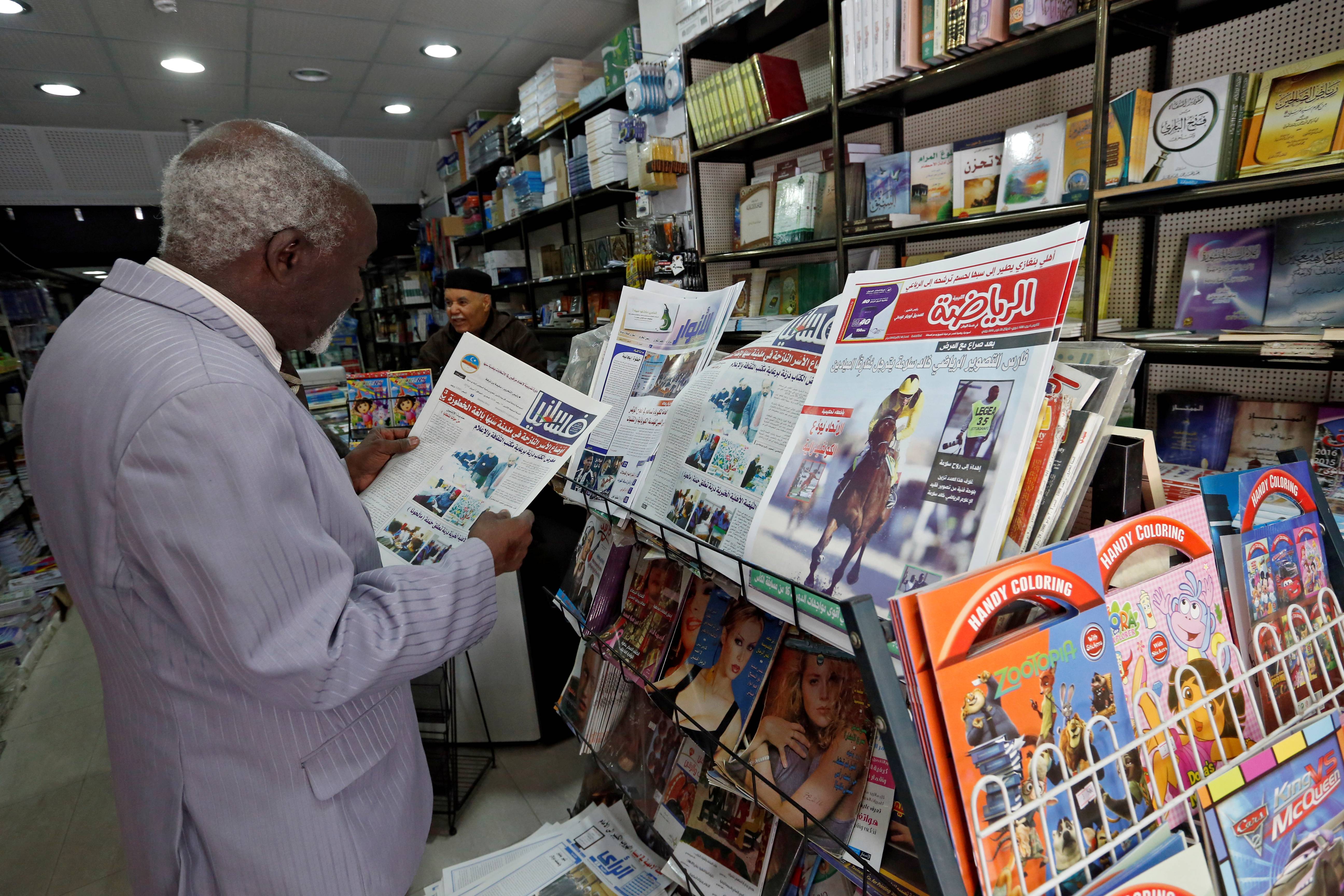
إلى جانب ذلك، تعيش الصحافة في ليبيا مفارقة واضحة: انفتاح تكنولوجي يقابله تضييق سياسي وتنظيمي؛ فمنذ 2011 توسّعت القنوات والمنصات والصفحات الإخبارية، لكن هذا الاتساع لم يتحوّل إلى تعددية تحريرية حقيقية؛ لأن الإطار الذي يفترض أن يضمن المنافسة العادلة وحرية النشر غائب، حيث ما زال العمل يجري بقانون مطبوعات من 1972، وقرارات مؤقتة بعد  ثورة 2011، ومساعٍ تشريعية متوقفة بسبب الانقسام.

لم يتوقف الأمر عند هذا الوضع المعقد؛ ذلك أن الفشل استمر أيضا في القدرة على إيجاد نقابة صحفية مستقلة، ورغم أن الكثير من الباحثين يرجعون هذا الفشل لحالة الانقسام العام التي تؤثّر على كل مؤسسات الدولة، إلا أن آخرين يعتقدون أن ضعف الثقة والتنافس الشخصي بين الصحفيين أنفسهم قد حوّلا الخلافات المهنية إلى انقسامات سياسية وشخصية حالت دون الاتفاق على قيادة نقابية تحظى بالإجماع.  وحتى مع هذا الاحتمال، ما زال الواقع يقول إنه لا يمكن تأسيس نقابة حرة ومستقلة إلا حينما تتوفر بيئة سياسية مستقرة وإرادة جماعية حقيقية تقدم المصلحة المهنية على الحسابات الشخصية والفئوية وغيرها.

  قراءة الأرقام قد تكون مغرية في الوهلة الأولى: ستّ درجات إلى الأمام تعني أن ليبيا باتت أقل سوء في نظر المؤشرات الدولية، لكن القراءة الأعمق تكشف أن التحسّن جاء في ظل استمرار العوامل نفسها التي عطّلت بناء إعلام مهني منذ 2011؛ أي استمرار الانقسام السياسي بين حكومتين.


معضلة التمويل

ربما يكون التمويل هو عقدة المشهد الإعلامي في ليبيا؛ فمع تراجع سوق الإعلان واستمرار الاضطراب الاقتصادي، أصبحت أغلب وسائل الإعلام تحت رحمة الممول السياسي أو رجل الأعمال المرتبط بجهة نافذة، بحيث باتت وسائل الإعلام بين خيارين؛ إما أن تكون مستقلة بلا تمويل، أو ممولة بلا استقلال.

ويمكن ملاحظة هذا النمط من التمويل من خلال الخطاب السائد في بعض القنوات الليبية، حيث تبدو النشرات والأخبار مهنية، لكنّ حدّتها تتغير فور الاقتراب من ملفات الجيش مثلا، أو الإنفاق الحكومي، أو مشاريع الإعمار.

وفي 2025 بالتحديد استُخدمت وسائل الإعلام ووسائل التواصل في حملات دعائية متبادلة وجرى توثيق الترويج للقنوات والمنصات التابعة لحكومة الغرب لما يعرف بمشاريع "عودة الحياة" التي تشرف عليها الحكومة، بينما جرى في الشرق الترويج لـ "الإعمار والاستقرار" والأمن والجيش، كما أن بعض القنوات والصفحات المموّلة تشتغل على التشكيك المتبادل في كل هذه المشاريع. إنّ مثل هذه البنية الدعائية لا تسمح بإعلام رقابي أو استقصائي، حتى لو كانت هذه المنصات تدّعي أنها حرة. 

ورغم هذه الأوضاع الضبابية فإن الجزء الحيوي في مشهد 2025 هو الفضاء الرقمي؛  حيث سُجّل نحو 6.5 مليون مستخدم للإنترنت، وبرز ما يمكن تسميته "المؤثر الإخباري"، هذه الطفرة خلقت حالة حرية فعلية؛ فالمواطن يستطيع النشر، والصحفي الشاب يستطيع أن يصنع منصة من هاتفه، وباتت قصص المناطق المهمّشة لها صوت، لكنّ هذه الطفرة جرت في سوق بلا ضوابط: صفحات مجهولة وحملات تضليل وتسريبات بلا مصادر وهجمات رقمية على الصحفيات وحسابات وهمية تديرها جهات سياسية وغياب شبه كامل لبرامج تربية إعلامية أو سجل وطني للمنصات. والنتيجة في هذه الحالة حرية واسعة لكن مع ثقة منخفضة. وفي غياب الحوكمة تصبح هذه الحرية نفسها قابلة للاستغلال سياسيًا، وهذا ما رصدته تقارير أممية في 2025.

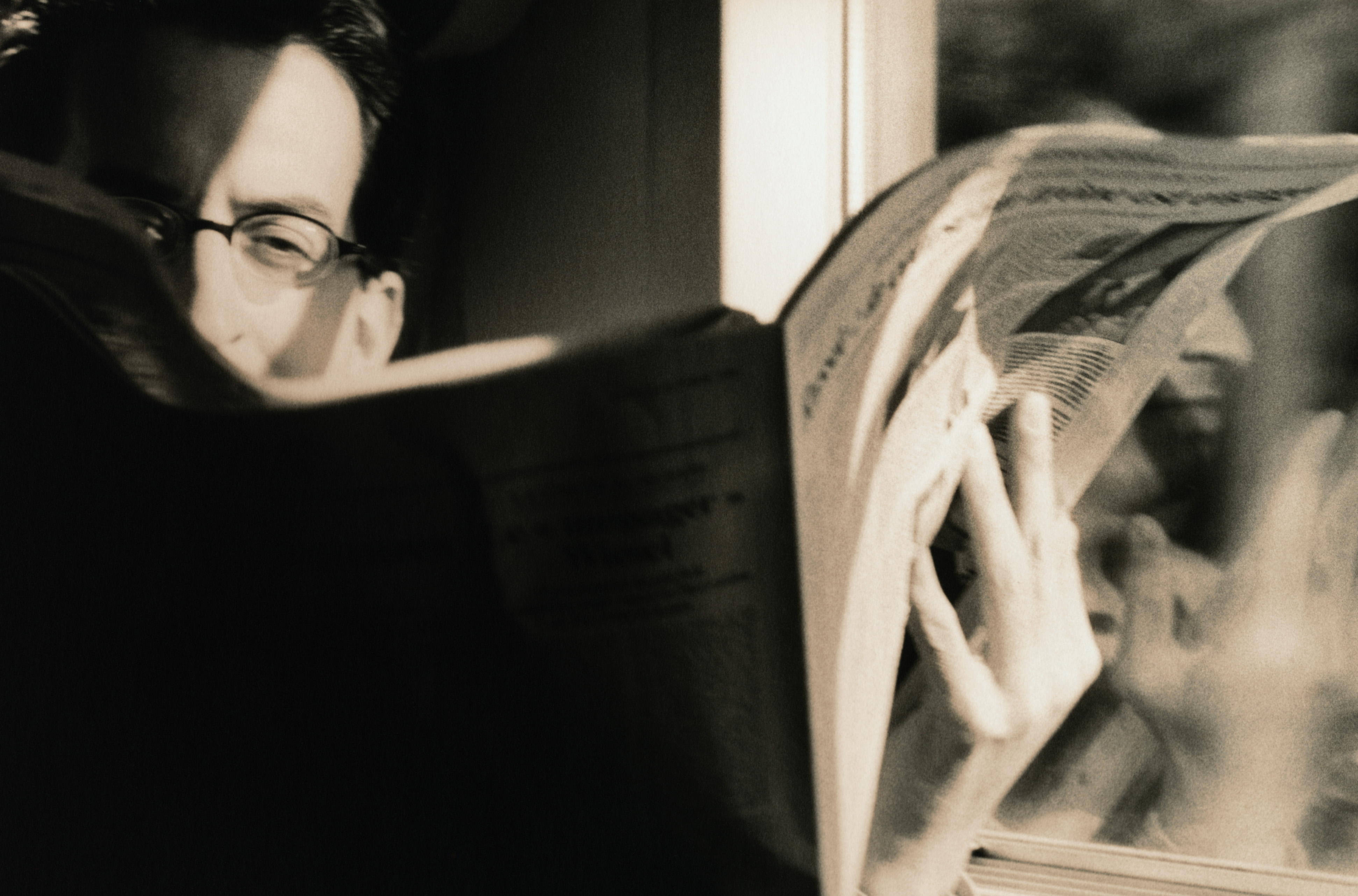
في هذا السياق يقول مسؤول منصات التواصل الاجتماعي في قناة ليبيا الأحرار ياسين خطاب إنه بالرغم من احتفاظ التلفزيون بقدرة عالية في توجيه الجمهور فإنه لا يمكن إغفال القدرة المخيفة للعالم الرقمي في صناعة الرأي العام حول قضايا هامة في ليبيا.

ويعتقد خطاب أن "غرف الأخبار ما تزال تتمسك بجزء من المهنية في تناول الملفات مع أنها تخضع لبعض الضغوط والمصالح، لكنّ المؤثرين وأصحاب المنصات أقل احترافا ومهنية ويعملون في كثير من الأحيان وفقا لمصالحهم الشخصية ومصالح مموليهم".

  الطفرة الرقمية جرت في سوق بلا ضوابط: صفحات مجهولة وحملات تضليل وتسريبات بلا مصادر وهجمات رقمية على الصحفيات وحسابات وهمية تديرها جهات سياسية وغياب شبه كامل لبرامج تربية إعلامية أو سجل وطني للمنصات.

في هذا الجو العاصف، يظل الصحفي الليبي الحلقة الأضعف؛ فالعقود غير منتظمة والرواتب متدنية خصوصا داخل المؤسسات المحلية في ظل غياب نقابة موحّدة. هذا الواقع لم يتغير حتى عام 2025، رغم تعدّد المبادرات التدريبية. وما دام الصحفي بلا حماية قانونية ولا عقد عمل ولا مظلة نقابية وطنية فإن أي تحسن في المؤشرات سيبقى شكليا؛ فالحرية لا تعني فقط غياب الاعتقال، بل ضمان الحماية عند التعرض للاعتداء أو المنع من التغطية.

يمكن قراءة التقدّم بست مراتب على أنه إشارة إيجابية ضعيفة تؤشر على أن ليبيا لم تعد في ذروة الخطر التي عرفتها سنوات الحرب، وأن الساحة الرقمية خلقت متنفّسا لا يمكن إغلاقه بسهولة. لكن القراءة نفسها تكشف أن أسباب التراجع ما تزال هي نفسها: الانقسام السياسي وازدواجية الجهات المنظمة والفراغ التشريعي والتمويل السياسي وعجز النقابات، ولذلك فالمؤشر هنا أقرب إلى هامش من التحسّن منه إلى دليل على تحسّن فعلي.

تحتاج الصحافة في البلاد قانون إعلام موحّدا، يُنجَز خارج التجاذب السياسي ويعتمد على مشاورة الصحفيين ومنظمات المجتمع المدني، إضافة إلى توحيد - أو على الأقل تنسيق - الهيئات المنظمة للإعلام؛ حتى لا تبقى التراخيص أداة صراع بين شرق وغرب، ونحتاج إلى شفافية في تمويل القنوات الرسمية وحتى الخاصة، وربط الإعلان الحكومي بمعايير مهنية لا بولاءات سياسية، مع ضرورة إحياء ملف النقابة الوطنية المستقلة للصحفيين؛ لأنه في حال إنجاز كل ما سبق فإنه سيظل هشّا بلا جسم مهني يحمي العاملين.

وفي النهاية يمكن القول إن تحسّن ترتيب ليبيا في مؤشر حرية الصحافة لعام 2025 خبر إيجابي، لكنه غير كاف؛ فهو يعكس هامشا يتحرك لا بنية تتغير، فالمشهد ما يزال منفتحا في الشكل مقيّدا في الممارسة، والنقطة الحاسمة ليست في عدد القنوات أو الصفحات، بل في قدرة الصحفي على العمل بحرية في ظل قانون موحّد ومؤسسات مستدامة. هنا تحديدًا تُختبر جدّيّة أي تحسّن في المؤشرات الدولية.
More Articles

Freelancers in Kashmir Fear Losing Access as Verification Tightens

Kashmir’s new “verification drive” claims to root out impostors, yet its heavy bureaucratic demands mainly sideline the independent freelancers who still dare to report in a shrinking media landscape. But here’s the unsettling question that hangs over the Valley like fog at dawn: who really benefits when the storytellers without institutional shields are pushed out of the frame?
Tauseef Ahmad
Tauseef Ahmad, Sajid Raina Published on: 11 Dec, 2025
Journalists in Maldives Enter New Phase of Government-Controlled Media Repression

As journalists weigh the costs of their work against threats to their lives and families, the fight for press freedom in the Maldives enters a dangerous new chapter, one where the stakes have never been higher.

Sumaiya Ali
Sumaiya Ali Published on: 8 Dec, 2025
Reporting Under Fire: The Struggle of African Journalists Facing Intimidation

African journalists who expose corruption and power now face a brutal mix of arrests, torture, digital surveillance, and lawsuits meant to drain their resources and silence them. From Ethiopia, Nigeria, Malawi, Benin, Sudan, Uganda, and Kenya to exile in Canada, reporting the truth has become an act of personal survival as much as public service.

Nigerian freelance Journalist John Chukwu
John Chukwu Published on: 4 Dec, 2025
Shipwrecked Narratives: How to Keep Migration Stories Afloat

Migration stories don’t become real until you meet people in the journey: the carpenter carrying photos of his fantasy coffins, or the Libyan city worker burying the forgotten dead, or the Tatar woman watching her livelihood collapse at a militarised border. Following these surprising human threads is the only way journalism can cut through collective exhaustion and make readers confront a crisis they’ve been trained to ignore.

Karlos Zurutuza, a freelance journalist and a media trainer. His work has been published in The Guardian, Al Jazeera English, POLITICO, The Middle East Eye and The Independent, among others.
Karlos Zurutuza Published on: 30 Nov, 2025
In-Depth and Longform Journalism in the AI Era: Revival or Obsolescence?

Can artificial intelligence tools help promote and expand the reach of longform journalism, still followed by a significant audience, or will they accelerate its decline? This article examines the leading AI tools reshaping the media landscape and explores the emerging opportunities they present for longform journalism, particularly in areas such as search and content discovery.

. سعيد ولفقير. كاتب وصحافي مغربي. ساهم واشتغل مع عددٍ من المنصات العربية منذ أواخر عام 2014.Said Oulfakir. Moroccan writer and journalist. He has contributed to and worked with a number of Arab media platforms since late 2014.
Said Oulfakir Published on: 24 Nov, 2025
Zapatismo and Citizen Journalism in Chiapas, Mexico

In Chiapas, independent journalists risk their lives to document resistance, preserve Indigenous memory, and challenge state and cartel violence. From Zapatista films to grassroots radio, media becomes a weapon for dignity, truth, and survival.

Ana Maria Monjardino
Ana Maria Monjardino Published on: 26 Oct, 2025
Lost in Translation: The Global South and the Flaws of Content Moderation

Global Rules, Local Consequences: How Biased Moderation Fuels Disinformation in the Global South. Unequal systems of AI and human oversight are failing to protect and often silencing non-Western voices online.

Lucia Bertoldini
Lucia Bertoldini Published on: 22 Oct, 2025
Propaganda: Between Professional Conscience and Imposed Agendas

When media institutions first envisioned editorial charters and professional codes of conduct, their primary goal was to safeguard freedom of expression. However, experience has shown that these frameworks have often morphed into a "vast prison", one that strips journalists of their ability to confront authority in all its forms. In this way, Big Brother dons velvet gloves to seize what little space remains for the practice of true journalism.

فرح راضي الدرعاوي Farah Radi Al-Daraawi
Farah Radi Al-Daraawi Published on: 17 Oct, 2025
Journalists Under Occupation; Palestinian Journalists in the West Bank

Palestinian journalists in the West Bank face extreme physical danger, psychological trauma, and systemic targeting under Israeli occupation, yet continue to report with resilience, amplifying the voices of their people despite global indifference and media bias.

Synne Furnes Bjerkestrand
Synne Bjerkestrand Published on: 13 Oct, 2025
Narrative Without Debate: The Telegraph’s Comment Ban on Gaza Coverage

What does it mean for readers when their voices are deliberately cut off? This content analysis of The Telegraph, a UK-based conservative newspaper known for its pro-establishment stance and alignment with right-leaning narratives, shows it systematically disabled Instagram comments on Israel-Gaza posts, blocking dissent and shaping a one-sided, pro-Israel narrative.

Mohammed Ramees
Mohammed Ramees Published on: 9 Oct, 2025
The Silent Death of Urdu Newspapers in India

With a 200-year history, Urdu newspapers in India are now facing a silent death—trapped in a cycle of decline where circulation has fallen by nearly 25%, advertising is absent, and government support is scarce. What vanishes is more than print: it is the erosion of a cultural and political lifeline that once bound Hindus, Muslims, and Sikhs in common debates and carried the voices of the marginalised into India’s public sphere.

Hanan Zaffa
Hanan Zaffar, Majid Alam Published on: 1 Oct, 2025
Mental Health in Newsrooms

Newsrooms, long lauded as bastions of information, are quietly grappling with a mental health crisis, underscoring an urgent need for systemic support, emotional safety, and sustainable practices to protect those telling the world’s stories.

Faras Ghani Published on: 27 Sep, 2025
Why Are Young Journalists in Kashmir Quitting Before They Begin?

In Kashmir, mounting censorship, political pressure, and shrinking job prospects are forcing a generation of aspiring journalists to abandon the profession, many before they even get the chance to begin, leaving behind a media landscape stripped of dissent, debate, and independent voices.

Abrar Fayaz, Muqeet Mohammed Shah Published on: 23 Sep, 2025
Sudan’s Journalists Are Being Silenced: By Bullets, Exile, and Fear

The collapse of the media industry in Sudan has subjected journalists to physical threats, legal and professional challenges, with no functioning legal system to investigate crimes committed against the press.

Nalova Akua
Nalova Akua Published on: 17 Sep, 2025
Nepali Journalists Trapped Between “GenZ” Protest and State Crackdowns

Nepali journalists are under attack on two fronts: facing violence from protesters in the streets while also being targeted by government crackdowns, restrictive laws, and political interference that threaten press freedom.

Sumaiya Ali
Sumaiya Ali Published on: 12 Sep, 2025
Interview with Zina Q. : Digital Cartography as a Tool of Erasure in Gaza

Amid Israel’s war on Gaza, Zina Q. uncovers how Google Maps and satellite imagery are being manipulated; homes relabelled as “haunted,” map updates delayed, and evidence of destruction obscured, revealing digital cartography itself as a weapon of war. By exposing these distortions and linking them to conflicts from Sudan to Ukraine, she demonstrates how control over maps and AI surveillance influences not only what the world sees, but also what it remembers.

Al Jazeera Journalism Review
Al Jazeera Journalism Review Published on: 6 Sep, 2025
I Don’t Want You to Be a Journalist, Mama”. Do Gaza’s Journalists Have the Luxury of Absence?

Does the Palestinian journalist in Gaza have the freedom to simply “step away”? How do they navigate the balance between their professional responsibilities and their family life? And to what extent does the duty to report justify the personal cost of being separated from one’s loved ones? Journalist Jenin Al-Wadiya sheds light on the deeply human details that rarely make it to the screen.

Jenin Al-Wadiya
Jenin Al-Wadiya Published on: 31 Aug, 2025
The Continent Experience: A New Kind of Newspaper for the Future of Journalism

The Continent is a new way of empowering people through quality journalism, blending the authority of newspapers with the reach of 21st-century distribution. Readers love it. That’s why we built it. It’s a model other newsrooms can learn from and one that comes with its own set of challenges.

Sipho Kings
Sipho Kings Published on: 28 Aug, 2025
Intersections of Journalism and Social Sciences in the Field

The field is where journalism and the social sciences meet at their most dynamic edge. As the world grows more complex, journalists increasingly take on the role of sociologists, without abandoning their core mission to question power and expose uncomfortable truths. By drawing on the methods and insights of social science, journalism deepens its coverage, grounds stories in real-world contexts, and resists the temptation of surface-level narratives.

Mohammed Ahddad
Ahdad Mohamed Published on: 23 Aug, 2025
Anas Al-Sharif’s Killing and the Israeli Media Narrative

Following the assassination of journalist Anas Al-Sharif, Palestinian journalists have been framed in Israeli media as legitimate military targets—part of a deliberate strategy to silence those who bear witness to the truth. This article explores how Hebrew-language media outlets have engaged in rhetoric that incites and legitimises the killing of journalists in Gaza.

Anas Abu Arqoub
Anas Abu Arqoub Published on: 19 Aug, 2025
New Media Reforms in Bangladesh Introduced to Replace Hasina-Era Journalism

Bangladesh’s interim government, led by Muhammad Yunus, has launched ambitious media reforms to undo the legacy of Sheikh Hasina’s 15-year rule, which was marked by censorship, media monopolies, and the notorious Digital Security Act. However, despite promises of greater freedom, journalists remain wary, as self-censorship, restrictive laws, and public scepticism continue to cast doubt on genuine change.

Sumaiya Ali
Sumaiya Ali Published on: 17 Aug, 2025
Monitoring of Journalistic Malpractices in Gaza Coverage

On this page, the editorial team of the Al Jazeera Journalism Review will collect news published by media institutions about the current war on Gaza that involves disinformation, bias, or professional journalistic standards and its code of ethics.

A picture of the Al Jazeera Media Institute's logo, on a white background.
Al Jazeera Journalism Review Published on: 11 Aug, 2025
The Washington Post: When Language Becomes a Veil for Pro-Israel Bias

How did The Washington Post's coverage differ between Israel’s bombing of Gaza hospitals and Iran’s strike on an Israeli hospital? Why does the paper attempt to frame Palestinian victims within a “complex operational context”? And when does language become a tool of bias toward the Israeli narrative?

Said Al-Azri
Said Al-Azri Published on: 6 Aug, 2025
The Human Story in Gaza: The Deadly Dilemma of “Who Do We Tell About?”

In the accelerating context of genocide, is the “pace” of death in Gaza outstripping journalists’ ability to capture human stories? How can they be expected to take their time crafting narratives amid hunger, displacement, and death? And to what extent can postwar documentation hold journalistic value in preserving collective memory and pursuing accountability for the perpetrators?

Mirvat Ouf
Mirvat Ouf Published on: 3 Aug, 2025