
كيف ولدت حركة الصحافة السرديّة في الصحافة الأمريكية المطبوعة؟

كيف ولدت حركة الصحافة السرديّة في الصحافة الأمريكية المطبوعة؟

"الربّ وحده يعلم، كم أنّ هذه الصحف مُضجرة، مضجرة، مضجرة، حتى أنّ علينا نحن أن ندفع للناس لكي يقرؤونا".. ستيورات ديم، صحفي ومحرّر أمريكي، في محاضرة له في مؤتمر للمحررين عام 1977.

الحروب ولّادة لأشكال جديدة من الصحافة؛ فحين بلغت الحرب العالمية الثانية ذروتها الكبرى، بإلقاء الولايات المتحدة قنبلة ذريّة على هيروشيما وناغازاكي التي قتلت زهاء ربع مليون إنسان، عرفت الصحافة العالمية وقتها نمطًا من الصحافة السردية المطوّلة، ولدت ناضجة وشبه مكتملة عبر مقالة "جون هيرسي" الشهيرة: "هيروشيما" التي نشرت وحدَها في عدد كامل من مجلّة نيويوركر، في أغسطس 1946.

لكن هيروشيما أحيلت على التقاعد وانضمت رغم فظاعتها الصادمة دومًا إلى قائمة أحداث تاريخية مرعبة وقعت وانقضت، ولم تعد حتّى في ذكراها السنويّة تحظى بما تناله أحداث أخرى في تلك الحرب من التغطية والتذكّر والتمحيص. وحتى في منتصف القرن الماضي، وبعده في وسط التسعينات إبان صعود القضية الفلسطينية على أجندة الأخبار العالمية، جرت عمليّات تذكّر واسترجاع انتقائية لأحداثٍ في الحرب العالمية الثانية، بدت وكأنّها حملةٌ منظّمة، لجعل ما حصل لجماعة معيّنة من الضحايا، "ذكرى عالميّة.. ترشدنا إلى أن سموم التفوق العرقي كامنة في كلّ أمّة"، بحسب ما يشير إيلان بابيه في كتابه "فكرة إسرائيل" وأنّ الردّ "العادل الوحيد" لما جرى هو منح دولة استيطان استعماريّ مثل إسرائيل، الحقّ المطلق في إبادة شعب آخر وحرقه. (1)

مع ذلك، ظلت الحرب العالمية الثانية فاتحةً لنمطٍ جديد من الكتابة في الصحافة الغربية. ففي الولايات المتحدة بعد جون هيرسي ستشتهر كتابات جوزيف ميتشيل، خاصة في جنس البروفايل السردي عن الأشخاص والأماكن، وأعمال جيمس آغي التي ركّز فيها على توثيق حياة المزارعين وتأثرهم بالبرامج الاقتصادية التي أطلقها الرئيس فرانكلين روزفلت، إضافة إلى المقالات الصحفية لإيرني بايل وتوثيقه لتجارب الجنود العاديين في الجبهة، وأعمال غاي تاليس، وخاصة مقاله الشهير "فرانك سانيترا يعاني من نزلة برد"، المنشور عام 1966 في مجلة "إسكواير"، فضلًا عن أعمال توم وولف وجيمي بريسلين وبيت هاميل وجوان ديديون وغيرهم لاحقًا.

وبين السبعينات والتسعينات من القرن العشرين برزت تلك الجماعة من الصحفيين الذين راحوا ينقلون الأخبار كما لو أنّهم ينسجون قصصًا ويسردونها، وتغيرت بسبب أعمالهم الجريئة وأسلوبهم اللافت حالةُ الصحافة نفسها وتوقعات الجمهور منها، كما يذكر توماس آر شميدت أستاذ الصحافة والإعلام في جامعة كاليفورنيا في كتابه "حركة السرد في الصحافة الأمريكية المطبوعة". فقد تراجعت مع تلك الموجة من الصحافة السرديّة هيمنة "الهرم المقلوب" على التفكير الصحفي، كما انكفأت هيمنة "الموضوعية" كخيار إستراتيجيّ "مُعلن" في الصحافة الأمريكية حينها، وتوسّعَ - في المقابل - الهامش المتاح تحريريًا؛ لتوظيف التقنيات السردية، وتحويل المصادر إلى شخصيات، والأحداث وتفاصيلها إلى عُقدٍ ضمنَ بنىً سرديّة صحفية، وذلك في تقاطعٍ جريء بين الصحافة والأدب وبين الصحافة والأنثروبولوجيا. (2). وبحسب شميدت، فإنّ ذلك لم يكن تغييرًا في الأسلوب وحسب، بل تحوّلًا في الجوهر، وتبدّلًا في فهم الصحفي والمؤسسات الصحفية لمعنى الأخبار وللطرق الممكنة لنقلها.

ظلت الحرب العالمية الثانية فاتحةً لنمطٍ جديد من الكتابة في الصحافة الغربية. ففي الولايات المتحدة بعد جون هيرسي ستشتهر كتابات جوزيف ميتشيل، خاصة في جنس البروفايل السردي عن الأشخاص والأماكن، وأعمال جيمس آغي التي ركّز فيها على توثيق حياة المزارعين وتأثرهم بالبرامج الاقتصادية التي أطلقها الرئيس فرانكلين روزفلت.

لقد تزامنت هذه النقلة نحو الصحافة السردية مع تحوّلات في ثقافة المجتمع أسفرت عن إعادة تخيّل لدور الصحافة. فالتغيّر حين يحصل في الصحافة يعكس معه طبيعة ونطاق التحوّل الحاصل في المجتمع وفي خصوصياته السياسية والاجتماعية، كما يعكس - حسب ما يرى شميدت - "طريقة تشكّل النقاش العام" في ذلك المجتمع (3). لكن ذلك مرتبط أيضًا وبشكل وثيق بالتوقّعات المعلّقة على الصحافة، وبالخيارات المتاحة لدى الصحفيين أنفسهم للمناورة والتغيير والتجريب، ضمن إمكاناتهم وقدراتهم وتكوينهم، ومجمل البيئة التي يعملون بها.

ففي لحظة التحوّل إلى الصحافة السرديّة، كان الصحفيون في بلدٍ كالولايات المتحدة يعملون ضمن بيئة أدبية شديدة النشاط، تموج بالحركة والفاعلية، وتشهد صعودًا لأسماء مؤثرة في الصنعة الأدبية غير منفصلين عن الصحافة، مثل فيليب روث، وجون أبدايك وتوني موريسون، وجيمس بالدوين وغيرهم. وبسبب من هذا المناخ الأدبي، والاعتراف المتزايد بدور الأدب في إعادة تشكيل وعي المجتمع بشأن الموضوعات والقضايا المختلفة، وجد الصحفيون فرصة سانحة، للاستفادة من الأدوات التي يتيحها الأدب؛ من أجل إنتاج صحافة جديدة، قريبة من الأدب، لكنّها تحافظ في الوقت ذاته على الصفات الأساسية اللصيقة بالصحافة، كالاعتماد على الحقائق والمصادر، والتزام معايير مهنيّة مستقرّة لا تقوم الصحافة بدونها.

في كتاب شميدت، نعثر على تفسيرات منهجية من هذا النمط لفهم نشأة الصحافة السردية، وعلاقتها مع الكتابة الأدبية "غير الخيالية" (nonfiction) التي برزت فيها أسماء لامعة لصحفيين أصلًا تحوّلوا إلى مؤلّفين محترفين يكتبون أدبًا حول قضايا وظواهر معقّدة في المجتمع بأساليب وأدوات متشابكة مع التاريخ والفلسفة والتحليل النفسي والاقتصاد وعلم الاجتماع، ومع الأدب (4). ففي أعمال جيمي بريسلن مثلًا، سيفهم القارئ مجتمع الجريمة في مدينة مثل نيويورك، على نحو لا يمكن للأدب منفردًا ولا للصحافة وحدها، القيام به. لكن الرجل جمع بين أفضل ما يتيحه الحقلان من أدوات، ومزج بينهما في عمل مثل "العصابة التي لا تحسن إطلاق الرصاص" الذي وثق فيه قصة حياة جوزيف غالو أحد زعماء المافيا في بروكلين في منتصف القرن العشرين. وفي المقالات التي احتوتها صفحات مجلات مثل نيويوركر وإسكواير وواشنطن بوست وغيرها مئات من الأمثلة وعشرات من الأسماء التي أسهمت في بناء هذا الشكل الكتابي وترسيخ قواعده، بعد اكتشافهم تلك "الطاقة" التي تتيحها هذه الكتابة التي لا تعترف كثيرًا بالتفريق المصطنع بين الأدب والصحافة. (5) ثم إنّ هذا النوع الصحفي كما يوضح شميدت في الكتاب، لم يقدّم بالضرورة دائمًا فهمًا أفضل للواقع، ولكنّه نجح على الأقل في معظم الأحيان في تقديم فهم "مختلف" عنه، يتجاوز ما تفرزه التغطيات التقليدية التي تقدمها التقارير الإخبارية.

وبين السبعينات والتسعينات من القرن العشرين برزت تلك الجماعة من الصحفيين الذين راحوا ينقلون الأخبار كما لو أنّهم ينسجون قصصًا ويسردونها، وتغيرت بسبب أعمالهم الجريئة وأسلوبهم اللافت حالةُ الصحافة نفسها وتوقعات الجمهور منها، كما يذكر توماس آر شميدت أستاذ الصحافة والإعلام في جامعة كاليفورنيا في كتابه "حركة السرد في الصحافة الأمريكية المطبوعة".

ففي الصحافة السردية، يتّسع المجال للكاتب لكي يعرض المادة الخام (المتمثلة في الحقائق وسياقها) بأسلوب يحسن استثمار الأدوات الكتابية الأدبية، ويتكئ على التقنيات الإثنوغرافية في جمع المعلومات والأخبار والحديث مع المصادر ومعايشتهم، ثم تقديم هذه التقارير المؤنسنة من داخل المؤسسات الصحفية العريقة نفسها، وهو ما سمح بجعلها "الشكل المفضل للحديث عن الوقائع" في المجتمع، وتكريس هذا الشكل من الكتابة الصحفية باعتبارها "مُنتجًا اجتماعيًا"، تصبح الصحافة فيه "شكلًا اجتماعيًا محددًا، ونمطًا متفردًا من الوعي، وطريقة فريدة في مقاربة التجربة الاجتماعية. (6)

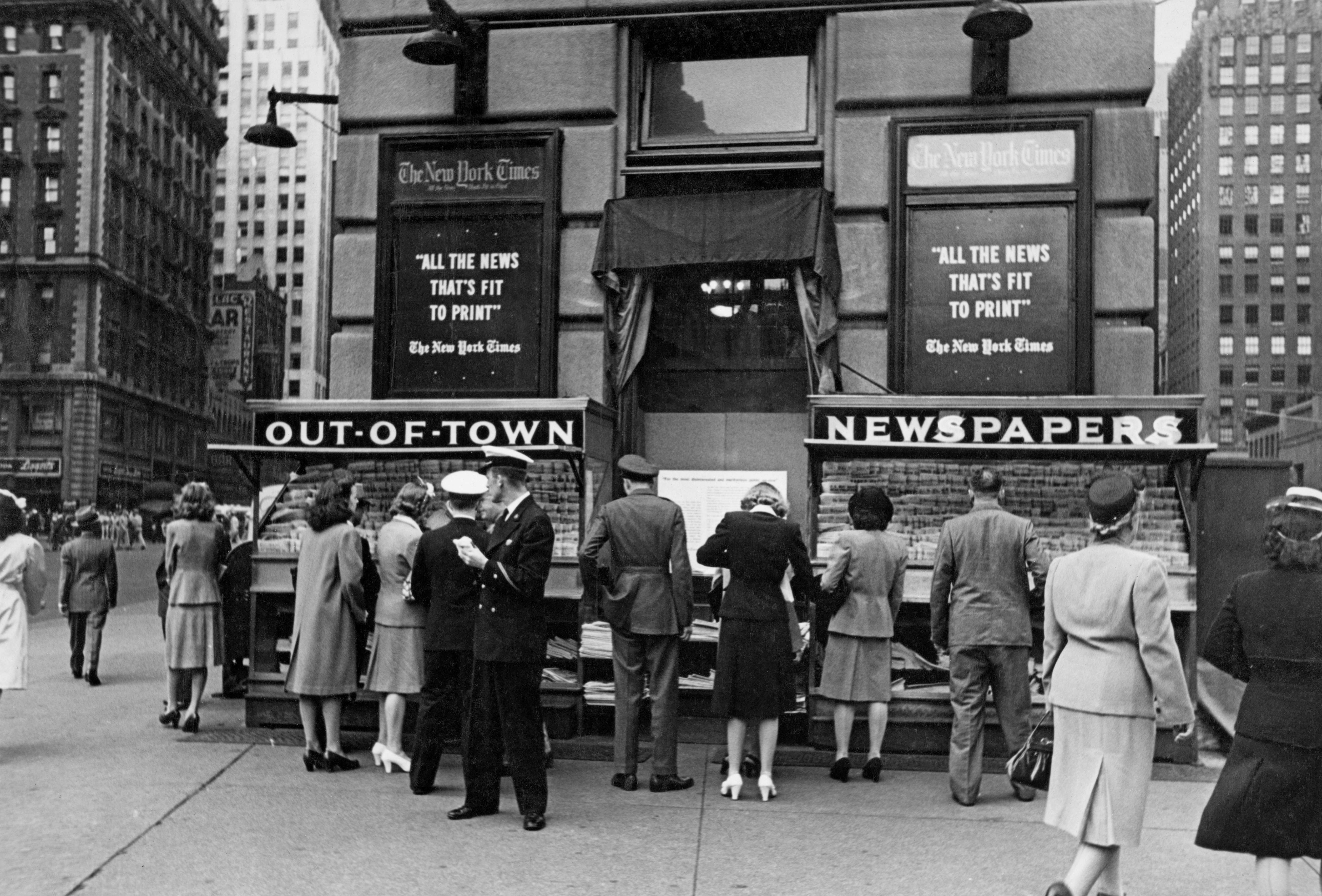
فالعامل الحاسم في هذه التجربة، هو التبنّي المؤسّسي لهذا النمط الصحفي واختراق فلسفته لغرف الأخبار إلى أن تغيّر روتين عملها واختلفت طريقة تعاطيها مع الأخبار.  وفق شميدت، كان لصحيفة واشنطن بوست دور رائد في ذلك، وتحديدًا عبر محررها بين برادلي الذي أطلق قسمًا جديدًا يستوعب هذا النمط من الكتابة الصحفية، وحقق في ذلك نجاحًا كبيرًا. يخبرنا الكتاب عن مأزق عانت منه الصحافة الأمريكية مطلع الستينات، تمثّل بما أسماه "خمول الابتكار"، وضعف قدرة المحررين في الصحف على الإتيان بجديدٍ على مستوى الحرفة بعد انقضاء عقدين على الحرب العالمية الثانية. في ذلك السياق، يوضّح شميدت كيف أن توقعات الجمهور الأمريكي من الصحافة أيضًا قد تغيرت، خاصة مع تحسن الرفاه الاقتصادي وما رافقه من أنماط جديدة في استهلاك الثقافة والترفيه، خاصة بين فئة من الشباب الذين ولدوا في أعقاب الحرب العالمية الثانية ولم يشهدوها، والذين يشار إليهم عادة بجيل "طفرة المواليد" (baby boomers). في هذا السياق، يوضّح الكاتب أنّ ثمة جيلًا جديدًا مؤثرًا يصعب إغراؤه بالمادة الصحفية القديمة نفسها، وأن له أذواقًا جديدة تختلف عن الجيل القديم الذي اعتادت الصحافة مخاطبته. (7) يبدو المشهد آنذاك شبيهًا بالوضع الحاصل مع ما يشار إليه باسم جيل "تيكتوك" في الآونة الأخيرة الذي لا يعرف استهلاك الأخبار إلا عبر هذه المنصّة، ويضع ضغوطًا كبيرة على غرف الأخبار لابتكار أنماط جديدة من المحتوى تتلاءم مع احتياجاتهم. المأزق الآخر الذي واجهته الصحف حينها، ومن بينها واشنطن بوست هو أن التزايد في حجم توزيع الصحف لا يتناسب مع حجم الزيادة السكانية الحاصل، خاصة مع دخول التلفزيون منافسًا للصحف في الستينات التي سحبت قسمًا لا بأس به من الجمهور عن متابعة الصحف، ولا سيما فيما يخص الأخبار الكبرى (مثل اغتيال كنيدي أو الحرب في فيتنام).

في كتاب شميدت، نعثر على تفسيرات منهجية من هذا النمط لفهم نشأة الصحافة السردية، وعلاقتها مع الكتابة الأدبية "غير الخيالية" التي برزت فيها أسماء لامعة لصحفيين أصلًا تحوّلوا إلى مؤلّفين محترفين يكتبون أدبًا حول قضايا وظواهر معقّدة في المجتمع بأساليب وأدوات متشابكة مع التاريخ والفلسفة والتحليل النفسي والاقتصاد وعلم الاجتماع.

خلقت تلك الظروف أزمة حقيقية كادت تودي بواشنطن بوست. فثمة منافسون لها على مستوى الولاية، وثمة على المستوى الوطني تتربّع نيويورك تايمز باعتبارها الصحيفة الأهمّ والأكثر توزيعا ونجاحًا. لكن برادلي الذي تولى التحرير في واشنطن بوست منذ عام 1965، وجد في تلك الظروف نفسها فرصة سانحة، ورأى أنّ صمود الصحيفة لن يتحقق إلا بابتكار حلٍّ لا تستطيع الإتيان بمثله الصحف الأصغر في المدينة، لضعف إمكاناتها، ولا الصحف الأكبر مثل نيويورك تايمز، لشدّة القيود المؤسسية الراسخة فيها. ذلك الحلّ تمثل في منحِ الكاتب مساحاتٍ أكبر لأدواته وأسلوبه وصوته وموضوعاته، والعمل على جذب الأقلام الماهرة من حقول قريبة من الصحافة، للكتابة بهذا الأسلوب الجديد. وهكذا تحوّلت الواشنطن بوست إلى "صحيفة كُتّاب"؛ أي يبرز فيها الكاتب واسمه وأسلوبه وثيماته الخاصة، في مقابل صحفٍ أخرى ظلّت بحسب شميدت، "صحفَ محرّرين"، مثل نيويورك تايمز، أي تُعنى بالحفاظ على خطّ وصوت موضوعي للصحيفة نفسها لا لكتّابها.

ولقد تمكّن برادلي بالفعل من تحقيق نجاح باهر، انطلاقًا من تلك القناعة المدروسة، بأن إغراء الأجيال الجديدة لقراءة الصحيفة وتفضيلها على غيرها، لن يتحقق إلا عبر أسلوب جديد ومنعشٍ وحيويّ في الصحافة يتسم بالتمرّد، ويتفلّت من "الوقار" المحافظ الذي تلتزم به الصحافة التقليدية (8) لكن من دون أن يعني ذلك بالضرورة التضحية بقاعدة القراء الذين اعتادوا على قراءة الصحيفة. فبرادلي، ومعه مساعده ديفيد لافينتول، لاحظا بدقّة تلك الثورة في "المتعة" و"الرفاه" في المجتمع من حولهم، وقررا استيعابه في الصحافة. وبهذا المعنى، أتت الصحافة السردية الجديدة لتكون هي "صحافة المتعة"، وكان التحدّي هو الحفاظ على جدّيتها ورصانتها، وعدم جعلها صحافة صفراء. لقد ظلّ الهدف في الواشنطن بوست، هو جعل النقاشات العامّة في الصحافة أكثر حيوية، وأكثر شفافية، وأكثر قربًا من المجتمع، على أن تكون في الوقت ذاته ممتعة ومثيرة للاهتمام ومختلفة. وكان ذلك يعني إحداث "انشقاق" عن نمط سائد في الصحافة، والاعتماد على كتّاب جيدين من أجل الدفع بهذا الشكل الجديد وضمان نجاحه.

تمكّن برادلي، محرر الواشنطن بوست، من تحقيق نجاح باهر، انطلاقًا من تلك القناعة المدروسة، بأن إغراء الأجيال الجديدة لقراءة الصحيفة وتفضيلها على غيرها، لن يتحقق إلا عبر أسلوب جديد ومنعشٍ وحيويّ في الصحافة يتسم بالتمرّد، ويتفلّت من "الوقار" المحافظ الذي تلتزم به الصحافة التقليدية.

سيذكر شميدت في كتابه نماذج ممتازة من بعض الأعمال الأولى في القسم الجديد للصحيفة الذي تبنى هذا النمط من الكتابة. ويذكر مثلًا قصة عن حاكم جديد في ولاية ماريلاند، يدعى مارفن ماندل، استخدمت نمطًا سرديًا غير مسبوق في الصحيفة، يجمع بين السرد والتوثيق في تقرير إخباري يومي، وتبدأ على النحو الآتي:

 "عند السادسة والنصف صباحًا، ينهض مارفن ماندل عن سريره المزدوج، ويذهب إلى الحمام تحت الدرج. حمّام صغير، بسيراميك أزرق اللون فاتح. عبر ثقوب صغيرة لكأس معدنية تتدلى مقابض ثلاث فرش أسنان، وخلف ستارة بلاستيكية خفيفة يختفي حوض الاستحمام. في خزانة الأدوية الأنيقة علبة شامبو "بريل"، ورغوة حلاقة، وموضع لشفرات حلاقة قديمة، وثلاث أو أربع عبوات أو صناديق صغيرة أخرى، ليس بينها أي علبة دواء، ولا حتى حبة أسبرين واحدة"...

يؤكّد شميدت عبر كتابه على أهمّية الرؤية المؤسسية في صعود هذا النمط الصحفي واستقراره وتنامي أثره داخل الولايات المتحدة وخارجها، سواء عبر تبنيه من طرف الإدارات التحريرية، أو عبر الاحتفاء العام به من داخل الصنعة الصحفية وعلى أطرافها، سواء في الجوائز التي باتت مخصصة لهذا النمط من الكتابة، أو في اهتمام الناشرين في جمع أعمال أبرز الكتّاب وإعادة نشرها، بل وفي تخصيص أنطولوجيات سنويّة تجمع أهمّ الأعمال الصحفية السرديّة (مثل سلسلة America’s Best Newspaper Writing)، وتدشين مؤتمرات سنوية حول الكتابة السردية غير الخيالية، أي الصحفية، في كلّ من جامعة بوسطن وجامعة هارفرد، فضلًا عن تفجر المشهد بورش الكتابة وتعليمها، وتدشين أقسام بأكملها للكتابة الإبداعية الروائية وغير الروائية، (9) وهي حالة لا تزال في السياق العربيّ في مهدها، رغم الحاجة الماسّة والمتجدّدة إليها.


المصادر 

(1) إيلان بابيه، فكرة إسرائيل، تاريخ السلطة والمعرفة، المؤسسة العربية للدراسات والنشر ص[104
(2)، The Storytelling Movement in American Print Journalism, pg3
(3) The Literary Journalists, Norman Sims, pg2
(4) نفس المصدر، صفحة 4
(5) The Storytelling Movement in American Print Journalism, pg7
(6) نفس المصدر، صفحة 16
(7) نفس المصدر، صفحة 18، وصفحة 21.
(8) نفس المصدر، ص21
(9) نفس المصدر، ص97

 

More Articles

Inside Vietnam’s Disinformation Machine and the Journalists Exposing It from Exile

Vietnam’s tightly controlled media environment relies on narrative distortion, selective omission, and propaganda to manage politically sensitive news. Exiled journalists and overseas outlets have become essential in exposing these practices, documenting forced confessions and smear campaigns, and preserving access to information that would otherwise remain hidden.

AJR Contributor Published on: 15 Dec, 2025
What It Means to Be an Investigative Journalist Today

A few weeks ago, Carla Bruni, wife of former French president Nicolas Sarkozy, was seen removing the Mediapart logo from view. The moment became a symbol of a major victory for investigative journalism, after the platform exposed Gaddafi’s financing of Sarkozy’s election campaign, leading to his prison conviction. In this article, Edwy Plenel, founder of Mediapart and one of the most prominent figures in global investigative journalism, reflects on a central question: what does it mean to be an investigative journalist today?

Edwy Plenel
Edwy Plenel Published on: 27 Nov, 2025

In-Depth and Longform Journalism in the AI Era: Revival or Obsolescence?

Can artificial intelligence tools help promote and expand the reach of longform journalism, still followed by a significant audience, or will they accelerate its decline? This article examines the leading AI tools reshaping the media landscape and explores the emerging opportunities they present for longform journalism, particularly in areas such as search and content discovery.

. سعيد ولفقير. كاتب وصحافي مغربي. ساهم واشتغل مع عددٍ من المنصات العربية منذ أواخر عام 2014.Said Oulfakir. Moroccan writer and journalist. He has contributed to and worked with a number of Arab media platforms since late 2014.
Said Oulfakir Published on: 24 Nov, 2025
Leaked BBC Memo: What Does the Crisis Reveal?

How Should We Interpret the Leak of the “BBC Memo” on Editorial Standards? Can we truly believe that the section concerning U.S. President Donald Trump was the sole reason behind the wave of resignations at the top of the British broadcaster? Or is it more accurately seen as part of a broader attempt to seize control over editorial decision-making? And to what extent can the pressure on newsrooms be attributed to the influence of the Zionist lobby?

 Mohammed Abuarqoub. Journalist, trainer, and researcher specializing in media affairs. He holds a PhD in Communication Philosophy from Regent University in the United States.محمد أبو عرقوب صحفي ومدرّب وباحث متخصص في شؤون الإعلام، حاصل على درجة الدكتوراه في فلسفة الاتّصال من جامعة ريجينت بالولايات المتحدة الأمريكية.
Mohammed Abuarqoub Published on: 20 Nov, 2025
Crisis of Credibility: How the Anglo-American Journalism Model Failed the World

Despite an unprecedented global flood of information, journalism remains strikingly impotent in confronting systemic crises—largely because the dominant Anglo-American model, shaped by commercial imperatives and capitalist allegiances, is structurally incapable of pursuing truth over power or effecting meaningful change. This critique calls for dismantling journalism’s subordination to market logic and imagining alternative models rooted in political, literary, and truth-driven commitments beyond the confines of capitalist production.

Imran Muzaffar
Imran Muzaffar, Aliya Bashir, Syed Aadil Hussain Published on: 14 Nov, 2025
Why Has Arab Cultural Journalism Weakened in the Third Millennium?

The crisis of cultural journalism in the Arab world reflects a deeper decline in the broader cultural and moral project, as well as the collapse of education and the erosion of human development. Yet this overarching diagnosis cannot excuse the lack of professional training and the poor standards of cultural content production within newsrooms.

Fakhri Saleh
Fakhri Saleh Published on: 10 Nov, 2025
Podcasters, content creators and influencers are not journalists. Are they?

Are podcasters, content creators, and influencers really journalists, or has the word 'journalist' been stretched so thin that it now covers anyone holding a microphone and an opinion? If there is a difference, where does it sit? Is it in method, mission, accountability, or something else? And in a media landscape built on noise, how do we separate a journalist from someone who produces content for clicks, followers or sponsors

Derick Matsengarwodzi
Derick Matsengarwodzi Published on: 7 Nov, 2025
The Power to Write History: How Journalism Shapes Collective Memory and Forgetting

What societies remember, and what they forget, is shaped not only by historians but by journalism. From wars to natural disasters, the news does not simply record events; it decides which fragments endure in collective memory, and which fade into silence.

Daniel Harper
Daniel Harper Published on: 30 Oct, 2025
Journalism in Spain: Why Omitting Ethnicity May Be Doing More Harm Than Good

In Spain, a well-intentioned media practice of omitting suspects’ ethnic backgrounds in crime reporting is now backfiring, fuelling misinformation, empowering far-right narratives, and eroding public trust in journalism.

Ilya إيليا توبر 
Ilya U Topper Published on: 10 Sep, 2025
Interview with Zina Q. : Digital Cartography as a Tool of Erasure in Gaza

Amid Israel’s war on Gaza, Zina Q. uncovers how Google Maps and satellite imagery are being manipulated; homes relabelled as “haunted,” map updates delayed, and evidence of destruction obscured, revealing digital cartography itself as a weapon of war. By exposing these distortions and linking them to conflicts from Sudan to Ukraine, she demonstrates how control over maps and AI surveillance influences not only what the world sees, but also what it remembers.

Al Jazeera Journalism Review
Al Jazeera Journalism Review Published on: 6 Sep, 2025
Canadian Journalists for Justice in Palestine: A Call to Name the Killer, Not Just the Crime

How many journalists have to be killed before we name the killer? What does press freedom mean if it excludes Palestinians? In its latest strike, Israel killed an entire Al Jazeera news crew in Gaza—part of a systematic campaign to silence the last witnesses to its crimes. Canadian Journalists for Justice in Palestine (CJJP) condemns this massacre and calls on the Canadian government to end its complicity, uphold international law, and demand full accountability. This is not collateral damage. This is the targeted erasure of truth.

Samira Mohyeddin
Samira Mohyeddin Published on: 14 Aug, 2025
Protecting Palestinian Journalists Should be First Priority - Above Western Media Access

Why demand entry for foreign reporters when Palestinian journalists are already risking—and losing—their lives to tell the truth? Real solidarity means saving journalists' lives, amplifying their voices, and naming the genocide they expose daily.

Synne Furnes Bjerkestrand
Synne Bjerkestrand, Kristian Lindhardt Published on: 10 Aug, 2025
The Washington Post: When Language Becomes a Veil for Pro-Israel Bias

How did The Washington Post's coverage differ between Israel’s bombing of Gaza hospitals and Iran’s strike on an Israeli hospital? Why does the paper attempt to frame Palestinian victims within a “complex operational context”? And when does language become a tool of bias toward the Israeli narrative?

Said Al-Azri
Said Al-Azri Published on: 6 Aug, 2025
In the War on Gaza: How Do You Tell a Human Story?

After nine months of genocidal war on Palestine, how can journalists tell human stories? Which stories should they focus on? And does the daily, continuous coverage of the war’s developments lead to a “normalisation of death”?

Yousef Fares
Yousef Fares Published on: 8 Jul, 2025
How Much AI is Too Much AI for Ethical Journalism

As artificial intelligence transforms newsrooms across South Asia, journalists grapple with the fine line between enhancement and dependency

Saurabh Sharma
Saurabh Sharma Published on: 1 Jul, 2025
How to Tell the Stories of Gaza’s Children

Where does compassion end and journalism begin? How can one engage with children ethically, and is it even morally acceptable to conduct interviews with them? Palestinian journalist Reem Al-Qatawy offers a profoundly different approach to human-interest reporting. At the Hope Institute in Gaza, she met children enduring the harrowing aftermath of losing their families. Her experience was marked by intense professional and ethical challenges.

Rima Al-Qatawi
Rima Al-Qatawi Published on: 26 Jun, 2025
Do Foreign Journalists Matter in Covering Genocide? A Look into Bosnia, Rwanda, and Gaza

How did foreign journalists cover the killings in both Bosnia-Herzegovina and Rwanda? Did they contribute to conveying the truth and making an impact? Would the entry of foreign journalists into the Gaza Strip change the reality of the ongoing genocide? And would their coverage of the famine and massacres add to the daily coverage of local journalists? Why is the local press's coverage of wars seen as deficient compared to Western journalism, even though they incur greater losses and casualties?

Saber Halima
Saber Halima Published on: 20 Jun, 2025
How Palestine Is Forcing Journalists to Reexamine Objectivity and Decolonize

This article argues that the Palestinian context exposes the colonial roots of traditional journalism and calls for a decolonial approach that centers marginalized voices, promotes collaborative reporting, and demands structural change within newsrooms to uphold journalistic integrity.

Sanne Breimer
Sanne Breimer Published on: 12 Jun, 2025
The Role of Social Science Tools in Enhancing Journalism

When French sociologist Pierre Bourdieu was asked about the contribution of the suburbs to elections, he replied that decades of colonialism and complex problems cannot be summarised in 10 minutes. The value of social sciences in supporting journalism is demonstrated when they address issues of society, power, and identity for the sake of better journalism.

Rehab Zaheri
Rehab Zaheri Published on: 6 Jun, 2025
Digital Dependency: Unpacking Tech Philanthropy’s Grip on Local News in the MENA

AI-driven journalism initiatives in the Middle East, often backed by philanthropic media development projects, are reshaping local newsrooms under the influence of global tech giants. These efforts, while marketed as support, risk deepening power asymmetries, fostering digital dependency, and reactivating colonial patterns of control through algorithmic systems and donor-driven agendas.

Sara Ait Khorsa
Sara Ait Khorsa Published on: 3 Jun, 2025
Journalism Colleges in Somalia: A Battle for Survival

Journalism colleges in Somalia are struggling to survive due to outdated curricula, lack of practical training, insufficient funding, and a shortage of qualified educators, leading to declining student enrollment and interest. Despite efforts by institutions like Mogadishu University and Hormuud University to revive journalism education, these challenges persist, threatening the future of journalism in the country.

Al-Shafi Abtidon
Al-Shafi Abtidon Published on: 30 May, 2025
Philippine Activists Fight Archive Erasure and Revive Dictatorship-Era Memories

In the Philippines, archivists fight to preserve evidence of the country’s bloodied past, in hope that it will provide lessons for the future.

Tristan James Biglete
Tristan James Biglete Published on: 27 May, 2025
News Fatigue and Avoidance: How Media Overload is Reshaping Audience Engagement

A study conducted on 12,000 American adults revealed that two-thirds feel “exhausted” by the overwhelming volume of news they receive. Why is the public feeling drained by the news? Are audiences actively avoiding it, and at what psychological cost? Most importantly, how can the media rebuild trust and reconnect with its audience?

Othman Kabashi
Othman Kabashi Published on: 25 May, 2025
Weaponized Artificial Intelligence: The Unseen Threat to Fact-Checking

How has artificial intelligence emerged as a powerful tool during wartime, and what strategies are fact-checkers adopting to confront this disruptive force in newsrooms? The work of fact-checkers has grown significantly more challenging during the genocide in Palestine, as the Israeli occupation has relied heavily on artificial intelligence to disseminate misinformation.

Ahmad Al-Arja
Ahmad Al-Arja Published on: 18 May, 2025