جمالية المقال الصحفي.. حوار مع الصحفي مارتين كاباروس

جمالية المقال الصحفي.. حوار مع الصحفي مارتين كاباروس

"كلما تقدمتُ في العمر قوّمتُ نفسي أكثر. هي أوقات ممتعة تلك التي أقضيها في تقويم نفسي، أشبه ما تكون بالنحت في الصخر وإخراج كل الزوائد من الرخام وصولا إلى الشكل المنشود".

مارتين كابارّوس


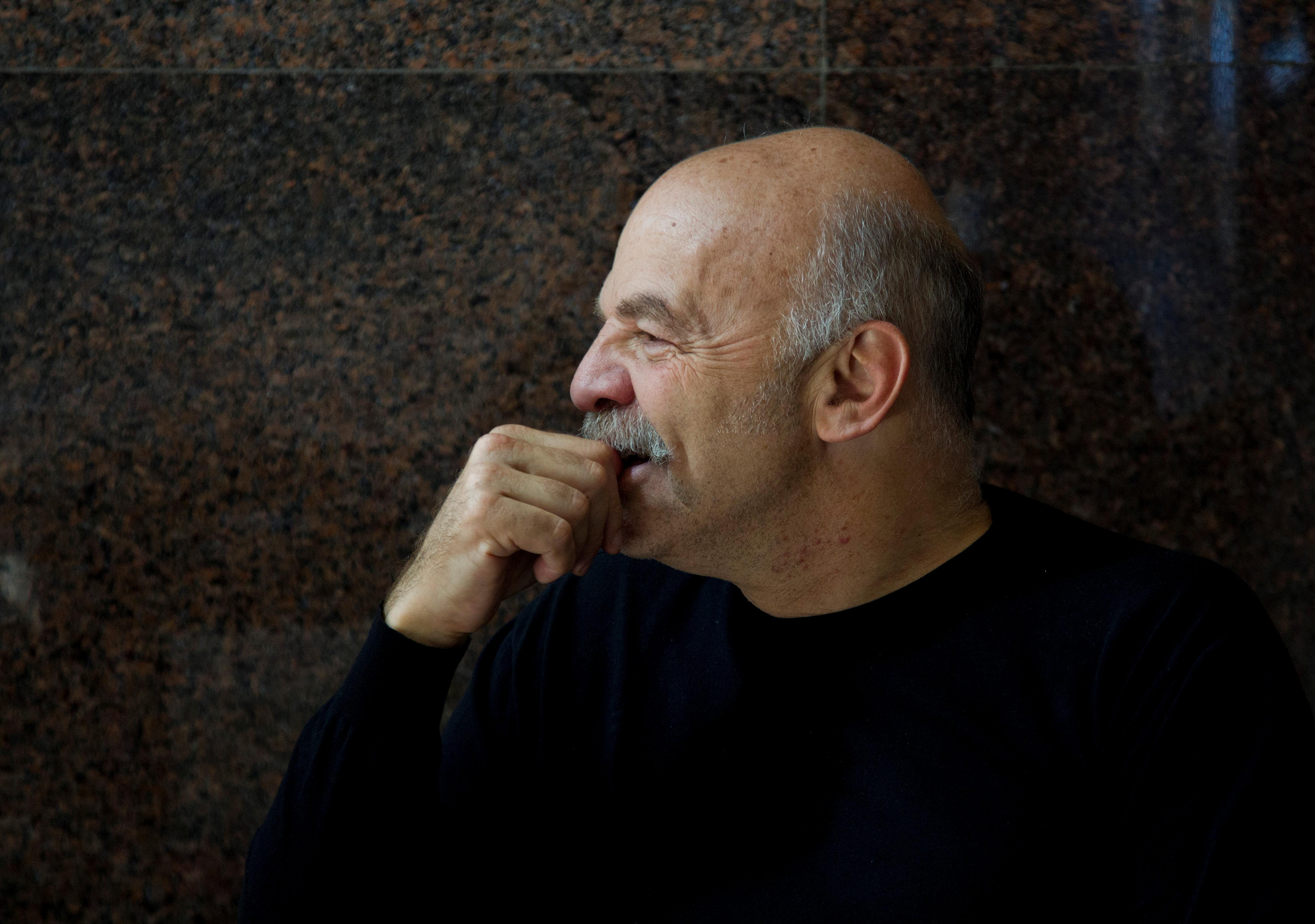
تكمن أهمية النص الصحفي في أن تكون كل كلمة فيه ضرورية، ألا تدع مجالا لأحد أن يتساءل عن الجدوى من استخدام كلمة ما في موضع معين، أن تكون كل كلمة جديرة بمكانها في النص. يؤكد الكاتب والصحافي والمؤرخ الأرجنتيني مارتين كابارّوس في لقاء بإسبانيا.

إيجاد الكلمات الصحيحة؟ أسأله ويجيبني على الفور: "إياك أن تستخدم كلمة جديدة لمجرد أنك لا تريد تكرار كلمة ذكرتَها قبل خمسة أسطر، إنما عليك أن تضعها إذا كانت هي الكلمة المناسبة والأقدر على أن تعبر وتصف ما تريد قوله تماما، حتما ستقع في كثير من الريبة في هذا المجال، لكن إنتاج تلك الريبة التي ستوصلني إلى ضرورة استخدام كلمة معينة في هذا السياق يمنحني سعادة عارمة، وأحب أن أعمل بهذه الطريقة".

يعدّ كاباروس مرجعا في الصحافة والأدب في أميركا الجنوبية والوسطى، نصف قرن من العمل في الصحافة تقريبا، وأكثر من ثلاثين كتابا، نصفها تُرجم إلى الإنجليزية والإيطالية والألمانية. يحدثنا الصحفي الأرجنتيني عن أبرز الأخطاء التي وقع فيها حين بدأ حياته المهنية بصحيفة "Noticias" في بوينوس آيرس في الأرجنتين عام 1973.

"حين بدأتُ العمل الصحفي كان يشغلني أن أظهر كمّ المعارف التي أمتلكها، كنت أملأ نصوصي بحبكات معقدة أكثر من اللازم، أخلق صيغا لغوية فريدة وصعبة، منحني ذلك شعورا بالرضا، كنت كذلك حتى تنبهت إلى أن جمالية النص الصحفي تكون بألا يحتوي أي زيادة على ما هو ضروري، أن تُبرز المعنى الجوهري فحسب".

تكمن أهمية النص الصحفي في أن تكون كل كلمة فيه ضرورية، ألا تدع مجالا لأحد أن يتساءل عن الجدوى من استخدام كلمة ما في موضع معين، أن تكون كل كلمة جديرة بمكانها في النص.


معركة ضد الناشر

خلال العامين الماضيين وبينما كانت تطغى جائحة كورونا على الأحداث، انكفأ مارتين كاباروس على نفسه في شقته بِتورّيلودونيس للعمل على ثلاثة كتب، أحدها رواية، والثاني كتاب من السرديات والمقالات الصحفية، إلى جانب إعادة تأليف كتابه "Boquita"، وهو كتاب يتحدث عن الشغف بكرة القدم وفريق بوكاجونيورز. كان ذلك هو المتوقع بعد أن رمى باستقالته في وجه الناشر بصحيفة نيويورك تايمز التي كان يكتب عمودا أسبوعيا فيها إثر خلاف بينهما. نشر كاباروس أسباب استقالته على وسائل التواصل: ناشرٌ من جيل الألفية طغت عليه الأفكار والتوجهات السلطوية، كان يَسلُك مِقصا قاتلا في مقالاته، ونتيجة لهذا الصراع، ولإدراكي أن كل الصحفيين في العالم واجهوا "معارك في المُبارَزة" كهذه مع الناشرين، انتهى بي المطاف إلى قناعتي بما فعلت.

"لطالما وددت أن أحظى بناشر يعرف ويجيد ما يقول، يعزز الأفكار التي أعرضها في مقالي. إن عمل الناشر يتمحور في إظهار النص الذي كتبه أحد الصحفيين في أفضل صورة. هذا ما ينبغي للناشرين أن يفهموه، ألا يُضفوا طابعهم الخاص وأسلوبهم على كتابات الآخرين، لماذا يحولون سَريان النص من لسان الصحفي إلى لسان الناشر نفسه؟ عليهم أن يراعوا الأساليب والصيغ التي يبدعها الآخرون ويحرصوا على أن تزهر في أبهى صورها".

يقول كاباروس: "أشاركك في انزعاجك من الناشرين، بالنسبة إلي فإنني لا أعمل مع جهات تحتّم عليّ أن آتي بالنصّ في الحال، الأعمدة الصحفية التي أكتبها الآن لصحيفة إلباييس الإسبانية أعدّها قبل عشرة أيام من موعد تسليمها، أراجعها كل يوم، وفي كل مرة أجد موضعا أو اثنين أو أكثر بحاجة إلى تعديل، أقرأ نصي بعيون الآخرين، هما عيناي ذاتهما لكن بمرور الوقت ستدرك أن بإمكانك تمييز الأخطاء وكل ما ينبغي معالجته".

حين بدأتُ العمل الصحفي كان يشغلني أن أظهر كمّ المعارف التي أمتلكها، كنت أملأ نصوصي بحبكات معقدة أكثر من اللازم، أخلق صيغا لغوية فريدة وصعبة، منحني ذلك شعورا بالرضا، كنت كذلك حتى تنبهت إلى أن جمالية النص الصحفي تكون بألا يحتوي أي زيادة على ما هو ضروري، أن تُبرز المعنى الجوهري فحسب.

إذا كان جول فيرن في روايته قد طاف العالم في ثمانين يوما، فإن مارتين كاباروس لم يَفُته سوى القليل من البلدان التي لم يزرها خلال ثمانية وأربعين عاما من عمله الصحفي. في تقاريره وسردياته الصحفية صوّر لنا الأرجنتين كلها، تنقّل بين المكسيك وبوليفيا والبيرو وأميركا الوسطى، أُجريت معه مقابلات صحفية في إسبانيا والبرتغال وكولومبيا، سافر إلى تايلاند وجنوب إفريقيا وإلى أشد المناطق عنفا في الشرق الأوسط، ليروي لنا كل المآسي وكل المسرّات التي تعيشها الشعوب على اختلافها.

يرى كابارّوس أن عمل الصحفي في أبسط صوره هو التحقق من المعلومات والوقائع وروايتها: "عليك أن تكون صريحا في الصحافة، أن تكون موثوقا وحاذقا"، أن تميز بمهارة الفوارق بين السياق العام للأحداث والبيانات التي تحصل عليها عن شخصية ما.

"ليس لك أن تكتب نصك بينما أنت تفكر في إزعاج (س) أو (ص) من الشخصيات، أكان ذلك سياسيا أم رجل أعمال أم واحدا من قادة المجتمع، ما عليك سوى أن تكتب ما تحصل عليه من معلومات، ولك الحق في أن تروي كل ما تراه".


"أكره سطحية الصحافة، لا أطيق عجرفتها الغبية، عُقمها وغرورها وغموضها في كثير من الأحيان، إنني أحترم بل أحسد من يكتب نصا واضحا وصريحا، يجمع فيه جمال أسلوبه والتهاب ذكائه في آن، أجهَد في فعل ذلك منذ ثمانية وأربعين عاما، وليس لدي أدنى شك في أن حياتي ستكون أسوأ لو اتبعت نهجا آخر، تبدو الصحافة عملا سهلا، ليس تعلُّمُها أمرا مضنيا، لكن تطبيقها وإجادتها أمر آخر تماما".

يلحّ الكاتب ويحاجج بأن واحدة من الأطروحات الأساسية في الصحافة هي "الاستمتاع بالاستماع" إلى مصادرك، بينما أنت تتحقق من صحة ما كنت تظن أنك تعلمه، وأنت لا تعلم.

"سيكون الفضول سببا أول فيما تُقدِم عليه من عمل، تلك الرغبة الشديدة في معرفة الأمر وروايته، ذاك الدافع الغريب الذي لا يتركك تهدأ حتى تصل إلى مبتغاك بأنك فهمت ما الذي جرى، وهكذا يمكنك أن تبدأ رواية الخبر، ولكن في أحيان أخرى قد يكون دافعك روح المغامرة، مع أن كثيرا من المغامرات لا تنتهي بما كنت تتخيله قبل انطلاقها، وقد لا يكون دافعك سوى إيجاد طريقة للظهور أمام المتابعين، أو تحسين طريقتك في ذلك. هو وهم خادع لكنني أظن أنه حتى لو كان كذلك فإن لا شيء سواه سيُحقق مبتغاك، والصحافة الماكرة بطبيعتها تستطيع إقناعك من حين لآخر بأنك تؤديها على أكمل وجه".


"تشغل بال الصحافي مسألة كيفية أداء عمله بكفاية، حيث ينبغي له إيجاد الطرق والأساليب اللغوية لرواية الوقائع، والأهم من ذلك أن يجد مادة يُحدث الناس عنها، أما أنا فسأوجّه الكثيرين من الصحفيين الجدد إلى السرقة، أجل، المسألة كلها يمكن حلها بالسرقة، لكن دعني أوضح، يجب أن تحسن الاختيار، ممن تسرق وماذا تسرق، ليست هناك طريقة لتشكيل أسلوبك الخاص في الكتابة دون المرور بأساليب غيرك من الكُتّاب. أن تمر على نصوصهم ومقالاتهم، ثم تختار أساليب الصياغة وطرق الكتابة التي ترغب في أن تصبغ نصوصك، ثم عليك أن تجيد استخدامها وإدماجها في محتوى مقالك، وبتراكم الوقت والخبرة ستلاحظ كيف يتشكل أسلوبك الخاص. ليست هناك وصفة نافعة غير تلك، ولا أظن أن شيئا أكثر متعة من قراءة ما يكتبه الآخرون، أن تقرأ الكثير وبِنَهم، لا أفهم كيف يمكن لأحد على أي وسيلة إعلامية أن يروي بلسانه -حتّى من دون كتابة- أي حدث دون أن يقرأ، إنه مثل من يريد عزف الجيتار دون أن يستمع إلى أي قطعة موسيقية".

قيل ذات مرة إن ممارسة الصحافة هي الإخبار بالأمور التي يرغب البعض في أن تظل طي الكتمان، أما اليوم فبإمكاننا القول إن ممارسة الصحافة هي إخبار الناس بأمور لا يرغبون في معرفتها أساسا، وهذه معركتك مع الجمهور، أن تحارب اتجاهاتهم المعرفية المنحدرة صوب أخبار الاستعراض.

يقول كابارّوس مؤلف كتاب الحب والفوضى إن على الصحفي أن يخوض معركة ضد الجمهور، ويوضح ذلك بأن الأنباء الأكثر مشاهدة في أيامنا هي التي تتحدث عن الخلافات الاعتيادية بين المشاهير من ممثلات ومطربات، وعن ثروات لاعبي كرة القدم وعن أخبار عشيقاتهم كذلك، وعن آخر الجرائم التي يرتكبها رجال العصابات وتجار المخدرات، وحتى فيديوهات قصيرة لمواقف مضحكة تتعرض لها القطط والكلاب. إنها "حرب الأزرار والإعجابات" التي تُشَن اليوم ضد إمبراطوريات الصحافة العظمى، حرب ألقت بالصحافة الجيدة جانبا، تلك الصحافة التي تبحث وتتقصى وتحلل الأسباب الكامنة وراء مجريات الأمور.

"قيل ذات مرة إن ممارسة الصحافة هي الإخبار بالأمور التي يرغب البعض في أن تظل طي الكتمان، أما اليوم فبإمكاننا القول إن ممارسة الصحافة هي إخبار الناس بأمور لا يرغبون في معرفتها أساسا، وهذه معركتك مع الجمهور، أن تحارب اتجاهاتهم المعرفية المنحدرة صوب أخبار الاستعراض الفني والجرائم المختلفة والحياة الخاصة لنجوم الرياضة، عليك أن تقدم بين أيديهم ما تؤمن بأهمية الاطلاع عليه، ما تفرضه عليك مهنيتك وما تستوجبه سنوات من الدراسة والخبرة قضيتها في الصحافة، عليك أن تواصل العمل وأن تعزز إيمانك بأن يوما سيأتي على هذه الجماهير تعطي فيه كل نص صحافي حقه من الاهتمام".


لا أدري إن كان أحدهم قد ترجم بالصدفة أو بغيرها أي نص لمارتين كابارّوس في العالم العربي، أما أنا فأعدّه أفضل سارد صحفي متحدث بالإسبانية في العالم أجمع، الكاتب الذي يصفه الكثيرون بالأرجنتيني البغيض، الصحفي الذي لم يتبق من نظرائه سوى أقل القليل، والذي لا يجرؤ أحد على محاولة تقويمه أو تصحيح مساره، يمضي من بلد إلى بلد ينثر على الجمهور مؤلفاته المتنوعة، أو كما يقدم نفسه في مدونته الخاصة:

"كثيرا ما قالوا إنني لا أطاق، وصفوني بأني أحمق مغرور لا أحد يستطيع إصلاحه، والحقيقة أنني بدأت أتفهم الأمر، نحن الصحفيين، كذلك تماما".
More Articles

Nepal’s Deadly Floods Expose a Newsroom Safety Gap

Nepal’s deadly floods exposed a wider South Asian newsroom safety gap, where many journalists are often sent into dangerous assignments without formal risk assessments, adequate training, protective equipment, evacuation plans or mental-health support.
Hanan Zaffa
Hanan Zaffar Published on: 10 Sep, 2026
How Language and Local Context Can Make or Break an Investigation

Reporting across linguistic and cultural boundaries showed that effective journalism requires far more than literal translation, as fixing and local collaboration must function as vital verification processes that capture deep emotional, social, and political contexts without stripping away nuance, dignity, or underlying truths.

Nigerian freelance Journalist John Chukwu
John Chukwu Published on: 6 Sep, 2026
Indian Documentaries Are Finding Audiences, But Not a Sustainable Industry

Indian documentary filmmakers are gaining recognition and audiences, but weak financing, distribution, and exhibition infrastructure continue to make the practice difficult to sustain.

Monish Upadhyay independent journalist based out of India's New Delhi
Monish Upadhyay Published on: 5 Sep, 2026
We survived… and stayed alive!

A Palestinian journalist and mother recounts surviving Gaza’s genocide, where the press vest became a target, motherhood became terror, and staying alive did not feel like salvation.

Yumna al-Sayyid Published on: 19 Aug, 2026
How are Open Sources Changing Sports Journalism?

Open-source intelligence is turning sports journalism into a verification-heavy beat, where reporters must check fan videos, social posts, flight data, maps, prices and hashtags rather than simply cover matches. Sports events such as the 2026 World Cup will demand a wider journalistic eye: one that tracks fans, cities, transport, money, misinformation and organised digital campaigns without mistaking online noise for fact.

hassan khodary
Hassan Khodary Published on: 1 Aug, 2026
How Social Media is Reshaping Journalism in Kashmir?

As young audiences increasingly turn to social media for news, Kashmir's journalists are adapting to algorithm-driven storytelling while grappling with the rise of influencer journalism, shifting audience habits and new ethical challenges.

Abrar Fayaz, Muqeet Mohammed Shah Published on: 28 Jul, 2026
Asif Hamidi: Journalism Must Not Hide Crimes Behind 'Balance'

Asef Hamidi, Managing Director of Al Jazeera Arabic Channel, says the Gaza coverage was a professional duty, not activism, and that true objectivity means reporting crimes clearly rather than hiding behind false “balance”.

Mohammed Ahddad
Ahdad Mohamed Published on: 24 Jul, 2026
“Sometimes You Work for Years Without Pay” – Cameroonian Journalists Demand Safety Nets

While many journalists demonstrate admirable resilience in producing quality journalism under precarious conditions, resilience should not be the only safety net. Journalism deserves protection, because democracy depends on it.

Akem
Akem Nkwain Published on: 11 Jul, 2026
The Stringers Behind India’s Breaking News: No Contracts, Credit or Safety

Thousands of rural Indian freelance reporters, called "stringers," face low pay, police harassment, and total abandonment by the big TV networks that rely on them. These local journalists risk their lives to film breaking news like riots and rallies, but they work without contracts, insurance, or legal help when they get into trouble. This unfair system forces poor, small-town reporters to take on all the danger alone just to keep the national 24-hour news channels running.

Hanan Zaffa
Hanan Zaffar, Majid Alam Published on: 27 Jun, 2026
Mohamed al-Khalidi and Marwa Muslim: Forgotten in Life, Vindicated in Death

The occupation killed journalists Mohamed al-Khalidi and Marwa Muslim as part of a systematic pattern of targeting the press, but throughout their careers they also faced neglect, marginalisation, and a lack of recognition. Colleague Maysoun Kahil tells their story, and asks why Palestinian journalists are so often honoured only after death, rather than supported in life.

Maysoun Kahil Published on: 17 Jun, 2026
The Double Ordeal of Freelance Journalists in Gaza

Independent journalists in Gaza face a dangerous double battle. Working without institutional protection or financial safety nets, they risk their lives to report the reality of war, overcoming severe resource shortages and systemic neglect to ensure the world hears the truth.

Noor Abu Rokba Published on: 14 Jun, 2026
Reporting on People Who Cannot Leave

The arrest of an Afghan female athlete after appearing in a Dutch documentary highlights the dangers of reporting under authoritarian rule. It underscores a growing dilemma in journalism regarding how to amplify the voices of vulnerable people without accidentally turning them into targets for the regime.

Sayed Jalal
Sayed Jalal Shajjan Published on: 4 Jun, 2026
Journalism After the Genocide in Gaza: One War Has Ended, and Other Wars Have Begun!

The post-ceasefire reality for Gaza’s journalists reveals a challenging shift from documenting active daily bombardment to navigating an overwhelming landscape of community and structural ruin. The pressure on reporters appears set to escalate as they struggle to rebuild their own lives from absolute zero while fighting to ensure that ongoing human suffering, systemic displacement, and political marginalization are accurately documented and held to account.

Yousef Fares
Yousef Fares Published on: 17 May, 2026
The Vanishing Foreign Desk: What U.S. Media Cuts Mean for South Asia

Recent restructuring at Voice of America and The Washington Post marks a significant withdrawal from global journalism, particularly affecting coverage in South Asia. As these major institutions cut staff and close foreign bureaus, the loss of experienced expertise threatens the visibility of critical regional issues like human rights and climate change. This shift forces a move toward narrative independence for local media, yet leaves a dangerous gap in the global conversation that smaller newsrooms struggle to fill.

Sajid Raina
Tauseef Ahmad, Sajid Raina Published on: 8 May, 2026
US-Iran Islamabad Talks: How Journalists Report from Outside Closed Doors

The "Islamabad Talks" highlight a growing contradiction in modern diplomacy where journalists are physically present but denied direct access to negotiations. The pressure on transparency appears set to intensify as reporters are forced to trade traditional eyewitnessing for outside in investigation and geopolitical speculation.

Anam Hussain
Anam Hussain Published on: 2 May, 2026
Malawi Investigates Poor Pay and Working Conditions for Junior Journalists

Malawi’s investigation into poor pay for junior journalists exposes a deeper crisis where economic hardship is eroding media independence and forcing reporters to choose between ethical integrity and survival.

Benson Kunchezera Published on: 30 Apr, 2026
Why Anonymous Sources Are Fading from Indian Journalism

A generation of reporters-built careers on confidential sources, many now write without them.

Kamran Yousuf
Kamran Yousuf Published on: 19 Apr, 2026
From Print to Pixels: How Small-Town Journalists in Bihar Are Surviving Threats and Closures

As newspapers vanish across districts like Siwan, Gaya, and Purnea, reporters turn to mobile phones, digital start-ups and community networks to keep local journalism alive.

Rehan Qayoom Mir. An independent journalist whose work has appeared in international and national outlets,
Rehan Qayoom Mir, Sajad Hameed Published on: 12 Apr, 2026
AI, Copyright Reform and the Fragile Reinvention of Indian Journalism

India’s proposed AI copyright framework risks turning independent journalism into a pooled data resource, undermining the subscription-based models that sustain it. At a moment of political and economic fragility, the struggle over AI licensing is ultimately a struggle over who controls, values, and profits from journalistic work.

Arsalan Bukhari, an independent journalist based in India
Arsalan Bukhari Published on: 31 Mar, 2026
The Challenge of Reporting in Chechnya

Independent journalism no longer exists as a functioning practice inside Chechnya. What remains is a profession rebuilt in exile, forced to operate at a distance from the very place it is meant to cover.

Rushda Fathima Khan
Rushda Fathima Khan Published on: 29 Mar, 2026
Journalism in Gaza: A Struggle for Survival

In Gaza, journalism becomes inseparable from the life it documents: reporting continues not from a distance, but from within the same fear, grief, and instability it tries to record.

Nelly Al-Masri Published on: 25 Mar, 2026
From News Reporting to Documentation: Practical Lessons from Covering the War on Gaza

From the very first moment of the genocidal war waged by Israel on Gaza, Al Jazeera correspondent Hisham Zaqout has been a witness to hunger, devastation, war crimes, and the assassination of his colleagues in the field. It is a battle for survival and documentation, one that goes beyond mere coverage and daily reporting.

Hisham Zakkout Published on: 26 Jan, 2026
Polarised, Intimidated, Silenced: The Media Under Siege in Cameroon’s Election

Cameroon’s 2025 presidential election exposed a troubling paradox: a nation voting under the watchful eye of power, while its press remained silenced. From the arrest of a teenage reporter to bans on political debate and digital manipulation, freedom of expression is under siege, and journalism is on trial.

Shuimo Trust Dohyee
Shuimo Trust Dohyee, Ngweh Rita Published on: 22 Jan, 2026
Investigating the Assassination of My Own Father

As a journalist, reporting on the murder of my father meant answering questions about my own position as an objective observer.

Diana López Zuleta
Diana López Zuleta Published on: 16 Jan, 2026