مؤتمر الصحافة الاستقصائية.. الهجرة والمساءلة والحرية

مؤتمر الصحافة الاستقصائية.. الهجرة والمساءلة والحرية

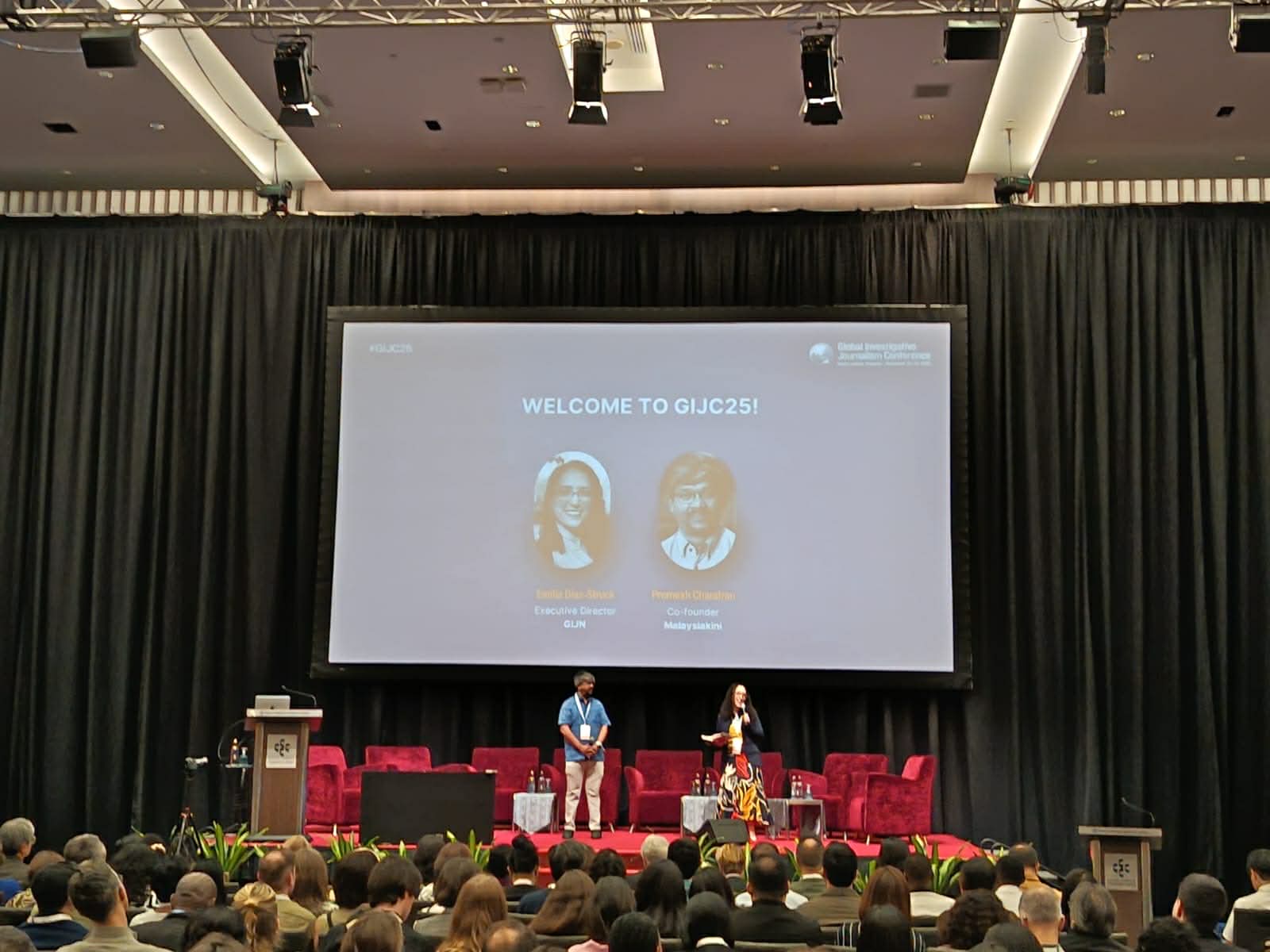
استقبلت كوالالمبور عاصمة ماليزيا هذا العام أحد أبرز التجمعات المهنية في عالم الصحافة الاستقصائية؛ إذ استضافت المؤتمر العالمي للصحافة الاستقصائية (GIJC)، الذي جمع نحو 1500 صحفي وصحفية من مختلف أنحاء العالم، إلى جانب حضور لافت للباحثين والمدافعين عن حرية التعبير من دول متعددة.

 ورغم تنوع الجلسات؛ من مكافحة الفساد العابر للقارات إلى الذكاء الاصطناعي والأمن الرقمي وصحافة البيانات وحقوق الإنسان، إضافة الى التغيّرات المناخية والقضايا البيئية وملف الطاقة، فإن ملفَي الهجرة والرقابة القانونية بدت لهما خصوصية واضحة؛ ليس فقط لقيمتهما الصحفية، بل لأنهما يكشفان معًا حدود ما يمكن للصحفيين فعله في عالم تتزايد فيه الانتهاكات وتتقلص فيه المساحات الحرة.

 وفي هذا السياق برزت جلستان قدمتا شهادات ميدانية وتحليلية عميقة وهما جلسة Investigating Movement of Peoples حول الهجرة وجلسة Privacy vs Accountability حول التشريعات والقوانين المقيدة للصحافة.

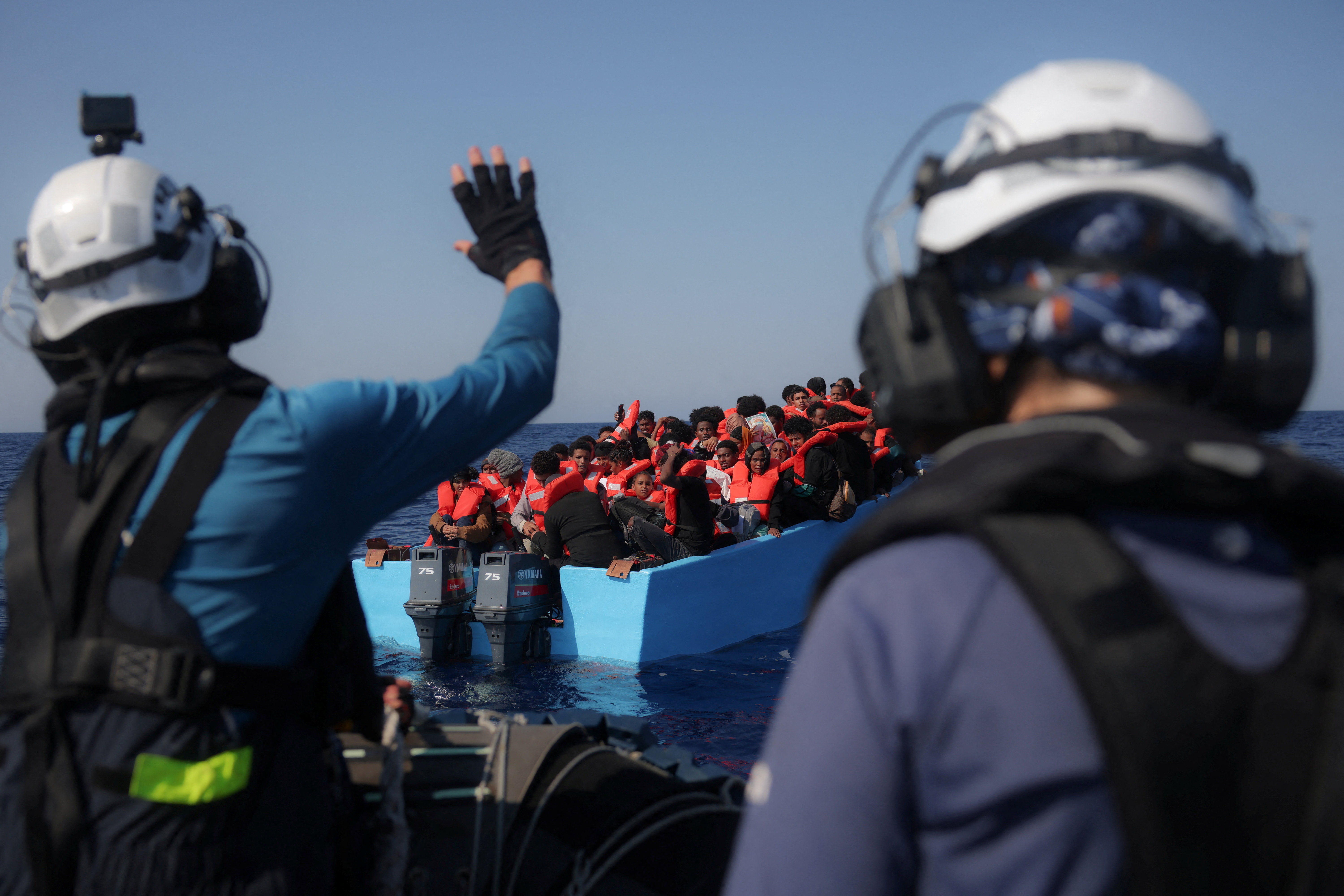
وهكذا استعرضت الجلسة الأولى المعنونة "Investigating Movement of Peoples"، التي خُصصت لموضوع الهجرة والسؤال عن موقع الصحفيين على خطوط المسارات الخطرة، انصبّ النقاش على كيفية التحقيق في حركة الشعوب في عالم تتشابك فيه العوامل الأمنية والسياسية والإنسانية. وقدّم الصحفيون المتحدثون في الجلسة - من المغرب ومصر والمملكة المتحدة - خلاصات من تجاربهم الميدانية في تتبّع المسارات التي تسلكها العائلات الفارّة من النزاعات، والمهاجرون الباحثون عن مخرج من الفقر، واللاجئون الذين يحاولون الإفلات من الموت على الحدود.

رغم تنوع الجلسات؛ من مكافحة الفساد العابر للقارات إلى الذكاء الاصطناعي والأمن الرقمي وصحافة البيانات وحقوق الإنسان، إضافة الى التغيّرات المناخية والقضايا البيئية وملف الطاقة، فإن ملفَي الهجرة والرقابة القانونية بدت لهما خصوصية واضحة؛ ليس فقط لقيمتهما الصحفية، بل لأنهما يكشفان معًا حدود ما يمكن للصحفيين فعله في عالم تتزايد فيه الانتهاكات وتتقلص فيه المساحات الحرة.

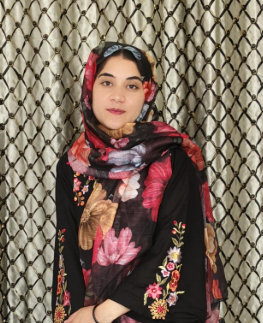
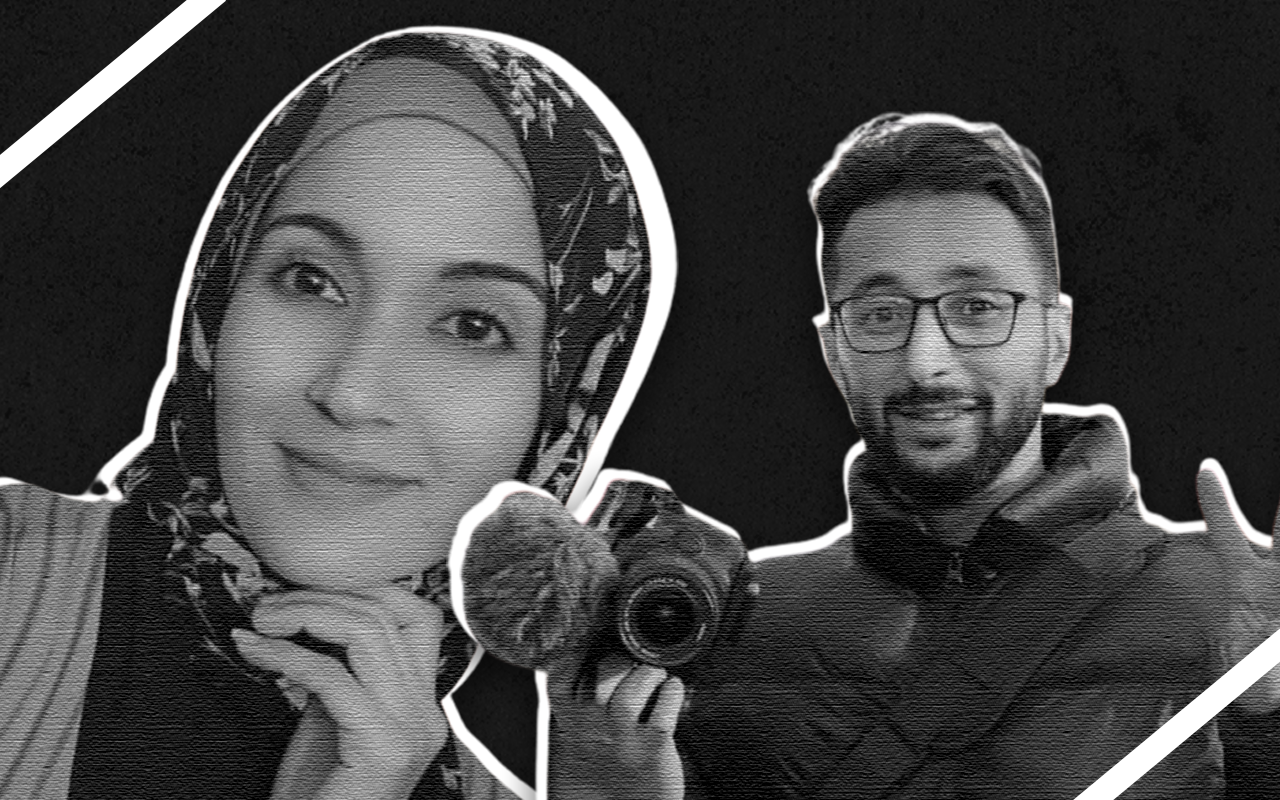
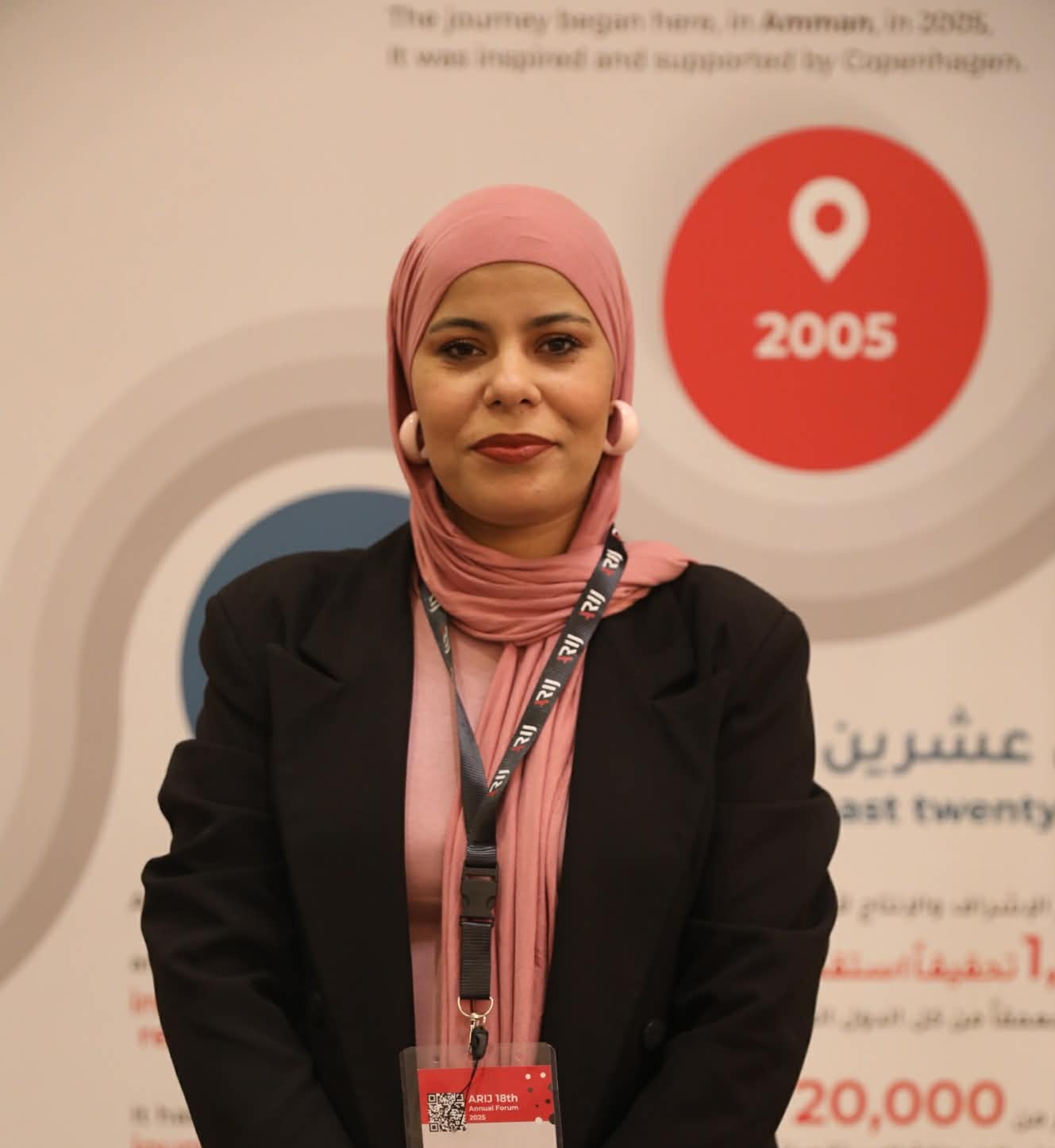
وقدّمت الصحفية المغربية إيمان بلّامين من منصّة "الناس"، تجربتها في العمل داخل سياق يندر فيه الوصول إلى المعلومات وتزداد فيه الحساسية السياسية، حيث تُترك الحقائق موزّعة بين الصمت والخوف وتغييب البيانات المتعمّد. وأوضحت أن فريق Enass - بوصفه منصة مستقلة من الجنوب العالمي - يطوّر منهجه الخاص في التحقيق بعيدًا عن انتظار البيانات الرسمية التي غالبًا ما تكون ناقصة أو غامضة أو محذوفة بالكامل. لذلك يعتمد الفريق على العمل الميداني وعلى شبكة موازية من المصادر تشمل منظمات محلية ومحامين وفاعلين ميدانيين وأفرادًا من داخل المجتمعات المهاجرة نفسها، إضافة إلى الاستناد إلى الأرشيف الذي يصنعه المهاجرون بأنفسهم عبر مجموعات واتساب والتسجيلات الصوتية والصور والمواد الرقمية التي توثّق اختفاءاتهم وتحركاتهم.

وترى بلامين أنّ جوهر عملهم يقوم على وعد مهني واضح: إنتاج تحقيقات قد لا تكون مثالية، لكنها دقيقة مُتحقَّق منها، ومسندة إلى مصادر موثوقة. كما تعتقد أن التحقيق في قضايا الهجرة هو - قبل كل شيء - مواجهة لثقافة الأومرتا (الصمت) التي تطوّق ملفات الهجرة، خصوصًا في المناطق التي تُترك فيها العائلات بلا أجوبة حيث تفتح الحدود جراحا وغموضًا في آن واحد. كما شددت على أن كسر الصمت الرسمي ووضع الإنسان في قلب كل رواية، يشكّلان جوهر هذا العمل، بعيدًا عن الحياد الزائف الذي يُهمّش الضحايا. ولعل وصفة النجاح - وفق بلامين - هي بناء ثقة عميقة مع المجتمعات المهاجرة والتعامل معها باعتبارها صاحبة معرفة وليست مجرد "مصادر".

وبحسب المتحدّثة، فإن الهدف النهائي ليس فقط توثيق ما يحدث على الحدود، بل إنتاج صحافة تُعيد الصوت لمن فُقد صوته، وتُبقي مراكز القوة خاضعة للمساءلة، وتكشف ما يُحاول الخطاب الرسمي إخفاءه.

حوار مصوَّر مع الصحفية إيمان بلامين 

وقدّمت مي بولمان رئيسة وحدة التحقيقات في Lighthouse Reports قراءة مختلفة تقوم على توظيف الأدلة البصرية المفتوحة، انطلاقًا من خبرتها في تغطية الانتهاكات الحدودية في البلقان وتركيا. وشرحت بولمان كيف تبدأ التحقيقات ببناء علاقة ثقة مع المهاجرين والعاملين في المناطق الحدودية، وكيف يمكن لصورة واحدة أو مقطع فيديو أن يكشف ممارسات غير قانونية؛ مثل الاحتجاز التعسفي والصدّ القسري.

كما استعرضت استخدام أدوات البحث في المصادر المفتوحة لإثبات مواقع الانتهاكات، وربط الصور بإحداثياتها الجغرافية الدقيقة، والوصول إلى حقيقة الوقائع حتى عندما تسعى السلطات إلى طمسها. وفي الوقت نفسه، نبّهت إلى أهمية التواجد الميداني مع الالتزام الصارم بسلامة الصحفيين؛ لالتقاط ما قد تعجز الأدلة الرقمية وحدها عن نقله.

أما الصحفي المستقل المصري سامح العبودي الذي يعمل بين القاهرة وأثينا، فقد نقل الجانب الأكثر قربًا من مسارات الموت؛ إذ عمل على تغطية حركة العائلات النازحة من السودان عبر الصحراء مستخدمًا أدوات بسيطة لكنها شديدة الفاعلية مثل واتساب وخرائط غوغل لتتبع الرحلات غير القانونية، وتحديد طرق المهربين والمواقع التي تنشط فيها شبكات الاتجار بالبشر في ليبيا.

 وقد وثّق سامح قصصًا مروعة عن لاجئين اضطروا لبيع أعضائهم لتمويل رحلتهم، مبينًا كيف يمكن للتفاصيل الصغيرة (رسالة صوتية، إحداثية جغرافية، أو خريطة أرسلها مهرب) أن تتحول إلى أدلة تقود إلى كشف شبكات تهريب كاملة.

تكشف الجلستان - على اختلاف موضوعيهما - عن خيط ناظم واحد يجمع بين تجارب الصحفيين المشاركين، مفاده أن الحقيقة تُنتَج من الهامش وتُحاصَر من المركز. ففي قضايا الهجرة، يجد الصحفي نفسه أمام حدود مغلقة ومعلومات محجوبة وتعطيلات بيروقراطية وميدانية معقّدة. أمّا في ملفات الرقابة والتشريعات فيواجه منظومات قانونية تتحوّل إلى أدوات ضغط، أو تُستخدم كسلاح لإسكات الأصوات الصحفية.


معركة الخصوصية والمساءلة

في جلسة «Privacy vs Accountability: Countering Regulations that Affect Investigative Journalists»، اتخذ النقاش منحى مختلفًا، لكنه ظلّ متصلًا بعمق بالتحديات التي يواجهها الصحفيون في ملفات الهجرة وغيرها؛ إذ تناول المتحدثون كيفية توظيف القوانين - مثل الدعاوى الكيدية والتشريعات المرتبطة بالخصوصية - لتكون أدوات لتجريم العمل الصحفي وتقويض قدرته على المساءلة.

وشارك في الجلسة خبراء قانونيون وصحفيون من مناطق مختلفة، قدّموا قراءات معمّقة حول سبل الدفاع عن الحق في النشر، في ظل منظومة تشريعية آخذة في الاتساع، تُستخدَم على نحو متزايد لتضييق المجال الإعلامي.

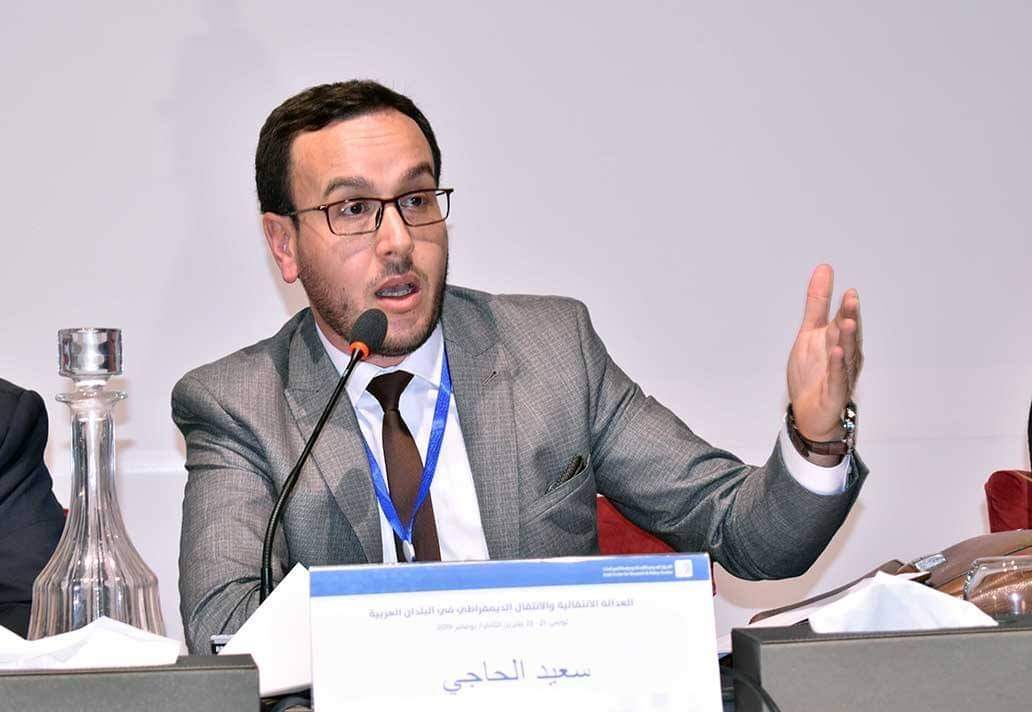
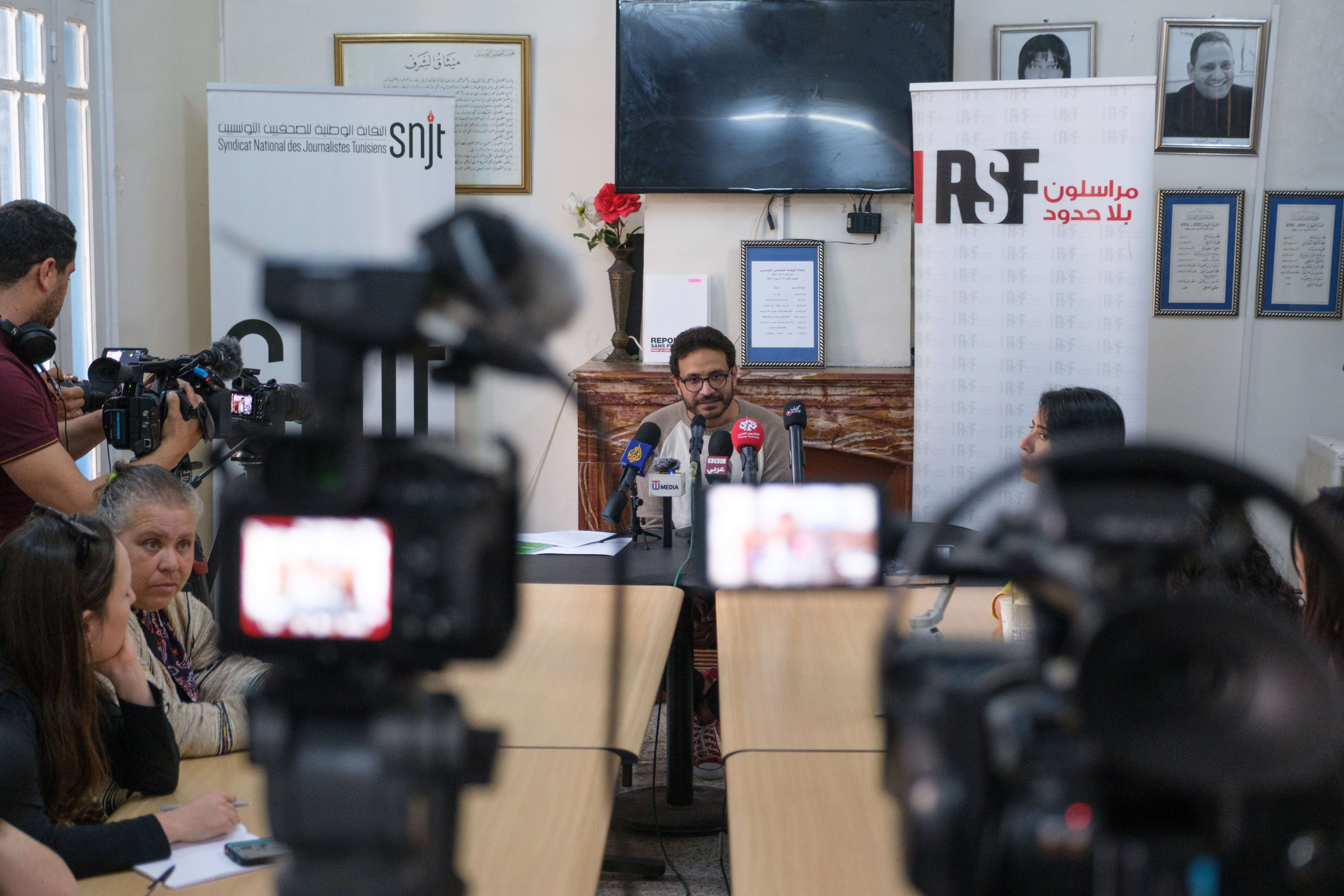
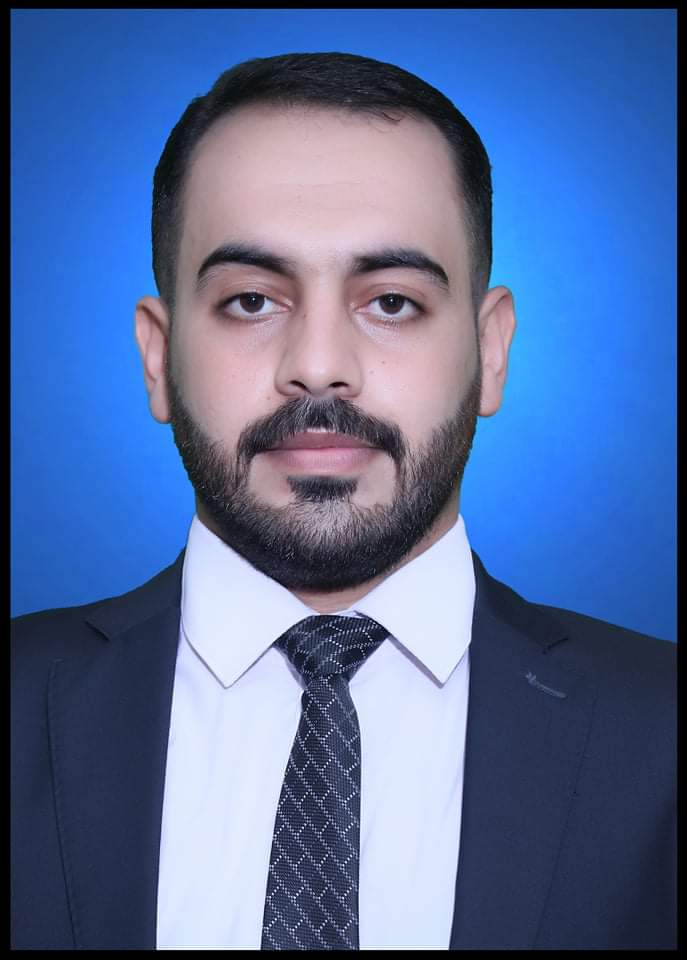
وبرزت في الجلسة مداخلة الصحفية التونسية رحمة الباهي من موقع الكتيبة المتخصص في الصحافة الاستقصائية في تونس، حيث قدّمت عرضًا تفصيليًا للتحوّلات التي شهدتها البلاد بعد 25 يوليو/تموز 2021، وما ترتّب عنها من تراجع غير مسبوق لحرية الصحافة.

وقدّمت الباهي مقارنة مركّزة بين وضع الإعلام التونسي خلال العقد الأول الذي تلا الثورة، حين اتّسم المشهد بتعددية إعلامية وتشريعات تضمن الحق في النفاذ إلى المعلومة ودور فاعل للمجتمع المدني، بين ذلك كله والواقع الحالي الذي يرزح تحت حزمة من التحديات، في مقدمتها القوانين الردعية، وعلى رأسها المرسوم 54، فضلًا عن حملات التشويه، وحلّ الهيئات المستقلة، وتصاعد الملاحقات القضائية بحق الصحفيين. كما أوضحت كيف أدّى هذا الواقع إلى تعقيد الوصول إلى المعلومات الرسمية، ودفع كثيرًا من المصادر إلى التزام الصمت خوفًا من الملاحقات. وتوقّفت عند سبل مواصلة العمل الصحفي في ظل هذه الظروف، وكيفية التعامل مع مصادر ترفض التعاون، إضافة إلى استعراض آليات وتقنيات بديلة للحصول على المعلومات والوثائق بطرق أخرى. إلى جانب ذلك، تشير الباهي إلى سبل مواجهة المؤسسات الإعلامية هذه التضييقات، عبر تعزيز فرقها القانونية واللجوء إلى الاستشارة المستمرة، واعتماد إستراتيجيات للأمن الرقمي والالتزام بالشفافية المالية والإدارية، بما يعزّز النزاهة ويغلق الباب أمام الابتزاز.

حوار مصوَّر مع الصحفية رحمة الباهي

تكشف الجلستان - على اختلاف موضوعيهما - عن خيط ناظم واحد يجمع بين تجارب الصحفيين المشاركين، مفاده أن الحقيقة تُنتَج من الهامش وتُحاصَر من المركز. ففي قضايا الهجرة، يجد الصحفي نفسه أمام حدود مغلقة ومعلومات محجوبة وتعطيلات بيروقراطية وميدانية معقّدة. أمّا في ملفات الرقابة والتشريعات فيواجه منظومات قانونية تتحوّل إلى أدوات ضغط، أو تُستخدم كسلاح لإسكات الأصوات الصحفية.

ومع ذلك، أظهر المؤتمر أن الصحافة الاستقصائية ليست مجرّد مهنة، بل ممارسة مركّبة تتطلّب معرفة تقنية وجرأة ميدانية وفهمًا قانونيًا والتزامًا صارمًا بالأخلاقيات، إضافة إلى شبكات تعاون عابرة للحدود. وبَيْن توثيق مسارات الموت في الصحراء، وكشف الانتهاكات على الحدود الأوروبية، والدفاع عن حرية الصحافة في بيئات سياسية مضطربة، بدا جليًا أن الصحفيين يخوضون معركة متعددة الوجوه، لكنها واحدة في جوهرها، عنوانها حماية الحق في الحقيقة.
More Articles

What Image of Gaza Will the World Remember?

Will the story of Gaza be reduced to official statements that categorise the Palestinian as a "threat"? Or to images of the victims that flood the digital space? And how can the media be transformed into a tool for reinforcing collective memory and the struggle over narratives?

Hassan Obeid
Hasan Obaid Published on: 13 Jan, 2026
Journalism in Mauritania: Behind the Facade of Press Freedom Indicators

Mauritania holds the top position in the Arab world in the Press Freedom Index published by Reporters Without Borders. However, behind this favourable ranking, the media and journalists face significant challenges, chief among them the ambiguity surrounding the definition of a "journalist" and the capacity of media professionals to fulfil their roles in accountability and oversight. Despite official efforts, the defining feature of Mauritania’s media landscape remains its persistent state of fluctuation.
 Ahmed Mohamed El-Moustapha
Ahmed Mohamed El-Moustapha Published on: 6 Jan, 2026
How Can Journalism Make the Climate Crisis a People’s Issue?

Between the import of Western concepts and terminology that often fail to reflect the Arab context, and the denial of the climate crisis, or the inability to communicate it in clear, accessible terms, journalism plays a vital role in informing the public and revealing how climate change directly affects the fabric of daily life in the Arab world.

Bana Salama
Bana Salama Published on: 19 Dec, 2025
Freelancers in Kashmir Fear Losing Access as Verification Tightens

Kashmir’s new “verification drive” claims to root out impostors, yet its heavy bureaucratic demands mainly sideline the independent freelancers who still dare to report in a shrinking media landscape. But here’s the unsettling question that hangs over the Valley like fog at dawn: who really benefits when the storytellers without institutional shields are pushed out of the frame?

Tauseef Ahmad
Tauseef Ahmad, Sajid Raina Published on: 11 Dec, 2025
Journalists in Maldives Enter New Phase of Government-Controlled Media Repression

As journalists weigh the costs of their work against threats to their lives and families, the fight for press freedom in the Maldives enters a dangerous new chapter, one where the stakes have never been higher.

Sumaiya Ali
Sumaiya Ali Published on: 8 Dec, 2025
Reporting Under Fire: The Struggle of African Journalists Facing Intimidation

African journalists who expose corruption and power now face a brutal mix of arrests, torture, digital surveillance, and lawsuits meant to drain their resources and silence them. From Ethiopia, Nigeria, Malawi, Benin, Sudan, Uganda, and Kenya to exile in Canada, reporting the truth has become an act of personal survival as much as public service.

Nigerian freelance Journalist John Chukwu
John Chukwu Published on: 4 Dec, 2025
Shipwrecked Narratives: How to Keep Migration Stories Afloat

Migration stories don’t become real until you meet people in the journey: the carpenter carrying photos of his fantasy coffins, or the Libyan city worker burying the forgotten dead, or the Tatar woman watching her livelihood collapse at a militarised border. Following these surprising human threads is the only way journalism can cut through collective exhaustion and make readers confront a crisis they’ve been trained to ignore.

Karlos Zurutuza, a freelance journalist and a media trainer. His work has been published in The Guardian, Al Jazeera English, POLITICO, The Middle East Eye and The Independent, among others.
Karlos Zurutuza Published on: 30 Nov, 2025
In-Depth and Longform Journalism in the AI Era: Revival or Obsolescence?

Can artificial intelligence tools help promote and expand the reach of longform journalism, still followed by a significant audience, or will they accelerate its decline? This article examines the leading AI tools reshaping the media landscape and explores the emerging opportunities they present for longform journalism, particularly in areas such as search and content discovery.

. سعيد ولفقير. كاتب وصحافي مغربي. ساهم واشتغل مع عددٍ من المنصات العربية منذ أواخر عام 2014.Said Oulfakir. Moroccan writer and journalist. He has contributed to and worked with a number of Arab media platforms since late 2014.
Said Oulfakir Published on: 24 Nov, 2025
Zapatismo and Citizen Journalism in Chiapas, Mexico

In Chiapas, independent journalists risk their lives to document resistance, preserve Indigenous memory, and challenge state and cartel violence. From Zapatista films to grassroots radio, media becomes a weapon for dignity, truth, and survival.

Ana Maria Monjardino
Ana Maria Monjardino Published on: 26 Oct, 2025
Lost in Translation: The Global South and the Flaws of Content Moderation

Global Rules, Local Consequences: How Biased Moderation Fuels Disinformation in the Global South. Unequal systems of AI and human oversight are failing to protect and often silencing non-Western voices online.

Lucia Bertoldini
Lucia Bertoldini Published on: 22 Oct, 2025
Propaganda: Between Professional Conscience and Imposed Agendas

When media institutions first envisioned editorial charters and professional codes of conduct, their primary goal was to safeguard freedom of expression. However, experience has shown that these frameworks have often morphed into a "vast prison", one that strips journalists of their ability to confront authority in all its forms. In this way, Big Brother dons velvet gloves to seize what little space remains for the practice of true journalism.

فرح راضي الدرعاوي Farah Radi Al-Daraawi
Farah Radi Al-Daraawi Published on: 17 Oct, 2025
Journalists Under Occupation; Palestinian Journalists in the West Bank

Palestinian journalists in the West Bank face extreme physical danger, psychological trauma, and systemic targeting under Israeli occupation, yet continue to report with resilience, amplifying the voices of their people despite global indifference and media bias.

Synne Furnes Bjerkestrand
Synne Bjerkestrand Published on: 13 Oct, 2025
Narrative Without Debate: The Telegraph’s Comment Ban on Gaza Coverage

What does it mean for readers when their voices are deliberately cut off? This content analysis of The Telegraph, a UK-based conservative newspaper known for its pro-establishment stance and alignment with right-leaning narratives, shows it systematically disabled Instagram comments on Israel-Gaza posts, blocking dissent and shaping a one-sided, pro-Israel narrative.

Mohammed Ramees
Mohammed Ramees Published on: 9 Oct, 2025
The Silent Death of Urdu Newspapers in India

With a 200-year history, Urdu newspapers in India are now facing a silent death—trapped in a cycle of decline where circulation has fallen by nearly 25%, advertising is absent, and government support is scarce. What vanishes is more than print: it is the erosion of a cultural and political lifeline that once bound Hindus, Muslims, and Sikhs in common debates and carried the voices of the marginalised into India’s public sphere.

Hanan Zaffa
Hanan Zaffar, Majid Alam Published on: 1 Oct, 2025
Mental Health in Newsrooms

Newsrooms, long lauded as bastions of information, are quietly grappling with a mental health crisis, underscoring an urgent need for systemic support, emotional safety, and sustainable practices to protect those telling the world’s stories.

Faras Ghani Published on: 27 Sep, 2025
Why Are Young Journalists in Kashmir Quitting Before They Begin?

In Kashmir, mounting censorship, political pressure, and shrinking job prospects are forcing a generation of aspiring journalists to abandon the profession, many before they even get the chance to begin, leaving behind a media landscape stripped of dissent, debate, and independent voices.

Abrar Fayaz, Muqeet Mohammed Shah Published on: 23 Sep, 2025
Sudan’s Journalists Are Being Silenced: By Bullets, Exile, and Fear

The collapse of the media industry in Sudan has subjected journalists to physical threats, legal and professional challenges, with no functioning legal system to investigate crimes committed against the press.

Nalova Akua
Nalova Akua Published on: 17 Sep, 2025
Nepali Journalists Trapped Between “GenZ” Protest and State Crackdowns

Nepali journalists are under attack on two fronts: facing violence from protesters in the streets while also being targeted by government crackdowns, restrictive laws, and political interference that threaten press freedom.

Sumaiya Ali
Sumaiya Ali Published on: 12 Sep, 2025
Interview with Zina Q. : Digital Cartography as a Tool of Erasure in Gaza

Amid Israel’s war on Gaza, Zina Q. uncovers how Google Maps and satellite imagery are being manipulated; homes relabelled as “haunted,” map updates delayed, and evidence of destruction obscured, revealing digital cartography itself as a weapon of war. By exposing these distortions and linking them to conflicts from Sudan to Ukraine, she demonstrates how control over maps and AI surveillance influences not only what the world sees, but also what it remembers.

Al Jazeera Journalism Review
Al Jazeera Journalism Review Published on: 6 Sep, 2025
I Don’t Want You to Be a Journalist, Mama”. Do Gaza’s Journalists Have the Luxury of Absence?

Does the Palestinian journalist in Gaza have the freedom to simply “step away”? How do they navigate the balance between their professional responsibilities and their family life? And to what extent does the duty to report justify the personal cost of being separated from one’s loved ones? Journalist Jenin Al-Wadiya sheds light on the deeply human details that rarely make it to the screen.

Jenin Al-Wadiya
Jenin Al-Wadiya Published on: 31 Aug, 2025
The Continent Experience: A New Kind of Newspaper for the Future of Journalism

The Continent is a new way of empowering people through quality journalism, blending the authority of newspapers with the reach of 21st-century distribution. Readers love it. That’s why we built it. It’s a model other newsrooms can learn from and one that comes with its own set of challenges.

Sipho Kings
Sipho Kings Published on: 28 Aug, 2025
Intersections of Journalism and Social Sciences in the Field

The field is where journalism and the social sciences meet at their most dynamic edge. As the world grows more complex, journalists increasingly take on the role of sociologists, without abandoning their core mission to question power and expose uncomfortable truths. By drawing on the methods and insights of social science, journalism deepens its coverage, grounds stories in real-world contexts, and resists the temptation of surface-level narratives.

Mohammed Ahddad
Ahdad Mohamed Published on: 23 Aug, 2025
Anas Al-Sharif’s Killing and the Israeli Media Narrative

Following the assassination of journalist Anas Al-Sharif, Palestinian journalists have been framed in Israeli media as legitimate military targets—part of a deliberate strategy to silence those who bear witness to the truth. This article explores how Hebrew-language media outlets have engaged in rhetoric that incites and legitimises the killing of journalists in Gaza.

Anas Abu Arqoub
Anas Abu Arqoub Published on: 19 Aug, 2025
New Media Reforms in Bangladesh Introduced to Replace Hasina-Era Journalism

Bangladesh’s interim government, led by Muhammad Yunus, has launched ambitious media reforms to undo the legacy of Sheikh Hasina’s 15-year rule, which was marked by censorship, media monopolies, and the notorious Digital Security Act. However, despite promises of greater freedom, journalists remain wary, as self-censorship, restrictive laws, and public scepticism continue to cast doubt on genuine change.

Sumaiya Ali
Sumaiya Ali Published on: 17 Aug, 2025