صحافة "مسك العصا من المنتصف" لا تخدم الحقيقية دائمًا

صحافة "مسك العصا من المنتصف" لا تخدم الحقيقية دائمًا

واجب الصحفي هو نقل الحقيقة، وليس منح صوت لمواقف لا يشكّ في فسادها بدعوى الحفاظ على مسافة واحدة من الجميع والالتزام بمبدأ "الحياد".

في دفاعه عن مبدأ "الحياد" في الصحافة، يقول مدير سياسة التحرير في شبكة بي بي سي، ديفيد جوردان: "لن يحظى المنكرون لكروية الأرض بالحضور والمساحة الإعلامية بالقدر الذي يتمتع به أولئك الذين يعتقدون بكرويتها، لكن في حال تزايدت أعداد الناس الذين يؤمنون بأن الأرض مسطّحة، فلا بدّ من أن نعطي لذلك مساحة أكبر".

هذا الدفاع المستميت عن الحياد، يظهر لنا في أحد جوانبه غير المباشرة، مقدار الخطورة الكامنة في الدوغمائية.

لقد حان الوقت لإنهاء سياسة التعامل مع القضايا بعقلية مسك العصا من المنتصف، وكأنّ طرفي كلّ قضيّة على مسافة واحدة من الحقيقة. فقد بات من الضروري اليوم مراجعة معيار الحياد، والتوقف عن التعامل معه كمعطىً بدهيّ لا يقبل الجدل.

ولنتخيّل معًا مآلات هذه العقلية. لو قررنا منح مدّعي أن الأرض مسطّحة المزيد من المساحة في التغطية الصحفية، فمن الضروري، إذن، بهذا المنطق ذاته أن نمنح هذه المساحة أيضًا لمنكري جرائم الحرب في سوريا، أو منكري المذابح الأخرى، أو لنظريات المؤامرة المتعلقة بهجمات 11 سبتمبر، أو للأشخاص الذين يشككون بالكارثة المناخية على كوكب الأرض.

في المملكة المتحدة، أدى تفشي دوغما الحياد بين وسائل الإعلام إلى الفخّ ذاته عند تغطية موضوع بريكست. فالأصوات التي دافعت عن بقاء بريطانيا ضمن الاتحاد الأوروبي حازت فرصة التعبير عن وجهة نظرها، وذلك قبل منح نفس الفرصة للآراء المدافعة عن الانفصال عن الاتحاد الأوروبي، لينقضوا آراء الفئة الأولى ويعرضوا كافة أشكال الادعاءات المغلوطة للمشاهدين.

وهذا مثال واحد فقط من بين العديد من القضايا الأخرى التي قادتنا فيها عقيدة الحياد هذه إلى عواقب خطرة.

انتظرت البي بي سي حتى عام 2018، لتدرك عدم ضرورة استضافة منكري الكارثة المناخية، لمنح توازن في الحوار حول قضايا المناخ. وقد صدر عن إدارة الهيئة البريطانية بهذا الخصوص مذكرة جاء فيها:

"لا يلزم من أجل تحقيق الحياد استضافة منكرين للكارثة المناخية في تغطيات البي بي سي. فالأمر هنا أشبه باستضافة شخص ينكر أن مانشستر يونايتد فاز في مباراة انتهى وقتها وأعلن فيها الحكم النتيجةَ".

إلا أن ذلك كان قبل ثلاث سنوات طوال، قبل كوفيد-19 وكل ما حيك حولها من نظريات مؤامرة، وقبل أن نسمع العديد من قادة الرأي في الولايات المتحدة وبريطانيا وهم يخلطون الحقائق بالخيال.


كيف أضحى للحياد الصحفي كل هذه القيمة المضخمة على حساب الحقيقة؟

ندرك جميعا الإخفاق الذي نمر به كصحفيين، حين نعلم أن زهاء 25 بالمئة من الناس يعرضون صفحًا عن الأخبار في المملكة المتحدة، وأحد أهم الأسباب وراء ذلك هو عدم ثقتهم بصدقيّة الأخبار.

وفي حال لم نتوقف عن توفير منصّة للآراء التي ندرك أنها غير صحيحة، فكيف سنفلح في استعادة تلك الثقة؟

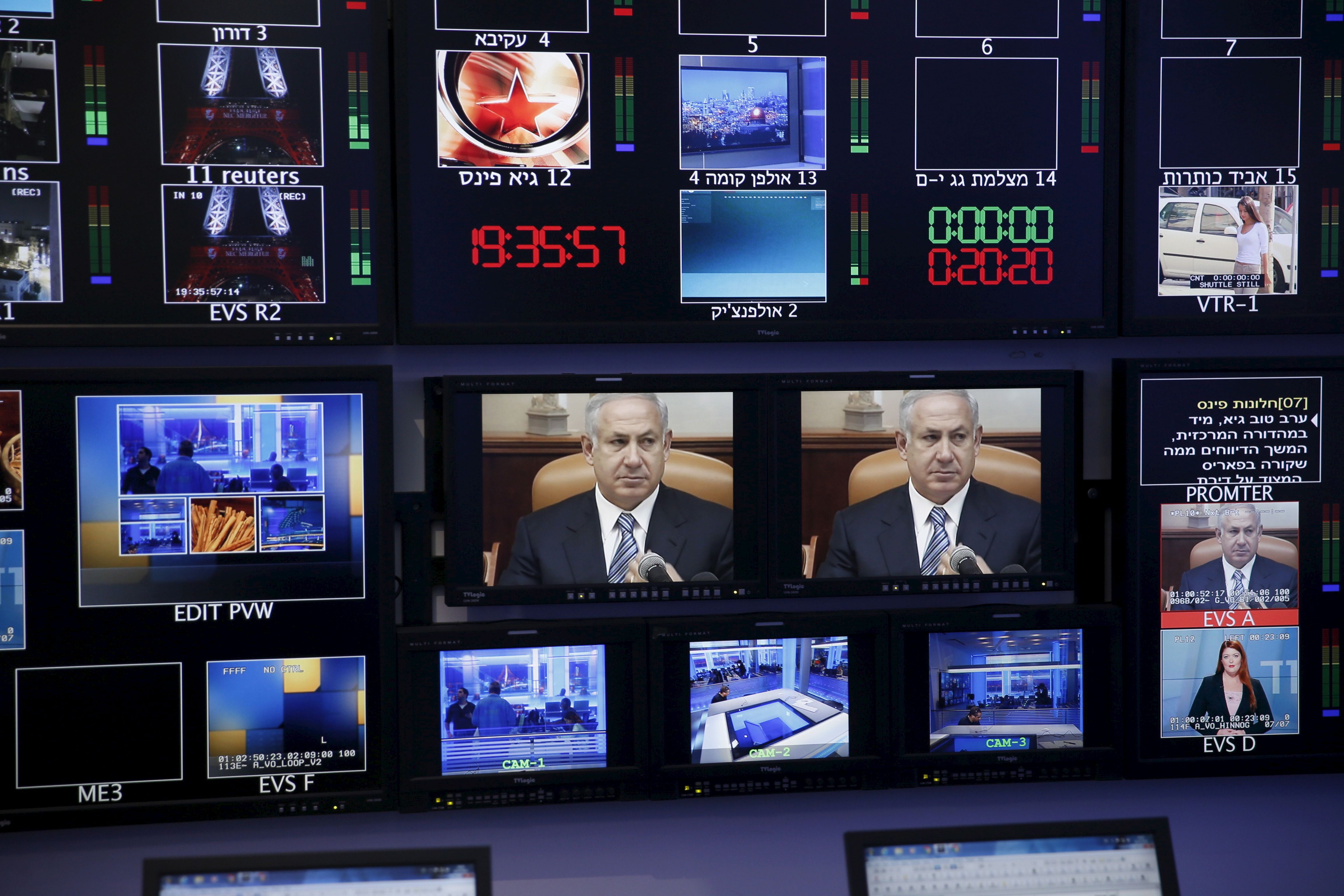
وللمفارقة، فإن البي بي سي هي نفسها التي تقود ركب التصدّي للأخبار الزائفة في المملكة المتحدة، إذ لديهم مراسل متخصص في رصد الأخبار الزائفة عبر الإنترنت، كما عينت الهيئة في عام 2021 أول مراسل مختص بالأخبار الزائفة المتعلقة بالصحة.

لا شكّ أن تحقيقات البي بي سي تسلط الضوء على الانتهاكات والمخالفات، وكل يوم نجد صحفييها وهم يتحدثون بجرأة ويعرضون الحقائق على من هم في موقع السلطة. ومن الإهانة بمكان أن تطلب من مثل هؤلاء الصحفيين النظر في رأي أصحاب نظرية الأرض المسطحة.

إن البي بي سي في موقف لا تحسد عليه. فوزيرة الثقافة البريطانية "نادين دوريس"، التي نافست سابقًا في برامج تلفزيون الواقع، ألمحت وبقوّة إلى أنها ستلغي رسم التلفزيون، وهي إحدى سبل التمويل التي تتمتع بها البي بي سي، حيث يدفع مالكو أجهزة التلفاز رسمًا سنويًا يبلغ حوالي 215 دولارًا أمريكيًا. وأعلنت دوريس بأنها جمدت تحصيل هذه الرسوم حتى عام 2024، في محاولة هي الأحدث لفطام هذه المؤسسة عن التمويل الضروري لعملياتها، في جولة جديدة مما يظهر أنه حرب حكومية طويلة على البي بي سي.

كما أن هذه الشبكة تعمل في بيئة تنظيمية صارمة، لا تتردد فيها "أوفكوم"، وهي الهيئة الناظمة للاتصالات في المملكة المتحدة، في فرض غرامات على القنوات التي لا تراعي "الحياد اللازم" (رغم أن الهيئة توضّح بجلاء بأنها لا تفترض عرض كل رأي بالضرورة، أو مراعاة المساواة في الوقت المخصص لكل رأي والرأي الذي يعارضه).

لعل البعض يقول: امنحوا تلك الأصوات مساحة للتعبير، ثم فنّدوا آراءهم كما يلزم، ودعوا تلك الآراء تتداعى ويتّضح تهافتها أمام آلة النقد الصارمة. غير أن هنا مكمن الخطر في عقلية "الحياد" الصرفة، لأنّها تتجاهل حقيقة أن تكرار الأفكار الخاطئة، حتى لو تمّ تبيان خطئها والبرهنة عليه، قد يدفع ببعض الناس إلى تصديقها والاقتناع بها.

لست أجادل هنا بأن نتخلص من معيار الحياد برمّته ونلقي به من النافذة، فنحن لسنا ناشطين، وليس حريًا بنا أن نعمل وفق أجندة، غير أننا في الوقت ذاته لا يمكن أن نؤدي دور القاصّ الساذج الذي يفتقر إلى القدرة على التمييز بين الحقيقة والخيال. لقد فعلت نيويورك تايمز وبعض الصحف الأخرى عين الصواب حين تناولت أكاذيب الرئيس السابق دونالد ترامب، ووصفتها كما هي فعلًا؛ أكاذيب.

وأخيرًا، لا بدّ أن نشير إلى أن الإنصاف والتوازن لا يعني منح مساحة لعرض الأغاليط لمجرّد أنها رائجة، فهذا اختصاص تويتر.

أما في العمل الصحفي، فليس لكلّ قصّة بالضرورة أكثر من رواية.


More Articles

Public Hostility Toward Legacy Media in Bangladesh

The December 2025 arson attacks on Prothom Alo and The Daily Star marked a turning point for journalism in Bangladesh. As public anger replaces state control as the primary threat, reporters are reassessing personal safety, editorial judgement, and professional credibility in a political transition where journalism itself is increasingly treated as an enemy.

Arsalan Bukhari, an independent journalist based in India
Arsalan Bukhari Published on: 4 Feb, 2026
Migration Issues and the Framing Dilemma in Western Media

How does the Western press shape the migration narrative? Which journalistic frames dominate its coverage? And is reporting on anti-immigration protests neutral or ideologically charged? This analysis examines how segments of Western media echo far-right rhetoric, reinforcing xenophobic discourse through selective framing, language, and imagery.

Salma Saqr
Salma Saqr Published on: 31 Jan, 2026
From News Reporting to Documentation: Practical Lessons from Covering the War on Gaza

From the very first moment of the genocidal war waged by Israel on Gaza, Al Jazeera correspondent Hisham Zaqout has been a witness to hunger, devastation, war crimes, and the assassination of his colleagues in the field. It is a battle for survival and documentation, one that goes beyond mere coverage and daily reporting.

Hisham Zakkout Published on: 26 Jan, 2026
Investigating the Assassination of My Own Father

As a journalist, reporting on the murder of my father meant answering questions about my own position as an objective observer.

Diana López Zuleta
Diana López Zuleta Published on: 16 Jan, 2026
What Image of Gaza Will the World Remember?

Will the story of Gaza be reduced to official statements that categorise the Palestinian as a "threat"? Or to images of the victims that flood the digital space? And how can the media be transformed into a tool for reinforcing collective memory and the struggle over narratives?

Hassan Obeid
Hasan Obaid Published on: 13 Jan, 2026
Bridging the AI Divide in Arab Newsrooms

AI is reshaping Arab journalism in ways that entrench power rather than distribute it, as under-resourced MENA newsrooms are pushed deeper into dependency and marginalisation, while wealthy, tech-aligned media actors consolidate narrative control through infrastructure they alone can afford and govern.

Sara Ait Khorsa
Sara Ait Khorsa Published on: 10 Jan, 2026
Generative AI in Journalism and Journalism Education: Promise, Peril, and the Global North–South Divide

Generative AI is transforming journalism and journalism education, but this article shows that its benefits are unevenly distributed, often reinforcing Global North–South inequalities while simultaneously boosting efficiency, undermining critical thinking, and deepening precarity in newsrooms and classrooms.

Carolyne Lunga
Carolyne Lunga Published on: 2 Jan, 2026
Intifada 2.0: Palestinian Digital Journalism from Uprising to Genocide

From underground newsletters during the Intifadas to livestreams from Gaza, Palestinian journalism has evolved into a decentralised digital practice of witnessing under occupation. This article examines how citizen journalists, fixers and freelancers have not only filled gaps left by international media, but fundamentally transformed how Palestine is reported, remembered and understood.

Zina Q.
Zina Q. Published on: 24 Dec, 2025
How Can Journalism Make the Climate Crisis a People’s Issue?

Between the import of Western concepts and terminology that often fail to reflect the Arab context, and the denial of the climate crisis, or the inability to communicate it in clear, accessible terms, journalism plays a vital role in informing the public and revealing how climate change directly affects the fabric of daily life in the Arab world.

Bana Salama
Bana Salama Published on: 19 Dec, 2025
Inside Vietnam’s Disinformation Machine and the Journalists Exposing It from Exile

Vietnam’s tightly controlled media environment relies on narrative distortion, selective omission, and propaganda to manage politically sensitive news. Exiled journalists and overseas outlets have become essential in exposing these practices, documenting forced confessions and smear campaigns, and preserving access to information that would otherwise remain hidden.

AJR Contributor Published on: 15 Dec, 2025
What It Means to Be an Investigative Journalist Today

A few weeks ago, Carla Bruni, wife of former French president Nicolas Sarkozy, was seen removing the Mediapart logo from view. The moment became a symbol of a major victory for investigative journalism, after the platform exposed Gaddafi’s financing of Sarkozy’s election campaign, leading to his prison conviction. In this article, Edwy Plenel, founder of Mediapart and one of the most prominent figures in global investigative journalism, reflects on a central question: what does it mean to be an investigative journalist today?

Edwy Plenel
Edwy Plenel Published on: 27 Nov, 2025
In-Depth and Longform Journalism in the AI Era: Revival or Obsolescence?

Can artificial intelligence tools help promote and expand the reach of longform journalism, still followed by a significant audience, or will they accelerate its decline? This article examines the leading AI tools reshaping the media landscape and explores the emerging opportunities they present for longform journalism, particularly in areas such as search and content discovery.

. سعيد ولفقير. كاتب وصحافي مغربي. ساهم واشتغل مع عددٍ من المنصات العربية منذ أواخر عام 2014.Said Oulfakir. Moroccan writer and journalist. He has contributed to and worked with a number of Arab media platforms since late 2014.
Said Oulfakir Published on: 24 Nov, 2025
Leaked BBC Memo: What Does the Crisis Reveal?

How Should We Interpret the Leak of the “BBC Memo” on Editorial Standards? Can we truly believe that the section concerning U.S. President Donald Trump was the sole reason behind the wave of resignations at the top of the British broadcaster? Or is it more accurately seen as part of a broader attempt to seize control over editorial decision-making? And to what extent can the pressure on newsrooms be attributed to the influence of the Zionist lobby?

 Mohammed Abuarqoub. Journalist, trainer, and researcher specializing in media affairs. He holds a PhD in Communication Philosophy from Regent University in the United States.محمد أبو عرقوب صحفي ومدرّب وباحث متخصص في شؤون الإعلام، حاصل على درجة الدكتوراه في فلسفة الاتّصال من جامعة ريجينت بالولايات المتحدة الأمريكية.
Mohammed Abuarqoub Published on: 20 Nov, 2025
Crisis of Credibility: How the Anglo-American Journalism Model Failed the World

Despite an unprecedented global flood of information, journalism remains strikingly impotent in confronting systemic crises—largely because the dominant Anglo-American model, shaped by commercial imperatives and capitalist allegiances, is structurally incapable of pursuing truth over power or effecting meaningful change. This critique calls for dismantling journalism’s subordination to market logic and imagining alternative models rooted in political, literary, and truth-driven commitments beyond the confines of capitalist production.
Imran Muzaffar
Imran Muzaffar, Aliya Bashir, Syed Aadil Hussain Published on: 14 Nov, 2025
Why Has Arab Cultural Journalism Weakened in the Third Millennium?

The crisis of cultural journalism in the Arab world reflects a deeper decline in the broader cultural and moral project, as well as the collapse of education and the erosion of human development. Yet this overarching diagnosis cannot excuse the lack of professional training and the poor standards of cultural content production within newsrooms.

Fakhri Saleh
Fakhri Saleh Published on: 10 Nov, 2025
Podcasters, content creators and influencers are not journalists. Are they?

Are podcasters, content creators, and influencers really journalists, or has the word 'journalist' been stretched so thin that it now covers anyone holding a microphone and an opinion? If there is a difference, where does it sit? Is it in method, mission, accountability, or something else? And in a media landscape built on noise, how do we separate a journalist from someone who produces content for clicks, followers or sponsors

Derick Matsengarwodzi
Derick Matsengarwodzi Published on: 7 Nov, 2025
The Power to Write History: How Journalism Shapes Collective Memory and Forgetting

What societies remember, and what they forget, is shaped not only by historians but by journalism. From wars to natural disasters, the news does not simply record events; it decides which fragments endure in collective memory, and which fade into silence.

Daniel Harper
Daniel Harper Published on: 30 Oct, 2025
Journalism in Spain: Why Omitting Ethnicity May Be Doing More Harm Than Good

In Spain, a well-intentioned media practice of omitting suspects’ ethnic backgrounds in crime reporting is now backfiring, fuelling misinformation, empowering far-right narratives, and eroding public trust in journalism.

Ilya إيليا توبر 
Ilya U Topper Published on: 10 Sep, 2025
Interview with Zina Q. : Digital Cartography as a Tool of Erasure in Gaza

Amid Israel’s war on Gaza, Zina Q. uncovers how Google Maps and satellite imagery are being manipulated; homes relabelled as “haunted,” map updates delayed, and evidence of destruction obscured, revealing digital cartography itself as a weapon of war. By exposing these distortions and linking them to conflicts from Sudan to Ukraine, she demonstrates how control over maps and AI surveillance influences not only what the world sees, but also what it remembers.

Al Jazeera Journalism Review
Al Jazeera Journalism Review Published on: 6 Sep, 2025
Canadian Journalists for Justice in Palestine: A Call to Name the Killer, Not Just the Crime

How many journalists have to be killed before we name the killer? What does press freedom mean if it excludes Palestinians? In its latest strike, Israel killed an entire Al Jazeera news crew in Gaza—part of a systematic campaign to silence the last witnesses to its crimes. Canadian Journalists for Justice in Palestine (CJJP) condemns this massacre and calls on the Canadian government to end its complicity, uphold international law, and demand full accountability. This is not collateral damage. This is the targeted erasure of truth.

Samira Mohyeddin
Samira Mohyeddin Published on: 14 Aug, 2025
Protecting Palestinian Journalists Should be First Priority - Above Western Media Access

Why demand entry for foreign reporters when Palestinian journalists are already risking—and losing—their lives to tell the truth? Real solidarity means saving journalists' lives, amplifying their voices, and naming the genocide they expose daily.

Synne Furnes Bjerkestrand
Synne Bjerkestrand, Kristian Lindhardt Published on: 10 Aug, 2025
The Washington Post: When Language Becomes a Veil for Pro-Israel Bias

How did The Washington Post's coverage differ between Israel’s bombing of Gaza hospitals and Iran’s strike on an Israeli hospital? Why does the paper attempt to frame Palestinian victims within a “complex operational context”? And when does language become a tool of bias toward the Israeli narrative?

Said Al-Azri
Said Al-Azri Published on: 6 Aug, 2025
In the War on Gaza: How Do You Tell a Human Story?

After nine months of genocidal war on Palestine, how can journalists tell human stories? Which stories should they focus on? And does the daily, continuous coverage of the war’s developments lead to a “normalisation of death”?

Yousef Fares
Yousef Fares Published on: 8 Jul, 2025
How Much AI is Too Much AI for Ethical Journalism

As artificial intelligence transforms newsrooms across South Asia, journalists grapple with the fine line between enhancement and dependency

Saurabh Sharma
Saurabh Sharma Published on: 1 Jul, 2025