الصحافة كمعركة بقاء في السودان

الصحافة كمعركة بقاء في السودان


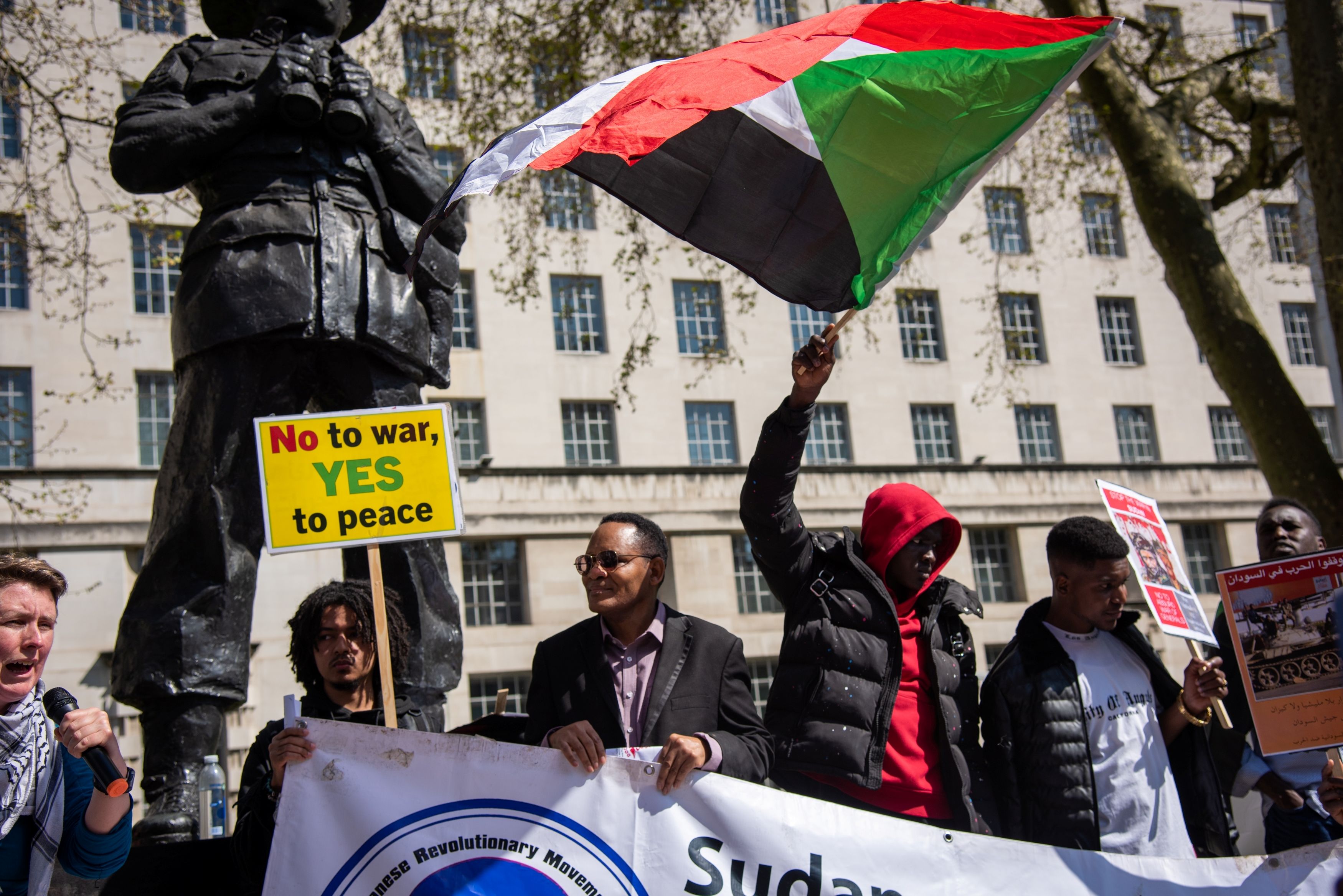
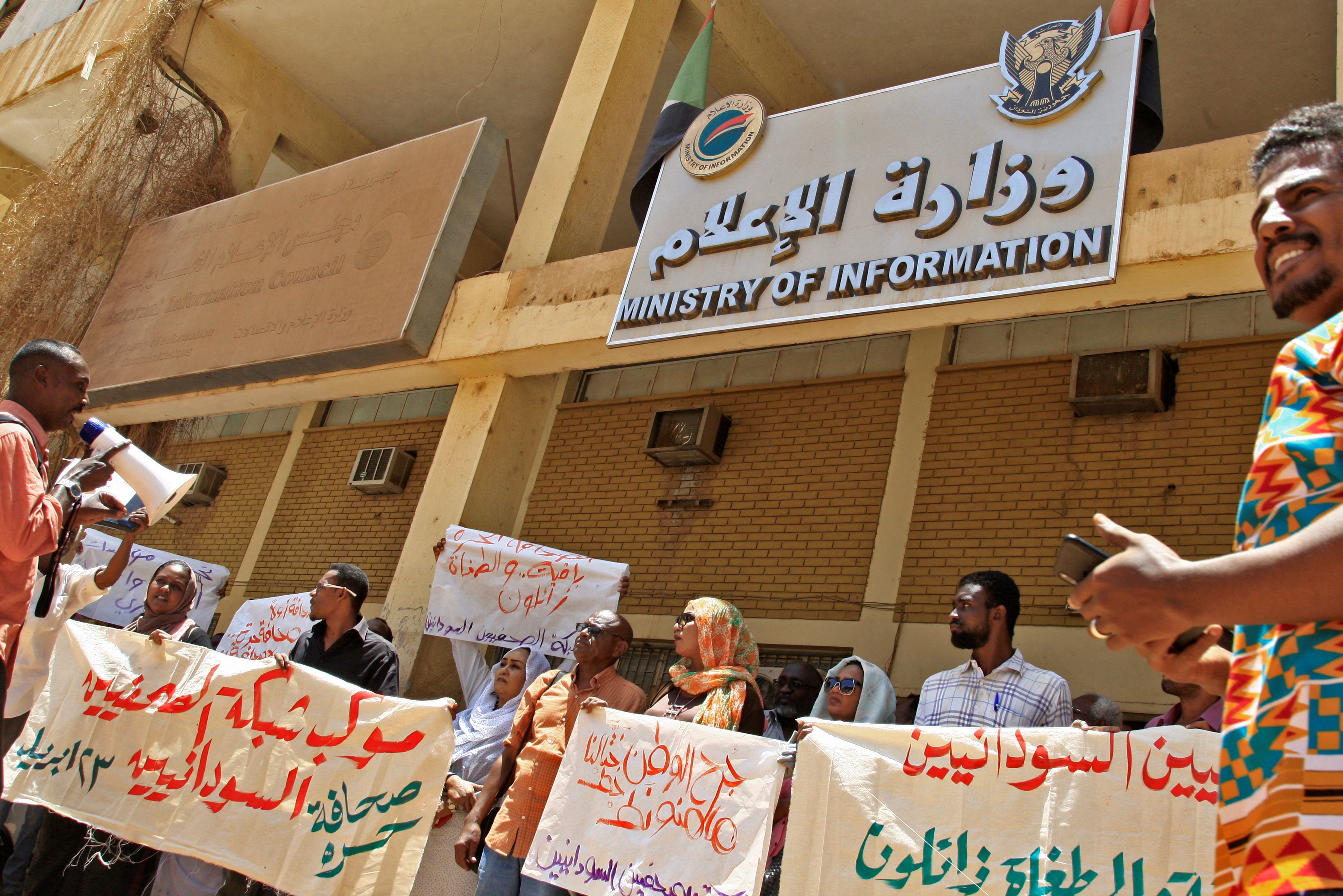
فجر الخامس عشر من أبريل/ نيسان من العام 2023، استيقظ الصحفيون السودانيون على واقع لم يكن في الحسبان. لم يكن ذلك الصباح مجرد بداية يوم عمل جديد، ولا استمراراً لمتاعب مهنية اعتادوها في بيئة مضطربة، بل كان إعلانا صريحا عن نهاية مرحلة كاملة من حياتهم العملية والاجتماعية غداة اجتياح الدعم السريع للعاصمة الخرطوم.
صراع البقاء

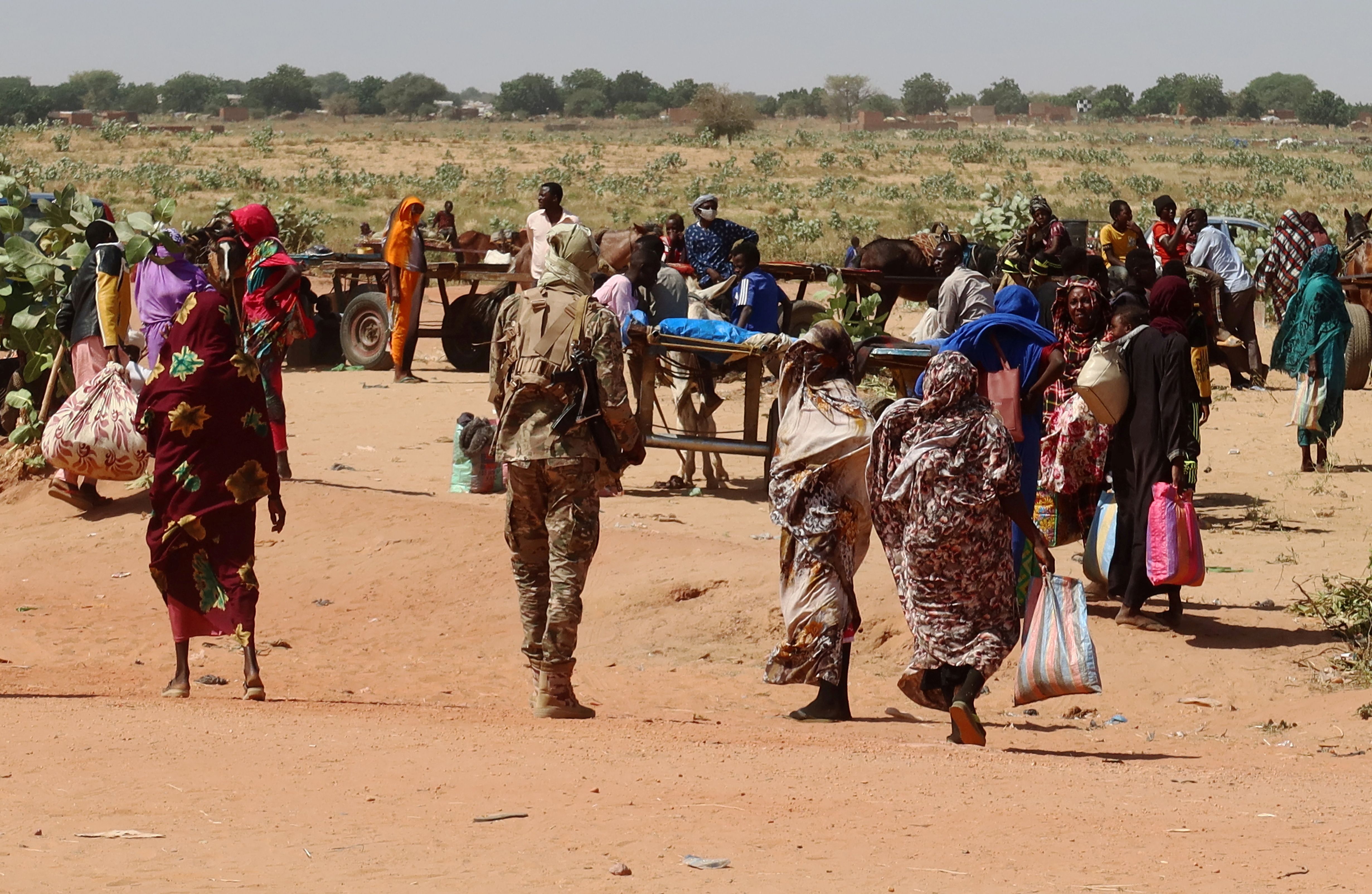
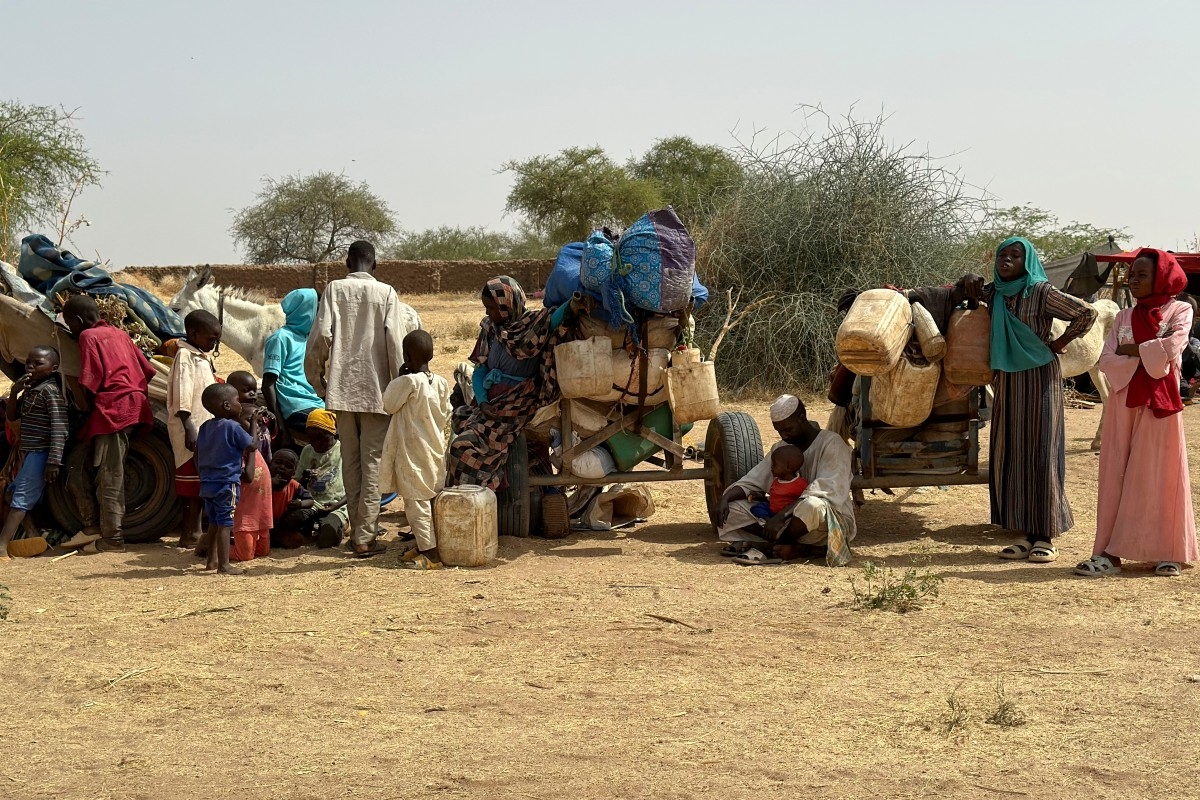
يومئذ وجد آلاف الصحفيين أنفسهم فجأة دون مؤسسات، ولا مقار، ولا رواتب، ولا أي مظلة تحميهم من فقدان كل مقومات المهنة: انهار كل ما كان يمنحهم الحد الأدنى من الاستقرار، سقطت المكاتب، وتعطلت المطابع، وتوقفت الصحف، وتبعثر العاملون بين نازح ولاجئ ومحاصر داخل مدينة تحولت إلى مسرح مفتوح منذور للخطر. ودون سابق إنذار.

قبل اندلاع الحرب، ظل المشهد الصحفي - على الرغم من هشاشته – قائماً. كانت نحو ثلاثين صحيفة يومية وأسبوعية تصدر بانتظام، يعمل فيها ما لا يقل عن ألف صحفي بين دائمين ومتعاونين. وإلى جانبهم، قرابة خمسمائة صحفي في المؤسسات الإعلامية العامة، بين مراسلين ومنتجين ومحررين، إضافة إلى نحو مائتي صحفي موزعين على ولايات السودان المختلفة.

بهذا المعنى، تجاوز عدد الممارسين للمهنة 1700، من بين حوالي سبعة آلاف مقيدين في السجل الصحفي الرسمي، وهو القيد الذي يمنح شرعية ممارسة المهنة. كانت تلك الأرقام تعكس قطاعا واسعا يواجه تحديات كبيرة، لكنه يتحرك، وينتج، ويملأ الفضاء العام بما يحتاج إليه من التدفق.

بواكير الكارثة لم تكن مرتبطة بحرية التعبير أو صعوبات النشر، بل كانت أكثر قسوة وبساطة: أين سننام؟ وماذا سنأكل؟ وكيف ندفع إيجار المنزل؟

أما من غادروا الخرطوم نازحين أو لاجئين فقد واجهوا سوقا عقاريا يتصاعد بسرعة تفوق قدراتهم الهشة أصلا. ومع تزايد موجات النزوح نحو ولايتي الشمالية ونهر النيل، ارتفعت الإيجارات بصورة جعلت الحصول على مسكن متوسط عبئا يكاد يعبر من أقصى الممكن نحو تخوم المستحيل.

بواكير الكارثة لم تكن مرتبطة بحرية التعبير أو صعوبات النشر، بل كانت أكثر قسوة وبساطة: أين سننام؟ وماذا سنأكل؟ وكيف ندفع إيجار المنزل؟

وتدريجيا زحفت المعاناة نحو التفاصيل اليومية الصغيرة، تلك التي لا تظهر في نشرات الأخبار لكنها ترسم حياة الناس بدقة. لم يعد الحديث عن مستقبل المهنة أو إصلاحها، بل عن وجبة تسند الرمق.

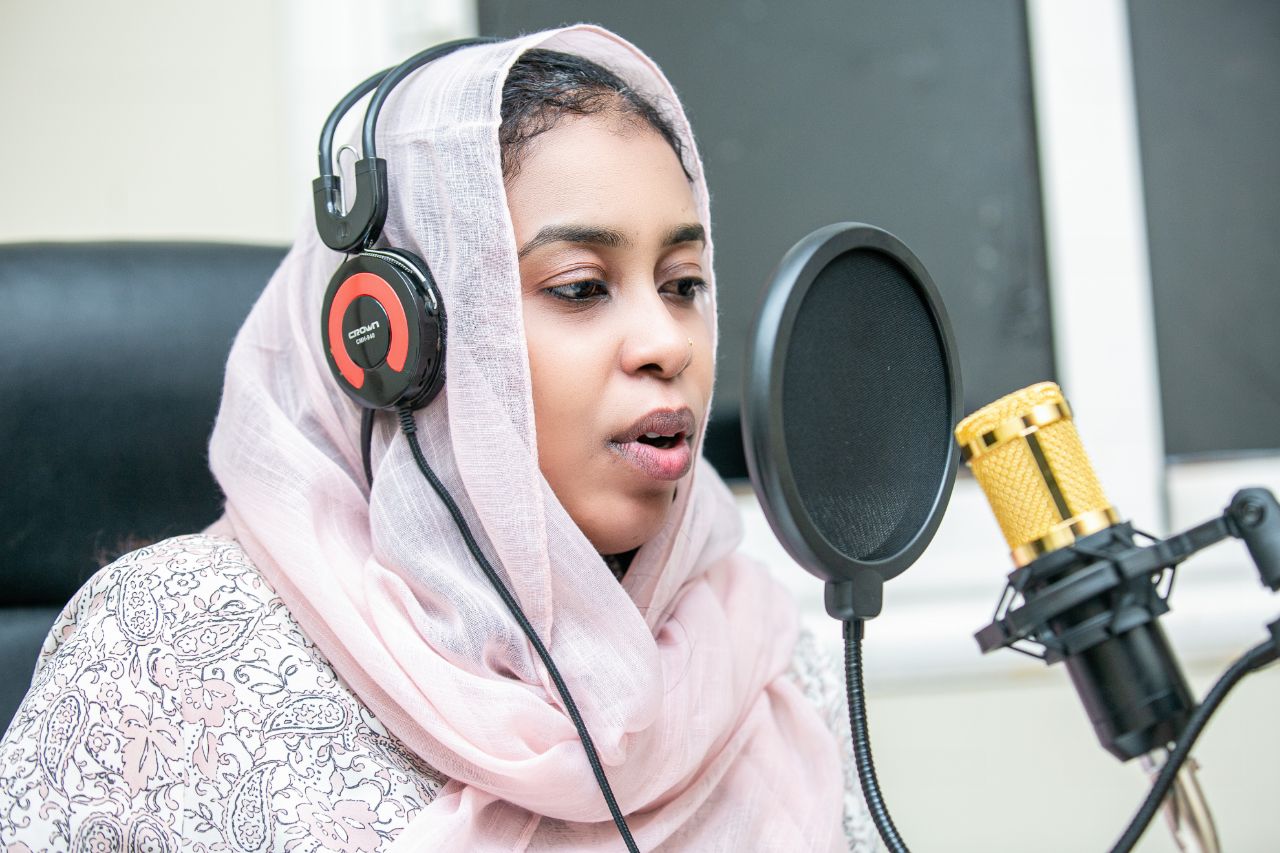
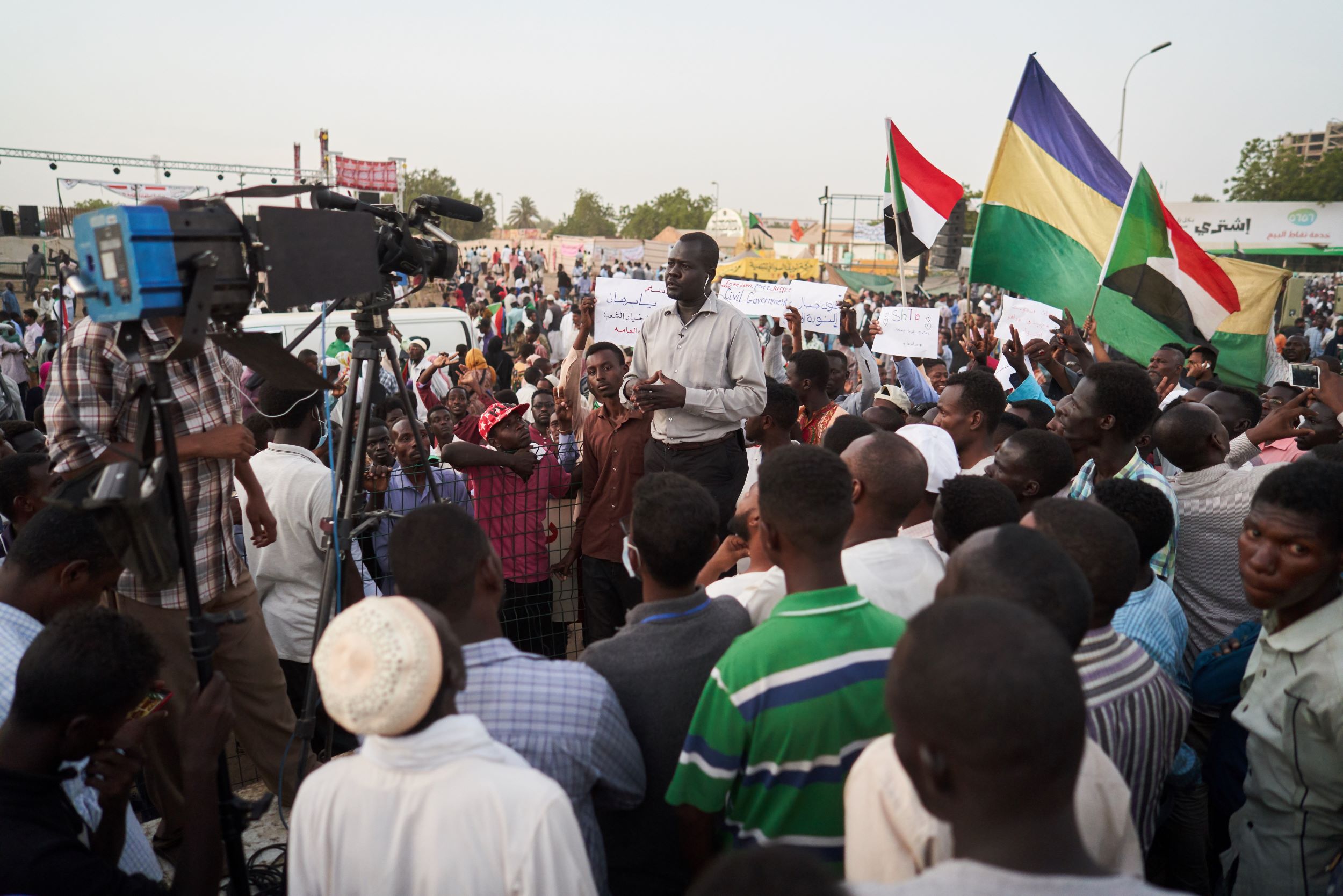
الصحفية هاجر سليمان، التي بقيت في الخرطوم طوال فترة دخول الجيش السريع، تقدم صورة فادحة القسوة عن وضعيتها وعن وضعية الصحفيين بشكل عام. تقول إن سوء التغذية بلغ ببعض الصحفيين مرحلة الهلاك "وقد نجد وجبة واحدة خلال أربع وعشرين ساعة".

وفي إحدى دول اللجوء، يؤكد صحفي شهير أنه عجز عن توفير علاجات السكري. يقول بمرارة إنهم يستدينون حتى الخبز، على أمل أن يسعفهم دعم قريب أو صديق يعمل في الخليج أو الغرب.

صحفي آخر، كان يشغل منصب رئيس تحرير، اضطر بعد لجوئه إلى إحدى دول الجوار إلى بيع منتجات سودانية شعبية، وهو يختصر أولوياته قائلا إن الهدف الأساسي هو تدبير إيجار الشقة، وما عدا ذلك يأتي في المرتبة الثانية. إنها رحلة قاسية من قيادة غرف الأخبار إلى البحث عن قوت اليوم.

في ظل هذا الانهيار، اعتمدت غالبية الصحفيين على دعم متقطع من أقارب يعملون في الخليج أو في الدول الغربية. هذا الدعم، رغم أهميته، لم يكن منتظما ولا كافيا، وكان أقرب إلى مسكنات تمنع الانهيار الكامل دون أن تفتح أفقا لحل دائم.

وباستثناء قلة في المؤسسات الحكومية، ونسبة ضئيلة تعمل خارج البلاد، فقد ما يزيد على ثمانين بالمئة من الصحفيين أي نوع من العمل مع مؤسسات وسائل الإعلام: انقطع الرابط بينهم وبين الناشرين، وغابت المؤسسات، وتبددت المسؤوليات.


باستثناء قلة في المؤسسات الحكومية، ونسبة ضئيلة تعمل خارج البلاد، فقد ما يزيد على ثمانين بالمئة من الصحفيين أي نوع من العمل مع مؤسسات وسائل الإعلام: انقطع الرابط بينهم وبين الناشرين، وغابت المؤسسات، وتبددت المسؤوليات.


عهد اللاوصاية

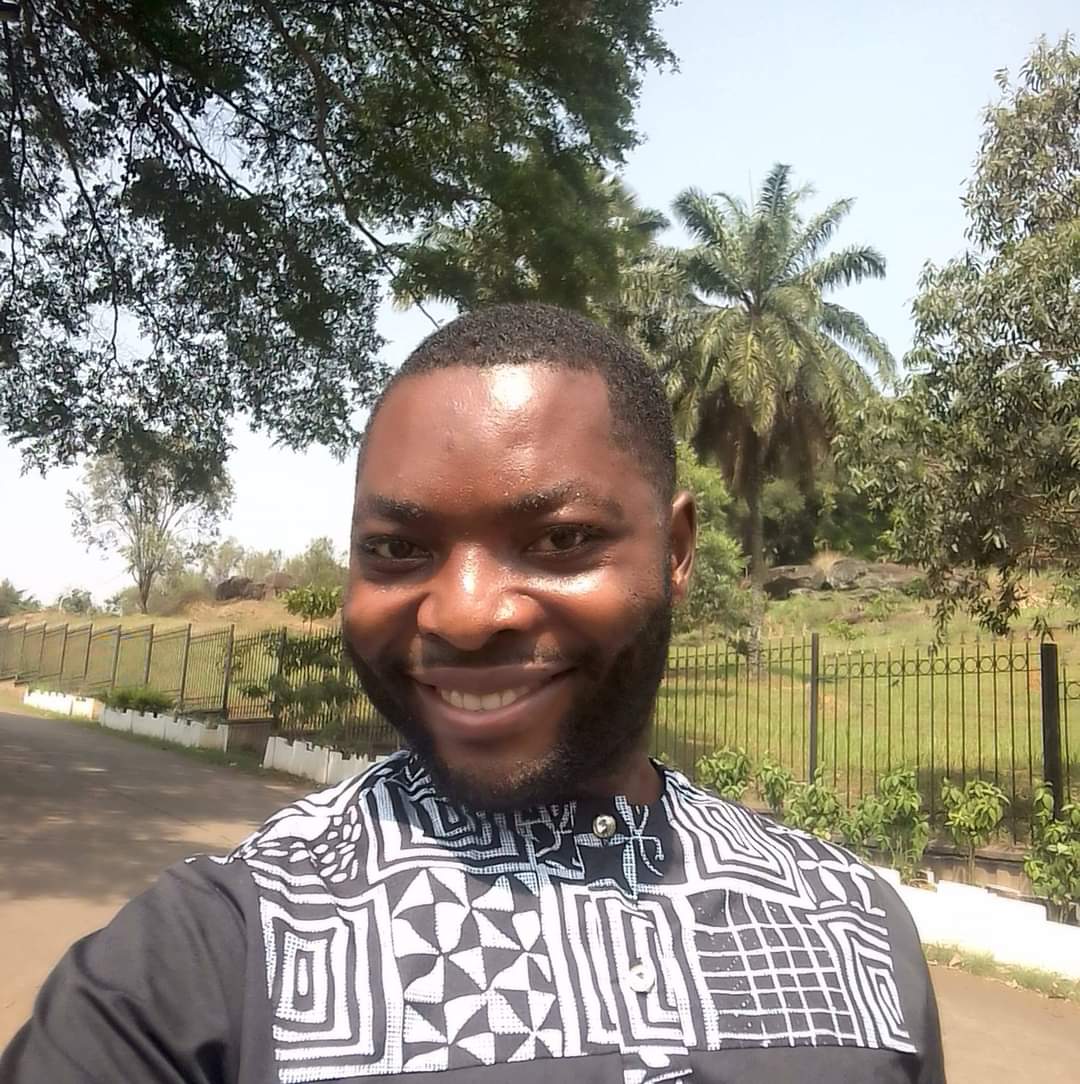
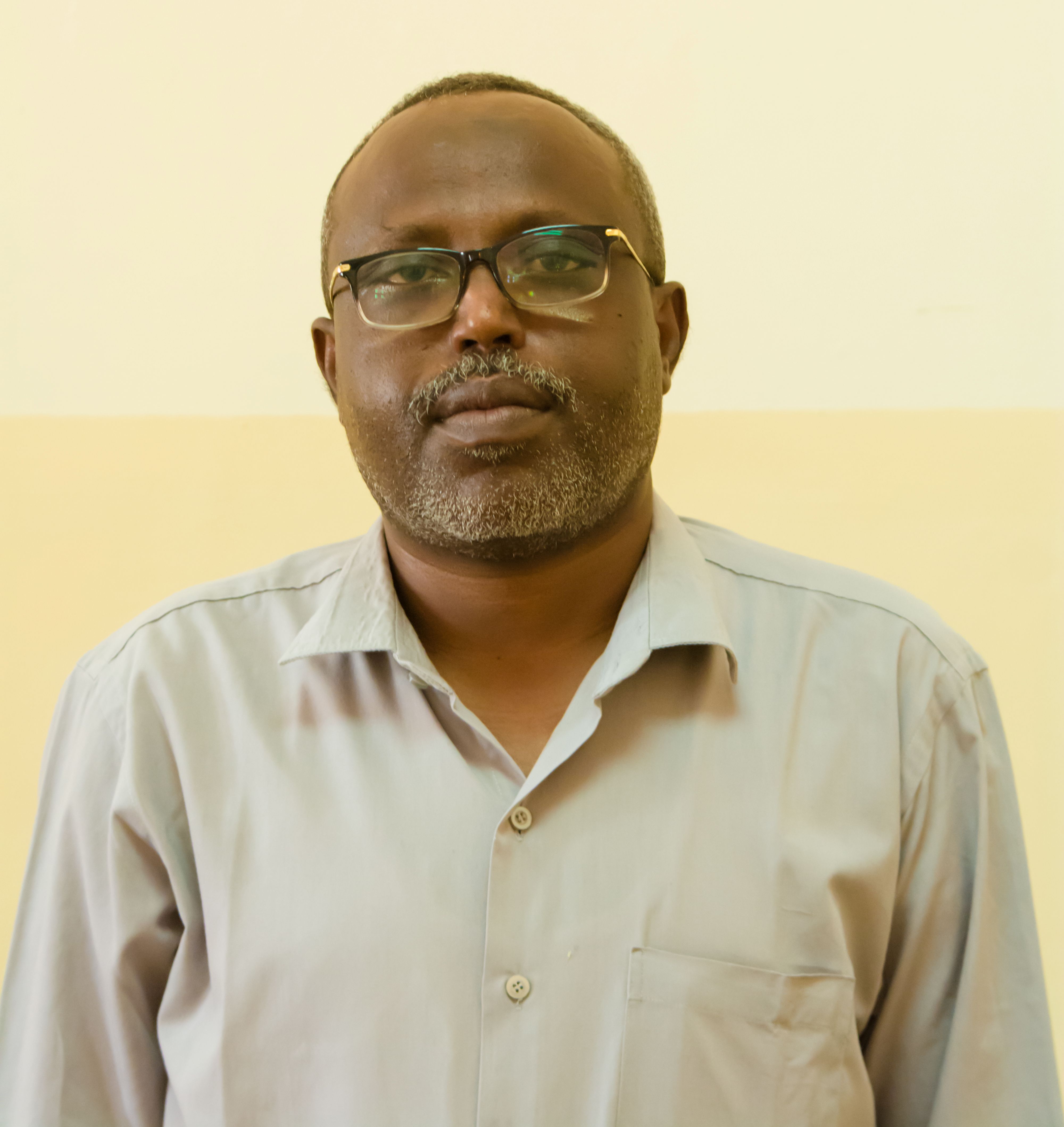
يتجه النقد أولا إلى الدولة، ثم إلى اتحاد الصحفيين، وإلى طبيعة العلاقة المختلة بين العاملين وأصحاب المؤسسات. الدكتور طارق عبد الله -الأكاديمي والصحفي- يرى أن الاتحاد لم يستنفد طاقته الممكنة، خاصة عبر علاقاته بالمنظمات العربية والأفريقية. ويشير إلى أن الصحفيين وجدوا أنفسهم بلا سند، بعد أن غادر مُلَّاك المؤسسات خارج السودان دون اهتمام بما جرى للعاملين. وهو يترأس كتلة مهنية من قبْل نشوب الحرب، ينعي على الحكومة تجاهلها لألحِّ ضرورات العيش للصحفيين.

الصحفية هاجر سليمان تتفق مع هذا الطرح، بل تذهب أبعد، مؤكدة أن الصحف حررت خطابات فصل جماعي، وتخلت عن المنتسبين إليها بالكامل، وغادر الناشرون حتى دون سؤال أو اتصال. كما تعتقد – وهي التي تمسكت بالبقاء في الخرطوم رغم المخاطر أن الاتحاد العام للصحفيين "ظل غائبا قبل الحرب وأثناءها ولايزال يسجل الغياب".

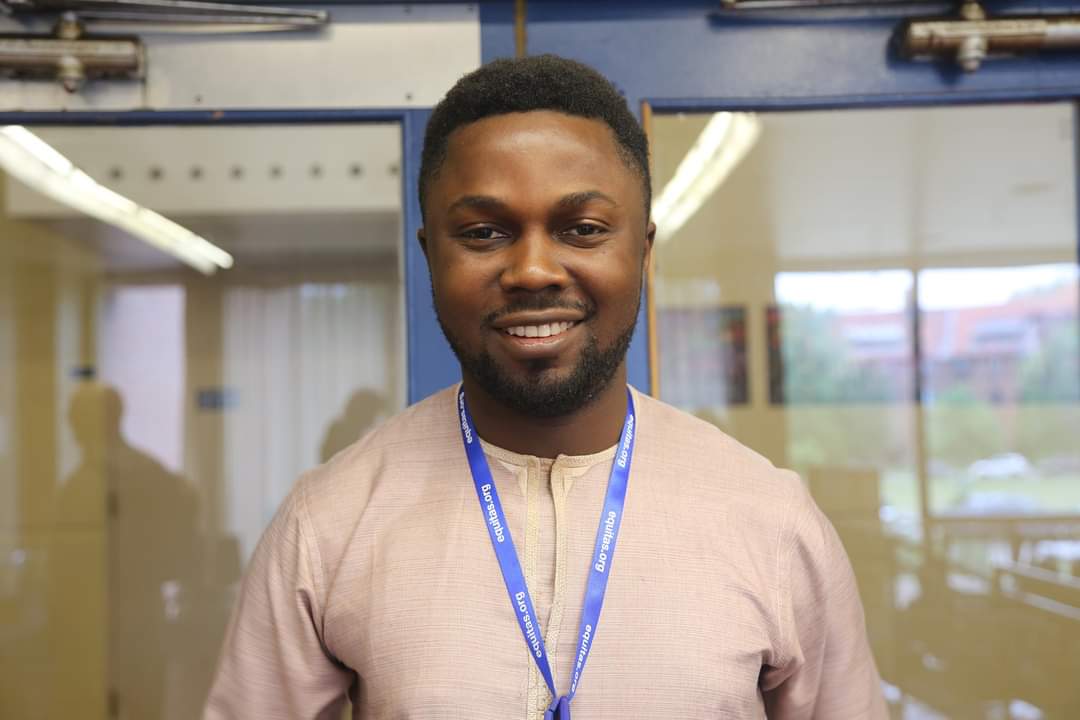
الأمين العام لاتحاد الصحفيين، صلاح عمر الشيخ، يعترف بمحدودية دور الاتحاد، ويرجع ذلك إلى حالة الارتباك وصراع الوجود الذي لازم الاتحاد منذ العام 2019، وهو صراع - وفق الشيخ - أضعف الموارد وقلص القدرة على التواصل مع الجهات الداعمة.

ولعل تعامل الحكومة المعترف بها لم يرتق إلى حجم الكارثة، وبالكاد حصل بعض الصحفيين على سكن مؤقت في بورتسودان العاصمة البديلة، وآخرون نالوا حوافز رمزية مقابل حضور مؤتمرات صحفية لكنها ظلت إجراءات محدودة لا تلامس جذور الأزمة.

وحتى بعد تحرير العاصمة، لم يتغير الكثير. رحلة قصيرة لعدد من الصحفيين إلى الخرطوم لم تكن كافية لخلق بيئة تسمح باستئناف العمل، في ظل غياب فرص العمل والأمن وضعف الخدمات.

لقد أثبتت الحرب لغالب الصحفيين أن المنظمات والصحفية منها على وجه الخصوص تركز على الحريات في مؤتمراتها أكثر مما تستطيع تقديمه على نحو ملموس أثناء الأزمات

لقد أثبتت الحرب لغالب الصحفيين أن المنظمات – والصحفية منها على وجه الخصوص- تركز على الحريات في مؤتمراتها أكثر مما تستطيع تقديمه على نحو ملموس أثناء الأزمات، والحقيقة أن الوصول إلى مساعدات إنسانية كان يتطلب الوجود في معسكرات النزوح أو اللجوء، وهو ما لا يتسق مع طبيعة المهنة ولا مع ظروف كثير من المهنيين. ما يزال الصحفيون السودانيون وأسرهم يعيشون واحدة من أكثر اللحظات حرجا في تاريخهم، من انسداد في الأفق نحو حلول تعيدهم إلى حياة طبيعية، أو تفتح الطريق أمام استعادة الحد الأدنى من الكرامة المهنية والإنسانية.

إنها مأساة قطاع وجد نفسه فجأة بلا أرض يقف عليها، وبلا سند يحميه، وبلا يقين يقوده إلى الغد.

More Articles

Arab Society and Investigative Journalism: The Dialectic of Culture, Power, and Profession

Investigative journalism in Arab societies operates within a dense web of social, political, and cultural pressures that often push journalists to balance truth-telling against survival, forcing them onto a precarious “razor’s edge.” Yet despite these constraints, moments of crisis can transform society itself from a source of pressure into a powerful ally, driving accountability and reigniting the pursuit of truth.

Musab Shawabkeh
Musab Al Shawabkeh Published on: 7 Apr, 2026
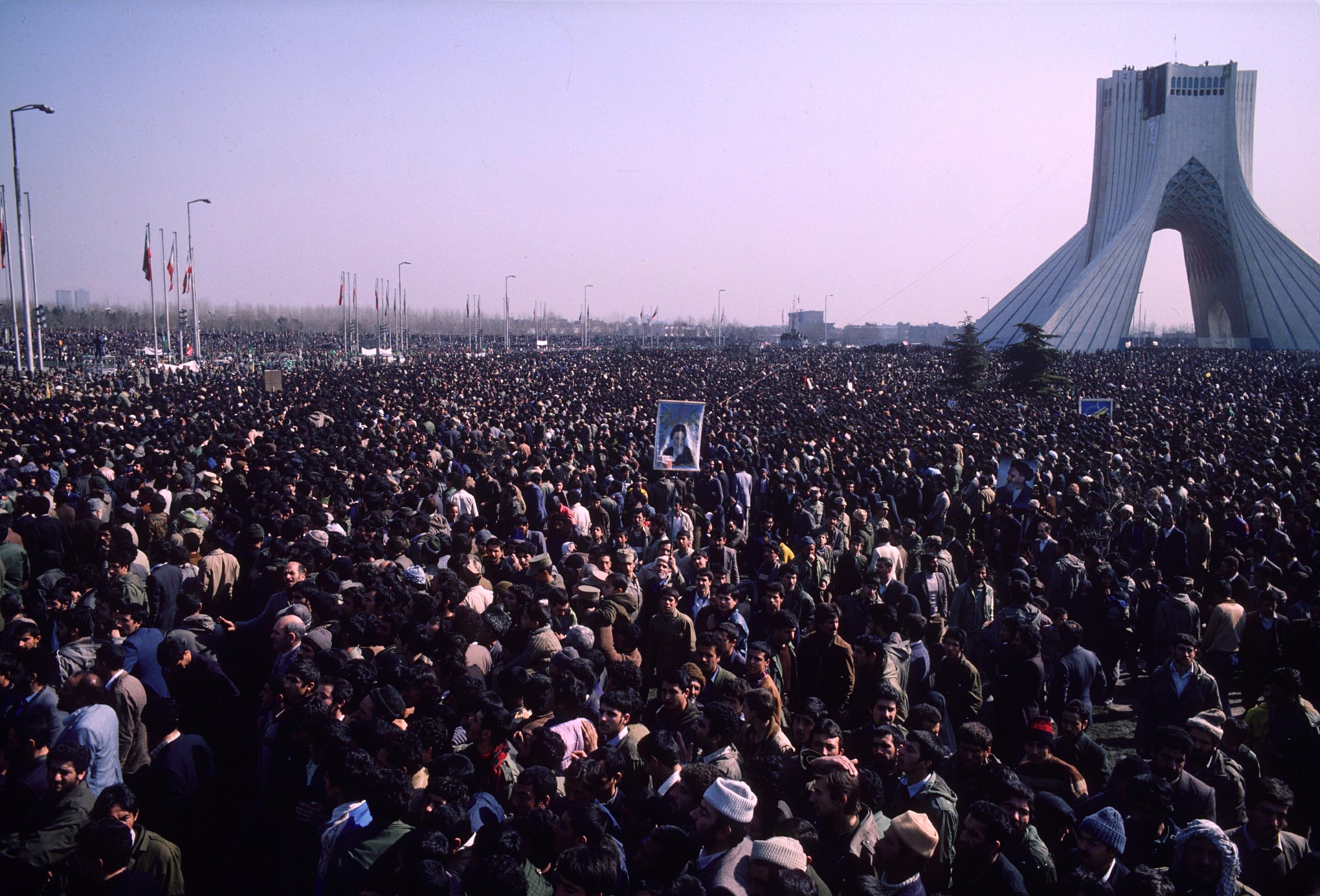
The Revolution That Framed Islam: How 1979 Shaped Western Media on Iran

The 1979 Revolution transformed how the Western world views and reports on Islam. What started as a confused attempt to understand a new religious movement has turned into a permanent media habit of framing Iran through the lens of conflict and suspicion.

Daniel Harper
Daniel Harper Published on: 4 Apr, 2026
The Challenge of Reporting in Chechnya

Independent journalism no longer exists as a functioning practice inside Chechnya. What remains is a profession rebuilt in exile, forced to operate at a distance from the very place it is meant to cover.

Rushda Fathima Khan
Rushda Fathima Khan Published on: 29 Mar, 2026
How AI Can Clean Messy Data; and Where It Can't

Normalising inconsistent, messy, or incomplete data is tedious and time-consuming, but essential. AI can handle grunt work, but editorial decisions remain with the journalist.

KA
Konstantinos Antonopoulos Published on: 21 Mar, 2026
Missiles Made of Words: How Western Media Narratives Shape the Iran–Israel–US Conflict

Western media coverage of the Iran–Israel–US conflict often functions as a weapon of war, using selective language that frames US and Israeli strikes as “self-defence” while depicting Iranian actions as "provocation". This linguistic framing normalises civilian casualties and helps manufacture public consent for military aggression by dehumanising certain populations.

Muqeet Mohammed Shah
Muqeet Mohammed Shah, Ifrah Khalil Kawa Published on: 14 Mar, 2026
How the Ethiopian Civil War Unleashed a Lethal Media Crackdown

There has been a widening crackdown on the media in Ethiopia since war erupted between the central government and Tigray’s regional authorities in 2020, and the pressure appears set to intensify as the country prepares for general elections in June.

Nalova Akua
Nalova Akua Published on: 9 Mar, 2026
Are Netanyahu's and Trump’s Speeches Shaping Western Media Framing?

As political speeches framed the 2026 U.S.–Israeli attack on Iran, segments of Western media echoed their language and narratives, illustrating how strategic rhetoric and news framing can shape public opinion and legitimise military action.

Shaimaa Al-Eisai
Shaimaa Al-Eisai Published on: 6 Mar, 2026
The Taboos of Journalism: A Fragility No One Dares to Expose

Does a journalist have the right to critique their own employer? It is a striking irony that they report on global crises while remaining silent about their own industry's fragility: stagnant wages, eroding professional values, and profit-driven ownership. Journalists must realize that confronting this internal rot is not just a right, but a necessity to save the profession from extinction.

Diana López Zuleta
Diana López Zuleta Published on: 24 Feb, 2026
Bilingual on Paper, Unbalanced on Air: English Journalism in a Francophone Cameroon

In a media landscape where French dominance dictates policy and airtime, English-speaking reporters in Cameroon are forced into a relentless cycle of improvisation, translation, and professional exhaustion. From the "desert-like" scarcity of English-speaking experts to newsrooms that offer no institutional support, this analysis explores how linguistic inequality hollows out the journalistic process, leaving vital stories untold and the promise of a bilingual nation unfulfilled.

Akem
Akem Nkwain Published on: 15 Feb, 2026
Reporting the Spectacle: Myanmar’s Manufactured Elections

Myanmar’s recent elections posed a profound challenge for journalists, who were forced to navigate between exposing a sham process and inadvertently legitimising it. With media repression intensifying, reporting became an act of resistance against the junta’s effort to control information and silence independent voices.

Annie Zaman
Annie Zaman Published on: 7 Feb, 2026
Public Hostility Toward Legacy Media in Bangladesh

The December 2025 arson attacks on Prothom Alo and The Daily Star marked a turning point for journalism in Bangladesh. As public anger replaces state control as the primary threat, reporters are reassessing personal safety, editorial judgement, and professional credibility in a political transition where journalism itself is increasingly treated as an enemy.

Arsalan Bukhari, an independent journalist based in India
Arsalan Bukhari Published on: 4 Feb, 2026
Migration Issues and the Framing Dilemma in Western Media

How does the Western press shape the migration narrative? Which journalistic frames dominate its coverage? And is reporting on anti-immigration protests neutral or ideologically charged? This analysis examines how segments of Western media echo far-right rhetoric, reinforcing xenophobic discourse through selective framing, language, and imagery.

Salma Saqr
Salma Saqr Published on: 31 Jan, 2026
Polarised, Intimidated, Silenced: The Media Under Siege in Cameroon’s Election

Cameroon’s 2025 presidential election exposed a troubling paradox: a nation voting under the watchful eye of power, while its press remained silenced. From the arrest of a teenage reporter to bans on political debate and digital manipulation, freedom of expression is under siege, and journalism is on trial.

Shuimo Trust Dohyee
Shuimo Trust Dohyee, Ngweh Rita Published on: 22 Jan, 2026
What Image of Gaza Will the World Remember?

Will the story of Gaza be reduced to official statements that categorise the Palestinian as a "threat"? Or to images of the victims that flood the digital space? And how can the media be transformed into a tool for reinforcing collective memory and the struggle over narratives?

Hassan Obeid
Hasan Obaid Published on: 13 Jan, 2026
Journalism in Mauritania: Behind the Facade of Press Freedom Indicators

Mauritania holds the top position in the Arab world in the Press Freedom Index published by Reporters Without Borders. However, behind this favourable ranking, the media and journalists face significant challenges, chief among them the ambiguity surrounding the definition of a "journalist" and the capacity of media professionals to fulfil their roles in accountability and oversight. Despite official efforts, the defining feature of Mauritania’s media landscape remains its persistent state of fluctuation.

 Ahmed Mohamed El-Moustapha
Ahmed Mohamed El-Moustapha Published on: 6 Jan, 2026
How Can Journalism Make the Climate Crisis a People’s Issue?

Between the import of Western concepts and terminology that often fail to reflect the Arab context, and the denial of the climate crisis, or the inability to communicate it in clear, accessible terms, journalism plays a vital role in informing the public and revealing how climate change directly affects the fabric of daily life in the Arab world.

Bana Salama
Bana Salama Published on: 19 Dec, 2025
Freelancers in Kashmir Fear Losing Access as Verification Tightens

Kashmir’s new “verification drive” claims to root out impostors, yet its heavy bureaucratic demands mainly sideline the independent freelancers who still dare to report in a shrinking media landscape. But here’s the unsettling question that hangs over the Valley like fog at dawn: who really benefits when the storytellers without institutional shields are pushed out of the frame?

Tauseef Ahmad
Tauseef Ahmad, Sajid Raina Published on: 11 Dec, 2025
Journalists in Maldives Enter New Phase of Government-Controlled Media Repression

As journalists weigh the costs of their work against threats to their lives and families, the fight for press freedom in the Maldives enters a dangerous new chapter, one where the stakes have never been higher.

Sumaiya Ali
Sumaiya Ali Published on: 8 Dec, 2025
Reporting Under Fire: The Struggle of African Journalists Facing Intimidation

African journalists who expose corruption and power now face a brutal mix of arrests, torture, digital surveillance, and lawsuits meant to drain their resources and silence them. From Ethiopia, Nigeria, Malawi, Benin, Sudan, Uganda, and Kenya to exile in Canada, reporting the truth has become an act of personal survival as much as public service.

Nigerian freelance Journalist John Chukwu
John Chukwu Published on: 4 Dec, 2025
Shipwrecked Narratives: How to Keep Migration Stories Afloat

Migration stories don’t become real until you meet people in the journey: the carpenter carrying photos of his fantasy coffins, or the Libyan city worker burying the forgotten dead, or the Tatar woman watching her livelihood collapse at a militarised border. Following these surprising human threads is the only way journalism can cut through collective exhaustion and make readers confront a crisis they’ve been trained to ignore.

Karlos Zurutuza, a freelance journalist and a media trainer. His work has been published in The Guardian, Al Jazeera English, POLITICO, The Middle East Eye and The Independent, among others.
Karlos Zurutuza Published on: 30 Nov, 2025
In-Depth and Longform Journalism in the AI Era: Revival or Obsolescence?

Can artificial intelligence tools help promote and expand the reach of longform journalism, still followed by a significant audience, or will they accelerate its decline? This article examines the leading AI tools reshaping the media landscape and explores the emerging opportunities they present for longform journalism, particularly in areas such as search and content discovery.

. سعيد ولفقير. كاتب وصحافي مغربي. ساهم واشتغل مع عددٍ من المنصات العربية منذ أواخر عام 2014.Said Oulfakir. Moroccan writer and journalist. He has contributed to and worked with a number of Arab media platforms since late 2014.
Said Oulfakir Published on: 24 Nov, 2025
Zapatismo and Citizen Journalism in Chiapas, Mexico

In Chiapas, independent journalists risk their lives to document resistance, preserve Indigenous memory, and challenge state and cartel violence. From Zapatista films to grassroots radio, media becomes a weapon for dignity, truth, and survival.

Ana Maria Monjardino
Ana Maria Monjardino Published on: 26 Oct, 2025
Lost in Translation: The Global South and the Flaws of Content Moderation

Global Rules, Local Consequences: How Biased Moderation Fuels Disinformation in the Global South. Unequal systems of AI and human oversight are failing to protect and often silencing non-Western voices online.

Lucia Bertoldini
Lucia Bertoldini Published on: 22 Oct, 2025
Propaganda: Between Professional Conscience and Imposed Agendas

When media institutions first envisioned editorial charters and professional codes of conduct, their primary goal was to safeguard freedom of expression. However, experience has shown that these frameworks have often morphed into a "vast prison", one that strips journalists of their ability to confront authority in all its forms. In this way, Big Brother dons velvet gloves to seize what little space remains for the practice of true journalism.

فرح راضي الدرعاوي Farah Radi Al-Daraawi
Farah Radi Al-Daraawi Published on: 17 Oct, 2025