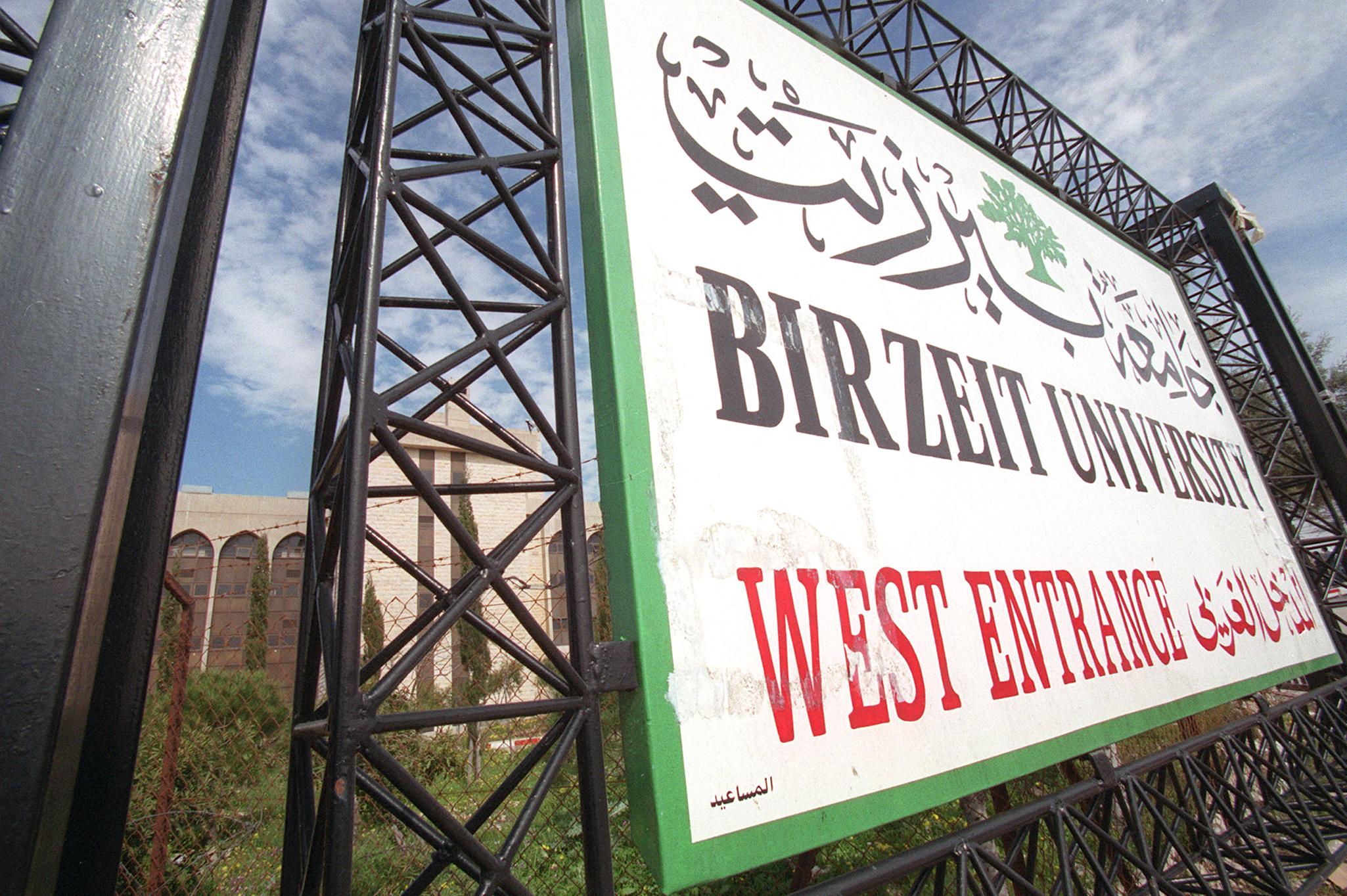
جامعة بيرزيت.. تجربة فلسطينية ناجحة في تطوير مناهج تدريس الصحافة

جامعة بيرزيت.. تجربة فلسطينية ناجحة في تطوير مناهج تدريس الصحافة

انطلقت فكرة تطوير مناهج وطرق تدريس الصحافة والإعلام في الجامعات الفلسطينية، عقب انتهاء مركز تطوير الإعلام في جامعة بيرزيت، من تنفيذ دراسة تقييمية في فلسطين، استخدمت "مؤشرات تقييم تطور الإعلام"، والتي طورتها منظمة الأمم المتحدة للتربية والعلم والثقافة "اليونسكو" عام 2008، ونفذتها في دولتين عربيتين قبل فلسطين، هما مصر وتونس.

وبعد إصدار الدراسة، أطلق مركز تطوير الإعلام بتاريخ 25 سبتمبر/ ايلول 2014 مبادرة تطوير الإعلام الفلسطيني، التي اشتملت على تسعة محاور علم هي: الإصلاح القانوني، التطوير الأكاديمي، النوع الاجتماعي، البنية التحتية، التدريب الإعلامي، السلامة المهنية، التنظيم الذاتي، الإعلام والمجتمع والإعلام العام.

وتخصص محور التطوير الأكاديمي في بناء لجنة مشتركة بين ممثلين عن دوائر الإعلام في 16 جامعة فلسطينية وكليتين، تدرس درجتي البكالوريوس والدبلوم في الصحافة. وعقد المركز في نهاية 2015، لقاءات مع ممثلين عن هذه الجامعات أبانت عن صعوبة عالية في الاتفاق على أي المساقات نطور؟ ومن سيؤلف؟ ومن سيحكم المساقات قبل تعميمها؟ وأي نظام توثيق نتبع؟ وأي الجامعات قادرة على تغيير خطتها لإدخال المساقات الجديدة؟ وهل ستقبل وزارة التعليم العالي هذا النشاط؟ وكيفية مواءمة مواد أي مساق مع زمن الفصل الدراسي حسب قانون التعليم العالي؟ وما هي حصص كل جامعة في التأليف وفي التحكيم وفي عدد النسخ بعد الطباعة؟ وأسئلة كثيرة بدأت تظهر على السطح وتطلب حلولا.


الجامعات من التنافس الى التكامل

وحملت الجلسات الأولى من اجتماعات ممثلي الجامعات والكليات اختلافات وتعدد رؤى كان صعباً السيطرة عليها في البداية، بسبب التنافس الإيجابي بين دوائر الإعلام، والمدارس الفكرية وثقافة التعليم التي يمثلها كل أستاذ جامعي، إضافة إلى مصاعب تقنية تتعلق بصعوبة تغيير الخطط الدراسية المقررة دون الرجوع إلى وزارة التعليم العالي. يضاف إلى ذلك الخلاف على طريقة التأليف وأسماء المؤلفين وكمية النسخ المطلوب طباعتها والطريقة التي سيؤهل المحاضرون المتوقع تدريسهم لكل مساق على حدة.

ولكن تكثيف التنسيق والمراسلات والتشبيك بين مركز تطوير الإعلام وممثلي الجامعات والروح الإيجابية لدى مدرسي الصحافة والإعلام من كل الجامعات، أفضت إلى شراكة مستمرة في محور تطوير أكاديميا الإعلام، والذي راكم منذ العام 2015 إلى الآن ستة مساقات.

واعتمد مركز تطوير الإعلام فكرة تأليف نموذج مساق مكون من وحدات تعليمية (Teaching Modules)، وبدل كلمة وحدة تعلمية استخدمنا أسبوعاً تعلميا تبعا لتقسيم الفصل الدراسي إلى أسابيع يحتمل كل أسبوع محاضرتين لنفس المساق، وهو ما يسهل علينا وضع نظام موحد لمواضيع ومفردات المساق موزعة على مؤلفين مختلفين لكنهم يتشابهون في طريقة التأليف.

واستخدم مفهوم "التعلم" بدل "التعليم" كرؤية تربوية تعتمد على رفع دوافع الطلاب/ المتعلمين، في التحصيل المعرفي من المساقات، ولا يركنون إلى فكرة تلقي التعلم بل المشاركة في صناعته.

عقد المركز لقاءات مع ممثلين عن الجامعات أبانت عن صعوبة عالية في الاتفاق على أي المساقات نطور؟ ومن سيؤلف؟ ومن سيحكم المساقات قبل تعميمها؟ وأي نظام توثيق نتبع؟

حينها تحدث مشاركون في المشروع عن أفكار كثيرة تبحث عن تعلم ديمقراطي وحيوي، واستحضرت أفكار باولو فريري وجون ديوي في النقاشات، وتجرأ البعض وتحدثوا بصوت عال عن فكرة Mute the teachers"" دعوا المعلمين يصمتون كي يتكلم الطلاب أكثر، وصار النقاش حول التنظيم الذاتي للصحافة والصحفيين أهم من المطالبة بإقرار قوانين حكومية ستخدم في النهاية الحكومات، وتظلم الصحافة والصحفيين.

تبدلت مفاهيم كثيرة في تقليب الأساتذة المشاركين لأفكارهم. تنازل كثيرون عن مواثيق الشرف الشعاراتية وسلموا كتابتهم لمفاهيم الممارسات الفضلى ومدونات السلوك الخالية من "حماية اللغات والأوطان" وتركوا ذلك للجنود وليس للصحفيين.

وفي الأجزاء التفاعلية من كل أسبوع دراسي مؤلَّف، فرضت مهمات الإعلام الرقمي نفسها، وجُذب الأساتذة والطلاب عبر وحدات المساقات، إلى التدرب على صحافة الموبايل وإنتاج فنون صحفية متعددة الوسائط، واقتراح روابط الفيديو على خلويات الطلاب بدل الكتب البعيدة في المكتبات.


التأليف التشاركي بدل المؤلف الواحد

في العالم العربي كانت العادة، أن تكون الكتب المقررة للمساقات في الجامعات، مؤلفة من كاتب واحد، لكن مركز تطوير الإعلام أدخل طريقة جديدة يتشارك فيها أساتذة من الجامعات الشريكة، وصحفيون خبراء من الميادين، مما أثار حفيظة البعض في البداية من أن الصحفيين الممارسين غير ملمين بالطرق التربوية والأكاديمية، لكن وضع نظام تأليف موحد لكل المؤلفين خفف من وطأة هذا الإشكال، وأدى إلى تركيز على المفاهيم والمفردات والتطبيقات والتدريبات المقترحة وليس على رؤى المؤلفين أو هوياتهم الفكرية.

ورغم الخوف المسبق من مساهمات الصحفيين في تأليف مادة علمية، إلا أن التجربة المنظمة أنتجت شرحاً ممتازاً للمفاهيم بلغة صحفية سلسلة، وضمن نماذج وأمثلة وتدريبات ميدانية رفعت من انتباه الطلاب للمادة التعلمية.

وفي ذات الاتجاه، وضمن التخوف المسبق من إغراق الأكاديميين في النظريات والمفاهيم جذبوا إلى اختيار أفضل النماذج الصحفية وتقديمها كأمثلة للطلاب. وانتُقل بهم من التعليم إلى مفاهيم التعلم الممزوج بالتدريب والتفاعل واستضافة الخبراء إلى المحاضرات وعرض الأفلام ومناقشة الحالات والأمثلة وحضور روابط يوتيوب.. إلخ.

وشارك في تأليف المساقات 64 مؤلفا من الجامعات الشريكة ومن الصحفيين الميدانيين، وخضع كل مساق من المساقات الستة لتحكيم ومراجعة من أربعة محكمين ممن يعدون أساتذة في التخصصات التي يعنى بها كل مساق. وطبع كل مساق طبعة ورقية بواقع 2000 نسخة وزعت على الجامعات، ونشرت إلكترونيا. 

 حملت الجلسات الأولى من التشاور اختلافات كان صعباً السيطرة عليها في البداية، بسبب التنافس الإيجابي بين دوائر الإعلام، والمدارس الفكرية وثقافة التعليم التي يمثلها كل أستاذ جامعي.


تأهيل المحاضرين: مهمة صعبة لكنها ممكنة

للوهلة الأولى كان لكلمة تأهيل المحاضرين وقع صعب على أساتذة مهمين وأصحاب مسيرة تعليمية كبيرة، لكن واقع المساقات الجديدة تطلب اقتراح ورش عمل، أو أيام تدريب للمحاضرين، كي يتفق المحاضرون الذين ترشحهم جامعاتهم لتدريس المساق على أفضل الأساليب لإنجاز تدريس المساقات الجديدة.

أنجز الموضوع بسلاسة بتقسيم أسابيع نموذج المساق على المحاضرين المستهدفين. ويقدم كل محاضر محاضرة نموذجية لباقي الزملاء ليتلقى ملاحظات وتعقيبات منهم. سجلت المحاضرات وحملت على اليوتيوب كي تكون في متناول أي أستاذ أو طالب يريد الاستزادة أو التعرف أكثر على المادة التعلمية.


مساق الإعلام والنوع الاجتماعي

وأصدر مركز تطوير الإعلام باكورة مساقاته عام 2016 وهو مساق الإعلام والنوع الاجتماعي، ممول من الوكالة السويدية للتنمية الدولية (سيدا). وتناول المساق أسابيع دراسية تتعلق بـ"التوجهات النسوية، ونشأة الفكر النسوي ومفهوم الجندر وأدواره وإدماجه، واقع الإعلاميات في المشهدين العربي والفلسطيني، بحوث المرأة في الإعلام، النساء في الأخبار: توظيفا وتمثيلا، الرقابة الذاتية في قضايا الإعلام والنوع الاجتماعي، الإعلام والعنف المبني على النوع الاجتماعي، نقد التغطيات الصحفية لقضايا المرأة، نقد الصور النمطية للمرأة في الإعلام، نقد الإعلانات من منظور نسوي، حقوق المرأة في القوانين الدولية، التغطية الحساسة للنوع الاجتماعي، والإعلام الحقوقي ووقضايا النوع الاجتماعي".


مساق الإعلام والقانون

 صدر المساق عن مركز تطوير الإعلام عام 2016، بتمويل من الوكالة السويدية للتنمية الدولية (سيدا)، وتضمن فهرس المساق 14 أسبوعا تعلميا ضمت العناوين التالية بالتتالي: مفهوم القانون والقاعدة القانونية وأهمية القانون للعمل الصحفي، الحريات الإعلامية والصحفية في المواثيق الدولية، الحريات الإعلامية في القوانين الفلسطينية، الحق في الحصول على المعلومات، المنظومة القانونية للمرئي والمسموع، الذم والقدح والتحقير في قانون العقوبات، قوانين الإعلام عربيا وعالميا، الجرائم الإلكترونية المرتبطة بحرية النشر على الإنترنت، قوانين متخصصة: تغطية المحاكم،  قانون الصحة، قانون العمل، قوانين متخصصة: قانون التعليم، قانون الاحوال الشخصية، ومحاكمة الصحفيين.


مساق أخلاقيات الإعلام

صدر المساق عام 2017، وأحدث قفزة نوعية في تدريس الأخلاقيات في الجامعات الفلسطينية، وأدخل بسهولة في خطط الجامعات نظرا لوجود أخلاقيات الإعلام كمساق في عدد كبير من الخطط، وبالتالي كانت فرصة هذا المساق أعلى من غيره في الدخول على خطط الجامعات والكليات.

وتدرج المساق في أسابيعه الدراسية من تاريخ نشوء مواثيق الشرف وتطورها إلى انطلاق عصر مدونات السلوك وصولا إلى أخلاقيات فرعية تتعلق بتخصصات مستجدة مثل أخلاقيات الإعلام الرقمي وأخلاقيات التحقق... إلخ.

وتضمن المساق 12 أسبوعاً تعلمياً هي كالتالي: مدخل عام لأخلاقيات الإعلام، مدونات السلوك، المبادئ المهنية لأخلاقيات الإعلام، الخصوصية والتطفل على حياة الآخرين، أخلاقيات تغطية الانتخابات، أخلاقيات الملكية الفكرية وحماية المصادر والمبلغين، أخلاقيات الإعلام الحربي، أخلاقيات الإعلام الجديد، جرائم النشر، وأخلاقيات الإعلام والنوع الاجتماعي.


مساق الصحافة الاقتصادية

صدر المساق عام 2020، بتمويل من صندوق الاستثمار الفلسطيني، وضم المساق 14 أسبوعاً دراسياً هي: مدخل في الاقتصاد، صحافة "الاقتصاد الكلي"، الصحافة الاقتصادية، صحافة "الاقتصاد الجزئي"، الاقتصاد الفلسطيني، صحافة المستهلك، صحافة الشركات، صحافة الأسواق المالية، صحافة البنوك، "السياسات المالية"، المالية العامة، إدارة الدعاية والإعلان والعلاقات العامة في الاقتصاد، التجارة الدولية، أخلاقيات الصحافة الاقتصادية، وصحافة البيانات.

وشارك في تأليف المساق 14 من أساتذة الاقتصاد والتربية والإعلام، ونخبة من محرري ومراسلي الصحافة الاقتصادية، ضمن توجه إثرائي للمفاهيم، وتدريبي يجهز صحفيي المستقبل بمهارات وتقنيات العمل الميداني الذي يطلبه سوق العمل أكثر مما يقتضيه الإغراق في النظريات فقط.


مساق الصحافة الثقافية

صدر بتمويل ذاتي من جامعة بيرزيت وشارك فيه 13 مؤلفاً، وهم روائيون وسينمائيون وفنانون قدموا أكثر من لون في تأليف الأسابيع الدراسية، فمنهم من فضّل كتابة شهادة إبداعية على الحقل الإبداعي الذي تناوله، ومنهم من أنتج مادة علمية مبنية على التزام أكاديمي، ومنهم من جمع بين المسارين.


مساق صحافة التحقيقات الاستقصائية في قضايا الفساد

صدر المساق عام 2021 بالشراكة بين مركز تطوير الإعلام في جامعة بيرزيت وائتلاف النزاهة والشفافية- أمان، وهو منظمة أهلية فلسطينة معروفة، طلبت من المركز أن يصمم لها مساقا في التحقيقات في قضايا الفساد نظرا لخبرة المركز في تصميم مساقات سابقة في تدريس الصحافة والإعلام.

ويتكون المساق من عشرة أسابيع دراسية هي على التوالي: مدخل في الصحافة الاستقصائية، منظومة النزاهة وقوانين مكافحة الفساد، التحقيقات الاستقصائية وقضايا الفساد، التحقيقات الاستقصائية في قضايا الفساد، بناء فرضية التحقيق الاستقصائي في قضايا الفساد، صياغة وتحرير التحقيق الاستقصائي في قضايا الفساد، مصادر المعلومات في التحقيقات الاستقصائية في قضايا الفساد، السلوك المهني والأخلاقيات في التحقيقات الاستقصائية في قضايا الفساد، المنصات الرقمية والتحقيقات الاستقصائية، تحقيقات استقصائية محلية وعالمية في قضايا الفساد.


تصميم التعلم في دبلوم الإعلام الرقمي

واستمراراً لتجربة إصدار المساقات في الإعلام التقليدي، ونظرا لحتمية التحول إلى الإعلام الرقمي، قام المركز بإطلاق أول دبلوم مهني متخصص في الإعلام الرقمي، بـ 334 ساعة تدريب فعلي موزعة على ثماني وحدات تدريبية هي: التصوير الرقمي، التصميم البصري الجرافيكي، صحافة الموبايل، صحافة متعددة المنصات، صحافة البيانات، التقارير بتقنية 360 درجة، والتسويق الرقمي للإعلام، والبودكاست. 

ويستهدف الدبلوم الصحفيين الممارسين ممن يحتاجون في أعمالهم إنتاج موادهم الصحفية بما يواكب النشر الرقمي سواء في المواقع الإلكترونية الإخبارية أو في منصات تسويق إعلامي أو أعمال خاصة تحتاج إلى إعلام رقمي حديث يقدمها للجمهور.

يُقبل الطلاب لهذا الدبلوم المتخصص من الحاصلين على بكالوريوس في الصحافة والإعلام أو بكالوريوس في العلوم الإنسانية. وتجري مقابلات للمتقدمين لاختيار 25 متدربا للنسخة السنوية من الدبلوم تبعا لمعايير جودة وضعها المركز تتعلق بعدد المتدربين لكل مدرب وتجهيز كافة مستلزمات التدريب من كاميرات ثابتة وفيديو وكاميرات جوية "درون" وحقائب صحافة موبايل وحواسيب ماكنتوش للتدريب على برامج التصميم المختلفة.

ونظرا لطبيعة المتدربين كونهم صحفيين أو موظفين أو موظفي علاقات عامة، فقد اعتُمد يوما السبت والأحد من كل أسبوع للقاءات التدريب الوجاهي داخل المركز وتكون باقي أيام الأسبوع تدريبا ذاتيا للمتدربين يقومون فيها بإنتاج مشاريع تخص الوحدات التي يتعلمونها. ويتكون اليوم التدريبي من ست ساعات يبدأ من التاسعة وينتهي عند الثالثة. ويدرب في الدبلوم صحفيون خبراء في مجالات التصوير والمونتاج الرقمي وصحافة الوسائط وباقي التخصصات.
More Articles

When Citizens Become Journalists and Journalists Become Influencers

As citizen journalists increasingly document and shape public events, professional journalists risk surrendering their civic role to algorithms, personal branding and the pursuit of attention.

Nawaf Al-Tamimi Published on:
The Impact of Israeli Occupation Authorities’ Impunity on Journalism in Palestine

The Israeli occupation’s impunity has intensified attacks on Palestinian journalists, forced media organisations to withdraw their crews and severely undermined independent reporting from Gaza. Despite systematic targeting, communications blackouts and a lack of international accountability, Palestinian journalists continue documenting violations under extraordinary risks.

Yaser Ahmed Ali
Yaser Ahmed Ali Published on:
Where Did the Arab Audience Go? Beyond Technology, Towards Trust and Relevance

Arab newsrooms cannot rebuild audience trust simply by chasing platforms and investing in AI while their journalism fails to reflect people’s lives, address their concerns and hold power to account.

Sara Ait Khorsa
Sara Ait Khorsa Published on:
The Roots of Western Media Bias Towards the Israeli Narrative

Western media bias towards the Israeli narrative is rooted in decades-old reporting practices that privilege official military sources, embed journalists with occupying forces, marginalise local voices, and repeatedly turn war coverage into an extension of state power.

Osama al-Rashidi Published on:
Bangladesh: Crackdown on Reporting on Indigenous Communities

In newsrooms across Bangladesh, the word "Indigenous" has become too dangerous to put in print. Editors quietly strike it from the copy, wary that a single mention could invite the wrath of the state.

Marzia Hashmi Momo Published on:
How to Protect News and Information Integrity During Elections

An analysis of threats to Kenya’s media landscape ahead of the August 2027 elections finds that AI deepfakes, synthetic media, and coordinated online campaigns threaten voter choice and democratic integrity. Across Africa, emerging regulation, verification tools, and fact-checking efforts are constrained by limited funding, weak platform accountability, and largely reactive debunking.

Jean-Pierre Afadhali Kenyan journalist
Jean-Pierre Afadhali Published on:
Docudrama: Aesthetic Narration as an Alternative to the Missing Camera!

The use of drama in documentaries sparks a debate between fears of fabrication and the celebration of filling gaps left by missing visual archives. This hybrid format occupies a middle ground, merging emotional impact with documentary reality. Its use requires strict ethical constraints to prevent deception. With the rise of digital platforms, "docudrama" has transcended the rigid limits of television, venturing into new creative and cinematic horizons.

Hani Bishr Published on:
Moroccan Journalism Between State Support and Market Dominance: Can the “Information Economy” Save the Profession?

Moroccan journalism remains trapped between state dependency and market pressure, and its survival may depend on turning information into sustainable public value rather than cheap content for clicks.

Anas al-Shaara Published on:
Anas al-Sharif: “I am the owner of a cause before I am a journalist”

From documenting the occupation's crimes on social media platforms to covering the war of genocide on Al Jazeera, journalist Anas Al-Sharif defied harsh field conditions and the lenses of snipers. He lost his father and a number of his loved ones, yet he chose to convey the "Palestinian narrative to the world." In this interview, we get to know the face and features of a Palestinian journalist stripped of protection and faithful to the belief that "coverage continues."

Anas al-Sharif Published on:
As in Rwanda: Can the Israeli Press Be Prosecuted for Participation in Genocide?

Israeli media incitement has helped frame Palestinian journalists as security threats, weakening their legal and professional protection and legitimising attacks against them. Legal accountability is possible through the ICC, universal jurisdiction, and professional pressure against journalists and outlets that incite violence.

Nasser Adnan Thabet Published on:
Can Africa’s Media Decolonise Climate Story?

Despite efforts in combating climate change and finding climate solutions in the Africa, the continent’s climate story is still told through the lens of colonisation. The dominant stories centre on the victimhood; especially during climate disasters. Such stories don’t mention the side of the continent’s efforts to adapt to climate change.

Jean-Pierre Afadhali Kenyan journalist
Jean-Pierre Afadhali Published on:
The Phenomenon of “News Avoidance”: Have We Come to Know More Than We Should?

Audiences are increasingly avoiding the news as the constant flow of crises, violence, and tragic human stories creates psychological exhaustion and anxiety. Media outlets need to respond with more responsible editorial choices, stronger media literacy, and coverage that balances urgent events with constructive, humane, and less harmful storytelling.

Wessam Kamal Published on:
In Gaza… Testimonies That Have Not Been Told

Beyond the frontline dangers, reporting during the Israeli war involves enduring arrest, torture, systematic incitement, and assassination. This reality forces journalists into a relentless struggle to keep reporting from the depths of mass displacement, starvation, and a complete breakdown of daily infrastructure.

Mohamed Abu Qamar Published on:
When Modi’s Managed Media Met Europe’s Press

A brief, viral exchange in Oslo between Prime Minister Narendra Modi and a Norwegian journalist has exposed the widening gap between India's tightly controlled media environment and traditional adversarial press culture. Over the past decade, open, unscripted scrutiny has increasingly been replaced by carefully managed public relations, image-driven interviews, and direct digital reach. This systemic shift has reshaped the broader landscape of Indian news media, creating a culture of forced deference that prioritises political showmanship over holding power accountable.

Arsalan Bukhari, an independent journalist based in India
Arsalan Bukhari, Mehrunnisa Maryam Published on:
The Left and the Right in One Front Against Journalism in South America

Journalism in Latin America is facing a crisis of hostility. In the age of political polarization, governments from both the left and the right are not merely managing states; they are actively harassing critical voices, imposing institutional censorship, and enforcing official narratives that attack independent media to silence disagreement and fake democracy across the region.

Noe Zavaleta
Noe Zavaleta Published on:
Humanitarian Storytelling: Reclaiming Voice in Crisis Reporting

Humanitarian storytelling is evolving. In the age of algorithmic amplification, humanitarian organisations are not merely sharing aid updates; they work side by side with responsible media; they are providing accountability, combating harmful narratives, and demonstrating the human reality behind the crisis and news headlines.

Shereen Nanish. A media consultant from Palestine/Jordan with over 10 years of experience in journalism and humanitarian communications. Based in Germany.
Shereen Nanish Published on:
On the Misunderstanding Between Media and Diplomacy

The analysis of international crisis coverage reveals a clear structural gap between the immediate, simplified narratives produced by the media and the slow, complex processes of diplomacy. The tension between the two fields appears set to persist as reporters are forced to trade detailed, long-term tracking of negotiation for fast-paced, dramatic framing and the immediate demands of the attention economy.

Said Al-Azri
Said Al-Azri Published on:
How Journalists are Combating Cybertroopers 

The brutal state crackdown in Đồng Tâm highlights a intensifying withdrawal from free expression in Vietnam, heavily driven by the regime's deployment of state-backed cyberarmies like Force 47. As these digital actors systematically intimidate and mass-report critics, tech giants like Meta further compound the issue by increasingly acquiescing to government censorship requests to protect market share. This coordinated digital assault leaves a dangerous gap in the global conversation, forcing independent journalists to navigate severe online hostility and risk arbitrary imprisonment just to expose state overreach.

AJR Contributor Published on:
Journalism After the Genocide in Gaza: One War Has Ended, and Other Wars Have Begun!

The post-ceasefire reality for Gaza’s journalists reveals a challenging shift from documenting active daily bombardment to navigating an overwhelming landscape of community and structural ruin. The pressure on reporters appears set to escalate as they struggle to rebuild their own lives from absolute zero while fighting to ensure that ongoing human suffering, systemic displacement, and political marginalization are accurately documented and held to account.

Yousef Fares
Yousef Fares Published on:
US-Iran Islamabad Talks: How Journalists Report from Outside Closed Doors

The "Islamabad Talks" highlight a growing contradiction in modern diplomacy where journalists are physically present but denied direct access to negotiations. The pressure on transparency appears set to intensify as reporters are forced to trade traditional eyewitnessing for outside in investigation and geopolitical speculation.

Anam Hussain
Anam Hussain Published on:
Can Artificial Intelligence Become a Documentary Film Director?

AI opens new possibilities in documentary filmmaking, from sorting archives to speeding up production. But documentary is not built on technology alone: it depends on the director’s vision, creativity, and ability to shape meaning. Can AI, for instance, make a film like Ordinary Fascism?

Bashar Hamdan, investigative producer and documentary filmmaker at Al Jazeera Media Network
Bashar Hamdan Published on:
When Speaking Up Backfires: How Social Conformity Silences Journalists

While state censorship remains a reality, freedom of speech in Africa faces a rising internal threat: the community itself. This article examines how social conformity, digital echo chambers, and ingrained bias create a modern "chilling effect". This pressure forces journalists to choose between aligning with popular narratives or facing professional and social marginalisation.

Derick Matsengarwodzi
Derick Matsengarwodzi Published on:
Has the Global South Benefited from the Digital Transformation?

Despite the promise of digital technologies to amplify voices and expand media reach in the Global South, structural barriers, such as political repression, technological dependency, and persistent digital divides, continue to limit their impact. Real progress requires not only technological adoption but also institutional reform, stronger journalistic capacity, and independent ethical frameworks to challenge dominant Western media narratives.

Al-Shafi Abtidon
Al-Shafi Abtidon Published on:
Missiles Made of Words: How Western Media Narratives Shape the Iran–Israel–US Conflict

Western media coverage of the Iran–Israel–US conflict often functions as a weapon of war, using selective language that frames US and Israeli strikes as “self-defence” while depicting Iranian actions as "provocation". This linguistic framing normalises civilian casualties and helps manufacture public consent for military aggression by dehumanising certain populations.

Muqeet Mohammed Shah
Muqeet Mohammed Shah, Ifrah Khalil Kawa Published on: