
التمويل الأجنبي أفسح المجال لحرية التعبير خارج الضغط السياسي

التمويل الأجنبي أفسح المجال لحرية التعبير خارج الضغط السياسي

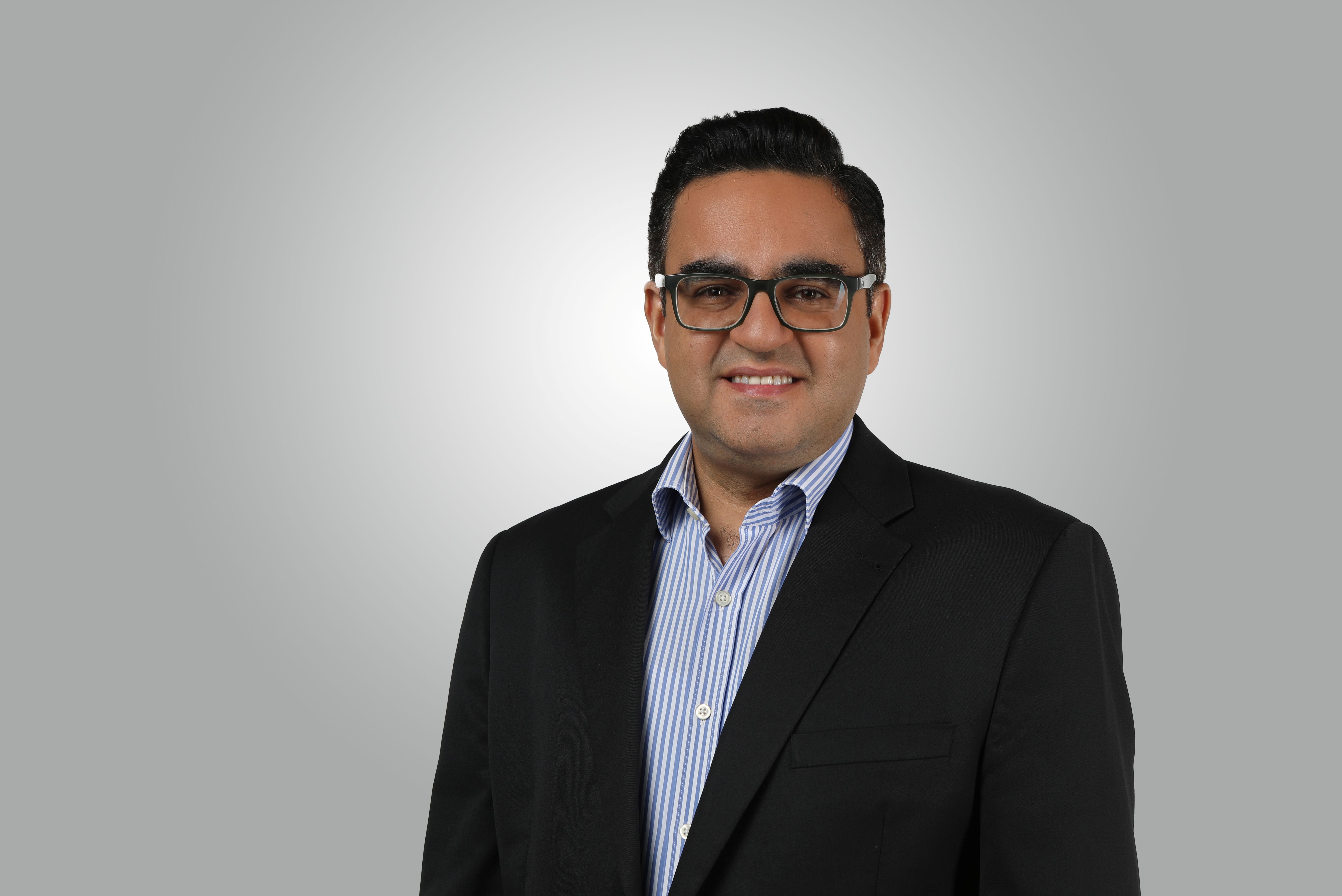
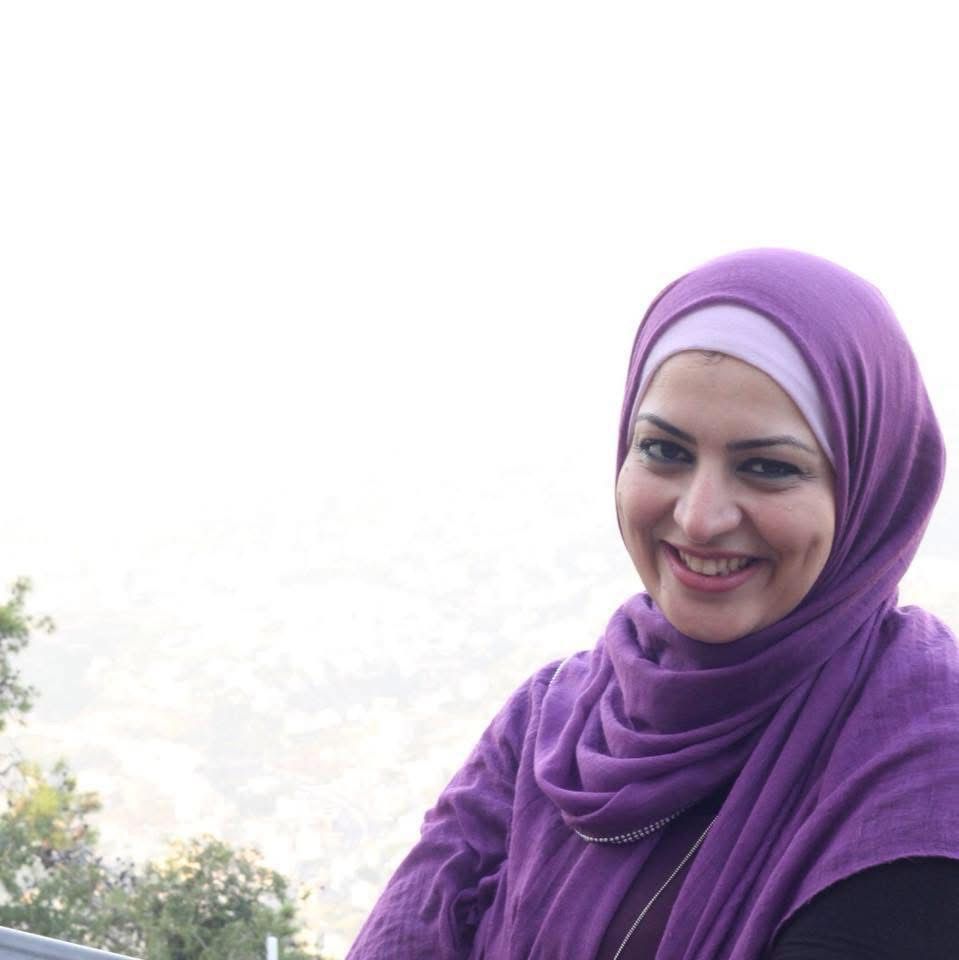
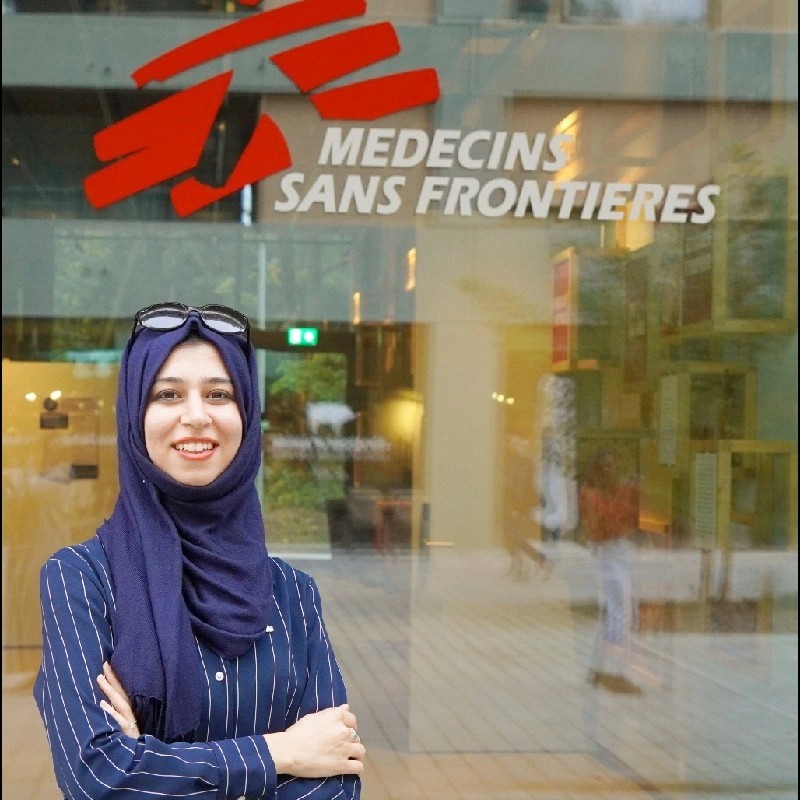
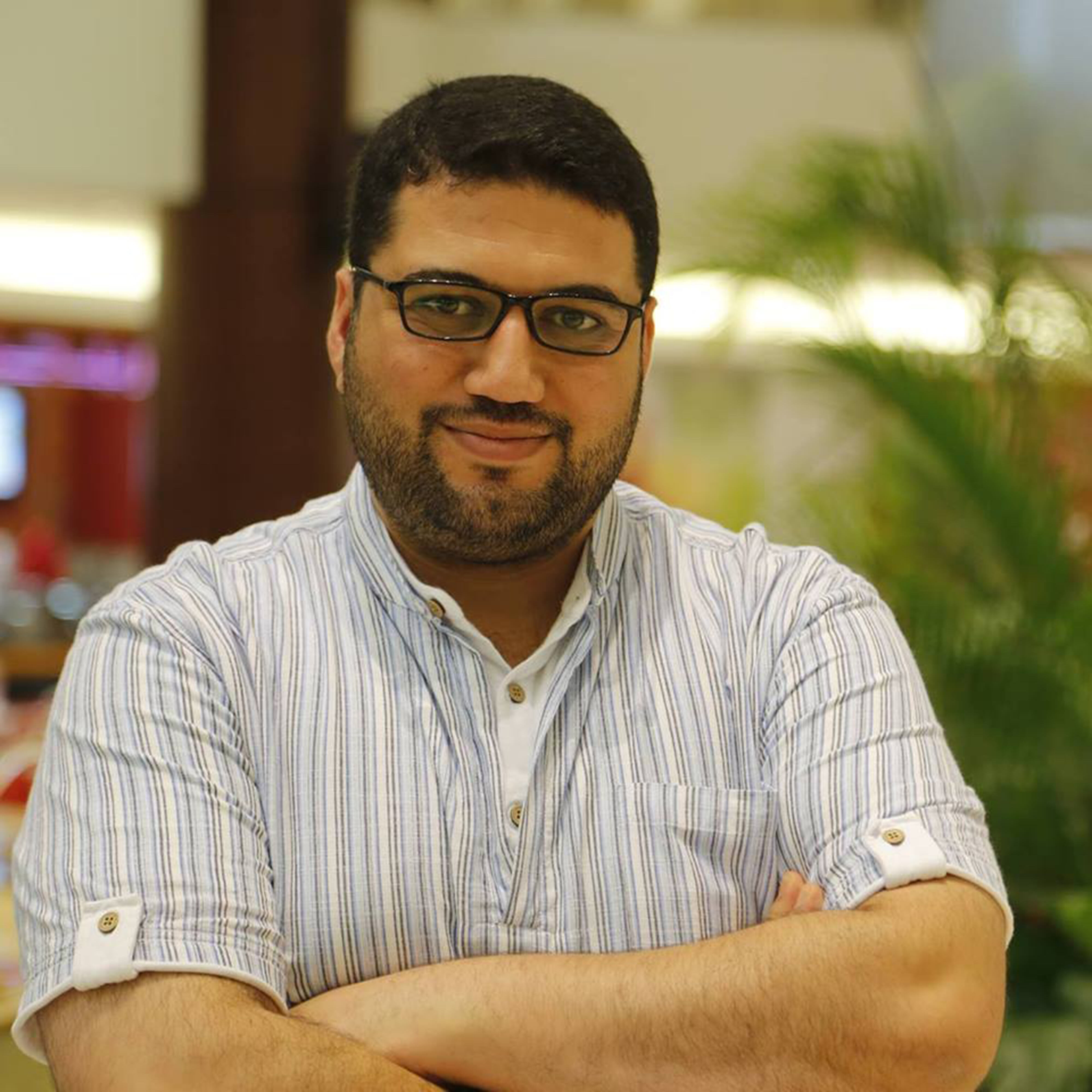
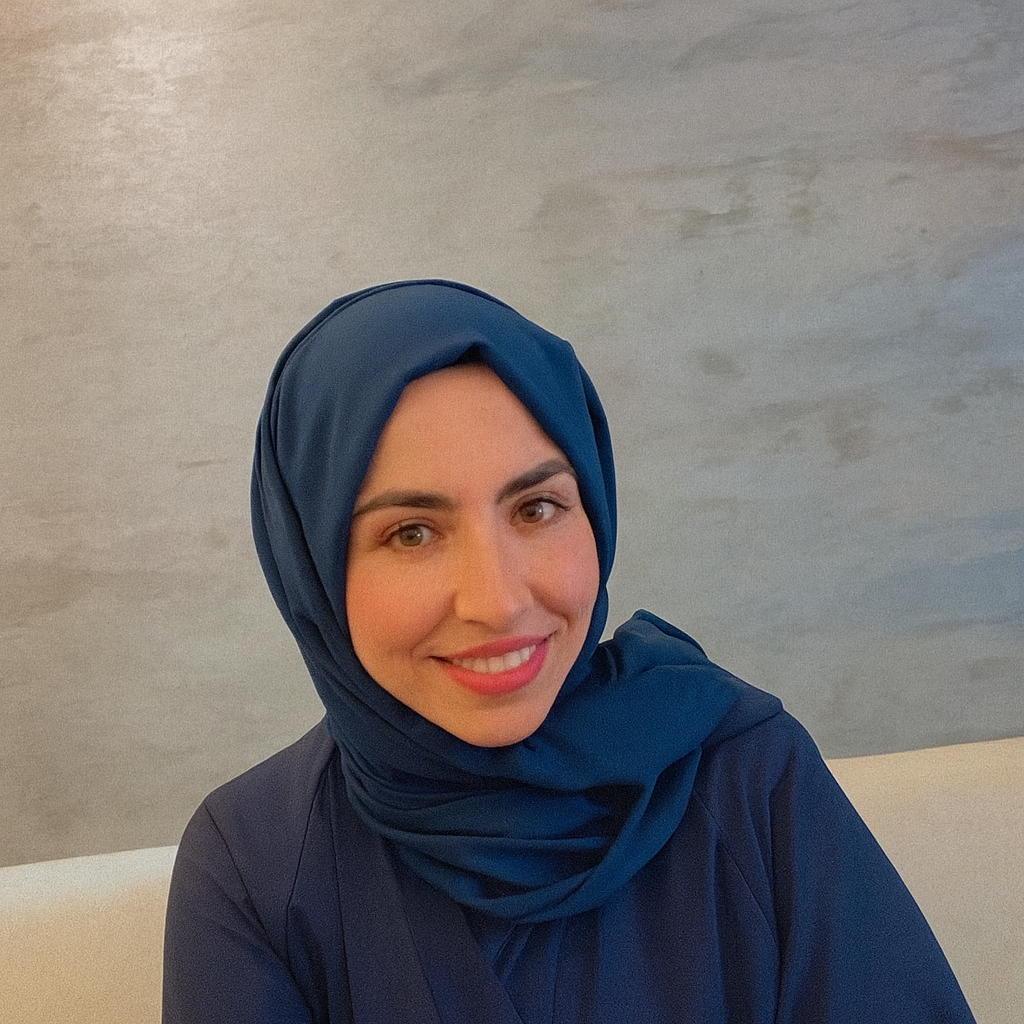
حوار مع ديانا مقلد: صحافية ومنتجة أفلام لبنانية. غطت بعض الحروب والنزاعات من أفغانستان والعراق واليمن. تعد من مؤسسي موقع "درج".


سأجيب من خلال تجربتي في "درج". بالنسبة لنا، التمويل جزء من مشكلة الإعلام لأنه يقترن بضغط تحريري وسياسي، وبالتالي تحرير المؤسسة الإعلامية يكون عبر نموذج إعلامي غير ريعي وقابل لأن يكون منتجًا، سواء عبر إعلانات أو اشتراكات وغيرها. أقصد أن الأمر ضروري لتأمين استقلالية المؤسسة على المستوى التحريري من تبعية المال السياسي الذي يشكل المعضلة الكبرى في عالم الصحافة اليوم.

من هذا المنطلق، كان خيارنا وخيار مؤسسات ناشئة مختلفة في أكثر من دولة عربية، هو اللجوء إلى مؤسسات مانحة كمرحلة انتقالية، ثم فيما بعد سنصل إلى مستوى الاستقلال المادي من خلال "نموذج عمل" (business model) يؤمّن مداخيل للمؤسسة ويضمن استمراريتها.
 

الحال أن بعض مؤسسات الإعلام البديل تمكنت من تأمين مداخيل محدودة عبر اشتراكات أو إقامة أنشطة ربحية، أو تقديم خدمات تقنية وإنتاجية تساهم في تأمين ربح للمؤسسة، وهذا لم يكن ممكنًا لولا الدعم من مؤسسات مانحة ساهمت في تطوير بيئة العمل. بمعنى، كان كثيرون يعملون على قاعدة أنهم "منظمات غير حكومية" (NGO)، وهذا يجعل المؤسسة ريعية غير قادرة على الاستقلال ماديا. وعلى هذا الأساس، صار من الضروري أن تطور أي مؤسسة إعلامية نموذجا قابلا لربح المال من أجل ضمان استقلالية التحرير.


 ما أود التركيز عليه، وأنا أجيب على سؤالك، هو أن اللجوء إلى مؤسسات مانحة ليس مفتوحًا. وبمعنى آخر، فإن خيارات التمويل -بالنسبة لنا في "درج"- محصورة في جهات غير سياسية وغير حكومية وغير فارضة لأي أجندات أو ضغوط تحريرية، وهذا ما اعتمدناه، وأي تعاون مع مؤسسة يمكن أن تفرض علينا رؤية تحريرية أو سياسية؛ لا نقبله.
 

التعامل مع مؤسسات مانحة أمر دقيق لجهة اختيار تلك المؤسسات من أجل ضمان أن يكون التمويل متحررًا من الضغط السياسي، وهي على كل حالٍ ليست كثيرة، ولا تملك موازنات ضخمة، لكنها بالتأكيد تعطي هامشا واسعا للعمل المهني، الأمر الذي يمكن أن نلمسه في تجارب إعلامية مختلفة. 

هذا النموذج -بالتأكيد- أعطى مساحات أوسع لتناول قضايا من خارج الانقسام السياسي والأهلي في المنطقة العربية، سواء ما يتعلق بقضايا الحريات الفردية والعامة، أو على مستوى القضايا السياسية التي يدور حولها انقسام كبير في مجتمعاتنا.


العلاقة مع التمويل يجب ألا تكون عشوائية، فاختيار المؤسسات المانحة أيضا يجب أن يكون دقيقًا. من خلال تجربتي، لا تفرض المؤسسات المانحة أجندة محددة.. صحيح أنها تحبذ قضايا بعينها، لكن هذه القضايا هي نفسها التي دفعتني للتوقف عن العمل في مؤسسات إعلامية تقليدية، وأعني بها السقف العالي في التعاطي مع قضايا الحريات العامة والفردية، وقضايا الحقوق السياسية والجندرية، وقضايا حرية التعبير.. هذه القضايا توجد في صلب الانقسام السياسي عربيًّا، والتمويل يتحكم بها بحسب الجهة.

كي أختصر ملف التمويل الأجنبي، فإني أجد هذه التجربة -أقصد التمويل القادم من مؤسسات مانحة غير سياسية وغير حكومية وغير فارضة لأجندات تحريرية- قد سمحت لتجارب إعلامية بأن تكون متحررة من الضغط السياسي التقليدي، وأكثر حرية ومهنية في التعبير عن قضايا أساسية في المنطقة العربية.
 

More Articles

Intifada 2.0: Palestinian Digital Journalism from Uprising to Genocide

From underground newsletters during the Intifadas to livestreams from Gaza, Palestinian journalism has evolved into a decentralised digital practice of witnessing under occupation. This article examines how citizen journalists, fixers and freelancers have not only filled gaps left by international media, but fundamentally transformed how Palestine is reported, remembered and understood.

Zina Q.
Zina Q. Published on: 24 Dec, 2025
Inside Vietnam’s Disinformation Machine and the Journalists Exposing It from Exile

Vietnam’s tightly controlled media environment relies on narrative distortion, selective omission, and propaganda to manage politically sensitive news. Exiled journalists and overseas outlets have become essential in exposing these practices, documenting forced confessions and smear campaigns, and preserving access to information that would otherwise remain hidden.

AJR Contributor Published on: 15 Dec, 2025
What It Means to Be an Investigative Journalist Today

A few weeks ago, Carla Bruni, wife of former French president Nicolas Sarkozy, was seen removing the Mediapart logo from view. The moment became a symbol of a major victory for investigative journalism, after the platform exposed Gaddafi’s financing of Sarkozy’s election campaign, leading to his prison conviction. In this article, Edwy Plenel, founder of Mediapart and one of the most prominent figures in global investigative journalism, reflects on a central question: what does it mean to be an investigative journalist today?

Edwy Plenel
Edwy Plenel Published on: 27 Nov, 2025
In-Depth and Longform Journalism in the AI Era: Revival or Obsolescence?

Can artificial intelligence tools help promote and expand the reach of longform journalism, still followed by a significant audience, or will they accelerate its decline? This article examines the leading AI tools reshaping the media landscape and explores the emerging opportunities they present for longform journalism, particularly in areas such as search and content discovery.

. سعيد ولفقير. كاتب وصحافي مغربي. ساهم واشتغل مع عددٍ من المنصات العربية منذ أواخر عام 2014.Said Oulfakir. Moroccan writer and journalist. He has contributed to and worked with a number of Arab media platforms since late 2014.
Said Oulfakir Published on: 24 Nov, 2025
Leaked BBC Memo: What Does the Crisis Reveal?

How Should We Interpret the Leak of the “BBC Memo” on Editorial Standards? Can we truly believe that the section concerning U.S. President Donald Trump was the sole reason behind the wave of resignations at the top of the British broadcaster? Or is it more accurately seen as part of a broader attempt to seize control over editorial decision-making? And to what extent can the pressure on newsrooms be attributed to the influence of the Zionist lobby?

 Mohammed Abuarqoub. Journalist, trainer, and researcher specializing in media affairs. He holds a PhD in Communication Philosophy from Regent University in the United States.محمد أبو عرقوب صحفي ومدرّب وباحث متخصص في شؤون الإعلام، حاصل على درجة الدكتوراه في فلسفة الاتّصال من جامعة ريجينت بالولايات المتحدة الأمريكية.
Mohammed Abuarqoub Published on: 20 Nov, 2025
Crisis of Credibility: How the Anglo-American Journalism Model Failed the World

Despite an unprecedented global flood of information, journalism remains strikingly impotent in confronting systemic crises—largely because the dominant Anglo-American model, shaped by commercial imperatives and capitalist allegiances, is structurally incapable of pursuing truth over power or effecting meaningful change. This critique calls for dismantling journalism’s subordination to market logic and imagining alternative models rooted in political, literary, and truth-driven commitments beyond the confines of capitalist production.
Imran Muzaffar
Imran Muzaffar, Aliya Bashir, Syed Aadil Hussain Published on: 14 Nov, 2025
Why Has Arab Cultural Journalism Weakened in the Third Millennium?

The crisis of cultural journalism in the Arab world reflects a deeper decline in the broader cultural and moral project, as well as the collapse of education and the erosion of human development. Yet this overarching diagnosis cannot excuse the lack of professional training and the poor standards of cultural content production within newsrooms.

Fakhri Saleh
Fakhri Saleh Published on: 10 Nov, 2025
Podcasters, content creators and influencers are not journalists. Are they?

Are podcasters, content creators, and influencers really journalists, or has the word 'journalist' been stretched so thin that it now covers anyone holding a microphone and an opinion? If there is a difference, where does it sit? Is it in method, mission, accountability, or something else? And in a media landscape built on noise, how do we separate a journalist from someone who produces content for clicks, followers or sponsors

Derick Matsengarwodzi
Derick Matsengarwodzi Published on: 7 Nov, 2025
The Power to Write History: How Journalism Shapes Collective Memory and Forgetting

What societies remember, and what they forget, is shaped not only by historians but by journalism. From wars to natural disasters, the news does not simply record events; it decides which fragments endure in collective memory, and which fade into silence.

Daniel Harper
Daniel Harper Published on: 30 Oct, 2025
Journalism in Spain: Why Omitting Ethnicity May Be Doing More Harm Than Good

In Spain, a well-intentioned media practice of omitting suspects’ ethnic backgrounds in crime reporting is now backfiring, fuelling misinformation, empowering far-right narratives, and eroding public trust in journalism.

Ilya إيليا توبر 
Ilya U Topper Published on: 10 Sep, 2025
Interview with Zina Q. : Digital Cartography as a Tool of Erasure in Gaza

Amid Israel’s war on Gaza, Zina Q. uncovers how Google Maps and satellite imagery are being manipulated; homes relabelled as “haunted,” map updates delayed, and evidence of destruction obscured, revealing digital cartography itself as a weapon of war. By exposing these distortions and linking them to conflicts from Sudan to Ukraine, she demonstrates how control over maps and AI surveillance influences not only what the world sees, but also what it remembers.

Al Jazeera Journalism Review
Al Jazeera Journalism Review Published on: 6 Sep, 2025
Canadian Journalists for Justice in Palestine: A Call to Name the Killer, Not Just the Crime

How many journalists have to be killed before we name the killer? What does press freedom mean if it excludes Palestinians? In its latest strike, Israel killed an entire Al Jazeera news crew in Gaza—part of a systematic campaign to silence the last witnesses to its crimes. Canadian Journalists for Justice in Palestine (CJJP) condemns this massacre and calls on the Canadian government to end its complicity, uphold international law, and demand full accountability. This is not collateral damage. This is the targeted erasure of truth.

Samira Mohyeddin
Samira Mohyeddin Published on: 14 Aug, 2025
Protecting Palestinian Journalists Should be First Priority - Above Western Media Access

Why demand entry for foreign reporters when Palestinian journalists are already risking—and losing—their lives to tell the truth? Real solidarity means saving journalists' lives, amplifying their voices, and naming the genocide they expose daily.

Synne Furnes Bjerkestrand
Synne Bjerkestrand, Kristian Lindhardt Published on: 10 Aug, 2025
The Washington Post: When Language Becomes a Veil for Pro-Israel Bias

How did The Washington Post's coverage differ between Israel’s bombing of Gaza hospitals and Iran’s strike on an Israeli hospital? Why does the paper attempt to frame Palestinian victims within a “complex operational context”? And when does language become a tool of bias toward the Israeli narrative?

Said Al-Azri
Said Al-Azri Published on: 6 Aug, 2025
In the War on Gaza: How Do You Tell a Human Story?

After nine months of genocidal war on Palestine, how can journalists tell human stories? Which stories should they focus on? And does the daily, continuous coverage of the war’s developments lead to a “normalisation of death”?

Yousef Fares
Yousef Fares Published on: 8 Jul, 2025
How Much AI is Too Much AI for Ethical Journalism

As artificial intelligence transforms newsrooms across South Asia, journalists grapple with the fine line between enhancement and dependency

Saurabh Sharma
Saurabh Sharma Published on: 1 Jul, 2025
How to Tell the Stories of Gaza’s Children

Where does compassion end and journalism begin? How can one engage with children ethically, and is it even morally acceptable to conduct interviews with them? Palestinian journalist Reem Al-Qatawy offers a profoundly different approach to human-interest reporting. At the Hope Institute in Gaza, she met children enduring the harrowing aftermath of losing their families. Her experience was marked by intense professional and ethical challenges.

Rima Al-Qatawi
Rima Al-Qatawi Published on: 26 Jun, 2025
Do Foreign Journalists Matter in Covering Genocide? A Look into Bosnia, Rwanda, and Gaza

How did foreign journalists cover the killings in both Bosnia-Herzegovina and Rwanda? Did they contribute to conveying the truth and making an impact? Would the entry of foreign journalists into the Gaza Strip change the reality of the ongoing genocide? And would their coverage of the famine and massacres add to the daily coverage of local journalists? Why is the local press's coverage of wars seen as deficient compared to Western journalism, even though they incur greater losses and casualties?

Saber Halima
Saber Halima Published on: 20 Jun, 2025
How Palestine Is Forcing Journalists to Reexamine Objectivity and Decolonize

This article argues that the Palestinian context exposes the colonial roots of traditional journalism and calls for a decolonial approach that centers marginalized voices, promotes collaborative reporting, and demands structural change within newsrooms to uphold journalistic integrity.

Sanne Breimer
Sanne Breimer Published on: 12 Jun, 2025
The Role of Social Science Tools in Enhancing Journalism

When French sociologist Pierre Bourdieu was asked about the contribution of the suburbs to elections, he replied that decades of colonialism and complex problems cannot be summarised in 10 minutes. The value of social sciences in supporting journalism is demonstrated when they address issues of society, power, and identity for the sake of better journalism.

Rehab Zaheri
Rehab Zaheri Published on: 6 Jun, 2025
Digital Dependency: Unpacking Tech Philanthropy’s Grip on Local News in the MENA

AI-driven journalism initiatives in the Middle East, often backed by philanthropic media development projects, are reshaping local newsrooms under the influence of global tech giants. These efforts, while marketed as support, risk deepening power asymmetries, fostering digital dependency, and reactivating colonial patterns of control through algorithmic systems and donor-driven agendas.

Sara Ait Khorsa
Sara Ait Khorsa Published on: 3 Jun, 2025
Journalism Colleges in Somalia: A Battle for Survival

Journalism colleges in Somalia are struggling to survive due to outdated curricula, lack of practical training, insufficient funding, and a shortage of qualified educators, leading to declining student enrollment and interest. Despite efforts by institutions like Mogadishu University and Hormuud University to revive journalism education, these challenges persist, threatening the future of journalism in the country.

Al-Shafi Abtidon
Al-Shafi Abtidon Published on: 30 May, 2025
Philippine Activists Fight Archive Erasure and Revive Dictatorship-Era Memories

In the Philippines, archivists fight to preserve evidence of the country’s bloodied past, in hope that it will provide lessons for the future.

Tristan James Biglete
Tristan James Biglete Published on: 27 May, 2025
News Fatigue and Avoidance: How Media Overload is Reshaping Audience Engagement

A study conducted on 12,000 American adults revealed that two-thirds feel “exhausted” by the overwhelming volume of news they receive. Why is the public feeling drained by the news? Are audiences actively avoiding it, and at what psychological cost? Most importantly, how can the media rebuild trust and reconnect with its audience?

Othman Kabashi
Othman Kabashi Published on: 25 May, 2025