هل أصبح الذكاء الاصطناعي زميلاً خفياً في غرفة الأخبار؟

هل أصبح الذكاء الاصطناعي زميلاً خفياً في غرفة الأخبار؟

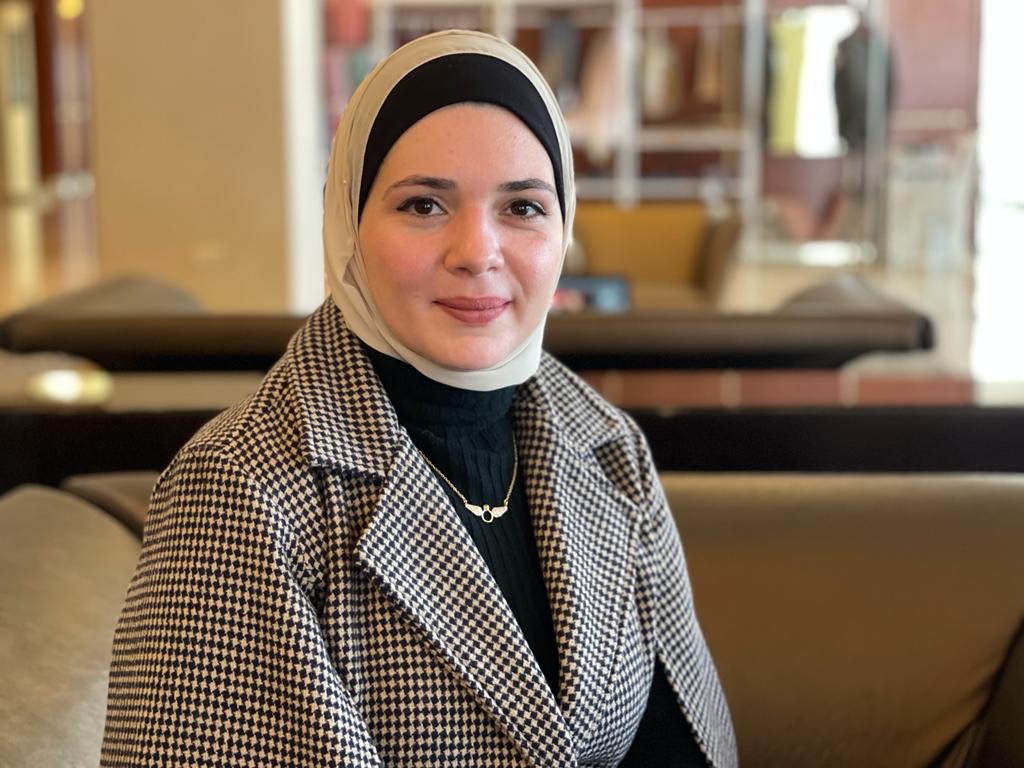
تقبع نهى خلف مكتبها تحاكي شات جي بي تي بعد أن أصبح جزءاً من عملها اليومي، رغم أنها كانت من أشد الرافضين لفكرة الكتابة عبر الذكاء الاصطناعي. فبالنسبة لها لم يكن الأمر مجرد أداة، بل مسألة تمس هويتها بصفتها كاتبة نشأت على حب الكلمة ومارست الكتابة الصحفية والأدبية منذ صغرها قبل أن تتخصص في القضايا الحقوقية والإنسانية. لذلك بدت لها فكرة كتابة قصة إنسانية عبر "روبوت" لا يملك إحساساً أمراً يصعب تقبله.

تقول نهى إن رفضها لم يدم طويلاً؛ فمع بدء عملها في مؤسسة لكتابة المحتوى طُلب منها استخدام هذه الأدوات لتسريع وتيرة الإنتاج، "في البداية عاندت كثيراً وشعرت بشيء من الرفض؛ كيف يمكن أن أعتمد عليه في كتابة خبر؟ ما قيمة ما قد يقدّمه؟ لكنها تستدرك: "مع ضغط العمل بدأت باستخدامه تدريجياً، ليس بناء على قناعة، بل بدافع الحاجة" لتجد نفسها لاحقاً في حالة من التناقض؛ فهو يساعدها على الوصول إلى المعلومات بسرعة لكنه يسلبها متعة البحث التي كانت جزءاً من شغفها وعلاقتها الخاصة بالكتابة.

لم تكن نهى الوحيدة التي تعيش هذا التناقض، فقد أظهر استطلاع أجرته معدّة التقرير (1) أن 37.3% من الصحفيين يشعرون بالحزن نتيجةَ تراجع دورهم الإبداعي، في حين عبّر 27.5% عن شعورهم بالراحة والإنتاجية، وأشار 23.5 % إلى شعورهم بالقلق والتوتر وفقدان السيطرة على العمل إلى جانب الغضب الناتج عن عدم قدرتهم على فهم هذه التقنيات أو استخدامها.

ترى عبير أبو طوق الصحفية المتخصصة في الإعلام الرقمي أن السؤال لم يعد: هل نستخدم الذكاء الاصطناعي أم لا؟ بل أصبح يتردد بهذه الصيغة: كيف نستخدمه دون أن يؤثر على بنية المادة الصحفية وجودتها؟


استخدام واسع وإفصاح محدود

في ظل تسارع التحول الرقمي دخلت تقنيات متعددة إلى العمل الصحفي كالواقع المعزز والافتراضي وأدوات التدقيق اللغوي والكتابة الصوتية وتوليد ومعالجة اللغة الطبيعية إلى جانب النظم الخبيرة والشبكات العصبية، ليصبح الصحفي مطالباً باستخدام هذه الأدوات لإنتاج المادة الإعلامية بمختلف أشكالها، ويؤكد ذلك 41.9% من الصحفيين المشاركين في الاستطلاع؛ إذ أشاروا إلى أن هذه التقنيات أصبحت مفروضة عليهم بحكم طبيعة عملهم.

كما تشير نتائج الاستطلاع إلى أن 78.4% من الصحفيين يستخدمون تقنيات الذكاء الاصطناعي في تحرير الأخبار وإعداد المحتوى مع تفاوت في وتيرة الاستخدام؛ حيث يستخدمه 45.1% أحياناً، و31.4% بشكل دائم و23.5% بشكل نادر.

وفي هذا السياق يوضح خليل النظامي المدير التنفيذي لقناة عرب سكاي الرقمية أن هذه التقنيات تحوّلت إلى أداة تشغيلية مؤثرة، خصوصاً في التحقيقات الاستقصائية والتقارير المعمّقة وصحافة تحليل البيانات، مشيراً إلى استخدامها في بناء الخط الزمني للقصص وتلخيص الملفات الطويلة وتفريغ المقابلات ومقارنتها مع مصادر أخرى، وهي ليست موجة عابرة، بل امتداد طبيعي للتطوّر.

تشير نتائج الاستطلاع إلى أن 78.4% من الصحفيين يستخدمون تقنيات الذكاء الاصطناعي في تحرير الأخبار وإعداد المحتوى مع تفاوت في وتيرة الاستخدام؛ حيث يستخدمه 45.1% أحياناً، و31.4% بشكل دائم و23.5% بشكل نادر.

ولا يقتصر استخدام الذكاء الاصطناعي على المهام المتعددة، بل يمتد إلى تفاصيل العمل الصحفي اليومية، حيث أظهرت نتائج الاستطلاع أن 51% من الصحفيين يستخدمونه في توليد العناوين، و43.1% في البحث وجمع المعلومات، و39.2% في تلخيص المواد، فيما يلجأ 25.5% إلى صياغة النصوص الأولية، و21.6% إلى التدقيق اللغوي والتحرير، و13.7% إلى تحليل البيانات.

هذا الحضور الواسع للذكاء الاصطناعي في مختلف مراحل الإنتاج الصحفي يطرح تساؤلاً يتجاوز مسألة الاستخدام بحد ذاتها: هل يتم الإفصاح عن هذا الدور؟

على مستوى الممارسة، تشير تجارب الصحفيين إلى تباين واضح في هذا الجانب؛ إذ يقول أحمد - وهو صحفي يعمل في المجال الإخباري - إنه لا يفصح دائماً عن استخدامه للذكاء الاصطناعي، موضحاً أنه يلجأ إليه في مهام مثل تفريغ المقابلات أو التدقيق اللغوي أو الوصول إلى معلومات أولية، دون أن يرى ضرورة للإفصاح عن ذلك؛ باعتباره استخداماً تقنياً مساعداً.

وبصورة مشابهة، يوضح رياض أنه يستخدم هذه التقنيات في توليد العناوين وتلخيص المواد الصحفية، دون اعتبار ذلك جزءاً يستوجب الإفصاح، طالما أن الدور البشري لا يزال حاضراً في الصياغة النهائية.

في المقابل تعكس بعض المواقف قدراً من التردد؛ حيث تعبر روان الصحفية المتخصصة في الإعلام الرقمي عن شعورها بالحرج عند إرسال مواد جرى تطويرها بالذكاء الاصطناعي؛ انطلاقاً من قناعة بأن الاعتماد عليه يجب أن يبقى في حدود الدعم لا الاستبدال.

وتؤكد نتائج الاستطلاع هذا التباين؛ إذ أظهرت أن 43.1% من الصحفيين لا يفصحون عن استخدامهم للتقنيات، مقابل 56.9% ممن يفصحون عنه، وهو ما يشير إلى غياب معايير واضحة تحكم هذه الممارسة، كما تتقاطع هذه النتائج مع دراسات دولية حديثة تشير إلى أن نسبة كبيرة من المحتوى الصحفي المنتج بالذكاء الاصطناعي لا يتضمن إشارة صريحة له.(2)

51% من الصحفيين يستخدمونه في توليد العناوين، و43.1% في البحث وجمع المعلومات، و39.2% في تلخيص المواد، فيما يلجأ 25.5% إلى صياغة النصوص الأولية، و21.6% إلى التدقيق اللغوي والتحرير، و13.7% إلى تحليل البيانات


"الغياب الكبير"

مع دخول تقنيات الذكاء الاصطناعي بشكل متزايد إلى غرف الأخبار، تكشف نتائج الاستطلاع عن فجوة مقلقة في التنظيم المؤسسي؛ إذ تبيّن أن 78.4% من المؤسسات الإعلامية لا تمتلك سياسات واضحة لاستخدام هذه التقنيات مقابل 21.6% فقط لديها أطر تنظيمية، وهو ما يضع هذا الاستخدام في منطقة رمادية تفتقر للضبط والمعايير الواضحة.

وتؤكد ذلك دراسة (3) صادرة عن Thomson Reuters Foundation حيث إن أكثر من 80% من الصحفيين في دول الجنوب العالمي أو البلدان النامية يستخدمون تقنيات الذكاء الاصطناعي في عملهم، رغم غياب سياسات واضحة لتنظيم هذا الاستخدام في معظم غرف الأخبار.

يقول طارق النواصرة - وهو معد برامج في قناة المملكة - إن القناة لم تعتمد حتى الآن سياسة تشغيلية موسعة لاستخدام تقنيات الذكاء الاصطناعي في التحرير؛ نظراً لعدم توظيفها بشكل مباشر في إنتاج المحتوى الصحفي، فيما يشير رئيس تحرير في إحدى المؤسسات الإعلامية الأردنية (آثر عدم ذكر اسمه) إلى أن غياب السياسة لا يعني المنع، بل يرتبط ذلك بوعي الإدارة واستعدادها للتحول الرقمي وقناعة الصحفيين بأهمية هذه التقنيات.

يرى خليل النظامي أن وضع بروتوكول واضح لاستخدام الذكاء الاصطناعي داخل غرف الأخبار أمر ضروري؛ إذ إن ترك الأمر للاجتهادات الشخصية يخلق فوضى ويؤدي إلى تفاوت في المعايير ويعرّض المؤسسة للمساءلة.  بينما تعتقد أبو طوق أن غياب السياسات يمكن تعويضه بوضع قواعد واضحة ومكتوبة مع مراجعتها بشكل دوري لمواكبة التطورات التقنية وضمان الاستخدام المهني الصحيح.

ويشدد النظامي على أن تمرير مادة صحفية أُنتجت كلياً أو جزئياً باستخدام الذكاء الاصطناعي على أنها "إنتاج إنساني بالكامل" يعد سلوكاً غير أخلاقي، خصوصاً عندما يشارك الذكاء الاصطناعي في كتابة نص المادة أو صياغة الاستنتاجات، موضحاً أن استخدام الأدوات التقنية البحتة مثل التصحيح اللغوي وتفريغ المقابلات يبقى مقبولاً بشرط أن يظل الصحفي هو المسؤول الأول عن المحتوى.

43.1% من الصحفيين لا يفصحون عن استخدامهم للتقنيات، مقابل 56.9% ممن يفصحون عنه، وهو ما يشير إلى غياب معايير واضحة تحكم هذه الممارسة، كما تتقاطع هذه النتائج مع دراسات دولية حديثة تشير إلى أن نسبة كبيرة من المحتوى الصحفي المنتج بالذكاء الاصطناعي لا يتضمن إشارة صريحة له

ماذا عن الإفصاح للجمهور؟

يرى النظامي أن الذكاء الاصطناعي أداة مساعدة تحسّن جودة المحتوى الصحفي وتختصر الوقت، لكن في ظل غياب السياسات المؤسسية، يبقى السؤال: هل يجب إعلام الجمهور بكيفية إنتاج المحتوى؟

ترى عبير أن استخدام تقنيات الذكاء الاصطناعي لم يعد خافياً على أحد؛ إذ بات حتى غير المختصين قادرين على تمييز المحتوى المنتج جزئياً أو كلياً عبر الذكاء الاصطناعي.

لكن الواقع مختلف فالمؤسسات لا تفصح غالباً عن ذلك؛ فقد أظهرت نتائج الاستطلاع أن 35.5% من المؤسسات لا تفصح عن استخدام هذه التقنيات، مقابل 38.7% ممن يفصحون، فيما أفاد 16.1% بعدم معرفتهم، و9.7% بأن الإفصاح يحدث أحياناً.

وعلى المستوى العالمي أظهرت دراسة Trusting News أن 93.8 ٪ من قرّاء الأخبار يريدون إعلاناً واضحاً عند استخدام الذكاء الاصطناعي، كما أظهرت دراسة دولية أن 61.3% من جمهور الولايات المتحدة يطالبون بالكشف عن المحتوى المنتج بالذكاء الاصطناعي، و49% منهم يرغبون في تمييز النصوص والصور التي أنشأها الذكاء الاصطناعي. (5)

يؤكد النظامي أن تمرير المحتوى المنتج بالذكاء الاصطناعي دون علم الجمهور يهدد المصداقية ويضعف الثقة، بينما ترى أبو طوق أن وضع بروتوكولات واضحة لتعريف الجمهور بالتقنيات المستخدمة في إنتاج المحتوى حق أساسي للمستهلك.

ويشدد النظامي على أن مواثيق العمل الصحفي يجب أن تتضمن بنداً واضحاً للإفصاح الإلزامي عند استخدام تقنيات وأدوات الذكاء الاصطناعي، بحيث تبقى الأولوية دائماً للإفصاح، بينما يمكن الاكتفاء بالإشراف والتحرير البشري عند استخدامها في مهام داعمة كالتفريغ والتلخيص وتنظيم الملفات بما يسرع الإنتاج ويضمن الحفاظ على مصداقية المحتوى وقيادة الصحفي في غرف الأخبار.


المراجع

1)  الاستطلاع مخصص فقط لكتابة مقال مجلة الصحافة، وليس بحثاً منهجياً يخضع لآلية استطلاع الرأي أو مقومات الاستمارة العلمية، ولذلك فإنه نتائجه نسبية وغير قابلة للتعميم.
2) Russell, J., Karpinska, M., Akinode, D., Thai, K., Emi, B., Spero, M., & Iyyer, M. (2025). AI use in American newspapers is widespread, uneven, and rarely disclosed. arXiv preprint arXiv:2510.18774.
3) Radcliffe, Damian. "Journalism in the AI era: Opportunities and challenges in the Global South and emerging economies." Available at SSRN 5229014 (2025).

More Articles

Why Have Print Newspapers Disappeared in Gaza?

The genocidal war has systematically devastated the media sector in the Gaza Strip. With the occupation destroying over 150 media organizations, printing presses have completely shut down, forcing all newspapers to shift entirely to digital coverage.

Mohamed Abu Shahma Published on: 24 Jun, 2026
Mohamed al-Khalidi and Marwa Muslim: Forgotten in Life, Vindicated in Death

The occupation killed journalists Mohamed al-Khalidi and Marwa Muslim as part of a systematic pattern of targeting the press, but throughout their careers they also faced neglect, marginalisation, and a lack of recognition. Colleague Maysoun Kahil tells their story, and asks why Palestinian journalists are so often honoured only after death, rather than supported in life.

Maysoun Kahil Published on: 17 Jun, 2026
The Double Ordeal of Freelance Journalists in Gaza

Independent journalists in Gaza face a dangerous double battle. Working without institutional protection or financial safety nets, they risk their lives to report the reality of war, overcoming severe resource shortages and systemic neglect to ensure the world hears the truth.

Noor Abu Rokba Published on: 14 Jun, 2026
The Left and the Right in One Front Against Journalism in South America

Journalism in Latin America is facing a crisis of hostility. In the age of political polarization, governments from both the left and the right are not merely managing states; they are actively harassing critical voices, imposing institutional censorship, and enforcing official narratives that attack independent media to silence disagreement and fake democracy across the region.

Noe Zavaleta
Noe Zavaleta Published on: 8 Jun, 2026
How Journalists are Combating Cybertroopers 

The brutal state crackdown in Đồng Tâm highlights a intensifying withdrawal from free expression in Vietnam, heavily driven by the regime's deployment of state-backed cyberarmies like Force 47. As these digital actors systematically intimidate and mass-report critics, tech giants like Meta further compound the issue by increasingly acquiescing to government censorship requests to protect market share. This coordinated digital assault leaves a dangerous gap in the global conversation, forcing independent journalists to navigate severe online hostility and risk arbitrary imprisonment just to expose state overreach.

AJR Contributor Published on: 25 May, 2026
Vases and Baby Diapers: War as Told by People, Not Politicians!

The analysis of field reporting during the war reveals a deep divide between distant geopolitical news and the actual human reality on the ground. This conflict between official media assignments and the lived experience will continue as journalists find themselves abandoning institutional scripts to focus instead on the raw details of daily survival and the preservation of personal memory.

Maram
Maram Humaid Published on: 21 May, 2026
Safety Strategies Female Journalists Use in Hostile Environments

Female journalists across Africa face layered physical, gender-based, digital, and psychological risks while covering protests, elections, conflict, and crises, forcing them to rely on hard-earned survival strategies as much as newsroom support.

Nigerian freelance Journalist John Chukwu
John Chukwu Published on: 14 May, 2026
The Afterlife of an Image: How Photojournalism Contests Shape Visibility and Responsibility

As photojournalism contests elevate certain images to global prominence, they also influence how violence, dignity, and memory are constructed in the public imagination.

Daniel Harper
Daniel Harper Published on: 5 May, 2026
Malawi Investigates Poor Pay and Working Conditions for Junior Journalists

Malawi’s investigation into poor pay for junior journalists exposes a deeper crisis where economic hardship is eroding media independence and forcing reporters to choose between ethical integrity and survival.

Benson Kunchezera Published on: 30 Apr, 2026
Journalism as a Struggle for Survival in Sudan

With war erupting in Sudan, the country’s media landscape collapsed almost overnight after the Rapid Support Forces entered Khartoum. Many journalists were left without jobs, salaries or shelter, scattered between displacement, exile and siege, as newspapers shut down and media institutions ceased to function. For many, journalism was no longer a profession but a daily struggle for survival.

Saif al-Din al-Bashir Ahmed Published on: 27 Apr, 2026
From Print to Pixels: How Small-Town Journalists in Bihar Are Surviving Threats and Closures

As newspapers vanish across districts like Siwan, Gaya, and Purnea, reporters turn to mobile phones, digital start-ups and community networks to keep local journalism alive.

Rehan Qayoom Mir. An independent journalist whose work has appeared in international and national outlets,
Rehan Qayoom Mir, Sajad Hameed Published on: 12 Apr, 2026
Arab Society and Investigative Journalism: The Dialectic of Culture, Power, and Profession

Investigative journalism in Arab societies operates within a dense web of social, political, and cultural pressures that often push journalists to balance truth-telling against survival, forcing them onto a precarious “razor’s edge.” Yet despite these constraints, moments of crisis can transform society itself from a source of pressure into a powerful ally, driving accountability and reigniting the pursuit of truth.

Musab Shawabkeh
Musab Al Shawabkeh Published on: 7 Apr, 2026
The Revolution That Framed Islam: How 1979 Shaped Western Media on Iran

The 1979 Revolution transformed how the Western world views and reports on Islam. What started as a confused attempt to understand a new religious movement has turned into a permanent media habit of framing Iran through the lens of conflict and suspicion.

Daniel Harper
Daniel Harper Published on: 4 Apr, 2026
The Challenge of Reporting in Chechnya

Independent journalism no longer exists as a functioning practice inside Chechnya. What remains is a profession rebuilt in exile, forced to operate at a distance from the very place it is meant to cover.

Rushda Fathima Khan
Rushda Fathima Khan Published on: 29 Mar, 2026
How AI Can Clean Messy Data; and Where It Can't

Normalising inconsistent, messy, or incomplete data is tedious and time-consuming, but essential. AI can handle grunt work, but editorial decisions remain with the journalist.

KA
Konstantinos Antonopoulos Published on: 21 Mar, 2026
Missiles Made of Words: How Western Media Narratives Shape the Iran–Israel–US Conflict

Western media coverage of the Iran–Israel–US conflict often functions as a weapon of war, using selective language that frames US and Israeli strikes as “self-defence” while depicting Iranian actions as "provocation". This linguistic framing normalises civilian casualties and helps manufacture public consent for military aggression by dehumanising certain populations.

Muqeet Mohammed Shah
Muqeet Mohammed Shah, Ifrah Khalil Kawa Published on: 14 Mar, 2026
How the Ethiopian Civil War Unleashed a Lethal Media Crackdown

There has been a widening crackdown on the media in Ethiopia since war erupted between the central government and Tigray’s regional authorities in 2020, and the pressure appears set to intensify as the country prepares for general elections in June.

Nalova Akua
Nalova Akua Published on: 9 Mar, 2026
Are Netanyahu's and Trump’s Speeches Shaping Western Media Framing?

As political speeches framed the 2026 U.S.–Israeli attack on Iran, segments of Western media echoed their language and narratives, illustrating how strategic rhetoric and news framing can shape public opinion and legitimise military action.

Shaimaa Al-Eisai
Shaimaa Al-Eisai Published on: 6 Mar, 2026
The Taboos of Journalism: A Fragility No One Dares to Expose

Does a journalist have the right to critique their own employer? It is a striking irony that they report on global crises while remaining silent about their own industry's fragility: stagnant wages, eroding professional values, and profit-driven ownership. Journalists must realize that confronting this internal rot is not just a right, but a necessity to save the profession from extinction.

Diana López Zuleta
Diana López Zuleta Published on: 24 Feb, 2026
Bilingual on Paper, Unbalanced on Air: English Journalism in a Francophone Cameroon

In a media landscape where French dominance dictates policy and airtime, English-speaking reporters in Cameroon are forced into a relentless cycle of improvisation, translation, and professional exhaustion. From the "desert-like" scarcity of English-speaking experts to newsrooms that offer no institutional support, this analysis explores how linguistic inequality hollows out the journalistic process, leaving vital stories untold and the promise of a bilingual nation unfulfilled.

Akem
Akem Nkwain Published on: 15 Feb, 2026
Reporting the Spectacle: Myanmar’s Manufactured Elections

Myanmar’s recent elections posed a profound challenge for journalists, who were forced to navigate between exposing a sham process and inadvertently legitimising it. With media repression intensifying, reporting became an act of resistance against the junta’s effort to control information and silence independent voices.

Annie Zaman
Annie Zaman Published on: 7 Feb, 2026
Public Hostility Toward Legacy Media in Bangladesh

The December 2025 arson attacks on Prothom Alo and The Daily Star marked a turning point for journalism in Bangladesh. As public anger replaces state control as the primary threat, reporters are reassessing personal safety, editorial judgement, and professional credibility in a political transition where journalism itself is increasingly treated as an enemy.

Arsalan Bukhari, an independent journalist based in India
Arsalan Bukhari Published on: 4 Feb, 2026
Migration Issues and the Framing Dilemma in Western Media

How does the Western press shape the migration narrative? Which journalistic frames dominate its coverage? And is reporting on anti-immigration protests neutral or ideologically charged? This analysis examines how segments of Western media echo far-right rhetoric, reinforcing xenophobic discourse through selective framing, language, and imagery.

Salma Saqr
Salma Saqr Published on: 31 Jan, 2026
Polarised, Intimidated, Silenced: The Media Under Siege in Cameroon’s Election

Cameroon’s 2025 presidential election exposed a troubling paradox: a nation voting under the watchful eye of power, while its press remained silenced. From the arrest of a teenage reporter to bans on political debate and digital manipulation, freedom of expression is under siege, and journalism is on trial.

Shuimo Trust Dohyee
Shuimo Trust Dohyee, Ngweh Rita Published on: 22 Jan, 2026