قضية المهاجرين في ليبيا.. هل اجتاز الإعلام اختبار المهنية؟

قضية المهاجرين في ليبيا.. هل اجتاز الإعلام اختبار المهنية؟

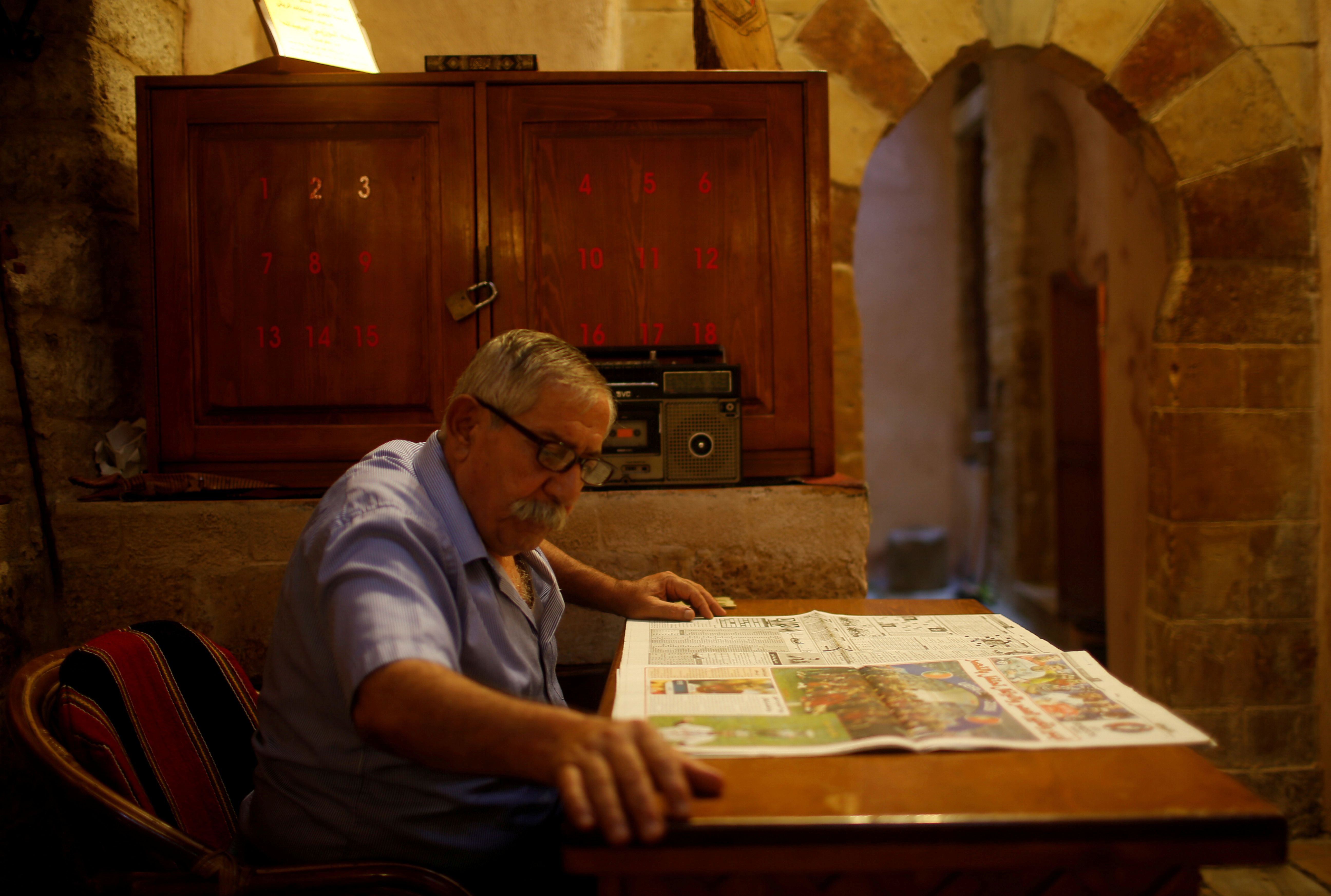
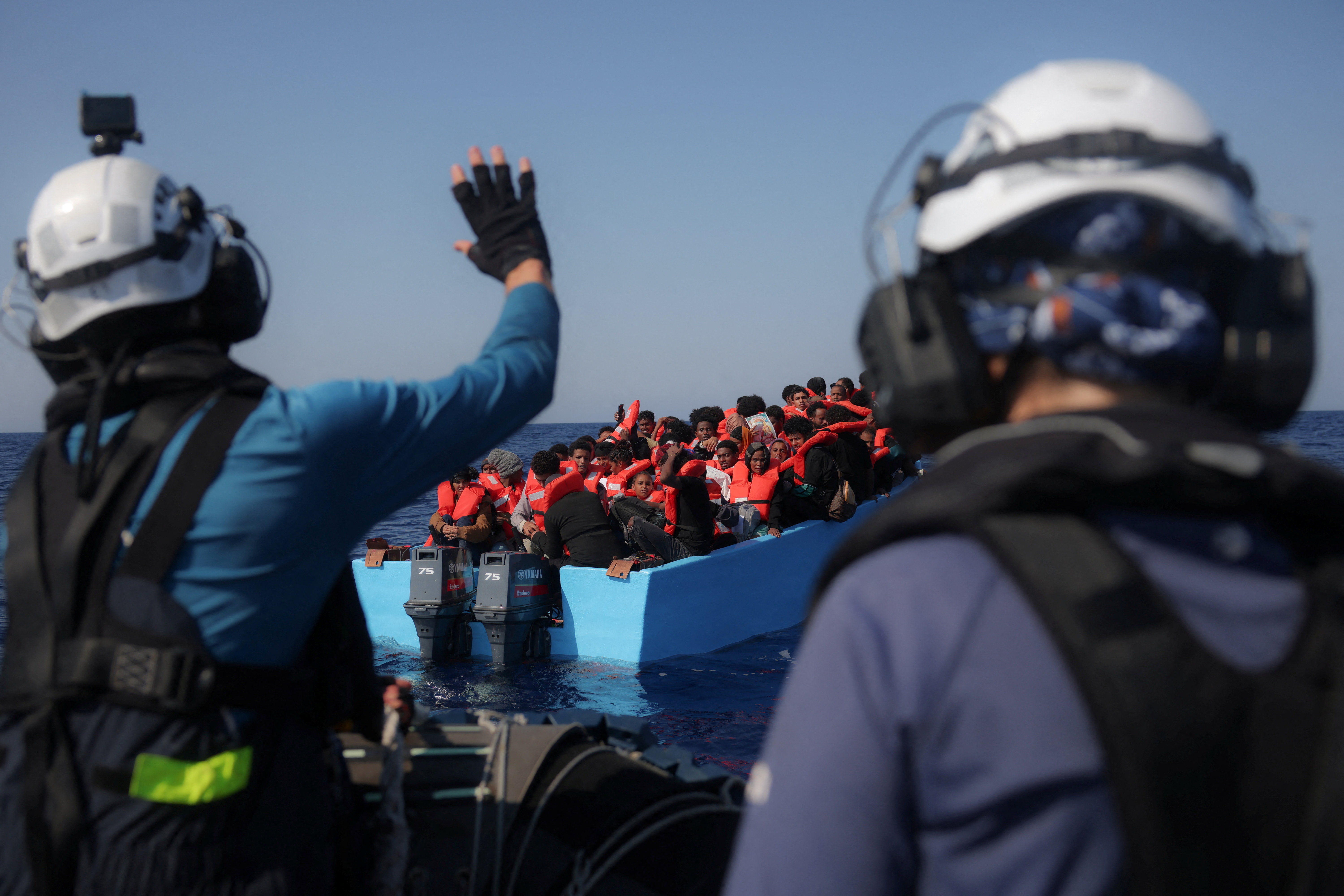
لم يكن ملف الهجرة غير النظامية جديدا على ليبيا، لكنه عاد خلال الأسابيع الأخيرة ليتصدر المشهد العام بصورة غير مسبوقة مع تصاعد الدعوات الرافضة لوجود المهاجرين، وتكرار مزاعم توطينهم.

وامتلأت منصات التواصل الاجتماعي بحملات وتحذيرات، ونُظمت احتجاجات في عدد من المدن، بالتوازي مع تزايد الحديث عن المخاطر الأمنية والديموغرافية المرتبطة بالهجرة.

وفي المقابل، برزت تحذيرات من أن يتحول هذا الجدل إلى خطاب تحريضي أو إلى تداول واسع لمعلومات غير موثق بها، فينعكس ذلك على طبيعة النقاش العام وأوضاع المهاجرين داخل البلاد.

وسط هذا المشهد، وجد الإعلام الليبي نفسه أمام معادلة معقدة؛ فبين نقل المخاوف التي يعبّر عنها الشارع، والالتزام بالتحقّق من المعلومات وتجنب خطاب الكراهية، تفاوتت أساليب التغطية وبرزت تساؤلات حول مدى نجاح وسائل الإعلام في الحفاظ على التوازن المهني عند تناول هذا الملف.


قضية قديمة متجددة

يرى رئيس تحرير صحيفة "الناس" أبوبكر البغدادي أن المفارقة لا تكمن في وجود الهجرة نفسها؛ فالقضية ـ بحسب وصفه ـ رافقت ليبيا منذ سنوات طويلة، وإنما في الطريقة التي تحولت بها فجأة إلى أزمة تتصدر المشهد الإعلامي وكأنها وليدة اللحظة.

ويقول البغدادي: إن الخطاب الإعلامي الذي رافق هذا التصاعد لم يكن متجانسا، مشيرا إلى أن جزءا من وسائل الإعلام تماهى مع المزاج العام الذي اتّسم بالحدّة، بينما فضلت مؤسسات أخرى الابتعاد عن الملف أو معالجته من زوايا تخدم توجّهاتها التحريرية، وهو أمر انعكس على مستوى المهنية في التغطية.

ويضيف أنّ "ما كانت تنشره المصادر المفتوحة - سواء المحلية أو الدولية - كان في كثير من الأحيان أكثر فائدة من الخطابات الشعبوية التي غذّت حالة الاستقطاب وأسهمت في توجيه الاتهامات وإثارة الشارع".

كما يَعتقد أن بعض المؤسسات الإعلامية أخضعت الملف لأجنداتها الخاصة أكثر من إخضاعه للمعايير الصحفية، منوها إلى أن هذا الملف يحتاج إلى بُعد آخر يتمثل في "أنسنة الخطاب الإعلامي" كونه لا يدور حول أرقام مجردة، بل حول أشخاص لكل منهم ظروفه وقصته.

إن ملف الهجرة لا يدور حول أرقام مجردة، بل حول أشخاص لكل منهم ظروفه وقصته، وهو ما يفرض علينا أنسنة الخطاب الإعلامي.


تحدٍ استثنائي

يواجه الصحفي في ليبيا تحديا استثنائيا عند تغطية هذا النوع من القضايا، خصوصًا في ظل تضارب الروايات وسرعة انتشار الشائعات والتداخل بين الأبعاد الأمنية والسياسية والإنسانية، وهو ما يفرض عليه قدرا كبيرا من التريّث في التعامل مع المعلومات؛ حتى لا يتحول إلى طرف في صراع سياسي أو حملة إعلامية لا يملك كل معطياتها.

ومن خلال متابعة ما نُشر وما جرى تداوله، يبدو أن الأمر لم يعد يتعلق فقط بالتحقق من المعلومات أو الجدل حول الوقائع، بل تجاوزه إلى قراءة النيّات وافتراض وجود مؤامرات وتواطؤ، سواء من السلطات الحاكمة شرقا وغربا أو من المنظمات الدولية، وهو ما جعل مهمة الصحفي أكثر تعقيدا.

وفي الآونة الأخيرة، قدّم بعض النشطاء أنشطة المنظمات الدولية المتعلقة بالمساعدات الإنسانية أو برامج العودة الطوعية للرأي العام باعتبارها مشاريع لتوطين المهاجرين، رغم عدم وجود أدلة تثبت ذلك، فأدى هذا إلى زيادة حدة الاستقطاب.


فخ التعميم

بدوره يرى مدير مكتب الخبراء بالهيئة العامة لرصد المحتوى الإعلامي رضا فحيل البوم أنّ التغطية الإعلامية لملف الهجرة في ليبيا وقعت - في كثير من الأحيان - في فخ التعميم، مشيرا إلى أن النقاش العام يفتقر إلى بيانات دقيقة يمكن الاستناد إليها لتقييم الأثر الحقيقي للهجرة على البنية التحتية والخدمات العامة والدعم الذي تقدمه الدولة.

ويعتقد البوم أن معظم التغطيات ركزت على الانتهاكات التي يتعرض لها المهاجرون، في حين أنها لم تُولِ اهتماما كافيا للآثار الاقتصادية والاجتماعية للوجود الكبير للمهاجرين خارج مراكز الإيواء، ولا لملف سوق العمل غير المنظم والاستفادة من الخدمات العامة.

وأما عن الحراك الأخير فإنّه يرى أن بعض وسائل الإعلام أسهمت أثناء تغطيتها للمظاهرات الرافضة للتوطين في نقل شعارات ومعلومات غير دقيقة، وهو ما زاد من تأجيج خطاب التحريض.

ويستشهد بما حدث عقب المظاهرات من اقتحام مقر المفوضية السامية لشؤون اللاجئين في العاصمة طرابلس وما صاحبه من فوضى واتهامات، مطالبًا الإعلام بتقديم صورة متوازنة تستند إلى الوقائع، وتناقش أسباب الظاهرة وآثارها وحلولها مع تجنّب التحريض أو التعميم أو الخطابات التي قد تؤدي إلى تأجيج الكراهية أو العنف.

ويضيف البوم: "معالجة ملف الهجرة لا ينبغي أن تتحمله ليبيا وحدها؛ فهي مسؤولية مشتركة تشمل دول المنشأ والعبور والمقصد إلى جانب المجتمع الدولي، كما أن انتشار شبكات التهريب وضعف الرقابة على الحدود في أكثر من دولة أسهما في تفاقم الظاهرة".


اعتداءات وطرد

ومن زاوية حقوقية، يرى رئيس مركز بنغازي لدراسات الهجرة واللجوء طارق لملوم أن الخطر لا يكمن فقط في طبيعة الخطاب الإعلامي وإنما في انتقاله من الفضاء الإعلامي إلى الواقع، مشيرا إلى أن الأسابيع الأخيرة شهدت - بحسب متابعته - حالات اعتداء لفظي وجسدي على مهاجرين، إضافة إلى طرد عائلات وأطفال من مساكنهم في الأيام الأولى من موجة التصعيد.

ويقول لملوم إن هذه الأجواء خلقت حالة من الخوف دفعت كثيرا من المهاجرين إلى تجنّب التنقل أو طلب المساعدة، بل إن بعضهم اضطر إلى الاختباء أو الانتقال إلى أماكن أكثر هشاشة، وهو ما جعلهم أكثر عرضة للاستغلال من قبل المهربين وشبكات الاتجار بالبشر.

ويقول: "إن من حق الدولة الليبية إدارة حدودها وتنظيم وجود الأجانب على أراضيها إلا أن ذلك يجب أن يتم وفق القانون واحترام الكرامة الإنسانية؛ فمكافحة الهجرة غير النظامية تعني ملاحقة شبكات التهريب والاتجار بالبشر والاستغلال، وليس معاقبة المهاجرين بصورة جماعية أو التحريض ضدهم."

كما ينتقد لملوم انتشار معلومات غير موثق بها بشأن التوطين، معتبرا أن جزءا من النقاش العام خلَط بين ملفات قانونية وتاريخية داخلية - مثل بعض القضايا المتعلقة بأصحاب الأرقام الإدارية والسجلات المؤقتة - وملف الهجرة الحالي، رغم أن هذه القضايا سبقت الأزمة الراهنة بسنوات طويلة، ويعتقد أن هذا الخلط أسهم في تشويش الرأي العام وإبعاد النقاش عن القضايا الفعلية المرتبطة بإدارة الهجرة.

تبدو مسؤولية الإعلام أكثر تعقيدا من مجرد نقل التصريحات أو متابعة الاحتجاجات؛ فالتغطية المهنية مطالبة أيضا بنقل المخاوف المشروعة التي يثيرها المجتمع، وفي الوقت نفسه عليها أن تتحقق من المعلومات، وأن تتجنب التعميم والتحريض، وأن تتيح مساحة لمختلف وجهات النظر.


مزاعم مغلوطة

لم يقتصر الجدل على وسائل الإعلام ومنصات التواصل الاجتماعي، بل امتد إلى المنظمات الدولية العاملة في ليبيا؛ حيث حذرت الممثلة الخاصة للأمين العام للأمم المتحدة في ليبيا هانا تيته من أن انتشار مزاعم وصفتها بـ"المغلوطة والمضللة" بشأن وجود خطة أممية لتوطين المهاجرين واللاجئين خلَق أجواءً من العداء استهدفت المهاجرين واللاجئين والنازحين، إلى جانب موظفي الأمم المتحدة والعاملين في المجال الإنساني.

وأكدت تيته - في كلمتها أمام مجلس الأمن في 18 يونيو - أن مهمة الأمم المتحدة في ليبيا لا تتمثل في توطين المهاجرين، معتبرة أن التحديات المرتبطة بالهجرة لا يمكن معالجتها عبر "الفبركة والتضليل" وإنما من خلال مؤسسات فاعلة وسياسات تستند إلى الوقائع.


مخاوف مشروعة

وفي ظل استمرار الجدل حول ملف الهجرة، تبدو مسؤولية الإعلام أكثر تعقيدا من مجرد نقل التصريحات أو متابعة الاحتجاجات؛ فالتغطية المهنية مطالبة أيضا بنقل المخاوف المشروعة التي يثيرها المجتمع، وفي الوقت نفسه عليها أن تتحقق من المعلومات، وأن تتجنب التعميم والتحريض، وأن تتيح مساحة لمختلف وجهات النظر.

ولا يمكن إغفال أن جانبا من الجدل الدائر يستند إلى مخاوف يطرحها جزء من الرأي العام تتعلق بالضغوط على الخدمات العامة، وإلى الهواجس الديموغرافية والجريمة المنظمة وانتشار الأمراض في ظلّ دخول أعداد من المهاجرين بطرق غير نظامية ومن دون وثائق رسمية أو بيانات دقيقة لدى السلطات.

وبين الاعتبارات الأمنية والالتزامات القانونية والأبعاد الإنسانية، يبقى التحدي الحقيقي هو إنتاج خطاب إعلامي يساعد على فهم القضية لا على تعقيدها أو تأجيجها.
More Articles

The Phenomenon of “News Avoidance”: Have We Come to Know More Than We Should?

Audiences are increasingly avoiding the news as the constant flow of crises, violence, and tragic human stories creates psychological exhaustion and anxiety. Media outlets need to respond with more responsible editorial choices, stronger media literacy, and coverage that balances urgent events with constructive, humane, and less harmful storytelling.
Wessam Kamal Published on: 17 Jul, 2026
From Srulik to Handala: Caricature as a Media Symbol

From the pro-occupation Israeli character 'Srulik' to the resilient and satirical Palestinian 'Handala', caricature emerges as another battleground for memory and the future. How did these characters come to be, what is their media symbolism, and why does caricature remain so influential?

Sujood Awais Published on: 14 Jul, 2026
“Sometimes You Work for Years Without Pay” – Cameroonian Journalists Demand Safety Nets

While many journalists demonstrate admirable resilience in producing quality journalism under precarious conditions, resilience should not be the only safety net. Journalism deserves protection, because democracy depends on it.

Akem
Akem Nkwain Published on: 11 Jul, 2026
When Modi’s Managed Media Met Europe’s Press

A brief, viral exchange in Oslo between Prime Minister Narendra Modi and a Norwegian journalist has exposed the widening gap between India's tightly controlled media environment and traditional adversarial press culture. Over the past decade, open, unscripted scrutiny has increasingly been replaced by carefully managed public relations, image-driven interviews, and direct digital reach. This systemic shift has reshaped the broader landscape of Indian news media, creating a culture of forced deference that prioritises political showmanship over holding power accountable.

Arsalan Bukhari, an independent journalist based in India
Arsalan Bukhari, Mehrunnisa Maryam Published on: 5 Jul, 2026
How Sources Shaped the Story of Gaza’s Aid-Site Killings

In conflict reporting, the question is rarely only about what happened. It is also who gets to explain what happened. The findings here suggest that the answer to that question often shapes the story that audiences ultimately receive.

Djamil Kerrouche Published on: 1 Jul, 2026
The Stringers Behind India’s Breaking News: No Contracts, Credit or Safety

Thousands of rural Indian freelance reporters, called "stringers," face low pay, police harassment, and total abandonment by the big TV networks that rely on them. These local journalists risk their lives to film breaking news like riots and rallies, but they work without contracts, insurance, or legal help when they get into trouble. This unfair system forces poor, small-town reporters to take on all the danger alone just to keep the national 24-hour news channels running.

Hanan Zaffa
Hanan Zaffar, Majid Alam Published on: 27 Jun, 2026
Why Have Print Newspapers Disappeared in Gaza?

The genocidal war has systematically devastated the media sector in the Gaza Strip. With the occupation destroying over 150 media organizations, printing presses have completely shut down, forcing all newspapers to shift entirely to digital coverage.

Mohamed Abu Shahma Published on: 24 Jun, 2026
Mohamed al-Khalidi and Marwa Muslim: Forgotten in Life, Vindicated in Death

The occupation killed journalists Mohamed al-Khalidi and Marwa Muslim as part of a systematic pattern of targeting the press, but throughout their careers they also faced neglect, marginalisation, and a lack of recognition. Colleague Maysoun Kahil tells their story, and asks why Palestinian journalists are so often honoured only after death, rather than supported in life.

Maysoun Kahil Published on: 17 Jun, 2026
The Double Ordeal of Freelance Journalists in Gaza

Independent journalists in Gaza face a dangerous double battle. Working without institutional protection or financial safety nets, they risk their lives to report the reality of war, overcoming severe resource shortages and systemic neglect to ensure the world hears the truth.

Noor Abu Rokba Published on: 14 Jun, 2026
The Left and the Right in One Front Against Journalism in South America

Journalism in Latin America is facing a crisis of hostility. In the age of political polarization, governments from both the left and the right are not merely managing states; they are actively harassing critical voices, imposing institutional censorship, and enforcing official narratives that attack independent media to silence disagreement and fake democracy across the region.

Noe Zavaleta
Noe Zavaleta Published on: 8 Jun, 2026
How Journalists are Combating Cybertroopers 

The brutal state crackdown in Đồng Tâm highlights a intensifying withdrawal from free expression in Vietnam, heavily driven by the regime's deployment of state-backed cyberarmies like Force 47. As these digital actors systematically intimidate and mass-report critics, tech giants like Meta further compound the issue by increasingly acquiescing to government censorship requests to protect market share. This coordinated digital assault leaves a dangerous gap in the global conversation, forcing independent journalists to navigate severe online hostility and risk arbitrary imprisonment just to expose state overreach.

AJR Contributor Published on: 25 May, 2026
Vases and Baby Diapers: War as Told by People, Not Politicians!

The analysis of field reporting during the war reveals a deep divide between distant geopolitical news and the actual human reality on the ground. This conflict between official media assignments and the lived experience will continue as journalists find themselves abandoning institutional scripts to focus instead on the raw details of daily survival and the preservation of personal memory.

Maram
Maram Humaid Published on: 21 May, 2026
Safety Strategies Female Journalists Use in Hostile Environments

Female journalists across Africa face layered physical, gender-based, digital, and psychological risks while covering protests, elections, conflict, and crises, forcing them to rely on hard-earned survival strategies as much as newsroom support.

Nigerian freelance Journalist John Chukwu
John Chukwu Published on: 14 May, 2026
The Afterlife of an Image: How Photojournalism Contests Shape Visibility and Responsibility

As photojournalism contests elevate certain images to global prominence, they also influence how violence, dignity, and memory are constructed in the public imagination.

Daniel Harper
Daniel Harper Published on: 5 May, 2026
Malawi Investigates Poor Pay and Working Conditions for Junior Journalists

Malawi’s investigation into poor pay for junior journalists exposes a deeper crisis where economic hardship is eroding media independence and forcing reporters to choose between ethical integrity and survival.

Benson Kunchezera Published on: 30 Apr, 2026
Journalism as a Struggle for Survival in Sudan

With war erupting in Sudan, the country’s media landscape collapsed almost overnight after the Rapid Support Forces entered Khartoum. Many journalists were left without jobs, salaries or shelter, scattered between displacement, exile and siege, as newspapers shut down and media institutions ceased to function. For many, journalism was no longer a profession but a daily struggle for survival.

Saif al-Din al-Bashir Ahmed Published on: 27 Apr, 2026
From Print to Pixels: How Small-Town Journalists in Bihar Are Surviving Threats and Closures

As newspapers vanish across districts like Siwan, Gaya, and Purnea, reporters turn to mobile phones, digital start-ups and community networks to keep local journalism alive.

Rehan Qayoom Mir. An independent journalist whose work has appeared in international and national outlets,
Rehan Qayoom Mir, Sajad Hameed Published on: 12 Apr, 2026
Arab Society and Investigative Journalism: The Dialectic of Culture, Power, and Profession

Investigative journalism in Arab societies operates within a dense web of social, political, and cultural pressures that often push journalists to balance truth-telling against survival, forcing them onto a precarious “razor’s edge.” Yet despite these constraints, moments of crisis can transform society itself from a source of pressure into a powerful ally, driving accountability and reigniting the pursuit of truth.

Musab Shawabkeh
Musab Al Shawabkeh Published on: 7 Apr, 2026
The Revolution That Framed Islam: How 1979 Shaped Western Media on Iran

The 1979 Revolution transformed how the Western world views and reports on Islam. What started as a confused attempt to understand a new religious movement has turned into a permanent media habit of framing Iran through the lens of conflict and suspicion.

Daniel Harper
Daniel Harper Published on: 4 Apr, 2026
The Challenge of Reporting in Chechnya

Independent journalism no longer exists as a functioning practice inside Chechnya. What remains is a profession rebuilt in exile, forced to operate at a distance from the very place it is meant to cover.

Rushda Fathima Khan
Rushda Fathima Khan Published on: 29 Mar, 2026
How AI Can Clean Messy Data; and Where It Can't

Normalising inconsistent, messy, or incomplete data is tedious and time-consuming, but essential. AI can handle grunt work, but editorial decisions remain with the journalist.

KA
Konstantinos Antonopoulos Published on: 21 Mar, 2026
Missiles Made of Words: How Western Media Narratives Shape the Iran–Israel–US Conflict

Western media coverage of the Iran–Israel–US conflict often functions as a weapon of war, using selective language that frames US and Israeli strikes as “self-defence” while depicting Iranian actions as "provocation". This linguistic framing normalises civilian casualties and helps manufacture public consent for military aggression by dehumanising certain populations.

Muqeet Mohammed Shah
Muqeet Mohammed Shah, Ifrah Khalil Kawa Published on: 14 Mar, 2026
How the Ethiopian Civil War Unleashed a Lethal Media Crackdown

There has been a widening crackdown on the media in Ethiopia since war erupted between the central government and Tigray’s regional authorities in 2020, and the pressure appears set to intensify as the country prepares for general elections in June.

Nalova Akua
Nalova Akua Published on: 9 Mar, 2026
Are Netanyahu's and Trump’s Speeches Shaping Western Media Framing?

As political speeches framed the 2026 U.S.–Israeli attack on Iran, segments of Western media echoed their language and narratives, illustrating how strategic rhetoric and news framing can shape public opinion and legitimise military action.

Shaimaa Al-Eisai
Shaimaa Al-Eisai Published on: 6 Mar, 2026