
"نازا".. يطلق النار ويبكي أم وثيقة صحفية للإدانة؟

"نازا".. يطلق النار ويبكي أم وثيقة صحفية للإدانة؟

هل كان العالم يحتاج إلى فيلم إسرائيلي للتأكيد على ارتكاب تل أبيب القتل الممنهج في قطاع غزة؟ ما الجدوى من أن يفضح إسرائيليون بأنفسهم ما قامت به حكومتهم وجيشهم في القطاع خلال السنوات الثلاث الأخيرة؟ هل تحاول إسرائيل أن تُجمّل صورتها بفيلم "نازا" عبر تصوير نفسها دولة ديمقراطية تسمح بحرية التعبير عن الرأي؟ هذه بعض التساؤلات الجدلية التي أثارها فيلم "نازا - Naza" الاستقصائي بعد عرضه في مهرجان البندقية السينمائي في 10 أيلول/ سبتمبر 2026، وحصوله على تصفيق الجمهور لنحو 25 دقيقة وجائزة لجنة التحكيم.

لكنّ السؤال الأهم يكمن فيما بعده: هل يكون "نازا" خطوة حقيقية على طريق فتح باب الملاحقة والمساءلة لإتمام العدالة لآلاف المدنيين الذين قُتلوا واعتُبروا مجرد "أضرار جانبية"، أم سيظل مجرد عمل سينمائي صادم يصفق له الجمهور دون ملاحقة قضائية نافذة؟


فيلم نازا

يقع الفيلم في ساعة وعشرين دقيقة، ويكشف عن منظومة القتل الممنهج والمقصود التي اعتمدتها تل أبيب في حربها على القطاع، بالاعتماد على أدوات الذكاء الاصطناعي والخوارزميات وتعقب الهواتف والشاشات، حيث يستند الفيلم إلى شهادات 24 ضابطاً وجندياً ممن انخرطوا في هذه المنظومة ومارسوا القتل -عن بُعد- كما لو أنهم يمارسون لعبة فيديو حسب وصفهم. أخرجه الصحفيان الإسرائيليان يوفال أبراهام وراشيل زور بالشراكة الإنتاجية مع صحيفة الغارديان البريطانية، والمخرج جوناثان غلايزر، وكانا سابقاً قد أخرجا فيلم "لا أرض أخرى" (No Other Land)، الحائز على الأوسكار.

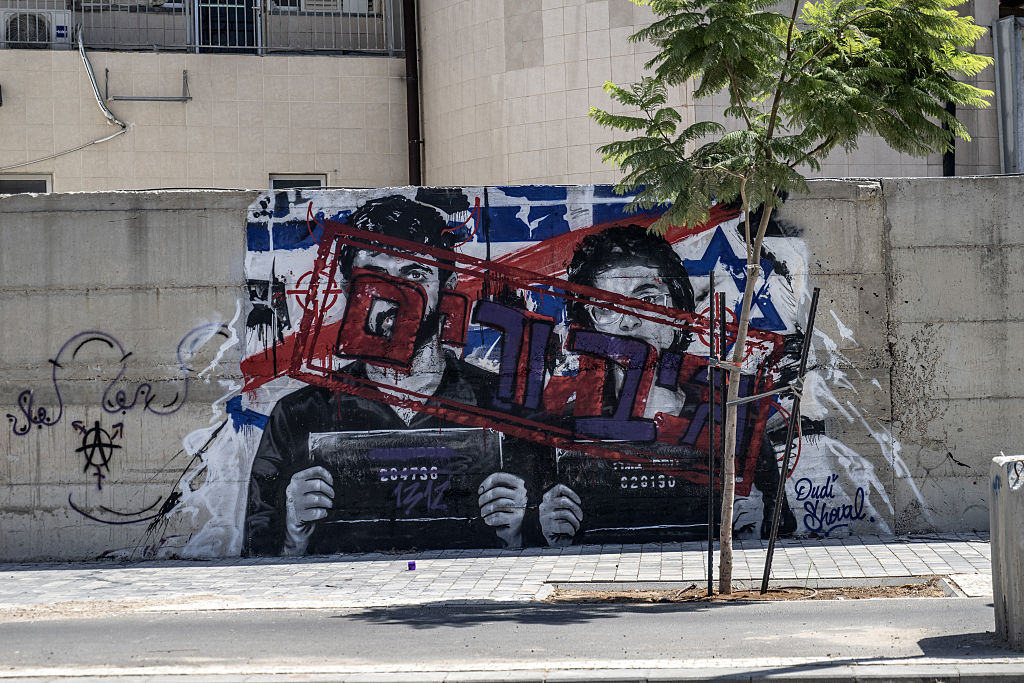
"نازا" (נז"א) هو اختصار استخباراتي عسكري لعبارة "أضرار جانبية"، وفي سياق الفيلم يُشير إلى الآلية التي كان يعتمدها الجيش والمخابرات لتحديد أعداد المدنيين المسموح بقتلهم خلال ملاحقة هدف معين، واعتبارهم "أضراراً جانبية" لعملية الاستهداف. وبصرياً، يعتمد الفيلم أسلوباً يقارن بين مشاهد القصف والدمار في غزة، وبين الحياة الروتينية والرفاهية في تل أبيب، حيث يجلس المشغّلون "القتلة" خلف الشاشات لإعطاء أوامر القتل دون أن يُحرّك الأمر فيهم أي مشاعر أخلاقية. أثار الفيلم غضباً واسعاً داخل الأوساط السياسية والأمنية والإعلامية الإسرائيلية، حيث طالبت قيادات سياسية بسحب الجنسية من المخرجين واتهامهما بـ "الخيانة"، مما يعكس حجم تأثير الفيلم على الرواية الرسمية حول الحرب.

هناك وجهات نظر تنتقد إعطاء الفيلم بعض الضباط مساحة للتعبير عن حالة الصراع النفسي الذي يعيشونه نتيجة مشاركتهم في القتل؛ وهو ما يعيدنا إلى ظاهرة "صدمة القاتل" (Shoot and Cry / يُطلق النار ويبكي)، حيث تتركز الدراما على عقدة الذنب لدى الجاني وليس على معاناة الضحايا.

ما جديد "نازا"؟

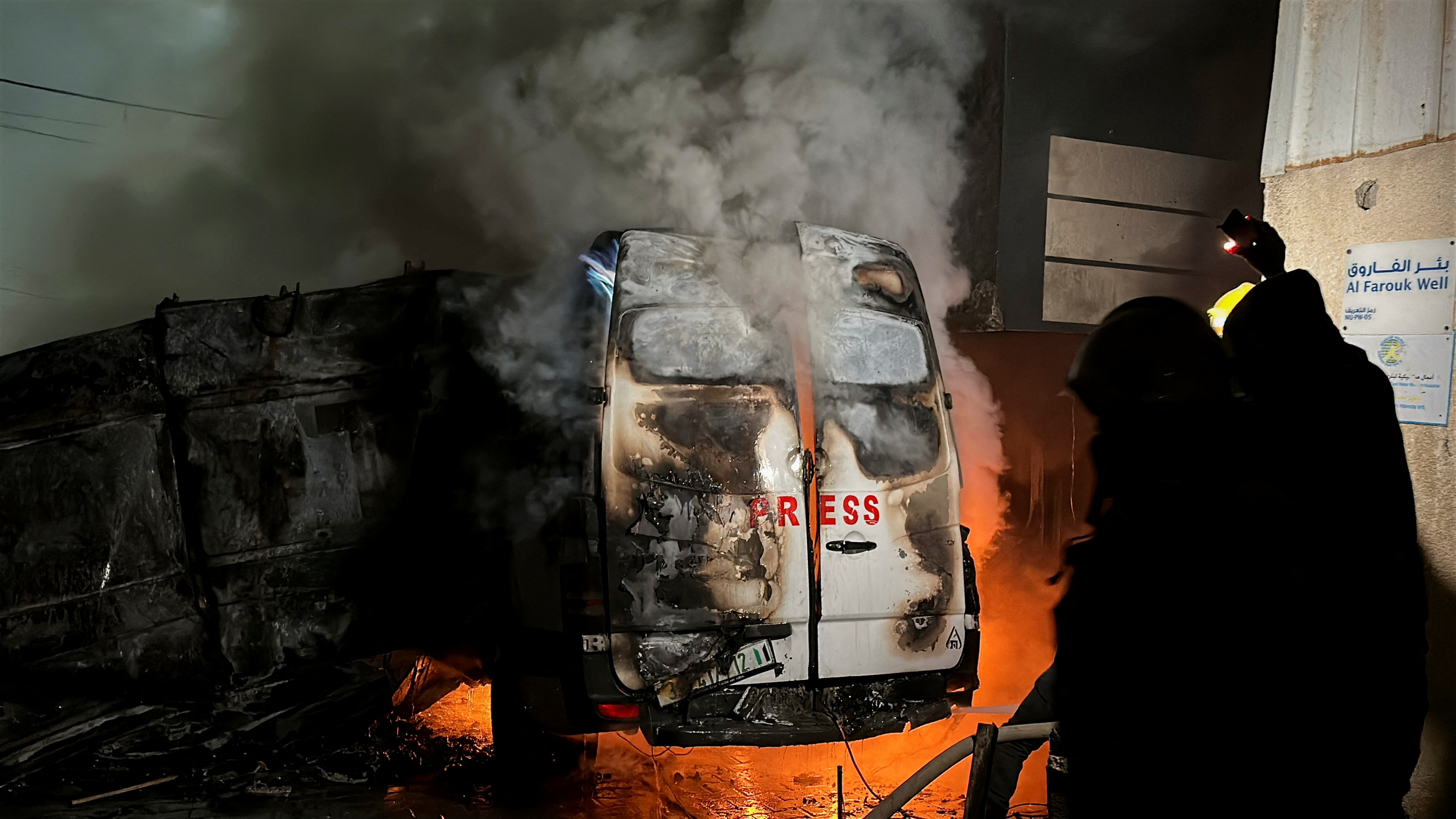
من حيث المضمون، لم يأت "نازا" بمعلومات جديدة؛ حيث عمل الصحفيون الفلسطينيون في القطاع ليل نهار على توثيق الجرائم المرتكبة في القطاع خلال السنوات الثلاث الأخيرة، وهو ما كلفهم حياة أكثر من 260 صحفياً استُهدفوا لمنع نقل الحقيقة.

فقد كشفت تحقيقات سابقة لصحيفة الغارديان ومجلة 972+ بالتعاون مع (أبراهام وزور)، عن توظيف إسرائيل لأنظمة المراقبة والذكاء الاصطناعي لقتل الفلسطينيين في غزة، لكنّ "نازا" هنا، يُحوّل تلك المواد المكتوبة إلى شهادات بشرية مصورة. إلى جانب ذلك، يأتي مصدر المعلومات من داخل المنظومة الأمنية والعسكرية للجيش الإسرائيلي الذي لطالما روجت له المؤسسة السياسية والعسكرية بأنه "الأكثر أخلاقية حول العالم". لذا، هنا تكمن أهم نقاط قوة الوثائقي الاستقصائي باستناده إلى شهادات من داخل المؤسسة. بالإضافة إلى ذلك، تمثل مشاركة الغارديان البريطانية إلى جانب الصحفيين الإسرائيليين مصدراً موثوقاً لدى الرأي العام العالمي، خصوصاً في مواجهة تهم قد تتعلق بـ"الانحياز" والتشكيك بالمعلومات الواردة فيه.


سؤال الأهمية

رغم أن فيلم "نازا" وجه ضربة إعلامية وأخلاقية للسردية الرسمية لتل أبيب، إلا أن هناك وجهات نظر نقدية تنتقد إعطاءه بعض الضباط مساحة للتعبير عن حالة الصراع النفسي الذي يعيشونه نتيجة مشاركتهم في القتل؛ وهو ما يعيدنا إلى ظاهرة "صدمة القاتل" (Shoot and Cry / يُطلق النار ويبكي)، حيث تتركز الدراما على عقدة الذنب لدى الجاني وليس على معاناة الضحايا. كما أن تغطية وجوه الضباط وتغيير أصواتهم لحمايتهم وإخفاء هوياتهم يثير الشكوك حول دور الفيلم في حماية مجرمي حرب مفترضين من الملاحقة القانونية والقضائية الدولية. والأهم من ذلك، يعتقد كثيرون أن صياغة الرواية بشأن الإبادة يجب أن تكون على أيدي من عاشوا أهوالها عن قرب، وليس على أيدي إسرائيليين يحاولون كسب الجوائز على حساب الفلسطينيين. وهنا، يرى البعض أن المحافل الدولية لا تقبل الحقائق عن معاناة الفلسطينيين إلا إذا أتت من مصادر إسرائيلية؛ أي منح الشرعية الأخلاقية وتصديق رواية الآخر مقابل شيطنة رواية الضحية.

وبالنظر في السياق التاريخي المقارن، وعند العودة –على سبيل المثال– إلى نكبة عام 1948، نجد أن أهم الوثائق التي تدحض رواية الاحتلال بشأن أحداثها صدرت على أيدي مؤرخين إسرائيليين استندوا في كتاباتهم ومصادرهم إلى الأرشيف الإسرائيلي. ويُعد كتاب بيني موريس "ولادة مشكلة اللاجئين الفلسطينيين، 1947-1949" (The Birth of the Palestinian Refugee Problem, 1947–1949)، واحداً من أهم الأعمال التأريخية التي وثقت عمليات الطرد الممنهجة والمذابح التي أجبرت الفلسطينيين على النزوح، ومنعتهم من العودة إلى ديارهم بعد انتهاء المعارك. وفي كتابه "التطهير العرقي في فلسطين"، الصادر عام 2006، وصف المؤرخ الإسرائيلي إيلان بابيه ما جرى في النكبة بأنه "تطهير عرقي"، استهدف إقامة دولة ذات أغلبية يهودية. اعتُبرت كتابات كل من بابيه وموريس مراجع قوية وثّقت ما ارتكبته العصابات الصهيونية في عام النكبة، وقوّضت أساسات السردية الإسرائيلية حولها عبر تفنيد الادعاء بأن الفلسطينيين غادروا أراضيهم طواعية وبناءً على أوامر من الجيوش العربية.

يخاطب "نازا" الرأي العام الغربي بأدواته ورموزه؛ كونه أُنتج بالتعاون مع جهات دولية بارزة كصحيفة "الغارديان" ومخرجين حائزين على جوائز عالمية، وقُدم في مهرجانات سينمائية مرموقة (مثل البندقية ونيويورك)؛ لذا يصعب تجاهل الحقائق الواردة فيه.

في هذا الإطار، يمكن قراءة فيلم "نازا" بوصفه امتداداً وثائقياً بصرياً يدعم السردية الفلسطينية من عدة زوايا؛ أولها: أن صحفيين إسرائيليين يقفان خلف إخراج الفيلم، والشهادات التي يستند إليها صادرة من قلب المنظومة الأمنية المشاركة بعملية القتل. هذه الاعترافات تُسقط الرواية الرسمية الإسرائيلية تماماً، وتثبت صحة ما كان يوثقه الصحفيون الفلسطينيون والمنظمات الحقوقية حول عمليات الاستهداف الممنهجة في أثناء الحرب؛ وبالتالي، يقطع الفيلم الطريق أمام من يحاول التشكيك بما ورد فيه أو اتهام صُنّاعه بالانحياز وعدم المصداقية من قبل الرأي العام والمؤسسات الإعلامية الغربية.

كما يُضفي الفيلم الطابع الإنساني (Humanization) على الضحايا المدنيين الفلسطينيين، عبر تحويل أرقام الشهداء والجرحى الواردة بشكل مجرد في النشرات الإخبارية إلى قصص تستحق أن تُروى لعائلات أبيدت بالكامل. وقد دحض الفيلم فكرة "الأخطاء الفردية" وفرضية "الدفاع عن النفس" اللتين لطالما روجت لهما المؤسسة العسكرية والأمنية الإسرائيلية عند ثبوت تورط الجيش بقتل متعمد للمدنيين من النساء والأطفال؛ إذ أثبت "نازا" أن عمليات القتل مقصودة، وناتجة عن خوارزميات وبرمجيات ذكاء اصطناعي تُصمم قوائم الاستهداف وتحدد نسب "الأضرار الجانبية" المسموح بقتلها مسبقاً.

وأخيراً، يخاطب "نازا" الرأي العام الغربي بأدواته ورموزه؛ كونه أُنتج بالتعاون مع جهات دولية بارزة كصحيفة "الغارديان" ومخرجين حائزين على جوائز عالمية، وقُدم في مهرجانات سينمائية مرموقة (مثل البندقية ونيويورك)؛ لذا يصعب تجاهل الحقائق الواردة فيه. كما أن فوز الفيلم بجائزة لجنة التحكيم الخاصة في مهرجان البندقية السينمائي وعرضه في المحافل العالمية ينقلان شهادة الضحية الفلسطينية إلى حقيقة سينمائية وتاريخية معترف بها، رغم كل المحاولات التي بذلتها تل أبيب والإعلام الغربي المساند لها لطمس حقيقة الإبادة في قطاع غزة.


ماذا بعد الفيلم؟

في حديث مع مجلة الصحافة، أكّد الدكتور محمود الحنفي، أستاذ القانون الدولي وحقوق الإنسان، أن "فيلم نازا يعزز حالياً الإجراءات القائمة لدى المحكمة الجنائية الدولية في إطار ملاحقة مرتكبي الجرائم في غزة معنوياً أكثر منه مادياً"، ويؤكد أن "عمليات القتل لم تكن ذات مدلولات سياسية فقط، بل حقيقة واقعية؛ يمكن البناء على ما ورد فيه من إفادات داخلية لملاحقة الجناة". ويضيف الحنفي أن "الفيلم يوفّر مادة غنية جداً على المستوى الدولي ويزيد من العزلة الإسرائيلية، كما يشجع على تحرك قانوني وقضائي وطني ذي اختصاص عالمي، ويعطي الجنائية الدولية دفعة كبيرة لمتابعة القضايا المتعلقة بفلسطين وتعزيز دورها بهذا الشأن". ويرى الحنفي أنه يمكن أيضاً الاستفادة من الفيلم باللجوء إلى المحاكم الوطنية والمنظمات الدولية المختصة بحقوق الإنسان، والتحدي هنا يكمن "فيمن سيقوم بالخطوة الأساسية لمعاقبة الجناة". وفي هذا الإطار، يُعد الفيلم برأيه "إحراجاً للدول والمؤسسات التي ساندت الرواية الإسرائيلية طوال فترة الحرب". وفي تساؤل عمّا إذا كان يمكن استثمار الفيلم لتشكيل محكمة خاصة بشأن غزة على شاكلة ما جرى في رواندا عام 1994، يعلق الحنفي بالقول: "أنشأ مجلس الأمن محكمة خاصة تتعلق بجرائم الحرب في رواندا؛ أما فيما يتعلق بالأراضي الفلسطينية فهي تخضع للمحكمة الجنائية الدولية. كنا نتمنى تشكيل محكمة خاصة تتعلق بفلسطين، لكن الولايات المتحدة الأمريكية تعيق ذلك بالفيتو الدائم داخل مجلس الأمن".

فهل تُستثمر شهادات الفيلم لفتح باب الملاحقة القضائية من جديد، أم سيبقى مجرد "صدمة بصرية" تقتصر مفاعيلها على قاعات السينما؟

More Articles

How to Protect News and Information Integrity During Elections

An analysis of threats to Kenya’s media landscape ahead of the August 2027 elections finds that AI deepfakes, synthetic media, and coordinated online campaigns threaten voter choice and democratic integrity. Across Africa, emerging regulation, verification tools, and fact-checking efforts are constrained by limited funding, weak platform accountability, and largely reactive debunking.

Jean-Pierre Afadhali Kenyan journalist
Jean-Pierre Afadhali Published on: 27 Sep, 2026
Docudrama: Aesthetic Narration as an Alternative to the Missing Camera!

The use of drama in documentaries sparks a debate between fears of fabrication and the celebration of filling gaps left by missing visual archives. This hybrid format occupies a middle ground, merging emotional impact with documentary reality. Its use requires strict ethical constraints to prevent deception. With the rise of digital platforms, "docudrama" has transcended the rigid limits of television, venturing into new creative and cinematic horizons.

Hani Bishr Published on: 13 Sep, 2026
Moroccan Journalism Between State Support and Market Dominance: Can the “Information Economy” Save the Profession?

Moroccan journalism remains trapped between state dependency and market pressure, and its survival may depend on turning information into sustainable public value rather than cheap content for clicks.

Anas al-Shaara Published on: 24 Aug, 2026
Anas al-Sharif: “I am the owner of a cause before I am a journalist”

From documenting the occupation's crimes on social media platforms to covering the war of genocide on Al Jazeera, journalist Anas Al-Sharif defied harsh field conditions and the lenses of snipers. He lost his father and a number of his loved ones, yet he chose to convey the "Palestinian narrative to the world." In this interview, we get to know the face and features of a Palestinian journalist stripped of protection and faithful to the belief that "coverage continues."

Anas al-Sharif Published on: 10 Aug, 2026
As in Rwanda: Can the Israeli Press Be Prosecuted for Participation in Genocide?

Israeli media incitement has helped frame Palestinian journalists as security threats, weakening their legal and professional protection and legitimising attacks against them. Legal accountability is possible through the ICC, universal jurisdiction, and professional pressure against journalists and outlets that incite violence.

Nasser Adnan Thabet Published on: 8 Aug, 2026
Can Africa’s Media Decolonise Climate Story?

Despite efforts in combating climate change and finding climate solutions in the Africa, the continent’s climate story is still told through the lens of colonisation. The dominant stories centre on the victimhood; especially during climate disasters. Such stories don’t mention the side of the continent’s efforts to adapt to climate change.

Jean-Pierre Afadhali Kenyan journalist
Jean-Pierre Afadhali Published on: 21 Jul, 2026
The Phenomenon of “News Avoidance”: Have We Come to Know More Than We Should?

Audiences are increasingly avoiding the news as the constant flow of crises, violence, and tragic human stories creates psychological exhaustion and anxiety. Media outlets need to respond with more responsible editorial choices, stronger media literacy, and coverage that balances urgent events with constructive, humane, and less harmful storytelling.

Wessam Kamal Published on: 17 Jul, 2026
In Gaza… Testimonies That Have Not Been Told

Beyond the frontline dangers, reporting during the Israeli war involves enduring arrest, torture, systematic incitement, and assassination. This reality forces journalists into a relentless struggle to keep reporting from the depths of mass displacement, starvation, and a complete breakdown of daily infrastructure.

Mohamed Abu Qamar Published on: 8 Jul, 2026
When Modi’s Managed Media Met Europe’s Press

A brief, viral exchange in Oslo between Prime Minister Narendra Modi and a Norwegian journalist has exposed the widening gap between India's tightly controlled media environment and traditional adversarial press culture. Over the past decade, open, unscripted scrutiny has increasingly been replaced by carefully managed public relations, image-driven interviews, and direct digital reach. This systemic shift has reshaped the broader landscape of Indian news media, creating a culture of forced deference that prioritises political showmanship over holding power accountable.

Arsalan Bukhari, an independent journalist based in India
Arsalan Bukhari, Mehrunnisa Maryam Published on: 5 Jul, 2026
The Left and the Right in One Front Against Journalism in South America

Journalism in Latin America is facing a crisis of hostility. In the age of political polarization, governments from both the left and the right are not merely managing states; they are actively harassing critical voices, imposing institutional censorship, and enforcing official narratives that attack independent media to silence disagreement and fake democracy across the region.

Noe Zavaleta
Noe Zavaleta Published on: 8 Jun, 2026
Humanitarian Storytelling: Reclaiming Voice in Crisis Reporting

Humanitarian storytelling is evolving. In the age of algorithmic amplification, humanitarian organisations are not merely sharing aid updates; they work side by side with responsible media; they are providing accountability, combating harmful narratives, and demonstrating the human reality behind the crisis and news headlines.

Shereen Nanish. A media consultant from Palestine/Jordan with over 10 years of experience in journalism and humanitarian communications. Based in Germany.
Shereen Nanish Published on: 1 Jun, 2026
On the Misunderstanding Between Media and Diplomacy

The analysis of international crisis coverage reveals a clear structural gap between the immediate, simplified narratives produced by the media and the slow, complex processes of diplomacy. The tension between the two fields appears set to persist as reporters are forced to trade detailed, long-term tracking of negotiation for fast-paced, dramatic framing and the immediate demands of the attention economy.

Said Al-Azri
Said Al-Azri Published on: 28 May, 2026
How Journalists are Combating Cybertroopers 

The brutal state crackdown in Đồng Tâm highlights a intensifying withdrawal from free expression in Vietnam, heavily driven by the regime's deployment of state-backed cyberarmies like Force 47. As these digital actors systematically intimidate and mass-report critics, tech giants like Meta further compound the issue by increasingly acquiescing to government censorship requests to protect market share. This coordinated digital assault leaves a dangerous gap in the global conversation, forcing independent journalists to navigate severe online hostility and risk arbitrary imprisonment just to expose state overreach.

AJR Contributor Published on: 25 May, 2026
Journalism After the Genocide in Gaza: One War Has Ended, and Other Wars Have Begun!

The post-ceasefire reality for Gaza’s journalists reveals a challenging shift from documenting active daily bombardment to navigating an overwhelming landscape of community and structural ruin. The pressure on reporters appears set to escalate as they struggle to rebuild their own lives from absolute zero while fighting to ensure that ongoing human suffering, systemic displacement, and political marginalization are accurately documented and held to account.

Yousef Fares
Yousef Fares Published on: 17 May, 2026
US-Iran Islamabad Talks: How Journalists Report from Outside Closed Doors

The "Islamabad Talks" highlight a growing contradiction in modern diplomacy where journalists are physically present but denied direct access to negotiations. The pressure on transparency appears set to intensify as reporters are forced to trade traditional eyewitnessing for outside in investigation and geopolitical speculation.

Anam Hussain
Anam Hussain Published on: 2 May, 2026
Can Artificial Intelligence Become a Documentary Film Director?

AI opens new possibilities in documentary filmmaking, from sorting archives to speeding up production. But documentary is not built on technology alone: it depends on the director’s vision, creativity, and ability to shape meaning. Can AI, for instance, make a film like Ordinary Fascism?

Bashar Hamdan, investigative producer and documentary filmmaker at Al Jazeera Media Network
Bashar Hamdan Published on: 23 Apr, 2026
When Speaking Up Backfires: How Social Conformity Silences Journalists

While state censorship remains a reality, freedom of speech in Africa faces a rising internal threat: the community itself. This article examines how social conformity, digital echo chambers, and ingrained bias create a modern "chilling effect". This pressure forces journalists to choose between aligning with popular narratives or facing professional and social marginalisation.

Derick Matsengarwodzi
Derick Matsengarwodzi Published on: 16 Apr, 2026
Has the Global South Benefited from the Digital Transformation?

Despite the promise of digital technologies to amplify voices and expand media reach in the Global South, structural barriers, such as political repression, technological dependency, and persistent digital divides, continue to limit their impact. Real progress requires not only technological adoption but also institutional reform, stronger journalistic capacity, and independent ethical frameworks to challenge dominant Western media narratives.

Al-Shafi Abtidon
Al-Shafi Abtidon Published on: 18 Mar, 2026
Missiles Made of Words: How Western Media Narratives Shape the Iran–Israel–US Conflict

Western media coverage of the Iran–Israel–US conflict often functions as a weapon of war, using selective language that frames US and Israeli strikes as “self-defence” while depicting Iranian actions as "provocation". This linguistic framing normalises civilian casualties and helps manufacture public consent for military aggression by dehumanising certain populations.

Muqeet Mohammed Shah
Muqeet Mohammed Shah, Ifrah Khalil Kawa Published on: 14 Mar, 2026
How the Ethiopian Civil War Unleashed a Lethal Media Crackdown

There has been a widening crackdown on the media in Ethiopia since war erupted between the central government and Tigray’s regional authorities in 2020, and the pressure appears set to intensify as the country prepares for general elections in June.

Nalova Akua
Nalova Akua Published on: 9 Mar, 2026
Are Netanyahu's and Trump’s Speeches Shaping Western Media Framing?

As political speeches framed the 2026 U.S.–Israeli attack on Iran, segments of Western media echoed their language and narratives, illustrating how strategic rhetoric and news framing can shape public opinion and legitimise military action.

Shaimaa Al-Eisai
Shaimaa Al-Eisai Published on: 6 Mar, 2026
Journalism in Gaza… A Race Against the Train of Genocide

In the following account, Amira Nassar presents a narrative filled with intricate detail, intimate exchanges, and an unyielding struggle over the meaning of writing amid slaughter and starvation. Part of The Journalism Review’s documentary project recording the testimonies of journalists in Palestine and the Gaza Strip during the ongoing genocide, it stands as a testament against oblivion and the machinery of extermination.

Amira Nassar
Amira Nassar Published on: 27 Feb, 2026
Kukurigo: Revolutionising news in Zimbabwe's WhatsApp era

The emergence of Kukurigo during Zimbabwe’s 2018 elections marked a turning point for digital journalism, transforming WhatsApp from a hub for misinformation into a vital platform for verified news. By leveraging the app’s low data costs, this grassroots initiative bridged the information gap for under-resourced communities, establishing a new model for media credibility and public service within an unstable political landscape.

Enock Muchinjo
Enock Muchinjo Published on: 19 Feb, 2026
The Epstein Files and the Art of Drowning the Truth

The mass release of millions of files related to Jeffrey Epstein serves as a metaphor for a wider crisis of the digital age: an overabundance of information that obscures rather than illuminates the truth. In an era where data floods replace traditional censorship, citizens risk becoming less informed, underscoring the vital role of professional journalism in filtering noise into meaningful knowledge.

Ilya إيليا توبر 
Ilya U Topper Published on: 12 Feb, 2026