شهادة صحفي في مواجهة فراغات وحشة الاكتئاب والحرب

شهادة صحفي في مواجهة فراغات وحشة الاكتئاب والحرب

حين أتصفح شريط ذكرياتي خلال سنوات الحرب في اليمن منذ عام 2015، يحضرني دائما بيت الشاعر الفيلسوف أبي العلاء المعري: 

تعبٌ كلها الحياة فما أعجبُ إلا من راغبٍ بازديادِ

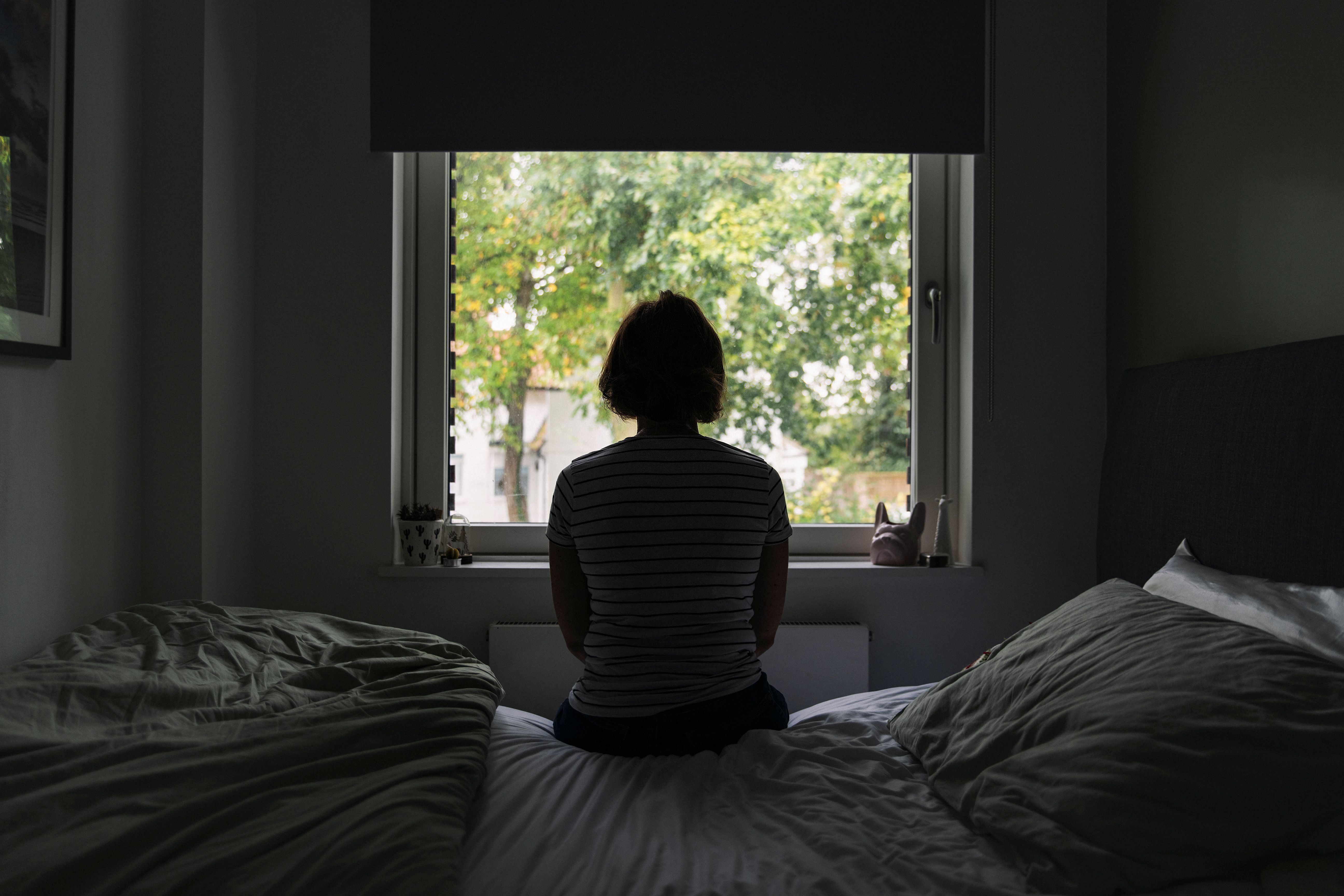
عاش المعري حياة قاسية لُقِّب على إثرها برهين المحبسين (العمى والبيت)، لكنني بصفتي صحفيا ميدانيا عشت واقعا شديد القسوة، ووجدت نفسي رهينا لمحابس متداخلة: النزوح والحرب والإقصاء الوظيفي وصولاً إلى المحبس الأكثر ضراوة "مرض الاكتئاب". لقد خضت مع هذا المرض حربا حقيقية لا تقل وحشية عن الحرب الميدانية؛ إذ إنني أعيش أصعب تفاصيلها بشكل يومي.

​إن الدخول في أروقة التغطية الصحفية داخل مناطق النزاعات المسلحة لا يضع الصحفي تحت مقصلة الانتهاكات والمخاطر الجسدية فحسب، بل يجعله هدفا مباشرا لصدمات نفسية غير مرئية، وهو ما يجعله يتوجع بصمت. واليوم أسرد لكم جزءا من تلك المعاناة بعد أن كنت لسنوات عنوانا لها، باعتباري أحد ضحاياها القابعين تحت وطأة الحرب وآثارها.

قبل سيطرة جماعة أنصار الله (الحوثيين) على العاصمة صنعاء وسقوط مؤسسات الدولة في سبتمبر/ أيلول 2014، كنت أعيش في صنعاء حياة شبه مستقرة مليئة بالتفاؤل بمستقبل أفضل بدأت تظهر ملامحه مع انعقاد مؤتمر الحوار الوطني اليمني، والإجماع على خيار بناء دولة مدنية حديثة كعنوان رئيس لأهداف ثورة 11 فبراير 2011، وعلى المستوى الشخصي كنت أكثر تفاؤلا خاصة بعد نيلي وظيفة حكومية في مكتب رئاسة الجمهورية، ورزقي بمولودي البكر "مازن".

بعد سيطرة الحوثيين على صنعاء، بدأت الصدامات المباشرة مع قياداتهم وأفرادهم في مقر العمل، ومع انطلاق عاصفة الحزم نهاية مارس 2015 أدركت أن البقاء في صنعاء بات يمثل خطرا يهدد سلامتي الشخصية، فقررت بعد حوالي أسبوعين فقط العودة إلى مسقط الرأس في جبل صبر بتعز مع زوجتي وطفلي، وبعد وصولي إلى القرية تلقيت تحذيرات أمنية بتوخي الحذر لتوفر معلومات مؤكدة بأني أحد المطلوبين أمنيا للحوثيين.

خلال هذه الفترة توقفت وسائل الإعلام المحلية بشكل شبه كامل، وبدأت آثار الحرب تتسلل إلى حياتي خاصة مع توقف الرواتب واتساع رقعة المواجهات، لكن الحدث الأبرز كان وصولها إلى قريتي في 15 يوليو/ تموز 2015 حيث بقيت شهرا كاملا، عايشت خلاله تفاصيل وأوجاع الحرب وكنت أحد ضحاياها. شاهدت جثثا لأقاربي وأصدقائي، والدماء التي سالت، وعشت أياما صعبة على وقع أصوات القذائف والمدافع والرصاص، وكانت هذه هي الصدمة النفسية الأكبر التي وقعت وبدأت تكبر بداخلي.

وجدت نفسي رهينا لمحابس متداخلة: النزوح والحرب والإقصاء الوظيفي وصولاً إلى المحبس الأكثر ضراوة "مرض الاكتئاب". لقد خضت مع هذا المرض حربا حقيقية لا تقل وحشية عن الحرب الميدانية؛ إذ إنني أعيش أصعب تفاصيلها بشكل يومي.

فَرضت عليّ الحياة في القرية عزلة حقيقية؛ حيث صعوبة توفير الحد الأدنى من الاحتياجات والخدمات اليومية مثل التيار الكهربائي وشبكات الإنترنت، كما ازدادت حياتي تعقيدا جراء البطالة وتراكم الالتزامات والمسؤوليات الأسرية، فدفعني ذلك إلى توجه إلى المدينة باحثا عن عمل. لم أجد غايتي فاضطررت للعمل مساعدا ميدانيا لمراسل وسيلة إعلام خارجية، بأجر لا يوفّر لي قوت يومي.

فاقم هذا الوضع شعوري بالإحباط والخوف من المجهول، وفي هذه الفترة بدأت أعراض الاكتئاب بالظهور؛ مثل: غياب الدافع، وسيطرة الشعور بالخوف والحزن والملل، وجلد الذات. ورغم عثوري عام 2017 على فرص عمل محدودة وغير مجزية، إلا أنني قبلت بها تحت وطأة الحاجة وعدم شعوري بالأمان الشخصي والوظيفي. واضطررت حينها للكتابة بأسماء مستعارة حماية لنفسي. وبالتزامن مع هذا كانت أعراض الاكتئاب تتفاقم عندي، وسط استغراب من حولي من تغير طباعي.

إن ما عشته ليس مجرد استثناء شخصي، بل هو انعكاس لواقع مأساوي يوثقه التقرير السنوي لنقابة الصحفيين اليمنيين للعام 2025؛ حيث رصد التقرير 127 حالة انتهاك طالت الحريات الإعلامية، تنوعت بين 31 حالة حجز حرية (تشمل الاعتقال والاختطاف والملاحقة)، و24 حالة محاكمة وإجراءات قضائية مسيّسة، و19 حالة قطع رواتب، فضلاً عن 16 جريمة قتل طالت صحفيين وفنيين، و12 حالة اعتداء على الصحفيين ومنازلهم ومؤسساتهم.

​وتتجاوز الأزمة مجرد الانتهاكات الميدانية لتطال الاستقرار الوظيفي والمعيشي للصحفيين؛ حيث كشفت استبانة النقابة - التي شارك فيه 213 صحفيا وصحفية - عن هشاشة غير مسبوقة في بيئة العمل:  48.4% يعملون  بلا عقود عمل مكتوبة، بينما يتقاضى 47.4% منهم أجورا أدنى من 150 دولارا شهريا، وتتوقف أو تتأخر رواتب نحو 60.6% منهم، وتصل نسبة من لا يحصلون على أي مزايا وظيفية أو تأمين صحي إلى 85.4%، وهذ كله أجبر 70% من الصحفيين على العمل في مهن إضافية خارج الصحافة لتأمين لقمة العيش، فأثر ذلك على أوضاعهم الصحية والنفسية وسط بيئة عمل عالية المخاطر، وتغطيات ميدانية بلا حماية قانونية أو سلامة جسدية ونفسية.

بين عامي 2017 و2020 تنقلت بين أكثر من جهة عمل، لكن ظروف العمل كانت سلبية إلى درجة فاقمت سوء حالتي، فوصلت إلى حدّ التبلد الذهني التام، والعجز حتى عن صياغة خبر صحفي بسيط. تمكّن مني المرض حتى أصبحت غريبا عن نفسي، تغيرت طباعي وقدرتي على العطاء المهني، حتى وجدت نفسي أعيش ضائقة مالية واضطر للاستدانة من أجل النجاة.

رغم عثوري على فرص عمل محدودة وغير مجزية، إلا أنني قبلت بها تحت وطأة الحاجة وعدم شعوري بالأمان الشخصي والوظيفي. واضطررت حينها للكتابة بأسماء مستعارة حماية لنفسي.

أثّر هذا الوضع على استقرار أسرتي وعلاقاتي الاجتماعية، ولم أجد حلا إلا أن اتخذ القرار الصعب بالذهاب إلى الطبيب النفسي، ومن حسن الحظ أن أحد أشهر الأطباء النفسيين كان صديقا لي، فذهبت إليه وأنا لا أملك حتى مقابل المعاينة في العيادة. شخّص الطبيب حالتي بـ "اكتئاب حاد" وهو أقصى درجات المرض، فبدأت بعدها رحلة العلاج والأدوية.

كنت أتجنب الخروج من البيت أو لقاء الناس، ووجدت مهربي في النوم وكتابة الشعر. خلال هذه الفترة تركزت كتاباتي حول: الاكتئاب والخذلان والموت. وفي عام 2022 أصدرت ديوانا شعريا يضم هذه القصائد تحت عنوان "فراغات الوحشة".

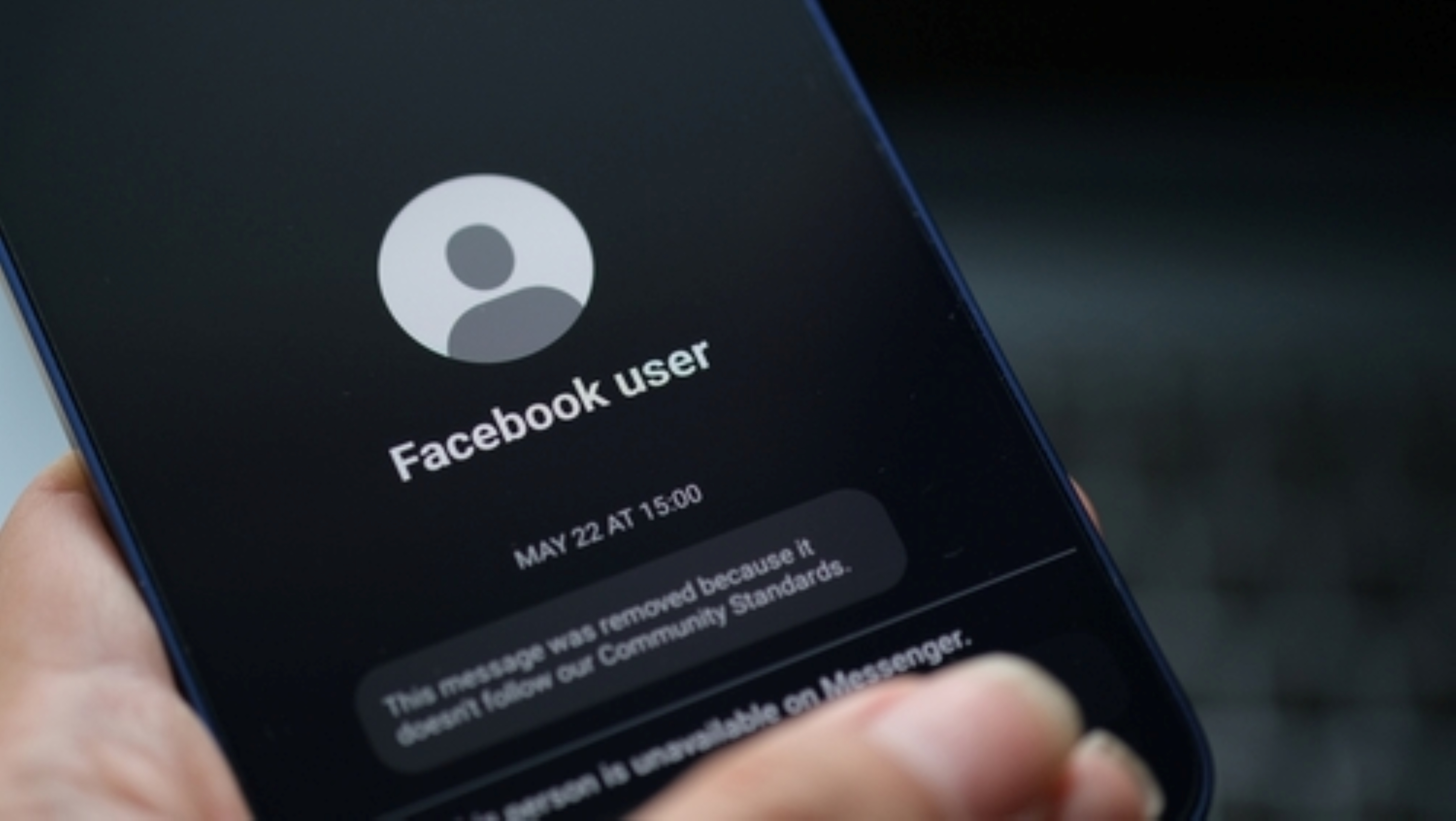
رغم وطأته الثقيلة، كنت أحارب مرضي بشجاعة؛ فعملت على كتابة منشورات توعوية في عن الصحة النفسية في صفحتي على "فيس بوك" دونما خجل من تجربتي، وعملت على محو الوصمة الاجتماعية التي تلصق بالمريض النفسي، ودحض المفاهيم المغلوطة وحفزت المرضى على زيارة العيادات النفسية.

شجاعة الاعتراف وكتابة يومياتي مع الاكتئاب جذبتا اهتمام العديد من وسائل الإعلام العربية والدولية لمقابلتي والكتابة عن تجربتي التي منحت - برأيي - الأمل لكثيرين ممن كانوا يعانون بصمت؛ فمع كل منشور كنت أكتبه كنت أرى التفاعل والتواصل من الناس الذين اقتنعوا بالذهاب إلى عيادات الطب النفسي وتلقي العلاج.

تجربتي بصفتي صحفيا يعاني من الاكتئاب قادتني إلى القناعة بأن الصحة النفسية ليست ترفا، بل هي ضرورة لكل صحفي في الظروف الطبيعية نتيجة الضغوطات التي يواجهها طوال يومه، وتتحول إلى مسألة بقاء أو إنقاذ في بيئات شديدة الخطورة كالحروب والكوارث وآثارها التراكمية التي تطال الجميع.

والمؤسف أن السلامة النفسية تبقى واحدة من أكثر الجوانب المهملة في منظومة حماية الصحفيين اليمنيين، وفي هذا السياق، يلفت سكرتير لجنة الحريات في نقابة الصحفيين اليمنيين أشرف الريفي الانتباه إلى أن "توفير خدمات الدعم النفسي يتطلب إمكانات مالية وفنية تتجاوز قدرات نقابة الصحفيين اليمنيين وحدها، وهو الأمر الذي يستدعي شراكة حقيقية بين النقابة والجهات الرسمية المعنية والمنظمات الدولية الداعمة لحرية الصحافة ومراكز العلاج والدعم النفسي؛ لبناء برامج مستدامة تعزز صمود الصحفيين وتحافظ على صحتهم النفسية إلى جانب سلامتهم الجسدية".

تجربتي بصفتي صحفيا يعاني من الاكتئاب قادتني إلى القناعة بأن الصحة النفسية ليست ترفا، بل هي ضرورة لكل صحفي في الظروف الطبيعية نتيجة الضغوطات التي يواجهها طوال يومه، وتتحول إلى مسألة بقاء أو إنقاذ في بيئات شديدة الخطورة كالحروب والكوارث وآثارها التراكمية التي تطال الجميع.
 

إن العمل الميداني في قلب الصراعات والنزاعات والأزمات والكوارث يجعل الصحفي أكثر عرضة من غيره للصدمات النفسية الناتجة عن معايشته للأحداث من كثب، والتي تؤثر على صحته العقلية والجسدية، فتسبب له القلق والخوف ونوبات الفزع واضطراب ما بعد الصدمة، وهو ما يفرض التزاما أخلاقيا ومهنيا يقع على عاتق النقابات والاتحادات والمؤسسات الإعلامية بتبني برامج سلامة شاملة: أمنية ونفسية ورقمية وقانونية.

والتجربة الطويلة تقتضي ألا أقف عند حدود سرد حكايتي، لذلك أضع بعضا من الخطوات التي أراها مهمة لسلامة جميع الصحفيين، ويتطلب ذلك توجّها مؤسسيا متكاملا يبدأ بالتوعية والتثقيف، من خلال قيام الاتحادات والنقابات والمراكز والمؤسسات الإعلامية بتنفيذ حملات دورية لتعريف الصحفيين بأهمية الصحة النفسية وسبل حمايتها وكيفية التعامل مع مسببات الاضطرابات النفسية، بالتوازي مع جعل سلامة الصحفي - جسديا ونفسيا - أولوية في السياسات المؤسسية ومراجعة سياسات التغطية الإعلامية وفقا لذلك.

 ويشمل هذا التوجه إلى إجراء تقييم منهجي للمخاطر النفسية، يستند إلى دراسة بيئة العمل والصدمات التي قد يتعرض لها الصحفي وآثارها المحتملة وسبل الحد منها، إلى جانب توفير الدعم النفسي والتدخل المبكر عبر تنظيم جلسات نفسية دورية، ومساعدة الحالات التي تستدعي العلاج من خلال تأمين صحي شامل يغطي تكاليفها.

إضافة إلى ذلك يجب ضمان حصول الصحفيين على إجازات تعافٍ دورية ومدفوعة الأجر تتيح لهم الانقطاع الكامل عن العمل دون تهديد استقرارهم الوظيفي أو المعيشي، فضلا عن توفير الدعم المالي للصحفيين المستقلين والمنقطعين عن العمل بسبب ظروف قهرية لا سيما في بيئات الحروب والكوارث؛ مثل فلسطين واليمن والسودان.

إن الصحفي اليوم لا يحتاج إلى الحماية الأمنية والأمان الوظيفي والاجتماعي فحسب؛ لأن حماية الصحفي تعني حماية الخبر الذي يكتبه والحقيقة التي ينقلها.
 

More Articles

The Roots of Western Media Bias Towards the Israeli Narrative

Western media bias towards the Israeli narrative is rooted in decades-old reporting practices that privilege official military sources, embed journalists with occupying forces, marginalise local voices, and repeatedly turn war coverage into an extension of state power.
Osama al-Rashidi Published on: 20 Oct, 2026
Bangladesh: Crackdown on Reporting on Indigenous Communities

In newsrooms across Bangladesh, the word "Indigenous" has become too dangerous to put in print. Editors quietly strike it from the copy, wary that a single mention could invite the wrath of the state.

Marzia Hashmi Momo Published on: 10 Oct, 2026
How to Protect News and Information Integrity During Elections

An analysis of threats to Kenya’s media landscape ahead of the August 2027 elections finds that AI deepfakes, synthetic media, and coordinated online campaigns threaten voter choice and democratic integrity. Across Africa, emerging regulation, verification tools, and fact-checking efforts are constrained by limited funding, weak platform accountability, and largely reactive debunking.

Jean-Pierre Afadhali Kenyan journalist
Jean-Pierre Afadhali Published on: 27 Sep, 2026
Docudrama: Aesthetic Narration as an Alternative to the Missing Camera!

The use of drama in documentaries sparks a debate between fears of fabrication and the celebration of filling gaps left by missing visual archives. This hybrid format occupies a middle ground, merging emotional impact with documentary reality. Its use requires strict ethical constraints to prevent deception. With the rise of digital platforms, "docudrama" has transcended the rigid limits of television, venturing into new creative and cinematic horizons.

Hani Bishr Published on: 13 Sep, 2026
Moroccan Journalism Between State Support and Market Dominance: Can the “Information Economy” Save the Profession?

Moroccan journalism remains trapped between state dependency and market pressure, and its survival may depend on turning information into sustainable public value rather than cheap content for clicks.

Anas al-Shaara Published on: 24 Aug, 2026
Anas al-Sharif: “I am the owner of a cause before I am a journalist”

From documenting the occupation's crimes on social media platforms to covering the war of genocide on Al Jazeera, journalist Anas Al-Sharif defied harsh field conditions and the lenses of snipers. He lost his father and a number of his loved ones, yet he chose to convey the "Palestinian narrative to the world." In this interview, we get to know the face and features of a Palestinian journalist stripped of protection and faithful to the belief that "coverage continues."

Anas al-Sharif Published on: 10 Aug, 2026
As in Rwanda: Can the Israeli Press Be Prosecuted for Participation in Genocide?

Israeli media incitement has helped frame Palestinian journalists as security threats, weakening their legal and professional protection and legitimising attacks against them. Legal accountability is possible through the ICC, universal jurisdiction, and professional pressure against journalists and outlets that incite violence.

Nasser Adnan Thabet Published on: 8 Aug, 2026
Can Africa’s Media Decolonise Climate Story?

Despite efforts in combating climate change and finding climate solutions in the Africa, the continent’s climate story is still told through the lens of colonisation. The dominant stories centre on the victimhood; especially during climate disasters. Such stories don’t mention the side of the continent’s efforts to adapt to climate change.

Jean-Pierre Afadhali Kenyan journalist
Jean-Pierre Afadhali Published on: 21 Jul, 2026
The Phenomenon of “News Avoidance”: Have We Come to Know More Than We Should?

Audiences are increasingly avoiding the news as the constant flow of crises, violence, and tragic human stories creates psychological exhaustion and anxiety. Media outlets need to respond with more responsible editorial choices, stronger media literacy, and coverage that balances urgent events with constructive, humane, and less harmful storytelling.

Wessam Kamal Published on: 17 Jul, 2026
In Gaza… Testimonies That Have Not Been Told

Beyond the frontline dangers, reporting during the Israeli war involves enduring arrest, torture, systematic incitement, and assassination. This reality forces journalists into a relentless struggle to keep reporting from the depths of mass displacement, starvation, and a complete breakdown of daily infrastructure.

Mohamed Abu Qamar Published on: 8 Jul, 2026
When Modi’s Managed Media Met Europe’s Press

A brief, viral exchange in Oslo between Prime Minister Narendra Modi and a Norwegian journalist has exposed the widening gap between India's tightly controlled media environment and traditional adversarial press culture. Over the past decade, open, unscripted scrutiny has increasingly been replaced by carefully managed public relations, image-driven interviews, and direct digital reach. This systemic shift has reshaped the broader landscape of Indian news media, creating a culture of forced deference that prioritises political showmanship over holding power accountable.

Arsalan Bukhari, an independent journalist based in India
Arsalan Bukhari, Mehrunnisa Maryam Published on: 5 Jul, 2026
The Left and the Right in One Front Against Journalism in South America

Journalism in Latin America is facing a crisis of hostility. In the age of political polarization, governments from both the left and the right are not merely managing states; they are actively harassing critical voices, imposing institutional censorship, and enforcing official narratives that attack independent media to silence disagreement and fake democracy across the region.

Noe Zavaleta
Noe Zavaleta Published on: 8 Jun, 2026
Humanitarian Storytelling: Reclaiming Voice in Crisis Reporting

Humanitarian storytelling is evolving. In the age of algorithmic amplification, humanitarian organisations are not merely sharing aid updates; they work side by side with responsible media; they are providing accountability, combating harmful narratives, and demonstrating the human reality behind the crisis and news headlines.

Shereen Nanish. A media consultant from Palestine/Jordan with over 10 years of experience in journalism and humanitarian communications. Based in Germany.
Shereen Nanish Published on: 1 Jun, 2026
On the Misunderstanding Between Media and Diplomacy

The analysis of international crisis coverage reveals a clear structural gap between the immediate, simplified narratives produced by the media and the slow, complex processes of diplomacy. The tension between the two fields appears set to persist as reporters are forced to trade detailed, long-term tracking of negotiation for fast-paced, dramatic framing and the immediate demands of the attention economy.

Said Al-Azri
Said Al-Azri Published on: 28 May, 2026
How Journalists are Combating Cybertroopers 

The brutal state crackdown in Đồng Tâm highlights a intensifying withdrawal from free expression in Vietnam, heavily driven by the regime's deployment of state-backed cyberarmies like Force 47. As these digital actors systematically intimidate and mass-report critics, tech giants like Meta further compound the issue by increasingly acquiescing to government censorship requests to protect market share. This coordinated digital assault leaves a dangerous gap in the global conversation, forcing independent journalists to navigate severe online hostility and risk arbitrary imprisonment just to expose state overreach.

AJR Contributor Published on: 25 May, 2026
Journalism After the Genocide in Gaza: One War Has Ended, and Other Wars Have Begun!

The post-ceasefire reality for Gaza’s journalists reveals a challenging shift from documenting active daily bombardment to navigating an overwhelming landscape of community and structural ruin. The pressure on reporters appears set to escalate as they struggle to rebuild their own lives from absolute zero while fighting to ensure that ongoing human suffering, systemic displacement, and political marginalization are accurately documented and held to account.

Yousef Fares
Yousef Fares Published on: 17 May, 2026
US-Iran Islamabad Talks: How Journalists Report from Outside Closed Doors

The "Islamabad Talks" highlight a growing contradiction in modern diplomacy where journalists are physically present but denied direct access to negotiations. The pressure on transparency appears set to intensify as reporters are forced to trade traditional eyewitnessing for outside in investigation and geopolitical speculation.

Anam Hussain
Anam Hussain Published on: 2 May, 2026
Can Artificial Intelligence Become a Documentary Film Director?

AI opens new possibilities in documentary filmmaking, from sorting archives to speeding up production. But documentary is not built on technology alone: it depends on the director’s vision, creativity, and ability to shape meaning. Can AI, for instance, make a film like Ordinary Fascism?

Bashar Hamdan, investigative producer and documentary filmmaker at Al Jazeera Media Network
Bashar Hamdan Published on: 23 Apr, 2026
When Speaking Up Backfires: How Social Conformity Silences Journalists

While state censorship remains a reality, freedom of speech in Africa faces a rising internal threat: the community itself. This article examines how social conformity, digital echo chambers, and ingrained bias create a modern "chilling effect". This pressure forces journalists to choose between aligning with popular narratives or facing professional and social marginalisation.

Derick Matsengarwodzi
Derick Matsengarwodzi Published on: 16 Apr, 2026
Has the Global South Benefited from the Digital Transformation?

Despite the promise of digital technologies to amplify voices and expand media reach in the Global South, structural barriers, such as political repression, technological dependency, and persistent digital divides, continue to limit their impact. Real progress requires not only technological adoption but also institutional reform, stronger journalistic capacity, and independent ethical frameworks to challenge dominant Western media narratives.

Al-Shafi Abtidon
Al-Shafi Abtidon Published on: 18 Mar, 2026
Missiles Made of Words: How Western Media Narratives Shape the Iran–Israel–US Conflict

Western media coverage of the Iran–Israel–US conflict often functions as a weapon of war, using selective language that frames US and Israeli strikes as “self-defence” while depicting Iranian actions as "provocation". This linguistic framing normalises civilian casualties and helps manufacture public consent for military aggression by dehumanising certain populations.

Muqeet Mohammed Shah
Muqeet Mohammed Shah, Ifrah Khalil Kawa Published on: 14 Mar, 2026
How the Ethiopian Civil War Unleashed a Lethal Media Crackdown

There has been a widening crackdown on the media in Ethiopia since war erupted between the central government and Tigray’s regional authorities in 2020, and the pressure appears set to intensify as the country prepares for general elections in June.

Nalova Akua
Nalova Akua Published on: 9 Mar, 2026
Are Netanyahu's and Trump’s Speeches Shaping Western Media Framing?

As political speeches framed the 2026 U.S.–Israeli attack on Iran, segments of Western media echoed their language and narratives, illustrating how strategic rhetoric and news framing can shape public opinion and legitimise military action.

Shaimaa Al-Eisai
Shaimaa Al-Eisai Published on: 6 Mar, 2026
Journalism in Gaza… A Race Against the Train of Genocide

In the following account, Amira Nassar presents a narrative filled with intricate detail, intimate exchanges, and an unyielding struggle over the meaning of writing amid slaughter and starvation. Part of The Journalism Review’s documentary project recording the testimonies of journalists in Palestine and the Gaza Strip during the ongoing genocide, it stands as a testament against oblivion and the machinery of extermination.

Amira Nassar
Amira Nassar Published on: 27 Feb, 2026