لماذ تبقى غزة تحت دائرة التعتيم الإعلامي؟

لماذ تبقى غزة تحت دائرة التعتيم الإعلامي؟

لأكثر من عامين، ومنذ بدء حرب الإبادة الجماعية على قطاع غزة، وما أعقبها من دخول وقف إطلاق النار حيّز التنفيذ في 10 أكتوبر/ تشرين الأول 2025، ما تزال إسرائيل تُوصد أبواب القطاع أمام الصحافة الأجنبية، وكأن الحرب لم تنتهِ بعد، كي لا تتحول هذه النهاية إلى لحظة فارقة نحو كشف الحقائق ومساءلة قادتها وجنودها عمّا ارتكبوه من فظائع، وما خلفته آلة الدمار الإسرائيلية من مآسٍ إنسانية في القطاع.

ولا شك في أن هذا المنع الإسرائيلي في إبقاء القطاع تحت دائرة التعتيم الإعلامي دون أي مؤشرات على إزالته، يطرح سؤالاً جوهريًا حول الخشية الحقيقية من وصول عدسات الصحفيين الدوليين للقطاع بعد توقف الحرب، وما تحاول إسرائيل إخفاءه ولا تريد للعالم أن يراه أو أن يسمعه عن غزة المنكوبة.

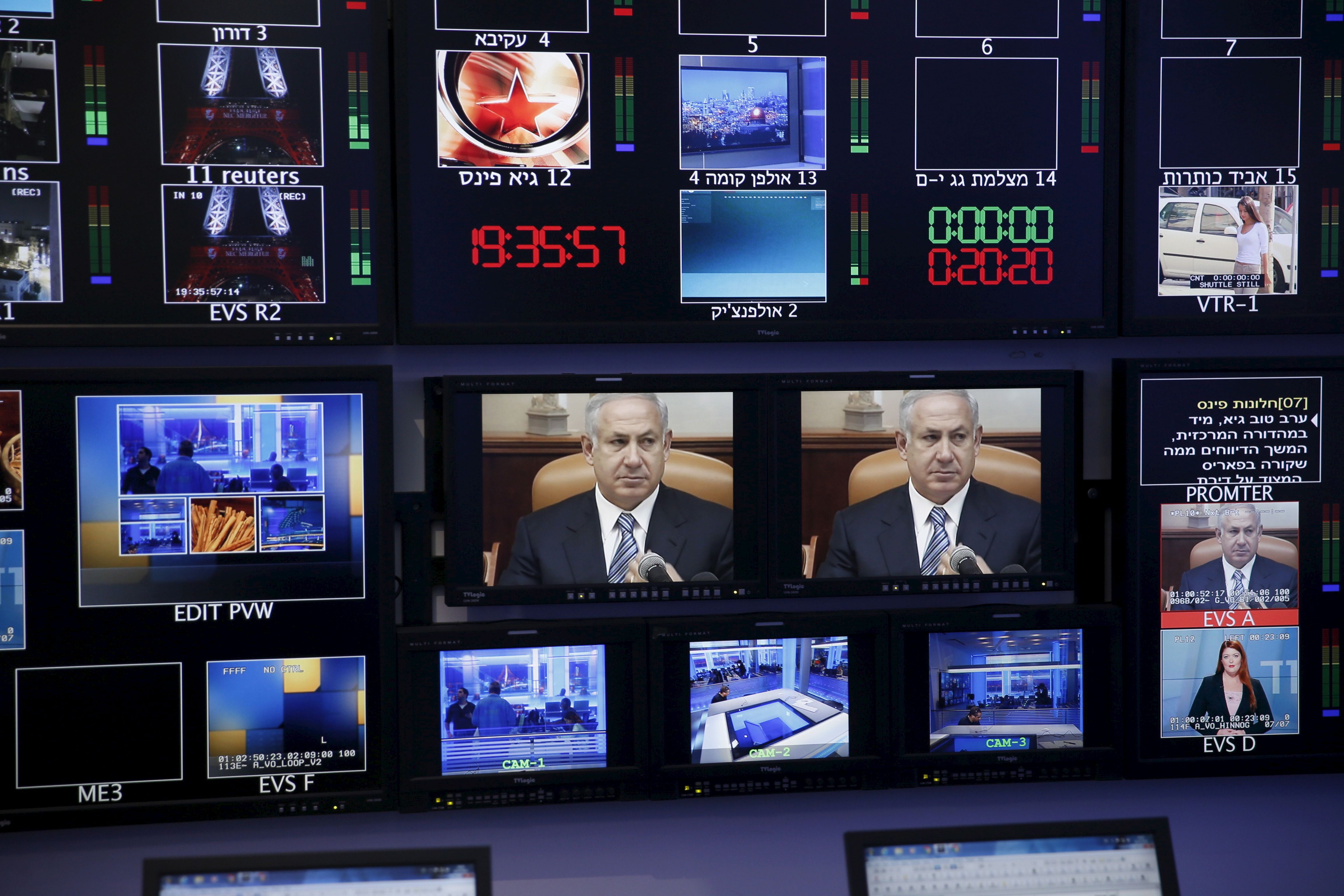
تتمسك إسرائيل بموقفها الزاعم من أن دخول الصحفيين قد يعرّض جنودها للخطر أو أن يكشف مواقع عسكرية حساسة. ويرى المختص في الإعلام الإسرائيلي، عصمت منصور، في تصريح لـ "مجلة الصحافة"، أنّ مبررات المؤسسة الإعلامية الإسرائيلية بشأن استمرار منع الصحفيين الأجانب من دخول غزة بعد الحرب، يأتي في سياق عدم انتهائها فعليًا وفق ما يورده الإعلام العبري، وهذا ما يقوله رئيس الوزراء بينيامين نيتنياهو، وأنه ما تزال حالة الخطر على حياة الصحفيين قائمة وأن سلامتهم مهددة.

 لكن أصواتًا سياسية وأمنية مُعارضة لهذا النهج من الداخل الإسرائيلي، بدأت تجد في أن مبرر "الأمن" لم يعد مقنعًا بعد مرور أكثر من عامين على الحرب وتوقف المعارك.

وللمفارقة، يذكر منصور أنّ البرامج الحوارية الإسرائيلية تُلمّح إلى أن الخطر على سلامة الصحفيين هو من جانب الفلسطينيين، مُتغافلةً في ذات الوقت الأعداد الهائلة التي قتلها الجيش الإسرائيلي من الصحفيين الفلسطينيين.

 وعلى ما يبدو فإن الضغط الدولي في هذا المضمار لن يؤثر في قرارات الحكومة الإسرائيلية للتعاطي إيجابيًا معه، رغم حرص إسرائيل على تحسين صورتها عالميًا، بوصفها واحة الحرية والديمقراطية في الشرق الأوسط. لذلك يرى منصور أنّ إسرائيل ستحاول إطالة أمد هذا المنع، حتى تجد ما ينشغل به العالم من أحداث تكون غطاءً لجرائمها (كما يحدث اليوم في إيران).

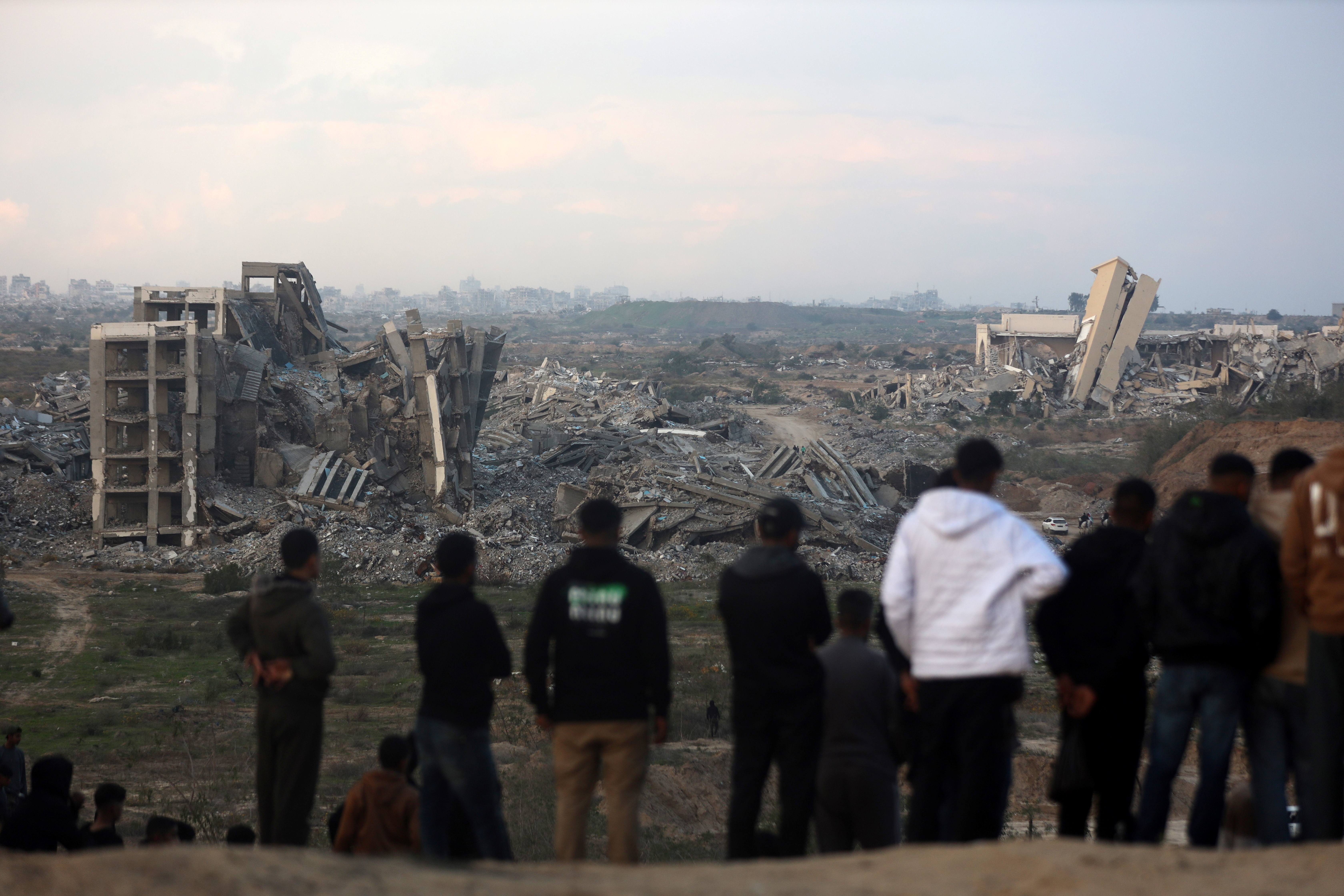
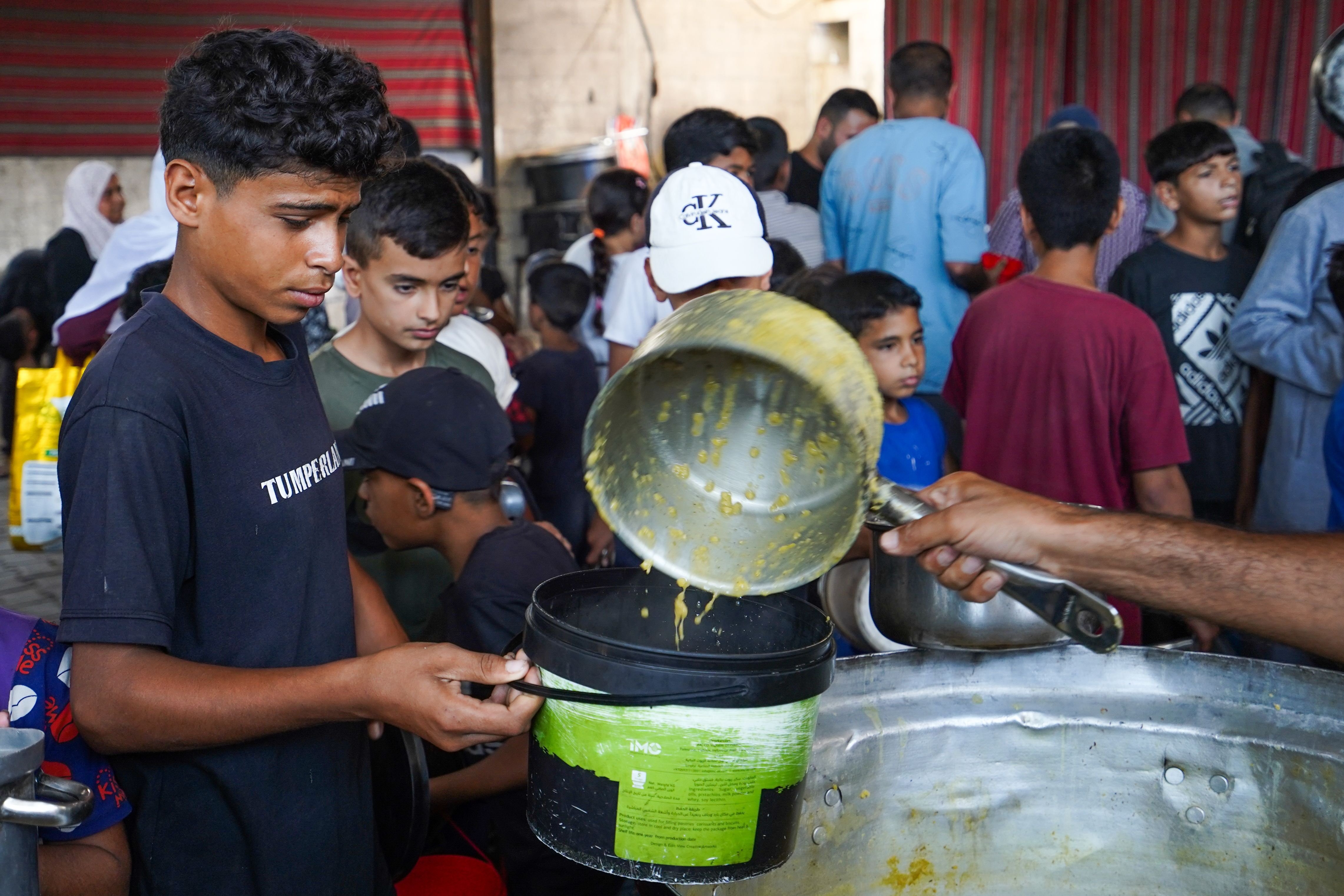
كما أنّ إسرائيل ستخشى من معايشة الصحفيين الدوليين للواقع في غزة عن كثب، والاطلاع على القصص الحقيقية من مصادرها، وتوثيق ما بعد الحرب؛ من حيث حجم الدمار الذي طال 90 بالمائة من مباني القطاع وبنيته التحتية (حسب بيانات المكتب الإعلامي الحكومي)، وطبيعة الأهداف التي ضُربت، وأوضاع الناجين، والشهادات الحيّة، لأن كل هذه المواد قد تُستخدم في تقارير دولية وتحقيقات قانونية، يشير منصور إلى أنها ستنقض رواية إسرائيل وتؤثر على صورتها عالميًا.

ولأجل ترميم صورتها تلك، بعد مجمل الانتقادات التي تلقتها، سمحت إسرائيل خلال الحرب لبعض الصحفيين بالتغطية بمرافقة قوات الجيش، وضمن مناطق يسيطر عليها، أو بتغطيات مفتوحة من داخل المدن الإسرائيلية نفسها، لكن هذه الازدواجية ما جاءت إلا من خلال سيطرتها التامة على فضائها الإعلامي وعبر سياسة مقص الرقيب وما يُسمح بنشره من الرقابة العسكرية. في المقابل تُركت غزة في عزلة تامة بوصفها في المنظور الإسرائيلي مساحة لا يمكن التحكم الكامل في سرديتها عند وجود صحفيين دوليين مستقلين.

لأجل ترميم صورتها، سمحت إسرائيل بعد مجمل الانتقادات التي تلقتها خلال الحرب لبعض الصحفيين بالتغطية بمرافقة قوات الجيش، وضمن مناطق يسيطر عليها، أو بتغطيات مفتوحة من داخل المدن الإسرائيلية نفسها، لكن هذه الازدواجية ما جاءت إلا من خلال سيطرتها التامة على فضائها الإعلامي وعبر سياسة ما يُسمح بنشره من الرقابة العسكرية.

 وبلا شك فإن هذه التغطيات المحدودة والتي تأتي تحت إشراف عسكري لا تلبي معايير الصحافة المستقلة والنزيهة التي تنحاز للإنسان أولاً، وتعمل في إطار المساءلة إلى جانب بناء خطاب عالمي مستنير يتعاطف مع الضحية لا الجلاد.

تأسيسًا على ما سبق، يؤكد منصور أن هذا المنع حجب كثيرًا من حقائق جرائم الاحتلال لأن تصل للعالم، وقد جنّبت نفسها الحرج والمواجهة مع منظمات حقوقية وإنسانية، لأن غياب وجود صحفيين من مؤسسات دولية يعني عدم وجود شاهد محايد في نظر الرأي العام الدولي.


"الدعاية المضادة"..

في هذا الإطار، تشير بعض وسائل الإعلام الإسرائيلية إلى هذا التخوف، حيث كشفت أن السماح بدخول الصحفيين الأجانب إلى قطاع غزّة سيؤدي إلى "تجديد الحرب ضد إسرائيل" عبر كشف حجم الدمار والفظائع التي ارتكبها الجيش ضد المدنيين هناك.

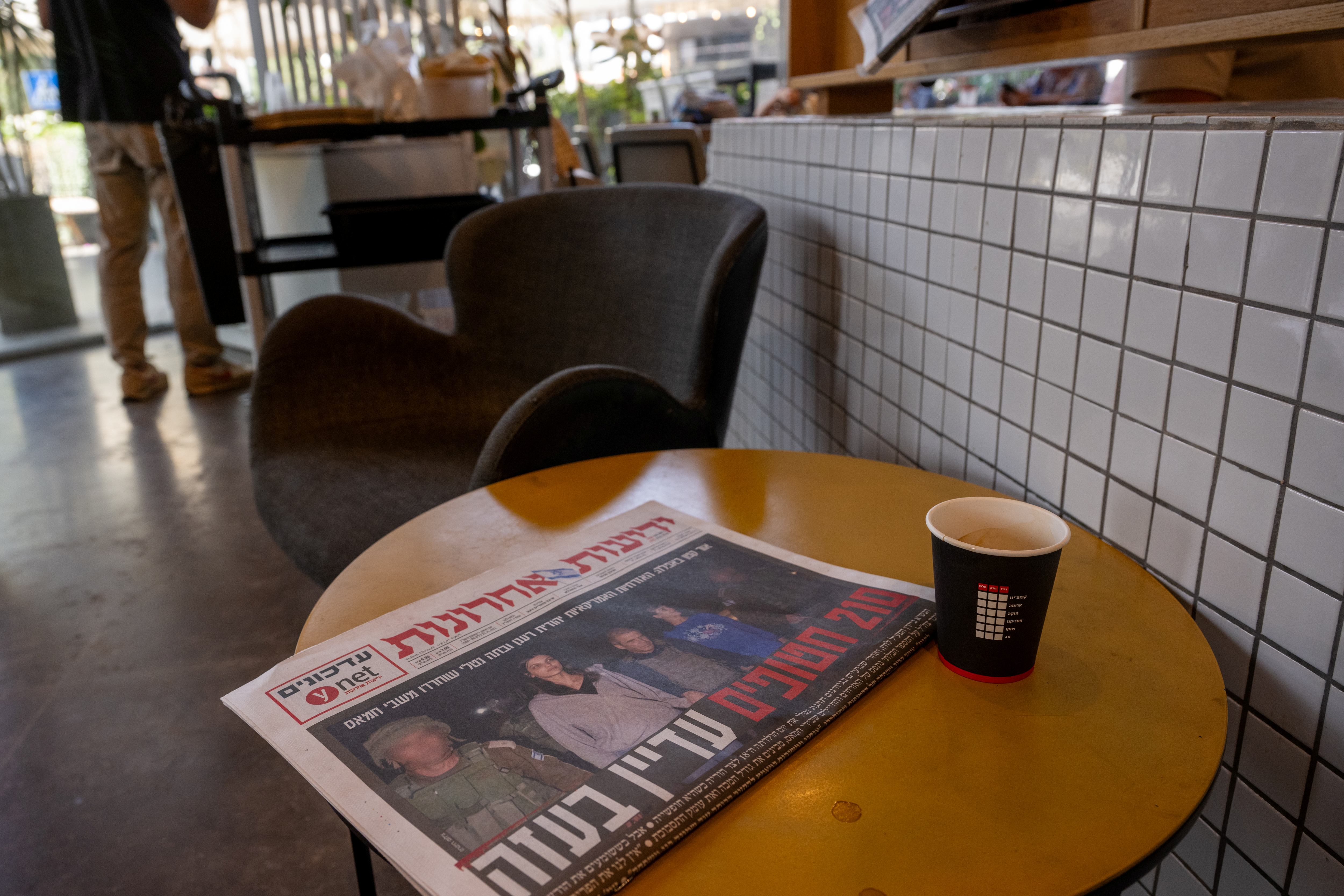
ففي 25 أكتوبر/ تشرين الأول 2025، ذكرت صحيفة معاريف العبرية أن الحرب انتهت ظاهريًا، لكن على إسرائيل الاستعداد لخوض حربٍ أخرى طويلة ومستمرة إذا ما فُتح قطاع غزّة أمام العالم.

الصحيفة ذاتها، أكدت أنه عندما تُفتح أبواب غزّة أمام الكاميرات لبثّ حجم الدمار في خانيونس ورفح وأحياء مدينة غزّة، ستواجه إسرائيل بما أسمته "تسونامي من الانتقادات والإدانات"، ما سيعيد تشكيل الوعي العالمي ضدها، محذّرة من "موجة مقاطعة جديدة تهدد صورة إسرائيل دوليًا".

وفي منتصف أكتوبر/ تشرين الأول 2025، نشرت صحيفة هآرتس تقريرًا يستعرض النقاشات التي جرت في إسرائيل حول دخول الصحفيين الأجانب إلى غزّة بعد وقف الحرب.

التقرير يؤكد أنّ السماح للصحافة الأجنبية بالدخول قد ينعكس سلبًا على صورة إسرائيل الدولية، ما دفع الجهات المعنية إلى التوصية بالتحضير المسبق عبر إعداد مواد إعلامية تروّج للرواية الإسرائيلية بشأن تبرير حجم الدمار وعدد القتلى.

كما يشير التقرير إلى أن الصور والمواد التي ستنشر من غزّة بعد دخول الصحفيين الأجانب، قد تضر بصورة إسرائيل الدولية، بل وقد تؤدي إلى تصاعد العداء ضد الإسرائيليين واليهود في دول مختلفة مستنتجا في مجمل التوصيات التي صاغتها الجهات المشاركة في النقاش على ضرورة الاستعداد لمرحلة دخول الصحافة الأجنبية، عبر تجهيز مواد إعلامية تدعم الموقف الإسرائيلي بشأن الدمار والضحايا في غزّة.

ذكرت صحيفة معاريف أنه عندما تُفتح أبواب غزّة أمام الكاميرات لبثّ حجم الدمار في خان يونس ورفح وأحياء مدينة غزّة، ستواجه إسرائيل بما أسمته "تسونامي من الانتقادات والإدانات"، ما سيعيد تشكيل الوعي العالمي ضدها، محذّرة من "موجة مقاطعة جديدة تهدد صورة إسرائيل دوليًا".

ازدواجية وفق المقاييس

بيد أن هذا القلق من اهتزاز صورة الاحتلال الإسرائيلي في المحافل الدولية، لم يدفع الإعلاميين الإسرائيليين إلى دعم تغطية وسائل الإعلام الدولية من داخل القطاع المحاصر. بل إن الملاحظ، حسب منصور، أنه داخل المؤسسات الصحفية ووسائل الإعلام الإسرائيلية لا يظهر أي انتقاد لهذه الازدواجية، بل على العكس، يسود نوع من التواطؤ في تكريسها، مع سعي واضح لتعزيز الرواية الرسمية، وغياب أي تضامن مع زملائهم.

لكن هذا التماهي بين قطاع واسع من الإعلاميين والحكومة لا يقف عند دعم القرار المتعلق بحجب غزة عن التغطية الدولية، بل يتجاوزه إلى التشكيك بمصداقية الصحفي الفلسطيني وإظهاره بصورة نمطية.

إنّ هذا التشكيك لا يستند إلى تفنيد مهني للتقارير والصور الواردة من القطاع، بل إلى نزع الشرعية عن المصدر نفسه، وفق إستراتيجية ممنهجة تعمل على حجب الصحافة الدولية أولاً، ثم التشكيك بالصحفي الفلسطيني، لتُفرض بعد ذلك رواية إسرائيلية كخيار وحيد "يجب الوثوق به".

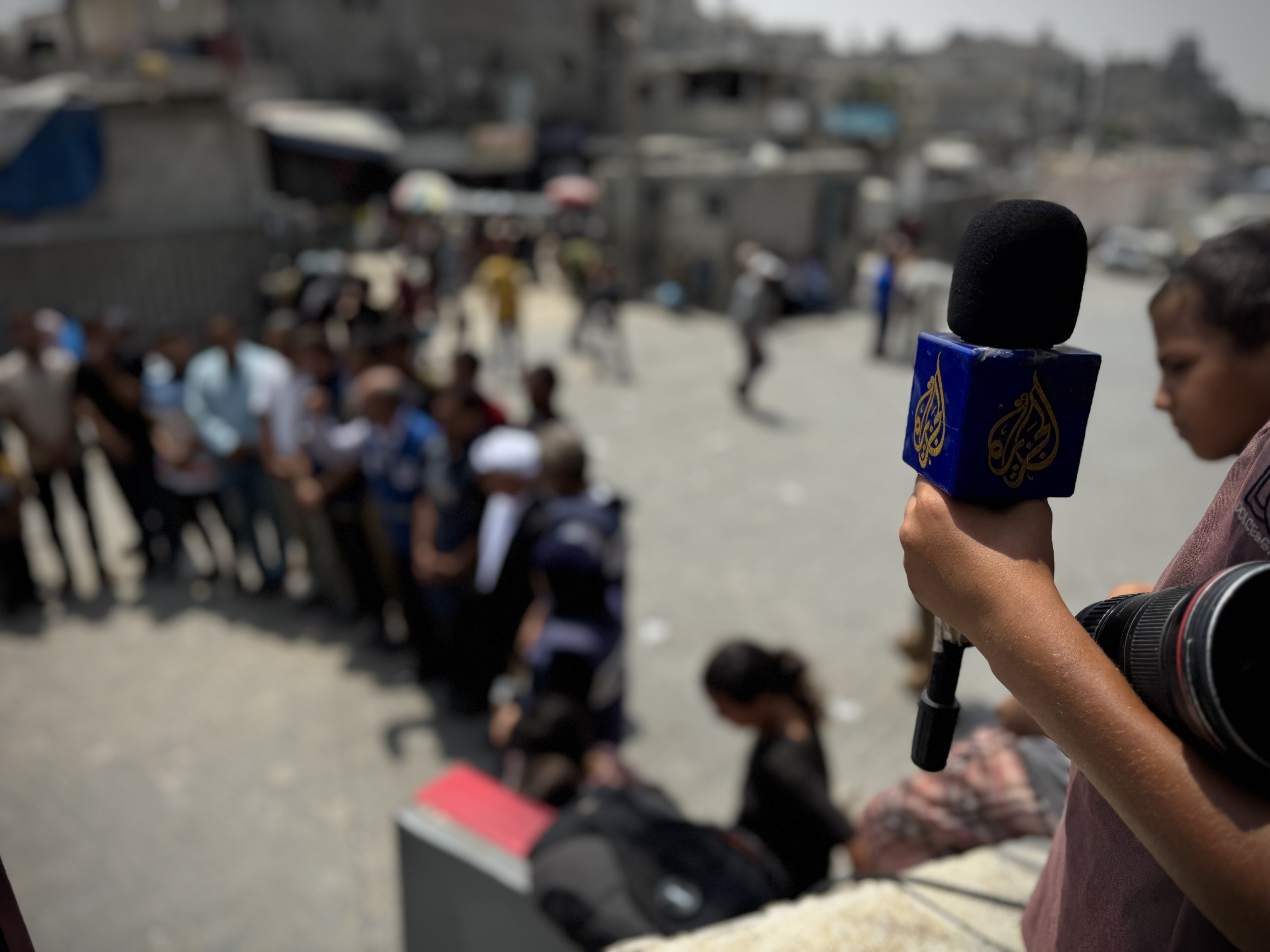
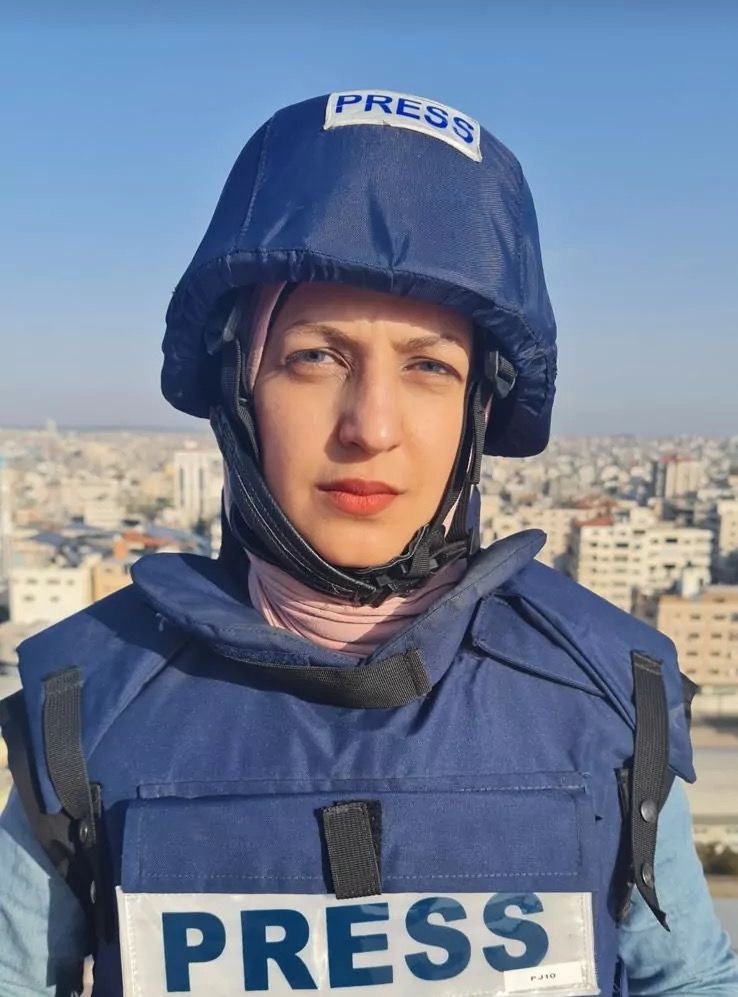
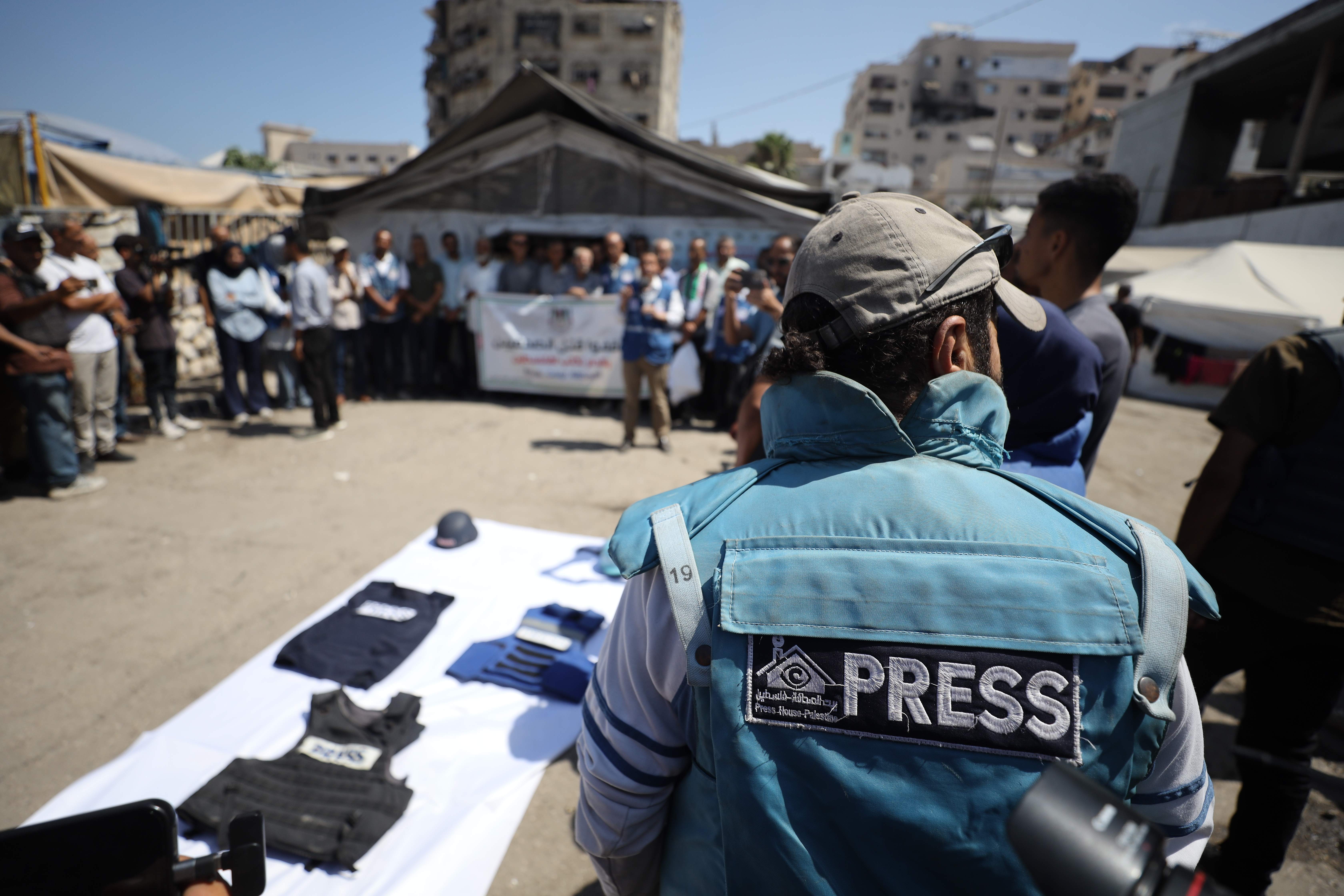
على الجانب الآخر، يواصل الصحفيون الفلسطينيون تغطية الأحداث وتداعيات الحرب من داخل القطاع بما يحمله ذلك من كلفةٍ باهظة، راح ضحيتها أكثر من 265 صحفيًا منذ بدء الحرب.

ولعل استمرار هذا الحظر بما يحمله من حجب عن أعين الصحافة الدولية، يعمّق بشكل أو بآخر من المخاطر المتزايدة على المراسلين من غزة، ويجعلهم المصدر الوحيد للمعلومات الميدانية، في ظل غياب آليات حماية دولية أو رقابة مستقلة للصحفيين، خاصة مع تزايد الخروقات الإسرائيلية لاتفاق وقف إطلاق النار.

وإلى جانب ما كشفه الصحفيون الفلسطينيون من جرائم بحق المدنيين لأكثر من عامين، باتوا منهكين من التغطية وتأثيراتها النفسية، لذلك فإن مشاركة صحفيين دوليين يقوي من عزيمتهم لاستمرار التغطية، وفق تصريح الصحفي الفلسطيني محمد الأسطل لـ"مجلة الصحافة".


تغييب الشهود

 إن السماح بدخول الصحفيين الدوليين إلى قطاع غزة والمشاركة في تقاسم العبء مع زملائهم من غزة، قد يدعم إيصال الحقيقة للعالم، لأنه في السياق الدولي لا يكفي أن تكون الرواية صحيحة، بل يجب أن تُروى عبر قنوات تحظى بثقة الجمهور المُوجهة له.

ميدانيًا، عمل الصحفي الأسطل خلال هذه الحرب -وفي حروب سابقة- مع عدد من وسائل الإعلام الدولية، وهو يدرك تمامًا "أهمية ما يضفيه الصحفي الأجنبي من انتشار للرواية الفلسطينية في الغرب".

وعلى ما يبدو فإن استمرار المنع يحمل معه تخوفًا من أن يكشف الصحفيون الأجانب أعدادًا أكثر للضحايا خلال الإبادة، إذ يؤكد الأسطل أن ما أعلن من إحصائيات حول عدد الشهداء والمفقودين يخفي وراءه أرقامًا أكبر وقصصًا إنسانية أكثر إيلامًا مما شاهده العالم، وهذه القصص لازالت مدفونة تحت الركام.

 ولذلك، تخشى إسرائيل، وفق الأسطل، من أن تُغيّر كل هذه الشهادات والوقائع والدلائل من مظلوميتها التي تسوقها للرأي العام العالمي بعد أحداث السابع من أكتوبر".

هذا التشكيك لا يستند إلى تفنيد مهني للتقارير والصور الواردة من القطاع، بل إلى نزع الشرعية عن المصدر نفسه، وفق إستراتيجية ممنهجة تعمل على حجب الصحافة الدولية أولاً، ثم التشكيك بالصحفي الفلسطيني، لتُفرض بعد ذلك رواية إسرائيلية كخيار وحيد "يجب الوثوق به".

ماذا يقول القانون الدولي؟

تؤكد أستاذة القانون الدولي في جامعة جالوي في إيرلندا الدكتور ميس قنديل، أن الصحفيين لابد أن يتمتعوا بالحماية الممنوحة للمدنيين، وقد كفل القانون الدولي الإنساني وخاصة مادة 79 من البروتوكول الأول بما يتضمن حمايتهم في مناطق النزاع المسلح دون تمييز بينهم، فضلاً عن توفير الحماية للصحفيين المشاركين في مهام مهنية خطيرة وهؤلاء لهم حماية مخصصة.

وتقول لـ"مجلة الصحافة" إن القانون الدولي منح الصحفيين المُطلعين بأعمال مهنية خطيرة حماية خاصة، وقد اعتبروا مدنيين بالمعنى المقصود في المادة 50 ولهم كامل نطاق الحماية في إطار القانون والحماية من آثار الأعمال العدائية والتعسفية التي قد يمارسها أي طرف في النزاع.

وتبرز قنديل عدم مشروعية القرارات الإسرائيلية الخاصة بمنع وسائل الإعلام الدولية من التغطية في الأراضي الفلسطينية، وتعارضه مع المعايير الدولية لحرية الصحافة كما أن مبدأ التناسب في القانون الدولي لا يمكن أن يتخذ كذريعة أمنية لمنع دخول الصحفيين إلى غزة أو إلغاء الحقوق المدنية الأساسية، أو تبرير تعليق الحريات العامة ومنها حرية الصحافة، تؤكد أستاذة القانون الدولي.

 بالمحصلة، لا يمكن اعتبار منع الصحافة الأجنبية من الدخول لقطاع غزة أثناء الحرب وما بعدها إجراءً أمنيًا مؤقتًا بقدر ما هو سياسة إسرائيلية ممنهجة تحاول إبقاء القطاع خارج بقعة الضوء، لأن هناك في إسرائيل من يعتقد أنّ إخفاء الحقيقة عن الجمهور قد يُخفي حقيقة الجرائم ذاتها.

وجود الصحافة.. هل يعني حتمية المساءلة؟

ورغم أهمية الصحافة محلية كانت أم دولية، في كشف جرائم الإبادة وتحقيق المساءلة وضمان عدم الافلات من العقاب، إلا أن ثمة من يرى أن وجودها لا يعني بالضرورة ضمان المساءلة، على اعتبار أنها تعمل ضمن منظومة سياسية واقتصادية وأخلاقية أوسع، وقد تُفرّغ من أدوارها المنوطة بها حين تغيب الإرادة الدولية لتحقيق ذلك.

تجربة الإبادة في رواندا عام 1994 تشكل نموذجًا على ذلك، حينما توفرت التغطية والتقارير الميدانية لوسائل الإعلام الدولية لكن دون فائدة.

وفي تجربة الحرب على أوكرانيا مثالاً صارخًا على أن الاهتمام الإعلامي الدولي في الغالب يخضع لمعايير انتقائية تتأثر بمصالح الدول الكبرى وعلاقاتها مع كيانات النفوذ.

ومع ذلك، فإن الإشارة إلى إخفاقات سابقة بهذا الصدد لا يعني توقف المطالبة بدخول الصحافة الأجنبية لغزة، ربما لأن الحالة الغزية تتطلب أصلاً تراكم الشهادات والأدلة لأي محاسبة مستقبلية.

ولأن الخلل لا يكمن في أدوار الصحافة وحدها، بل في المنظومة الدولية التي تقرر حدود التعاطي مع المجرم ومساءلته، إذ لا يكون السؤال هنا فقط: هل دخل الصحفيون لغزة أم لا؟ إنما أيضًا ما سيفعله العالم بما سينقلونه؟
Related Articles

October 7: The Battle for Narratives and the Forgotten Roots of Palestine

What is the difference between October 6th and October 7th? How did the media distort the historical context and mislead the public? Why did some Arab media strip the genocidal war from its roots? Is there an agenda behind highlighting the Israel-Hamas duality in news coverage?

Said El Hajji
Said El Hajji Published on: 21 Jan, 2025

More Articles

The Stringers Behind India’s Breaking News: No Contracts, Credit or Safety

Thousands of rural Indian freelance reporters, called "stringers," face low pay, police harassment, and total abandonment by the big TV networks that rely on them. These local journalists risk their lives to film breaking news like riots and rallies, but they work without contracts, insurance, or legal help when they get into trouble. This unfair system forces poor, small-town reporters to take on all the danger alone just to keep the national 24-hour news channels running.

Hanan Zaffa
Hanan Zaffar, Majid Alam Published on: 27 Jun, 2026
Why Have Print Newspapers Disappeared in Gaza?

The genocidal war has systematically devastated the media sector in the Gaza Strip. With the occupation destroying over 150 media organizations, printing presses have completely shut down, forcing all newspapers to shift entirely to digital coverage.

Mohamed Abu Shahma Published on: 24 Jun, 2026
Mohamed al-Khalidi and Marwa Muslim: Forgotten in Life, Vindicated in Death

The occupation killed journalists Mohamed al-Khalidi and Marwa Muslim as part of a systematic pattern of targeting the press, but throughout their careers they also faced neglect, marginalisation, and a lack of recognition. Colleague Maysoun Kahil tells their story, and asks why Palestinian journalists are so often honoured only after death, rather than supported in life.

Maysoun Kahil Published on: 17 Jun, 2026
The Double Ordeal of Freelance Journalists in Gaza

Independent journalists in Gaza face a dangerous double battle. Working without institutional protection or financial safety nets, they risk their lives to report the reality of war, overcoming severe resource shortages and systemic neglect to ensure the world hears the truth.

Noor Abu Rokba Published on: 14 Jun, 2026
The Left and the Right in One Front Against Journalism in South America

Journalism in Latin America is facing a crisis of hostility. In the age of political polarization, governments from both the left and the right are not merely managing states; they are actively harassing critical voices, imposing institutional censorship, and enforcing official narratives that attack independent media to silence disagreement and fake democracy across the region.

Noe Zavaleta
Noe Zavaleta Published on: 8 Jun, 2026
How Journalists are Combating Cybertroopers 

The brutal state crackdown in Đồng Tâm highlights a intensifying withdrawal from free expression in Vietnam, heavily driven by the regime's deployment of state-backed cyberarmies like Force 47. As these digital actors systematically intimidate and mass-report critics, tech giants like Meta further compound the issue by increasingly acquiescing to government censorship requests to protect market share. This coordinated digital assault leaves a dangerous gap in the global conversation, forcing independent journalists to navigate severe online hostility and risk arbitrary imprisonment just to expose state overreach.

AJR Contributor Published on: 25 May, 2026
Vases and Baby Diapers: War as Told by People, Not Politicians!

The analysis of field reporting during the war reveals a deep divide between distant geopolitical news and the actual human reality on the ground. This conflict between official media assignments and the lived experience will continue as journalists find themselves abandoning institutional scripts to focus instead on the raw details of daily survival and the preservation of personal memory.

Maram
Maram Humaid Published on: 21 May, 2026
Safety Strategies Female Journalists Use in Hostile Environments

Female journalists across Africa face layered physical, gender-based, digital, and psychological risks while covering protests, elections, conflict, and crises, forcing them to rely on hard-earned survival strategies as much as newsroom support.

Nigerian freelance Journalist John Chukwu
John Chukwu Published on: 14 May, 2026
The Afterlife of an Image: How Photojournalism Contests Shape Visibility and Responsibility

As photojournalism contests elevate certain images to global prominence, they also influence how violence, dignity, and memory are constructed in the public imagination.

Daniel Harper
Daniel Harper Published on: 5 May, 2026
Malawi Investigates Poor Pay and Working Conditions for Junior Journalists

Malawi’s investigation into poor pay for junior journalists exposes a deeper crisis where economic hardship is eroding media independence and forcing reporters to choose between ethical integrity and survival.

Benson Kunchezera Published on: 30 Apr, 2026
Journalism as a Struggle for Survival in Sudan

With war erupting in Sudan, the country’s media landscape collapsed almost overnight after the Rapid Support Forces entered Khartoum. Many journalists were left without jobs, salaries or shelter, scattered between displacement, exile and siege, as newspapers shut down and media institutions ceased to function. For many, journalism was no longer a profession but a daily struggle for survival.

Saif al-Din al-Bashir Ahmed Published on: 27 Apr, 2026
From Print to Pixels: How Small-Town Journalists in Bihar Are Surviving Threats and Closures

As newspapers vanish across districts like Siwan, Gaya, and Purnea, reporters turn to mobile phones, digital start-ups and community networks to keep local journalism alive.

Rehan Qayoom Mir. An independent journalist whose work has appeared in international and national outlets,
Rehan Qayoom Mir, Sajad Hameed Published on: 12 Apr, 2026
Arab Society and Investigative Journalism: The Dialectic of Culture, Power, and Profession

Investigative journalism in Arab societies operates within a dense web of social, political, and cultural pressures that often push journalists to balance truth-telling against survival, forcing them onto a precarious “razor’s edge.” Yet despite these constraints, moments of crisis can transform society itself from a source of pressure into a powerful ally, driving accountability and reigniting the pursuit of truth.

Musab Shawabkeh
Musab Al Shawabkeh Published on: 7 Apr, 2026
The Revolution That Framed Islam: How 1979 Shaped Western Media on Iran

The 1979 Revolution transformed how the Western world views and reports on Islam. What started as a confused attempt to understand a new religious movement has turned into a permanent media habit of framing Iran through the lens of conflict and suspicion.

Daniel Harper
Daniel Harper Published on: 4 Apr, 2026
The Challenge of Reporting in Chechnya

Independent journalism no longer exists as a functioning practice inside Chechnya. What remains is a profession rebuilt in exile, forced to operate at a distance from the very place it is meant to cover.

Rushda Fathima Khan
Rushda Fathima Khan Published on: 29 Mar, 2026
How AI Can Clean Messy Data; and Where It Can't

Normalising inconsistent, messy, or incomplete data is tedious and time-consuming, but essential. AI can handle grunt work, but editorial decisions remain with the journalist.

KA
Konstantinos Antonopoulos Published on: 21 Mar, 2026
Missiles Made of Words: How Western Media Narratives Shape the Iran–Israel–US Conflict

Western media coverage of the Iran–Israel–US conflict often functions as a weapon of war, using selective language that frames US and Israeli strikes as “self-defence” while depicting Iranian actions as "provocation". This linguistic framing normalises civilian casualties and helps manufacture public consent for military aggression by dehumanising certain populations.

Muqeet Mohammed Shah
Muqeet Mohammed Shah, Ifrah Khalil Kawa Published on: 14 Mar, 2026
How the Ethiopian Civil War Unleashed a Lethal Media Crackdown

There has been a widening crackdown on the media in Ethiopia since war erupted between the central government and Tigray’s regional authorities in 2020, and the pressure appears set to intensify as the country prepares for general elections in June.

Nalova Akua
Nalova Akua Published on: 9 Mar, 2026
Are Netanyahu's and Trump’s Speeches Shaping Western Media Framing?

As political speeches framed the 2026 U.S.–Israeli attack on Iran, segments of Western media echoed their language and narratives, illustrating how strategic rhetoric and news framing can shape public opinion and legitimise military action.

Shaimaa Al-Eisai
Shaimaa Al-Eisai Published on: 6 Mar, 2026
The Taboos of Journalism: A Fragility No One Dares to Expose

Does a journalist have the right to critique their own employer? It is a striking irony that they report on global crises while remaining silent about their own industry's fragility: stagnant wages, eroding professional values, and profit-driven ownership. Journalists must realize that confronting this internal rot is not just a right, but a necessity to save the profession from extinction.

Diana López Zuleta
Diana López Zuleta Published on: 24 Feb, 2026
Bilingual on Paper, Unbalanced on Air: English Journalism in a Francophone Cameroon

In a media landscape where French dominance dictates policy and airtime, English-speaking reporters in Cameroon are forced into a relentless cycle of improvisation, translation, and professional exhaustion. From the "desert-like" scarcity of English-speaking experts to newsrooms that offer no institutional support, this analysis explores how linguistic inequality hollows out the journalistic process, leaving vital stories untold and the promise of a bilingual nation unfulfilled.

Akem
Akem Nkwain Published on: 15 Feb, 2026
Reporting the Spectacle: Myanmar’s Manufactured Elections

Myanmar’s recent elections posed a profound challenge for journalists, who were forced to navigate between exposing a sham process and inadvertently legitimising it. With media repression intensifying, reporting became an act of resistance against the junta’s effort to control information and silence independent voices.

Annie Zaman
Annie Zaman Published on: 7 Feb, 2026
Public Hostility Toward Legacy Media in Bangladesh

The December 2025 arson attacks on Prothom Alo and The Daily Star marked a turning point for journalism in Bangladesh. As public anger replaces state control as the primary threat, reporters are reassessing personal safety, editorial judgement, and professional credibility in a political transition where journalism itself is increasingly treated as an enemy.

Arsalan Bukhari, an independent journalist based in India
Arsalan Bukhari Published on: 4 Feb, 2026
Migration Issues and the Framing Dilemma in Western Media

How does the Western press shape the migration narrative? Which journalistic frames dominate its coverage? And is reporting on anti-immigration protests neutral or ideologically charged? This analysis examines how segments of Western media echo far-right rhetoric, reinforcing xenophobic discourse through selective framing, language, and imagery.

Salma Saqr
Salma Saqr Published on: 31 Jan, 2026