
غوغل رئيسا للتحرير: هل نكتب للجمهور أم لمحركات البحث؟

غوغل رئيسا للتحرير: هل نكتب للجمهور أم لمحركات البحث؟

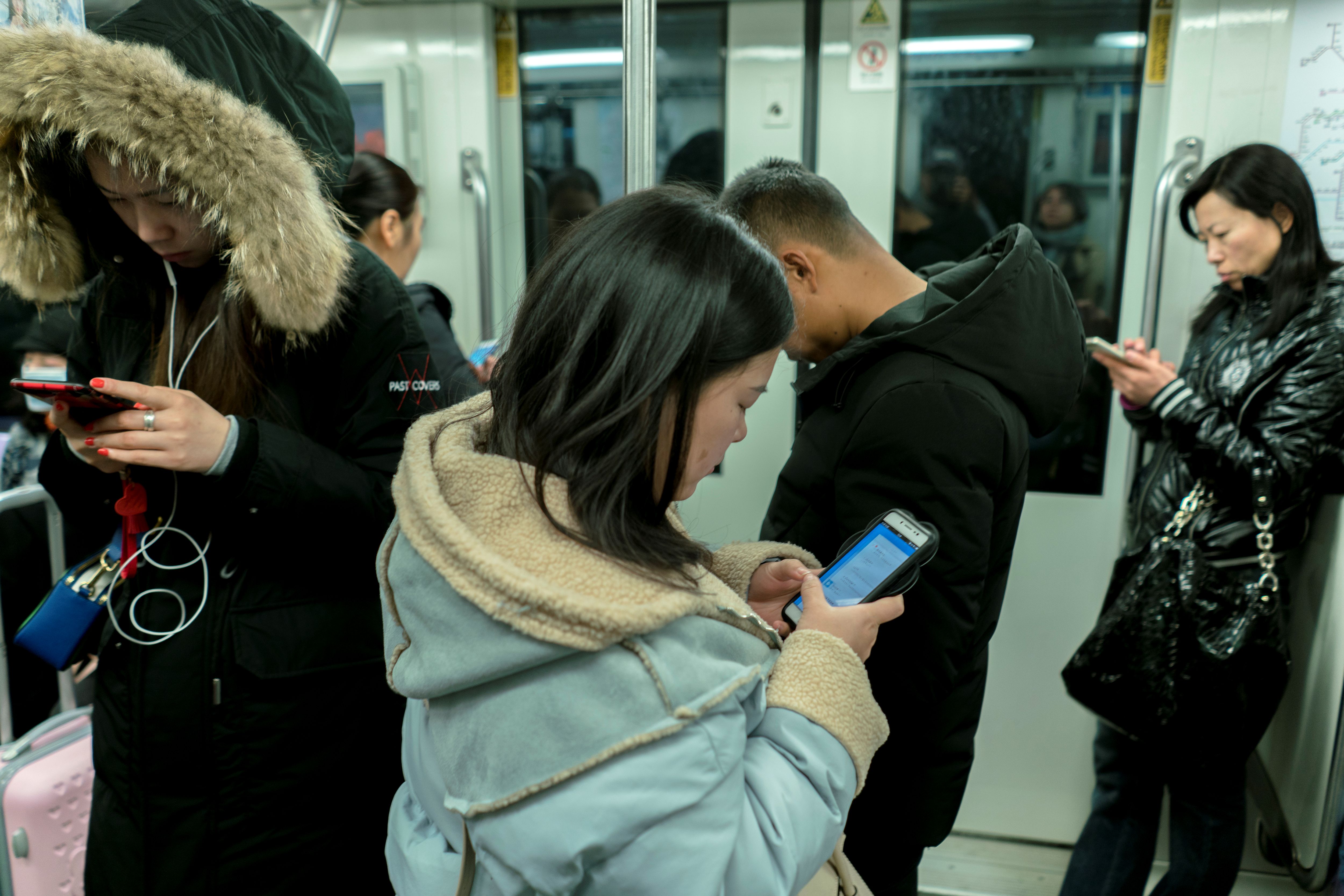
لنبدأ بسؤال: من أين يأتي القرّاء؟ كيف وصلتَ إلى هذا المقال وكيف وصل هذا المقال إلى علمك؟ قد تكون قارئا وفيا لمجلة الصحافة يطل على موقعها من حين إلى آخر، ويجوز أن تكون وصلت إلى هنا مدفوعا بسؤال ألقيته على محرك بحث أو بِداعٍ من فضول حرّكه فيك منشور على فيسبوك، أو ربما وصلتكَ رسالة في بريدك الإلكتروني تخبرك أن أحدهم نصّب غوغل رئيس تحرير علينا!

فأنت هنا وهناك بين مواقع الإنترنت –أفترض أنك تفتح عدة نوافذ في متصفحّك- إما من دون وساطة أي بعدما كتبت اسم الموقع الإلكتروني مباشرة في متصفّح الإنترنت، وهو ما يسمى بالوصول المباشر، وإما أنك وصلت إلى حيث أنت بواسطة من:

-        محركات البحث (ويسمى هذا الطريق البحث الأصيل أو العضوي).

-        الشبكات الاجتماعية (أقل أصالةً).

-        مواقع إنترنت أخرى (عبر رابط يحيلك من موقع إلى آخر).

-        النشرات البريدية.

-        قائمة المصادر التي تعقب الأجوبة في برامج الدردشة الموصولة بالإنترنت (مثل كوبايلوت Copilot أو جيميناي Gemini).

لكن الإحصاءات تقول إنك تزور كثيرا من المواقع أساسا قادما من محرك بحث؛ فحسب بيانات توزيع حصص السوق بين مختلف الوسائل  المذكورة في النقاط السابقة، فإن قرابة 53 في المئة من زوار المواقع يفدون عليها من معابر محركات البحث، و 81 في المئة يأتون من معبر غوغل. ولا يهمنا هنا سؤال هل وصول القارئ إلى ضالته نتيجة إعلان مدفوع في تلك المنصات أم لا، بقدر ما يهمنا أن تلك المنصات تفرض نفسها محطة عبور إلى كل موقع، وأساسا لمواقع الإعلام.

 من زاوية القارئ، هذا مسار سريع ومريح، يكفي أن يسأل غوغل عن أحوال الطقس أو الحروب أو نتائج المباريات فيحيله على أفضلها في لمح البصر. والآن، مع برامج الدردشة المزودة بالذكاء الاصطناعي صار كل مستخدم قادرا على الحصول على ما يريد حتى قبل أن يرتد إليه طرفه!

من زاوية الصحافة والتحرير هذا مسار معقد ومربك. تصدّر نتائج صفحة محرك بحث (Search Engine Results Pages) معضلة فعلية؛ لأن غوغل يفرض أحيانا ما يصل إلى 200 شرط  قبل أن يمنح موقعا تأشيرة الظهور في الصفحة الأولى للنتائج.

هذا النهج الواقعي من غوغل في التعاطي مع الأبحاث وترشيح مواقع دون أخرى، سيتسرّب إلى طريقة تعاطي الصحافة مع البيانات وإستراتيجياتها في تحقيق انتشار أكبر وتوسيع قاعدة قرائها ومشتركيها.


ما شروط غوغل لتصدّر نتائج البحث؟

يفرض غوغل نوعين من الشروط: تقنية وتحريرية. والنوعان مترابطان ومتداخلان. ترتبط الشروط التقنية أساسا بمعايير من قبيل سرعة تحميل الموقع والصفحات، ووضوح الصور، وتماسك الروابط الداخلية، وأحيانا أقدمية نطاق الإنترنت، وسعة الخوادم وغيرها.

أما المعايير التحريرية، التي تهمنا أكثر، فترتبط بمعايير تحريرية من يضعها ليس رئيس التحرير وإنما محرك البحث. وتتصل بأسئلة من مثل:

-  هل تمت تغطية موضوع البحث من الزوايا كلها؟

-  هل الكلمة المفتاح حاضرة في الرابط والعنوان ومقدمة المقال والفقرة الأولى؟

-  هل الروابط ضمن المقال مرتبطة بموضوعه؟

-  ما معدل البقاء في الصفحة؟ (كلما طال عُدَّ المقال "نتيجة جيّدة" ونجاحا لغوغل).

- هل المقال جزء من شبكة مقالات تغطي الموضوع من جوانب أخرى (يميز غوغل بين المقال الأساس (Cornerstone content) مثلا "تفاصيل صفقة لتبادل الأسرى بين المقاومة والاحتلال" ومقالات تابعة قد تحكي عن بعض كواليس المفاوضات أو أسماء بعض الأسرى أو ردود فعل عائلات...)

-  هل المقال مقدم في شكل نقاط واضحة ودقيقة؟

والبحث عن تلبية هذه المعايير هو منطلق ما يعرف في أدبيات التسويق والإعلام بـ"تحسين الترتيب بنتائج محركات البحث" (Search Engine Optimization)، التي تعني بكل بساطة العمل على استجابة المحتوى لأكبر عدد من شروط غوغل.

 وغوغل يرى إلى حد ما أن هذه الشروط هي ما يفترض أن يكون عليه أي محتوى يحترم نفسه، لكن المشكل هنا أن كثيرين صاروا قادرين على استنساخ تجارب عليلة في مضمونها، لكنها –شكلًا- مقدمة بالأشكال والصيغ التي يريدها غوغل. وبشكل عام، تهدف هذه الشروط إلى تشجيع الكتابة جوابا عن أبحاث المستخدمين أو نواياهم (User Intent) من وراء كل كلمة البحث.

وهذا النهج الواقعي من غوغل في التعاطي مع الأبحاث وترشيح مواقع دون أخرى، سيتسرّب إلى طريقة تعاطي الصحافة مع البيانات وإستراتيجياتها في تحقيق انتشار أكبر وتوسيع قاعدة قرائها ومشتركيها، وسط حيرة وممانعة وأسئلة عن كيفية توزيع الجهد بين رسالة الصحافة وأهدافها وما يبحث عنه الناس أو ما يريدونه منها.

يؤكد تقرير لنيويورك تايمز أن قصة تحقق 100 ألف مشاهدة أو 200 ألف مشاهدة تجعل القارئ يشعر بأنه يحصل على تفاصيل وتحليل لا يجدهما في مكان آخر هي أكثر قيمة بالنسبة للصحيفة من خبر مسلٍّ ينتشر كالنار في الهشيم وقلّما يغري أحدا بالاشتراك.


حيرة نيويورك تايمز

سنة 2017، خلصت صحيفة نيويورك تايمز إلى أنها "تخصص نسبة كبيرة من الموارد لقصص يقرؤها عدد قليل نسبيا من القراء" وإلى أن "قرّاءها متعطشون لقراءة نصائح من التايمز". تقصد بالنصائح الإرشادات والتوجيهات التي تساعد الإنسان في معاشه اليومي (ماذا أرتدي لهذا الحفل؟ كيف أطبخ الحريرة؟ كيف أكتب رسالة وداع...).

كانت الصحيفة قد كلّفت مجموعة مكونة من سبعة صحفيين في تلك السنة بكتابة تقرير يستكشف مدى قدرة الصحيفة على تحقيق أهدافها المسطرة برسم سنة 2020، وفي صلب تلك الأهداف مضاعفة أرباحها من الاشتراكات لتصل إلى 800 مليون دولار.

رجّح التقرير أن تعجز صحيفة تايمز عن مضاعفة أرباحها إذا "'ما واصلت ببساطة تحسين أدائها فيما تحسن القيام به مسبقا"، موصيا بتخصيص حيّز أكبر للمقالات التي تقدم نصائح للناس وإرشادات عملية لري عطش القرّاء إلى الأجناس الخدماتية، حسبما رصد معدو التقرير مما قلّبوا من بيانات وآراء. تعكس لغة التقرير، رغم ذلك، ممانعة صامتة أو حيرة في التعاطي مع الحقائق التي تأتي بها البيانات عمّا يريده القراء.

مثلا، من ناحية يؤكد التقرير أن قصة تحقق 100 ألف مشاهدة أو 200 ألف مشاهدة تجعل القارئ يشعر بأنه يحصل على تفاصيل وتحليل لا يجدهما في مكان آخر هي أكثر قيمة بالنسبة للصحيفة من خبر مسلٍّ ينتشر كالنار في الهشيم وقلّما يغري أحدا بالاشتراك، هذا إن أغرى من أحد أصلا. ثم يعترف التقرير في فقرة لاحقة بأن "تحقيق التوازن المطلوب صعب"، فـ"نحن لا نبحث عن اعتبار حجم الجمهور دليلا على قيمة العمل الصحفي ولا نحن نريد العودة للأيام التي كنا نقنع فيها أنفسنا بأن المادة الصحفية قيّمة لمجرّد أنها نُشرت على صفحات ذا نيويورك تايمز".  


نموذج لحاجات القراء

حيرة شبيهة انتهت بمسؤول النمو الرقمي السابق بالخدمة العالمية لهيئة الإذاعة البريطانية بي بي سي، ديميتري شيشكين، إلى تصميم نموذج لحاجات القراء بعد أن لَحِظ أن 70 في المئة من المحتوى المنتج موجه لتقديم "المستجدات"، بينما عدد مشاهدات هذه "المستجدات" لا يتجاوز 7 في المئة!  أي إن جهد المؤسسة الإعلامية في واد وما يبحث عنه جمهورها في واد آخر.

لتحقيق "التوازن الصعب" بكلمات نيويورك تايمز، اقترح شيشكين نموذجا لحاجات القراء ينقسم إلى حاجات "عاطفية" وأخرى "عملية". ووضع في قسم الحاجات العاطفية "الإلهام" و"التسلية" و"التعلّم"، وفي قسم الحاجات العملية "تتبع المستجدات"، و"معرفة الاتجاهات السائدة" (تريندز)، و"استكشاف آفاق جديدة". (سيُحدّث شيكشكين تقسيم هذا النموذج لاحقا منهجيا، لكن من دون الخروج عن هذه التصنيفات كثيرا.

يعطي شيشكين مثالا قويا على تغيير مقاربة المؤسسة في التعاطي مع الموضوعات لتستطيع جذب فئات مختلفة بدلا من تركيزها على تقديم الموضوعات في صيغة مستجدات جافة، بخبر فوز  إيمانويل ماكرون بأول عهدة رئاسية له سنة 2017. "هذا الخبر قد لا يكون مهما لقرّاء في دول عديدة من العالم بهذا الشكل؛ لذا قدمنا الخبر من زاوية أن ماكرون هو أصغر الرؤساء في العالم، والأصغر منذ نابوليون بونابارت في فرنسا، إلى جانب لائحة بأصغر زعماء العالم سنا".

يمكن للصحافة أن تلعب مع الكبار بأساليبهم. يكفي أن تفهم رغبات الجمهور الخاص بها وتقسمه إلى فئات وتقطع مع فكرة النظر إلى الجمهور على أنه كتلة صمّاء لوجوه متشابهة، مع اقتراح خدماتها الخاصة يقدم تجربة إبحار في الأخبار ماتعة وتستبق بقدر الممكن ما يبحث عنه قرّاؤها.


القفز على غوغل

وفي الواقع، تظل الشبكات الإعلامية الكبرى مثل بي بي سي والجزيرة وسي أن أن أقدر على مواجهة تحديات محركات البحث وجدران عمالقة التكنولوجيا من غيرها، ولا سيما بالرهان على سمعتها ورصيدها لتحويل قرائها إلى مشتركين وربطهم مع تطبيقاتها الهاتفية أو خدماتها على مواقعها على الإنترنت مباشرة، ثم الذهاب لغزو قاعدة جديدة من القراء، وربطها من جديد مباشرة بخدماتها.بالمقابل، تواجه وسائل الإعلام الأصغر حجما التي تعتمد على الزيارات القادمة من محركات البحث والشبكات الاجتماعية تحديا أصعب؛  فتجد نفسها في حرب مفروضة مع كبار السوق، سواء من شركات التكنولوجيا أو الشركات الإعلامية المنافسة.

لا يوجد حل سحري لوضع معقد، ولا يمكن للصحافة أن تصعد إلى برج عاجي وتنتظر توافد المريدين، لكن بإمكانها القفز على جدران الكبار بالتزام بعض المبادئ:

-        تقديم محتوى رفيع وعالي الجودة.

-        الحرص على إنتاج محتويات "تُستهلك بالكامل".

-        تحليل البيانات الخاصة بسلوك القرّاء وأنماط استهلاك المحتوى (متى وكيف ولكم من الوقت..) وترتيب نتائج عن ذلك.

يمكن للصحافة أن تلعب مع الكبار بأساليبهم. يكفي أن تفهم رغبات الجمهور الخاص بها وتقسمه إلى فئات وتقطع مع فكرة النظر إلى الجمهور على أنه كتلة صمّاء لوجوه متشابهة، مع اقتراح خدماتها الخاصة (تطبيق هاتفي) يقدم تجربة إبحار في الأخبار ماتعة وتستبق بقدر الممكن ما يبحث عنه قرّاؤها.

لا تحتاج الصحافة للركض وراء علامات الإعجاب والانتشار على حساب الجودة، إذا التزمت فعليّا بالجودة، ودافعت بعد ذلك عن حقوقها في الملكية الفكرية، ولا سيما لدى الجيل الجديد من محركات البحث التحاورية (كوبايلوت، تشات جي بي تي، جيميناي)، التي لم تعد تنقل القارئ إلى الموقع أصلا، وإنما تحبسه عندها وتطعمه من أخبارك!
More Articles

Docudrama: Aesthetic Narration as an Alternative to the Missing Camera!

The use of drama in documentaries sparks a debate between fears of fabrication and the celebration of filling gaps left by missing visual archives. This hybrid format occupies a middle ground, merging emotional impact with documentary reality. Its use requires strict ethical constraints to prevent deception. With the rise of digital platforms, "docudrama" has transcended the rigid limits of television, venturing into new creative and cinematic horizons.

Hani Bishr Published on: 13 Sep, 2026
Moroccan Journalism Between State Support and Market Dominance: Can the “Information Economy” Save the Profession?

Moroccan journalism remains trapped between state dependency and market pressure, and its survival may depend on turning information into sustainable public value rather than cheap content for clicks.

Anas al-Shaara Published on: 24 Aug, 2026
Anas al-Sharif: “I am the owner of a cause before I am a journalist”

From documenting the occupation's crimes on social media platforms to covering the war of genocide on Al Jazeera, journalist Anas Al-Sharif defied harsh field conditions and the lenses of snipers. He lost his father and a number of his loved ones, yet he chose to convey the "Palestinian narrative to the world." In this interview, we get to know the face and features of a Palestinian journalist stripped of protection and faithful to the belief that "coverage continues."

Anas al-Sharif Published on: 10 Aug, 2026
As in Rwanda: Can the Israeli Press Be Prosecuted for Participation in Genocide?

Israeli media incitement has helped frame Palestinian journalists as security threats, weakening their legal and professional protection and legitimising attacks against them. Legal accountability is possible through the ICC, universal jurisdiction, and professional pressure against journalists and outlets that incite violence.

Nasser Adnan Thabet Published on: 8 Aug, 2026
Can Africa’s Media Decolonise Climate Story?

Despite efforts in combating climate change and finding climate solutions in the Africa, the continent’s climate story is still told through the lens of colonisation. The dominant stories centre on the victimhood; especially during climate disasters. Such stories don’t mention the side of the continent’s efforts to adapt to climate change.

Jean-Pierre Afadhali Kenyan journalist
Jean-Pierre Afadhali Published on: 21 Jul, 2026
The Phenomenon of “News Avoidance”: Have We Come to Know More Than We Should?

Audiences are increasingly avoiding the news as the constant flow of crises, violence, and tragic human stories creates psychological exhaustion and anxiety. Media outlets need to respond with more responsible editorial choices, stronger media literacy, and coverage that balances urgent events with constructive, humane, and less harmful storytelling.

Wessam Kamal Published on: 17 Jul, 2026
In Gaza… Testimonies That Have Not Been Told

Beyond the frontline dangers, reporting during the Israeli war involves enduring arrest, torture, systematic incitement, and assassination. This reality forces journalists into a relentless struggle to keep reporting from the depths of mass displacement, starvation, and a complete breakdown of daily infrastructure.

Mohamed Abu Qamar Published on: 8 Jul, 2026
When Modi’s Managed Media Met Europe’s Press

A brief, viral exchange in Oslo between Prime Minister Narendra Modi and a Norwegian journalist has exposed the widening gap between India's tightly controlled media environment and traditional adversarial press culture. Over the past decade, open, unscripted scrutiny has increasingly been replaced by carefully managed public relations, image-driven interviews, and direct digital reach. This systemic shift has reshaped the broader landscape of Indian news media, creating a culture of forced deference that prioritises political showmanship over holding power accountable.

Arsalan Bukhari, an independent journalist based in India
Arsalan Bukhari, Mehrunnisa Maryam Published on: 5 Jul, 2026
The Left and the Right in One Front Against Journalism in South America

Journalism in Latin America is facing a crisis of hostility. In the age of political polarization, governments from both the left and the right are not merely managing states; they are actively harassing critical voices, imposing institutional censorship, and enforcing official narratives that attack independent media to silence disagreement and fake democracy across the region.

Noe Zavaleta
Noe Zavaleta Published on: 8 Jun, 2026
Humanitarian Storytelling: Reclaiming Voice in Crisis Reporting

Humanitarian storytelling is evolving. In the age of algorithmic amplification, humanitarian organisations are not merely sharing aid updates; they work side by side with responsible media; they are providing accountability, combating harmful narratives, and demonstrating the human reality behind the crisis and news headlines.

Shereen Nanish. A media consultant from Palestine/Jordan with over 10 years of experience in journalism and humanitarian communications. Based in Germany.
Shereen Nanish Published on: 1 Jun, 2026
On the Misunderstanding Between Media and Diplomacy

The analysis of international crisis coverage reveals a clear structural gap between the immediate, simplified narratives produced by the media and the slow, complex processes of diplomacy. The tension between the two fields appears set to persist as reporters are forced to trade detailed, long-term tracking of negotiation for fast-paced, dramatic framing and the immediate demands of the attention economy.

Said Al-Azri
Said Al-Azri Published on: 28 May, 2026
How Journalists are Combating Cybertroopers 

The brutal state crackdown in Đồng Tâm highlights a intensifying withdrawal from free expression in Vietnam, heavily driven by the regime's deployment of state-backed cyberarmies like Force 47. As these digital actors systematically intimidate and mass-report critics, tech giants like Meta further compound the issue by increasingly acquiescing to government censorship requests to protect market share. This coordinated digital assault leaves a dangerous gap in the global conversation, forcing independent journalists to navigate severe online hostility and risk arbitrary imprisonment just to expose state overreach.

AJR Contributor Published on: 25 May, 2026
Journalism After the Genocide in Gaza: One War Has Ended, and Other Wars Have Begun!

The post-ceasefire reality for Gaza’s journalists reveals a challenging shift from documenting active daily bombardment to navigating an overwhelming landscape of community and structural ruin. The pressure on reporters appears set to escalate as they struggle to rebuild their own lives from absolute zero while fighting to ensure that ongoing human suffering, systemic displacement, and political marginalization are accurately documented and held to account.

Yousef Fares
Yousef Fares Published on: 17 May, 2026
US-Iran Islamabad Talks: How Journalists Report from Outside Closed Doors

The "Islamabad Talks" highlight a growing contradiction in modern diplomacy where journalists are physically present but denied direct access to negotiations. The pressure on transparency appears set to intensify as reporters are forced to trade traditional eyewitnessing for outside in investigation and geopolitical speculation.

Anam Hussain
Anam Hussain Published on: 2 May, 2026
Can Artificial Intelligence Become a Documentary Film Director?

AI opens new possibilities in documentary filmmaking, from sorting archives to speeding up production. But documentary is not built on technology alone: it depends on the director’s vision, creativity, and ability to shape meaning. Can AI, for instance, make a film like Ordinary Fascism?

Bashar Hamdan, investigative producer and documentary filmmaker at Al Jazeera Media Network
Bashar Hamdan Published on: 23 Apr, 2026
When Speaking Up Backfires: How Social Conformity Silences Journalists

While state censorship remains a reality, freedom of speech in Africa faces a rising internal threat: the community itself. This article examines how social conformity, digital echo chambers, and ingrained bias create a modern "chilling effect". This pressure forces journalists to choose between aligning with popular narratives or facing professional and social marginalisation.

Derick Matsengarwodzi
Derick Matsengarwodzi Published on: 16 Apr, 2026
Has the Global South Benefited from the Digital Transformation?

Despite the promise of digital technologies to amplify voices and expand media reach in the Global South, structural barriers, such as political repression, technological dependency, and persistent digital divides, continue to limit their impact. Real progress requires not only technological adoption but also institutional reform, stronger journalistic capacity, and independent ethical frameworks to challenge dominant Western media narratives.

Al-Shafi Abtidon
Al-Shafi Abtidon Published on: 18 Mar, 2026
Missiles Made of Words: How Western Media Narratives Shape the Iran–Israel–US Conflict

Western media coverage of the Iran–Israel–US conflict often functions as a weapon of war, using selective language that frames US and Israeli strikes as “self-defence” while depicting Iranian actions as "provocation". This linguistic framing normalises civilian casualties and helps manufacture public consent for military aggression by dehumanising certain populations.

Muqeet Mohammed Shah
Muqeet Mohammed Shah, Ifrah Khalil Kawa Published on: 14 Mar, 2026
How the Ethiopian Civil War Unleashed a Lethal Media Crackdown

There has been a widening crackdown on the media in Ethiopia since war erupted between the central government and Tigray’s regional authorities in 2020, and the pressure appears set to intensify as the country prepares for general elections in June.

Nalova Akua
Nalova Akua Published on: 9 Mar, 2026
Are Netanyahu's and Trump’s Speeches Shaping Western Media Framing?

As political speeches framed the 2026 U.S.–Israeli attack on Iran, segments of Western media echoed their language and narratives, illustrating how strategic rhetoric and news framing can shape public opinion and legitimise military action.

Shaimaa Al-Eisai
Shaimaa Al-Eisai Published on: 6 Mar, 2026
Journalism in Gaza… A Race Against the Train of Genocide

In the following account, Amira Nassar presents a narrative filled with intricate detail, intimate exchanges, and an unyielding struggle over the meaning of writing amid slaughter and starvation. Part of The Journalism Review’s documentary project recording the testimonies of journalists in Palestine and the Gaza Strip during the ongoing genocide, it stands as a testament against oblivion and the machinery of extermination.

Amira Nassar
Amira Nassar Published on: 27 Feb, 2026
Kukurigo: Revolutionising news in Zimbabwe's WhatsApp era

The emergence of Kukurigo during Zimbabwe’s 2018 elections marked a turning point for digital journalism, transforming WhatsApp from a hub for misinformation into a vital platform for verified news. By leveraging the app’s low data costs, this grassroots initiative bridged the information gap for under-resourced communities, establishing a new model for media credibility and public service within an unstable political landscape.

Enock Muchinjo
Enock Muchinjo Published on: 19 Feb, 2026
The Epstein Files and the Art of Drowning the Truth

The mass release of millions of files related to Jeffrey Epstein serves as a metaphor for a wider crisis of the digital age: an overabundance of information that obscures rather than illuminates the truth. In an era where data floods replace traditional censorship, citizens risk becoming less informed, underscoring the vital role of professional journalism in filtering noise into meaningful knowledge.

Ilya إيليا توبر 
Ilya U Topper Published on: 12 Feb, 2026
Reporting the Spectacle: Myanmar’s Manufactured Elections

Myanmar’s recent elections posed a profound challenge for journalists, who were forced to navigate between exposing a sham process and inadvertently legitimising it. With media repression intensifying, reporting became an act of resistance against the junta’s effort to control information and silence independent voices.

Annie Zaman
Annie Zaman Published on: 7 Feb, 2026