"الصحفي المواطن" وغواية "المواطن الصحفي"

"الصحفي المواطن" وغواية "المواطن الصحفي"

أحد أكثر المفاهيم الإعلامية التي استحوذت على الاهتمام خلال العقدين الماضيين هو مفهوم "المواطن الصحفي" (Citizen Journalist): ذلك الفرد الذي أصبح، بفضل الثورة الرقمية، قادراً على جمع الأخبار وتصويرها ونشرها خارج المؤسسات الإعلامية التقليدية. وقد تناولت مئات الدراسات أثر هذه الظاهرة في توسيع المجال العام، وكسر احتكار المؤسسات الإعلامية للمعلومة، وتعزيز المشاركة المجتمعية، وخاصة في أوقات الأزمات والحراكات المجتمعية والحروب والكوارث.

غير أن الانشغال ببريق الصعود المتسارع لـ"المواطن الصحفي" لم يقابله اشتغال بظاهرة مقابلة تستحق الدراسة والاهتمام: تراجع دور "الصحفي المواطن". ففي الوقت الذي أتاحت فيه الثورة الرقمية للمواطن الاقتراب من بعض وظائف الصحافة، أخذ قطاع من الصحفيين يبتعد عن الوظيفة العامة للمهنة، منجذباً إلى منطق المنصات والخوارزميات، وإغراء الشهرة، واقتصاد الانتباه. وهنا تتجلى مفارقة الإعلام المعاصر: مواطن يتقدم نحو ممارسة الدور الصحفي، وصحفي يتراجع عن مسؤوليته المدنية وعن موقعه بوصفه حارساً للمجال العام.


ظهور المواطن الصحفي

ارتبط شيوع مفهوم "المواطن الصحفي" بالتحولات التي أحدثها الإنترنت في إنتاج الأخبار وتداولها، مع أن جذوره تسبق البيئة الرقمية، ويمكن تلمسها في الصحافة البديلة، والإذاعات المجتمعية، ومساهمات الجمهور في وسائل الإعلام. وقد مثّلت تجربة موقع (OhmyNews) في كوريا الجنوبية محطة رئيسية في بلورة المفهوم بصورته المعاصرة، عندما أسّس الصحفي الكوري أوه يون-هو (Oh Yeon-ho) الموقع عام 2000، رافعاً شعار "كل مواطن مراسل"، وأتاح للجمهور إنتاج مواد إخبارية تخضع للمراجعة والتحرير قبل نشرها. ورغم صعوبة تعقب التاريخ الدقيق لظهور المفهوم ونسبته إلى أصل كوري بصورة مطلقة، يصح القول إن التجربة الكورية أسهمت في تحويله إلى نموذج إعلامي رقمي منظم ذاع عالمياً.

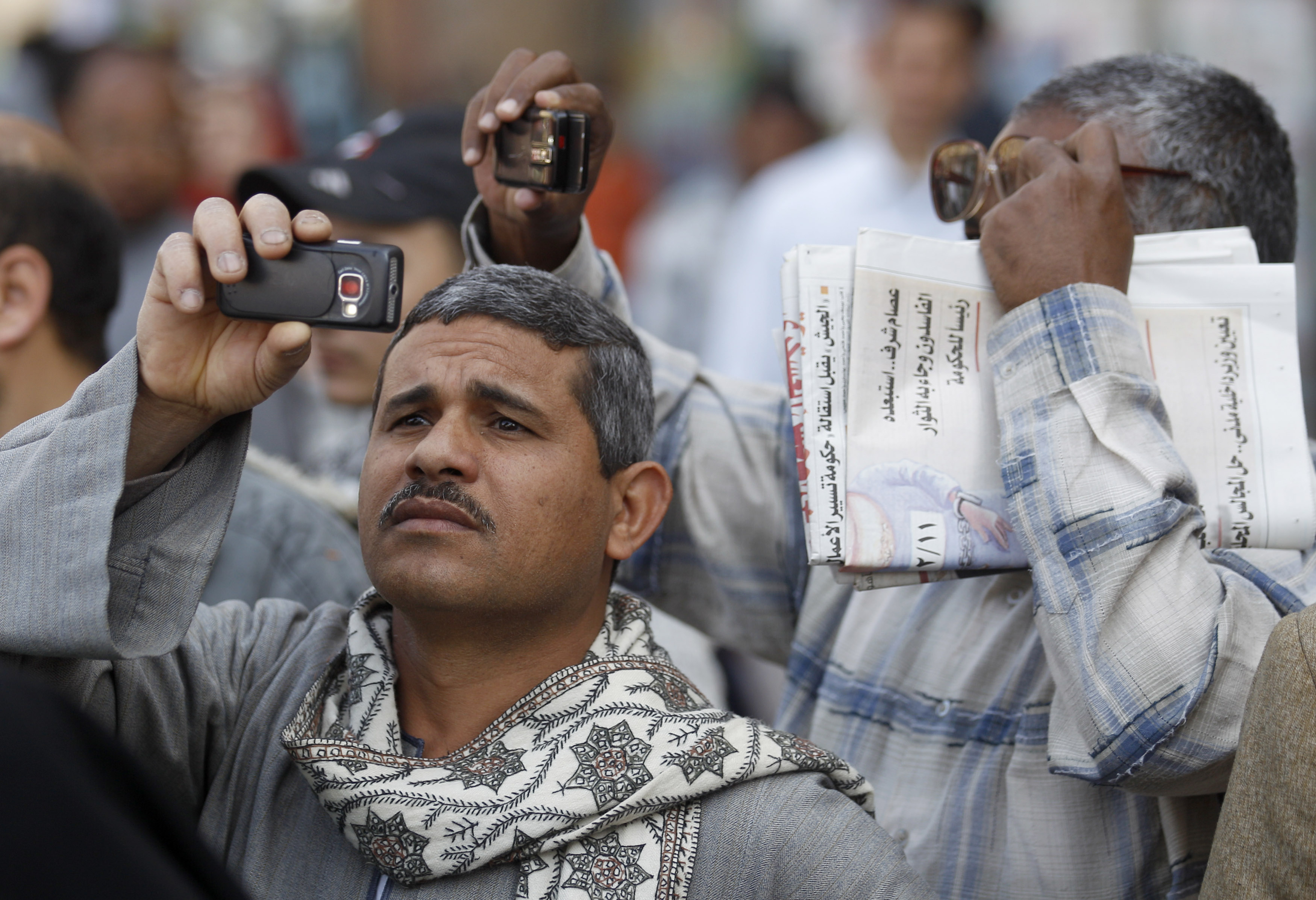
وفي أبسط صوره، يمكن النظر إلى المواطن الصحفي بوصفه شاهد عيان يحمل كاميرا بدلاً من الاكتفاء بالعين المجردة. فقد حوّل الهاتف المحمول المواطن من شخص يشاهد الحدث إلى شاهد رقمي يستطيع توثيقه ونقله فوراً إلى المجال العام. ويمكن التمييز بين أربعة أنماط من المواطنين الذين يمارسون أدواراً صحفية بدرجات متفاوتة. أولها المواطن الصحفي بالصدفة (Accidental Citizen Journalist)، وهو الشخص الذي يوجد في المكان والزمان المناسبين عندما يقع حدث استثنائي، فيلتقطه بهاتفه وينشره. أي إنه لم يذهب بحثاً عن الخبر، وإنما جاء الخبر إليه، فتحول بفعل المصادفة من شاهد على الحدث إلى مصدر للمعلومات والصور المتعلقة به. ويقترب منه المواطن الصحفي المشارك في الحدث، الذي يكون طرفاً في الواقعة أو منتمياً إلى الجماعة المتأثرة بها، فيقدم شهادة من الداخل تمنحه قرباً معرفياً وإنسانياً استثنائياً. غير أن هذا القرب قد ينعكس على زاوية رؤيته وطريقة انتقائه للمعلومات، نتيجة تداخل موقعه بوصفه شاهداً مع موقعه بوصفه طرفاً متأثراً بالحدث. أما النمط الثالث فهو المواطن المتقمص للدور الصحفي، الذي يتوجه عمداً إلى مكان الحدث، ويتابع تطوراته، ويصور الوقائع، ويجري المقابلات، ويقدم بثاً مباشراً سعياً إلى السبق والوصول إلى الجمهور. وهنا ينتقل المواطن من التوثيق العرضي إلى ممارسة مقصودة لبعض وظائف الصحافة، حتى وإن ظل خارج المؤسسة الإعلامية وغير خاضع لضوابطها المهنية والتحريرية. وقد تتطور هذه الممارسة إلى نمط رابع هو المواطن الصحفي المنظم، الذي يغطي الأحداث بصورة منتظمة، ويتخصص في مجال معين، ويبني شبكة من المصادر والمتابعين، ويكتسب مع الوقت حضوراً عاماً ومصداقية لدى جمهوره. ويقع هذا النمط في منطقة وسطى بين المواطن العادي والصحفي المحترف، وقد يؤدي عملياً كثيراً من وظائف الصحافة من دون أن يحمل صفتها المهنية أو ينتمي إلى إحدى مؤسساتها.

مع امتداد الحرب، برز أفراد واصلوا التغطية بصورة منتظمة، وبنوا جمهوراً وشبكات من المصادر، وتحولوا عملياً إلى مواطنين صحفيين منظمين. وقد اكتسبت هذه الأدوار أهمية استثنائية في ظل القيود المفروضة على دخول الصحفيين الأجانب بصورة مستقلة إلى قطاع غزة


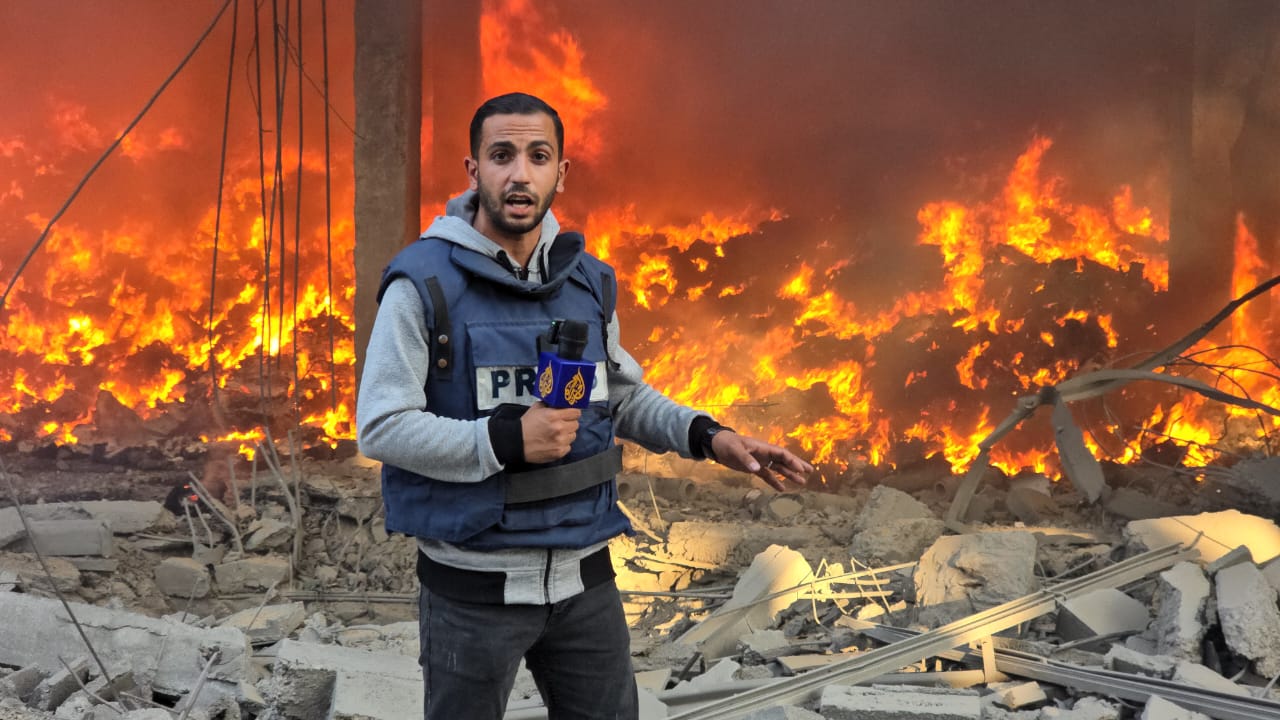
وقد شكلت الحرب على غزة التي اندلعت في أكتوبر/تشرين الأول 2023، وما تزال تداعياتها متلاحقة، حالة كاشفة عن اجتماع هذه الأنماط وتداخلها. فقد وجد مواطنون أنفسهم في مواقع الأحداث فتحولوا إلى صحفيين بالصدفة، بينما وثّق المتضررون والنازحون والمسعفون ما عاشوه بوصفهم مشاركين في الحدث وشهوداً عليه. وفي الوقت نفسه، توجه مواطنون وناشطون عمداً إلى مواقع الوقائع لتصويرها وإجراء المقابلات وبثها مباشرة، مجسدين نمط المواطن المتقمص للدور الصحفي. ومع امتداد الحرب، برز أفراد واصلوا التغطية بصورة منتظمة، وبنوا جمهوراً وشبكات من المصادر، وتحولوا عملياً إلى مواطنين صحفيين منظمين. وقد اكتسبت هذه الأدوار أهمية استثنائية في ظل القيود المفروضة على دخول الصحفيين الأجانب بصورة مستقلة إلى قطاع غزة، فتحولت هواتف السكان وحساباتهم على منصات التواصل الاجتماعي إلى نوافذ أساسية يطل منها العالم على ما يجري. واستخدمت المؤسسات الإعلامية جانباً من هذا المحتوى بعد إخضاعه للتحقق، فتداخلت شهادة المواطن مع عمل الصحفي المحترف. وقدمت غزة بذلك نموذجاً واضحاً لكيفية انتقال المواطن، أحياناً خلال الحدث نفسه، من شاهد يحمل كاميرا إلى منتج للمعلومة وفاعل في تشكيل الرواية الإعلامية العالمية.


تراجع الصحفي المواطن

إذا كان المواطن الصحفي قد اقترب تدريجياً من ممارسة الدور الإعلامي، فإن السؤال المقابل يتعلق بمدى محافظة الصحفي المحترف على الوظيفة المجتمعية والأخلاقية لمهنته. والمقصود بـ"الصحفي المواطن" هنا الصحفي المهني الذي يمارس عمله بوصفه مسؤولية عامة، ويجعل حق المجتمع في المعرفة مرجعيته الأولى، ملتزماً بقيم التحقق والاستقلال والمساءلة وخدمة المجال العام. فقد نشأت الصحافة الحديثة على أساس أن الصحفي يؤدي وظيفة اجتماعية تتجاوز نقل الأخبار. فهو حارس للمجال العام، ورقيب على السلطة، ووسيط بين المجتمع وصناع القرار. ولهذا ارتبطت المهنة تاريخياً بمبادئ التحقق والإنصاف والاستقلالية والمساءلة والالتزام بالحقيقة، حتى أصبحت هذه المبادئ جزءاً من العقد الأخلاقي بين الصحافة والجمهور.


ويتميز "الصحفي المواطن" عن "المواطن الصحفي" بخضوع الأول، من حيث المبدأ، لمنظومة مؤسسية ومهنية تفرض عليه التحقق والدقة والتوازن، والتمييز بين الخبر والرأي، واحترام الخصوصية، وحماية المصادر، وتصحيح الأخطاء، وتحمل المسؤولية القانونية والاجتماعية عن النشر. غير أن التحولات الاقتصادية والتكنولوجية التي شهدها الإعلام أعادت تشكيل مساحة التمايز هذه؛ فمع تراجع النماذج الاقتصادية التقليدية، وصعود المنصات الرقمية، وانخفاض عوائد الصحافة، أصبح بعض الصحفيين أكثر خضوعاً لمنطق السوق والخوارزميات.

ولم يقتصر أثر هذه الضغوط على أدوات العمل وأشكاله، وإنما امتد إلى مرجعيته ووظيفته العامة، وتمظهر ذلك في ثلاثة تحولات مترابطة تمس المسؤولية الاجتماعية، وحوكمة المحتوى، وهوية الصحفي المهنية.

يتجلى التحول الأول في تآكل مفهوم المسؤولية الاجتماعية؛ إذ ينتقل معيار النجاح لدى بعض الصحفيين من قيمة ما يضيفه العمل إلى المصلحة العامة، إلى عدد المشاهدات وسرعة الانتشار وحجم التفاعل. وتحولت الخوارزميات إلى محرر خفي يعيد ترتيب الأولويات، ويكافئ الإثارة والسرعة على حساب الدقة والأهمية. فالتثبت يحتاج إلى وقت، والتوازن قد يقلل من الجاذبية، والتحقيقات الرصينة مكلفة، بينما يحقق التعليق السريع والفيديو القصير انتشاراً أوسع بكلفة أقل. وهكذا أصبح جانب من العمل الصحفي أسيراً لاقتصاد الانتباه.

وقاد تراجع المسؤولية الاجتماعية إلى تحوّل ثانٍ مسّ فلسفة العمل الصحفي نفسها، تمثّل في انتقال الصحفي إلى موقع صانع المحتوى؛ أي الانتقال من سؤال: ماذا يحتاج الجمهور؟ إلى سؤال: ماذا يطلب الجمهور؟ وبذلك انقلبت المعادلة جزئياً؛ فبعد أن كان الإعلام يسهم في تشكيل أولويات الرأي العام، أصبحت تفضيلات الجمهور ومؤشرات تفاعله تؤثر بصورة متزايدة في أجندة الإعلام وتوجهاته. وأثّر هذا التحول في حوكمة المحتوى الصحفي، إذ تراجعت معايير الأهمية والتحقق والمسؤولية التحريرية أمام اعتبارات الجذب والانتشار.

مع تراجع النماذج الاقتصادية التقليدية، وصعود المنصات الرقمية، وانخفاض عوائد الصحافة، أصبح بعض الصحفيين أكثر خضوعاً لمنطق السوق والخوارزميات. ولم يقتصر أثر هذه الضغوط على أدوات العمل وأشكاله، وإنما امتد إلى مرجعيته ووظيفته العامة.


أما التحول الأكثر تعقيداً فطال هوية الصحفي واستقلاله المهني، وظهر في تحول بعض الصحفيين إلى "كتّاب تحت الطلب"، يصوغون المقالات والخطابات والمنشورات والحملات، وينتجون سرديات جاهزة لصالح أفراد أو شركات أو جهات سياسية، بما قد ينطوي عليه ذلك من تضارب في المصالح وتضليل للجمهور، خاصة عند غياب الإفصاح والفصل بين الصحافة والدعاية. واقترن ذلك بطغيان هاجس الشهرة وتضخم "الأنا" الشخصية، حتى غدت المهنة مشروعاً لبناء علامة شخصية وزيادة المتابعين وتعظيم الحضور الفردي؛ فيتراجع الانشغال بالقضايا العامة أمام الانشغال بصناعة الذات وتسويقها.


وأفضى مجموع هذه التحولات إلى نتيجة أعمق تمثلت في إعادة توزيع مواقع التأثير داخل المجال العام. فحتى وقت قريب، كان الصحفي المحترف يتقدم صفوف قادة الرأي، مستنداً إلى معرفته ومصداقيته وقدرته على تفسير الأحداث ووضعها في سياقها، ومساءلة أصحاب السلطة دفاعاً عن المصلحة العامة. وكان هذا الموقع امتداداً لوظيفة الصحافة بوصفها "سلطة رابعة" تراقب المؤسسات، وتغذي النقاش العام بالقضايا الجوهرية، وتحمي حق المجتمع في المعرفة. غير أن "الصحفي المواطن" بدأ يتخلى تدريجياً عن هذا الموقع، منجرفاً إلى غواية الإعلام الجديد ومفتوناً بسحر "المؤثرين"؛ فراح يستعير لغتهم وأدواتهم، ويقيس حضوره بعدد المتابعين وحجم التفاعل، ويقدم الإثارة وبناء العلامة الشخصية على عمق المعرفة وجدوى الرسالة. وفي المقابل، تقدم المؤثرون لشغل المساحة التي أخلاها الصحفي، فتحول جانب من اهتمام الجمهور من القضايا العامة إلى تفاصيل الحياة اليومية والاستهلاك والاتجاهات الرائجة والمحتويات الترويجية.

كما أسهم ظهور "المواطن الصحفي" في توسيع دائرة المشاركة الإعلامية، وكسر احتكار المعلومة، ومنح المجال العام شهوداً جدداً قادرين على توثيق الأحداث ونقلها لحظة وقوعها، فإن انجراف "الصحفي المواطن" وراء لمعان التأثير وبريق الإعجاب حمل خطراً على جوهر المهنة، حين تحولت المسؤولية العامة إلى بحث عن الانتشار، وتراجع الانشغال بالقضايا الحقيقية.


المهنة تبحث عن الصحفي

تكشف هذه التحولات عن مفارقة ينبغي التوقف عندها؛ فكما أسهم ظهور "المواطن الصحفي" في توسيع دائرة المشاركة الإعلامية، وكسر احتكار المعلومة، ومنح المجال العام شهوداً جدداً قادرين على توثيق الأحداث ونقلها لحظة وقوعها، فإن انجراف "الصحفي المواطن" وراء لمعان التأثير وبريق الإعجاب حمل خطراً على جوهر المهنة، حين تحولت المسؤولية العامة إلى بحث عن الانتشار، وتراجع الانشغال بقضايا المجتمع أمام إغراء الشهرة وتعظيم الحضور الشخصي.

لذلك، ينبغي ألا يشغلنا الاحتفاء بدور "المواطن الصحفي" عن الاشتغال على منع أفول "الصحفي المواطن". فإذا كان صعود الأول قد وسّع المشاركة وأغنى المجال العام، فإن تراجع الثاني يعني تخلي الصحافة عن موقعها بوصفها سلطة رابعة وحارساً لذلك المجال. ويغدو هذا التخلي أكثر خطورة في وقت تسعى فيه سلطات سياسية واقتصادية ورقمية إلى توسيع نفوذها والتغول على المجال العام.
More Articles

How to Protect News and Information Integrity During Elections

An analysis of threats to Kenya’s media landscape ahead of the August 2027 elections finds that AI deepfakes, synthetic media, and coordinated online campaigns threaten voter choice and democratic integrity. Across Africa, emerging regulation, verification tools, and fact-checking efforts are constrained by limited funding, weak platform accountability, and largely reactive debunking.
Jean-Pierre Afadhali Kenyan journalist
Jean-Pierre Afadhali Published on: 27 Sep, 2026
Docudrama: Aesthetic Narration as an Alternative to the Missing Camera!

The use of drama in documentaries sparks a debate between fears of fabrication and the celebration of filling gaps left by missing visual archives. This hybrid format occupies a middle ground, merging emotional impact with documentary reality. Its use requires strict ethical constraints to prevent deception. With the rise of digital platforms, "docudrama" has transcended the rigid limits of television, venturing into new creative and cinematic horizons.

Hani Bishr Published on: 13 Sep, 2026
Moroccan Journalism Between State Support and Market Dominance: Can the “Information Economy” Save the Profession?

Moroccan journalism remains trapped between state dependency and market pressure, and its survival may depend on turning information into sustainable public value rather than cheap content for clicks.

Anas al-Shaara Published on: 24 Aug, 2026
Anas al-Sharif: “I am the owner of a cause before I am a journalist”

From documenting the occupation's crimes on social media platforms to covering the war of genocide on Al Jazeera, journalist Anas Al-Sharif defied harsh field conditions and the lenses of snipers. He lost his father and a number of his loved ones, yet he chose to convey the "Palestinian narrative to the world." In this interview, we get to know the face and features of a Palestinian journalist stripped of protection and faithful to the belief that "coverage continues."

Anas al-Sharif Published on: 10 Aug, 2026
As in Rwanda: Can the Israeli Press Be Prosecuted for Participation in Genocide?

Israeli media incitement has helped frame Palestinian journalists as security threats, weakening their legal and professional protection and legitimising attacks against them. Legal accountability is possible through the ICC, universal jurisdiction, and professional pressure against journalists and outlets that incite violence.

Nasser Adnan Thabet Published on: 8 Aug, 2026
Can Africa’s Media Decolonise Climate Story?

Despite efforts in combating climate change and finding climate solutions in the Africa, the continent’s climate story is still told through the lens of colonisation. The dominant stories centre on the victimhood; especially during climate disasters. Such stories don’t mention the side of the continent’s efforts to adapt to climate change.

Jean-Pierre Afadhali Kenyan journalist
Jean-Pierre Afadhali Published on: 21 Jul, 2026
The Phenomenon of “News Avoidance”: Have We Come to Know More Than We Should?

Audiences are increasingly avoiding the news as the constant flow of crises, violence, and tragic human stories creates psychological exhaustion and anxiety. Media outlets need to respond with more responsible editorial choices, stronger media literacy, and coverage that balances urgent events with constructive, humane, and less harmful storytelling.

Wessam Kamal Published on: 17 Jul, 2026
In Gaza… Testimonies That Have Not Been Told

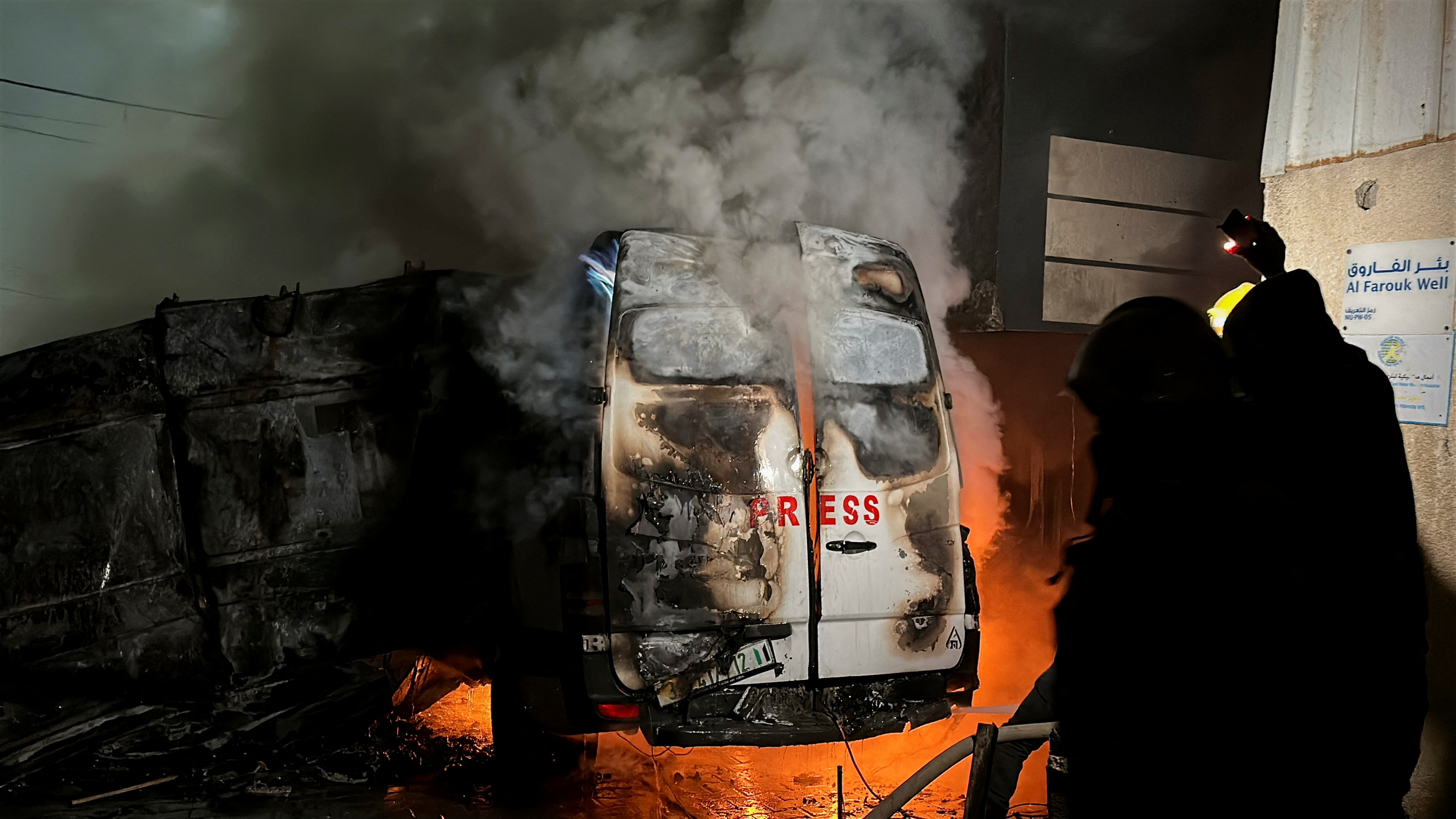
Beyond the frontline dangers, reporting during the Israeli war involves enduring arrest, torture, systematic incitement, and assassination. This reality forces journalists into a relentless struggle to keep reporting from the depths of mass displacement, starvation, and a complete breakdown of daily infrastructure.

Mohamed Abu Qamar Published on: 8 Jul, 2026
When Modi’s Managed Media Met Europe’s Press

A brief, viral exchange in Oslo between Prime Minister Narendra Modi and a Norwegian journalist has exposed the widening gap between India's tightly controlled media environment and traditional adversarial press culture. Over the past decade, open, unscripted scrutiny has increasingly been replaced by carefully managed public relations, image-driven interviews, and direct digital reach. This systemic shift has reshaped the broader landscape of Indian news media, creating a culture of forced deference that prioritises political showmanship over holding power accountable.

Arsalan Bukhari, an independent journalist based in India
Arsalan Bukhari, Mehrunnisa Maryam Published on: 5 Jul, 2026
The Left and the Right in One Front Against Journalism in South America

Journalism in Latin America is facing a crisis of hostility. In the age of political polarization, governments from both the left and the right are not merely managing states; they are actively harassing critical voices, imposing institutional censorship, and enforcing official narratives that attack independent media to silence disagreement and fake democracy across the region.

Noe Zavaleta
Noe Zavaleta Published on: 8 Jun, 2026
Humanitarian Storytelling: Reclaiming Voice in Crisis Reporting

Humanitarian storytelling is evolving. In the age of algorithmic amplification, humanitarian organisations are not merely sharing aid updates; they work side by side with responsible media; they are providing accountability, combating harmful narratives, and demonstrating the human reality behind the crisis and news headlines.

Shereen Nanish. A media consultant from Palestine/Jordan with over 10 years of experience in journalism and humanitarian communications. Based in Germany.
Shereen Nanish Published on: 1 Jun, 2026
On the Misunderstanding Between Media and Diplomacy

The analysis of international crisis coverage reveals a clear structural gap between the immediate, simplified narratives produced by the media and the slow, complex processes of diplomacy. The tension between the two fields appears set to persist as reporters are forced to trade detailed, long-term tracking of negotiation for fast-paced, dramatic framing and the immediate demands of the attention economy.

Said Al-Azri
Said Al-Azri Published on: 28 May, 2026
How Journalists are Combating Cybertroopers 

The brutal state crackdown in Đồng Tâm highlights a intensifying withdrawal from free expression in Vietnam, heavily driven by the regime's deployment of state-backed cyberarmies like Force 47. As these digital actors systematically intimidate and mass-report critics, tech giants like Meta further compound the issue by increasingly acquiescing to government censorship requests to protect market share. This coordinated digital assault leaves a dangerous gap in the global conversation, forcing independent journalists to navigate severe online hostility and risk arbitrary imprisonment just to expose state overreach.

AJR Contributor Published on: 25 May, 2026
Journalism After the Genocide in Gaza: One War Has Ended, and Other Wars Have Begun!

The post-ceasefire reality for Gaza’s journalists reveals a challenging shift from documenting active daily bombardment to navigating an overwhelming landscape of community and structural ruin. The pressure on reporters appears set to escalate as they struggle to rebuild their own lives from absolute zero while fighting to ensure that ongoing human suffering, systemic displacement, and political marginalization are accurately documented and held to account.

Yousef Fares
Yousef Fares Published on: 17 May, 2026
US-Iran Islamabad Talks: How Journalists Report from Outside Closed Doors

The "Islamabad Talks" highlight a growing contradiction in modern diplomacy where journalists are physically present but denied direct access to negotiations. The pressure on transparency appears set to intensify as reporters are forced to trade traditional eyewitnessing for outside in investigation and geopolitical speculation.

Anam Hussain
Anam Hussain Published on: 2 May, 2026
Can Artificial Intelligence Become a Documentary Film Director?

AI opens new possibilities in documentary filmmaking, from sorting archives to speeding up production. But documentary is not built on technology alone: it depends on the director’s vision, creativity, and ability to shape meaning. Can AI, for instance, make a film like Ordinary Fascism?

Bashar Hamdan, investigative producer and documentary filmmaker at Al Jazeera Media Network
Bashar Hamdan Published on: 23 Apr, 2026
When Speaking Up Backfires: How Social Conformity Silences Journalists

While state censorship remains a reality, freedom of speech in Africa faces a rising internal threat: the community itself. This article examines how social conformity, digital echo chambers, and ingrained bias create a modern "chilling effect". This pressure forces journalists to choose between aligning with popular narratives or facing professional and social marginalisation.

Derick Matsengarwodzi
Derick Matsengarwodzi Published on: 16 Apr, 2026
Has the Global South Benefited from the Digital Transformation?

Despite the promise of digital technologies to amplify voices and expand media reach in the Global South, structural barriers, such as political repression, technological dependency, and persistent digital divides, continue to limit their impact. Real progress requires not only technological adoption but also institutional reform, stronger journalistic capacity, and independent ethical frameworks to challenge dominant Western media narratives.

Al-Shafi Abtidon
Al-Shafi Abtidon Published on: 18 Mar, 2026
Missiles Made of Words: How Western Media Narratives Shape the Iran–Israel–US Conflict

Western media coverage of the Iran–Israel–US conflict often functions as a weapon of war, using selective language that frames US and Israeli strikes as “self-defence” while depicting Iranian actions as "provocation". This linguistic framing normalises civilian casualties and helps manufacture public consent for military aggression by dehumanising certain populations.

Muqeet Mohammed Shah
Muqeet Mohammed Shah, Ifrah Khalil Kawa Published on: 14 Mar, 2026
How the Ethiopian Civil War Unleashed a Lethal Media Crackdown

There has been a widening crackdown on the media in Ethiopia since war erupted between the central government and Tigray’s regional authorities in 2020, and the pressure appears set to intensify as the country prepares for general elections in June.

Nalova Akua
Nalova Akua Published on: 9 Mar, 2026
Are Netanyahu's and Trump’s Speeches Shaping Western Media Framing?

As political speeches framed the 2026 U.S.–Israeli attack on Iran, segments of Western media echoed their language and narratives, illustrating how strategic rhetoric and news framing can shape public opinion and legitimise military action.

Shaimaa Al-Eisai
Shaimaa Al-Eisai Published on: 6 Mar, 2026
Journalism in Gaza… A Race Against the Train of Genocide

In the following account, Amira Nassar presents a narrative filled with intricate detail, intimate exchanges, and an unyielding struggle over the meaning of writing amid slaughter and starvation. Part of The Journalism Review’s documentary project recording the testimonies of journalists in Palestine and the Gaza Strip during the ongoing genocide, it stands as a testament against oblivion and the machinery of extermination.

Amira Nassar
Amira Nassar Published on: 27 Feb, 2026
Kukurigo: Revolutionising news in Zimbabwe's WhatsApp era

The emergence of Kukurigo during Zimbabwe’s 2018 elections marked a turning point for digital journalism, transforming WhatsApp from a hub for misinformation into a vital platform for verified news. By leveraging the app’s low data costs, this grassroots initiative bridged the information gap for under-resourced communities, establishing a new model for media credibility and public service within an unstable political landscape.

Enock Muchinjo
Enock Muchinjo Published on: 19 Feb, 2026
The Epstein Files and the Art of Drowning the Truth

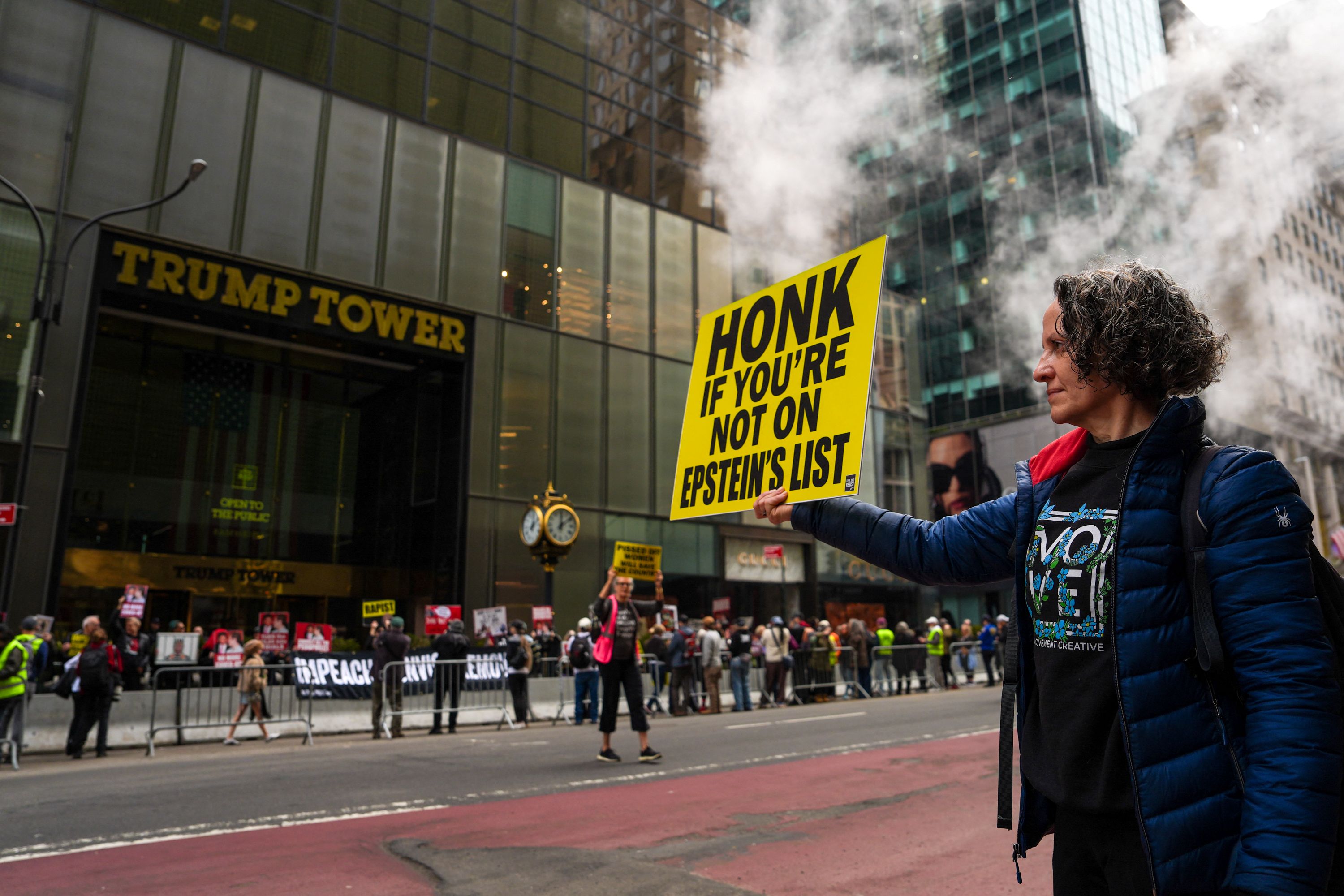
The mass release of millions of files related to Jeffrey Epstein serves as a metaphor for a wider crisis of the digital age: an overabundance of information that obscures rather than illuminates the truth. In an era where data floods replace traditional censorship, citizens risk becoming less informed, underscoring the vital role of professional journalism in filtering noise into meaningful knowledge.

Ilya إيليا توبر 
Ilya U Topper Published on: 12 Feb, 2026