السيرة بعد الغياب.. حرب الرواية تلاحق الصحفيين الشهداء

السيرة بعد الغياب.. حرب الرواية تلاحق الصحفيين الشهداء


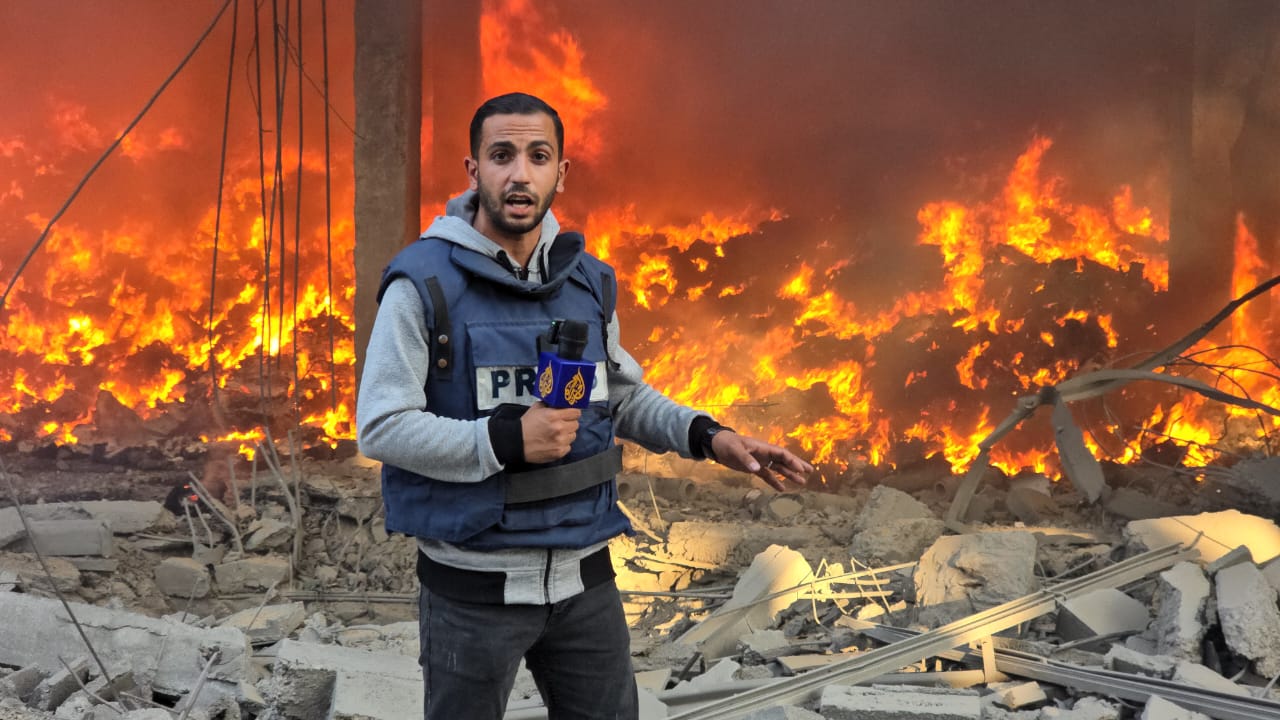
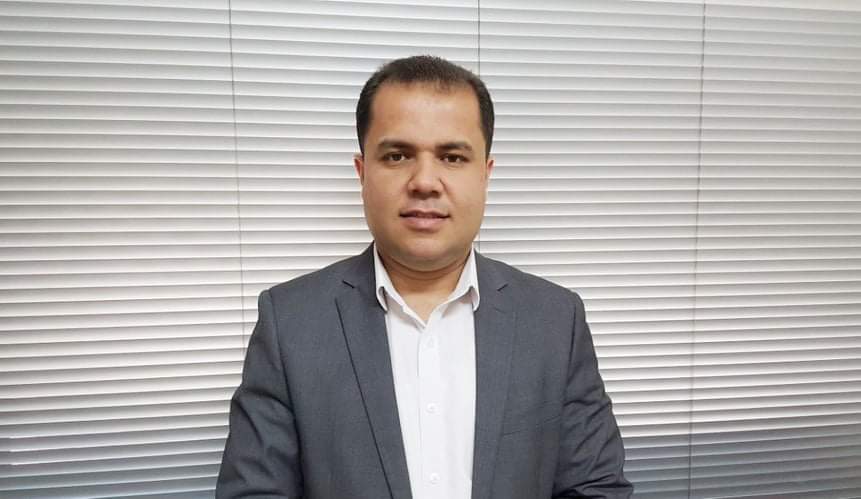
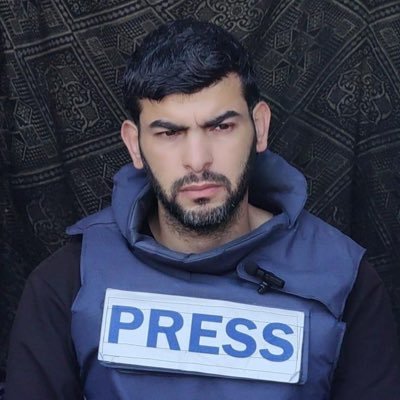
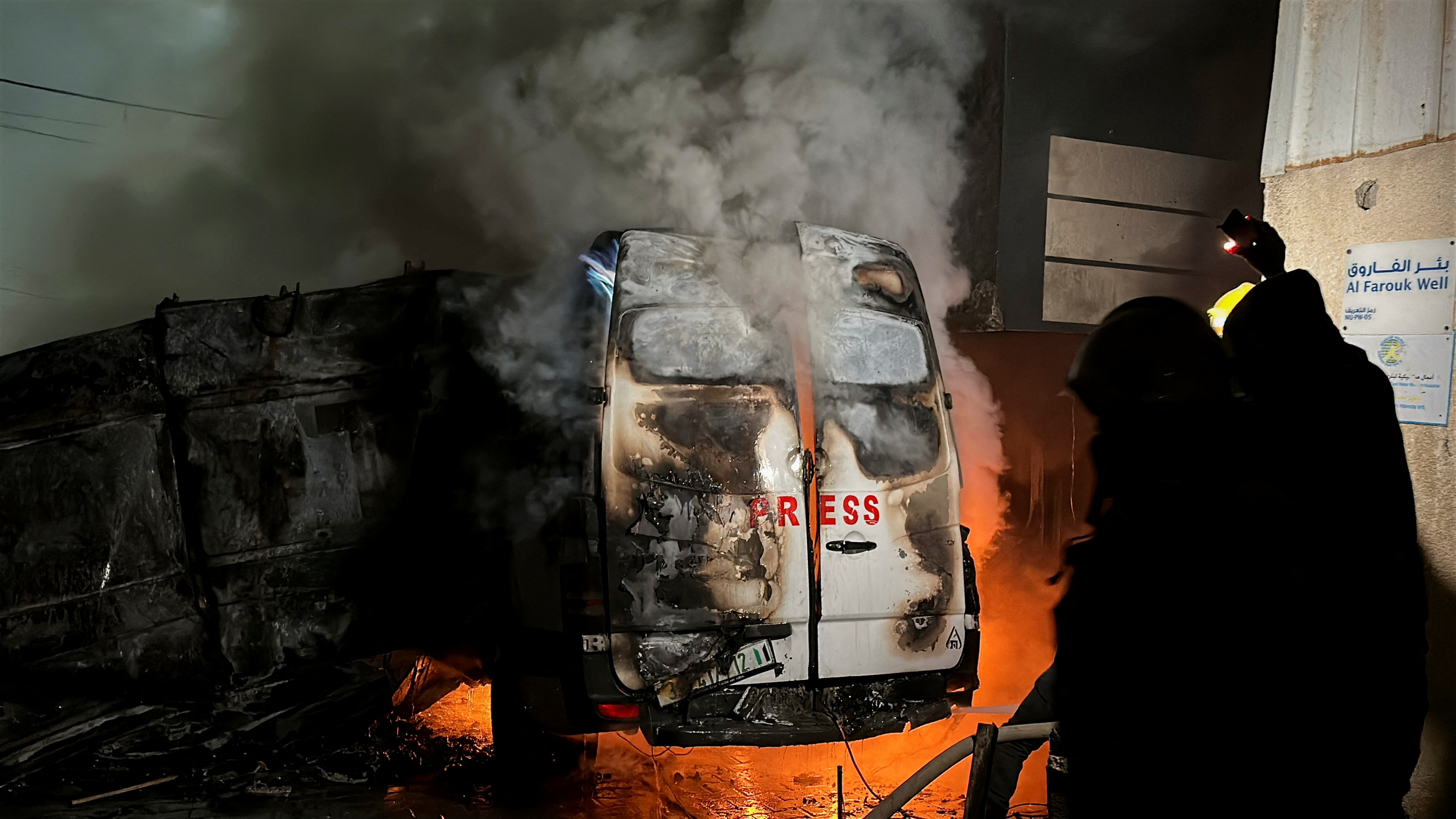
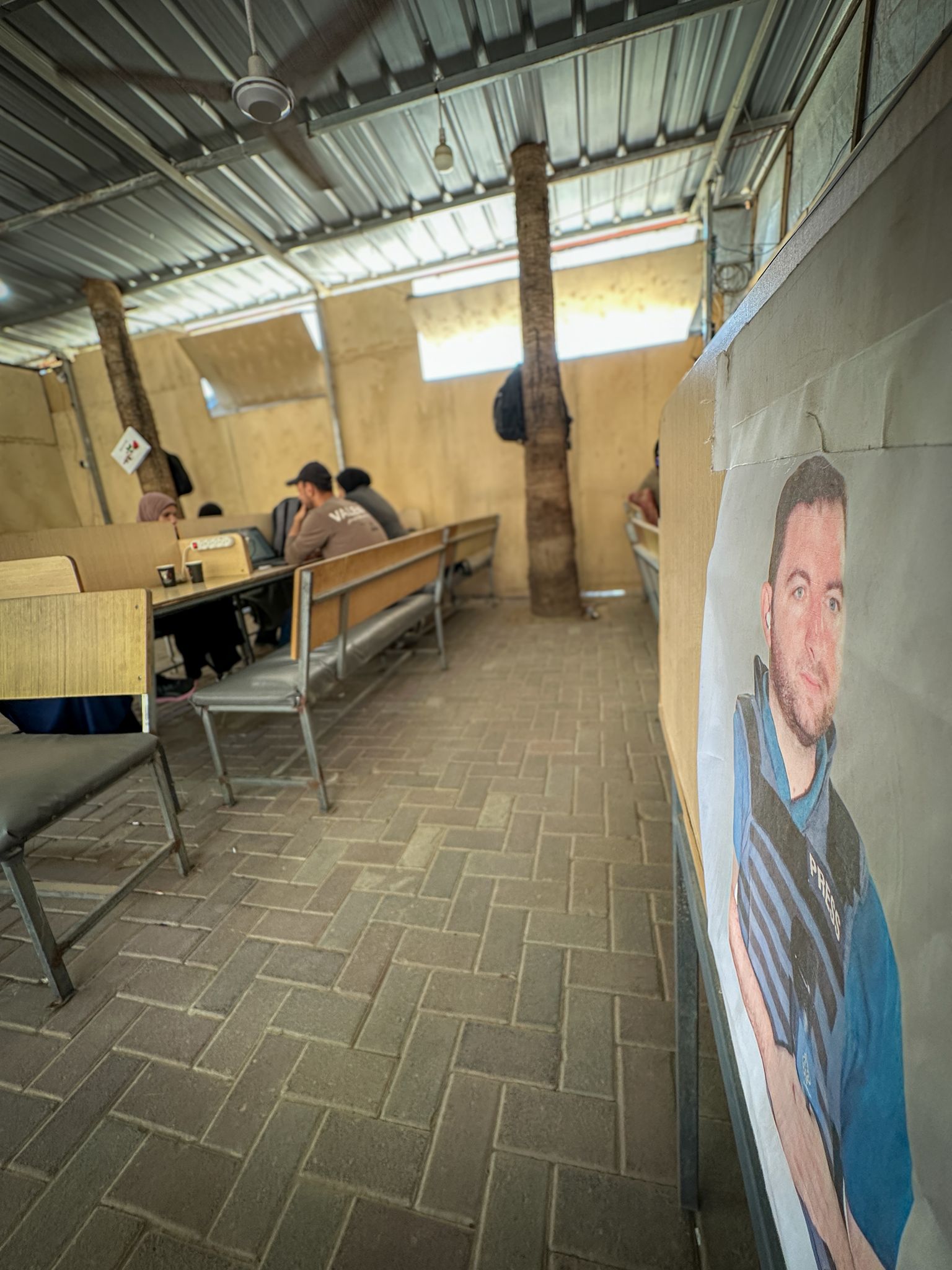
لم تتح لي الفرصة لأن أعرف الصحفي محمد وشاح مراسل قناة الجزيرة مباشر عن قرب، استشهد محمد بتاريخ 8 نيسان 2026 بعد استهدافٍ مباشر لمركبته في غزة، لتبقى صورته داخل خيمة الصحفيين في مستشفى شهداء الأقصى بدير البلح، مثل حضور صامت يذكر بأن الغياب لا يعني النهاية، بل بداية سؤال آخر: من يروي حكاية الصحفي حين يغيب صاحبها؟

في الحروب الممتدة، لا يقتصر الاستهداف على الأجساد، بل يمتد إلى الذاكرة أيضًا. ومع تسارع الأحداث وتراكم أعداد الضحايا، تتحول حيوات كاملة إلى أخبار عابرة، ويُختزل أصحابها في لحظة موتهم. يصبح الصحفي الذي أمضى سنوات في توثيق حياة الآخرين خبرًا عاجلًا لبضع ساعات، قبل أن تتجاوزه دورة الأخبار المتلاحقة، وتطوى حكايته مع كل استهداف وكل مجزرة جديدة، وكل عاجل يزاحم ما قبله.

لكن السؤال لا يتعلق بكيفية استشهاد الصحفي فحسب، بل بكيفية تمثيله بعد رحيله، ومن يمتلك حق رواية قصته. فالمعركة لا تنتهي عند لحظة الاستهداف، بل تبدأ بعدها معركة أخرى على المعنى والذاكرة والرواية، تتداخل فيها أصوات العائلة والزملاء والمؤسسات الإعلامية والجمهور، وتتنافس روايات مختلفة على إنتاج صورة الصحفي الذي لم يعد موجودًا للدفاع عن نفسه أو استكمال حكايته.

لا يتعلق السؤال بكيفية استشهاد الصحفي فحسب، بل بكيفية تمثيله بعد رحيله، ومن يمتلك حق رواية قصته. بعد لحظة الاستهداف، تبدأ معركة على المعنى والذاكرة والرواية، تتداخل فيها أصوات العائلة والزملاء والمؤسسات الإعلامية والجمهور، وتتنافس روايات مختلفة على إنتاج صورة الصحفي الذي لم يعد موجودًا للدفاع عن نفسه أو استكمال حكايته.


حين يكون صاحب السيرة حاضرًا، يمتلك، ولو جزئيًا، حق تعريف نفسه. أما بعد الموت، فتنتقل هذه السلطة إلى الآخرين؛ يصبح الصحفي الشهيد موضوعًا للرواية بدل أن يكون صانعًا لها. وهنا تكمن الإشكالية الأخلاقية والمعرفية في آن واحد: كيف نكتب عن شخص لم يعد قادرًا على تصحيح ما يُقال عنه؟

في حالة محمد وشاح، تبدو هذه الإشكالية واضحة. فالشهادات التي جمعتها من عائلته وزملائه وأصدقائه لا تقدم رواية واحدة مكتملة، بل روايات متعددة، تتقاطع أحيانًا وتختلف أحيانًا أخرى. كل شهادة تكشف جانبًا من شخصيته، وتترك جوانب أخرى في الظل.

يقول زميله أشرف السراج إن محمد كان يوصيهم بأن يجيبوا عن سؤال واحد بعد رحيله: أين كان محمد خلال الحرب؟ وكان يجيب بنفسه: "كنت في المجازر والاستهدافات، وبين الجرحى أنقل معاناتهم." وكأنه كان يدرك أن عليه أن يترك خيطاً أو معلومات تدل عليه لمن سيكتب حكايته يوماً بعد رحيله. 

لكن حتى هذه المحاولة تبقى قاصرة. فالصحفي محمد أبو شعر يرى أن أي محاولة لكتابة سيرة محمد ستظل ناقصة بالضرورة؛ ليس فقط لأن هناك جوانب من حياته لم تكن معروفة للعلن، بل لأن أشخاصًا كانوا يحملون أجزاء من حكايته استشهدوا أيضًا خلال الحرب. وهكذا تصبح السيرة مشروعًا غير مكتمل بطبيعته، ويصبح ما يُروى عن الصحفي الشهيد أجزاء متناثرة من حياة لم يعد صاحبها قادرًا على الدفاع عنها أو استكمالها.

وربما هنا تبدأ المشكلة الأوسع: ماذا يحدث للصحفي حين يتحول من شاهد على الحرب إلى موضوع لها؟

تشير دراسة "واقع الإعلاميات الفلسطينيات تحت الإبادة"، أن الصحفيين والصحفيات قد وجدوا أنفسهم في قلب (معركة رواية الحقيقة)، وهم يواصلون عملهم رغم الاستهداف والنزوح وفقدان أدوات العمل، ليصبحوا هم أنفسهم جزءًا من الرواية التي حاولوا نقلها إلى العالم. (1)

لذلك، فإن استشهاد الصحفي لا يعني فقدان شخص فحسب، بل يعني أيضًا فقدان شاهد كان يحمل جزءًا من ذاكرة الحرب، ويعرف تفاصيلها ووجوهها وقصصها. فالصحفي في الحرب لا ينقل ما يحدث فحسب؛ بل يحفظ تفاصيله، ويسمي ضحاياه، ويوثق الأمكنة، ويمنح التجربة الإنسانية لغة وصورة وذاكرة. وعندما يغيب هذا الشاهد، لا يغيب جسده وحده، بل تنقطع أيضًا رواية كان يمكن أن تستمر في إنتاج المعرفة عن الحرب.

ومن هذا المنظور، يلتقي استهداف الصحفي مع مفهوم "الإبادة المعرفية"، حيث لا يقتصر الاستهداف على البشر والمؤسسات، بل يمتد إلى الشهود والذاكرة وإنتاج المعرفة نفسها. فالصحفي ليس ناقلًا للأحداث فحسب، وإنما أحد صنّاع الشهادة عليها.

لكن محمد وشاح لم يكن شاهدًا على الحرب فقط. في ذاكرة زوجته وزملائه وأصدقائه، كان أبًا يحلم بمستقبل أطفاله، وزوجًا أثقلت الحرب سنوات ابتعاده عن أسرته، وصديقًا لم يبخل بخبرته على الصحفيين الشباب. كان يحلم بمستقبلٍ مهني يلبي طموحاته ويرى في الصحافة رسالة تتجاوز حدود المهنة.

لم يكن يكتفي بنقل معاناة الناس، بل كان يحاول مساعدتهم؛ يسعى لتأمين كفالات للأيتام، ويبحث عن فرص عمل للمحتاجين، ويشارك معداته وخبراته مع زملائه الصحفيين.

استشهاد الصحفي يعني غياب شاهد كان يحمل جزءًا من ذاكرة الحرب، ويعرف تفاصيلها ووجوهها وقصصها. فالصحفي في الحرب لا ينقل ما يحدث فحسب؛ بل يحفظ تفاصيله، ويسمي ضحاياه، ويوثق الأمكنة، ويمنح التجربة الإنسانية لغة وصورة وذاكرة. وعندما يغيب هذا الشاهد، لا يغيب جسده وحده، بل تنقطع أيضًا رواية كان يمكن أن تستمر في إنتاج المعرفة عن الحرب.

هذه التفاصيل ليست هامشية، بل هي جوهر السيرة. فالخبر الذي يعلن استشهاد صحفي لا يخبرنا من كان هذا الإنسان قبل أن يصبح رقمًا في قائمة الضحايا، ولا يخبرنا ماذا كان يحلم، أو من كان ينتظره في البيت، أو كم مرة عاد من تغطية ميدانية وهو يخفي خوفه عن أطفاله.

وهنا تكمن وظيفة السيرة؛ فهي لا تنافس الخبر، بل تكمله. إنها تعيد إلى الصحفي إنسانيته التي قد تختفي تحت ضغط العناوين العاجلة. وأحياناً يتحول الإنسان إلى رمز: رمز للمهنة، أو للضحايا، أو للاستهداف. لكن الرمزية، مهما كان توظيفها ضرورياً في لحظة الحرب، قد تأتي أحيانًا على حساب الإنسان نفسه.

كان محمد يعيش هذا الخوف قبل أن يصبح ضمن قائمة الشهداء. يقول محمد أبو شعر إن الخوف كان رفيقًا دائمًا له، شأنه شأن جميع الصحفيين العاملين في غزة، لكنه كان يحاول التعايش معه دون أن يتخلى عن أحلامه. وكان يتحدث بفخر عن ابنته سمية، ويتخيل مستقبلها بعد عقدين من الزمن كصحفية تعمل في كبرى المؤسسات الإعلامية العالمية، فيما كان يدرك في الوقت نفسه أنه قد لا يبقى حيًا ليشهد ذلك المستقبل. ويلخص أبو شعر هذه المفارقة: "كان يخطط لأبعد مدى ممكن، وفي الوقت نفسه يتوقع أن يستشهد بعد نصف ساعة".

عاش محمد نحو عامين تحت وطأة التهديد المستمر، بحسب زميله أشرف السراج، سواء عبر المكالمات المباشرة أو حملات التحريض على وسائل التواصل الاجتماعي. ولم تقتصر التهديدات عليه، بل امتدت لانتهاك خصوصية أسرته واختراق حسابات أطفاله ما فرض عليه مواجهة يومية صعبة مع احتمالية الفقد المباغت.

 هذه الطبقات الإنسانية المعقدة تطرح إشكالية "سلطة السرد": من يمتلك حق تمثيل الصحفي بعد رحيله؟ فالرواية ليست منفصلة عن موقع من ينتجها، ولا عن القوة التي تملك المنبر الأوسع لفرضها وتعميمها.

في مقاله "أي صورة ستبقى في الذاكرة العالمية عن غزة؟"، يناقش حسن عبيد علاقة الإعلام بالذاكرة، وكيف لا تقتصر التغطية الإعلامية على نقل الأحداث، بل تسهم في تشكيل الصورة التي تستقر في المخيلة العالمية عن غزة، وتحديد ما الذي يبقى حاضرًا وما الذي قد يُهمَّش أو يُنسى تحت وطأة التدفق المتواصل للأخبار والصور. (2) وإذا كان السؤال هنا هو: أي صورة ستبقى في الذاكرة العالمية عن غزة؟ فإن السؤال في حالة الصحفيين الشهداء يصبح أكثر حميمية: أي صورة ستبقى عن الصحفي الذي حاول أن يوثق غزة؟ هل سيُذكر بوصفه اسمًا في قائمة الشهداء، أم بوصفه إنسانًا عاش الحرب وخاف منها، وحلم رغمها، وترك خلفه حياة كاملة لا تختصرها لحظة استشهاده؟ لكن السؤال لا يتعلق بالذاكرة وحدها، بل بالسلطة التي تصوغها.

وفي عرضه لأفكار إدوارد سعيد في مقالته إذن السرد (Permission to Narrate)، يوضح عبيد أن العلاقة بين السرد والسلطة ترتبط بقدرة الشعوب على تقديم تجربتها من موقعها الخاص، وبامتلاك المنابر التي تتيح لروايتها أن تُسمع ويُعترف بها، في مقابل روايات أخرى تمتلك قدرة أكبر على تحديد ما يُرى وما يُسمع وما يُعترف به.

ومن هذا المنظور، فإن القدرة على السرد لا تتعلق فقط بامتلاك قصة، بل بامتلاك المساحة التي تسمح لهذه القصة بأن تُسمع ويُعترف بها. فالصراع لا يدور حول ما حدث فحسب، بل حول من يملك القدرة على رواية ما حدث، ومن يملك المنبر الذي يسمح لروايته بالوصول إلى الجمهور وتشكيل الذاكرة.

فالصحفي الذي أمضى سنوات في محاولة رواية حياة الآخرين يجد نفسه بعد غيابه موضوعًا لروايات قد لا يملك السيطرة عليها. وقد تُنتزع قصته من سياقها، أو يُعاد تقديمه من خارج تجربته، أو يُعاد تعريفه وفق الأطر التي يختارها من يملك المنصة والقدرة على الوصول إلى الجمهور. وهكذا، فإن السؤال عن سيرة محمد وشاح لا ينفصل عن سؤال أوسع: من يملك حق رواية الصحفي الفلسطيني؟

هل هي المؤسسة الإعلامية التي عمل فيها؟ أم عائلته التي عرفته زوجًا وأبًا؟ أم زملاؤه الذين عاشوا معه تفاصيل الحرب؟ أم الجمهور الذي عرفه من خلال الشاشة؟ أم أن المشكلة تكمن في أن أي رواية منفردة ستظل عاجزة عن استيعاب حياة كاملة؟

ربما لا يكون الحل في البحث عن رواية واحدة نهائية، بل في الاعتراف بتعدد الأصوات التي تصنع السيرة، مع الانتباه إلى أن بعض الأصوات تملك من القوة والانتشار ما يجعلها أكثر قدرة على فرض صورتها بوصفها الحقيقة.

استعادة سيرة الصحفي الشهيد ليست ترفًا ولا احتفاءً بالماضي، بل فعل مقاومة للنسيان، ومساءلة لسلطة التمثيل، ودفاع عن حق الإنسان في أن يُروى كما عاش، لا كما اختُزل في لحظة رحيله.   

في حالة محمد وشاح، يشير زملاؤه إلى أن بعض المنصات الإعلامية قدمته ضمن روايات بعيدة عن هويته المهنية والإنسانية، بينما سعت روايات أخرى إلى تأكيد صفته الصحفية وإبراز سياق استهدافه أثناء عمله. ولا يعكس هذا التباين اختلافًا في توصيف شخص واحد فحسب، بل يكشف صراعًا أوسع على المعنى والشرعية داخل الفضاء الإعلامي.

فالصراع لا ينتهي عند تحديد ما حدث، بل يمتد إلى الكيفية التي سيفهم بها الحدث ويتذكر لاحقًا. وبين رواية تسعى إلى تثبيت صورة الصحفي بوصفه شاهدًا على الحرب، وأخرى تحاول إعادة تأطيره خارج هويته المهنية، تتحول الذاكرة نفسها إلى ساحة مواجهة.

يقول وائل أبو محسن إن الجميع في غزة أصبحوا خبرًا ينقضي خلال أربع وعشرين ساعة. وربما تختصر هذه العبارة واحدة من أكبر المعضلات الأخلاقية التي تواجه التغطية الإعلامية للحرب؛ فالموت الذي يفترض أن يثير الصدمة يتحول إلى خبر روتيني، والسيرة الإنسانية تصبح تفصيلًا ثانويًا أمام ضغط الأحداث المتلاحقة.

الخبر يقول إن صحفيًا استشهد. أما السيرة فتسأل: من كان هذا الصحفي قبل أن يصبح شهيدًا؟ ماذا كان يحلم؟ من أحب؟ من خاف عليه؟ وما الذي ظل يفعله رغم خوفه؟

وبين السؤالين تتحدد المسافة بين الإنسان والرمز. لهذا، فإن كتابة حياة الصحفيين الذين قتلوا في الحرب ليست مجرد عمل تذكاري، بل محاولة لحماية الذاكرة من الاختزال. فكلما أُعيدت حياة الصحفي إلى سياقها الإنساني والمهني، استعاد حضوره بوصفه إنسانًا كاملًا، لا مجرد صورة للشهيد أو رقمًا في قائمة الضحايا.

قصة محمد، بهذا المعنى، ليست قصة محمد وحده. إنها قصة عشرات الصحفيين الذين كانوا شهودًا على الحرب، ثم تحولوا بعد استشهادهم إلى موضوع للرواية. بعضهم بقيت صوره، وبعضهم بقي اسمه، وبعضهم ابتلعته سرعة الأخبار. لكن وراء كل اسم حياة كاملة لم تُروَ بما يكفي.

ربما لهذا السبب لا تكمن أهمية رواية حكاية محمد وشاح في الوصول إلى نسخة نهائية ومكتملة من سيرته؛ فمثل هذه النسخة لن تكون ممكنة. هناك دائمًا تفاصيل غائبة، وأصوات لم تُسمع، وأجزاء من الحكاية رحلت مع أصحابها. لكن قيمة المحاولة تكمن في إبقاء هذه المساحة مفتوحة أمام الذاكرة، وفي مقاومة الرواية الواحدة التي تختزل الإنسان في لحظة موته.

استعادة سيرة الصحفي الشهيد ليست ترفًا ولا احتفاءً بالماضي، بل فعل مقاومة للنسيان، ومساءلة لسلطة التمثيل، ودفاع عن حق الإنسان في أن يُروى كما عاش، لا كما اختُزل في لحظة رحيله. تقول زوجة محمد: "ولا لحظة حسيت محمد مش معنا، صحيح رحل جسده، ولكن هو معنا دائمًا في كل تفاصيلنا."

وبين ذاكرة الأسرة التي تستعيده زوجًا وأبًا، وذاكرة الزملاء التي تستعيده شاهدًا على الحرب، تتشكل سيرة لا يستطيع طرف واحد احتكارها.

ويعبّر زميله محمد أبو صفية عن هذا المعنى بقوله: "قبل الحرب من حق عيلته تحكي عنه، ولكن بعد الحرب بشعر إنه من حق زملائه يحكوا عنه، لأنه خلال سنتين الحرب عشنا مع بعض أكثر مما عشنا مع أهلنا، فمن حقنا كصحفيين نحكي سيرته...".

ربما هنا تكمن الإجابة الأقرب إلى السؤال الذي تركته صورة محمد معلقة في خيمة الصحفيين: لا أحد يملك الحكاية كاملة، لكن من حق الجميع أن يحاولوا إنقاذ ما يستطيعون منها.
More Articles

Bangladesh: Crackdown on Reporting on Indigenous Communities

In newsrooms across Bangladesh, the word "Indigenous" has become too dangerous to put in print. Editors quietly strike it from the copy, wary that a single mention could invite the wrath of the state.
Marzia Hashmi Momo Published on: 10 Oct, 2026
How to Protect News and Information Integrity During Elections

An analysis of threats to Kenya’s media landscape ahead of the August 2027 elections finds that AI deepfakes, synthetic media, and coordinated online campaigns threaten voter choice and democratic integrity. Across Africa, emerging regulation, verification tools, and fact-checking efforts are constrained by limited funding, weak platform accountability, and largely reactive debunking.

Jean-Pierre Afadhali Kenyan journalist
Jean-Pierre Afadhali Published on: 27 Sep, 2026
Docudrama: Aesthetic Narration as an Alternative to the Missing Camera!

The use of drama in documentaries sparks a debate between fears of fabrication and the celebration of filling gaps left by missing visual archives. This hybrid format occupies a middle ground, merging emotional impact with documentary reality. Its use requires strict ethical constraints to prevent deception. With the rise of digital platforms, "docudrama" has transcended the rigid limits of television, venturing into new creative and cinematic horizons.

Hani Bishr Published on: 13 Sep, 2026
Moroccan Journalism Between State Support and Market Dominance: Can the “Information Economy” Save the Profession?

Moroccan journalism remains trapped between state dependency and market pressure, and its survival may depend on turning information into sustainable public value rather than cheap content for clicks.

Anas al-Shaara Published on: 24 Aug, 2026
Anas al-Sharif: “I am the owner of a cause before I am a journalist”

From documenting the occupation's crimes on social media platforms to covering the war of genocide on Al Jazeera, journalist Anas Al-Sharif defied harsh field conditions and the lenses of snipers. He lost his father and a number of his loved ones, yet he chose to convey the "Palestinian narrative to the world." In this interview, we get to know the face and features of a Palestinian journalist stripped of protection and faithful to the belief that "coverage continues."

Anas al-Sharif Published on: 10 Aug, 2026
As in Rwanda: Can the Israeli Press Be Prosecuted for Participation in Genocide?

Israeli media incitement has helped frame Palestinian journalists as security threats, weakening their legal and professional protection and legitimising attacks against them. Legal accountability is possible through the ICC, universal jurisdiction, and professional pressure against journalists and outlets that incite violence.

Nasser Adnan Thabet Published on: 8 Aug, 2026
Can Africa’s Media Decolonise Climate Story?

Despite efforts in combating climate change and finding climate solutions in the Africa, the continent’s climate story is still told through the lens of colonisation. The dominant stories centre on the victimhood; especially during climate disasters. Such stories don’t mention the side of the continent’s efforts to adapt to climate change.

Jean-Pierre Afadhali Kenyan journalist
Jean-Pierre Afadhali Published on: 21 Jul, 2026
The Phenomenon of “News Avoidance”: Have We Come to Know More Than We Should?

Audiences are increasingly avoiding the news as the constant flow of crises, violence, and tragic human stories creates psychological exhaustion and anxiety. Media outlets need to respond with more responsible editorial choices, stronger media literacy, and coverage that balances urgent events with constructive, humane, and less harmful storytelling.

Wessam Kamal Published on: 17 Jul, 2026
In Gaza… Testimonies That Have Not Been Told

Beyond the frontline dangers, reporting during the Israeli war involves enduring arrest, torture, systematic incitement, and assassination. This reality forces journalists into a relentless struggle to keep reporting from the depths of mass displacement, starvation, and a complete breakdown of daily infrastructure.

Mohamed Abu Qamar Published on: 8 Jul, 2026
When Modi’s Managed Media Met Europe’s Press

A brief, viral exchange in Oslo between Prime Minister Narendra Modi and a Norwegian journalist has exposed the widening gap between India's tightly controlled media environment and traditional adversarial press culture. Over the past decade, open, unscripted scrutiny has increasingly been replaced by carefully managed public relations, image-driven interviews, and direct digital reach. This systemic shift has reshaped the broader landscape of Indian news media, creating a culture of forced deference that prioritises political showmanship over holding power accountable.

Arsalan Bukhari, an independent journalist based in India
Arsalan Bukhari, Mehrunnisa Maryam Published on: 5 Jul, 2026
The Left and the Right in One Front Against Journalism in South America

Journalism in Latin America is facing a crisis of hostility. In the age of political polarization, governments from both the left and the right are not merely managing states; they are actively harassing critical voices, imposing institutional censorship, and enforcing official narratives that attack independent media to silence disagreement and fake democracy across the region.

Noe Zavaleta
Noe Zavaleta Published on: 8 Jun, 2026
Humanitarian Storytelling: Reclaiming Voice in Crisis Reporting

Humanitarian storytelling is evolving. In the age of algorithmic amplification, humanitarian organisations are not merely sharing aid updates; they work side by side with responsible media; they are providing accountability, combating harmful narratives, and demonstrating the human reality behind the crisis and news headlines.

Shereen Nanish. A media consultant from Palestine/Jordan with over 10 years of experience in journalism and humanitarian communications. Based in Germany.
Shereen Nanish Published on: 1 Jun, 2026
On the Misunderstanding Between Media and Diplomacy

The analysis of international crisis coverage reveals a clear structural gap between the immediate, simplified narratives produced by the media and the slow, complex processes of diplomacy. The tension between the two fields appears set to persist as reporters are forced to trade detailed, long-term tracking of negotiation for fast-paced, dramatic framing and the immediate demands of the attention economy.

Said Al-Azri
Said Al-Azri Published on: 28 May, 2026
How Journalists are Combating Cybertroopers 

The brutal state crackdown in Đồng Tâm highlights a intensifying withdrawal from free expression in Vietnam, heavily driven by the regime's deployment of state-backed cyberarmies like Force 47. As these digital actors systematically intimidate and mass-report critics, tech giants like Meta further compound the issue by increasingly acquiescing to government censorship requests to protect market share. This coordinated digital assault leaves a dangerous gap in the global conversation, forcing independent journalists to navigate severe online hostility and risk arbitrary imprisonment just to expose state overreach.

AJR Contributor Published on: 25 May, 2026
Journalism After the Genocide in Gaza: One War Has Ended, and Other Wars Have Begun!

The post-ceasefire reality for Gaza’s journalists reveals a challenging shift from documenting active daily bombardment to navigating an overwhelming landscape of community and structural ruin. The pressure on reporters appears set to escalate as they struggle to rebuild their own lives from absolute zero while fighting to ensure that ongoing human suffering, systemic displacement, and political marginalization are accurately documented and held to account.

Yousef Fares
Yousef Fares Published on: 17 May, 2026
US-Iran Islamabad Talks: How Journalists Report from Outside Closed Doors

The "Islamabad Talks" highlight a growing contradiction in modern diplomacy where journalists are physically present but denied direct access to negotiations. The pressure on transparency appears set to intensify as reporters are forced to trade traditional eyewitnessing for outside in investigation and geopolitical speculation.

Anam Hussain
Anam Hussain Published on: 2 May, 2026
Can Artificial Intelligence Become a Documentary Film Director?

AI opens new possibilities in documentary filmmaking, from sorting archives to speeding up production. But documentary is not built on technology alone: it depends on the director’s vision, creativity, and ability to shape meaning. Can AI, for instance, make a film like Ordinary Fascism?

Bashar Hamdan, investigative producer and documentary filmmaker at Al Jazeera Media Network
Bashar Hamdan Published on: 23 Apr, 2026
When Speaking Up Backfires: How Social Conformity Silences Journalists

While state censorship remains a reality, freedom of speech in Africa faces a rising internal threat: the community itself. This article examines how social conformity, digital echo chambers, and ingrained bias create a modern "chilling effect". This pressure forces journalists to choose between aligning with popular narratives or facing professional and social marginalisation.

Derick Matsengarwodzi
Derick Matsengarwodzi Published on: 16 Apr, 2026
Has the Global South Benefited from the Digital Transformation?

Despite the promise of digital technologies to amplify voices and expand media reach in the Global South, structural barriers, such as political repression, technological dependency, and persistent digital divides, continue to limit their impact. Real progress requires not only technological adoption but also institutional reform, stronger journalistic capacity, and independent ethical frameworks to challenge dominant Western media narratives.

Al-Shafi Abtidon
Al-Shafi Abtidon Published on: 18 Mar, 2026
Missiles Made of Words: How Western Media Narratives Shape the Iran–Israel–US Conflict

Western media coverage of the Iran–Israel–US conflict often functions as a weapon of war, using selective language that frames US and Israeli strikes as “self-defence” while depicting Iranian actions as "provocation". This linguistic framing normalises civilian casualties and helps manufacture public consent for military aggression by dehumanising certain populations.

Muqeet Mohammed Shah
Muqeet Mohammed Shah, Ifrah Khalil Kawa Published on: 14 Mar, 2026
How the Ethiopian Civil War Unleashed a Lethal Media Crackdown

There has been a widening crackdown on the media in Ethiopia since war erupted between the central government and Tigray’s regional authorities in 2020, and the pressure appears set to intensify as the country prepares for general elections in June.

Nalova Akua
Nalova Akua Published on: 9 Mar, 2026
Are Netanyahu's and Trump’s Speeches Shaping Western Media Framing?

As political speeches framed the 2026 U.S.–Israeli attack on Iran, segments of Western media echoed their language and narratives, illustrating how strategic rhetoric and news framing can shape public opinion and legitimise military action.

Shaimaa Al-Eisai
Shaimaa Al-Eisai Published on: 6 Mar, 2026
Journalism in Gaza… A Race Against the Train of Genocide

In the following account, Amira Nassar presents a narrative filled with intricate detail, intimate exchanges, and an unyielding struggle over the meaning of writing amid slaughter and starvation. Part of The Journalism Review’s documentary project recording the testimonies of journalists in Palestine and the Gaza Strip during the ongoing genocide, it stands as a testament against oblivion and the machinery of extermination.

Amira Nassar
Amira Nassar Published on: 27 Feb, 2026
Kukurigo: Revolutionising news in Zimbabwe's WhatsApp era

The emergence of Kukurigo during Zimbabwe’s 2018 elections marked a turning point for digital journalism, transforming WhatsApp from a hub for misinformation into a vital platform for verified news. By leveraging the app’s low data costs, this grassroots initiative bridged the information gap for under-resourced communities, establishing a new model for media credibility and public service within an unstable political landscape.

Enock Muchinjo
Enock Muchinjo Published on: 19 Feb, 2026