
Despite the promise of digital technologies to amplify voices and expand media reach in the Global South, structural barriers, such as political repression, technological dependency, and persistent digital divides, continue to limit their impact. Real progress requires not only technological adoption but also institutional reform, stronger journalistic capacity, and independent ethical frameworks to challenge dominant Western media narratives.
Structural Barriers and the Evolution of the "Global South"
The term Global South is still evolving and has not yet gained sufficient circulation in academic and media circles. As Israel’s war machine continues its assault on the Gaza Strip and as Israel pursues policies aimed at suppressing independent media outlets, foremost among them the Al Jazeera network, the vulnerabilities of independent Arab media have become increasingly apparent. Chief among these weaknesses is the limited conceptualisation of the roles such media should play within the societies in which they operate and to which they belong. The situation has also exposed the inability of Arab independent media to free itself from the influence of roles historically defined by Western media institutions and international civil society organisations, despite the fact that many of these institutions have themselves turned away from the journalistic values and ethical principles they once championed in developing countries.
Geographically, the term refers to 32 countries located south of the Equator (in the Southern Hemisphere), in contrast to 54 countries situated to the north. It has gained popularity as a more palatable expression replacing less acceptable terminology. During the Cold War, countries that were not aligned with either the United States or the Soviet Union were commonly referred to as the “Third World” or “developing countries”, terms that are fundamentally unjust to the peoples of the Global South (1).
Despite ongoing efforts toward digital transformation in the Global South, many questions remain regarding its feasibility and integration into environments lacking key technological infrastructure or governed by authorities that reject dissent and rely primarily on traditional media as instruments of state propaganda.
Despite efforts toward digital transformation in the Global South, numerous questions remain regarding its potential and how it can be integrated into environments that lack many of the tools required for digital transition. In many cases, these environments are governed by authorities that do not tolerate dissent and rely exclusively on traditional media outlets that function primarily as instruments of state propaganda.
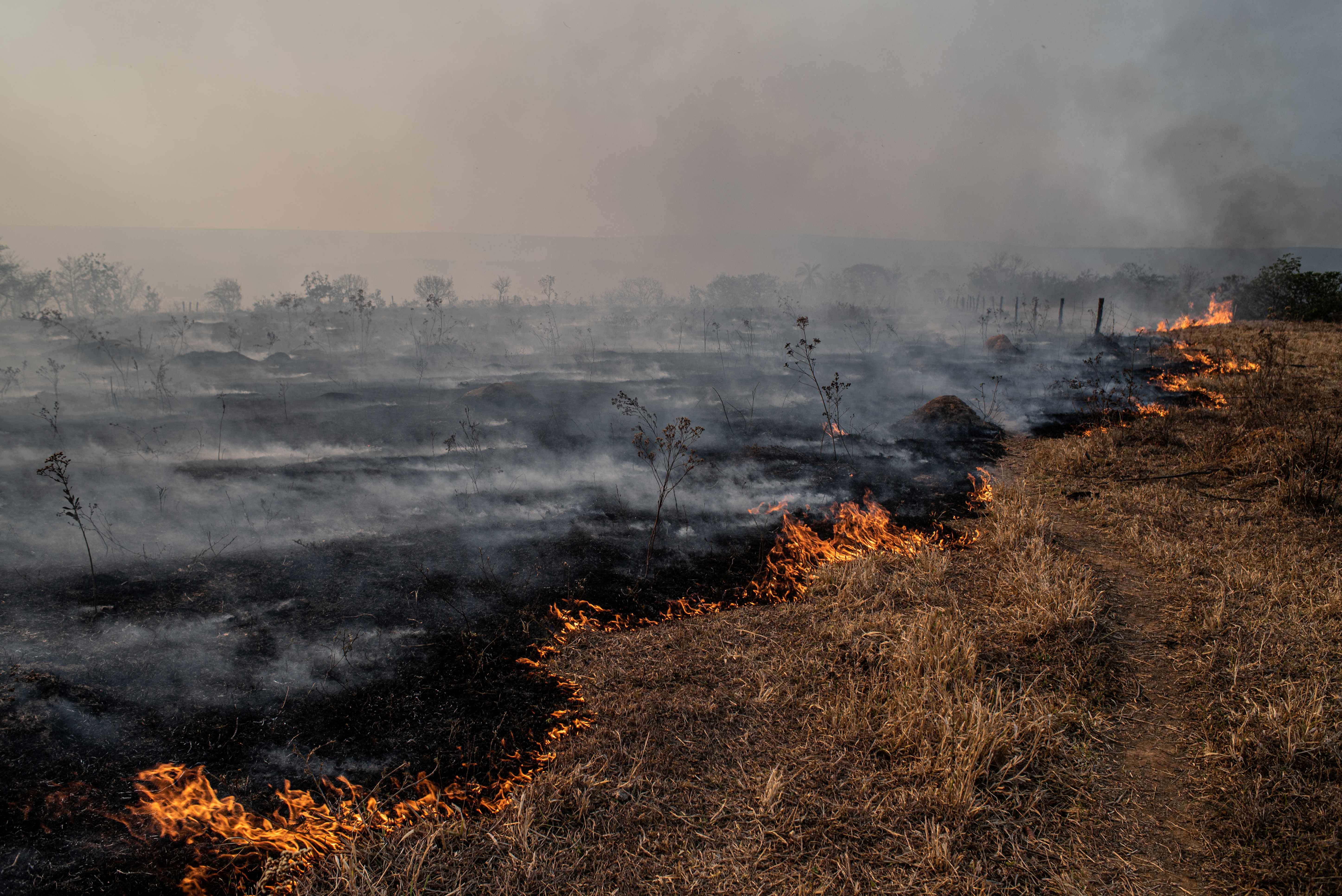
With the spread of the technological media revolution and the rapid transmission of data and information across multimedia platforms, the prospects for benefiting from media digitisation in the Global South appear promising. Yet significant challenges remain, particularly the nature of governing systems that attempt to suppress free voices, block alternative media institutions, and crack down on digital platform actors, especially on X, TikTok, and Facebook. This raises important questions about the opportunities available to journalists in the Global South to confront misinformation, media bias, and the shortcomings of Western media institutions in promoting narratives of racism and Islamophobia while sidelining Arab media that document the suffering of the Palestinian and Lebanese peoples during the ongoing war of annihilation.
Traditional media in its rigid form is no longer effective in delivering and communicating information. Audiences increasingly gravitate toward newer forms of media consumption. Consequently, the digitisation of media has become an urgent necessity for improving the performance of Arab media and media institutions across the Global South. However, the rapid shift from older tools and technologies to newer ones alone is insufficient to achieve the desired media transformation. Digital transformation requires fundamental changes in the structure of media institutions and a radical development in both the production of content and the methods used to present it to audiences. This involves moving beyond rigid and ineffective traditional formats and innovating new approaches that enhance the relevance of legacy media while increasing their influence through interactive platforms that respond to audience needs and evolving tastes (2).
Challenges related to the absence of qualified media and administrative professionals capable of implementing digital transformation and supporting the dissemination of information while combating media blackout practices.
Digital transformation in media has already become a reality in developed countries, which have entered the era of digital journalism thanks to the rapid evolution of interactive platforms. Fifth-generation (5G) networks have paved the way for this comprehensive shift, fundamentally changing journalistic practice through the use of modern technologies. Artificial intelligence has likewise become a central component of the contemporary media boom, enhancing efficiency and enabling media organisations to reach audiences through innovative methods.
Technological Dependency and the Impact of Automation
The establishment of a media academy dedicated to supporting digital transformation and training journalists in the effective use of multimedia tools could significantly assist journalists in the Global South in escaping the constraints imposed by traditional media structures and repressive political systems.
The influence of digital media has already extended to numerous media institutions worldwide and across the Arab Gulf region. Hundreds of journalists have lost their jobs as a result of the digital media revolution, particularly after the closure of several print newspapers and the transition of others to digital-only formats, which reduced staffing requirements. This development has compelled media institutions to rapidly adapt to the accelerating digital wave in an effort to retain readers and audiences. Such adaptation has included building clear digital strategies, producing content in digital formats, developing applications for smart devices, and exploiting technological opportunities to maintain close relationships with their audiences (3).
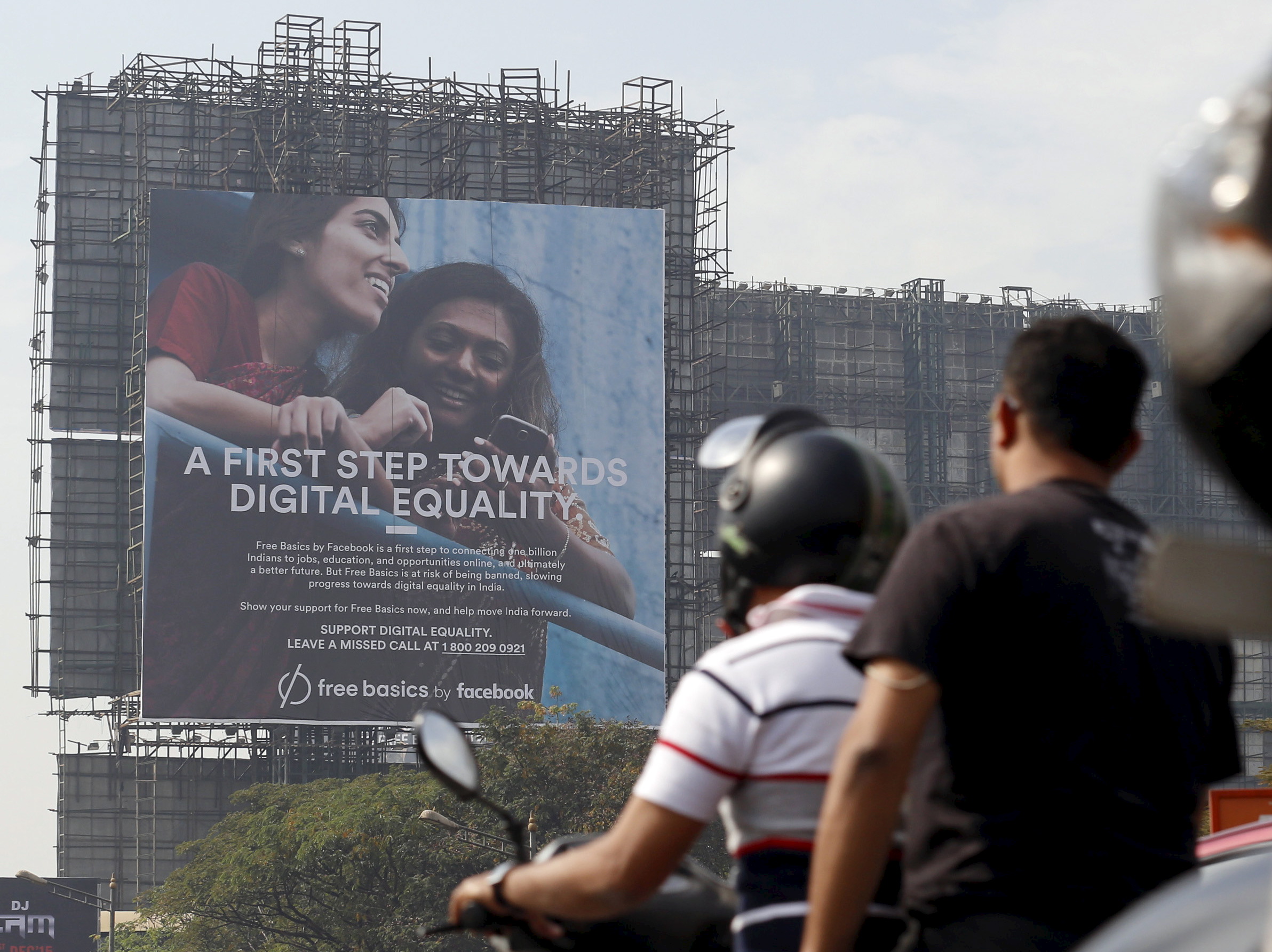
Dependence on technology and major corporations may deepen technological reliance, since most innovations and digital systems remain owned by international companies. This exposes the Global South to the risk of losing control over its data or digital systems.
The phenomenon of online journalism and social media platforms represents one of the most significant developments that have revolutionised the contemporary world of media and communication. This phenomenon has produced profound transformations in traditional media in terms of content, conceptual frameworks, formats, methods of presenting topics, and approaches to engaging with audiences of diverse orientations. Despite this transformation, and despite the rapid increase in the number of local, national, and even Arab newspapers available on online platforms, many of these outlets remain weak and far removed from the integrated, interactive scientific concept of digital journalism (4).
With the development of what has come to be known as “compact reality,” emerging from a hybrid environment that combines traditional media with digital platforms characterised by the free flow of information, the importance of digital transformation in media across the Global South has grown further. Through the use of artificial intelligence technologies, machines and robots have increasingly gained the ability to process data, handle media content, review texts, and even present news bulletins and television programs, making automated news reporting possible. In a report published by the Associated Press, the agency revealed that it employed eleven robots to film events during the 2016 Olympic Games in Rio de Janeiro. These robots enabled the capture of angles that would have been difficult for human operators. Drone robots were also used to cover the displacement of hundreds of Iraqis in the area south of Mosul.
Despite ongoing efforts toward digital transformation in the Global South, many questions remain regarding its feasibility and integration into environments lacking key technological infrastructure or governed by authorities that reject dissent and rely primarily on traditional media as instruments of state propaganda. Several issues merit serious consideration when developing a precise future strategy for digital transformation, including:
-
The nature of the relationship between traditional media and modern digital platforms, the prospects for integration between them, the content and editorial methods used, as well as marketing, advertising, legal frameworks, and regulatory structures.
-
The ethical codes and professional charters that should guide journalists, communication professionals, and media institutions more broadly.
-
Challenges related to the absence of qualified media and administrative professionals capable of implementing digital transformation and supporting the dissemination of information while combating media blackout practices. The establishment of media academies that support digital transformation and train journalists in the optimal use of multimedia tools could significantly assist journalists in the Global South in breaking out of the constraints imposed by traditional media systems and authoritarian regimes.
Persistent Obstacles and the Need for a New Ethical Framework
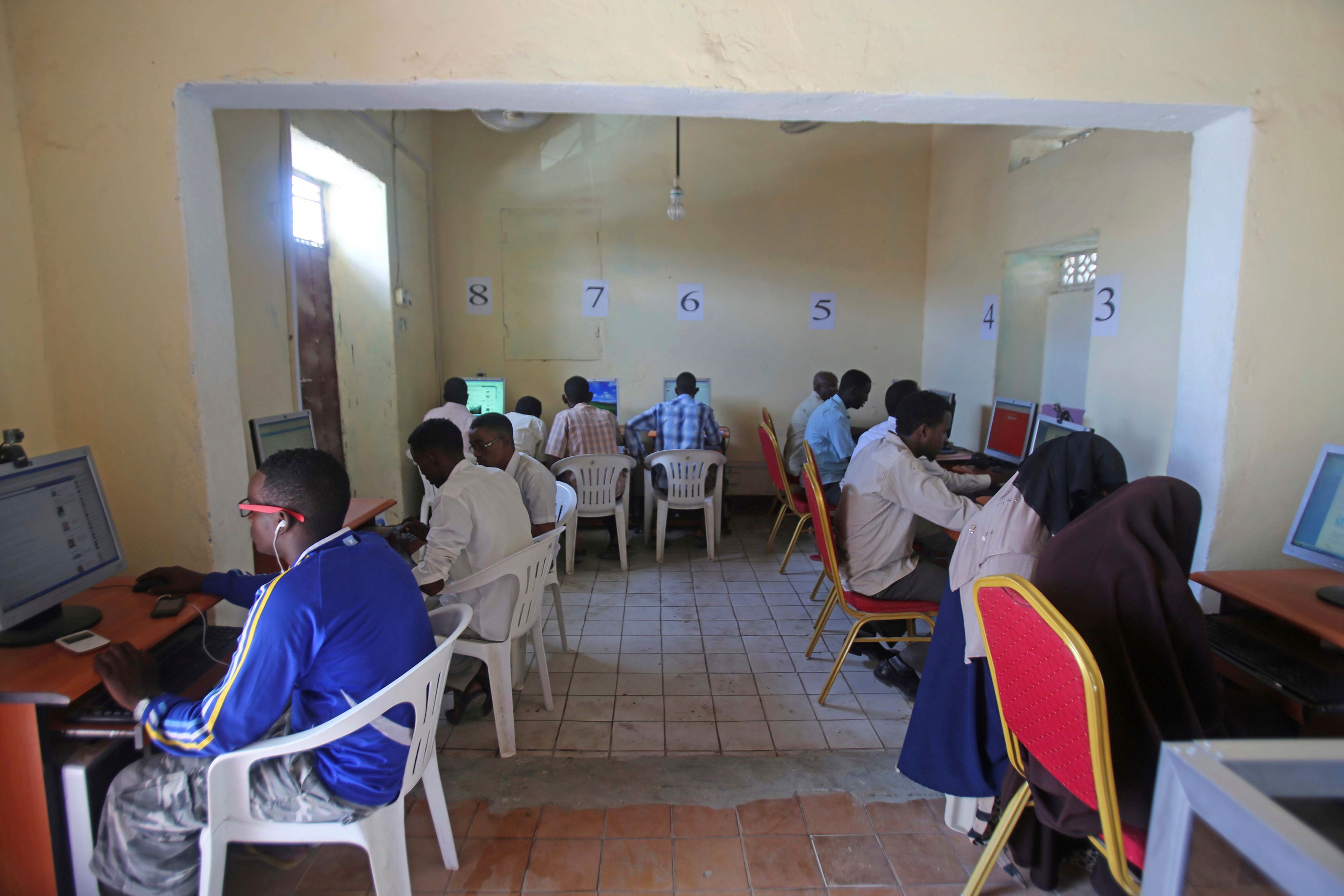
Despite the spread of technology, a substantial digital divide persists across the Global South. This gap stems from the lack of technological infrastructure in certain regions, the high cost of internet access, and, in some cases, government policies that block alternative media while failing to respond to audiences’ informational needs and interests. These factors collectively hinder the full benefits of the digital revolution.
Reliance on technology and major corporations may also reinforce technological dependency. Most technological innovations and digital systems remain owned by international corporations, exposing the Global South to the risk of losing control over its data and digital infrastructures.
Several obstacles continue to slow the pace at which countries of the Global South can benefit from the digital media revolution, including:
-
Disinformation and fake news:
The rapid spread of information on the internet makes it difficult to control the flow of misleading or fabricated news. In some developing countries, such information can exacerbate conflicts or negatively shape public opinion. In certain cases, misleading narratives serve pro-Western or pro-Zionist propaganda aimed at suppressing the free flow of information, particularly regarding acts of genocide carried out by Israeli military forces against civilians in Gaza.
-
Technological dependency:
Dependence on technology and major corporations may deepen technological reliance, since most innovations and digital systems remain owned by international companies. This exposes the Global South to the risk of losing control over its data or digital systems. It may also limit access to advanced artificial intelligence technologies; for example, American companies have begun restricting the transfer of such technologies to certain Gulf states, particularly Saudi Arabia and the United Arab Emirates, despite their potential to improve governance and public administration.
-
Security threats and cyberattacks:
As reliance on digital technologies increases, developing countries become more vulnerable to cyberattacks and hacking, potentially limiting the ability of digital media to counter Western media narratives in reporting facts and news.
-
Negative impacts on cultural identity:
Digital globalisation may erode local cultural identities due to increased exposure to content and information that do not align with the cultural and religious values of these societies. Local cultures may consequently become marginalised in the face of the expanding flow of Western cultural content.
There is little doubt that Israel’s military aggression against Gaza and Lebanon has imposed new priorities on journalists in both the Arab world and the broader developing world, particularly with regard to confronting Western media narratives surrounding the reporting of genocide. In this context, Arab journalism needs to reconsider the Western ethical codes that have been locally adopted and instead develop Arab ethical frameworks that go beyond merely reproducing and translating those standards, such as accuracy, objectivity, and neutrality. Rather, new ethical standards should be designed to correspond to an Arab reality marked by developmental failure, foreign occupation, and political repression (6).
Sources
- Joseph S. Nye, Jr., What Is the Global South? Project Syndicate, November 1, 2023. Accessed October 15, 2024. https://www.project-syndicate.org/commentary/global-south-is-a-misleading-term-by-joseph-s-nye-2023-11/arabic
- Samy ElSherif, Media and Digital Transformation (الإعلام والتحول الرقمي). Arab Media Society, March 21, 2021. Accessed October 15, 2024. https://bit.ly/3NvwCA2
- The Digital Media Revolution (ثورة الإعلام الرقمي). Saudi Electronic University, Jisr Articles Portal, November 24, 2019. Accessed October 15, 2024.http://seu.edu.sa/ar/jisr-articles/ثورة-الإعلام-الرقمي/
- Moroccan and Arab Media in the Context of the Modern Digital Revolution (الإعلام المغربي والعربي في ظل الثورة الرقمية الحديثة). Al Jazeera Blogs, April 29, 2017. Accessed October 16, 2024. https://bit.ly/4h5PWRT
- Imad Al-Rawashdeh, Publishing Imperialism: The Colonial Mindset in Western Journalism (إمبريالية النشر: ذهنية الاستعمار في الصحافة الغربية). 7iber, June 1, 2024. Accessed October 16, 2024. https://bit.ly/3Yqs8AP































![Palestinian journalists attempt to connect to the internet using their phones in Rafah on the southern Gaza Strip. [Said Khatib/AFP]](/sites/default/files/ajr/2025/34962UB-highres-1705225575%20Large.jpeg)