أنا زوجة إسماعيل الغول!

أنا زوجة إسماعيل الغول!

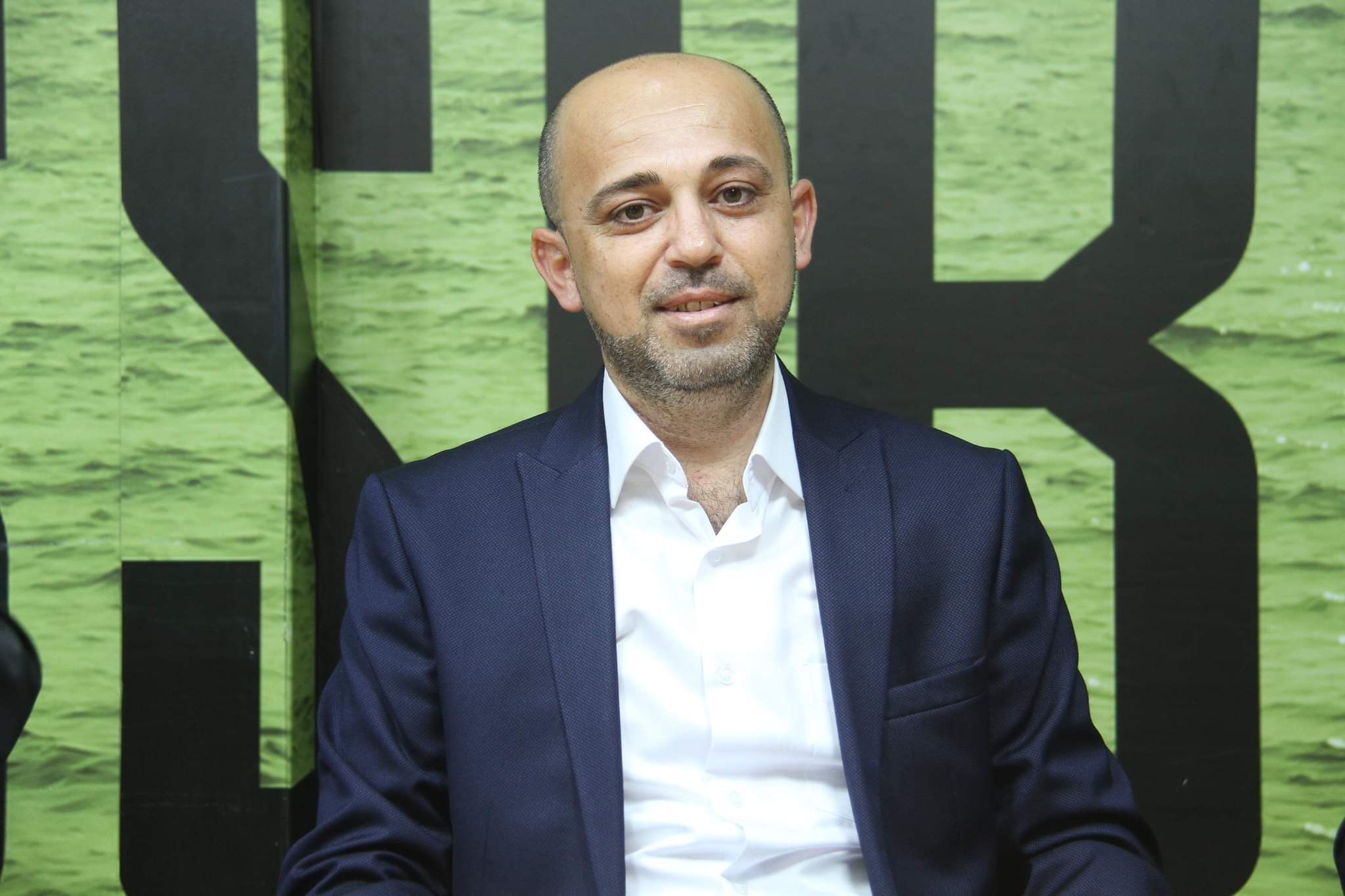
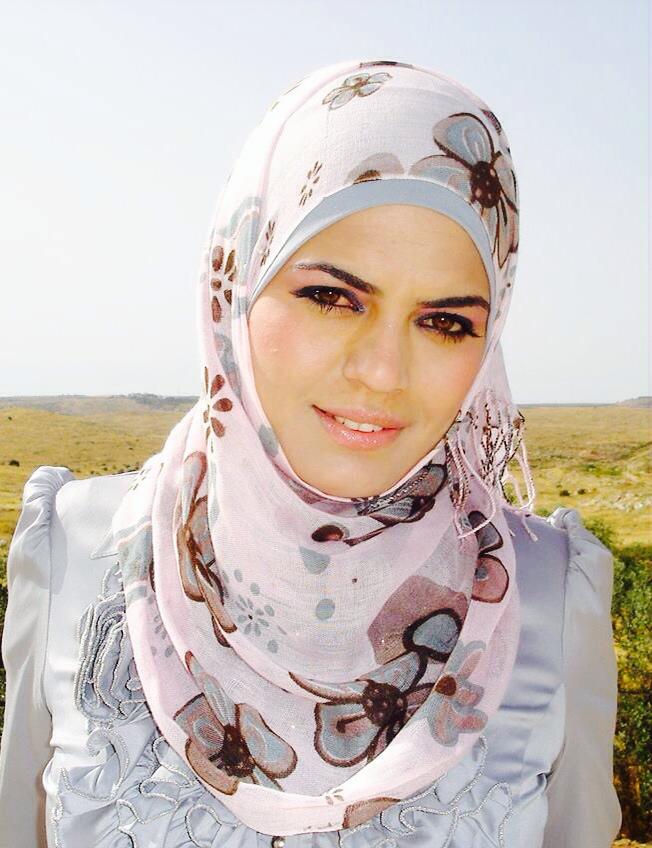
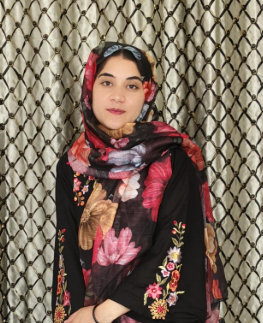
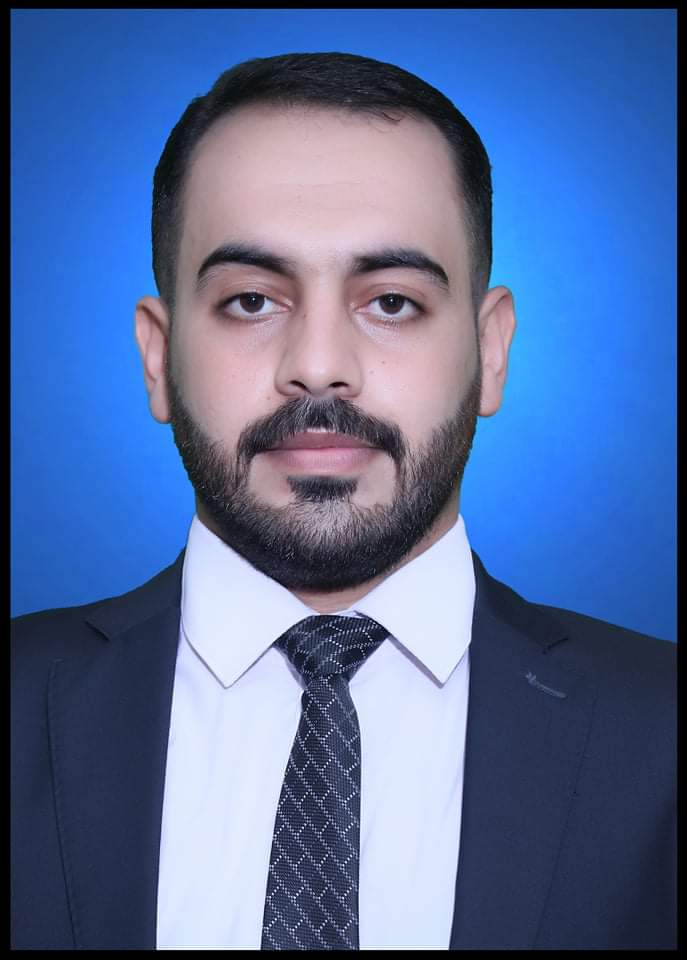
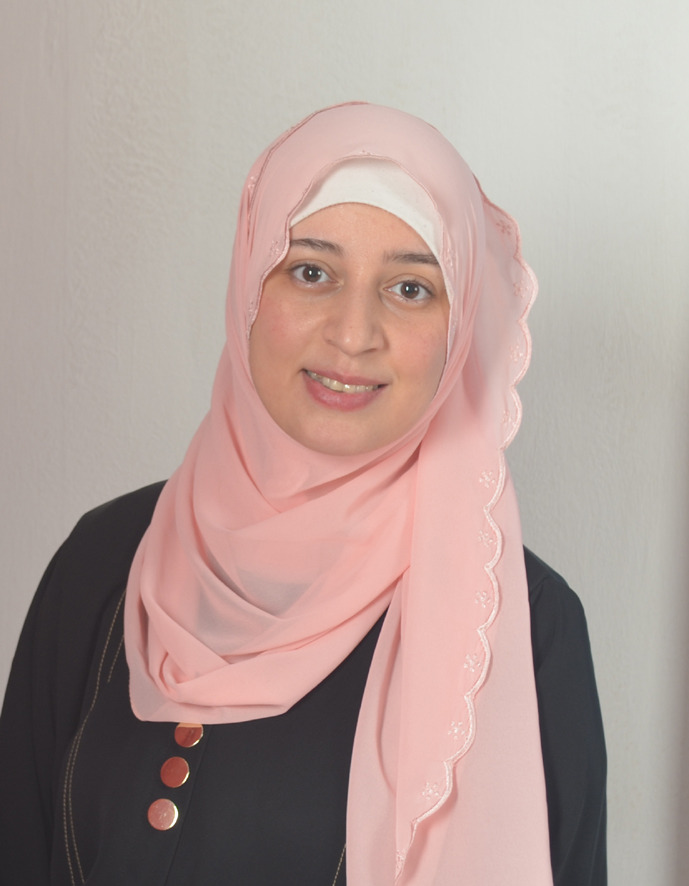
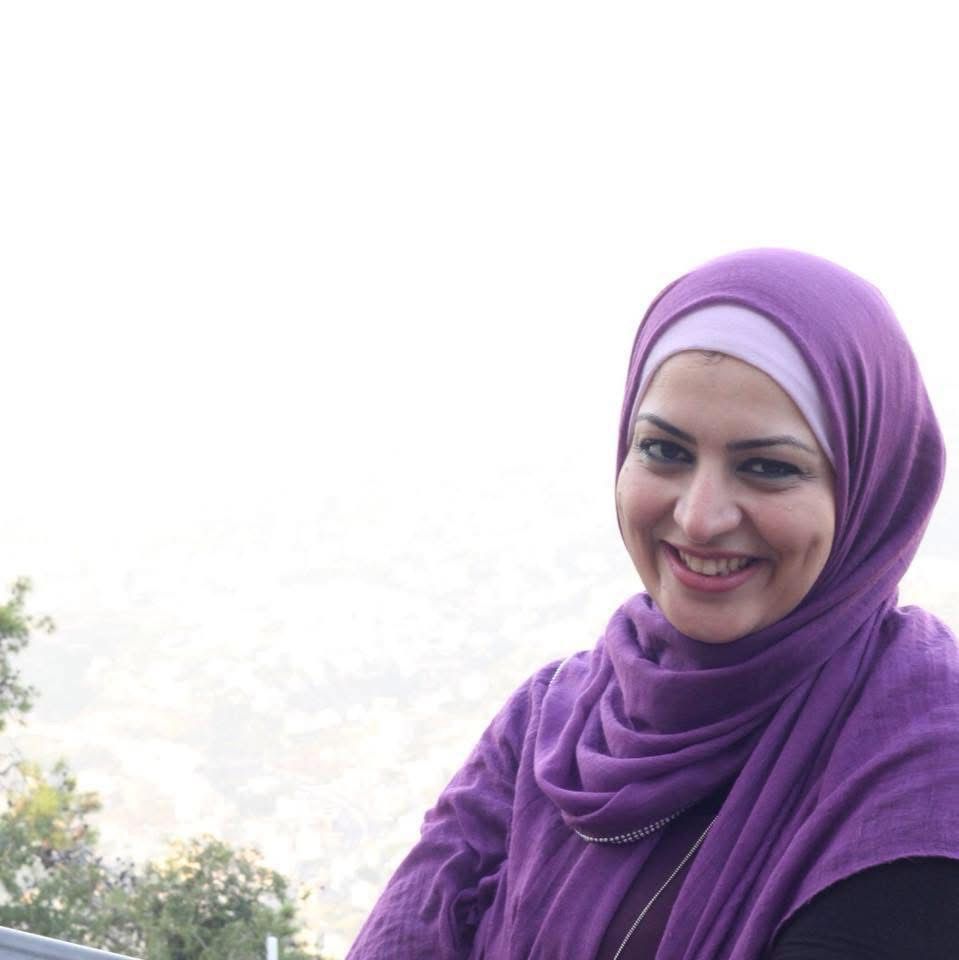
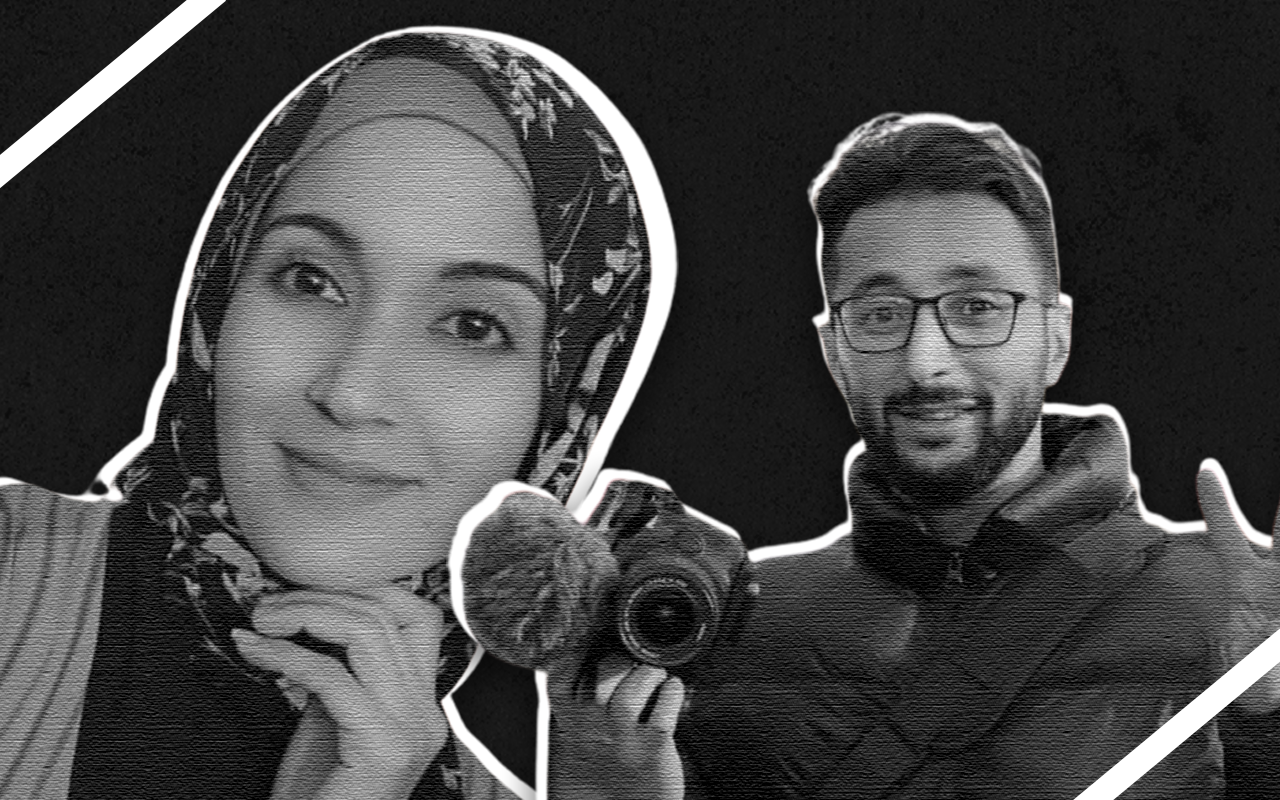
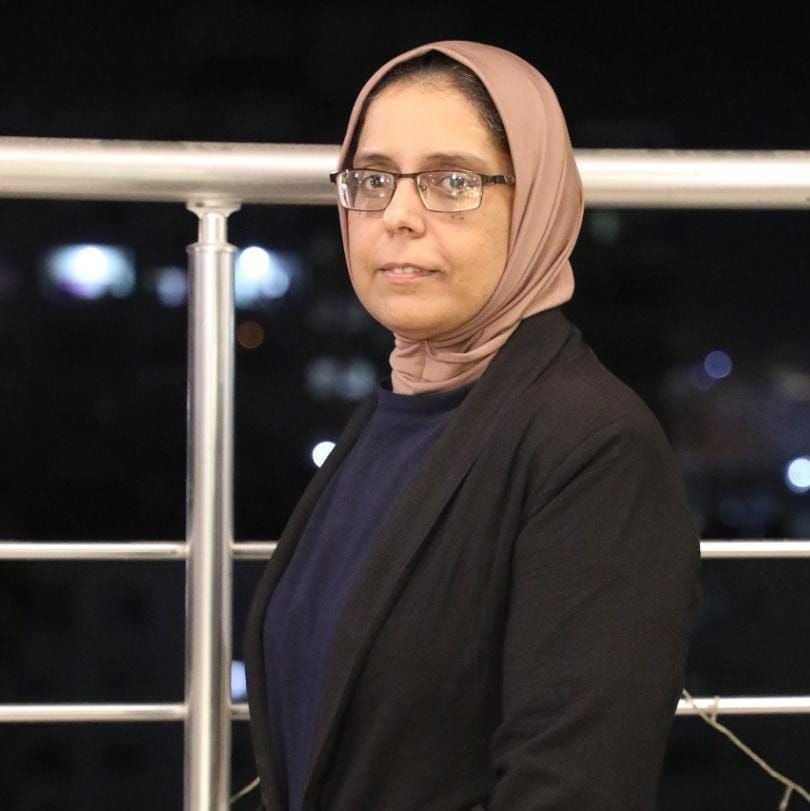
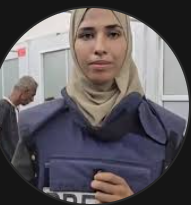
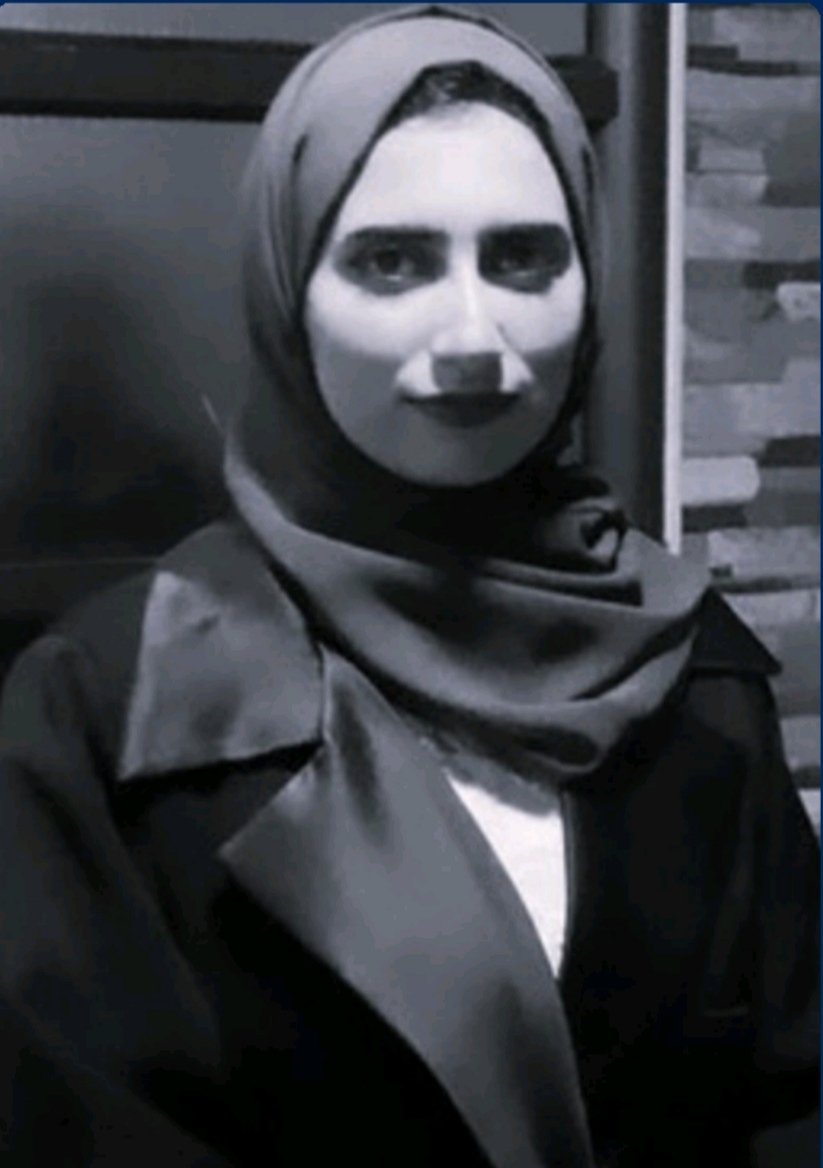
أنا ملك زريد زوجة الشهيد الصحفي إسماعيل الغول، معلمة للغة العربية في مدارس وكالة الغوث وتشغيل اللاجئين الفلسطينيين، وأم لطفلة واحدة اسمها زينة. أعيش في مخيم النصيرات وسط قطاع غزة. من موقعي كرفيقة درب، أروي تفاصيل مسيرته المهنية والإنسانية؛ لأخذكم إلى ما هو أبعد من المشهد الإخباري، إلى الحكاية التي لا تراها العدسات: كيف عاش، كيف قاوم، وكيف رحل... وكيف بقي أثره في قلبي وفي قلب ابنته زينة شاهدا على ثمن الكلمة في فلسطين، وثمن الحقيقة حين تُروى بدم صاحبها.

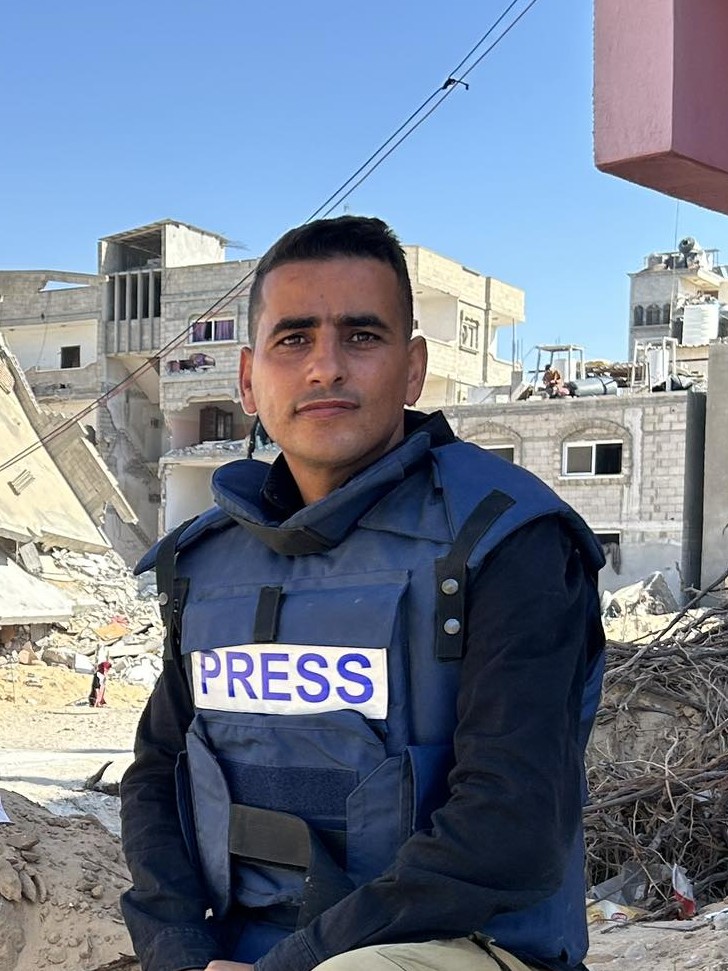
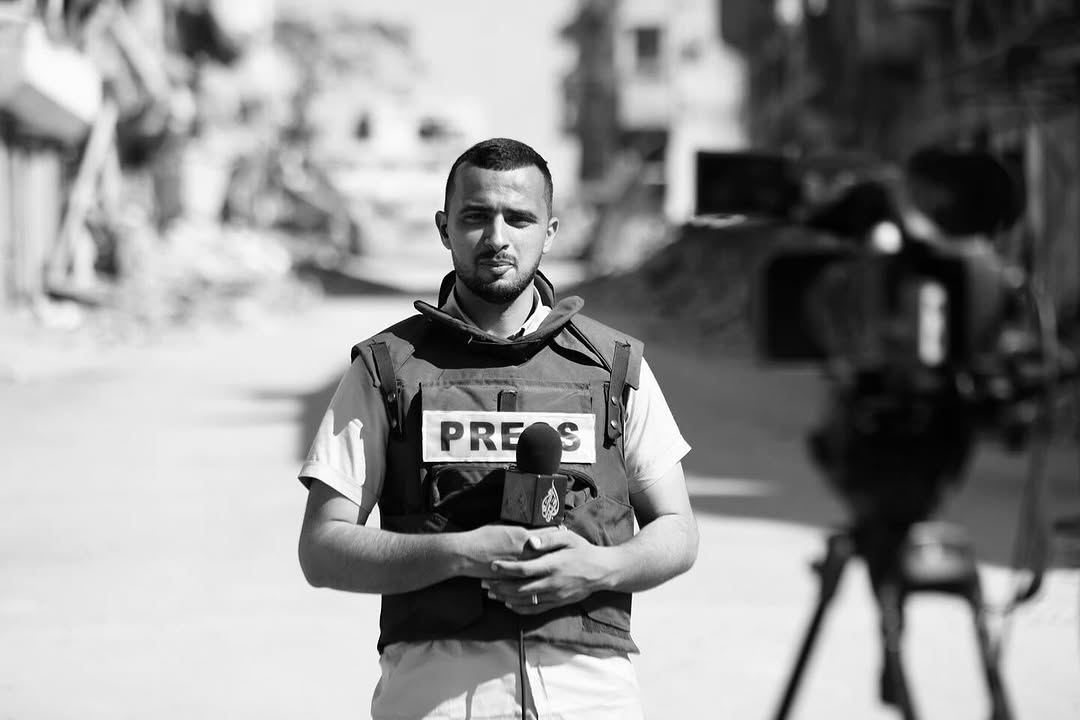
وُلد إسماعيل في غزة عام 1989، وكبر وهو يحمل في قلبه شغف الكلمة والصورة. درس الصحافة في الجامعة الإسلامية، وبدأ خطواته الأولى في صحيفتي الرسالة وفلسطين، ثم اتجه إلى العمل التلفزيوني. بالنسبة إليّ لم يكن إسماعيل الغول يوما مجرد صحفيّ فلسطيني من غزة ظهر على شاشة الجزيرة على مدى ثلاثمئة يوم من الحرب ثم انقضى أثره بانتهاء مهمته، بل كان إنسانا عشت معه تفاصيل الحياة بحلوها ومرها، رجلا أحبّ الكلمة وأخلص لها حتى ارتقى وهو يحمل كاميرته يلاحق بها الحقيقة في شوارع غزة المحاصرة. لم يكن يركض خلف الأخبار فحسب، بل اختار أن يكون إلى جانب الناس في أصعب لحظاتهم حاملا وجعهم إلى العالم.

مع اندلاع الحرب، اختار إسماعيل البقاء في شمال القطاع، فيما اضطررتُ مع ابنتي للتوجه جنوبا؛ حيث روّج الاحتلال أن المنطقة هناك أكثر أمانا. في الشهور الأولى من نزوحنا انقطع الاتصال كليا؛ لا شبكة ولا إنترنت ولا أي خبر عنه. كنا نعيش عزلة ثقيلة تشبه الموت البطيء. وبعد أسابيع طويلة من الغياب التقط أخي صوته عبر قناة الجزيرة - بالصوت فقط - مستخدما تقنية اتصال بسيطة، يومها فقط شعرت أنني ما زلت أتنفّس.

 في الشهور الأولى من نزوحنا انقطع الاتصال كليا؛ لا شبكة ولا إنترنت ولا أي خبر عنه. كنا نعيش عزلة ثقيلة تشبه الموت البطيء. وبعد أسابيع طويلة من الغياب التقط أخي صوته عبر قناة الجزيرة - بالصوت فقط - مستخدما تقنية اتصال بسيطة، يومها فقط شعرت أنني ما زلت أتنفّس.

كانت البداية عبر مداخلاته على الهاتف من غزة، لكنّ صوت إسماعيل لم يدخل بيوت أهل غزة وحدها، إنما تسلل صوته إلى كل بيوت العالم حاملا الحقيقة في كل كلمة، وكأنه يرسم بخطوط الضوء خريطة صمود أهل غزة. في مرحلة لاحقة، بدأ إسماعيل بتصوير تقارير مرئية وإرسالها إلى الجزيرة، ثم تطوّر الأمر ليبدأ بتغطية الأحداث مباشرة من مستشفى الشفاء في غزة. وبعد عدة أشهر، وقّع عقدًا مع قناة الجزيرة ليُصبح مراسلا رسميّا في شمال القطاع قبل أن يتعرض للأسر هناك.

لم تكن تغطيته مجرد نقل للأخبار، بل كانت مواجهة وجودية مع الواقع، حتى إن وسائل إعلام غربية كبرى طالبت بتقاريره لإعادة بثها للرأي العام الدولي؛ لنقل الرواية الأخرى والحقيقة التي لم يكن للاحتلال أي مصلحة في وصولها للعالم.

في كل مرة أراه على الشاشة كنت أشعر بالفخر والقلق في الوقت نفسه؛ لأنه كان يعيش حُلمه لكنه كان أيضا عرضة للخطر في كل لحظة. ومع كل تقرير جديد، كان شعوري يتأرجح بين الخوف عليه والفخر بما يقدّمه وهو يواجه آلة الحرب بعدسة مرتجفة وقلب لا يلين.

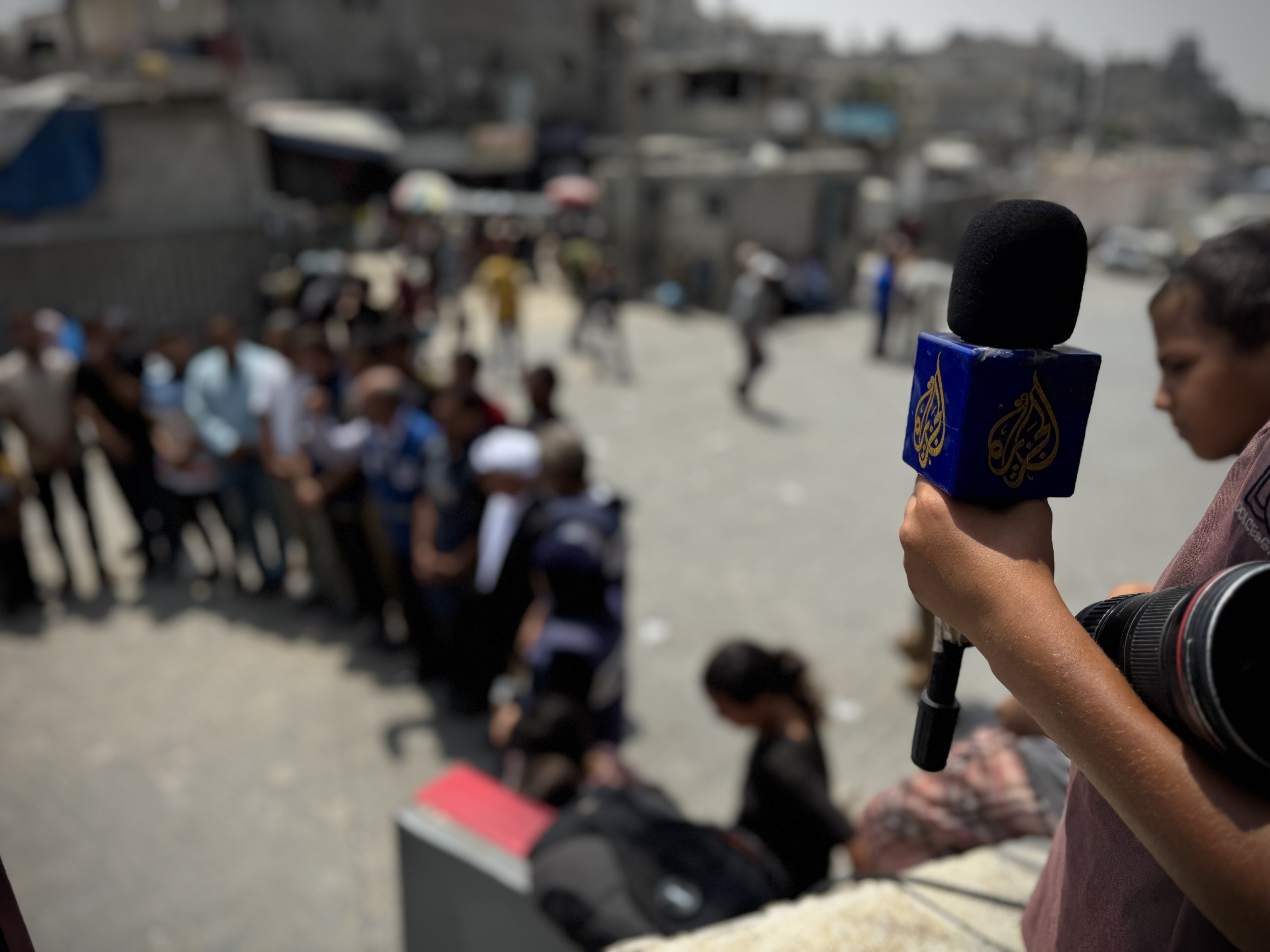
ظل إسماعيل وفيّا لغزة على مدار عشرة أشهر. كانت كاميراته بمثابة عينيه التي تُري العالم ما لم يكن قادرا على رؤيته من يوميات القصف والقتل وآثار الدمار والصرخات، والدموع. وما مكّنه أكثر جهدُه الكبير في التنقل السريع بين مناطق متباعدة؛ إذ كان إسماعيل حاضرا في أحداث كبرى عبر مداخلات مباشرة وتقارير ميدانية غطّى خلالها مجازر وأحداثا فائقة الخطورة.

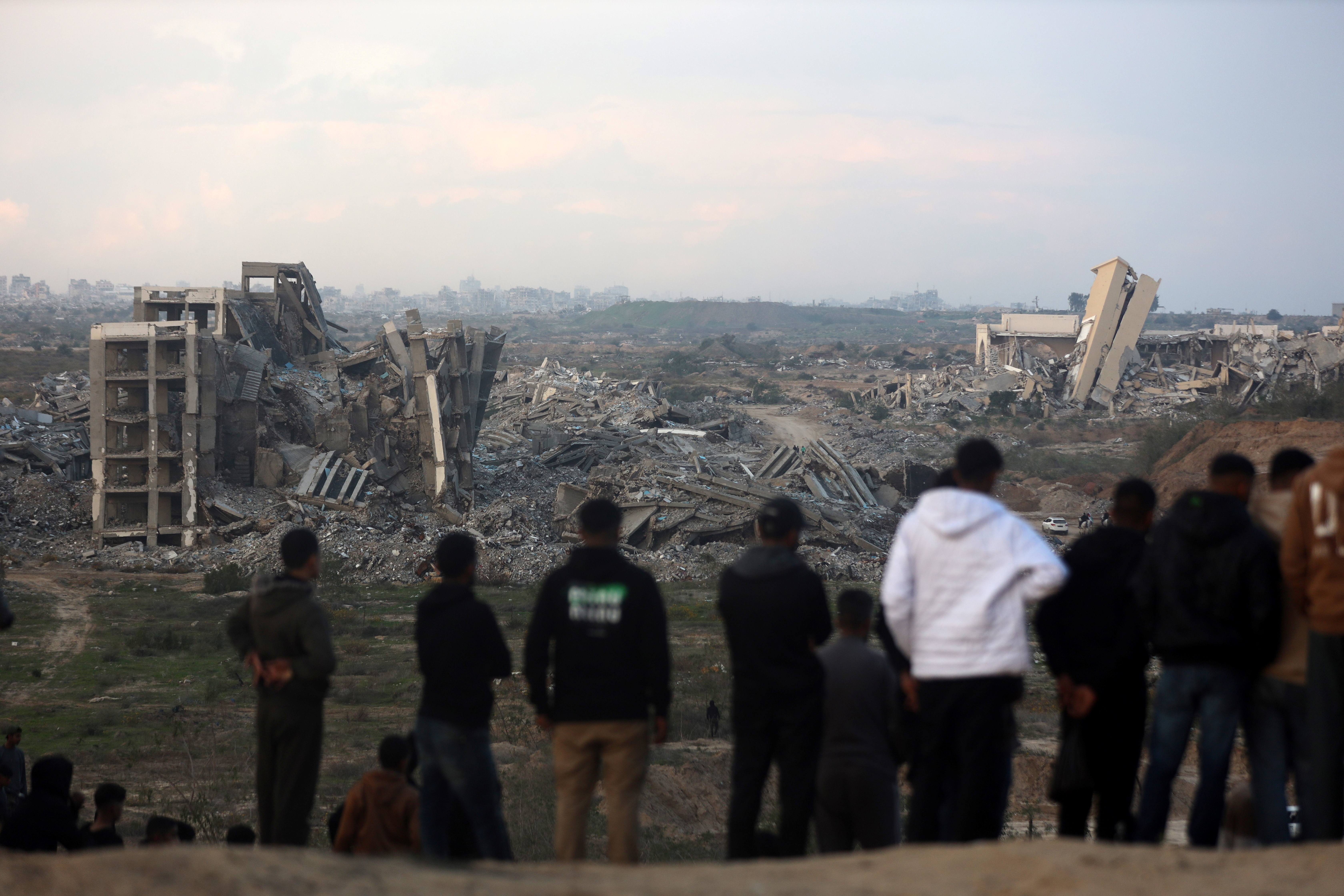
 ففي السابع والعشرين من نوفمبر/ تشرين الثاني 2023 - أي بعد خمسين يومًا من الحرب - كان إسماعيل الصحفي الوحيد الذي وصل بكاميراته إلى ميناء غزة بعد انسحاب جزئيّ للاحتلال، وعلى بعد أمتار من تمركز الدبابات الإسرائيلية وقف إسماعيل ليوثّق الدمار في شارع الرشيد وأحياء غرب المدينة، ومن أقصى غرب غزّة إلى أقصى شرقها تنقل بلا كلل؛ يوثق ويصوّر ويروي للعالم ما حاولت إسرائيل حجبه من مجازر وأحداث يومية وأهوال عايشها الناس. كان يرى نفسه واحدا من أبناء هذا الشعب المكلوم الذي يقع على عاتقه تقديم رواية واضحة عن مدينته التي اتفق العالم على استباحة دمها. وعليه، وجد إسماعيل نفسه أمام خيارين لا ثالث لهما: إما الموت بصمت، أو الصراع من أجل البقاء والحرية.

كان إسماعيل عين الجزيرة وعين العالم على أهوال الحصار وما عايشه المرضى والجرحى، وشهد مجازر أخرى مثل مجزرة "الأفواه الجائعة" يوم 25 يناير/ كانون الثاني 2023 عند دوار الكويت؛ حيث باغتهم الاحتلال بالرصاص وقتل العشرات. ومن الأحداث الكبرى التي وثّقها الحصار الثاني لمستشفى الشفاء؛ حيث احتجزه الاحتلال لساعات قبل أن يفلت ويعود إلى الشاشة ليحكي ما اقترفه الجنود الإسرائيليون.

كنت أعيش معه هذه المعركة يوما بيوم. وكلما غادر إلى الميدان ترك خلفه قلبي معلّقا ما بين خبر عاجل واتصال مفقود وانتظار طويل. أذكر كل المرات التي كنت أردد فيها على مسمعه "ما بدنا كل شغل الصحافة" لأنني أعرف جيدا مخاطر هذه المهنة وأعرف ما حدث لمراسلي الجزيرة في غزة، فكان يردُّ عليّ بثقة وعناد المؤمن برسالته: "لازم نوصل صوت الناس بغزة، هاد مش وقت الحزن، هاد وقت الرسالة".

كنت أتمنى أن يبقى إسماعيل معنا، خصوصًا في ظل ظروف الحرب، لكنه في النهاية اختار هذا الطريق رغم كل الصعوبات ورغم بُعده عنا.

كنت أعيش معه هذه المعركة يوما بيوم. وكلما غادر إلى الميدان ترك خلفه قلبي معلّقا ما بين خبر عاجل واتصال مفقود وانتظار طويل. أذكر كل المرات التي كنت أردد فيها على مسمعه "ما بدنا كل شغل الصحافة" لأنني أعرف جيدا مخاطر هذه المهنة وأعرف ما حدث لمراسلي الجزيرة في غزة.

وبينما كان يواجه القصف والدمار هناك، كنت أواجه خوف الانتظار هنا، نعيش الحرب في مكانين مختلفين لكن بقلق واحد مشترك. أكثر ما يثقل قلبي هو علاقة إسماعيل بابنتنا زينة؛ فقد كان حنونا جدًّا معها لكن جاءت الحرب لتفصلها عنه قسرا. زينة - إلى اليوم - لا تزال تحمل في ذاكرتها وُعوده؛ إذ كان يقول لها دائمًا: "هآجي وآخذك بالسيارة" فدايما بتستناه.

كان أكثر ما يؤلمه أن يشاهد مقاطع فيديو لها وهي تسأل: "هاد بابا؟" أو حين ترى وجهه في وجوه المارة. كان قلبه يتمزق لكنه يخفي حزنه بابتسامة ويقول: "ما بدي تقلقي... أنا بس مشتاق، مشتاقلكم وبدي أشوف زينة". ورغم رحيله ما زال صوته حاضرا. زينة ما زالت تراه في الحلم، وتروي لي: "بيجيني، بيحضني، وبيطعمني، وبيبوسني". آملُ أن تعوّض هذه اللحظات في الحلم قليلا من الشوق الذي كان بين زينة ووالدها. تحمل صورته دوما وتقبّلها، وتكرر أمام الجميع: "هاد بابا... بابا بالجنة، عنده موز وتفاح".

كل ابتسامة من زينة كانت تمنحه سببا إضافيا ليواصل يوما آخر في الميدان. حلمه الوحيد كان أن يراها ويضمني مرة أخرى، لكنه استُشهد قبل أن يتحقق له ذلك، تاركا وراءه وجعا لا يهدأ وسؤالا بلا جواب: لماذا يُقتل الصحفي وهو يحمل الكاميرا لا السلاح؟

برحيل إسماعيل تغيّرت كل حياتي. في كل مرة أشعر كأنه اليوم الأول؛ نفس الوجع نفس الغصة. كنت أظن أنني مستعدة لأن إسماعيل كان يهيّئني دائما لهذا اليوم، لكن الحقيقة أنني لم أكن جاهزة أبدًا. كان سندي وصديقي وأبي الثاني. حتى اليوم أنسى أحيانًا أنه رحل، وأتخيله يدخل البيت فجأة. لهذا أدعو الله دائمًا: "يارب، تلحقنا بإسماعيل".

ورغم رحيله ما زال صوته حاضرا. زينة ما زالت تراه في الحلم، وتروي لي: "بيجيني، بيحضني، وبيطعمني، وبيبوسني". آملُ أن تعوّض هذه اللحظات في الحلم قليلا من الشوق الذي كان بين زينة ووالدها.

لكنني أعلم في قرارة نفسي أن إسماعيل كان يعرف الثمن، وكان مستعدا له. كان يرى في الصحافة جبهة مواجهة، ليست أقل خطرا من خندق النار. وكان يهيّئني نفسيّا لما هو قادم، كان دائمًا يقول لي: "خليكي صابرة، فكّري ببنتك". وقبل رحيله بأيام قال لي وكأنه يقرأ نهايته: "أنا مش خايف على زينة لما أستشهد... أنا خايف عليكي إنتِ". كلمات شاهدة على رجل اختار أن يروي الحقيقة حتى آخر نفس، ودفع ثمنها من دمه.

في ضوء هذه التجربة القاسية، أصف حجم الخوف الذي كان يعيشه أهالي الصحفيين خلال الحرب قائلة: "الخوف والقلق ما زالا مستمرين إلى اليوم؛ لدرجة أنني عندما أقرأ خبر استشهاد أحد الصحفيين - رغم أنه مرّ عام تقريبًا على استشهاد إسماعيل- بينقبض قلبي من جديد، بنسى للحظة وبفكر إنه يمكن يكون إسماعيل، بعدين بتذكر إنه هو راح... بس الوجع ما راح".

أستعيد ذكريات كثيرة مع إسماعيل خاصة في رمضان: كان زوجي في الشمال، بياكل دقّة وحمص، بينما أنا في الجنوب - رغم الظروف - كان الأكل متوفر نوعًا ما. أتذكر في رمضان، نكون عاملين مفتول دجاج، وأسأله شو فطرت؟ ما كان يرضى يحكي حتى ما يزعّلني. أصرّ عليه: إيش أكلت؟ فيرد: حمص... عاملين حمص. فأنا كنت أحكي كيف أنا بدي آكل مفتول ولحمة وزوجي بالشمال بيفطر على حمص... وإسماعيل كان من النوع اللي بيعزّ الأكل جدًا.

أحاول أن أكمل ما انتهى عنده إسماعيل بوجود زينة، أحاول أن أكون مكان أبيها، لكنني مهما حاولت لا أستطيع أن أملأ مكان الأب. مهما كنت حنونة وأحبها فإنّ إسماعيل كان أحنّ وأطول بالا عليها. أحاول أن أربيها تربية طيبة، وأحميها من وجع الفقد، وأُبقي حضوره في حياتها حيًّا. في العيد أقول لها: "هاي العيدية من بابا"، وعندما أشتري لها طعاما تحبه أقول: "بابا بعتلك إياه". صورته دائمًا في محفظتي أخرجها وأُقبّلها؛ لتبقى ذكراه معنا حيّة في كل لحظة.

لماذا زوجي استُشهد؟ لأجل مَن؟ استشهد وهو يظن أن الحقيقة ستترك أثرا... لكن العالم بقي صامتا.

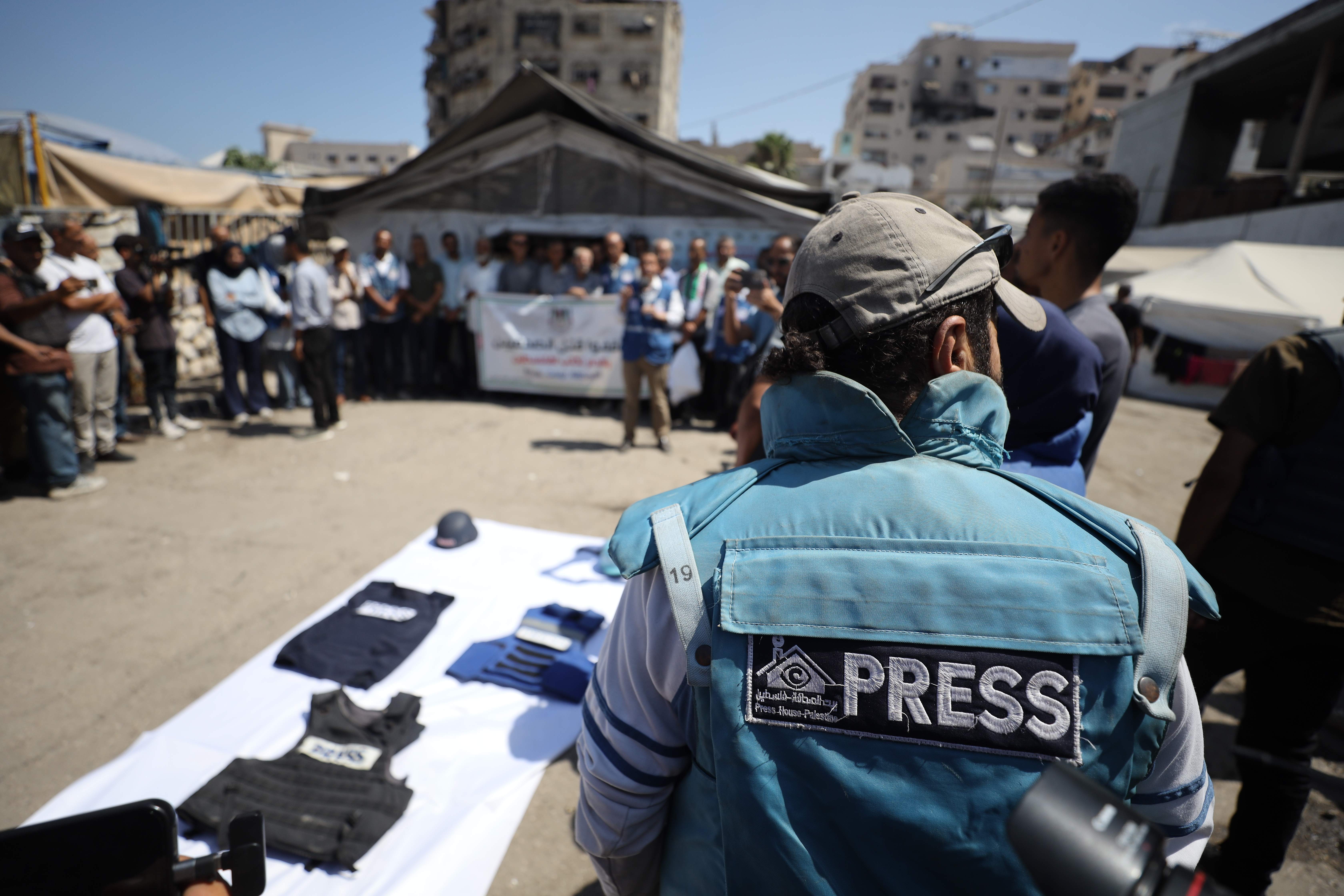
لم يكن إسماعيل يومًا مجرد رقم أو صورة مرّت في الأخبار. كان إنسانا حقيقيا صحفيا يحمل أحلاما وطموحات، وله زوجة وابنة وعائلة، له حياة ومستقبل. آمن بمهنته وآمن بواجبه في إيصال الحقيقة، وفي أن يصل صوت غزة إلى العالم، وربما هذا ما يدفعني اليوم لأن أقول لكل الصحفيين الذين قرّروا أن يكملوا على هذا الطريق ألا ينسوا زملاءهم الذين سبقوهم ودفعوا حياتهم ثمنا للحقيقة... ألا يركضوا فقط وراء الشهرة وألا ينسوا المعنى العميق للرسالة التي يحملونها.

ورغم كل شيء ما زلت أرى إسماعيل حيًّا في ابنتنا، وفي كل كاميرا تصرخ بالحقيقة من قلب غزة؛ فالصحافة كانت معركته، وأنا شاهدة على أنه خاضها حتى النفس الأخير.

على مدار عشرة أشهر وقف إسماعيل أمام عدسة الكاميرا يسرد جراح غزة مداريا جروحه هو وشوقه لعائلته ولرؤية طفلته الصغيرة التي كان يراها في كل طفل في شمال غزة. كان يرى في الكاميرا سلاحه، وفي الصحافة رسالته، وفي الحق طريقه، وظل ثابتا في زمن حاولوا فيه إسكات صوت غزة وإغلاق أبوابها أمام العالم.

ورغم الفقد، ما زالت زينة تبحث عن أبيها في وجوه الناس، وما زالت مَلك تحمل صوته في قلبها وتحفظ رسالة الحقيقة في روحها. في شهادتها الموجعة تُجسّد ملك زريد حجم التضحيات التي يقدمها الإعلاميون الفلسطينيون في ساحات الصراع، وتُضيء على أهمية الاستمرار في نقل الحقيقة رغم المخاطر، وتُبرز الدور الحيوي للعائلات التي تقف خلف كل صوت صحفي دفع حياته ثمنا للمهنة.

يبقى إرث إسماعيل حيًّا في كل كاميرا تنقل الحقيقة من قلب غزة، وفي كل صحفي يواصل نقل صرخات وطنه. تذكّرنا رسالته بأن الصحافة ليست مجرد مهنة بل معركة من أجل الحق والإنسانية، وأن صوت غزة لن يصمت ما دام هناك من يؤمن بها ويحمل رسالتها.
 

Related Articles

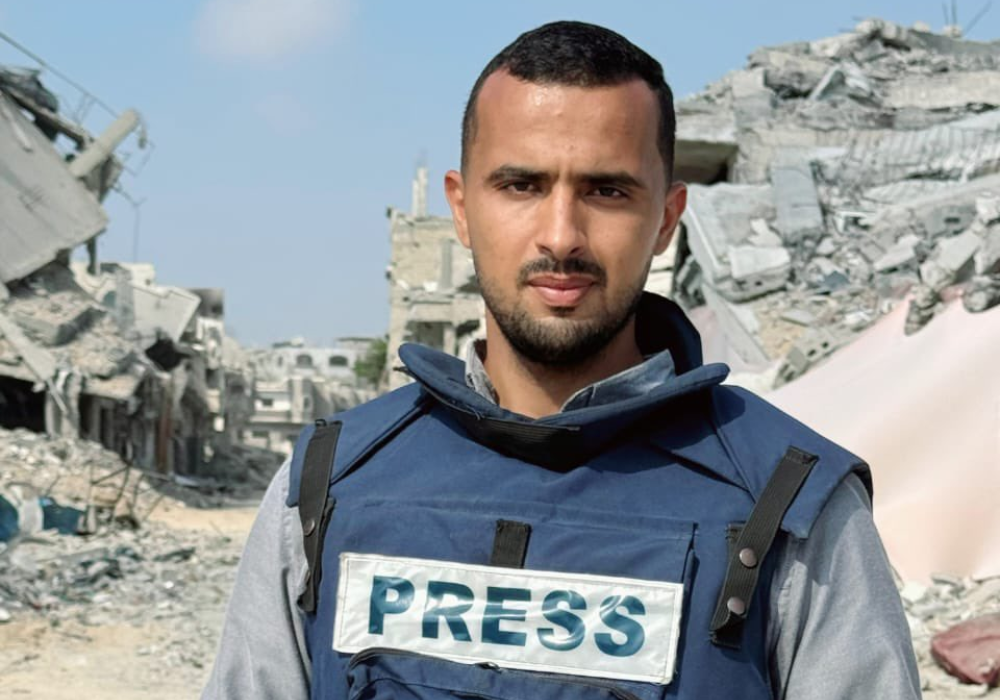
Journalists Recount the Final Moments of Ismail Al-Ghoul

Journalists remembering the slain reporter of Al Jazeera in Northern Gaza, Ismail Al Ghoul. "He insisted on continuing his coverage from the northern part of the Gaza Strip, despite the challenges and obstacles he faced. He was arrested and interrogated by the Israeli army, his brother was killed in an Israeli airstrike, and his father passed away during treatment abroad."
Mohammad Abu Don
Mohammad Abu Don Published on: 11 Aug, 2024

More Articles

From Print to Pixels: How Small-Town Journalists in Bihar Are Surviving Threats and Closures

As newspapers vanish across districts like Siwan, Gaya, and Purnea, reporters turn to mobile phones, digital start-ups and community networks to keep local journalism alive.

Rehan Qayoom Mir. An independent journalist whose work has appeared in international and national outlets,
Rehan Qayoom Mir, Sajad Hameed Published on: 12 Apr, 2026
Arab Society and Investigative Journalism: The Dialectic of Culture, Power, and Profession

Investigative journalism in Arab societies operates within a dense web of social, political, and cultural pressures that often push journalists to balance truth-telling against survival, forcing them onto a precarious “razor’s edge.” Yet despite these constraints, moments of crisis can transform society itself from a source of pressure into a powerful ally, driving accountability and reigniting the pursuit of truth.

Musab Shawabkeh
Musab Al Shawabkeh Published on: 7 Apr, 2026
The Revolution That Framed Islam: How 1979 Shaped Western Media on Iran

The 1979 Revolution transformed how the Western world views and reports on Islam. What started as a confused attempt to understand a new religious movement has turned into a permanent media habit of framing Iran through the lens of conflict and suspicion.

Daniel Harper
Daniel Harper Published on: 4 Apr, 2026
The Challenge of Reporting in Chechnya

Independent journalism no longer exists as a functioning practice inside Chechnya. What remains is a profession rebuilt in exile, forced to operate at a distance from the very place it is meant to cover.

Rushda Fathima Khan
Rushda Fathima Khan Published on: 29 Mar, 2026
How AI Can Clean Messy Data; and Where It Can't

Normalising inconsistent, messy, or incomplete data is tedious and time-consuming, but essential. AI can handle grunt work, but editorial decisions remain with the journalist.

KA
Konstantinos Antonopoulos Published on: 21 Mar, 2026
Missiles Made of Words: How Western Media Narratives Shape the Iran–Israel–US Conflict

Western media coverage of the Iran–Israel–US conflict often functions as a weapon of war, using selective language that frames US and Israeli strikes as “self-defence” while depicting Iranian actions as "provocation". This linguistic framing normalises civilian casualties and helps manufacture public consent for military aggression by dehumanising certain populations.

Muqeet Mohammed Shah
Muqeet Mohammed Shah, Ifrah Khalil Kawa Published on: 14 Mar, 2026
How the Ethiopian Civil War Unleashed a Lethal Media Crackdown

There has been a widening crackdown on the media in Ethiopia since war erupted between the central government and Tigray’s regional authorities in 2020, and the pressure appears set to intensify as the country prepares for general elections in June.

Nalova Akua
Nalova Akua Published on: 9 Mar, 2026
Are Netanyahu's and Trump’s Speeches Shaping Western Media Framing?

As political speeches framed the 2026 U.S.–Israeli attack on Iran, segments of Western media echoed their language and narratives, illustrating how strategic rhetoric and news framing can shape public opinion and legitimise military action.

Shaimaa Al-Eisai
Shaimaa Al-Eisai Published on: 6 Mar, 2026
The Taboos of Journalism: A Fragility No One Dares to Expose

Does a journalist have the right to critique their own employer? It is a striking irony that they report on global crises while remaining silent about their own industry's fragility: stagnant wages, eroding professional values, and profit-driven ownership. Journalists must realize that confronting this internal rot is not just a right, but a necessity to save the profession from extinction.

Diana López Zuleta
Diana López Zuleta Published on: 24 Feb, 2026
Bilingual on Paper, Unbalanced on Air: English Journalism in a Francophone Cameroon

In a media landscape where French dominance dictates policy and airtime, English-speaking reporters in Cameroon are forced into a relentless cycle of improvisation, translation, and professional exhaustion. From the "desert-like" scarcity of English-speaking experts to newsrooms that offer no institutional support, this analysis explores how linguistic inequality hollows out the journalistic process, leaving vital stories untold and the promise of a bilingual nation unfulfilled.

Akem
Akem Nkwain Published on: 15 Feb, 2026
Reporting the Spectacle: Myanmar’s Manufactured Elections

Myanmar’s recent elections posed a profound challenge for journalists, who were forced to navigate between exposing a sham process and inadvertently legitimising it. With media repression intensifying, reporting became an act of resistance against the junta’s effort to control information and silence independent voices.

Annie Zaman
Annie Zaman Published on: 7 Feb, 2026
Public Hostility Toward Legacy Media in Bangladesh

The December 2025 arson attacks on Prothom Alo and The Daily Star marked a turning point for journalism in Bangladesh. As public anger replaces state control as the primary threat, reporters are reassessing personal safety, editorial judgement, and professional credibility in a political transition where journalism itself is increasingly treated as an enemy.

Arsalan Bukhari, an independent journalist based in India
Arsalan Bukhari Published on: 4 Feb, 2026
Migration Issues and the Framing Dilemma in Western Media

How does the Western press shape the migration narrative? Which journalistic frames dominate its coverage? And is reporting on anti-immigration protests neutral or ideologically charged? This analysis examines how segments of Western media echo far-right rhetoric, reinforcing xenophobic discourse through selective framing, language, and imagery.

Salma Saqr
Salma Saqr Published on: 31 Jan, 2026
Polarised, Intimidated, Silenced: The Media Under Siege in Cameroon’s Election

Cameroon’s 2025 presidential election exposed a troubling paradox: a nation voting under the watchful eye of power, while its press remained silenced. From the arrest of a teenage reporter to bans on political debate and digital manipulation, freedom of expression is under siege, and journalism is on trial.

Shuimo Trust Dohyee
Shuimo Trust Dohyee, Ngweh Rita Published on: 22 Jan, 2026
What Image of Gaza Will the World Remember?

Will the story of Gaza be reduced to official statements that categorise the Palestinian as a "threat"? Or to images of the victims that flood the digital space? And how can the media be transformed into a tool for reinforcing collective memory and the struggle over narratives?

Hassan Obeid
Hasan Obaid Published on: 13 Jan, 2026
Journalism in Mauritania: Behind the Facade of Press Freedom Indicators

Mauritania holds the top position in the Arab world in the Press Freedom Index published by Reporters Without Borders. However, behind this favourable ranking, the media and journalists face significant challenges, chief among them the ambiguity surrounding the definition of a "journalist" and the capacity of media professionals to fulfil their roles in accountability and oversight. Despite official efforts, the defining feature of Mauritania’s media landscape remains its persistent state of fluctuation.

 Ahmed Mohamed El-Moustapha
Ahmed Mohamed El-Moustapha Published on: 6 Jan, 2026
How Can Journalism Make the Climate Crisis a People’s Issue?

Between the import of Western concepts and terminology that often fail to reflect the Arab context, and the denial of the climate crisis, or the inability to communicate it in clear, accessible terms, journalism plays a vital role in informing the public and revealing how climate change directly affects the fabric of daily life in the Arab world.

Bana Salama
Bana Salama Published on: 19 Dec, 2025
Freelancers in Kashmir Fear Losing Access as Verification Tightens

Kashmir’s new “verification drive” claims to root out impostors, yet its heavy bureaucratic demands mainly sideline the independent freelancers who still dare to report in a shrinking media landscape. But here’s the unsettling question that hangs over the Valley like fog at dawn: who really benefits when the storytellers without institutional shields are pushed out of the frame?

Tauseef Ahmad
Tauseef Ahmad, Sajid Raina Published on: 11 Dec, 2025
Journalists in Maldives Enter New Phase of Government-Controlled Media Repression

As journalists weigh the costs of their work against threats to their lives and families, the fight for press freedom in the Maldives enters a dangerous new chapter, one where the stakes have never been higher.

Sumaiya Ali
Sumaiya Ali Published on: 8 Dec, 2025
Reporting Under Fire: The Struggle of African Journalists Facing Intimidation

African journalists who expose corruption and power now face a brutal mix of arrests, torture, digital surveillance, and lawsuits meant to drain their resources and silence them. From Ethiopia, Nigeria, Malawi, Benin, Sudan, Uganda, and Kenya to exile in Canada, reporting the truth has become an act of personal survival as much as public service.

Nigerian freelance Journalist John Chukwu
John Chukwu Published on: 4 Dec, 2025
Shipwrecked Narratives: How to Keep Migration Stories Afloat

Migration stories don’t become real until you meet people in the journey: the carpenter carrying photos of his fantasy coffins, or the Libyan city worker burying the forgotten dead, or the Tatar woman watching her livelihood collapse at a militarised border. Following these surprising human threads is the only way journalism can cut through collective exhaustion and make readers confront a crisis they’ve been trained to ignore.

Karlos Zurutuza, a freelance journalist and a media trainer. His work has been published in The Guardian, Al Jazeera English, POLITICO, The Middle East Eye and The Independent, among others.
Karlos Zurutuza Published on: 30 Nov, 2025
In-Depth and Longform Journalism in the AI Era: Revival or Obsolescence?

Can artificial intelligence tools help promote and expand the reach of longform journalism, still followed by a significant audience, or will they accelerate its decline? This article examines the leading AI tools reshaping the media landscape and explores the emerging opportunities they present for longform journalism, particularly in areas such as search and content discovery.

. سعيد ولفقير. كاتب وصحافي مغربي. ساهم واشتغل مع عددٍ من المنصات العربية منذ أواخر عام 2014.Said Oulfakir. Moroccan writer and journalist. He has contributed to and worked with a number of Arab media platforms since late 2014.
Said Oulfakir Published on: 24 Nov, 2025
Zapatismo and Citizen Journalism in Chiapas, Mexico

In Chiapas, independent journalists risk their lives to document resistance, preserve Indigenous memory, and challenge state and cartel violence. From Zapatista films to grassroots radio, media becomes a weapon for dignity, truth, and survival.

Ana Maria Monjardino
Ana Maria Monjardino Published on: 26 Oct, 2025
Lost in Translation: The Global South and the Flaws of Content Moderation

Global Rules, Local Consequences: How Biased Moderation Fuels Disinformation in the Global South. Unequal systems of AI and human oversight are failing to protect and often silencing non-Western voices online.

Lucia Bertoldini
Lucia Bertoldini Published on: 22 Oct, 2025