"الأنسنة" وتجربة الشعور: حين تتجاوز وظائف القصة الصحفية استعطاف الجمهور

"الأنسنة" وتجربة الشعور: حين تتجاوز وظائف القصة الصحفية استعطاف الجمهور

على مدار سنوات من العمل الصحفي الميداني في لبنان، أعتقد أنّ مفهومي الشخصي حول القصص الإنسانية تبدّل وتطور، وأصبح اليوم محكومًا بوظيفة القصة نفسها، وفائدتها في إنتاج مادة ذات قيمة إبداعية ومعلوماتية على حدٍّ سواء، انسجامًا مع مفهوم "أنسنة الصحافة".

هذه المهمة، تبدو أكثر صعوبة من جعل القصّة الصحفية (الفيتشر) وسيلة لبناء مادة غايتها القصوى إثارة المشاعر على اختلاف أشكالها.


بين التمهل والسرعة

في السابق، كنت أندفع للعمل سريعًا على كل مقترح أو تكليف بإنجاز تقرير "فيتشر"، باعتباره فرصة لتحرير المهارات من القوالب التقليدية للعمل الصحفي. لكن مع مراكمة الخبرة والتدرب المستمر على فهم سياقات الأحداث صرت أشعر بمسؤولية مضاعفة، وصار إنجاز قصة صحفية يستغرق مسارًا زمنيًا متمهلًا من تحديد زاويتها ومكانها وزمانها، إلى توظيف روايات شخصياتها في خدمة الهدف العام للمادة. وإذا كان التمهل ينطوي على الالتزام بمعايير أخلاقية ومهنية معينة قد يتنافى نظريًا مع تنامي ظاهرة "الوجبات السريعة" للقصص التي يغدقها على نحو مشوه أو مبتور من سياقه عدد كبير من منصات الإعلام؛ في معركة تنافسية عنوانها حصد أكبر قدر ممكن من القراءات والمشاهدات.


"الأنسنة" التي وصلت إلى الصحافة العربية متأخرة عن الصحافة الأجنبية، وضعتنا أمام أسئلة مهنية كثيرة حول الأهداف والوظائف في زمن السرعة والتدفق الهائل بالقصص والمعلومات التي تحتاج إلى التدقيق بصحتها.


ضرورة "الفيتشر"

في تعريفها الأكاديمي، نجد أن ثمة أبحاثًا ومقالات كثيرة دُبجت حول خصائص وشروط إنجاز القصة الصحفية (الفيتشر)، سواء أكانت مصورة أو مكتوبة أو متعددة الوسائط. و"الفيتشر" (Feature) هو في خلاصة تعريفاته نمط غير تقليدي في الصحافة، يرتكز على فنّ كتابة / أو تصوير القصّة، عبر توظيف التجربة الإنسانية في إطار درامي – معلوماتي متجانس لقضية أو ظاهرة ما، مرتبطة بفرد أو مجموعة من الأفراد. وهذا النمط من العمل، صار يستوجب علينا - نحن الصحفيين - إثقال قدراتنا في نفض الغبار عن جوانب غير مرئية من القضايا التي غالبًا ما يهملها الإعلام، لكنها تضمر مخزنًا يمكن التقاط الأفكار منه وبلورتها.

ونحن الصحفيين سواء أكنا مستقلين أو نعمل مع مؤسسات إعلامية نجد أننا اليوم مطالبون أكثر من أيّ وقت مضى بـ "أنسنة" المادة الصحفية، وحتى في الموضوعات الخبرية التي اعتادت وسائل الإعلام على تغطيتها بأسلوب القوالب التقليدية.

مثلًا، عندما يشهد بلد ما انهيارًا في عملته المحلية، كما يحدث في لبنان وسوريا وإيران، ومثلما حصل في تركيا ومصر وغيرهما، تسارع وسائل الإعلام إلى إنجاز تغطية خبرية تشرح الحدث بخلفياته وأبعاده الاقتصادية والسياسية، وتكون المادة عبارة عن سلسلة من فتح مزدوجين بعد كل "قال وأردف وأوضح وأضاف..".

لكن إذا أردنا "أنسنة" تغطيتنا لهذا الخبر، وجذب أبناء البلد والغرباء عنه إلى متابعته فقد نجد زاويتها في تفاصيل يوميات بائع قهوة متجول أو عامل نظافة أو صاحب مؤسسة ناشئة أو موظف حكومي أو ربة أسرة أو عاطل عن العمل... أكثر مما يأتي على لسان مسؤول رسمي أو مصرفي أو خبير اقتصادي؛ ذلك أن حكايا الناس وأثر الأحداث على تفاصيل حياتهم اليومية التي غالبًا ما تسعى السلطات إلى طمسه يساعدنا في فهم سياق الأزمات وجذور الفساد والقرارات الحكومية والسجالات الدائرة حولها، كما تساعدنا في تحويل أرقام ومعطيات متضاربة قد تخفي الكثير من الحقائق، إلى مادة حيّة "من لحم ودم".


مسار الأنسنة

اصطلاحيًا، قد لا نجد شرحًا لكلمة "أنسنة" في المعاجم اللغوية، وعلى رأسها معجم "لسان العرب" لابن منظور. لكن هذا المصطلح الذي شاع فلسفيًا وثقافيًا ومدنيًا (نسبة إلى المدينة)، وهو اشتقاق من كلمة "إنسان"، بدا كنوع من بثّ الروح في الشيء أو القضية إلخ. ولعلّ أكثر الأمثلة شيوعًا الانتشار العالمي لمفهوم "أنسنة المدن" (Humanizing Cities) الذي يتمحور حول كيفية إضفاء الطابع الإنساني على المدن والأمكنة، وجعلها أكثر ملاءمة واتساقًا مع الإنسان.

لكن "الأنسنة" التي وصلت إلى الصحافة العربية متأخرة عن الصحافة الأجنبية، وضعتنا أمام أسئلة مهنية كثيرة حول الأهداف والوظائف في زمن السرعة والتدفق الهائل بالقصص والمعلومات التي تحتاج إلى التدقيق بصحتها.

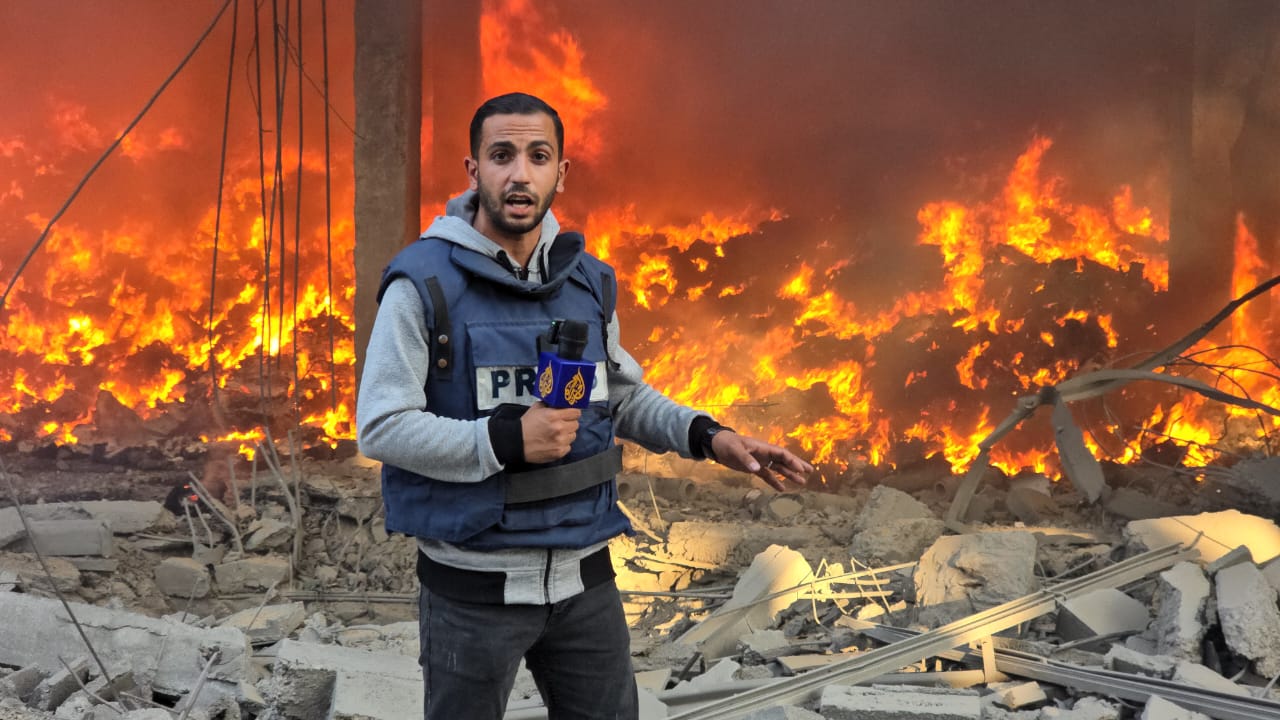
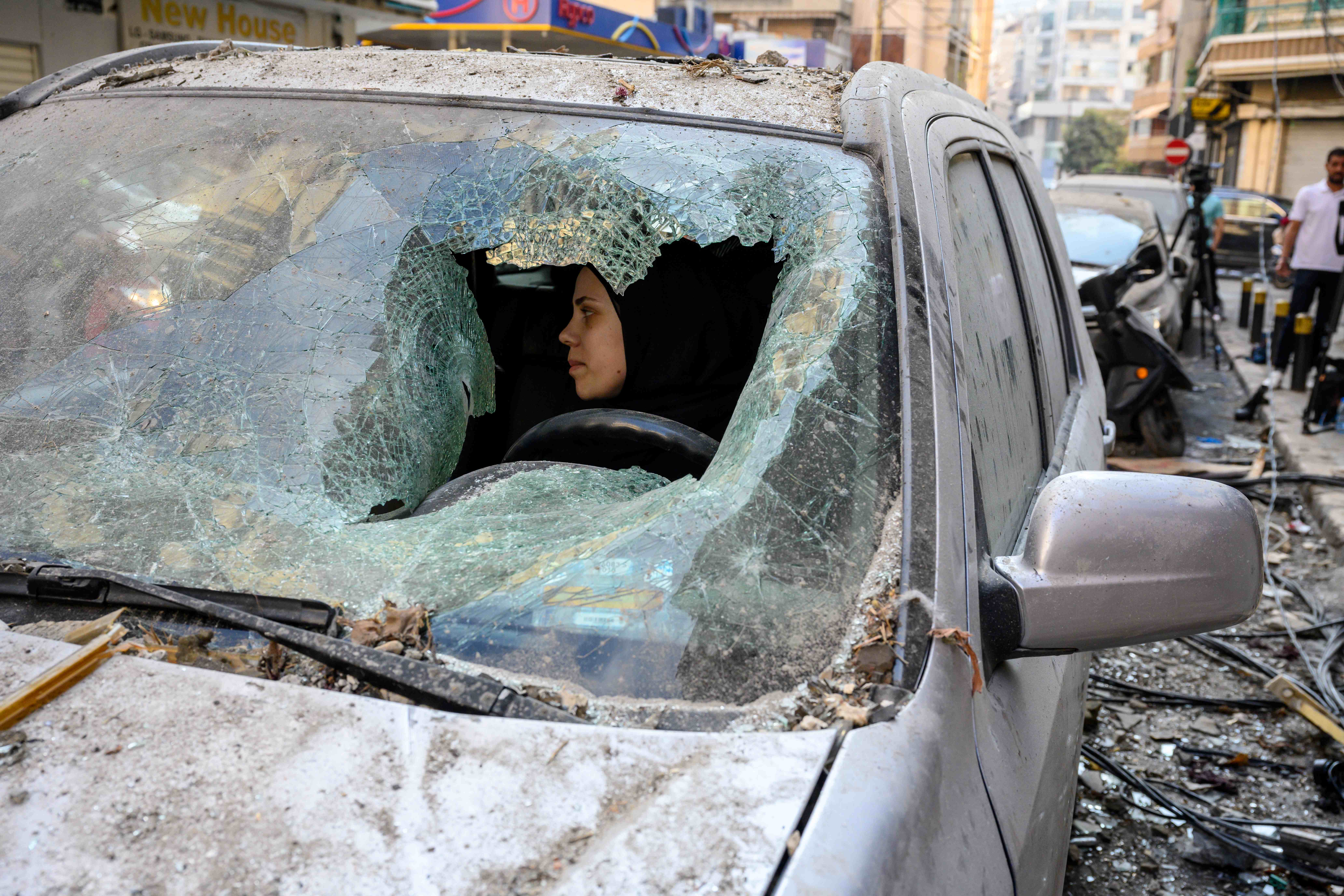
راهنًا، نشهد في عدد كبير من وسائل الإعلام العربية وعلى منصات التواصل الاجتماعية، طفرة من القصص التي يجري تقديمها بصورة فظّة، أو بلغة مبالغة. مثلا، خلال الحروب والأحداث الأمنية والكوارث الطبيعية (كزلزال تركيا وسوريا 2023)، نطالع عددًا كبيرًا من القصص التي تركز على الضحايا، متجاوزة الكثير من المعايير المهنية، وتقتحم مساحات حرجة من دون موافقة أصحابها، وتتمحور حول أسئلة من قبيل "بماذا شعرت حين دمر منزلك؟ أو حين قتل ابنك؟ أو حين فقدت عائلتك تحت الركام؟


هل فعلًا ننتظر أجوبة الضحايا عن شعورهم في مثل هذه اللحظات؟

بعيدًا عن غياب الجدوى من الأسئلة العاطفية في الأحداث الساخنة، فإن هؤلاء الضحايا الذين تكبدوا خسائر هائلة بشرية ومادية، يمكننا من خلال قصصهم، أن نحصل على معلومات حول القتلى والمفقودين والجرحى والإغاثة وتصرف الجهات الرسمية أو المسيطرة على المنطقة معهم، وما سبق الحادث من أحداث مترابطة... حتى نتمكن من تركيب جزء كبير من المشهد، وفهم الحقيقية الكامنة وراء ما حصل ويحصل. وربما هذا أحد سبل "أنسنة" عملنا.

خلافًا للإبداع في الأدب، فإن معيار الإبداع في القصة الصحفية محكوم بالمعلومات والوقائع، وحضور الإنسان فيها حقيقي وميداني، لا يحتمل المبالغات في الوصف أو تشويه وإنقاص المعلومات اللازمة. 

تجربة الشعور

في الواقع، نجد أن ثمة أنواعًا وطبقات من القصة الصحفية الإنسانية، وأسهلها تلك التي تبغي الاستعطاف المجاني، باعتبار أن الجمهور المستهدف عاطفيّ بطبعه وينجذب لكل ما يثير مشاعره. علمًا أنه خلافًا للإبداع في الأدب، فإن معيار الإبداع في القصة الصحفية محكوم بالمعلومات والوقائع، وحضور الإنسان فيها حقيقي وميداني، لا يحتمل المبالغات في الوصف أو تشويه وإنقاص المعلومات اللازمة. 

لكن إذا سألنا عن سبب الأثر الكبير الذي تتركه القصص الإنسانية لدى قاعدة واسعة من المتلقين، قد يكمن في مشاركة هذه المواد لـ "تجربة الشعور"، إذ إن تجربة الشعور لفرد أو جماعة معينة، مهما تمايزنا أو تشابهنا معها،  فهي مشتركة وواحدة بين الناس، من تعاطف وحب وفرح وحزن وغضب وسخط وخيبة وقلق وسعادة وانكسار على اختلاف سياقاتها وأزمنتها وأمكنتها..

لكن، هل يمكننا فعلًا تقديم القصة الصحفية بصورة مهنية تضمن مشاركة "تجربة الشعور" الإنسانية مقابل توظيفها في تعزيز المعلومات لما وراء هذا الخبر أو ذاك في آن معًا؟ 

عمليًا، فإنّ ملامح الناس ولغة أجسادهم هي مرآة مشاعرهم التي تخفي الكثير من حقائق لا تُقال. وإذا تدربنا على حسن مراقبتها أثناء عملنا الصحفي، قد تساعدنا في التحليل والفهم وتوجيه الأسئلة، بغية بناء قصة نضمن ديمومتها وعدم موتها بانتهاء مفعول الحدث أو الخبر.

وكعدد كبير من الصحفيين الذين يثيرهم ما يدور حول الأحداث أكثر من الأحداث نفسها، فإنني أجد أن كل موضوع قابل  للأنسنة، سواء كان سياسيًا أو أمنيًا أو اقتصاديًا أو ثقافيًا أو اجتماعيًا أو حقوقيًا... وحتى في المقابلات الصحفية مع الشخصيات البارزة والمؤثرة بالمشهد العام. فكل حدث له أبطاله، ويمكن أن يكونوا مسؤولين سياسيين أو ضحايا أو مجرمين أو فاسدين أو مظلومين...

مثلًا، في كل بلد يشهد انتخابات برلمانية أو رئاسية، نلحظ أن معظم وسائل الإعلام تركز على القوائم الانتخابية ومعارك المرشحين والأحزاب والأصوات والأرقام، وما يدور حولها من استقطاب حاد، يجذب المتابعين ويجعل منها واحدة من أبرز أحداث الساعة في العالم. وهذا ما يحصل في الانتخابات التركية، وما شهدناه في الانتخابات التونسية والأمريكية والفرنسية وغيرها.. لكن هناك فئة من الصحفيين التي لا تكتفي بالتغطية الخبرية، بل تسلط الضوء على تفاصيل جانبية للمرشحين والناخبين ولخصوصية الأمكنة، وتنجز قصصًا تحمل بصمتهم الخاصة بنقل تجربة إنسانية حية، تساعد المتلقين على فهم الكواليس التي تشكّل المشهد العام.

ملامح الناس ولغة أجسادهم هي مرآة مشاعرهم التي تخفي الكثير من حقائق لا تُقال. وإذا تدربنا على حسن مراقبتها أثناء عملنا الصحفي، قد تساعدنا في التحليل والفهم وتوجيه الأسئلة، بغية بناء قصة نضمن ديمومتها وعدم موتها بانتهاء مفعول الحدث أو الخبر.

تجارب شخصية

أرغب، هنا، في إعطاء أمثلة من قصص صحفية عملت عليها خلال السنتين الماضيتين، وتحديدًا في الموضوعات التي غالبًا ما نتهاون بالتعاطي مع الجانب الإنساني منها.

ففي الانتخابات البرلمانية التي شهدها لبنان في مايو/ أيار 2022 مثلًا، ركزت في التغطية على الأحداث الجانبية التي تدور حول أهم المتغيرات السياسية لتلك الانتخابات. مثلًا، جرت الانتخابات لأول مرة بغياب زعيم أكبر تيار سني سياسي في لبنان، المتمثل بتيار المستقبل بزعامة سعد الحريري. لكن كيف يمكن أن نفهم معنى هذا الغياب وأثره على قاعدة شعبية واسعة في بلد ينقسم على ذاته طائفيًا ومناطقيًا؟ وهل تكفي التغطية التقليدية لفهم كل هذه التحولات؟

حينها، في واحدة من القصص الصحفية التي أنجزتها مع الجزيرة نت، كانت حول مشاهدات حية من المناطق ذات الغالبية السنية. وانطلقنا في القصة من حكاية صاحب محل خضار صغير في منطقة "طريق الجديدة" في بيروت، قبل أن نعبر مناطق أخرى، وتمكنا من نقل خلفيات المقاطعة للانتخابات لدى جمهور "المستقبل" - وربطها بالسياق التاريخي - بينما كان يواصل رفع صور سعد الحريري ووالده الراحل رفيق الحريري وبعضها ممهورة بعبارة "اللي خلف ما مات".

وفي سلسلة المقابلات السياسية التي أعددناها حول الانتخابات، حاولت "أنسنة" الحوار في وصف الشخصيات وتفكيك هواجسها بالأسئلة والفهم والتحليل. مثلًا، في مقابلة أجريناها مع زعيم التيار الوطني جبران باسيل، سلطنا الضوء على تصدره المشهد السياسي كزعيم لتيار مسيحي كبير وحليف لحزب الله وعلى خصومة مع مختلف الأحزاب الأخرى، لديه طموح بالوصول إلى رئاسة الجمهورية بعد عمه الرئيس السابق ميشال عون. وفي مقدمة المقابلة، حاولت وصف هذه الشخصية ربطًا بالمعطيات السياسية والإقليمية التي تحيطها.

ومما جاء في المقدمة: "يظهر القلق على ملامح وجهه، وليس في ذلك ما يدعو للاستغراب، لأن الانتخابات البرلمانية المقبلة بالغة الأهمية بالنسبة له، ويتوقف على نتائجها الكثير من مستقبله السياسي في السنوات المقبلة".

كما يمكن أن نعطي مثالًا آخر عن "أنسنة" القصة الأمنية، التي تساعدنا في إنجاز تحقيقات استقصائية وإخبارية، في القضايا المتعلقة باللاجئين والمهاجرين ومختلف الفئات المستضعفة في مناطق النزاع والأزمات. في العام الماضي، وبعد متابعات كثيرة لقصص المهاجرين، عملت على تحقيق استغرق نحو ستة أشهر، حول رحلات الهجرة غير النظامية عبر البحر من شمال لبنان إلى أوروبا[3]، وتضم لبنانيين وسوريين وفلسطينيين. وفي هذا التحقيق الذي كشف لأول مرة تفاصيل رحلات خطيرة يقودها مهربون وسماسرة بين لبنان وسوريا، ارتكز على خط درامي للأحداث والرصد الميداني للمعلومات من قصص الضحايا والمتواطئين، قبل أن يقاطعها مع معلومات وأرقام حصرية من الجيش والجهات الرسمية، وهو ما ساعد في انجاز قصة إنسانية متكاملة بأبعاد أمنية وسياسية واقتصادية ومعلوماتية.

وواقع الحال، حين نحرص كصحفيين على أنسنة عملنا، قد نجد في القصة جسرًا للعبور إلى ما وراء الخبر والأحداث. وهذه الرحلة رغم مشقتها، التي تستوجب علينا التعلم والتدرب اليومي، قد نساهم فيها، ولو قليلًا، في توثيق أحداث الذاكرة الجماعية في مجتمعاتنا وبلادنا التي تواجه أشرس وأخطر معارك التضليل الإعلامي.
More Articles

Journalism After the Genocide in Gaza: One War Has Ended, and Other Wars Have Begun!

The post-ceasefire reality for Gaza’s journalists reveals a challenging shift from documenting active daily bombardment to navigating an overwhelming landscape of community and structural ruin. The pressure on reporters appears set to escalate as they struggle to rebuild their own lives from absolute zero while fighting to ensure that ongoing human suffering, systemic displacement, and political marginalization are accurately documented and held to account.

Yousef Fares
Yousef Fares Published on: 17 May, 2026
US-Iran Islamabad Talks: How Journalists Report from Outside Closed Doors

The "Islamabad Talks" highlight a growing contradiction in modern diplomacy where journalists are physically present but denied direct access to negotiations. The pressure on transparency appears set to intensify as reporters are forced to trade traditional eyewitnessing for outside in investigation and geopolitical speculation.

Anam Hussain
Anam Hussain Published on: 2 May, 2026
Can Artificial Intelligence Become a Documentary Film Director?

AI opens new possibilities in documentary filmmaking, from sorting archives to speeding up production. But documentary is not built on technology alone: it depends on the director’s vision, creativity, and ability to shape meaning. Can AI, for instance, make a film like Ordinary Fascism?

Bashar Hamdan, investigative producer and documentary filmmaker at Al Jazeera Media Network
Bashar Hamdan Published on: 23 Apr, 2026
When Speaking Up Backfires: How Social Conformity Silences Journalists

While state censorship remains a reality, freedom of speech in Africa faces a rising internal threat: the community itself. This article examines how social conformity, digital echo chambers, and ingrained bias create a modern "chilling effect". This pressure forces journalists to choose between aligning with popular narratives or facing professional and social marginalisation.

Derick Matsengarwodzi
Derick Matsengarwodzi Published on: 16 Apr, 2026
Has the Global South Benefited from the Digital Transformation?

Despite the promise of digital technologies to amplify voices and expand media reach in the Global South, structural barriers, such as political repression, technological dependency, and persistent digital divides, continue to limit their impact. Real progress requires not only technological adoption but also institutional reform, stronger journalistic capacity, and independent ethical frameworks to challenge dominant Western media narratives.

Al-Shafi Abtidon
Al-Shafi Abtidon Published on: 18 Mar, 2026
Missiles Made of Words: How Western Media Narratives Shape the Iran–Israel–US Conflict

Western media coverage of the Iran–Israel–US conflict often functions as a weapon of war, using selective language that frames US and Israeli strikes as “self-defence” while depicting Iranian actions as "provocation". This linguistic framing normalises civilian casualties and helps manufacture public consent for military aggression by dehumanising certain populations.

Muqeet Mohammed Shah
Muqeet Mohammed Shah, Ifrah Khalil Kawa Published on: 14 Mar, 2026
How the Ethiopian Civil War Unleashed a Lethal Media Crackdown

There has been a widening crackdown on the media in Ethiopia since war erupted between the central government and Tigray’s regional authorities in 2020, and the pressure appears set to intensify as the country prepares for general elections in June.

Nalova Akua
Nalova Akua Published on: 9 Mar, 2026
Are Netanyahu's and Trump’s Speeches Shaping Western Media Framing?

As political speeches framed the 2026 U.S.–Israeli attack on Iran, segments of Western media echoed their language and narratives, illustrating how strategic rhetoric and news framing can shape public opinion and legitimise military action.

Shaimaa Al-Eisai
Shaimaa Al-Eisai Published on: 6 Mar, 2026
Journalism in Gaza… A Race Against the Train of Genocide

In the following account, Amira Nassar presents a narrative filled with intricate detail, intimate exchanges, and an unyielding struggle over the meaning of writing amid slaughter and starvation. Part of The Journalism Review’s documentary project recording the testimonies of journalists in Palestine and the Gaza Strip during the ongoing genocide, it stands as a testament against oblivion and the machinery of extermination.

Amira Nassar
Amira Nassar Published on: 27 Feb, 2026
Kukurigo: Revolutionising news in Zimbabwe's WhatsApp era

The emergence of Kukurigo during Zimbabwe’s 2018 elections marked a turning point for digital journalism, transforming WhatsApp from a hub for misinformation into a vital platform for verified news. By leveraging the app’s low data costs, this grassroots initiative bridged the information gap for under-resourced communities, establishing a new model for media credibility and public service within an unstable political landscape.

Enock Muchinjo
Enock Muchinjo Published on: 19 Feb, 2026
The Epstein Files and the Art of Drowning the Truth

The mass release of millions of files related to Jeffrey Epstein serves as a metaphor for a wider crisis of the digital age: an overabundance of information that obscures rather than illuminates the truth. In an era where data floods replace traditional censorship, citizens risk becoming less informed, underscoring the vital role of professional journalism in filtering noise into meaningful knowledge.

Ilya إيليا توبر 
Ilya U Topper Published on: 12 Feb, 2026
Reporting the Spectacle: Myanmar’s Manufactured Elections

Myanmar’s recent elections posed a profound challenge for journalists, who were forced to navigate between exposing a sham process and inadvertently legitimising it. With media repression intensifying, reporting became an act of resistance against the junta’s effort to control information and silence independent voices.

Annie Zaman
Annie Zaman Published on: 7 Feb, 2026
Public Hostility Toward Legacy Media in Bangladesh

The December 2025 arson attacks on Prothom Alo and The Daily Star marked a turning point for journalism in Bangladesh. As public anger replaces state control as the primary threat, reporters are reassessing personal safety, editorial judgement, and professional credibility in a political transition where journalism itself is increasingly treated as an enemy.

Arsalan Bukhari, an independent journalist based in India
Arsalan Bukhari Published on: 4 Feb, 2026
Migration Issues and the Framing Dilemma in Western Media

How does the Western press shape the migration narrative? Which journalistic frames dominate its coverage? And is reporting on anti-immigration protests neutral or ideologically charged? This analysis examines how segments of Western media echo far-right rhetoric, reinforcing xenophobic discourse through selective framing, language, and imagery.

Salma Saqr
Salma Saqr Published on: 31 Jan, 2026
From News Reporting to Documentation: Practical Lessons from Covering the War on Gaza

From the very first moment of the genocidal war waged by Israel on Gaza, Al Jazeera correspondent Hisham Zaqout has been a witness to hunger, devastation, war crimes, and the assassination of his colleagues in the field. It is a battle for survival and documentation, one that goes beyond mere coverage and daily reporting.

Hisham Zakkout Published on: 26 Jan, 2026
Investigating the Assassination of My Own Father

As a journalist, reporting on the murder of my father meant answering questions about my own position as an objective observer.

Diana López Zuleta
Diana López Zuleta Published on: 16 Jan, 2026
What Image of Gaza Will the World Remember?

Will the story of Gaza be reduced to official statements that categorise the Palestinian as a "threat"? Or to images of the victims that flood the digital space? And how can the media be transformed into a tool for reinforcing collective memory and the struggle over narratives?

Hassan Obeid
Hasan Obaid Published on: 13 Jan, 2026
Bridging the AI Divide in Arab Newsrooms

AI is reshaping Arab journalism in ways that entrench power rather than distribute it, as under-resourced MENA newsrooms are pushed deeper into dependency and marginalisation, while wealthy, tech-aligned media actors consolidate narrative control through infrastructure they alone can afford and govern.

Sara Ait Khorsa
Sara Ait Khorsa Published on: 10 Jan, 2026
Generative AI in Journalism and Journalism Education: Promise, Peril, and the Global North–South Divide

Generative AI is transforming journalism and journalism education, but this article shows that its benefits are unevenly distributed, often reinforcing Global North–South inequalities while simultaneously boosting efficiency, undermining critical thinking, and deepening precarity in newsrooms and classrooms.

Carolyne Lunga
Carolyne Lunga Published on: 2 Jan, 2026
Intifada 2.0: Palestinian Digital Journalism from Uprising to Genocide

From underground newsletters during the Intifadas to livestreams from Gaza, Palestinian journalism has evolved into a decentralised digital practice of witnessing under occupation. This article examines how citizen journalists, fixers and freelancers have not only filled gaps left by international media, but fundamentally transformed how Palestine is reported, remembered and understood.

Zina Q.
Zina Q. Published on: 24 Dec, 2025
How Can Journalism Make the Climate Crisis a People’s Issue?

Between the import of Western concepts and terminology that often fail to reflect the Arab context, and the denial of the climate crisis, or the inability to communicate it in clear, accessible terms, journalism plays a vital role in informing the public and revealing how climate change directly affects the fabric of daily life in the Arab world.

Bana Salama
Bana Salama Published on: 19 Dec, 2025
Inside Vietnam’s Disinformation Machine and the Journalists Exposing It from Exile

Vietnam’s tightly controlled media environment relies on narrative distortion, selective omission, and propaganda to manage politically sensitive news. Exiled journalists and overseas outlets have become essential in exposing these practices, documenting forced confessions and smear campaigns, and preserving access to information that would otherwise remain hidden.

AJR Contributor Published on: 15 Dec, 2025
What It Means to Be an Investigative Journalist Today

A few weeks ago, Carla Bruni, wife of former French president Nicolas Sarkozy, was seen removing the Mediapart logo from view. The moment became a symbol of a major victory for investigative journalism, after the platform exposed Gaddafi’s financing of Sarkozy’s election campaign, leading to his prison conviction. In this article, Edwy Plenel, founder of Mediapart and one of the most prominent figures in global investigative journalism, reflects on a central question: what does it mean to be an investigative journalist today?

Edwy Plenel
Edwy Plenel Published on: 27 Nov, 2025
In-Depth and Longform Journalism in the AI Era: Revival or Obsolescence?

Can artificial intelligence tools help promote and expand the reach of longform journalism, still followed by a significant audience, or will they accelerate its decline? This article examines the leading AI tools reshaping the media landscape and explores the emerging opportunities they present for longform journalism, particularly in areas such as search and content discovery.

. سعيد ولفقير. كاتب وصحافي مغربي. ساهم واشتغل مع عددٍ من المنصات العربية منذ أواخر عام 2014.Said Oulfakir. Moroccan writer and journalist. He has contributed to and worked with a number of Arab media platforms since late 2014.
Said Oulfakir Published on: 24 Nov, 2025