أنسنة القصة؛ كيف نعيد الإنسان إلى مركز السرد؟

أنسنة القصة؛ كيف نعيد الإنسان إلى مركز السرد؟

يا الله، ما أحلى حكايات الجدات. حتى حين كانت تبدو مخيفة ظلت تملك قدرة غريبة على البقاء. تمر السنوات وتبهت تفاصيل كثيرة لكن الحكاية تظل قادرة على استدعاء نفسها كاملة: نبرة الصوت وتوتّر اللحظة والنهاية التي كنا ننتظرها ونحن نحبس أنفاسنا.

في الصف الأول الابتدائي كان منهجنا يرتكز على حكاية " أمل وعمر". من حياتهما تعلمنا الأرقام والحساب، وتعلمنا اللغة والعلوم؛ كأن المعرفة لا تدخل إلينا إلا وهي تمشي على قدمي حكاية.

وأظن كثيرين يشاركونني هذا: أخذنا بعض معلوماتنا عن الحياة والتاريخ وغيرها عبر الروايات التي قرأناها، وعبر متابعة بطلٍ يتقدم في الطريق، فنشعر به بل نتخيل أنفسنا مكانه ونتوقع ردود أفعاله. الحكاية أجمل وأقوى حين تكون حكاية إنسان يشبهنا: يخاف إذا خافنا، ويضعف إذا وضع في موضع ضعف، ويقاوم، ويفعل الخير، ويرتكب الخطيئة أيضا مثلنا تماما؛ لأن هذا ما يجعل التجربة قابلة للفهم والتذكر.

هذه فطرتنا، وفطرة أي قارئ أو مشاهد: إنه في النهاية إنسان، وقصة إنسان آخر تشده. نحن فضوليون ونعيش القصص ونتفاعل معها. وفي عالمنا نتذكر الحكايات أكثر مما نتذكر الجداول والأرقام.

لذلك، فإن السؤال الذي يواجه صناع القصص ليس: ماذا حدث فقط؟ بل: كيف عاشه الإنسان؟


الإنسان محور السرد

منذ أن بدأت الاشتغال بصناعة الأفلام والقصص، لم تكن الحروب على غزة تتوقف. نحن جيل نشأ في أتون الانتفاضات والحروب، ومارس المهنة مع العدوان على غزة نهاية 2008. ورغم أنني بدأت صحفيا في الصحافة المكتوبة، إلا أنني سرعان ما انتقلت إلى إنتاج الأفلام الوثائقية.

كان زملائي الصحفيون يغطون الأخبار ويعلنون أرقام الضحايا وأعداد الصواريخ وحجم المباني المدمرة، وينشرون تفاصيل الحرب اليومية، أما أنا وفريقي وبحكم تخصصنا فكنا نبحث عن قصص الإنسان الذي يعيش هذا الألم وهذه الحرب ويتفاعل معها. لم يكن الحدث هو المهم بقدر الإنسان الذي يعيش فيه. في البدايات ربما لم نكن نعرف أننا " نؤنسن" القصص بقدر ما كنا نبحث عن شيء مختلف خلف الأرقام ولغة الأخبار السريعة.

 وهنا لا أضع الأخبار الصحفية والقصص المؤنسنة في مقارنة أو مفاضلة؛ فلكل واحدة وظيفتها. لكن أنسنة الأرقام وتحويلها إلى حياة يمكن لمسها، كانت دائما سؤالنا الأهم.

فهمت لاحقا أن القاعدة الأولى في أنسنة القصة تبدأ من الاعتراف بأن الإنسان هو محور السرد، لا الحدث. الحدث حاضر، لكنه لا يتقدم بوصفه "بطلا" بل بوصفه قوة تدفع الإنسان وتضغطه وتكشفه: كيف تفاعل معه؟ كيف تغير بسببه؟ ماذا أخذ منه وماذا ترك فيه؟ حين نراقب السلوك وردود الأفعال وأساليب التكيف والانكسار والنجاة نبدأ فعليا أنسنة القصة: أن نتعامل مع الإنسان بصفته قيمة وفاعلا وحياةً، لا كعنوانٍ أو راوٍ لحدث فقط.

كنا نظن أن أنسنة القصص حكر على الألم والمعاناة والحروب – ربما بحكم ظروفنا نحن الفلسطينيين الذين نعيش معاناة دائمة – لكن بعد ذلك فهمت أن الأنسنة يمكن أن تدخل أي موضوع: اقتصاد، بيئة، مجتمع، تكنولجيا؛ لأن الإنسان في النهاية هو أكثر من يتأثر ويتفاعل. من يسمع الأخبار ويشاهدها قد يألف لغة الأرقام، وقد يتبلد أمام تكرارها، بينما القصة الإنسانية تأخذه إلى طبقة أعمق: إلى تفاصيل تلامسه فتجعله يفهم المعنى ويعيش في خلفياته، لا يستهلك "وجبات جافة" سريعة. أما القاعدة الثانية فهي اختبارنا الدائم قبل الدخول في قصة جديدة: هل يجد المشاهد "المشترك الإنساني"  في الحكاية: الخوف والحب، الشجاعة والجبن، الخير والشر؛ كي يشعر بالآخر ليس كحالة بعيدة، بل بصفته إنسانا؟

فهمت لاحقا أن القاعدة الأولى في أنسنة القصة تبدأ من الاعتراف بأن الإنسان هو محور السرد، لا الحدث. الحدث حاضر، لكنه لا يتقدم بوصفه "بطلا" بل بوصفه قوة تدفع الإنسان وتضغطه وتكشفه: كيف تفاعل معه؟ كيف تغير بسببه؟ ماذا أخذ منه وماذا ترك فيه؟ 
 

في بداياتي كنت أذهب إلى التصوير بفكرة جاهزة: أريد فيلما عن الحرب، عن الحصار، عن الإبادة. ثم أبحث عن إنسان يملأ هذا الإطار. كنت أظن أنني أؤنسن الموضوع، لكنني في الحقيقة كنت أبحث عن إثبات. الفكرة المسبقة تضيق بالإنسان؛ تطلب منه أن يختصر نفسه كي يخدمها. ومع الوقت تعلمت أن الفكرة التي لا تتغير أثناء التصوير ليست فكرة حية، وأن الإنسان إذا لم يفاجئني فأنا لم أقترب بما يكفي.

 في حرب الإبادة الأخيرة، دخلت مشروعا مع مؤسسة صحفية، وكان الطلب يبدو غريبا: نريد أن نتحدث عن كيفيّة تأثير الحرب على التغيّر المناخي. وجدته - أنا والمحررة- موضوعا جافا إلى حد الاستفزاز: التغير المناخي مهمّ، لكن هل يطرح بهذه الطريقة وسط موت لا يتوقف؟ كان سهلا أن أملأ الإطار بلقطات سريعة وخبراء ومعلومات. لكنه لم يكن ما أبحث عنه.

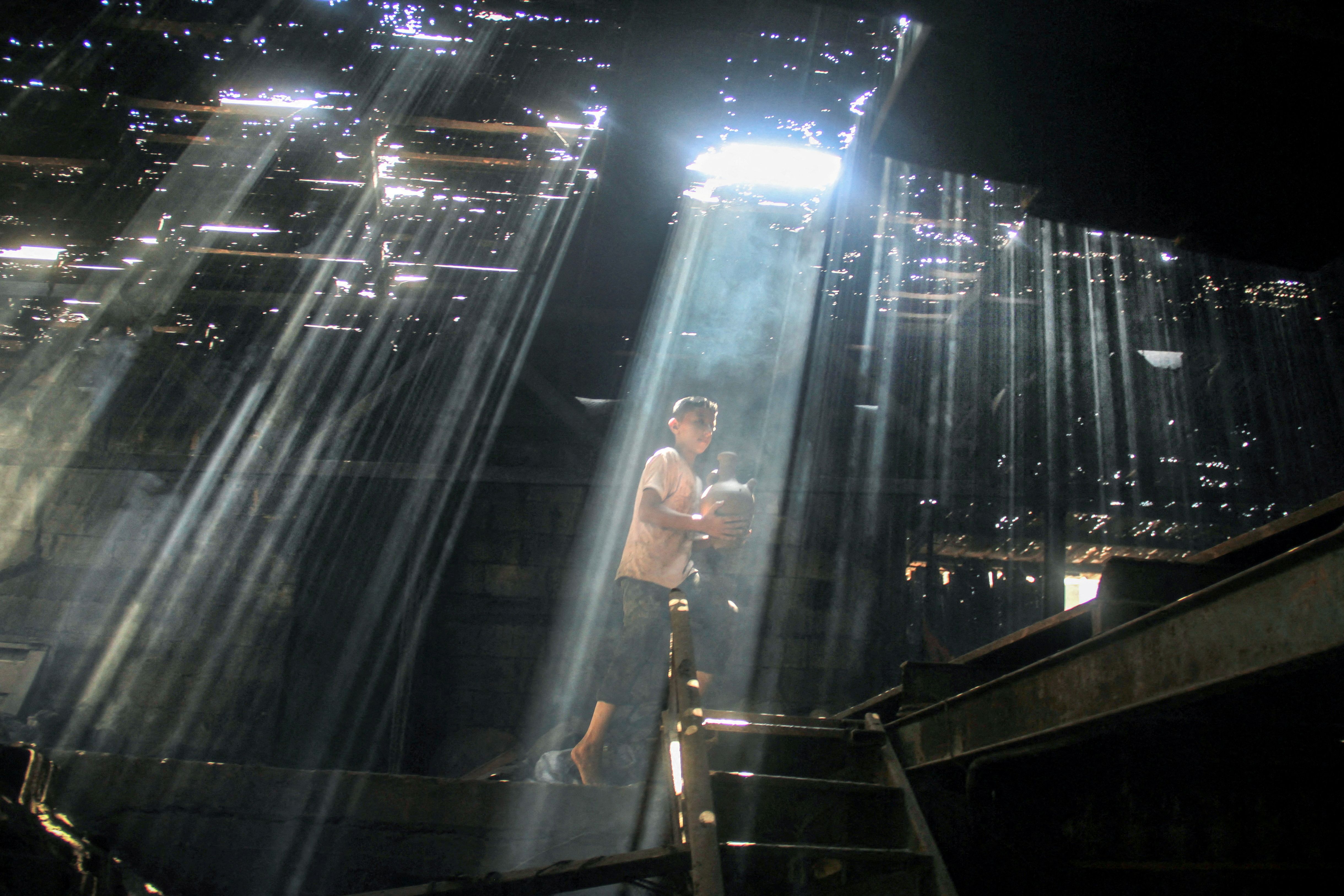
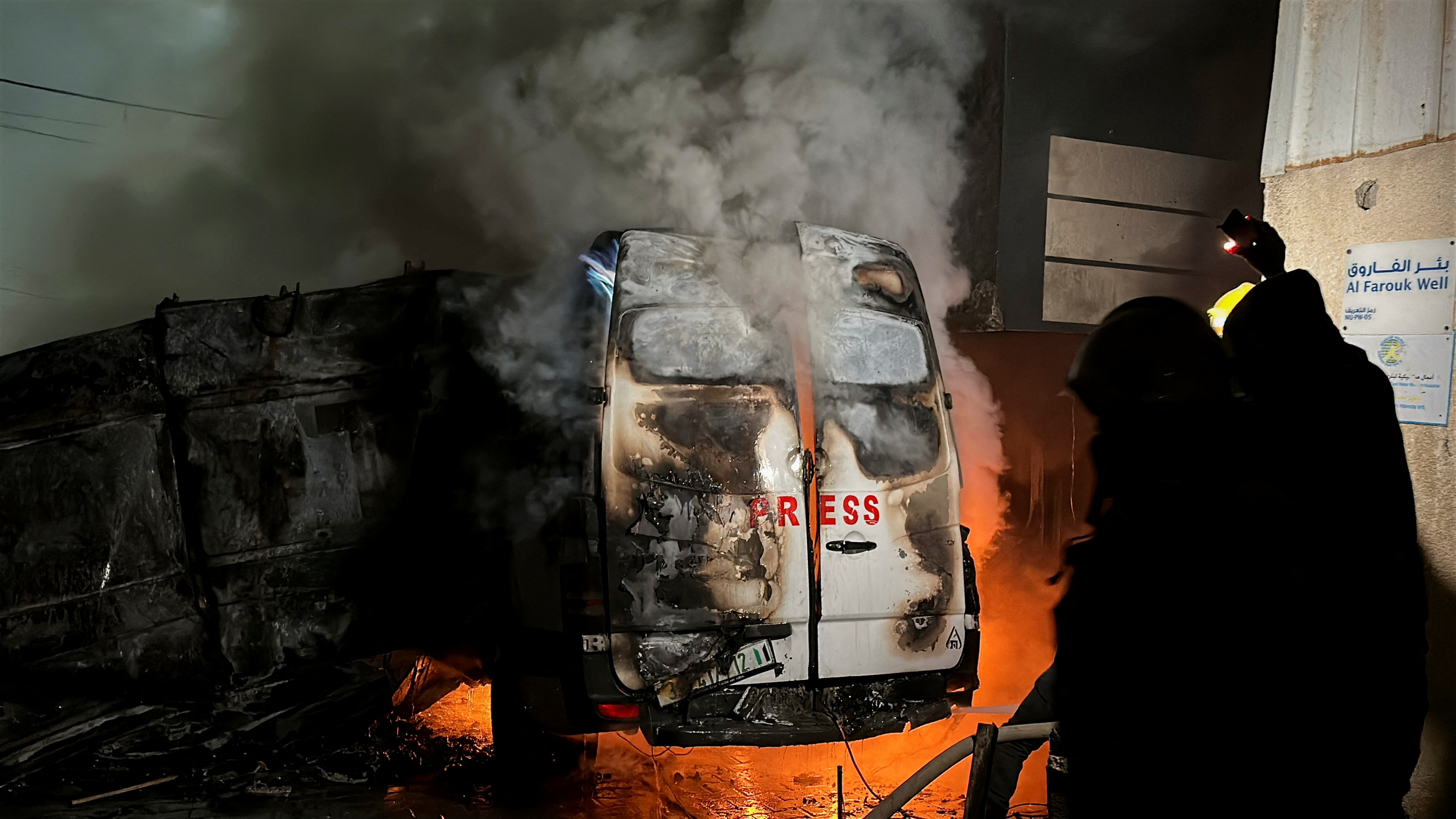
الذي قادني إلى القصة لم يكن الموضوع، بل مشهد حرق البلاستيك والدخان الأسود الخارج من بين الركام: عيون محمّرة، وجوه كأنها خارجة من منجم فحم أو اغتسلت بمازوت، سعال يقطع النفس، وخيام يتسلل إليها السواد، وباعة يجمّعون البلاستيك ليقدموه لهم، وطائرات الدرون الإسرائيلية فوق الرأس تصدر صوتا ثابتا لا يرحل. كان المشهد يبدو كأنه مشهد من فيلم نهاية العالم.

شبان بين آلاف الأطنان من ركام بيوتهم المهدمة يشعلون نارا تحت أفران بدائية، يملؤونها ببقايا البلاستيك الذي جُمع من بيوت مقصوفة، فتخرج أعمدة دخان كثيفة تغطيهم سوادا. ومن تلك النار يخرج ما يشبه مادة بترولية تستخدم بديلا للبنزين والسولار. هنا فقط صار السؤال البيئي مفهوما: الحرب تدفع الناس للمغامرة بأرواحهم وصحتهم؛ إنهم يتنفسون المعادن الثقيلة، ويتطاير كل ذلك في السماء ويغطي خياما في منطقة واسعة. قصة شباب دُمرت حياتهم تحت الطائرات ثم صاروا يمارسون أخطر مهنة - تقتلهم مبكرا وتقتل البيئة معهم - لكنها، بحسب تعبير أحدهم " أخفّ ضررا من الصواريخ الإسرائيلية؛ على الأقل لا تقتلنا مباشرة ". عندها أدركت أن أنسنة القصة لا تعني إلغاء الموضوع الكبير، بل إدخاله في جسد الإنسان.

هاجسي لم يكن الاكتفاء بتصدير الأرقام، ولا الإسهام في تغذية ثقافة "استهلاك الألم". كان دوري أن أبحث عن طريقة لا أهون فيها من الألم، وفي الوقت نفسه أقرّب المشاهد من كيفية عيش الغزيّ لهذا الألم.


ثقافة "استهلاك الألم"

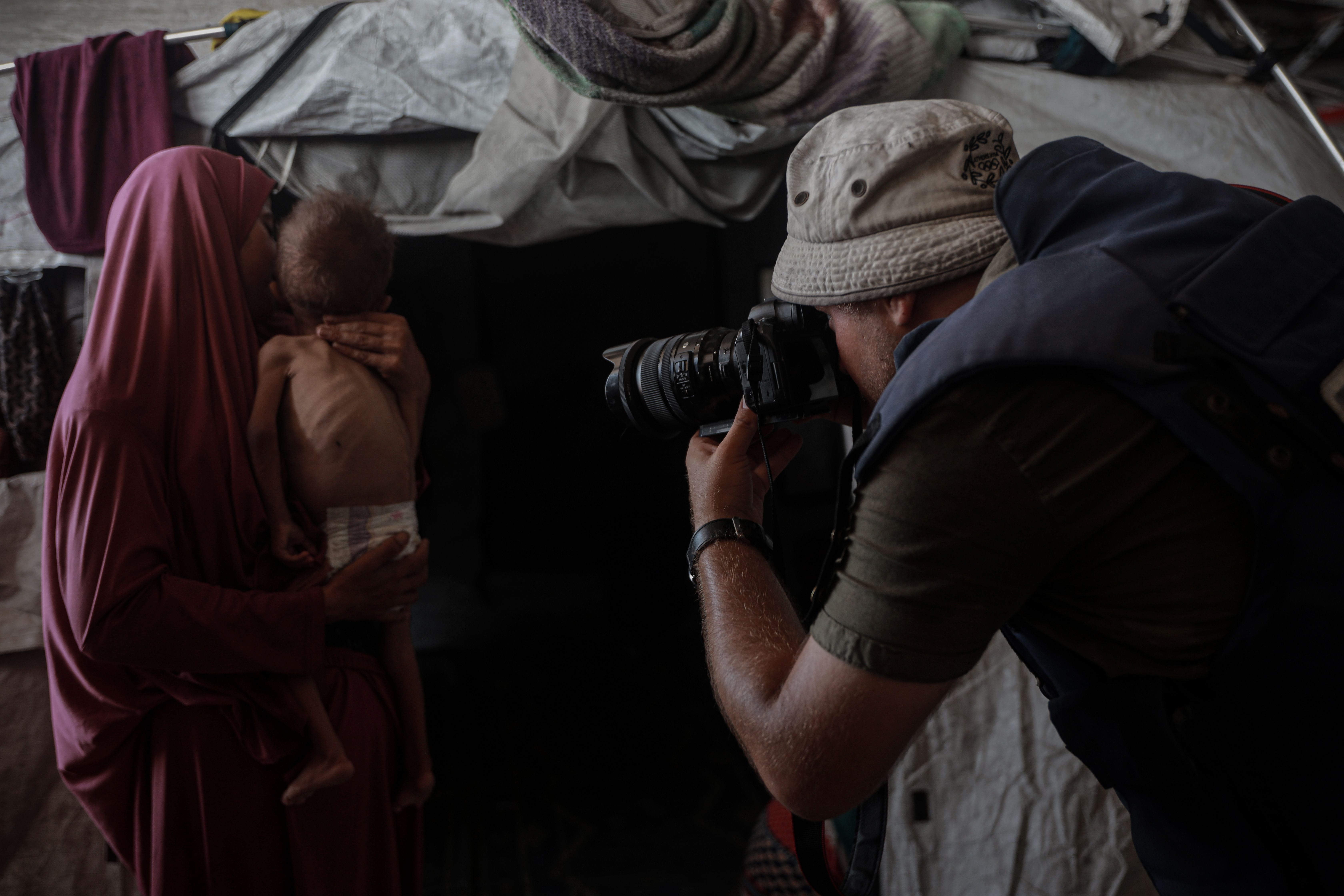
بصفتنا صناع أفلام تلفزيونية، كان من واجبنا أيضا أن نغطي الحرب بصفتنا صحفيين. لكن هاجسي لم يكن الاكتفاء بتصدير الأرقام، ولا الإسهام في تغذية ثقافة "استهلاك الألم". لم أرد للمشهد أن يصبح مألوفا إلى حد التخمة. كان دوري أن أبحث عن طريقة لا أهون فيها من الألم، وفي الوقت نفسه أقرّب المشاهد من كيفية عيش الغزيّ لهذا الألم. قد يراه من يبحث عن خبر عاجل تفصيلا هامشيا أو ترفا لا يحتمله إيقاع السبق؛ فالخبر لا ينتظر. أما صانع القصة فعليه أن ينظر بعين مختلفة، وبقدر أكبر من الصبر.

كنت أبحث عن قصة تقودني. كان هناك خبر صغير يروج على منصات التواصل الاجتماعي وبين الصحفيين: طفلان رضيعان خرجا من حضانة رُضّع ولا أحد يجد أهلهما. ثم ظهر أقارب لهما، تبين أن الأم والأب في الشمال، والطفلين في الجنوب. شعرت أن القصة في عنوانها ليست "عن الحرب" بل عن سؤال بسيط وقاسٍ: أين الأم؟

كانت امرأة تجلس في غرفة شمالَ غزة، تحاول أن تبقي ظهرها مستقيما، وكأن الاستقامة وحدها يمكن أن تمنع الانهيار. لم تكن تعرف أين توأمها. المسافة بينهما ليست مجرد جغرافيا؛ كانت فراغا حيًّا يسكن صدرها. وصلتُ إليها بعد بحث مفكرا في السؤال المناسب وفي مدخل يبرر وجودي، ثم أدركت أن السؤال سيكسر اللحظة. الصمت كان أوضح من أي إجابة.

هناك تأكدت من شيء لم أتعلمه من قبل: أنسنة القصة لا تبدأ بالكلام بل بالإنصات؛ أن تبقي الكاميرا شاهدة لا محققة، أن تقبل بأن بعض المعاني تظهر حين لا نتدخل، البطل لا يجب أن يسرد طوال الوقت؛ ففي الصمت معنى، وفي التجمّد أمام الكاميرا معنى، وفي الإيماءة معنى. الإنسان في الحياة لا يتكلم طوال حياته، وهو في قصتنا أيضا لا يحتاج أن يتكلم طوال الوقت كي نفهمه.

في فيلم: "توأم غزة، عودا إليَّ" لم أكن أريد أن أقول إن الحرب قاسية؛ هذا اكتشاف قديم. كنت أريد أن أرى كيف تنام أمّ لا تعرف أين طفلاها. كيف تنظر إلى باب مغلق وكأنها تنتظر أن يتحول إلى طريق. لم أحتج أن أطلب منها أن تتحدث عن الشوق؛ كان ظاهرا في نظرتها إلى الفراغ، في جملة تتوقف قبل نهايتها، في الطريقة التي كانت تمسك بها ملابس توأمها الغائبين. العاطفة لا تُنتزع، بل تترك.

وخالتهم نسرين التي رعتهما في جنوب قطاع غزة لم يكن مطلوبا منها أن تلقي خطابا عن الحرب أو تبكي ما حل بها. كان يكفي أن أتابعها وهي تحاول رعاية الطفلين وسط النزوح المتتالي والضغط. الحرب كانت في الهامش، والموت كان في الهامش، ليس لأنهما غير موجودين، بل لأنهما واضحان من السياق. المشاهد لا يحتاج كل مرة أن نضع الموت في مقدمة الإطار كي يفهمه؛ هو يريد أن يعيش قصة. وهذه القصة يمكن أن تبقى حية حتى بعد انتهاء الحرب.

أنسنة القصة لا تبدأ بالكلام بل بالإنصات؛ أن تبقي الكاميرا شاهدة لا محققة، أن تقبل بأن بعض المعاني تظهر حين لا نتدخل، البطل لا يجب أن يسرد طوال الوقت؛ ففي الصمت معنى، وفي التجمّد أمام الكاميرا معنى، وفي الإيماءة معنى. الإنسان في الحياة لا يتكلم طوال حياته، وهو في قصتنا أيضا لا يحتاج أن يتكلم طوال الوقت كي نفهمه.


لا تستدع الألم!

مرت عليَّ فترة كنت أعتقد أن نجاحي يقاس بقدرتي على استخراج الدموع. كنت أظن أن اللحظة الأكثر صدقا هي لحظة الانهيار. ثم بدأ سؤال آخر يتشكّل: هل مهمّتي أن أفتح الجرح كلّ مرة أمام العدسة؟ هل عليّ أن أضغط على الألم حتى يتكلم؟ الألم حين يُستدعَى قسرا يفقد معناه؛ يتحول إلى أداء. وأحيانا يكون القرار الأخلاقي هو أن أطفئ الكاميرا؛ ليس لأن المشهد ضعيف، بل لأن الإنسان يحتاج أن يحتفظ بجزء منه لنفسه. لذلك، لا تستجلب الألم والدموع لتجعل قصتك مؤثرة؛ أنت تقع في معضلتين: واحدة أخلاقية، وأخرى فنية. الصمت قد يكون أبلغ.

وفي تغطية عودة النازحين من جنوب القطاع إلى شماله، لم أكن أبحث عن تقرير. كنت أراقب أباً ينتظر عائلته بعد عام ونصف من الفراق. لم يقف أمام الكاميرا ليحكي عن اشتياقه؛ كان يسأل كل عائد عنهم. لم نسأله عن توتره؛ كان ظاهرا في مكالمته الهاتفية، في صوته الذي يحاول أن يبدو ثابتا، وفي الصمت القصير قبل أن يجيب. الكاميرا هنا ليست محاورا بل شاهدة. أحيانا أنسنة القصة تعني أن تمتنع عن السؤال.

عندما ظننت أنني أكثر نضجا، كنت مقتنعا بأن الكاميرا يجب ألا يشعر بها أبطال القصة، كأنها غير موجودة. كنت ألحّ على الفريق بأن نصور من دون أن يستشعر الأبطال حضورنا، وأطلب من شخصياتي أن تعيش كأن "لا كاميرا في المكان" ظنّاً مني أن ذلك سيمنحني لحظات صدق خالصة.

اكتشفت لاحقا أنني لم أكن ناضجا بما يكفي؛ كنت أبحث عن مثالية مستحيلة. فهذا غير ممكن تماما. نحن موجودون والكاميرا موجودة. أقصى ما يمكن فعله هو تقليل أثر حضورنا، ومنح الشخصية وقتا لتَألَف العدسة وتتصالح مع وجودها، لا أن تنساها كليّاً.

لا تُفرِط في المثالية؛ فالوهم قد يقودك إلى ادّعاء صدقٍ لا يملكه أحد.


بناء الثقة

لكن ما يصنع الفارق الحقيقي هنا ليس مهارة الإخفاء، بل بناء الثقة: أن تشعر القصة - حتى لو لم تصرّح - أنك لا تستخدمها لتثبت فكرتك المسبقة، ولا لتنجز تقريرك أو فيلمك على حسابها، ولا لتضغطها كي تدخل قوالب جاهزة. أن تثق أنك تريد أن تسمعها وترويها كما هي، لا كما تريد أنت، وأن وجودك ليس اقتحاما للحظة، بل مشاركة لها: أنك تقترب من التجربة وتتحمل شيئا من ثقلها، لا لتتاجر بها بل لتفهمها وتمنحها شكلا يمكن أن يُرى ويُسمع بكرامة.

وهنا تظهر خصوصية العمل حين يكون الصحفي أو صانع الأفلام ابن البيئة نفسها، يعيش الظروف ذاتها ويتشارك التجارب مع قصصه خصوصا هنا في فلسطين، أو في أي مكان تكون فيه الحكاية جزءا من حياتك اليومية. هذا القرب قد يساعدك على الفهم، لكنه قد يوقعك في فخ آخر: أن تعكس قصتك أنت، لا قصتها هي. لذلك كان علينا دائما أن نترك مسافة بيننا وبين القصة؛ لا نريد أن نثبت وجهة نظرنا بقدر ما نريد أن نسرد حكاية الإنسان. نحن نقترب كي نفهم، ثم نبتعد قليلا كي لا نبتلع الحكاية باسم " المعرفة" أو "التجربة المشتركة ".


نحن لا نصنع دراما!

ومع ذلك، في القصص السريعة ليس من الرفاهية أن نقول إننا سنبقي الكاميرا مفتوحة حتى تكتمل القصة وحدها. أحيانا لا بد من توجيه، لكن توجيه بحد أدنى: لا يغيّر القصة، بل يسرّع روايتها، وكلما قلّ هذا التدخل كانت القصة أصدق وأكثر عفوية. نحن لا نصنع دراما؛ نحن نسرد واقعا، ونحاول أن نتركه يقول ما يستطيع قوله دون أن نُلبسه ما ليس فيه.

وإذا أنسنّا القصة فلا يعني ذلك أن تكون الشخصية ضحية دائما، أو خيّرة دائما، أو إيجابية دائما. الإنسان ليس ضحية باستمرار ولا بطلا باستمرار؛ هو كل ذلك معا. وقدرتنا على أن نعكسه في حالاته المختلفة هي معيار صدقنا. قد يكون في لحظة هاربا من موت إلى مخاطرة أخرى. قد يفعل ما يبدو غير نظيف أو بطولي. إظهار هذا التعقيد مخاطرة لأنه قد يربك التعاطف، لكن الصورة الواضحة ليست دائمًا الصورة الصادقة. الفهم لا يعني التسويغ، لكنه يحتاج سياقا. أن نؤنسن القصة يعني أن نحتمل التناقض.

أخطر ما يهدّد القصة الإنسانية هو الاستعجال: استعجال الإنتاج، استعجال الذروة، استعجال المعنى. لكن البطء ليس فضيلة بذاته. اللقطة الطويلة التي لا تضيف طبقة جديدة يجب أن تحذف. الإيقاع أخلاق غير مرئية: به نعطي الإنسان زمنه، دون أن ندلّل اللحظة.

الخطر في الاستعجال

أخطر ما يهدّد القصة الإنسانية هو الاستعجال: استعجال الإنتاج، استعجال الذروة، استعجال المعنى. لكن البطء ليس فضيلة بذاته. اللقطة الطويلة التي لا تضيف طبقة جديدة يجب أن تحذف. ليس كل صمت عميقا. الإيقاع أخلاق غير مرئية: به نعطي الإنسان زمنه، دون أن ندلّل اللحظة.

أخاف أن يُنسى كيف كانت الأمّ تنتظر، وكيف كان الأب يسأل العائدين عن عائلته، وكيف كان الشاب يتنفس دخانا ليبقى حيّاً. أخاف أن يتحول التاريخ إلى جدول إحصائي بلا وجوه. إن أنسنة القصة ليست تقنية تصوير، وليست حيلة عاطفية. هي قرار: أن ترى الإنسان قبل الحدث، وأن تترك له مساحة ليظهر كما هو، في كلامه وصمته، في ضعفه وقوته، في تناقضه. أن تقبل أن فيلمك أو قصتك قد يخرجان مختلفين عمّا خططت له؛ لأن القصة حين تترك لتتنفس تصنع شكلها بنفسها.

في النهاية، لا أبحث عن مشهد يُبكي ولا عن حشو معلومات وأرقام يُزينها قصة إنسان مبتورة. أبحث عن لحظة صادقة لا تحتاج إلى شرح: لحظة يبقى فيها الإنسان إنسانا، لا رقما ولا مثالا ولا دليلا على شيء.
Related Articles

The Human Story in Gaza: The Deadly Dilemma of “Who Do We Tell About?”

In the accelerating context of genocide, is the “pace” of death in Gaza outstripping journalists’ ability to capture human stories? How can they be expected to take their time crafting narratives amid hunger, displacement, and death? And to what extent can postwar documentation hold journalistic value in preserving collective memory and pursuing accountability for the perpetrators?

Mirvat Ouf
Mirvat Ouf Published on: 3 Aug, 2025

More Articles

The Left and the Right in One Front Against Journalism in South America

Journalism in Latin America is facing a crisis of hostility. In the age of political polarization, governments from both the left and the right are not merely managing states; they are actively harassing critical voices, imposing institutional censorship, and enforcing official narratives that attack independent media to silence disagreement and fake democracy across the region.
Noe Zavaleta
Noe Zavaleta Published on: 8 Jun, 2026
Humanitarian Storytelling: Reclaiming Voice in Crisis Reporting

Humanitarian storytelling is evolving. In the age of algorithmic amplification, humanitarian organisations are not merely sharing aid updates; they work side by side with responsible media; they are providing accountability, combating harmful narratives, and demonstrating the human reality behind the crisis and news headlines.

Shereen Nanish. A media consultant from Palestine/Jordan with over 10 years of experience in journalism and humanitarian communications. Based in Germany.
Shereen Nanish Published on: 1 Jun, 2026
On the Misunderstanding Between Media and Diplomacy

The analysis of international crisis coverage reveals a clear structural gap between the immediate, simplified narratives produced by the media and the slow, complex processes of diplomacy. The tension between the two fields appears set to persist as reporters are forced to trade detailed, long-term tracking of negotiation for fast-paced, dramatic framing and the immediate demands of the attention economy.

Said Al-Azri
Said Al-Azri Published on: 28 May, 2026
How Journalists are Combating Cybertroopers 

The brutal state crackdown in Đồng Tâm highlights a intensifying withdrawal from free expression in Vietnam, heavily driven by the regime's deployment of state-backed cyberarmies like Force 47. As these digital actors systematically intimidate and mass-report critics, tech giants like Meta further compound the issue by increasingly acquiescing to government censorship requests to protect market share. This coordinated digital assault leaves a dangerous gap in the global conversation, forcing independent journalists to navigate severe online hostility and risk arbitrary imprisonment just to expose state overreach.

AJR Contributor Published on: 25 May, 2026
Journalism After the Genocide in Gaza: One War Has Ended, and Other Wars Have Begun!

The post-ceasefire reality for Gaza’s journalists reveals a challenging shift from documenting active daily bombardment to navigating an overwhelming landscape of community and structural ruin. The pressure on reporters appears set to escalate as they struggle to rebuild their own lives from absolute zero while fighting to ensure that ongoing human suffering, systemic displacement, and political marginalization are accurately documented and held to account.

Yousef Fares
Yousef Fares Published on: 17 May, 2026
US-Iran Islamabad Talks: How Journalists Report from Outside Closed Doors

The "Islamabad Talks" highlight a growing contradiction in modern diplomacy where journalists are physically present but denied direct access to negotiations. The pressure on transparency appears set to intensify as reporters are forced to trade traditional eyewitnessing for outside in investigation and geopolitical speculation.

Anam Hussain
Anam Hussain Published on: 2 May, 2026
Can Artificial Intelligence Become a Documentary Film Director?

AI opens new possibilities in documentary filmmaking, from sorting archives to speeding up production. But documentary is not built on technology alone: it depends on the director’s vision, creativity, and ability to shape meaning. Can AI, for instance, make a film like Ordinary Fascism?

Bashar Hamdan, investigative producer and documentary filmmaker at Al Jazeera Media Network
Bashar Hamdan Published on: 23 Apr, 2026
When Speaking Up Backfires: How Social Conformity Silences Journalists

While state censorship remains a reality, freedom of speech in Africa faces a rising internal threat: the community itself. This article examines how social conformity, digital echo chambers, and ingrained bias create a modern "chilling effect". This pressure forces journalists to choose between aligning with popular narratives or facing professional and social marginalisation.

Derick Matsengarwodzi
Derick Matsengarwodzi Published on: 16 Apr, 2026
Has the Global South Benefited from the Digital Transformation?

Despite the promise of digital technologies to amplify voices and expand media reach in the Global South, structural barriers, such as political repression, technological dependency, and persistent digital divides, continue to limit their impact. Real progress requires not only technological adoption but also institutional reform, stronger journalistic capacity, and independent ethical frameworks to challenge dominant Western media narratives.

Al-Shafi Abtidon
Al-Shafi Abtidon Published on: 18 Mar, 2026
Missiles Made of Words: How Western Media Narratives Shape the Iran–Israel–US Conflict

Western media coverage of the Iran–Israel–US conflict often functions as a weapon of war, using selective language that frames US and Israeli strikes as “self-defence” while depicting Iranian actions as "provocation". This linguistic framing normalises civilian casualties and helps manufacture public consent for military aggression by dehumanising certain populations.

Muqeet Mohammed Shah
Muqeet Mohammed Shah, Ifrah Khalil Kawa Published on: 14 Mar, 2026
How the Ethiopian Civil War Unleashed a Lethal Media Crackdown

There has been a widening crackdown on the media in Ethiopia since war erupted between the central government and Tigray’s regional authorities in 2020, and the pressure appears set to intensify as the country prepares for general elections in June.

Nalova Akua
Nalova Akua Published on: 9 Mar, 2026
Are Netanyahu's and Trump’s Speeches Shaping Western Media Framing?

As political speeches framed the 2026 U.S.–Israeli attack on Iran, segments of Western media echoed their language and narratives, illustrating how strategic rhetoric and news framing can shape public opinion and legitimise military action.

Shaimaa Al-Eisai
Shaimaa Al-Eisai Published on: 6 Mar, 2026
Journalism in Gaza… A Race Against the Train of Genocide

In the following account, Amira Nassar presents a narrative filled with intricate detail, intimate exchanges, and an unyielding struggle over the meaning of writing amid slaughter and starvation. Part of The Journalism Review’s documentary project recording the testimonies of journalists in Palestine and the Gaza Strip during the ongoing genocide, it stands as a testament against oblivion and the machinery of extermination.

Amira Nassar
Amira Nassar Published on: 27 Feb, 2026
Kukurigo: Revolutionising news in Zimbabwe's WhatsApp era

The emergence of Kukurigo during Zimbabwe’s 2018 elections marked a turning point for digital journalism, transforming WhatsApp from a hub for misinformation into a vital platform for verified news. By leveraging the app’s low data costs, this grassroots initiative bridged the information gap for under-resourced communities, establishing a new model for media credibility and public service within an unstable political landscape.

Enock Muchinjo
Enock Muchinjo Published on: 19 Feb, 2026
The Epstein Files and the Art of Drowning the Truth

The mass release of millions of files related to Jeffrey Epstein serves as a metaphor for a wider crisis of the digital age: an overabundance of information that obscures rather than illuminates the truth. In an era where data floods replace traditional censorship, citizens risk becoming less informed, underscoring the vital role of professional journalism in filtering noise into meaningful knowledge.

Ilya إيليا توبر 
Ilya U Topper Published on: 12 Feb, 2026
Reporting the Spectacle: Myanmar’s Manufactured Elections

Myanmar’s recent elections posed a profound challenge for journalists, who were forced to navigate between exposing a sham process and inadvertently legitimising it. With media repression intensifying, reporting became an act of resistance against the junta’s effort to control information and silence independent voices.

Annie Zaman
Annie Zaman Published on: 7 Feb, 2026
Public Hostility Toward Legacy Media in Bangladesh

The December 2025 arson attacks on Prothom Alo and The Daily Star marked a turning point for journalism in Bangladesh. As public anger replaces state control as the primary threat, reporters are reassessing personal safety, editorial judgement, and professional credibility in a political transition where journalism itself is increasingly treated as an enemy.

Arsalan Bukhari, an independent journalist based in India
Arsalan Bukhari Published on: 4 Feb, 2026
Migration Issues and the Framing Dilemma in Western Media

How does the Western press shape the migration narrative? Which journalistic frames dominate its coverage? And is reporting on anti-immigration protests neutral or ideologically charged? This analysis examines how segments of Western media echo far-right rhetoric, reinforcing xenophobic discourse through selective framing, language, and imagery.

Salma Saqr
Salma Saqr Published on: 31 Jan, 2026
From News Reporting to Documentation: Practical Lessons from Covering the War on Gaza

From the very first moment of the genocidal war waged by Israel on Gaza, Al Jazeera correspondent Hisham Zaqout has been a witness to hunger, devastation, war crimes, and the assassination of his colleagues in the field. It is a battle for survival and documentation, one that goes beyond mere coverage and daily reporting.

Hisham Zakkout Published on: 26 Jan, 2026
Investigating the Assassination of My Own Father

As a journalist, reporting on the murder of my father meant answering questions about my own position as an objective observer.

Diana López Zuleta
Diana López Zuleta Published on: 16 Jan, 2026
What Image of Gaza Will the World Remember?

Will the story of Gaza be reduced to official statements that categorise the Palestinian as a "threat"? Or to images of the victims that flood the digital space? And how can the media be transformed into a tool for reinforcing collective memory and the struggle over narratives?

Hassan Obeid
Hasan Obaid Published on: 13 Jan, 2026
Bridging the AI Divide in Arab Newsrooms

AI is reshaping Arab journalism in ways that entrench power rather than distribute it, as under-resourced MENA newsrooms are pushed deeper into dependency and marginalisation, while wealthy, tech-aligned media actors consolidate narrative control through infrastructure they alone can afford and govern.

Sara Ait Khorsa
Sara Ait Khorsa Published on: 10 Jan, 2026
Generative AI in Journalism and Journalism Education: Promise, Peril, and the Global North–South Divide

Generative AI is transforming journalism and journalism education, but this article shows that its benefits are unevenly distributed, often reinforcing Global North–South inequalities while simultaneously boosting efficiency, undermining critical thinking, and deepening precarity in newsrooms and classrooms.

Carolyne Lunga
Carolyne Lunga Published on: 2 Jan, 2026
Intifada 2.0: Palestinian Digital Journalism from Uprising to Genocide

From underground newsletters during the Intifadas to livestreams from Gaza, Palestinian journalism has evolved into a decentralised digital practice of witnessing under occupation. This article examines how citizen journalists, fixers and freelancers have not only filled gaps left by international media, but fundamentally transformed how Palestine is reported, remembered and understood.

Zina Q.
Zina Q. Published on: 24 Dec, 2025