التسلسل الوظيفي في الصحافة التلفزيونية... من الرقابة إلى الجودة

التسلسل الوظيفي في الصحافة التلفزيونية... من الرقابة إلى الجودة

قبل أن يظهر أي عمل تلفزيوني على الشاشة، يكون قد مرّ بسلسلة طويلة من القرارات والتفاصيل التي لا يراها الجمهور، غير أن ما يبدو مكتملًا عند لحظة البث لا يكتسب قيمته الحقيقية إلا في مرحلته الأخيرة: المراجعة؛ فالجودة في الصحافة التلفزيونية ليست نتاج التنفيذ وحده، بل هي حصيلة منظومة مترابطة تبدأ من الفكرة، وتمر بالإعداد والإخراج، وتنتهي عند تدقيق يحدد ما يصل إلى المتلقي بصيغته النهائية. تلك بديهيات معروفة في هذا المجال، ومع ذلك قد نجد أنها لا تحظى دائمًا بما تستحقه من اهتمام.

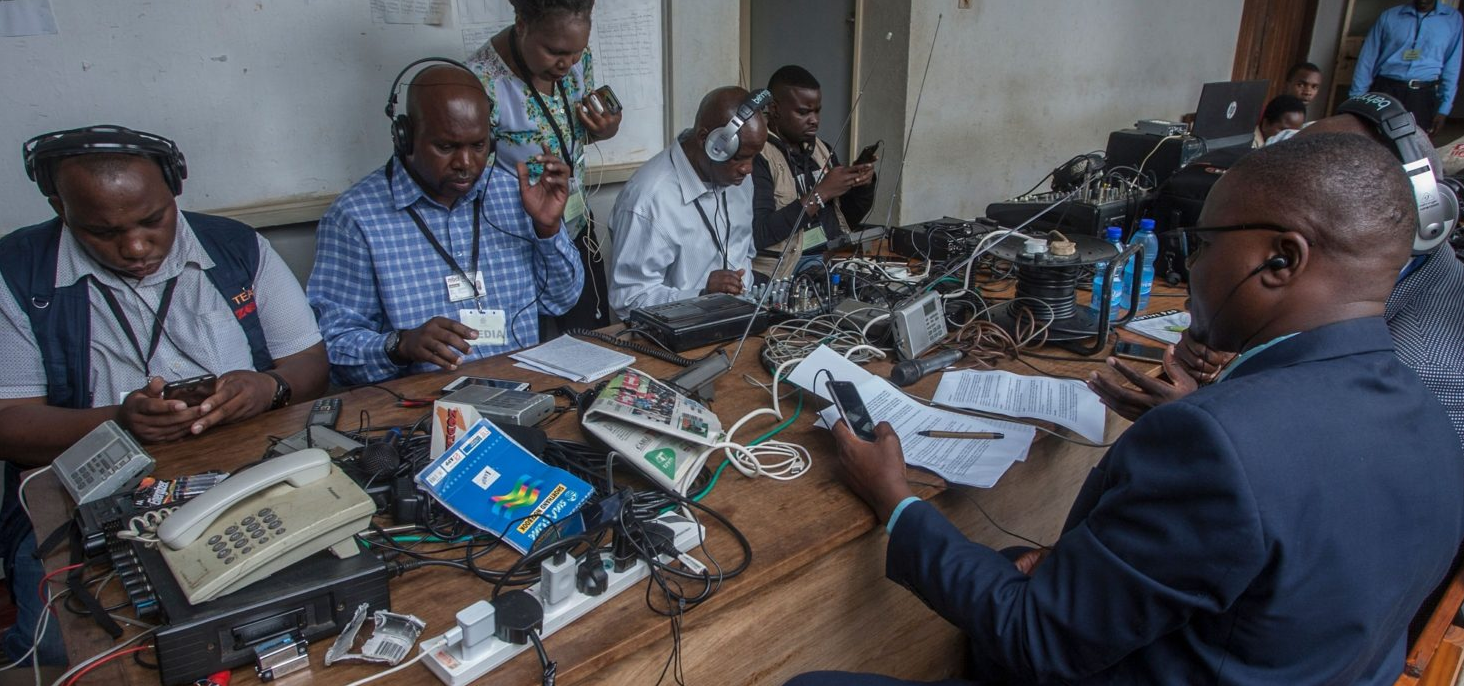
وباعتبار أن الصحافة التلفزيونية عملٌ جماعي، فإن تحقيق الجودة فيها لا يقتصر على المراجعة الفنية فحسب، بل يقوم على رؤية متكاملة لعمل المؤسسة، تبدأ من لحظة توليد الأفكار وتنتهي بخروج العمل واكتماله (1). هذا يعني أن كل مرحلة - من الميدان إلى غرفة البث - هي حلقة في سلسلة القيمة التي تحدد جودة المنتج النهائي واتساق عناصره ودقته في التعبير.

 الجودة في الصحافة التلفزيونية ليست نتاج التنفيذ وحده، بل هي حصيلة منظومة مترابطة تبدأ من الفكرة، وتمر بالإعداد والإخراج، وتنتهي عند تدقيق يحدد ما يصل إلى المتلقي بصيغته النهائية. تلك بديهيات معروفة في هذا المجال، ومع ذلك قد نجد أنها لا تحظى دائمًا بما تستحقه من اهتمام.

تُظهر التجربة المهنية أن تعدّد المهام داخل هذا المجال لا يحقّق بالضرورة جودة أعلى ما لم يُنظَّم ضمن تسلسل وظيفي واضح. وفي هذا السياق، غدت "اللامركزية في القرار الإداري ضرورة من ضرورات استمرار الزخم الذي أحدثه هدف تبني نظام الجودة الشاملة" (2)؛ حيث ينتقل مركز القرار من قمة الهرم الإداري التقليدي إلى "فرق العمل" التي تعتبر العمود الفقري لمشاريع الجودة، بما يضمن انسجام الأدوار وفاعلية كل مرحلة في تحسين المحتوى.

وهنا يستعيد التسلسل الوظيفي دور الصحافة التقليدية بوصفها "حارس البوابة". ففي ظل التدفق السريع للمعلومات عبر منصات التواصل، يصبح دور المؤسسة تحديد القضايا التي ينبغي أن يعي بها الجمهور، وحمايته من "المحتوى الزائف والمؤذي" عبر إخضاع المادة لمعايير دقيقة قبل النشر ومعالجتها بمهنية.


"وتشير الأدبيات الإعلامية إلى أن العمل الإعلامي يقوم على طبيعة تكاملية تتوزع فيها الأدوار ضمن منظومة مترابطة؛ بحيث يؤدي كل عنصر وظيفته في إطار من التنسيق الذي يضمن جودة المخرجات الإعلامية الخاصة بكل مؤسسة. (3) وهو ما يفسر أهمية وجود تسلسل وظيفي واضح يضبط العلاقة بين هذه الأدوار".

في بيئة العمل التلفزيوني، يتحمل معدّ المحتوى مسؤولية محورية في صياغة المادة التي تُبنى عليها بقية المراحل، سواء أُنتجت داخل غرفة الأخبار أو نُقلت من الميدان. وتتم هذه العملية ضمن تنسيق مستمر مع المنتج والمراجع الفني والتحريري، حيث تتشكل علاقة تشاركية تقوم على مراجعة المادة وضبطها وفق معايير تحريرية محددة، بما يعزز دقتها قبل الوصول إلى مرحلة الاعتماد النهائي.

ضمن هذا الإطار، تكشف الممارسة أن المراجعة لا تقتصر على رصد الأخطاء فقط، بل تمتد إلى تحسين الصياغة وإعادة ضبط الإيقاع العام للنص. وغالبًا ما تطرأ تعديلات تبدو بسيطة في ظاهرها، لكنها تحمل أثرًا واضحًا في دقة المعنى. على سبيل المثال، قد يُستبدل وصف "اندلعت اشتباكات" بـ "وقعت اشتباكات" لتفادي دلالة تصعيد غير مؤكدة، وهو فارق لغوي يعكس مستوى الحساسية في التعامل مع الخبر.

والمفردة في هذا السياق تمثل قرارًا تحريريًّا يحمل أبعادًا مهنية؛ حيث يحدد اختيارها زاوية التناول. الفارق بين "قتيل" و"شهيد" يوضح الانتقال من توصيف محايد إلى توصيف يحمل موقفا، وهو ما تنظّمه السياسات التحريرية داخل المؤسسات. كما أن استبدال "انسحاب" بـ "تراجع" أو العكس، يرتبط بتقدير دلالة الحدث وفق معطياته. وحتى الأفعال المستخدمة في نقل التصريحات مثل "قال" و"اعترف" تعكس مستوى الحياد أو التفسير. هذه التفاصيل تؤكد أن التحرير عملية دقيقة لإدارة المعنى تتجاوز الجانب اللغوي إلى التأثير في إدراك المتلقي.

 تكشف الممارسة أن المراجعة لا تقتصر على رصد الأخطاء فقط، بل تمتد إلى تحسين الصياغة وإعادة ضبط الإيقاع العام للنص. وغالبًا ما تطرأ تعديلات تبدو بسيطة في ظاهرها، لكنها تحمل أثرًا واضحًا في دقة المعنى. على سبيل المثال، قد يُستبدل وصف "اندلعت اشتباكات" بـ "وقعت اشتباكات" لتفادي دلالة تصعيد غير مؤكدة، وهو فارق لغوي يعكس مستوى الحساسية في التعامل مع الخبر.

وفي المقابل، قد يمتد الخلل إلى بنية العمل عند غياب التنسيق بين مراحله المختلفة. في إحدى التجارب الميدانية، أدى ضعف الربط بين الإعداد والإخراج والمونتاج إلى ظهور مادة لا تعكس الواقع كما هو، وهو ما استدعى معالجة لاحقة، أهمها الاعتذار بصورة رسمية وعاجلة. مثل هذه الحالات توضح أن تجاوز مرحلة المراجعة لا ينتج خطأ محدودًا فقط، وقد يؤثر في مصداقية العمل كلّه.

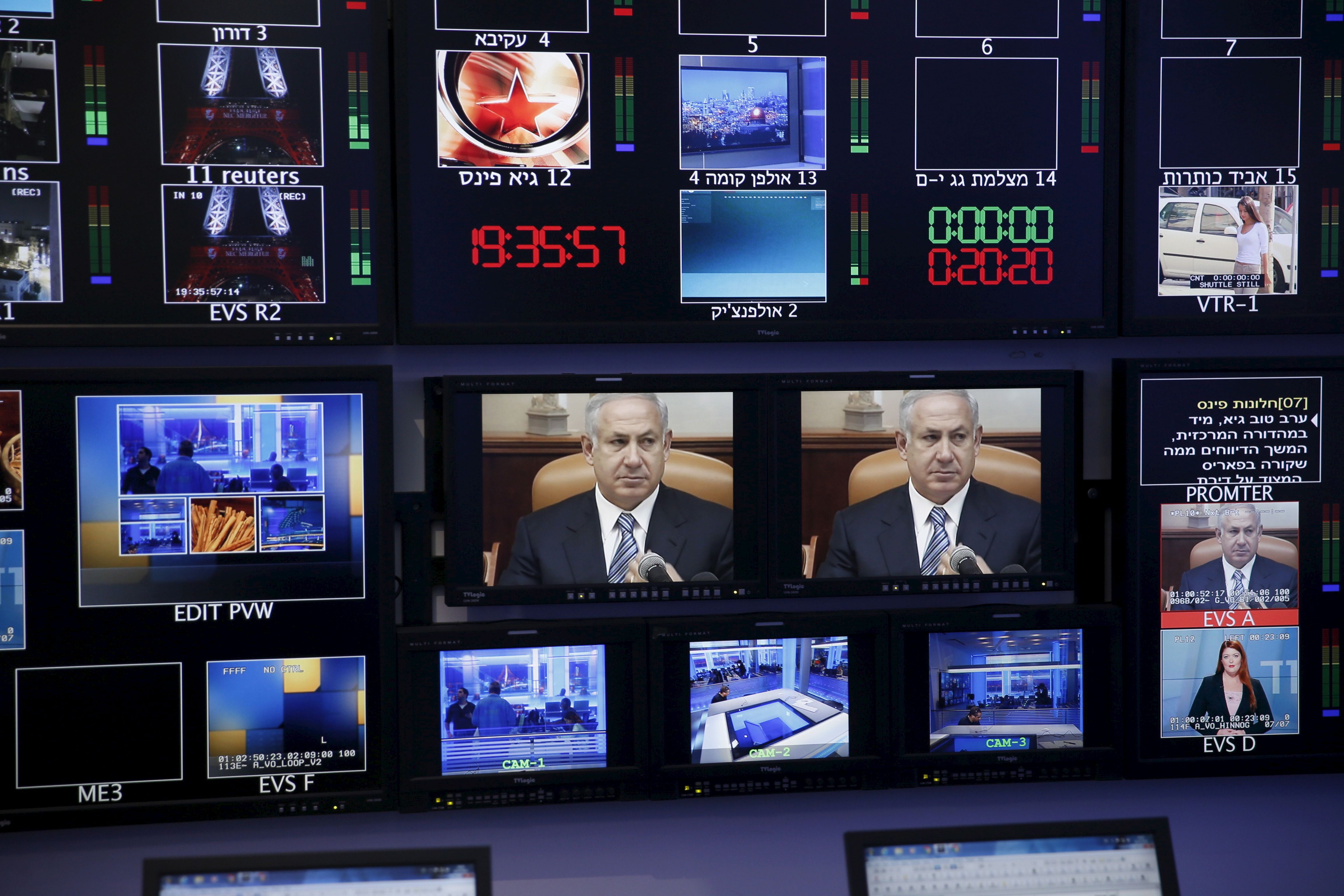
ويمثل التسلسل الوظيفي الإطار الذي يضمن مرور المادة عبر مراحل متتابعة من التدقيق؛ تبدأ من الإعداد، مرورًا بالمراجعة التحريرية، ثم المعالجة الإخراجية، وصولًا إلى الاعتماد النهائي. وفي كل مرحلة تُضاف قيمة نوعية، ويُعاد تشكيل المحتوى بما يعزز دقته واتساقه.

في العمل الإخباري، يواجه الصحفي ضغط الوقت وتدفق المعلومات، فيفرض ذلك عليه مستوى عاليًا من الانتباه في صياغة الوقائع واختيار المفردات. ورغم ذلك، تظل المراجعة ضرورة مهنية لا يمكن تجاوزها؛ باعتبارها المرحلة التي تضمن سلامة المادة قبل بثها. لذلك تعتمد المؤسسات الإعلامية على أنظمة مراجعة متعددة المستويات للحدّ من الأخطاء وتعزيز جودة المحتوى.

وتشير الممارسة إلى أن كثيرًا من الأخطاء لا يرتبط بنقص المعرفة، إنما بلحظات استعجال تسبق البث. في إحدى الحالات، أدى عدم تطابق أسماء المتحدثين وصفاتهم إلى إرباك تقرير متكامل، وهو خطأ أخلّ بجودة المادة. ولتجاوز مثل هذه العثرات، تؤكد التجارب المهنية الرائدة أهميةَ تبني "نموذج الاعتراف بالخطأ داخل غرف الأخبار"، بدءًا من أعلى السلم الوظيفي. فالشفافية والاعتذار ليسا ضَعْفًا، إنما أداة لتعزيز ثقة الجمهور، وتحويل الخطأ إلى "لحظة تعلّم" تمنع تكراره، بدلاً من الادعاء الزائف بنشر الحقائق دائما (4).

في السياق اليمني على سبيل المثال، تتسم البيئة الإعلامية بتعقيد إضافي ناتج عن عوامل سياسية وميدانية، وهو ما يجعل ممارسة العمل الصحفي أكثر حساسية وتشابكًا. في مثل هذه البيئة، لا يقتصر التحدي على إنتاج المحتوى، بل يشمل كيفية الحفاظ على التوازن المهني في الطرح، والتعامل مع الوقائع بمسافة تحترم المعايير الأخلاقية والمهنية. ضمن هذه البيئة المشحونة، غالبًا ما تكون "الشرارة الأولى" للخبر عبارة عن محتوى ينتجه المستخدم من الميدان، وهنا تبرز خطورة سقوط الصحفي في فخ "البروباغندا الممنهجة". لذلك، فإن التسلسل الوظيفي يعمل كمصفاة ضرورية تنقي المواد الصحفيّة؛ لفهم السياقات والأهداف التي تقف وراء ترويج بعض القضايا، وضمان عدم تحول المؤسسة إلى أداة لخدمة أجندات معينة دون قصد. (5)

لا يمكن اختصار الكفاءة المهنية بتعدد المهام أو تنوع الأدوار. إنّ الإتقان داخل منظومة واضحة ومترابطة هو ما يمثل كفاءة أكبر؛ فحتى الكلمة الواحدة، حين تُوضع في موضعها الدقيق وتخضع لمسار مراجعة منضبط، تغدو جزءًا من بناء مهني متكامل يعكس احترافية العمل وجودته، ويعزز دقة الأداء، ويحفظ تماسك المحتوى.
 

ويؤدي غياب دور التسلسل الوظيفي عامةً إلى بروز مظاهر فوضى مهنية، أساسها يكمن في تداخل المهام وعدم وضوح المسؤوليات وضعف آليات المراجعة، وهو ما يسمح بمرور أخطاء إلى الشاشة دون معالجة كافية. وهذا لا ينعكس فقط على جودة المحتوى؛ إذ يؤثر أيضا على صورة الصحفي والمؤسسة الإعلامية ومصداقيتها لدى الجمهور الذي بات أكثر وعيًا وقدرة على التمييز بين العمل المهني المتقن والعمل المرتجل على عجالة، ولا تكتمل فاعلية هذا النظام دون تأسيس مهني حقيقي قائم على إعداد كوادر صحفية مدركة لطبيعة مهامها ومؤهلة لأدائها.

اليوم، وبعد سنوات من العمل في هذا المجال، تشكل لدي انطباع آخر عن الكفاءة المهنية التي لا يمكن اختصارها بتعدد المهام أو تنوع الأدوار. إنّ الإتقان داخل منظومة واضحة ومترابطة هو ما يمثل كفاءة أكبر؛ فحتى الكلمة الواحدة، حين تُوضع في موضعها الدقيق وتخضع لمسار مراجعة منضبط، تغدو جزءًا من بناء مهني متكامل يعكس احترافية العمل وجودته، ويعزز دقة الأداء، ويحفظ تماسك المحتوى. وفي مهنة تقوم على التفاصيل، تصبح هذه المعطيات هي العامل الفارق والحاسم؛ بين عمل يُنجز ويُبث، وآخر يُصاغ بعناية فيبقى أثره حاضرًا في ذاكرة الجمهور، وقبل ذلك في وعي الصحفي نفسه.


المصادر
1) العيفة وآخرون، "إدارة الجودة الشاملة في المؤسسات الإعلامية"، مجلة المعيار للبحوث والدراسات، جامعة الأمير عبد القادر للعلوم الإسلامية، العدد 42، جوان 2017.
2) السابق
3) السابق
4) معهد الجزيرة للإعلام، "دليل أخلاقيات الصحافة في العصر الرقمي".
5) السابق

More Articles

Who Decides the News? Inside India's Algorithm-Driven Newsrooms 

For decades, editors acted as journalism's gatekeepers, deciding which stories mattered based on evidence, public interest and professional ethics. Today, many young reporters say that role has increasingly been assumed by recommendation algorithms, software designed not to identify what is important, but what is most likely to keep audiences scrolling… As news organisations compete for audience attention on digital platforms, metrics such as engagement and follower growth are increasingly influencing editorial strategy.

Seerat-Un-Nisa Published on: 11 Aug, 2026
As in Rwanda: Can the Israeli Press Be Prosecuted for Participation in Genocide?

Israeli media incitement has helped frame Palestinian journalists as security threats, weakening their legal and professional protection and legitimising attacks against them. Legal accountability is possible through the ICC, universal jurisdiction, and professional pressure against journalists and outlets that incite violence.

Nasser Adnan Thabet Published on: 8 Aug, 2026
A Soldier with the Rank of Correspondent in the Israeli Army

Israeli military journalism developed through a deep fusion of media, censorship, and the army, turning correspondents into carriers of the official security narrative. This embedded model later influenced Western war reporting, where access to the battlefield often came at the cost of independence and critical distance.

Sujood Awais Published on: 4 Aug, 2026
The Phenomenon of “News Avoidance”: Have We Come to Know More Than We Should?

Audiences are increasingly avoiding the news as the constant flow of crises, violence, and tragic human stories creates psychological exhaustion and anxiety. Media outlets need to respond with more responsible editorial choices, stronger media literacy, and coverage that balances urgent events with constructive, humane, and less harmful storytelling.

Wessam Kamal Published on: 17 Jul, 2026
From Srulik to Handala: Caricature as a Media Symbol

From the pro-occupation Israeli character 'Srulik' to the resilient and satirical Palestinian 'Handala', caricature emerges as another battleground for memory and the future. How did these characters come to be, what is their media symbolism, and why does caricature remain so influential?

Sujood Awais Published on: 14 Jul, 2026
“Sometimes You Work for Years Without Pay” – Cameroonian Journalists Demand Safety Nets

While many journalists demonstrate admirable resilience in producing quality journalism under precarious conditions, resilience should not be the only safety net. Journalism deserves protection, because democracy depends on it.

Akem
Akem Nkwain Published on: 11 Jul, 2026
When Modi’s Managed Media Met Europe’s Press

A brief, viral exchange in Oslo between Prime Minister Narendra Modi and a Norwegian journalist has exposed the widening gap between India's tightly controlled media environment and traditional adversarial press culture. Over the past decade, open, unscripted scrutiny has increasingly been replaced by carefully managed public relations, image-driven interviews, and direct digital reach. This systemic shift has reshaped the broader landscape of Indian news media, creating a culture of forced deference that prioritises political showmanship over holding power accountable.

Arsalan Bukhari, an independent journalist based in India
Arsalan Bukhari, Mehrunnisa Maryam Published on: 5 Jul, 2026
How Sources Shaped the Story of Gaza’s Aid-Site Killings

In conflict reporting, the question is rarely only about what happened. It is also who gets to explain what happened. The findings here suggest that the answer to that question often shapes the story that audiences ultimately receive.

Djamil Kerrouche Published on: 1 Jul, 2026
The Stringers Behind India’s Breaking News: No Contracts, Credit or Safety

Thousands of rural Indian freelance reporters, called "stringers," face low pay, police harassment, and total abandonment by the big TV networks that rely on them. These local journalists risk their lives to film breaking news like riots and rallies, but they work without contracts, insurance, or legal help when they get into trouble. This unfair system forces poor, small-town reporters to take on all the danger alone just to keep the national 24-hour news channels running.

Hanan Zaffa
Hanan Zaffar, Majid Alam Published on: 27 Jun, 2026
Why Have Print Newspapers Disappeared in Gaza?

The genocidal war has systematically devastated the media sector in the Gaza Strip. With the occupation destroying over 150 media organizations, printing presses have completely shut down, forcing all newspapers to shift entirely to digital coverage.

Mohamed Abu Shahma Published on: 24 Jun, 2026
Mohamed al-Khalidi and Marwa Muslim: Forgotten in Life, Vindicated in Death

The occupation killed journalists Mohamed al-Khalidi and Marwa Muslim as part of a systematic pattern of targeting the press, but throughout their careers they also faced neglect, marginalisation, and a lack of recognition. Colleague Maysoun Kahil tells their story, and asks why Palestinian journalists are so often honoured only after death, rather than supported in life.

Maysoun Kahil Published on: 17 Jun, 2026
The Double Ordeal of Freelance Journalists in Gaza

Independent journalists in Gaza face a dangerous double battle. Working without institutional protection or financial safety nets, they risk their lives to report the reality of war, overcoming severe resource shortages and systemic neglect to ensure the world hears the truth.

Noor Abu Rokba Published on: 14 Jun, 2026
The Left and the Right in One Front Against Journalism in South America

Journalism in Latin America is facing a crisis of hostility. In the age of political polarization, governments from both the left and the right are not merely managing states; they are actively harassing critical voices, imposing institutional censorship, and enforcing official narratives that attack independent media to silence disagreement and fake democracy across the region.

Noe Zavaleta
Noe Zavaleta Published on: 8 Jun, 2026
How Journalists are Combating Cybertroopers 

The brutal state crackdown in Đồng Tâm highlights a intensifying withdrawal from free expression in Vietnam, heavily driven by the regime's deployment of state-backed cyberarmies like Force 47. As these digital actors systematically intimidate and mass-report critics, tech giants like Meta further compound the issue by increasingly acquiescing to government censorship requests to protect market share. This coordinated digital assault leaves a dangerous gap in the global conversation, forcing independent journalists to navigate severe online hostility and risk arbitrary imprisonment just to expose state overreach.

AJR Contributor Published on: 25 May, 2026
Vases and Baby Diapers: War as Told by People, Not Politicians!

The analysis of field reporting during the war reveals a deep divide between distant geopolitical news and the actual human reality on the ground. This conflict between official media assignments and the lived experience will continue as journalists find themselves abandoning institutional scripts to focus instead on the raw details of daily survival and the preservation of personal memory.

Maram
Maram Humaid Published on: 21 May, 2026
Safety Strategies Female Journalists Use in Hostile Environments

Female journalists across Africa face layered physical, gender-based, digital, and psychological risks while covering protests, elections, conflict, and crises, forcing them to rely on hard-earned survival strategies as much as newsroom support.

Nigerian freelance Journalist John Chukwu
John Chukwu Published on: 14 May, 2026
The Afterlife of an Image: How Photojournalism Contests Shape Visibility and Responsibility

As photojournalism contests elevate certain images to global prominence, they also influence how violence, dignity, and memory are constructed in the public imagination.

Daniel Harper
Daniel Harper Published on: 5 May, 2026
Malawi Investigates Poor Pay and Working Conditions for Junior Journalists

Malawi’s investigation into poor pay for junior journalists exposes a deeper crisis where economic hardship is eroding media independence and forcing reporters to choose between ethical integrity and survival.

Benson Kunchezera Published on: 30 Apr, 2026
Journalism as a Struggle for Survival in Sudan

With war erupting in Sudan, the country’s media landscape collapsed almost overnight after the Rapid Support Forces entered Khartoum. Many journalists were left without jobs, salaries or shelter, scattered between displacement, exile and siege, as newspapers shut down and media institutions ceased to function. For many, journalism was no longer a profession but a daily struggle for survival.

Saif al-Din al-Bashir Ahmed Published on: 27 Apr, 2026
From Print to Pixels: How Small-Town Journalists in Bihar Are Surviving Threats and Closures

As newspapers vanish across districts like Siwan, Gaya, and Purnea, reporters turn to mobile phones, digital start-ups and community networks to keep local journalism alive.

Rehan Qayoom Mir. An independent journalist whose work has appeared in international and national outlets,
Rehan Qayoom Mir, Sajad Hameed Published on: 12 Apr, 2026
Arab Society and Investigative Journalism: The Dialectic of Culture, Power, and Profession

Investigative journalism in Arab societies operates within a dense web of social, political, and cultural pressures that often push journalists to balance truth-telling against survival, forcing them onto a precarious “razor’s edge.” Yet despite these constraints, moments of crisis can transform society itself from a source of pressure into a powerful ally, driving accountability and reigniting the pursuit of truth.

Musab Shawabkeh
Musab Al Shawabkeh Published on: 7 Apr, 2026
The Revolution That Framed Islam: How 1979 Shaped Western Media on Iran

The 1979 Revolution transformed how the Western world views and reports on Islam. What started as a confused attempt to understand a new religious movement has turned into a permanent media habit of framing Iran through the lens of conflict and suspicion.

Daniel Harper
Daniel Harper Published on: 4 Apr, 2026
The Challenge of Reporting in Chechnya

Independent journalism no longer exists as a functioning practice inside Chechnya. What remains is a profession rebuilt in exile, forced to operate at a distance from the very place it is meant to cover.

Rushda Fathima Khan
Rushda Fathima Khan Published on: 29 Mar, 2026
How AI Can Clean Messy Data; and Where It Can't

Normalising inconsistent, messy, or incomplete data is tedious and time-consuming, but essential. AI can handle grunt work, but editorial decisions remain with the journalist.

KA
Konstantinos Antonopoulos Published on: 21 Mar, 2026