
البوسنية رميزة غورديتش.. وحكاية ابن بلا رأس منذ 30 سنة

البوسنية رميزة غورديتش.. وحكاية ابن بلا رأس منذ 30 سنة

مع كل صباح، تفتح البوسنية رميزة غورديتش درجها الخشبي، لا لتبحث عن شيء جديد بل لتتأكد أن الصور ما زالت هناك. صور زوجها وولديها وهم يبتسمون للكاميرا بملامح لم تتغير يوما، أما هي فقد كبرت ثلاثين سنة منذ غيابهم.

في كل مرة تفتح فيها الدرج، تعود بها الذاكرة إلى 11 يوليو/تموز 1995، التاريخ الذي غيّر حياتها، عندما سيطرت قوات صرب البوسنة على بلدتها الصغيرة سربرنيتسا شرقي البلاد، فاضطرت للافتراق عن زوجها يونس وابنيها مهر الدين ومصطفى.

"يا بني، دعني ألبسك الدّمِيّة (تنورة تقليدية للنساء) وأغطيك بالمنديل"، قالتها رميزة (72 عاما) في ذلك اليوم وهي تلهث في زحمة الهروب باحثة عن حيلة أخيرة تنقذ مهر الدين (17 سنة وقتها) من الجنود الصرب.

لم يستطع مصطفى الذي يكبر شقيقه بسنتين السيطرة على ارتجاف يديه وهو يلف السجائر باكيا "وماذا أفعل أنا يا أمي؟" فردّت وهي تكتم خوفها "يا بني، لا يمكنك أن تضع منديلا؛ لحيتك ستفضحك".

لم تدم تلك اللحظة طويلا؛ فمع سيطرة القوات الصربية على البلدة، لجأت رميزة مع آلاف النساء والأطفال إلى محيط قاعدة للأمم المتحدة في بوتوتشاري المجاورة طلبا للحماية، أما زوجها وابناها فاضطروا لاتخاذ القرار الصعب بالهروب عبر الغابات مع باقي الرجال والصبيان خوفا من الأسر أو الإعدام.

قبل افتراق العائلة نهائيا، ودّع مصطفى والدته بصوت مكسور قائلا "لن نلتقي بعد اليوم يا أمي"، لكنه كان الوحيد الذي رأته لاحقا من نافذة حافلة أثناء إجبارها مع آلافٍ غيرها على مغادرة القاعدة الأممية إلى خارج سربرنيتسا. كان مصطفى وقتها أسيرا مكبل اليدين، وقد نُزعت عنه ملابسه باستثناء سرواله الداخلي. نظر إلى أمه نظرة الوداع ثم أومأ برأسه إلى الأرض قبل أن يُقتاد إلى مزرعة قريبة ويُعدم ميدانيا إلى جانب مئات آخرين من سربرنيتسا في 16 يوليو/تموز 1995.

أما والده فقد أعدم قبل ذلك بثلاثة أيام بالطريقة ذاتها في قرية مجاورة، فيما قُتل مهر الدين أيضا في الشهر نفسه خلال محاولته النجاة، لكن تفاصيل مقتله الدقيقة ظلت غير واضحة.

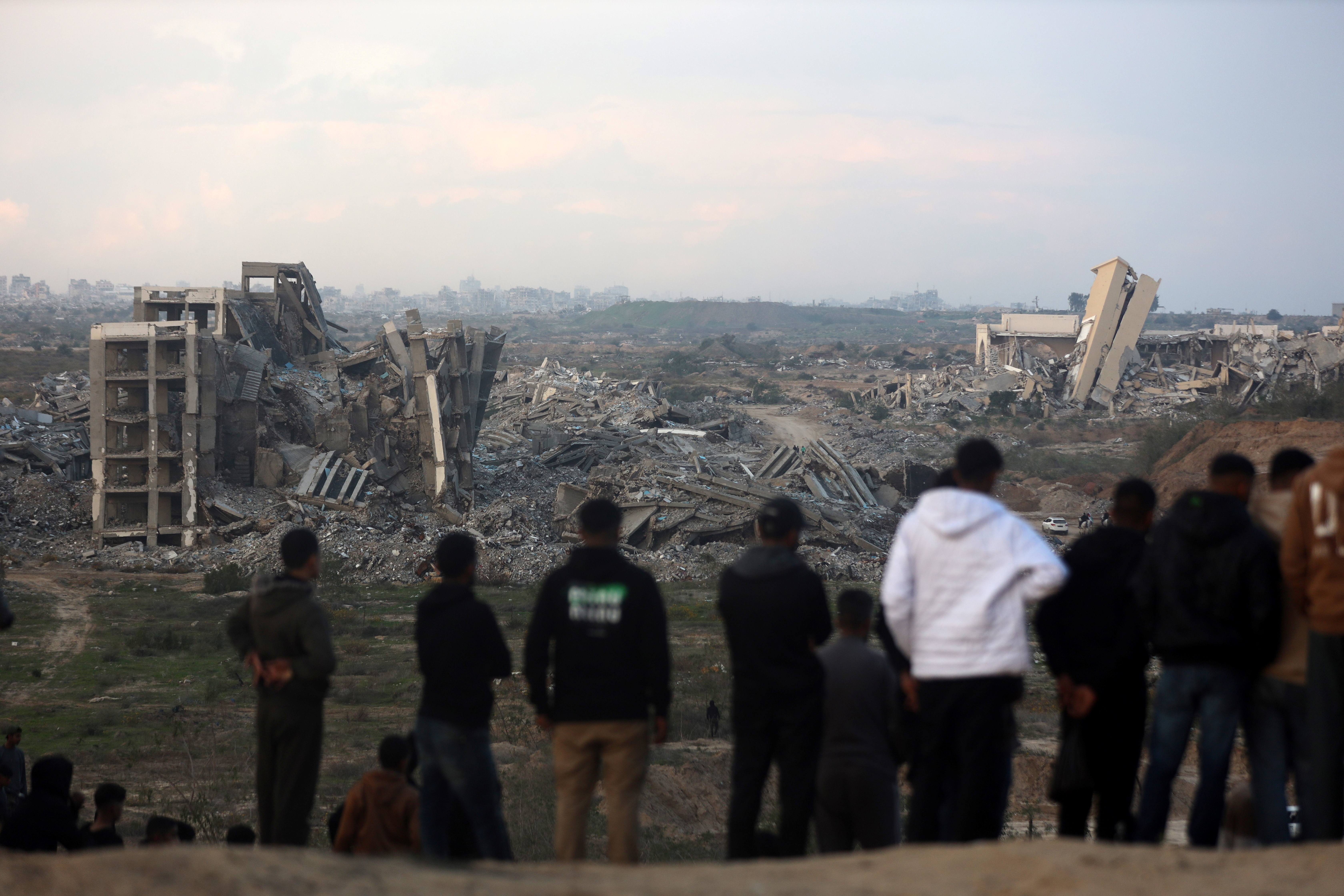
وهكذا خسرت رميزة في أيام معدودة معظم أفراد أسرتها لتصبح واحدة من أمهات سربرنيتسا اللواتي عشن فاجعة قتل أكثر من 8 آلاف رجل وفتى مسلم ضمن حرب بدأت عام 1992 وراح ضحيتها نحو 100 ألف شخص غالبيتهم من البوشناق.
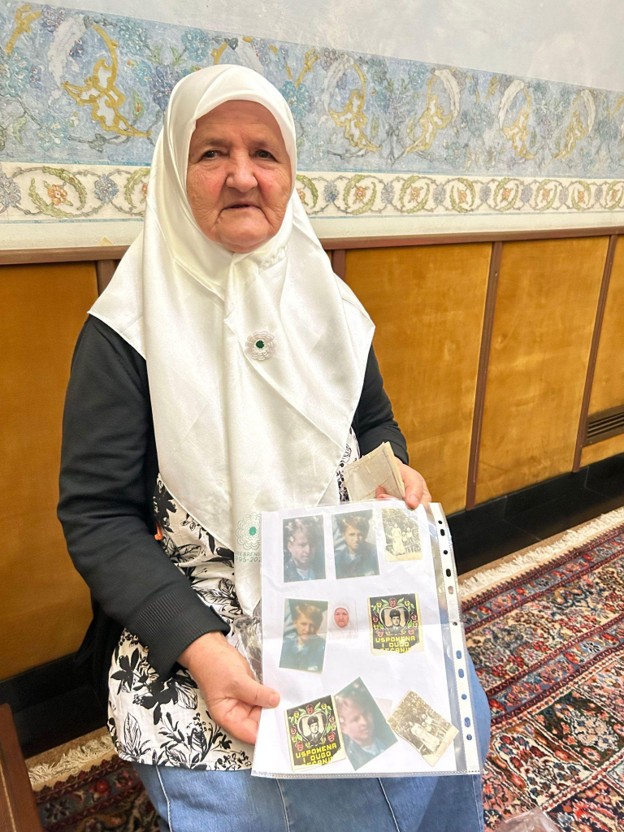
البوسنية رميزة غورديتش
البوسنية رميزة غورديتش (خاص)

خسرت رميزة في أيام معدودة معظم أفراد أسرتها لتصبح واحدة من أمهات سربرنيتسا اللواتي عشن فاجعة قتل أكثر من 8 آلاف رجل وفتى مسلم ضمن حرب بدأت عام 1992 وراح ضحيتها نحو 100 ألف شخص غالبيتهم من البوشناق.


صدمة رميزة لم تتوقف عند فقدان زوجها وابنيها و32 فردا آخرين من عائلتها؛ فقد بدأت معركة أخرى استمرت سنوات طويلة للبحث عن رفاتهم، قبل أن تكشف التحقيقات أنه عُثر عليها موزعة في ثلاث مقابر جماعية مختلفة.

فرغم انتهاء الحرب عام 1995، تروي رميزة أن أول خبر عن عائلتها وصلها سنة 2003 عند العثور على رفات مصطفى، أما زوجها فعُثر على رفاته سنة 2010.  لكن قصة مهر الدين كانت مختلفة، فقد عُثر سنة 2011 على جزء من رفاته فقط، وتعرفت عليه والدته من حذائه الرياضي الأصفر وحزام كُتب عليه اسمه.

لم يطاوعها قلبها أن تدفنه ناقصا، ترددت كثيرا، لكنها قررت مواراته الثرى بما توفر من رفاته إكراما له وانتظارا لليوم الذي قد يُعثر فيه على بقية أجزائه.

عام 2022، جاءها اتصال جديد "وجدنا مزيدا من بقاياه". وافقت على إعادة نبش القبر وضم ما عُثر عليه إلى ما سبق، لكن الرأس بقي مفقودا.

سألت الطبيبَ في المشرحة عن الرأس فأجاب "ربما لن يُعثر عليه أبدا؛ فعلى رقبته أثر يوحي بأن رأسه قُطع ذبحا دون وجود أي رصاص في جسده (..) والذين ذُبحوا يصعب العثور على رؤوسهم". منذ ذلك اليوم، أصبحت قصة مهر الدين تطاردها باعتبارها فرصة نجاة لم تكتمل وحالة دفن منقوصة. تقول "أكثر ما يؤلمني أنني لم أستطع أن ألبسه لباس النساء وأخفيه عن أعينهم؛ أن آخذه هو على الأقل معي".

كان مهر الدين كما تصفه أمه "مجتهدا، لم يبق له إلا جزء واحد من القرآن حتى يصبح حافظا". وتردد رميزة على الدوام "لم ألده بلا رأس، لقد ولدته طفلا جميلا كاملا، وما زلت أبحث عنه منذ 30 سنة.
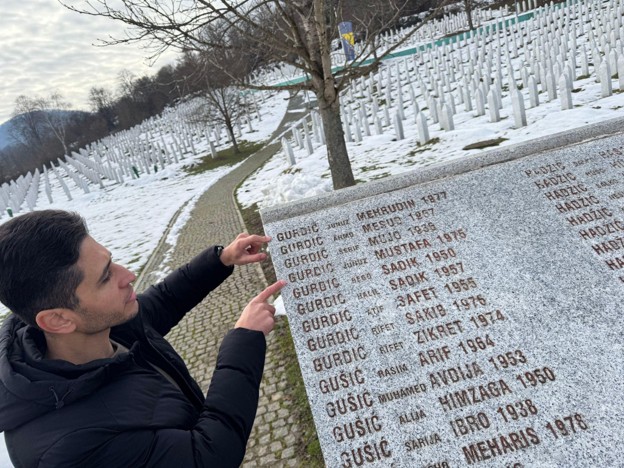
فقد عائلة غورديتش أكثر من 32 فرداً

بعد الحرب، غادرت رميزة بلدتها المنكوبة لتعيش اليوم مع ابنتها (الناجية الوحيدة من عائلتها الصغيرة) وزوج الأخيرة وثلاثة أحفاد في ضواحي العاصمة البوسنية سراييفو، لكن ذاكرة سربرنيتسا لم تغادرها قط.

في قلب هذا الألم الممتد بقي سؤال واحد بلا جواب: أين الجزء الغائب من مهر الدين؟  هنا يعمل معهد الأشخاص المفقودين في البوسنة والهرسك (رسمي) ليكونَ آخر خيط يُوصل رميزة بما تبقى من ابنها المفقود.

صادق سليم أوفيتش - المحقق في المعهد منذ 30 عاما - لا يفسر نقص بعض الرفات كرأس مهر الدين بمرور الزمن فقط بل بـ"هندسة الإخفاء" التي اتبعتها القوات الصربية للتغطية على الجرائم.  يشرح أنهم حفروا المقابر الجماعية ثم استخدموا الآليات الثقيلة لتمزيق الجثث ونقل الأشلاء إلى مواقع أخرى بحيث ينتهي الجسد الواحد موزعا على أكثر من موقع.

إضافة إلى ذلك، "كثير من مواقع الجرائم كانت قرب الأنهار، وهذه مع الأسف أكبر مقابر ضحايانا. قد لا نعثر أبدا على من انتهى الأمر بهم في المياه".

صدمة رميزة لم تتوقف عند فقدان زوجها وابنيها و32 فردا آخرين من عائلتها، فقد بدأت معركة أخرى استمرت سنوات طويلة للبحث عن رفاتهم، قبل أن تكشف التحقيقات أنه عُثر عليها موزعة في ثلاث مقابر جماعية مختلفة. ورغم انتهاء الحرب عام 1995، تروي أن أول خبر عن عائلتها وصلها سنة 2003
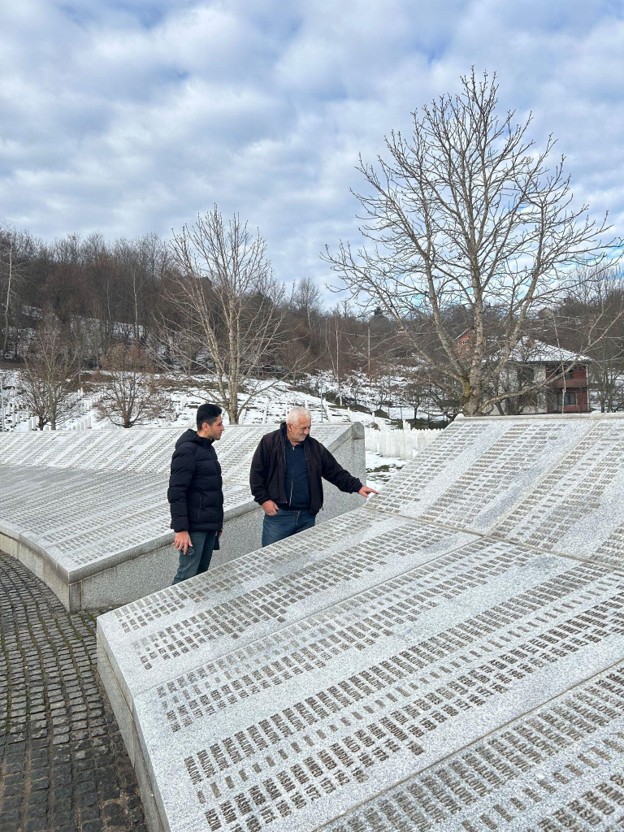
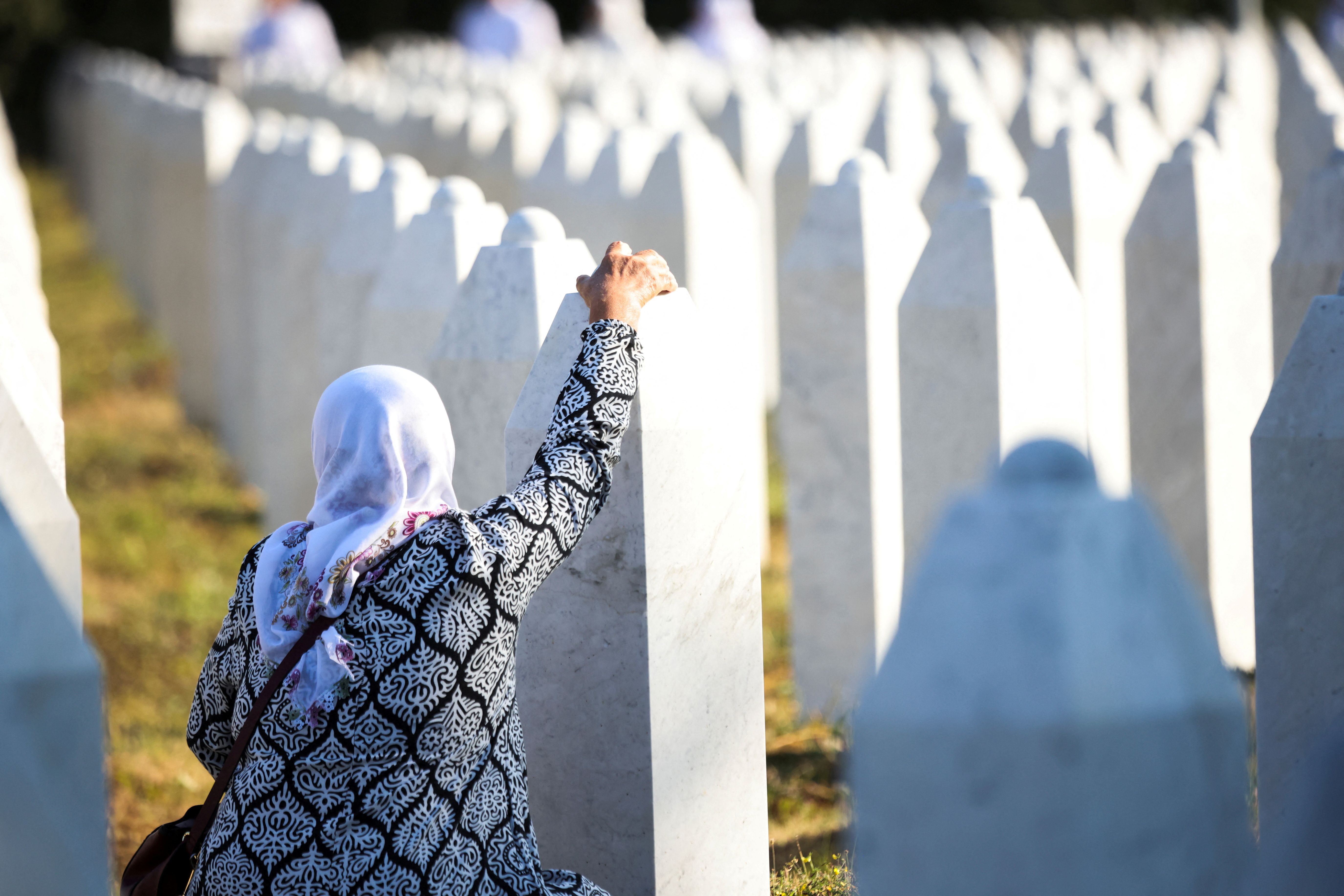
أحد المقابر الجماعية لضحايا إبادة سربرنيتسا

يختصر سليم أوفيتش المشهد بأرقام ثقيلة "ما زلنا نبحث عن 7561 ضحية من الحرب. أما سربرنيتسا فما تزال تحمل جزءا من الملف المفتوح، مع استمرار فقدان ما يقرب من ألف ضحية فيها منذ 1995"، من بينها باقي رفات مهر الدين. ومع ذلك، يقول إن المشكلة ليست دائما في "العثور" بل في "التحقّق"؛ فقبل ترسيخ تحليل الحمض النووي DNA، كانت عمليات التعرّف تجري أحيانا بوسائل تقليدية مثل الملابس والمتعلقات "ثم تبين لاحقا أن هناك أخطاء".

يستدل على صعوبة التحقق بـ "وجود نحو 2000 قطعة رفات في المشارح لم يجر التعرف على أصحابها حتى الآن". وعن طريقة عملهم، يروي أنه عندما يصل إلى المعهد بلاغ عن بقايا بشرية، تبدأ رحلة طويلة من أخذ إحداثيات الموقع وتوثيق المكان ثم رفع طلب للنيابة العامة التي تستصدر أمرا من المحكمة. وبعدها "نخرج مع الشرطة والطبيب الشرعي لجمع الرفات، وتُرقّم العظام، وتُنقل للفحص، ثم تُؤخذ أفضل عينة منها وتحال إلى تحليل الحمض النووي".

في بعض الأحيان "تُجرى هذه العملية التي تستغرق من 3 إلى 4 أشهر لعظمة واحدة فقط، لكن النتيجة قد تعيد اسما مفقودا وتفتح قبرا جديدا وتخفف شيئا من آلام أم مثل رميزة"، هكذا يقول أوفيتش. ويختم بأن عمل المعهد لا يتوقف عند المقابر المكتشفة "سنعود مجددا إلى بعض المواقع وننبشها من جديد، خصوصا تلك التي فُتحت في مراحل مبكرة من التحقيقات. نعتقد أننا قد نعثر على المزيد هناك".

وبينما يحاول معهد المفقودين إعادة أسماء فُقد الأمل في العثور عليها، يعمل مركز سربرينتسا - بوتوتشاري التذكاري (رسمي) على حفظ ذاكرة الناجين مثل رميزة لتصبح شهاداتهم أرشيفا للحقيقة يقاوم محاولات التغييب والإنكار. فهذا المركز الواقع مقابل مقبرة بوتوتشاري التي تضم الآلاف من ضحايا سربرنيتسا، لا ينظر إلى شهادة الأم التي فقدت أفرادا من عائلتها بوصفها قصة شخصية عادية، بل يعدها وثيقة تاريخية وأخلاقية ذات أهمية عامة.

صادق سليم أوفيتش، المحقق في حالات الأشخاص المفقودين منذ 30 عاما، لا يفسر نقص بعض الرفات بمرور الزمن فقط، بل بـ"هندسة الإخفاء" التي اتبعتها القوات الصربية للتغطية على الجرائم.

المتحدثة باسم المركز ألماسا صالح أوفيتش تقول: إن عملية توثيق القصص تبدأ بعد موافقة طوعية بمقابلة يُديرها بعناية فريق التاريخ الشفهي بالمؤسسة ضمن بيئة آمنة وداعمة تُراعى فيها الحالة العاطفية للشاهدة. ثم تُفرَّغ الشهادة وتُترجم إلى اللغة الإنجليزية، وتفهرس وتؤرشف مع الالتزام الصارم بالمعايير الأخلاقية وحماية البيانات الشخصية.

ويهدف كلّ جزء من هذه العملية إلى صون أصالة صوت الناجية، من دون تهويل أو استثمار لآلامها  - وفي الوقت نفسه - مع ضمان أن تخدم الشهادة إثبات الحقيقة والذاكرة الجماعية، كما تقول ألماسا صالح أوفيتش. وعن دور المركز في مسار العدالة، توضّح أن مهمته الأساسية تتمثل في جمع الأدلة وحفظها وتنظيمها، بما في ذلك شهادات الناجين والمتعلقات الشخصية للضحايا والمواد الأرشيفية والوثائق المستندة إلى حقائق ثبتت قضائيا.

وبما يتوافق مع القانون والإجراءات المعمول بها، يتعاون المركز مع المؤسسات القضائية الوطنية والدولية والباحثين والنيابات العامة، ويمكنه بناء على الطلب وعند الحاجة تزويد الجهات المختصة بالوثائق أو المواد الأرشيفية ذات الصلة ضمن الأطر الأخلاقية والقانونية.

ويضمن عمل المركز أن "تبقى الأدلة والشهادات محفوظة ومتاحة ومحمية من الإنكار والتحريف، بما يسهم في مسار العدالة على المدى الطويل، حتى عندما تستمر الإجراءات القضائية سنوات أو عقودا". وبالنسبة للمركز التذكاري، فإن العدالة لا تختزل في حكم قضائي بقدر ما تعني حماية الحقيقة بصورة دائمة وصون كرامة الضحايا ومسؤولية المجتمع في مواجهة الماضي.

أمّا رميزة فتضع هذا المعنى في صيغة أكثر مباشرة؛ تقول إنها لا ترغب بالانتقام لكنها ما تزال تنتظر الوصول إلى قتلة أفراد عائلتها ومحاكمتهم، وأن يأتي اليوم الذي تُغلِق فيه قبر مهر الدين بدفنه كاملا.
Related Articles

Do Foreign Journalists Matter in Covering Genocide? A Look into Bosnia, Rwanda, and Gaza

How did foreign journalists cover the killings in both Bosnia-Herzegovina and Rwanda? Did they contribute to conveying the truth and making an impact? Would the entry of foreign journalists into the Gaza Strip change the reality of the ongoing genocide? And would their coverage of the famine and massacres add to the daily coverage of local journalists? Why is the local press's coverage of wars seen as deficient compared to Western journalism, even though they incur greater losses and casualties?

Saber Halima
Saber Halima Published on: 20 Jun, 2025

More Articles

When Modi’s Managed Media Met Europe’s Press

A brief, viral exchange in Oslo between Prime Minister Narendra Modi and a Norwegian journalist has exposed the widening gap between India's tightly controlled media environment and traditional adversarial press culture. Over the past decade, open, unscripted scrutiny has increasingly been replaced by carefully managed public relations, image-driven interviews, and direct digital reach. This systemic shift has reshaped the broader landscape of Indian news media, creating a culture of forced deference that prioritises political showmanship over holding power accountable.
Arsalan Bukhari, an independent journalist based in India
Arsalan Bukhari, Mehrunnisa Maryam Published on: 5 Jul, 2026
How Sources Shaped the Story of Gaza’s Aid-Site Killings

In conflict reporting, the question is rarely only about what happened. It is also who gets to explain what happened. The findings here suggest that the answer to that question often shapes the story that audiences ultimately receive.

Djamil Kerrouche Published on: 1 Jul, 2026
The Stringers Behind India’s Breaking News: No Contracts, Credit or Safety

Thousands of rural Indian freelance reporters, called "stringers," face low pay, police harassment, and total abandonment by the big TV networks that rely on them. These local journalists risk their lives to film breaking news like riots and rallies, but they work without contracts, insurance, or legal help when they get into trouble. This unfair system forces poor, small-town reporters to take on all the danger alone just to keep the national 24-hour news channels running.

Hanan Zaffa
Hanan Zaffar, Majid Alam Published on: 27 Jun, 2026
Why Have Print Newspapers Disappeared in Gaza?

The genocidal war has systematically devastated the media sector in the Gaza Strip. With the occupation destroying over 150 media organizations, printing presses have completely shut down, forcing all newspapers to shift entirely to digital coverage.

Mohamed Abu Shahma Published on: 24 Jun, 2026
Mohamed al-Khalidi and Marwa Muslim: Forgotten in Life, Vindicated in Death

The occupation killed journalists Mohamed al-Khalidi and Marwa Muslim as part of a systematic pattern of targeting the press, but throughout their careers they also faced neglect, marginalisation, and a lack of recognition. Colleague Maysoun Kahil tells their story, and asks why Palestinian journalists are so often honoured only after death, rather than supported in life.

Maysoun Kahil Published on: 17 Jun, 2026
The Double Ordeal of Freelance Journalists in Gaza

Independent journalists in Gaza face a dangerous double battle. Working without institutional protection or financial safety nets, they risk their lives to report the reality of war, overcoming severe resource shortages and systemic neglect to ensure the world hears the truth.

Noor Abu Rokba Published on: 14 Jun, 2026
The Left and the Right in One Front Against Journalism in South America

Journalism in Latin America is facing a crisis of hostility. In the age of political polarization, governments from both the left and the right are not merely managing states; they are actively harassing critical voices, imposing institutional censorship, and enforcing official narratives that attack independent media to silence disagreement and fake democracy across the region.

Noe Zavaleta
Noe Zavaleta Published on: 8 Jun, 2026
How Journalists are Combating Cybertroopers 

The brutal state crackdown in Đồng Tâm highlights a intensifying withdrawal from free expression in Vietnam, heavily driven by the regime's deployment of state-backed cyberarmies like Force 47. As these digital actors systematically intimidate and mass-report critics, tech giants like Meta further compound the issue by increasingly acquiescing to government censorship requests to protect market share. This coordinated digital assault leaves a dangerous gap in the global conversation, forcing independent journalists to navigate severe online hostility and risk arbitrary imprisonment just to expose state overreach.

AJR Contributor Published on: 25 May, 2026
Vases and Baby Diapers: War as Told by People, Not Politicians!

The analysis of field reporting during the war reveals a deep divide between distant geopolitical news and the actual human reality on the ground. This conflict between official media assignments and the lived experience will continue as journalists find themselves abandoning institutional scripts to focus instead on the raw details of daily survival and the preservation of personal memory.

Maram
Maram Humaid Published on: 21 May, 2026
Safety Strategies Female Journalists Use in Hostile Environments

Female journalists across Africa face layered physical, gender-based, digital, and psychological risks while covering protests, elections, conflict, and crises, forcing them to rely on hard-earned survival strategies as much as newsroom support.

Nigerian freelance Journalist John Chukwu
John Chukwu Published on: 14 May, 2026
The Afterlife of an Image: How Photojournalism Contests Shape Visibility and Responsibility

As photojournalism contests elevate certain images to global prominence, they also influence how violence, dignity, and memory are constructed in the public imagination.

Daniel Harper
Daniel Harper Published on: 5 May, 2026
Malawi Investigates Poor Pay and Working Conditions for Junior Journalists

Malawi’s investigation into poor pay for junior journalists exposes a deeper crisis where economic hardship is eroding media independence and forcing reporters to choose between ethical integrity and survival.

Benson Kunchezera Published on: 30 Apr, 2026
Journalism as a Struggle for Survival in Sudan

With war erupting in Sudan, the country’s media landscape collapsed almost overnight after the Rapid Support Forces entered Khartoum. Many journalists were left without jobs, salaries or shelter, scattered between displacement, exile and siege, as newspapers shut down and media institutions ceased to function. For many, journalism was no longer a profession but a daily struggle for survival.

Saif al-Din al-Bashir Ahmed Published on: 27 Apr, 2026
From Print to Pixels: How Small-Town Journalists in Bihar Are Surviving Threats and Closures

As newspapers vanish across districts like Siwan, Gaya, and Purnea, reporters turn to mobile phones, digital start-ups and community networks to keep local journalism alive.

Rehan Qayoom Mir. An independent journalist whose work has appeared in international and national outlets,
Rehan Qayoom Mir, Sajad Hameed Published on: 12 Apr, 2026
Arab Society and Investigative Journalism: The Dialectic of Culture, Power, and Profession

Investigative journalism in Arab societies operates within a dense web of social, political, and cultural pressures that often push journalists to balance truth-telling against survival, forcing them onto a precarious “razor’s edge.” Yet despite these constraints, moments of crisis can transform society itself from a source of pressure into a powerful ally, driving accountability and reigniting the pursuit of truth.

Musab Shawabkeh
Musab Al Shawabkeh Published on: 7 Apr, 2026
The Revolution That Framed Islam: How 1979 Shaped Western Media on Iran

The 1979 Revolution transformed how the Western world views and reports on Islam. What started as a confused attempt to understand a new religious movement has turned into a permanent media habit of framing Iran through the lens of conflict and suspicion.

Daniel Harper
Daniel Harper Published on: 4 Apr, 2026
The Challenge of Reporting in Chechnya

Independent journalism no longer exists as a functioning practice inside Chechnya. What remains is a profession rebuilt in exile, forced to operate at a distance from the very place it is meant to cover.

Rushda Fathima Khan
Rushda Fathima Khan Published on: 29 Mar, 2026
How AI Can Clean Messy Data; and Where It Can't

Normalising inconsistent, messy, or incomplete data is tedious and time-consuming, but essential. AI can handle grunt work, but editorial decisions remain with the journalist.

KA
Konstantinos Antonopoulos Published on: 21 Mar, 2026
Missiles Made of Words: How Western Media Narratives Shape the Iran–Israel–US Conflict

Western media coverage of the Iran–Israel–US conflict often functions as a weapon of war, using selective language that frames US and Israeli strikes as “self-defence” while depicting Iranian actions as "provocation". This linguistic framing normalises civilian casualties and helps manufacture public consent for military aggression by dehumanising certain populations.

Muqeet Mohammed Shah
Muqeet Mohammed Shah, Ifrah Khalil Kawa Published on: 14 Mar, 2026
How the Ethiopian Civil War Unleashed a Lethal Media Crackdown

There has been a widening crackdown on the media in Ethiopia since war erupted between the central government and Tigray’s regional authorities in 2020, and the pressure appears set to intensify as the country prepares for general elections in June.

Nalova Akua
Nalova Akua Published on: 9 Mar, 2026
Are Netanyahu's and Trump’s Speeches Shaping Western Media Framing?

As political speeches framed the 2026 U.S.–Israeli attack on Iran, segments of Western media echoed their language and narratives, illustrating how strategic rhetoric and news framing can shape public opinion and legitimise military action.

Shaimaa Al-Eisai
Shaimaa Al-Eisai Published on: 6 Mar, 2026
The Taboos of Journalism: A Fragility No One Dares to Expose

Does a journalist have the right to critique their own employer? It is a striking irony that they report on global crises while remaining silent about their own industry's fragility: stagnant wages, eroding professional values, and profit-driven ownership. Journalists must realize that confronting this internal rot is not just a right, but a necessity to save the profession from extinction.

Diana López Zuleta
Diana López Zuleta Published on: 24 Feb, 2026
Bilingual on Paper, Unbalanced on Air: English Journalism in a Francophone Cameroon

In a media landscape where French dominance dictates policy and airtime, English-speaking reporters in Cameroon are forced into a relentless cycle of improvisation, translation, and professional exhaustion. From the "desert-like" scarcity of English-speaking experts to newsrooms that offer no institutional support, this analysis explores how linguistic inequality hollows out the journalistic process, leaving vital stories untold and the promise of a bilingual nation unfulfilled.

Akem
Akem Nkwain Published on: 15 Feb, 2026
Reporting the Spectacle: Myanmar’s Manufactured Elections

Myanmar’s recent elections posed a profound challenge for journalists, who were forced to navigate between exposing a sham process and inadvertently legitimising it. With media repression intensifying, reporting became an act of resistance against the junta’s effort to control information and silence independent voices.

Annie Zaman
Annie Zaman Published on: 7 Feb, 2026