أولويات التعافي الإعلامي في غزة

أولويات التعافي الإعلامي في غزة

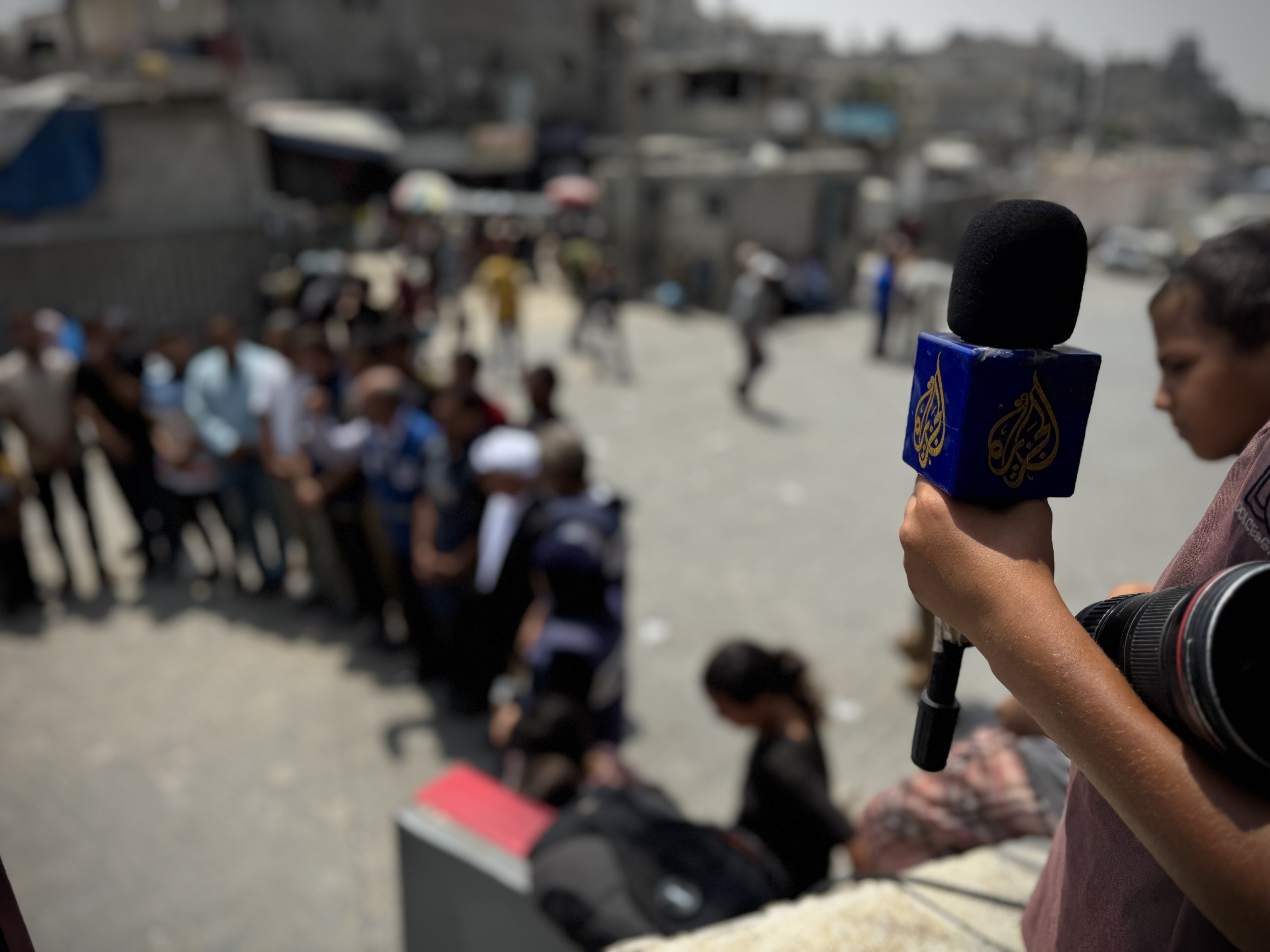
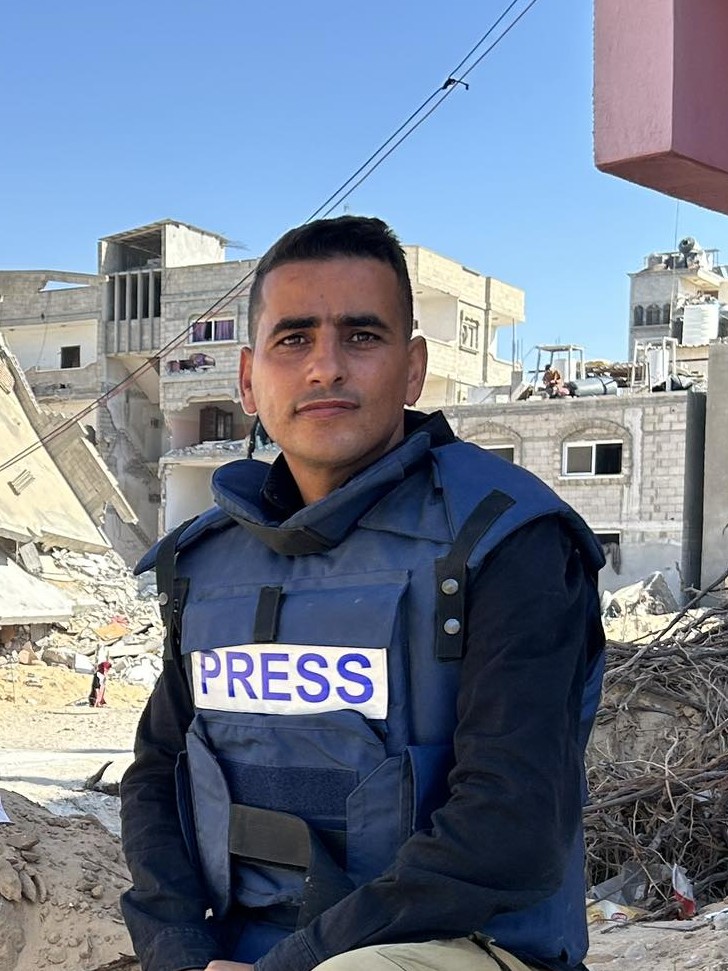
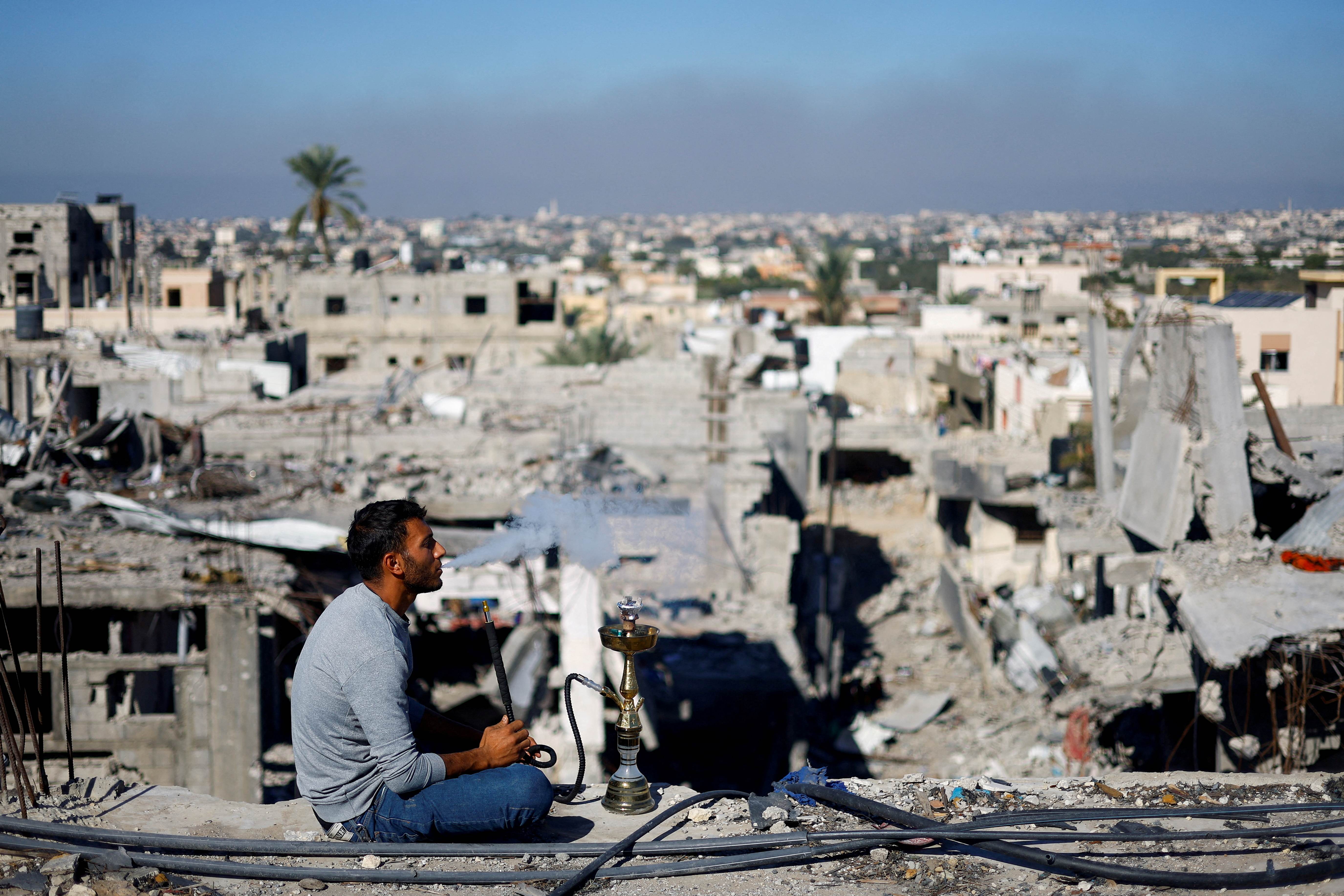
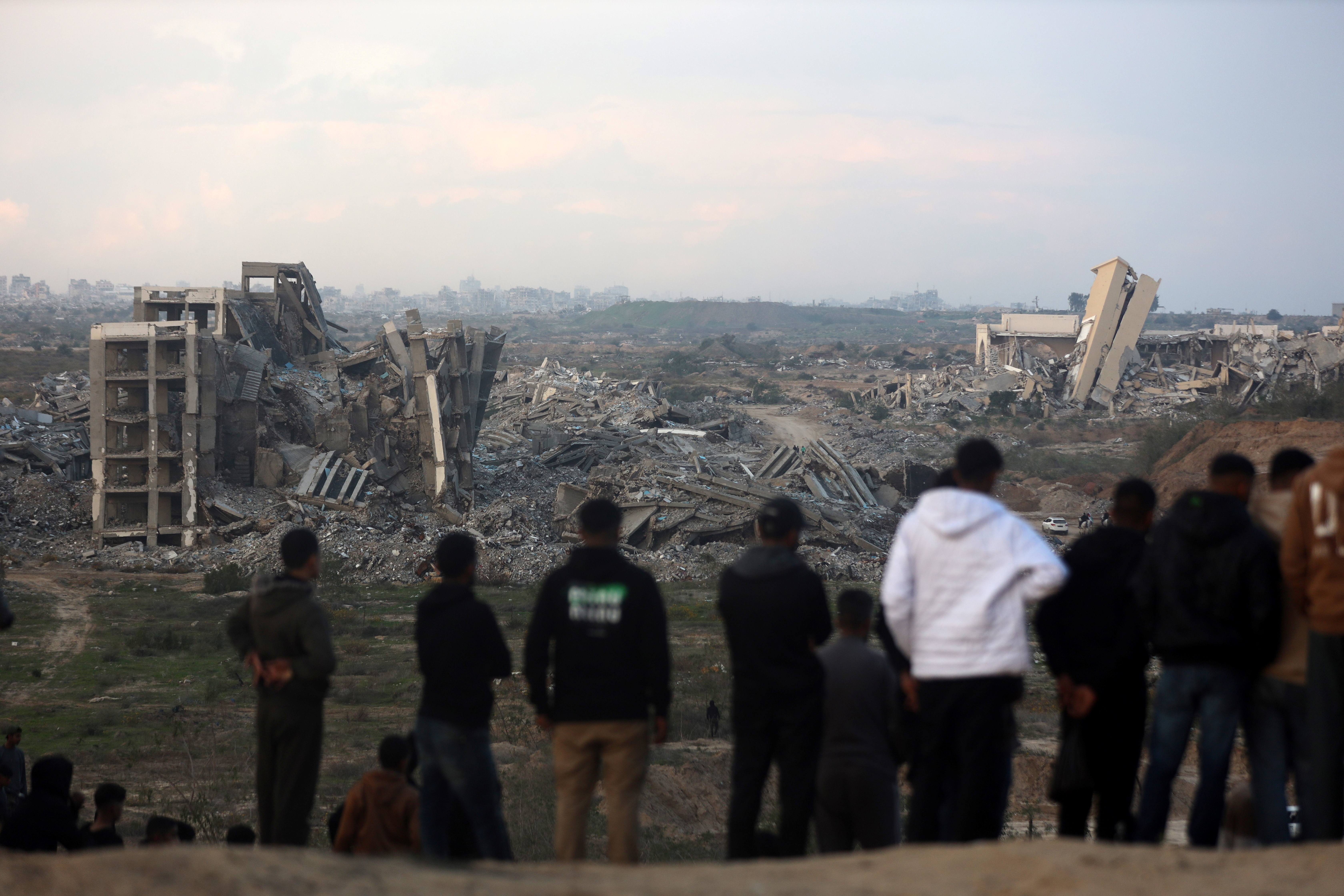
لم تكن هذه الحرب على قطاع غزة تقليدية أو عادية، بل مواجهة شاملة استهدفت الإنسان والمكان وحتى الرواية. وفي عمق هذا الحدث المركب، لم يكن الإعلام الغزّي مجرد ناقل للحدث، بل كان هدفًا مباشرا في معركة السيطرة على الحقيقة؛ فقد استشهد صحفيون أثناء التغطية، وأصيب آخرون، وتعرّضت مؤسسات إعلامية للتدمير، وحوصرت الحقيقة في محاولة لإسكات الصوت الذي نقل للعالم مشاهد الإبادة والدمار على مدار عامين كاملين.

ومع تراجع القصف والأمل بتوقف الحرب، لم يعد التحدّي يتعلّق بالبقاء والتمسك بالأمل فحسب، بل بـ "العودة" إلى الحياة من جديد، ومعها يبرز تحدٍّ من نوع آخر: كيف يتعافى الإعلام في غزة بعد حرب استنزفت مؤسساته ومقدراته، وأرهقت صحفييه، ووضعت رسالته أمام تحديات معقدة وغير مسبوقة؟

هذا الواقع جعل الحديث عن التعافي الإعلامي ضرورة ملحة تتجاوز إعادة تشغيل أجهزة البث والإنتاج أو استعادة المباني المدمرة، فالمسألة أعمق وأعقد من ذلك بكثير؛ إذ تتصل بعودة الروح وبإعادة بناء الدور الوظيفي للإعلام في مجتمع خرج لتوّه من حرب مدمّرة، التعافي هنا يعني الانتقال من إعلام الأزمات والكوارث الذي تحكمه السرعة والصدمة إلى إعلام العمق والتحليل والتفسير بوصفه إطارا علميا منظما، من أجل محاولة فهم وتفكيك ما جرى ووضعه في سياقاته المختلفة، وطرح الأسئلة الكبرى: ماذا حدث فعلا؟ ما تداعيات ما جرى؟ وإلى أين تمضي غزة سياسيا وإعلاميا واجتماعيا؟

وفي نموذج قطاع غزة أيضا، يكتسب هذا المفهوم بعدا إضافيا خاصا؛ نظرا لاستمرار معركة الرواية ومحاولات الاحتلال إعادة إنتاج سردية تُجرّده وتبرؤه من صفة الجاني وتُعيد تقديم حربه باعتبارها "دفاعا عن النفس"، وفي المقابل، على الجانب الفلسطيني لا يكمن التحدي في نقل ما جرى فحسب، بل في الرهان على دور الصحافة في مرحلة ما بعد الصدمة لبناء خطاب إعلامي متوازن يحفظ الذاكرة الجماعية دون أن يكتفي بالبكاء عليها، ويقدّم تحليلا عميقا دون أن يفقد حساسيته الإنسانية: خطاب يزاوج بين توثيق الجريمة وحفظ الشهادات، والمساهمة في إعادة بناء المجتمع وكشف زيف الخطاب الإسرائيلي.

على الجانب الفلسطيني لا يكمن التحدي في نقل ما جرى فحسب، بل في الرهان على دور الصحافة في مرحلة ما بعد الصدمة لبناء خطاب إعلامي متوازن يحفظ الذاكرة الجماعية دون أن يكتفي بالبكاء عليها

واقع مأزوم

يعتقد أستاذ الإعلام في الجامعات الفلسطينية في قطاع غزة الدكتور أحمد الشقاقي أنّ واقع المنظومة الإعلامية خلال الحرب كان مأزوما من زوايا متعددة سواء على الصعيد المؤسسي أو الهياكل التنظيمية، مع عدم إغفال امتلاك هذه المنظومة زخما مستمرا على صعيد رمزية دورها في تقديم الرواية الفلسطينية، لافتا إلى وجود واقع إعلامي تشكل خلال فترة حرب الإبادة على القطاع وهو إعلام "الأزمة" ولا يزال مستمرا حتى الآن رغم واقع اتفاق وقف إطلاق النار وأسباب ذلك متعددة لكنها في النهاية تجعل الواقع الإعلامي هشا وضعيفا".

ويربط الشقاقي نجاح خطة التعافي الإعلامي في غزة ببناء حالة إعلامية جديدة متناسقة ومتكاملة ومتطورة، ليس المطلوب فيها العودة إلى الواقع الذي كان قائما قبل الحرب، بل العمل في مسارات متعددة تشكل الحالة الإعلامية في قطاع غزة سواء المرسل (الصحفي) أو المؤسسات (الوسيلة) أو المحتوى (الرسالة) وكذلك الجمهور (المستقبل)، لذلك لا بدَّ من وضع خطط تعافٍ لكل هذه العناصر بشكل يؤهلها للتفاعل الإعلامي البنّاء وبما يخدم السردية الفلسطينية ويعزز حضورها على المستويات كافة.

ويرى الشقاقي أن الكادر البشري هو الركيزة الأساسية في نظرية تعافي القطاع الإعلامي؛ فبرغم قسوة الحرب، أسهمت التجربة في صقل مهارات الصحفيين وتعزيز قدرتهم على إدارة الأزمات وابتكار بدائل مهنية لضمان استمرار نقل الحقيقة، ويوازي ذلك ضرورة إعادة تأهيل البنية التحتية المدمَّرة، وتوفير إطار قانوني يحمي حرية العمل الصحفي إلى جانب إصلاح السياسات التحريرية عبر خطط واضحة؛ للانتقال من تغطية الجرائم إلى أدوار إعلامية أوسع وأكثر تطويرا.

لذلك، فإن غياب إطارٍ للتعافي سيؤدي إلى مشكلات متعددة على مختلف المستويات، كما يقول الشقاقي: "مشكلات للصحفيين المنهكين، وهو ما قد ينعكس سلبا على جودة العمل أو في اتجاه بعضهم إلى التفكير في الهجرة، فضلًا عن حالة الفوضى في المحتوى الإعلامي الذي يصل إلى الجمهور، واستمرار الشائعات التي تقوّض القيم المجتمعية وتمنح الاحتلال فرصة لبثّ روح الانكسار."


رغم قسوة المشهد، يجب التفكير بإعادة تقييم التجربة الإعلامية برمتها، فالتعافي يمكن أن يشكّل فرصة لتعزيز أخلاقيات المهنة، وتطوير الصحافة بشكل عام، والحد من الفوضى المعلوماتية، خاصة في ظل انتشار الأخبار المضللة والشائعات عبر منصات التواصل الاجتماعي، كما يتيح المجال لتكريس إعلام مجتمعي واعٍ يعبّر عن هموم المواطنين وتطلعاتهم بدون أي تداخلات.

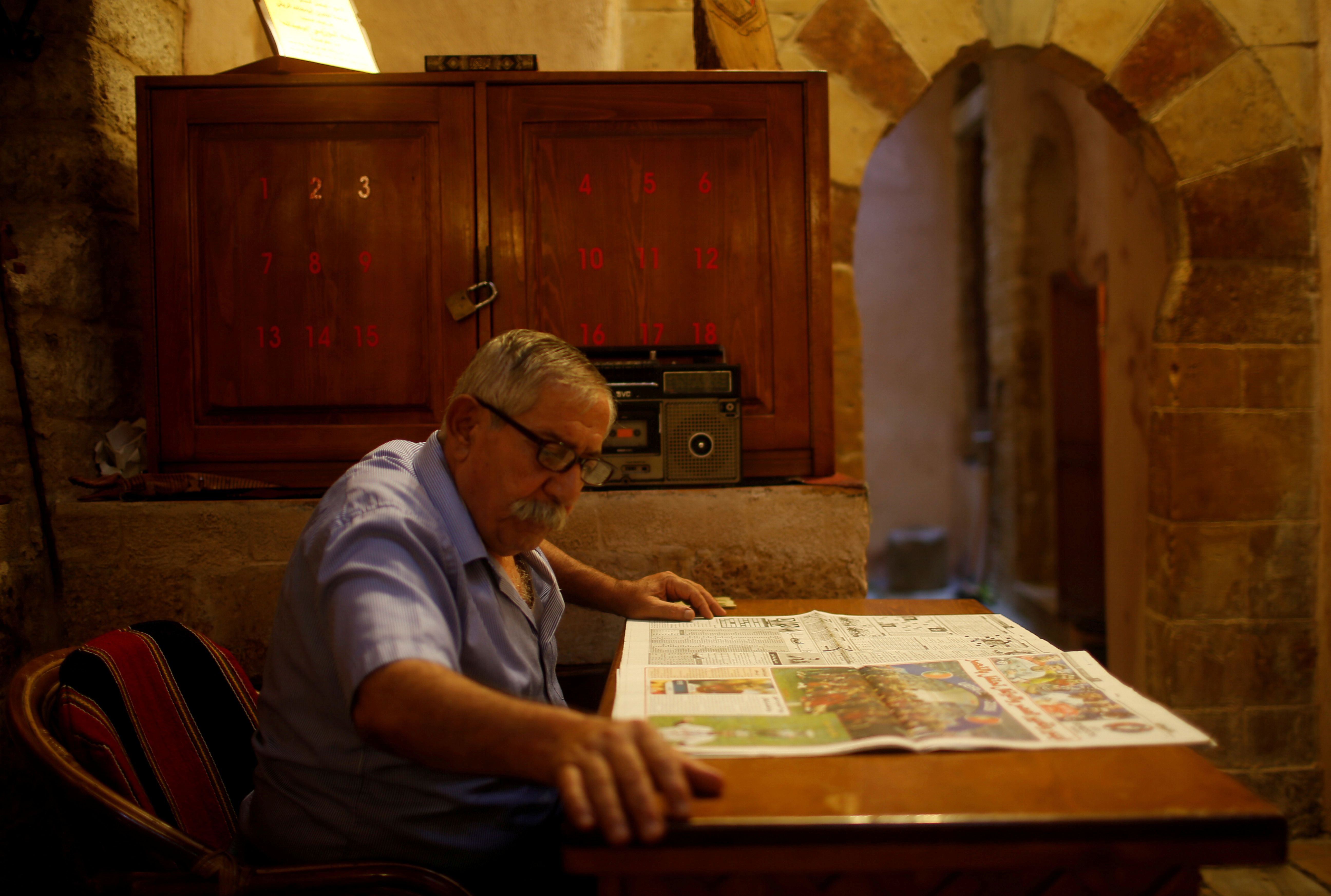
بناء على ذلك، يرى المدير العام لصحفية فلسطين المحلية إياد القرا أنّ الحرب أثّرت بشكل مباشر وعميق على سير العمل الإعلامي، خاصة بسبب الانقطاعات الطويلة في الاتصالات والإنترنت وصعوبة التنقل؛ حيث أدى تدمير المطابع إلى توقف الصحف الورقية عن الصدور والتوزيع منذ بداية الحرب، فانعكس ذلك على طبيعة المحتوى وانتقلت غالبية المؤسسات إلى النشر الرقمي ومنصات التواصل الاجتماعي، مع تقليص التغطيات الميدانية بسبب المخاطر الأمنية ونقص الإمكانيات.

ساهمت الأوضاع القاسية التي واجهتها المؤسسات الإعلامية في تعقيد المشهد أكثر. ويشرح القرا في حديثه لـ "مجلة الصحافة" أن مؤسسته لم تكن استثناءً؛ إذ تعرضت - كغيرها من المؤسسات في قطاع غزة - لأضرار جسيمة بعدما دُمر المبنى الذي كان يضم مقر الصحيفة، وفُقدت الأجهزة والمعدات الصحفية المستخدمة في التصوير وإعداد الموادّ. ولم تقف الخسائر عند هذا الحدّ؛ فقد استشهد عدد من كوادرها الصحفية، وهو ما جعل مواصلة العمل تحديا يوميًا يثقل كاهل من تبقى منهم.

يرى الشقاقي أن الكادر البشري هو الركيزة الأساسية في نظرية تعافي القطاع الإعلامي؛ فبرغم قسوة الحرب، أسهمت التجربة في صقل مهارات الصحفيين وتعزيز قدرتهم على إدارة الأزمات وابتكار بدائل مهنية لضمان استمرار نقل الحقيقة.

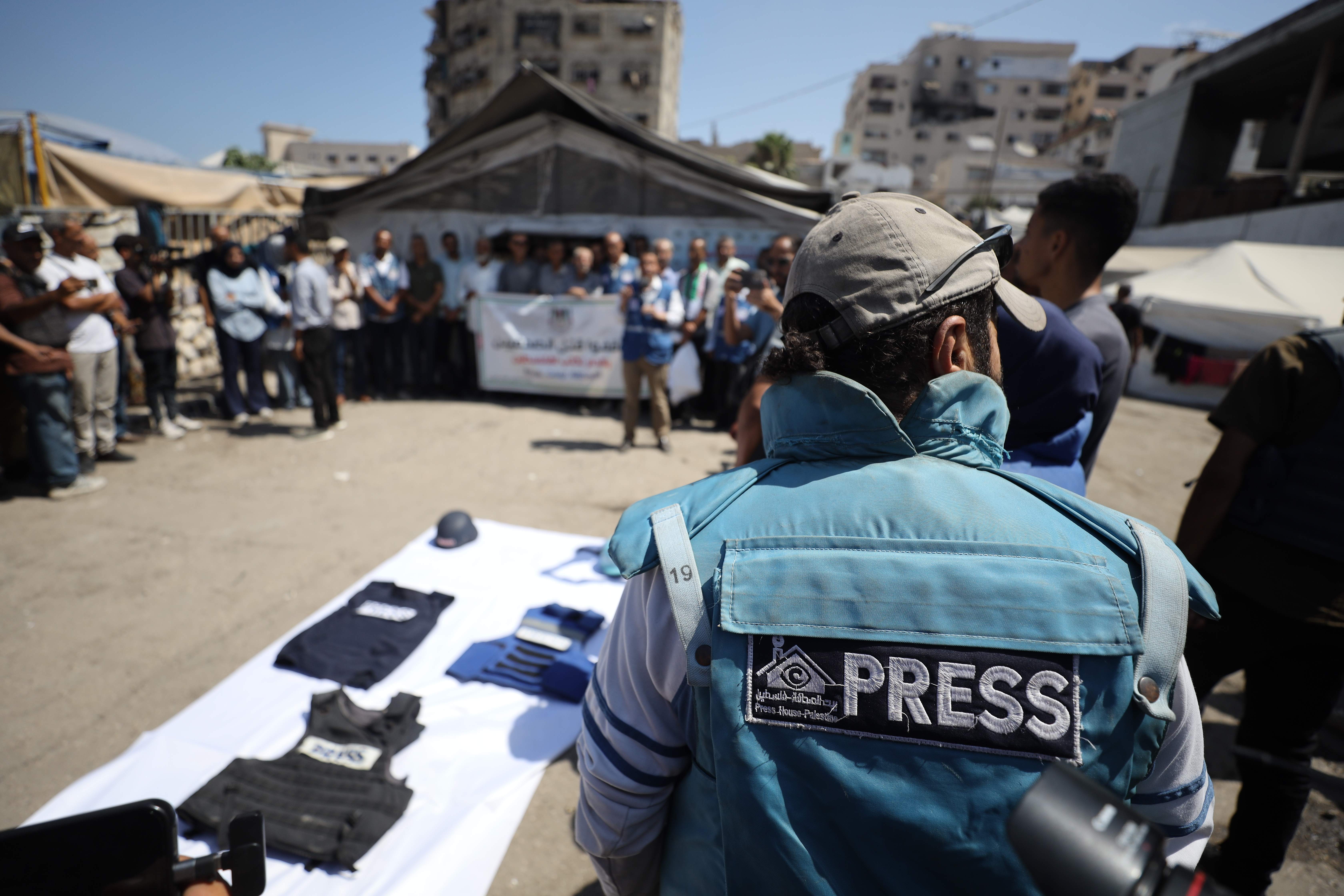
لم يكن مشهد التدمير خلال الحرب على قطاع غزة عابرا أو مقتصرا على البنية المدنية، بل امتدّ ليطال الإعلام الفلسطيني بوصفه هدفا مباشرا في حرب استهدفت المكان والرسالة معًا؛ فقد ارتفع عدد الشهداء الصحفيين إلى 262 صحفيا منذ بداية حرب الإبادة، بينهم مراسلون ومصورون ومحررون يعملون في وسائل إعلام محلية ودولية، كما تعرّضت - بحسب المكتب الإعلامي الحكومي - 143 مؤسسة إعلامية للاستهداف، بينها 12 صحيفة ورقية، و23 صحيفة إلكترونية، و11 إذاعة، و4 قنوات فضائية، إضافة إلى تدمير مقرات 12 فضائية عربية ودولية. هذا الواقع دفع مؤسسات إعلامية وصحفية عريقة إلى التوقف عن الصدور بعد فقدان مقراتها ومطابعها ومصادر تمويلها.

وقدّر المكتب خسائر القطاع الإعلامي في غزة بأكثر من 400 مليون دولار، نتيجة ما وصفه بـ "حرب شاملة استهدفت البشر والحجر، والصورة والصوت والكلمة".

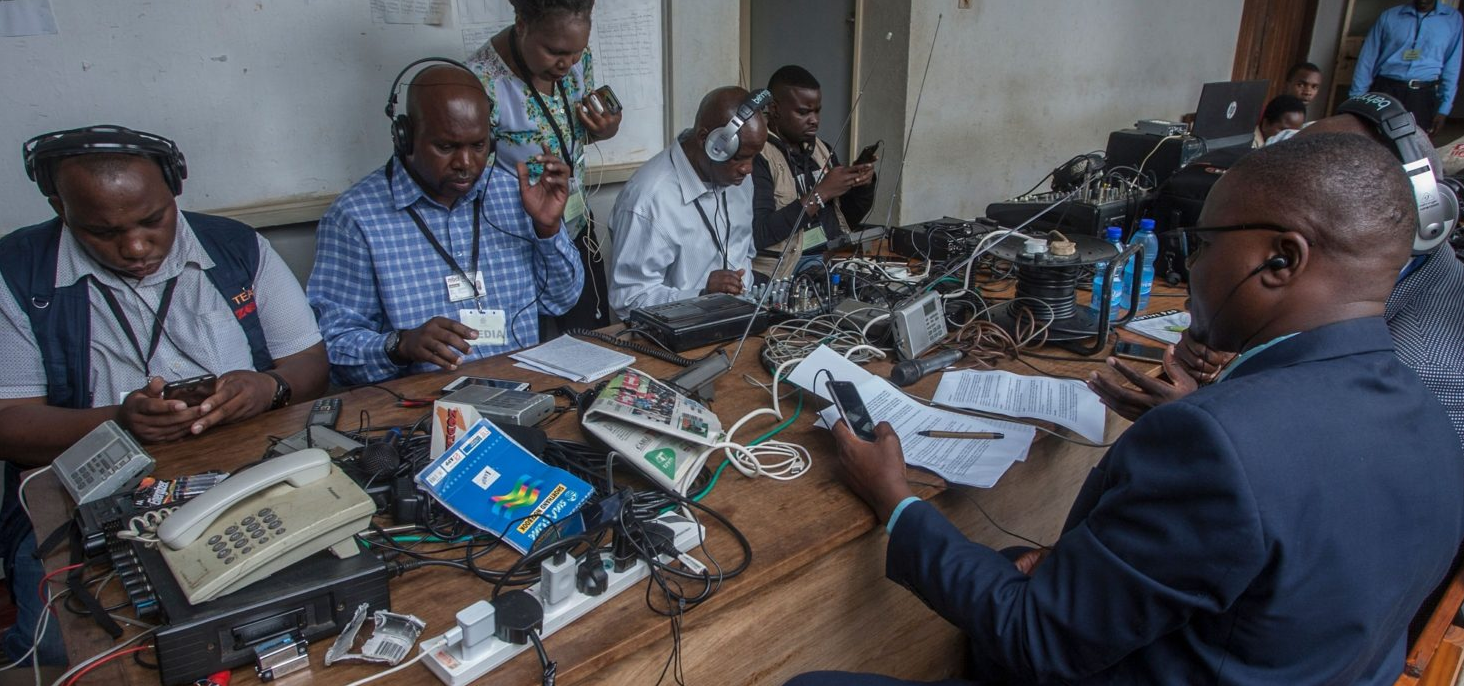
وكغيرها من المؤسسات المتضررة تعمل صحيفة فسطين حاليا في ظروف استثنائية وقاسية، من خلال نقاط عمل مؤقتة داخل خيام أو مراكز إعلامية مشتركة تتبع نقابات واتحادات محلية؛ حيث يعتمد العمل بشكل أساسي على المواقع الإلكترونية ومنصات التواصل الاجتماعي بوصفها بديلا مرحليا، مع استخدام الحد الأدنى من الإمكانيات المتاحة، وغالبا عبر معدات شخصية للصحفيين.

رغم أهمية هذا التحول، يواجه الإعلام في غزة جملة من التحديات بحسب القرا؛ أبرزها ضعف التمويل، وفقدان الكوادر الصحفية وعدم توفير الحماية لهم، ومنع إدخال معدات التصوير والتسجيل والمونتاج، واستمرار القيود العسكرية الإسرائيلية، وعدم ضمان استمرارية العمل الإعلامي كما يضاف إلى ذلك الإرهاق المجتمعي العام الذي يحدّ من قدرة الجمهور على التفاعل مع المحتوى الإعلامي.


مواقف غير مسبوقة

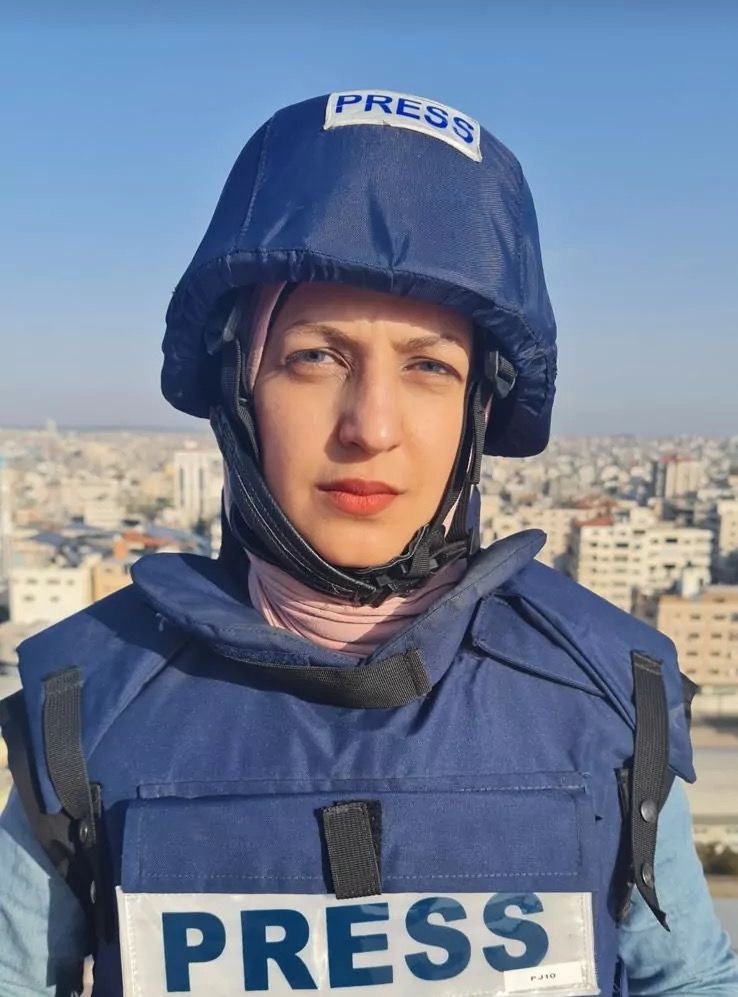
لاحقت الحرب الصحفيين أكثر فأكثر، وكأنها تنتقم ممن يذكّرها بالحقائق الصادمة حول الجرائم، وفقا لما قالته مراسلة تلفزيون تي أر تي  التركي ربا العجرمي:

"إنّ الجمع بين التجربة الشخصية القاسية ومتطلبات العمل المهني - في قطاع غزّة - يفرض تحديا مركّبا؛ إذ تحوّل الصحفي إلى هدف مباشر، وكان كثيرون ينقلون المأساة وهم جزء منها، في وقت كانت فيه عائلاتهم ومحيطهم يواجهون ظروفا شديدة القسوة." وتصف العجرمي هذه التجربة بأنها "بالغة القسوة، لكنها في المقابل عمقت الخبرة المهنية، وكشفت عن صلابة الصحفي الفلسطيني وقدرته على نقل الحقيقة بمستوى عالٍ من المهنية رغم الظروف القاهرة، وهو ما جعله أحد أعمدة الصمود المدني".

ولم تخفِ العجرمي أن الصحفيين أظهروا مستوى رفيعا من المهنية والتجرد؛ إذ نقلوا الوقائع كما هي؛ دون تهويل أو تجميل، لأن حجم الجرائم المرتكبة كان كفيلا بعكس فداحتها دون أي خروج عن الأطر المهنية.

وفي خضم هذه الحرب، لم تعد المعركة محصورة في الميدان، بل وصلت شظاياها إلى إعادة إعمار الإنسان نفسه، وإدراك تحديات التعافي وما ستطلبه من تدخلات نفسية واجتماعية لمواجهة التأثيرات طويلة الأمد. وتُبرز العجرمي أن الصحفيين بحاجة إلى برامج دعم نفسي واجتماعي جراء الصدمات الكبيرة والمشاهد القاسية والصعبة التي تعرضوا لها أثناء التغطية الإعلامية، وكذلك لدعم مهني ودورات متقدمة في صحافة الأزمات والتحقق من المعلومات، ويوازي ذلك توفير الاحتياجات الضرورية لهم سواء كل ما يتعلق بأدوات السلامة المهنية الأساسية وحتى الاحتياجات الضرورية؛ لنضمن استعادة الحد الأدنى من الاستقرار المهني".

يواجه الإعلام في غزة جملة من التحديات بحسب القرا؛ أبرزها ضعف التمويل، وفقدان الكوادر الصحفية وعدم توفير الحماية لهم، ومنع إدخال معدات التصوير والتسجيل والمونتاج، واستمرار القيود العسكرية الإسرائيلية، وعدم ضمان استمرارية العمل الإعلامي كما يضاف إلى ذلك الإرهاق المجتمعي العام


خطة تعافٍ مرحلية

تبنت نقابة الصحفيين الفلسطينيين خطة تعافٍ مرحلية شملت إنشاء ثلاثة مراكز تضامن إعلامي في غزة، ودعم الصحفيين صحيّا وإغاثيّا، وربطهم بمؤسسات محلية ودولية لتعزيز صمودهم في مرحلة التعافي المؤقتة، بعد أن دفعهم هذا الواقع الصعب للعمل من المستشفيات ومراكز الإيواء والخيام وسط أزمات لوجستية خانقة، أبرزها صعوبة التنقل وانقطاع الإنترنت ومنع إدخال معدات السلامة المهنية.

ويشرح ذلك أمين سرِّ نقابة الصحفيين في قطاع غزة الدكتور عاهد فروانة قائلا: "رغم ظروف الحرب، عملت النقابة على إعداد دراسة شاملة بالتعاون مع اليونسكو لإعادة بناء قطاع الإعلام، وعُرضت ضمن مؤتمر دولي عُقد في رام الله بمشاركة قطاع غزة، إلا أن عراقيل الاحتلال ما زالت تعيق التنفيذ".

ويعتقد فروانة أن الإطار القانوني لتعافي الإعلام في غزة يستند إلى دعم حكومي رسمي، عبر إنشاء صندوق وطني للتعافي الإعلامي بتمويل مشترك بين الحكومة والجهات الداعمة، إلى جانب تحرك سياسي وقانوني لضمان حماية الصحفيين وفق قرارات مجلس الأمن 1738 و2222، واتفاقية جنيف الرابعة، وبالتعاون مع الاتحاد الدولي للصحفيين.

يُستشف مما سبق أن تعافي الإعلام في غزة في الوقت الحالي، يرتبط بإيجاد تقييم شامل للأضرار، وتحديد الرسالة الإعلامية بعد الحرب، وحماية ودعم الكوادر نفسيّا ومهنيّا، وتكامل الجهود الحكومية والنقابية المحلية والعربية والدولية، وتحويل الدعم من وعود على الورق إلى برامج عملية في الواقع تضمن بقاء الإعلام شاهدا حيًّا على الحقيقة وعنوانا بارزً لها، لا ضحيةً إضافية للحرب.
More Articles

The economics of truth: How Lack of Funding is Compromising Quality Journalism in Africa

Reporting and newsgathering cost money; they require time, patience and experienced personnel. However, globally limited funding is leading to a generally compromised journalism output.
Derick Matsengarwodzi
Derick Matsengarwodzi Published on: 30 Aug, 2026
We survived… and stayed alive!

A Palestinian journalist and mother recounts surviving Gaza’s genocide, where the press vest became a target, motherhood became terror, and staying alive did not feel like salvation.

Yumna al-Sayyid Published on: 19 Aug, 2026
A Continuing Crisis, an Intermittent Story: What Makes Famine Newsworthy?

An analysis of 180 articles from the BBC, The Guardian, The New York Times and CNN found that coverage of hunger in Gaza frequently linked the crisis to political decisions and identified responsibility rather than treating it only as a humanitarian emergency. Tracking the same outlets through early August 2026 also shows that this coverage came in sharp waves, with periods of intense reporting separated by months of limited attention even as severe food insecurity persisted.

Djamil Kerrouche Published on: 16 Aug, 2026
Who Decides the News? Inside India's Algorithm-Driven Newsrooms 

For decades, editors acted as journalism's gatekeepers, deciding which stories mattered based on evidence, public interest and professional ethics. Today, many young reporters say that role has increasingly been assumed by recommendation algorithms, software designed not to identify what is important, but what is most likely to keep audiences scrolling… As news organisations compete for audience attention on digital platforms, metrics such as engagement and follower growth are increasingly influencing editorial strategy.

Seerat-Un-Nisa Published on: 11 Aug, 2026
As in Rwanda: Can the Israeli Press Be Prosecuted for Participation in Genocide?

Israeli media incitement has helped frame Palestinian journalists as security threats, weakening their legal and professional protection and legitimising attacks against them. Legal accountability is possible through the ICC, universal jurisdiction, and professional pressure against journalists and outlets that incite violence.

Nasser Adnan Thabet Published on: 8 Aug, 2026
A Soldier with the Rank of Correspondent in the Israeli Army

Israeli military journalism developed through a deep fusion of media, censorship, and the army, turning correspondents into carriers of the official security narrative. This embedded model later influenced Western war reporting, where access to the battlefield often came at the cost of independence and critical distance.

Sujood Awais Published on: 4 Aug, 2026
The Phenomenon of “News Avoidance”: Have We Come to Know More Than We Should?

Audiences are increasingly avoiding the news as the constant flow of crises, violence, and tragic human stories creates psychological exhaustion and anxiety. Media outlets need to respond with more responsible editorial choices, stronger media literacy, and coverage that balances urgent events with constructive, humane, and less harmful storytelling.

Wessam Kamal Published on: 17 Jul, 2026
From Srulik to Handala: Caricature as a Media Symbol

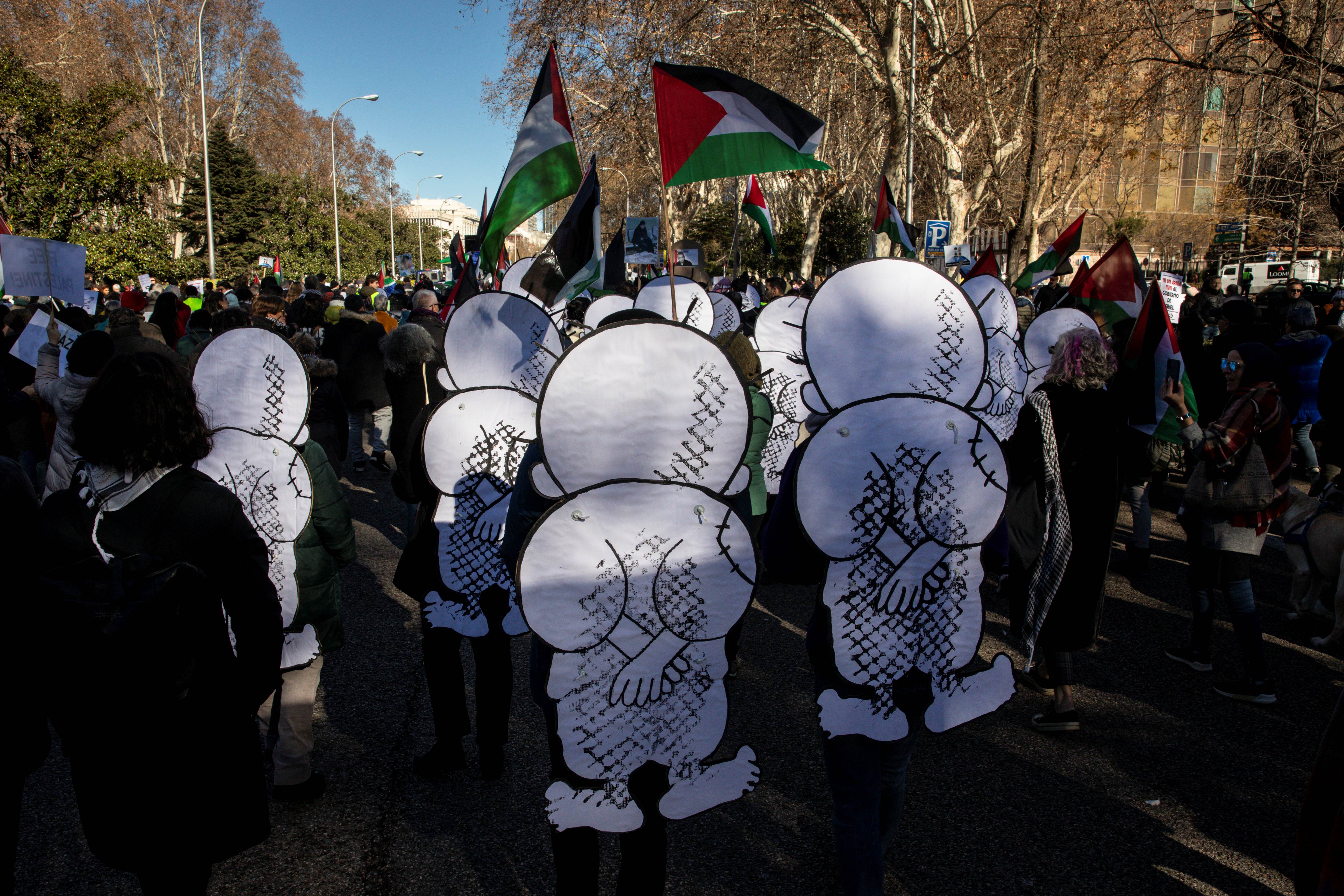
From the pro-occupation Israeli character 'Srulik' to the resilient and satirical Palestinian 'Handala', caricature emerges as another battleground for memory and the future. How did these characters come to be, what is their media symbolism, and why does caricature remain so influential?

Sujood Awais Published on: 14 Jul, 2026
“Sometimes You Work for Years Without Pay” – Cameroonian Journalists Demand Safety Nets

While many journalists demonstrate admirable resilience in producing quality journalism under precarious conditions, resilience should not be the only safety net. Journalism deserves protection, because democracy depends on it.

Akem
Akem Nkwain Published on: 11 Jul, 2026
When Modi’s Managed Media Met Europe’s Press

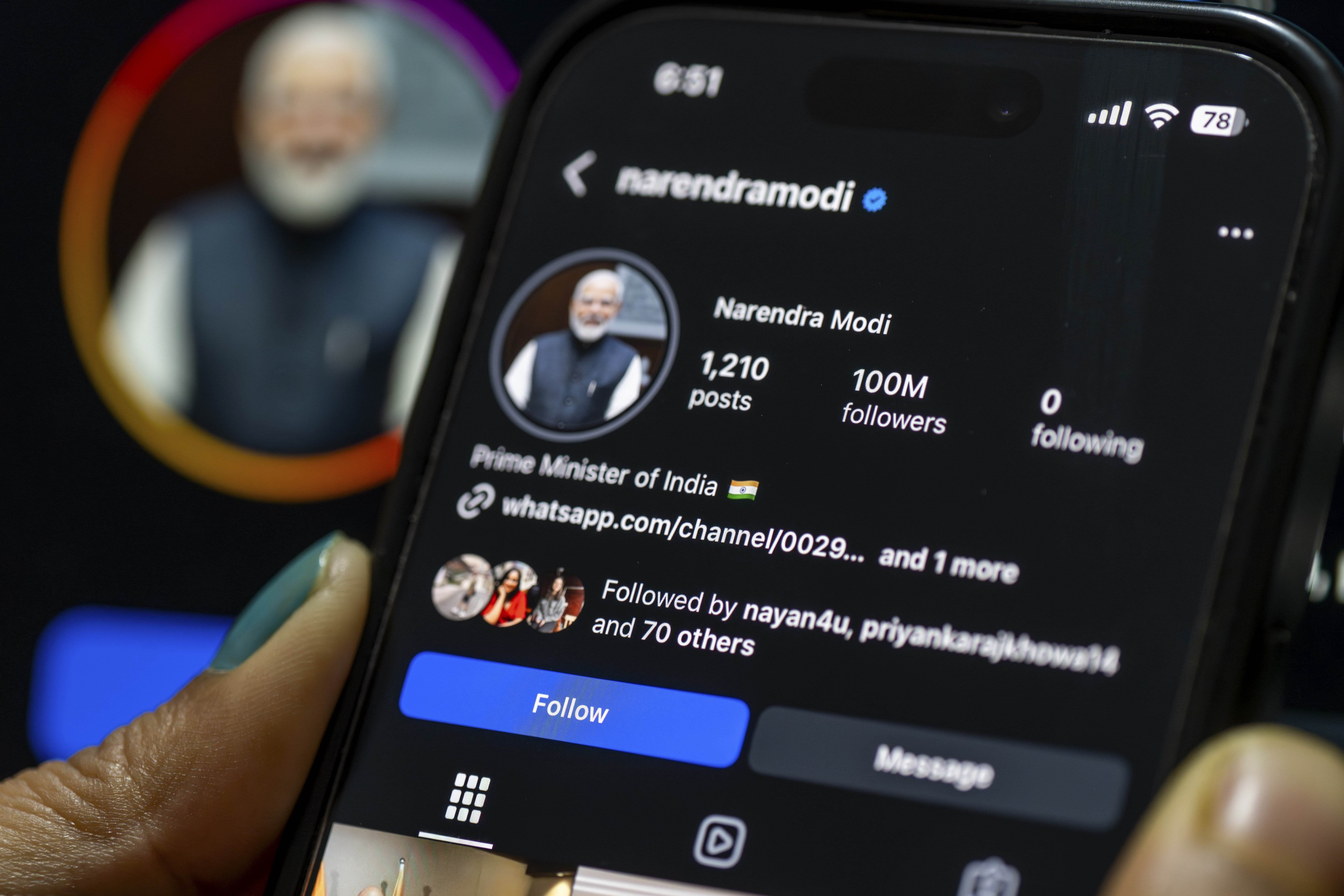
A brief, viral exchange in Oslo between Prime Minister Narendra Modi and a Norwegian journalist has exposed the widening gap between India's tightly controlled media environment and traditional adversarial press culture. Over the past decade, open, unscripted scrutiny has increasingly been replaced by carefully managed public relations, image-driven interviews, and direct digital reach. This systemic shift has reshaped the broader landscape of Indian news media, creating a culture of forced deference that prioritises political showmanship over holding power accountable.

Arsalan Bukhari, an independent journalist based in India
Arsalan Bukhari, Mehrunnisa Maryam Published on: 5 Jul, 2026
How Sources Shaped the Story of Gaza’s Aid-Site Killings

In conflict reporting, the question is rarely only about what happened. It is also who gets to explain what happened. The findings here suggest that the answer to that question often shapes the story that audiences ultimately receive.

Djamil Kerrouche Published on: 1 Jul, 2026
The Stringers Behind India’s Breaking News: No Contracts, Credit or Safety

Thousands of rural Indian freelance reporters, called "stringers," face low pay, police harassment, and total abandonment by the big TV networks that rely on them. These local journalists risk their lives to film breaking news like riots and rallies, but they work without contracts, insurance, or legal help when they get into trouble. This unfair system forces poor, small-town reporters to take on all the danger alone just to keep the national 24-hour news channels running.

Hanan Zaffa
Hanan Zaffar, Majid Alam Published on: 27 Jun, 2026
Why Have Print Newspapers Disappeared in Gaza?

The genocidal war has systematically devastated the media sector in the Gaza Strip. With the occupation destroying over 150 media organizations, printing presses have completely shut down, forcing all newspapers to shift entirely to digital coverage.

Mohamed Abu Shahma Published on: 24 Jun, 2026
Mohamed al-Khalidi and Marwa Muslim: Forgotten in Life, Vindicated in Death

The occupation killed journalists Mohamed al-Khalidi and Marwa Muslim as part of a systematic pattern of targeting the press, but throughout their careers they also faced neglect, marginalisation, and a lack of recognition. Colleague Maysoun Kahil tells their story, and asks why Palestinian journalists are so often honoured only after death, rather than supported in life.

Maysoun Kahil Published on: 17 Jun, 2026
The Double Ordeal of Freelance Journalists in Gaza

Independent journalists in Gaza face a dangerous double battle. Working without institutional protection or financial safety nets, they risk their lives to report the reality of war, overcoming severe resource shortages and systemic neglect to ensure the world hears the truth.

Noor Abu Rokba Published on: 14 Jun, 2026
The Left and the Right in One Front Against Journalism in South America

Journalism in Latin America is facing a crisis of hostility. In the age of political polarization, governments from both the left and the right are not merely managing states; they are actively harassing critical voices, imposing institutional censorship, and enforcing official narratives that attack independent media to silence disagreement and fake democracy across the region.

Noe Zavaleta
Noe Zavaleta Published on: 8 Jun, 2026
How Journalists are Combating Cybertroopers 

The brutal state crackdown in Đồng Tâm highlights a intensifying withdrawal from free expression in Vietnam, heavily driven by the regime's deployment of state-backed cyberarmies like Force 47. As these digital actors systematically intimidate and mass-report critics, tech giants like Meta further compound the issue by increasingly acquiescing to government censorship requests to protect market share. This coordinated digital assault leaves a dangerous gap in the global conversation, forcing independent journalists to navigate severe online hostility and risk arbitrary imprisonment just to expose state overreach.

AJR Contributor Published on: 25 May, 2026
Vases and Baby Diapers: War as Told by People, Not Politicians!

The analysis of field reporting during the war reveals a deep divide between distant geopolitical news and the actual human reality on the ground. This conflict between official media assignments and the lived experience will continue as journalists find themselves abandoning institutional scripts to focus instead on the raw details of daily survival and the preservation of personal memory.

Maram
Maram Humaid Published on: 21 May, 2026
Safety Strategies Female Journalists Use in Hostile Environments

Female journalists across Africa face layered physical, gender-based, digital, and psychological risks while covering protests, elections, conflict, and crises, forcing them to rely on hard-earned survival strategies as much as newsroom support.

Nigerian freelance Journalist John Chukwu
John Chukwu Published on: 14 May, 2026
The Afterlife of an Image: How Photojournalism Contests Shape Visibility and Responsibility

As photojournalism contests elevate certain images to global prominence, they also influence how violence, dignity, and memory are constructed in the public imagination.

Daniel Harper
Daniel Harper Published on: 5 May, 2026
Malawi Investigates Poor Pay and Working Conditions for Junior Journalists

Malawi’s investigation into poor pay for junior journalists exposes a deeper crisis where economic hardship is eroding media independence and forcing reporters to choose between ethical integrity and survival.

Benson Kunchezera Published on: 30 Apr, 2026
Journalism as a Struggle for Survival in Sudan

With war erupting in Sudan, the country’s media landscape collapsed almost overnight after the Rapid Support Forces entered Khartoum. Many journalists were left without jobs, salaries or shelter, scattered between displacement, exile and siege, as newspapers shut down and media institutions ceased to function. For many, journalism was no longer a profession but a daily struggle for survival.

Saif al-Din al-Bashir Ahmed Published on: 27 Apr, 2026
From Print to Pixels: How Small-Town Journalists in Bihar Are Surviving Threats and Closures

As newspapers vanish across districts like Siwan, Gaya, and Purnea, reporters turn to mobile phones, digital start-ups and community networks to keep local journalism alive.

Rehan Qayoom Mir. An independent journalist whose work has appeared in international and national outlets,
Rehan Qayoom Mir, Sajad Hameed Published on: 12 Apr, 2026
Arab Society and Investigative Journalism: The Dialectic of Culture, Power, and Profession

Investigative journalism in Arab societies operates within a dense web of social, political, and cultural pressures that often push journalists to balance truth-telling against survival, forcing them onto a precarious “razor’s edge.” Yet despite these constraints, moments of crisis can transform society itself from a source of pressure into a powerful ally, driving accountability and reigniting the pursuit of truth.

Musab Shawabkeh
Musab Al Shawabkeh Published on: 7 Apr, 2026