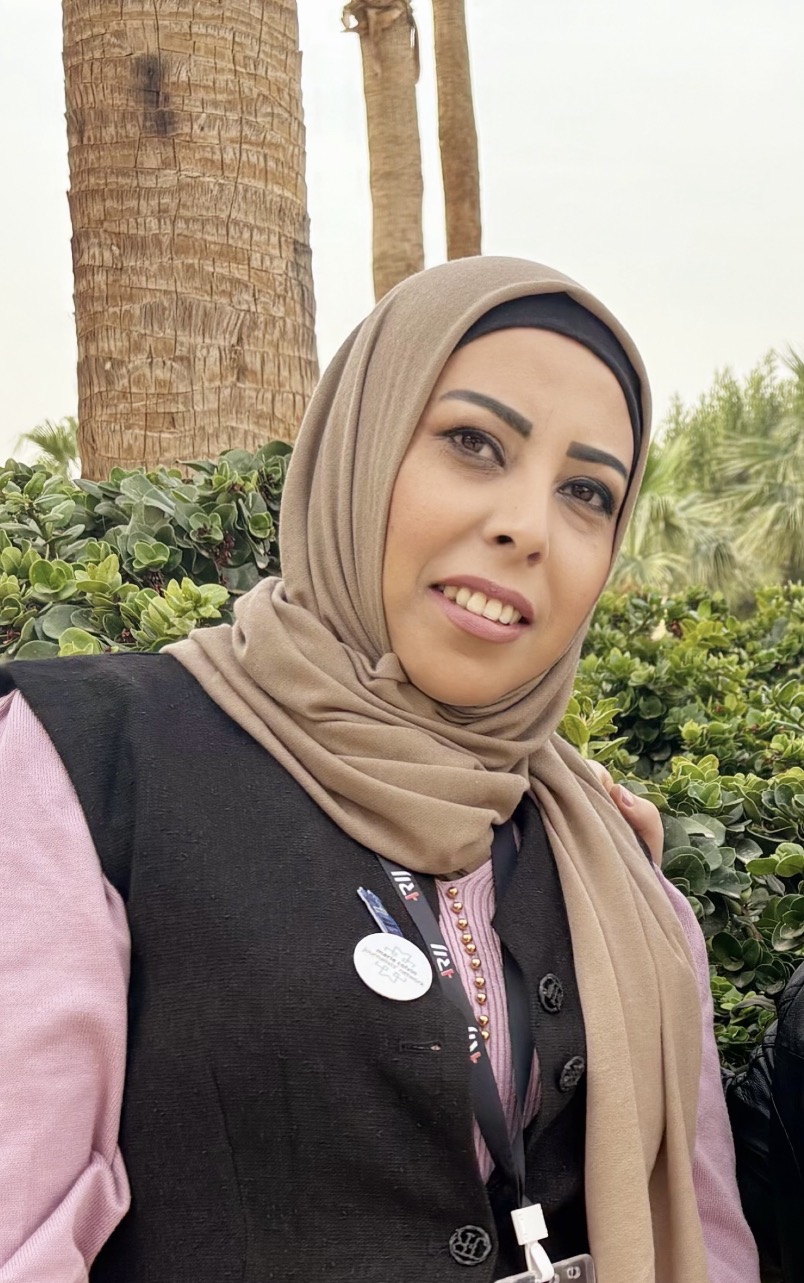
معضلة "تصريح العمل" وحياة اللاجئين المؤجلة في الأردن

معضلة "تصريح العمل" وحياة اللاجئين المؤجلة في الأردن

تنشر القصة ضمن المجموعة الفائزة بجائزة الجزيرة لأفضل قصة صحفية إنسانية 2026


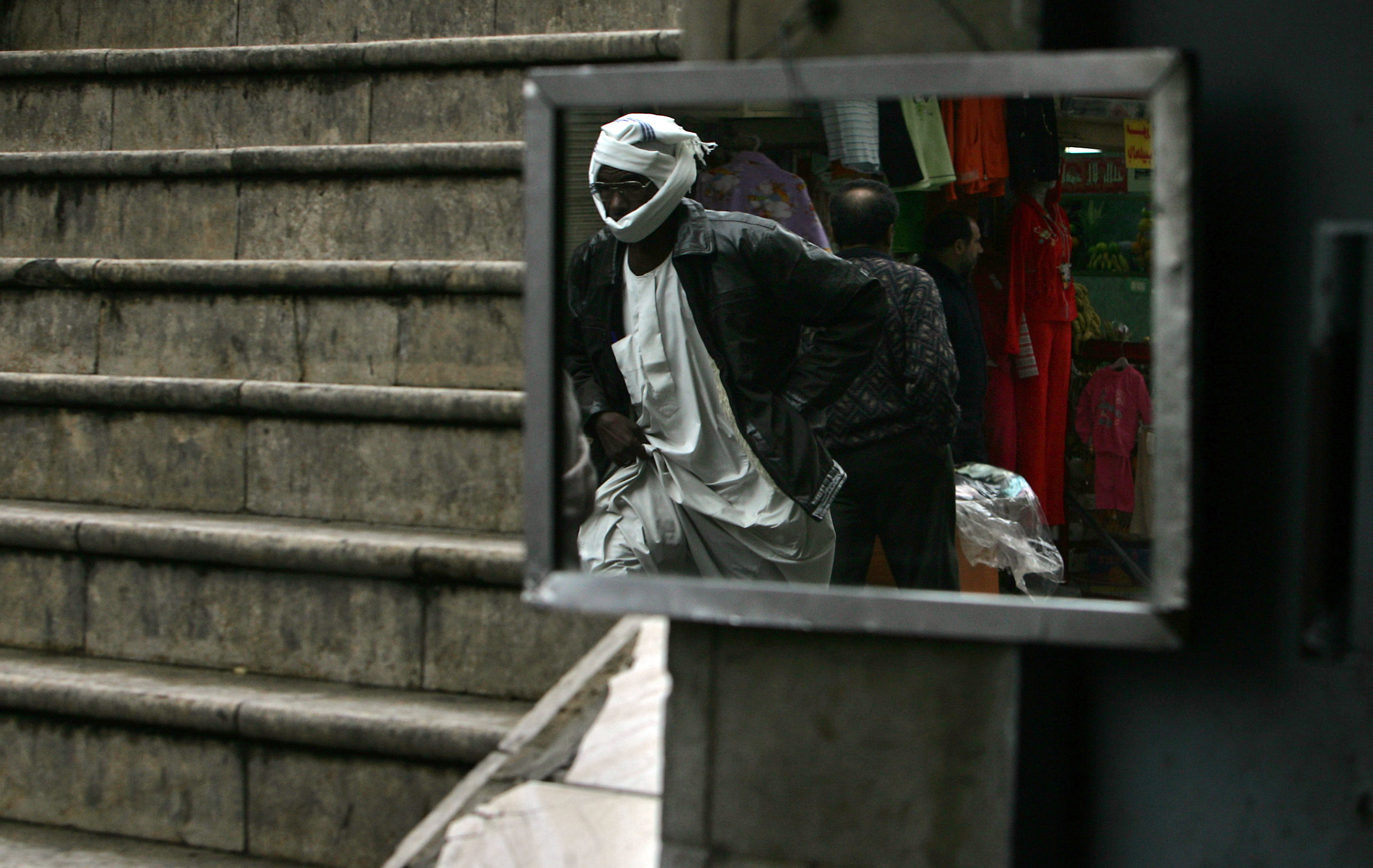
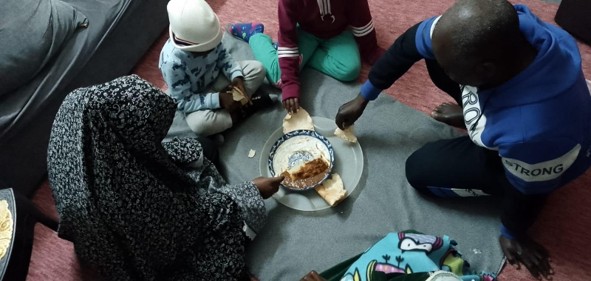
في أحد أحياء وسط عمّان القديمة، يصعد الأربعيني أبو عبد الباسط 20 مترا من الطوب المرصوف على أدراج توصله إلى بيت استأجره منذ عام 2014، غرفتين وعلى يسار الداخل مطبخ صغير، ثبتت على جدرانه عوارض خشبية مطلية بالأبيض تُستخدم رفوفا لأدوات الطهي.

 لجأ أبو عبد الباسط إلى الأردن عام 2013، باحثا عن ملاذ آمن لعائلته، هاربا من النزاع في السودان، مصطحبا زوجته وابنهما البكر عبد الباسط الذي يبلغ اليوم 15 عاما، يقول إنه مُنح بعد عام صفة اللجوء، وبدأ يتلقى مساعدات من مفوضية شؤون اللاجئين بلغت 15 دينارا أردنيا للفرد (قرابة 21 دولارا أمريكياً)، إضافة إلى بطاقة تموينية من برنامج الغذاء العالمي بنحو 23 دينارا.

منذ وصوله أصبح البحث عن عمل تحديا يوميا؛ فأمامه 120 دينارا أجرة لمسكنه، وأسرة تكبر سنة بعد أخرى، ولم يكن يعرف عملا آخر غير الزراعة، يقول: "ما أقدر أشتغل بالزراعة ولا غيرها من دون تصريح عمل… بس مجبور على شان الأولاد تأكل".
1

لاحقا جرب العديد من الأعمال، اشتغل في التنظيف والتحميل والإنشاءات، يقول: "لما أطلع أبحث؛ إما الشغل غير مسموح، أو واحد يشغلك بأجرة أقل، أو تشتغل أيام ويقولك خلص، وما يعطيك.."
يضاف إلى قلقه بصعوبة توفير فرص العمل تفاقم أعباء المعيشة مع تراجع المساعدات الإنسانية التي تعتمد عليها أسرته. يوضح أن بطاقة التموين التي كانت تبلغ 23 دينارا للفرد، خفضت لاحقا إلى 15 دينارا فقط، إلى جانب تقليص عام في المساعدات بنسبة تقارب 25%.

تصف زوجته، أم عبد الباسط، تفاصيل يومية لا تظهر في الأرقام والتقارير، بعد أن فردت عبوات الأدوية التي تتناولها علاجا للربو: "وضعنا صعب. البيت صغير وقديم جدا، وصار عندنا خمسة أبناء، بنتان وثلاثة أولاد، أولادي كبروا، فابني الكبير المفروض ينام لحاله".


تجربة مماثلة

لا تختلف قصة عائلة أبي عبد الباسط السوداني كثيرا عن اللاجئ  اليمني عبد الله الذي وصل  إلى الأردن عام 2013 هاربا من الحرب والظروف الاقتصادية القاسية، يلخّص بهذه الكلمات واقعا يعيشه منذ أكثر من عقد.
يقول "كل فرصة عمل أتقدم لها يقولوا لي آسفين ما بنشغل لاجئين نتخالف، ما معك تصريح" قبل أن يضيف بصوت يختلط فيه القلق بالاستسلام: "أحيانا أفكر إذا رجعت زوجتي إلى اليمن أرسل معها الأطفال، أو أبحث عن طريقة لطلب اللجوء في أوروبا".

عند وصوله إلى الأردن عمل عبد الله في أعمال حرة وبنظام المياومة، ظل يتقاسم غرفة صغيرة مع لاجئين يمنيين مقابل 20 دينارا شهريا، في عام 2016 حصل على صفة لاجئ، وبعد سنوات من التنقل وعدم الاستقرار، قرر عام 2020 تأسيس أسرة، واستقر في وسط العاصمة عمّان مستأجرا مكانا لا يختلف كثيرا عن غرفتَي أبي عبد الباسط.

رزق بطفليه في عامي 2021 و 2022، وحصلا على حق اللجوء، منذ ذلك الحين أصبح المعيل الوحيد لأسرة تزداد احتياجاتها بينما يعاني من قيود فرص العمل على اللاجئين. يقول بمضض: "صار لي أكثر من شهرين وأنا بالبيت، كل ما أطلع الصبح أرجع بنفس الكلمة.. آسفين"، ويتابع كيف يجر خطاه يائسا من شارع إلى آخر وهو يتأمل الإعلانات هنا وهناك "مطلوب عامل"، يقول إنه ما إن ينظر للإعلانات يتذكر احتياجات البيت ومتطلبات طفليه في شقته الفارغة.

ترى منظمات حقوقية أن ما عرف بـ (اتفاق الأردن) عام 2016 شكل نقطة تحول انعكست على الحق في العمل، وأسهمت في تكريس التمييز داخل فئة اللاجئين نفسها


واقع قاس بظل القانون

قصتان ليستا بمعزل عن سياق أوسع، فالأردن الذي استقبل موجات لجوء متعاقبة، لا يملك حتى اليوم تشريعا وطنيا للجوء، ولم يوقع على اتفاقية اللاجئين لعام 1951 أو بروتوكولها لعام 1967، مكتفيا بمذكرة تفاهم مع مفوضية شؤون اللاجئين.

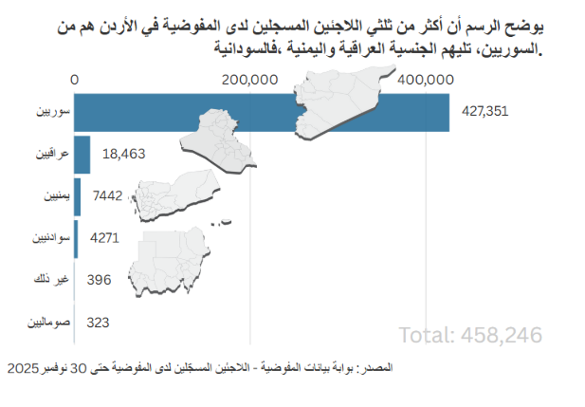
وفي هذا السياق ترى منظمات حقوقية أن ما عرف بـ (اتفاق الأردن) عام 2016 شكل نقطة تحول انعكست على الحق في العمل، وأسهمت في تكريس التمييز داخل فئة اللاجئين نفسها، إذ تقول ليندا كلش مديرة منظمة" تمكين" للمساعدة القانونية:" الاتفاق سمح للاجئين السوريين بالحصول على تصاريح عمل، بينما بقي اللاجئون من الجنسيات الأخرى مستثنين".

وبحسب بيانات رسمية بلغ عدد تصاريح العمل الصادرة للاجئين السوريين حتى سبتمبر 2023 نحو 400 ألف تصريح، وفي عام 2021 وقعت مذكرة تفاهم بين وزارة العمل والاتحاد العام لنقابات عمال الأردن، لإصدار تصاريح عمل مرنة للاجئين سوريين تسمح لهم بالعمل لدى أكثر من جهة عمل. وتوضح كلش أن الحق في العمل صار رهن إجراءات إدارية، دفع كثيرين إلى العمل في الاقتصاد غير النظامي، حيث غياب الحماية والخوف من المساءلة؛ ما أدى لانتهاكات متنوعة تشمل الاستغلال وعدم دفع الأجور والتهديد.
1


وسجلت منظمة تمكين خلال عام 2024 والنصف الأول من عام 2025 ، قرابة 68 شكوى للاجئين تتعلق بمنح تصاريح العمل تنوعت طبيعتها؛ فمنها 44 شكوى من اللاجئين سودانيين، و15 شكوى من لاجئين قادمين من غزة، و7 شكاوى من لاجئين يمنيين واثنين عراقيين.

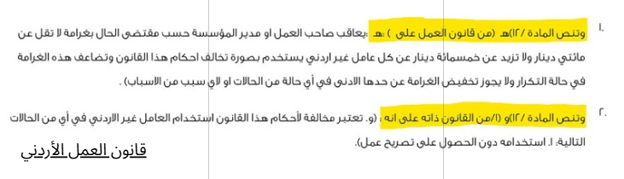
وكشف البحث في موقع قسطاس القانوني عن عشرات القضايا المنظورة أمام المحاكم بحق شركات وأصحاب عمل استخدموا عمالة أجنبية دون تصريح عمل، بينهم سودانيون ويمنيون عثر معهم على بطاقة صفة اللجوء، منذ عام 2016 وحتى 2024، بعد أن رصدت فرق التفتيش التابعة لوزارة العمل هذه المخالفات، وهو ما فسر قانونيا كإجراء تنظيمي لضبط العمالة الوافدة وحماية فرص الأردنيين. 

بين النصوص القانونية وقيود السياسات العامة بشأن اللاجئين، تتشابه أيام أبي عبد الباسط، يعلق على أثر ذلك على حياته اليومية: "الواحد يسأل نفسه كيف عايش، وكيف أعدي الله أعلم، اقتصاديا ما تضبط، بس الواحد عايش" يسترسل ويعد على أصابعه :" عندي أجرة مكسورة لشهرين، وفواتير كهرباء ومياه متراكمة، وأنا مريض بالأكزيما وزوجتي تعاني من الربو بسبب رطوبة البيت" ولا يكاد يمر شهر بلا ديون بحسب قوله.

يتقاطع وصفه لما أشار إليه التقرير السنوي لعام 2024م  من ارتفاع نسبة الفقر بين اللاجئين بشكل عام وارتباطه بانخفاض التمويل المخصص للاستجابة من الدول المانحة، إذ تجاوزت النصف بين عامي 2021 و2023م. 
2


إقرار المفوضية وضعف الحلول

تقر مفوضية شؤون اللاجئين بأن المساعدات النقدية لا تلبّي كامل تكاليف المعيشة، خاصة مع ارتفاع الأسعار، يقول يوسف طه الناطق باسم المفوضية في الأردن: "إن المفوضية تدرك أن محدودية الوصول إلى العمل تزيد من مستوى الضعف" وفي حديثه عن الحلول، يؤكد بأن المفوضية تعمل على تعزيز برامج سبل العيش وتنمية المهارات حيثما أمكن، منوها أن التقليص لم يستهدف جنسية بعينها، بل خضع لمعايير الاستضعاف. 

بمسحة من الضيق والحزن يعلق أبو عبد الباسط أن فرصة الحصول على مقعد ضمن برامج التدريب تلك محدودة جدا، وإن وجدت فرصة فهي مقيدة بالعمر، مضيفا: "صار لي 13 سنة في الأردن وأنا فوق الأربعين، بينما الفرص لمن هم تحت الثلاثين، وإن تدربت على مهارة فغير مسموح لي بالعمل" ما يعده صعوبة في التعايش في ظل هذه القيود.

ولا تقتصر تبعات الآلية الجديدة وما رافقها من تشديد الرقابة على عمل اللاجئين غير السوريين على الجانب المعيشي فحسب، بل تخلّف آثارا اجتماعية ونفسية بحسب كلش، تقول: "إن العجز عن إعالة الأسرة، والاعتماد الكامل على المساعدات الإنسانية، وغياب الشعور بالاستقرار والأمان، جميعها عوامل تولد مشاعر الإحباط والاكتئاب وفقدان الكرامة الإنسانية."

في المقابل، تؤكد المفوضية أنها تدعو إلى توفير فرص عمل متساوية لجميع اللاجئين، وتحافظ على حوار مستمر مع الحكومة لتوسيع فرص العمل لجميع اللاجئين خلال التوصيات، بما يتماشى مع القوانين الوطنية واحتياجات سوق العمل.

وعلى الرغم من دعوات المفوضية، يكشف  تقرير الاستعراض الشامل لحقوق الإنسان في الأردن لعام 2024 أن الأردن أصدر تعديلات محدودة لتعزيز حقوق الإنسان، لكنه لم يتطرق لمسألة تصاريح العمل لغير اللاجئين السوريين.

وفي ذات التقرير، دعت توصية كندا رقم 127-77 الأردن إلى اتخاذ جميع الخطوات لضمان حصول اللاجئين من جميع الجنسيات، بمن فيهم غير السوريين، على الخدمات العامة وفرص كسب العيش لتلبية احتياجاتهم الأساسية. 

تؤكد المفوضية أنها تدعو إلى توفير فرص عمل متساوية لجميع اللاجئين، وتحافظ على حوار مستمر مع الحكومة لتوسيع فرص العمل لجميع اللاجئين خلال التوصيات، بما يتماشى مع القوانين الوطنية واحتياجات سوق العمل.

من منظور حقوقي وإنساني، ترى كلش أن الحل الجذري يكمن في إقرار قانون وطني شامل للجوء يضمن المساواة في الحقوق والواجبات لجميع اللاجئين، مع منحهم حق العمل وتوسيع الحماية الاجتماعية، ودمجهم في برامج التمكين الاقتصادي والاجتماعي لضمان استقلالهم المعيشي وتقليل اعتمادهم على المساعدات.

ولكن بحسب المفوضية فإن الأردن - كما دول أخرى - لم تمنح كل اللاجئين حق العمل سوى حق التعليم والرعاية الصحية، ناهيك أن دول التوطين التي تقدم عملاً ومسكناً لهم لا تقبل إلا 1% من ملفات طلبات التوطين عبر العالم سنويا.

بين قصتين تشبهان مئات القصص الأخرى، يتّضح أن العمل بالنسبة للاجئين غير السوريين في الأردن ليس مسألة قانونية فحسب، بل شرط أساسي للكرامة والاطمئنان، يحدق أبو عبد الباسط طويلا في السقف، مراقبا الرطوبة تتساقط في أرجاء الغرفة بين الفينة والأخرى كندف الثلج تزكم أنفه، ليقول" لو يسمحوا لنا بالعمل" يصمت لبرهة سارحا بخياله وينهي جملته  العالقة:" كان كل شيء تغير".


More Articles

Will We Write A Falsified History In The Future?

The digital transition of journalism has exposed a growing archive reliability gap, where online news documents are often subject to fake news, content manipulation, and a lack of verification mechanisms, challenging their role as official historical records.
Said El Hajji
Said El Hajji Published on: 24 Sep, 2026
Editorial Workflow in Television Journalism: From Oversight to Quality

Quality television journalism relies on cohesive teamwork rather than individual multitasking. A functional hierarchy is key, restoring the "gatekeeper" role by verifying facts and shielding the public from fake news and propaganda, especially in complex, high-tension environments.

Ali Najeeb Published on: 20 Sep, 2026
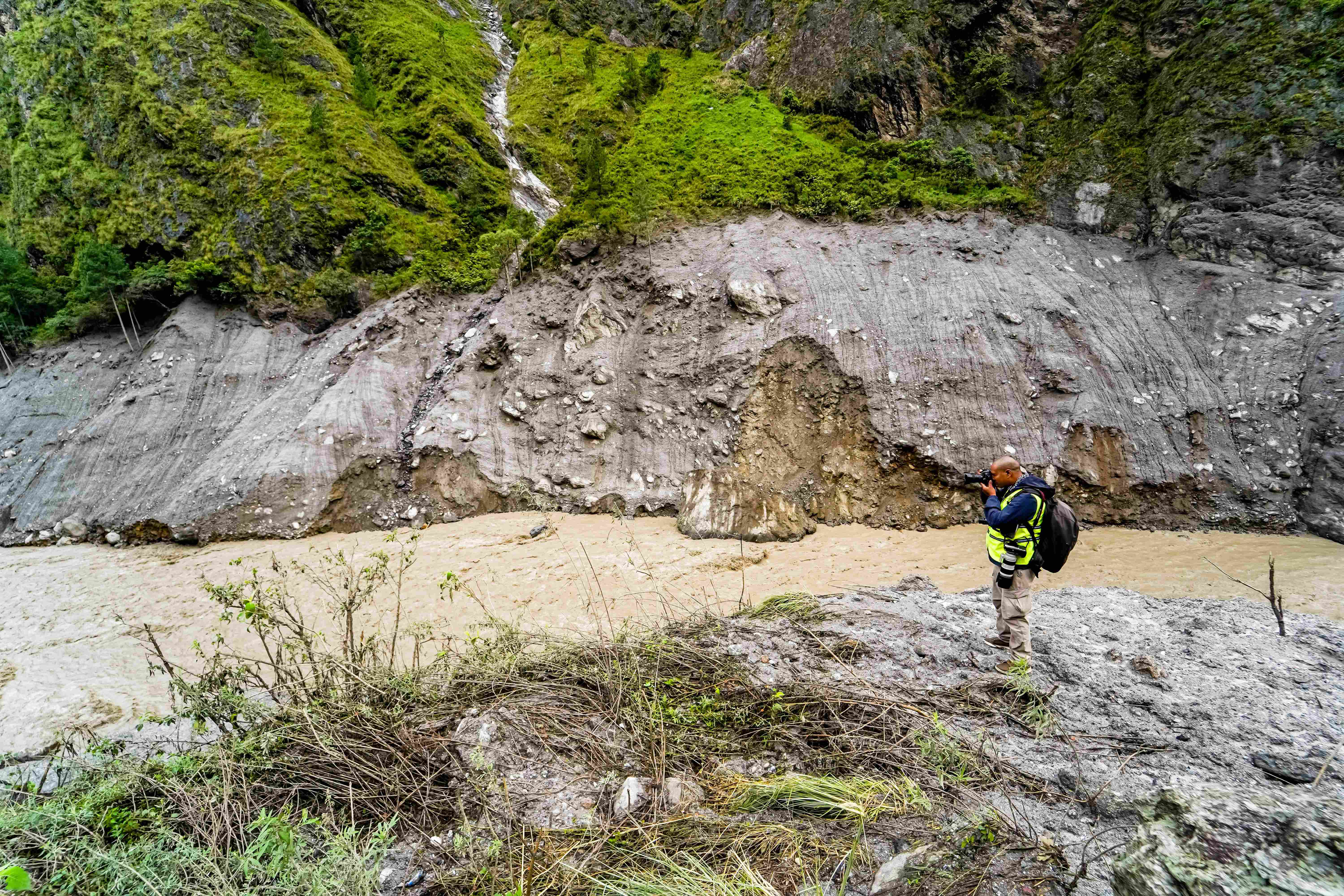
Nepal’s Deadly Floods Expose a Newsroom Safety Gap

Nepal’s deadly floods exposed a wider South Asian newsroom safety gap, where many journalists are often sent into dangerous assignments without formal risk assessments, adequate training, protective equipment, evacuation plans or mental-health support.

Hanan Zaffa
Hanan Zaffar Published on: 10 Sep, 2026
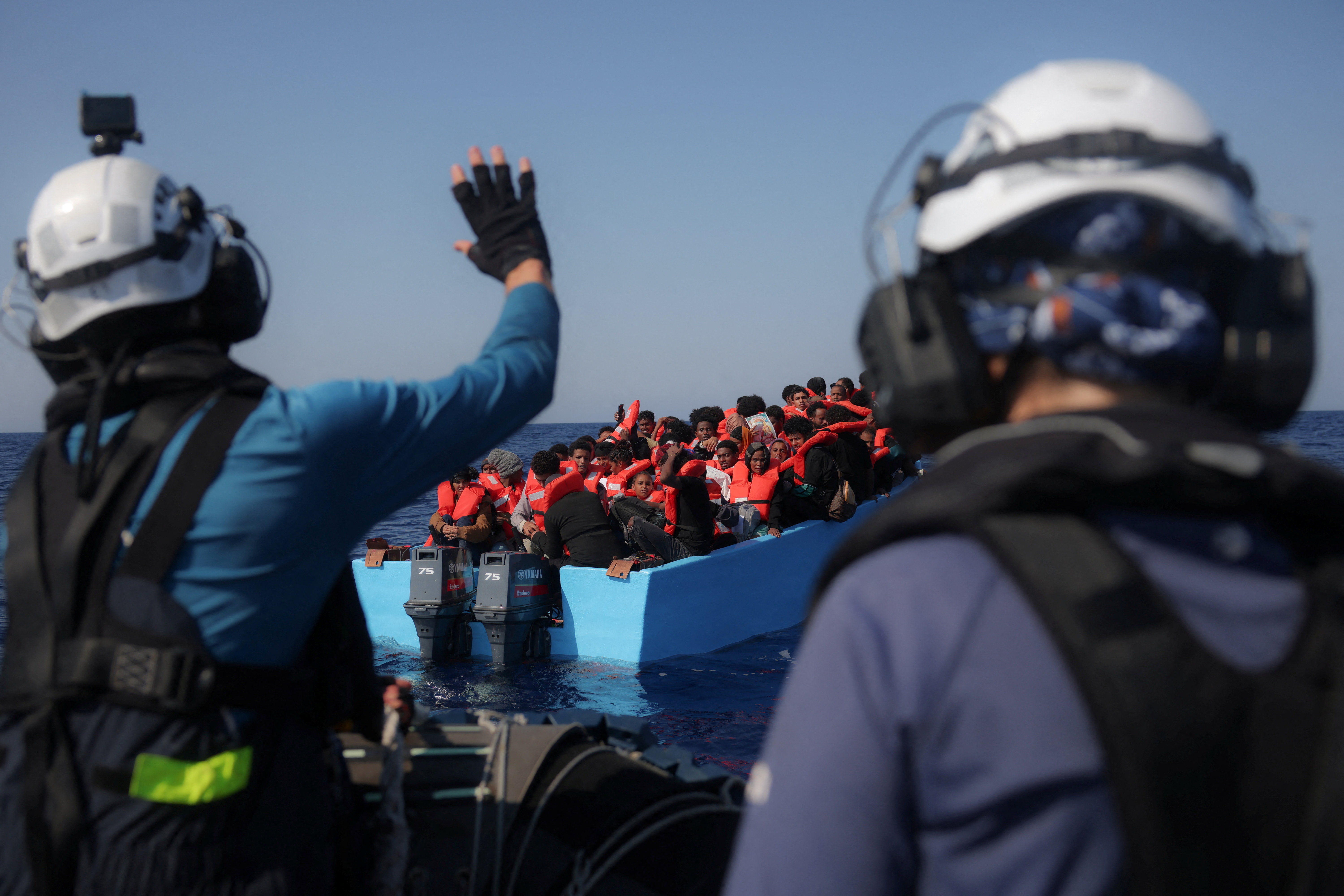
The migrant issue in Libya: did the media pass the test of professionalism?

Libya’s migration debate has become a test of whether the media can report legitimate public concerns without laundering rumours, fuelling hate, or turning vulnerable migrants into scapegoats.

Imad al-Madouli Published on: 2 Sep, 2026
The economics of truth: How Lack of Funding is Compromising Quality Journalism in Africa

Reporting and newsgathering cost money; they require time, patience and experienced personnel. However, globally limited funding is leading to a generally compromised journalism output.

Derick Matsengarwodzi
Derick Matsengarwodzi Published on: 30 Aug, 2026
We survived… and stayed alive!

A Palestinian journalist and mother recounts surviving Gaza’s genocide, where the press vest became a target, motherhood became terror, and staying alive did not feel like salvation.

Yumna al-Sayyid Published on: 19 Aug, 2026
A Continuing Crisis, an Intermittent Story: What Makes Famine Newsworthy?

An analysis of 180 articles from the BBC, The Guardian, The New York Times and CNN found that coverage of hunger in Gaza frequently linked the crisis to political decisions and identified responsibility rather than treating it only as a humanitarian emergency. Tracking the same outlets through early August 2026 also shows that this coverage came in sharp waves, with periods of intense reporting separated by months of limited attention even as severe food insecurity persisted.

Djamil Kerrouche Published on: 16 Aug, 2026
Who Decides the News? Inside India's Algorithm-Driven Newsrooms 

Editors once decided which stories mattered based on evidence, public interest and ethics. Today, recommendation algorithms and engagement metrics increasingly shape editorial decisions, prioritising what keeps audiences scrolling.

Seerat-Un-Nisa Published on: 11 Aug, 2026
As in Rwanda: Can the Israeli Press Be Prosecuted for Participation in Genocide?

Israeli media incitement has helped frame Palestinian journalists as security threats, weakening their legal and professional protection and legitimising attacks against them. Legal accountability is possible through the ICC, universal jurisdiction, and professional pressure against journalists and outlets that incite violence.

Nasser Adnan Thabet Published on: 8 Aug, 2026
A Soldier with the Rank of Correspondent in the Israeli Army

Israeli military journalism developed through a deep fusion of media, censorship, and the army, turning correspondents into carriers of the official security narrative. This embedded model later influenced Western war reporting, where access to the battlefield often came at the cost of independence and critical distance.

Sujood Awais Published on: 4 Aug, 2026
The Phenomenon of “News Avoidance”: Have We Come to Know More Than We Should?

Audiences are increasingly avoiding the news as the constant flow of crises, violence, and tragic human stories creates psychological exhaustion and anxiety. Media outlets need to respond with more responsible editorial choices, stronger media literacy, and coverage that balances urgent events with constructive, humane, and less harmful storytelling.

Wessam Kamal Published on: 17 Jul, 2026
From Srulik to Handala: Caricature as a Media Symbol

From the pro-occupation Israeli character 'Srulik' to the resilient and satirical Palestinian 'Handala', caricature emerges as another battleground for memory and the future. How did these characters come to be, what is their media symbolism, and why does caricature remain so influential?

Sujood Awais Published on: 14 Jul, 2026
“Sometimes You Work for Years Without Pay” – Cameroonian Journalists Demand Safety Nets

While many journalists demonstrate admirable resilience in producing quality journalism under precarious conditions, resilience should not be the only safety net. Journalism deserves protection, because democracy depends on it.

Akem
Akem Nkwain Published on: 11 Jul, 2026
When Modi’s Managed Media Met Europe’s Press

A brief, viral exchange in Oslo between Prime Minister Narendra Modi and a Norwegian journalist has exposed the widening gap between India's tightly controlled media environment and traditional adversarial press culture. Over the past decade, open, unscripted scrutiny has increasingly been replaced by carefully managed public relations, image-driven interviews, and direct digital reach. This systemic shift has reshaped the broader landscape of Indian news media, creating a culture of forced deference that prioritises political showmanship over holding power accountable.

Arsalan Bukhari, an independent journalist based in India
Arsalan Bukhari, Mehrunnisa Maryam Published on: 5 Jul, 2026
How Sources Shaped the Story of Gaza’s Aid-Site Killings

In conflict reporting, the question is rarely only about what happened. It is also who gets to explain what happened. The findings here suggest that the answer to that question often shapes the story that audiences ultimately receive.

Djamil Kerrouche Published on: 1 Jul, 2026
The Stringers Behind India’s Breaking News: No Contracts, Credit or Safety

Thousands of rural Indian freelance reporters, called "stringers," face low pay, police harassment, and total abandonment by the big TV networks that rely on them. These local journalists risk their lives to film breaking news like riots and rallies, but they work without contracts, insurance, or legal help when they get into trouble. This unfair system forces poor, small-town reporters to take on all the danger alone just to keep the national 24-hour news channels running.

Hanan Zaffa
Hanan Zaffar, Majid Alam Published on: 27 Jun, 2026
Why Have Print Newspapers Disappeared in Gaza?

The genocidal war has systematically devastated the media sector in the Gaza Strip. With the occupation destroying over 150 media organizations, printing presses have completely shut down, forcing all newspapers to shift entirely to digital coverage.

Mohamed Abu Shahma Published on: 24 Jun, 2026
Mohamed al-Khalidi and Marwa Muslim: Forgotten in Life, Vindicated in Death

The occupation killed journalists Mohamed al-Khalidi and Marwa Muslim as part of a systematic pattern of targeting the press, but throughout their careers they also faced neglect, marginalisation, and a lack of recognition. Colleague Maysoun Kahil tells their story, and asks why Palestinian journalists are so often honoured only after death, rather than supported in life.

Maysoun Kahil Published on: 17 Jun, 2026
The Double Ordeal of Freelance Journalists in Gaza

Independent journalists in Gaza face a dangerous double battle. Working without institutional protection or financial safety nets, they risk their lives to report the reality of war, overcoming severe resource shortages and systemic neglect to ensure the world hears the truth.

Noor Abu Rokba Published on: 14 Jun, 2026
The Left and the Right in One Front Against Journalism in South America

Journalism in Latin America is facing a crisis of hostility. In the age of political polarization, governments from both the left and the right are not merely managing states; they are actively harassing critical voices, imposing institutional censorship, and enforcing official narratives that attack independent media to silence disagreement and fake democracy across the region.

Noe Zavaleta
Noe Zavaleta Published on: 8 Jun, 2026
How Journalists are Combating Cybertroopers 

The brutal state crackdown in Đồng Tâm highlights a intensifying withdrawal from free expression in Vietnam, heavily driven by the regime's deployment of state-backed cyberarmies like Force 47. As these digital actors systematically intimidate and mass-report critics, tech giants like Meta further compound the issue by increasingly acquiescing to government censorship requests to protect market share. This coordinated digital assault leaves a dangerous gap in the global conversation, forcing independent journalists to navigate severe online hostility and risk arbitrary imprisonment just to expose state overreach.

AJR Contributor Published on: 25 May, 2026
Vases and Baby Diapers: War as Told by People, Not Politicians!

The analysis of field reporting during the war reveals a deep divide between distant geopolitical news and the actual human reality on the ground. This conflict between official media assignments and the lived experience will continue as journalists find themselves abandoning institutional scripts to focus instead on the raw details of daily survival and the preservation of personal memory.

Maram
Maram Humaid Published on: 21 May, 2026
Safety Strategies Female Journalists Use in Hostile Environments

Female journalists across Africa face layered physical, gender-based, digital, and psychological risks while covering protests, elections, conflict, and crises, forcing them to rely on hard-earned survival strategies as much as newsroom support.

Nigerian freelance Journalist John Chukwu
John Chukwu Published on: 14 May, 2026
The Afterlife of an Image: How Photojournalism Contests Shape Visibility and Responsibility

As photojournalism contests elevate certain images to global prominence, they also influence how violence, dignity, and memory are constructed in the public imagination.

Daniel Harper
Daniel Harper Published on: 5 May, 2026