الفيلم كتأريخ للإبادة.. حوار مع محمد الصواف

الفيلم كتأريخ للإبادة.. حوار مع محمد الصواف

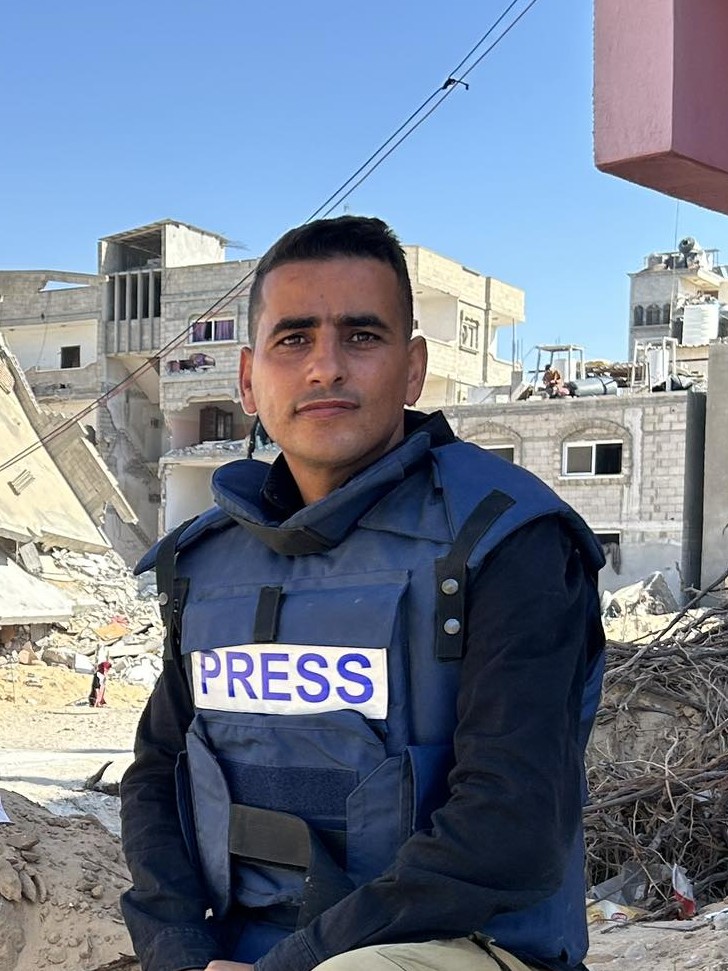
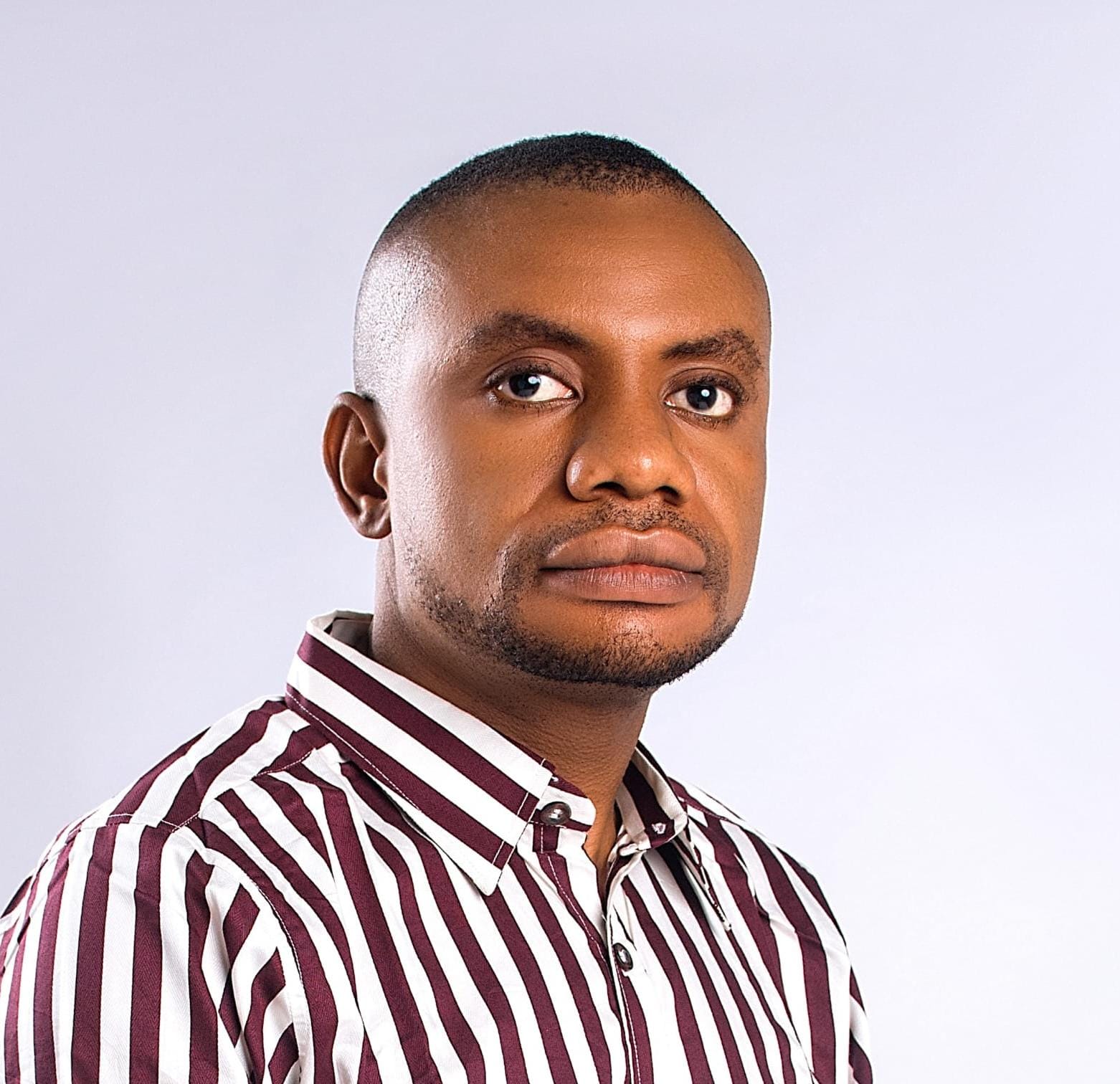
لم تنتهِ أحلام محمد الصواف فحسب، بل يشعر أن حياته كلها انتهت. كل جميل انطفأ، بعد أن قُتِلت عائلته في مجزرة كاملة  استشهد فيها والداه وإخوته وبعض أطفالهم.

مع كل المآسي التي عاشها في هذه الحرب، والتي لم تتضح لها نهاية بعد، يستمر المخرج الشاب محمد الصواف -الذي لم يسلم من إصابة بالغة- في العمل مع فريقه رغم تدمير الاحتلال مقر شركته.

يقول الصواف: "فقدنا جزءا كبيرا من معداتنا وأجهزتنا، لكن في إطار الإجراء الاحترازي، وكعادتنا في كل عدوان، نحتفظ ببعض الكاميرات والمعدات الخفيفة خارج الشركة، وهكذا استأنفنا عملنا من شقتي في منزلنا بغرب غزة، ثم لما نزحنا استعنّا ببعض مكاتب الأصدقاء، وفي النهاية كانت مقراتنا هي سياراتنا، لم يتخلَّ أحد من الفريق عن استكمال مهمته رغم كل الظروف".


قصص في كل مكان

في الحروب السابقة، انخرط فريق المؤسسة في التوثيق والمتابعة، وإنجاز أفلام تقرب صورة ما يحدث، لكن هل فرضت ظروف الحرب الحالية خطة مختلفة؟

يحكي محمد لــ"مجلة الصحافة": "هذه المرة اتبعنا أسلوبا مختلفا في صناعة أفلامنا؛ لا نملك ترف الإعداد لفيلم وما تتطلبه مرحلة "قبل الإنتاج" من إعداد وسيناريو، كل هذا أصبح يَتِم في الميدان؛ كنا نبدأ مع الصباح الباكر وننتهي في الليل بسبب خطورة التحرك، اتفقنا أن أفلامنا ستُقدّم كما هي، مادة خام مع بعض التهذيب لتصلح للعرض؛ لا تحتاج إلى إضافات وحبكات، فما يجري على الأرض أكبر. يسوقنا تطور القصة مع الأحداث المتسارعة، دائما همنا أن نقدم مواد أعمق من مادة الأخبار والتقارير السريعة، أن نصنع أفلاما تبقى وتؤثر وتسهم في إثارة النقاش ورفع الوعي والتأثير".

تتوالى الأحداث تباعا، بينما يستمر الصواف في سردها: "حدثت الفاجعة الأكبر بقصف منزل العائلة، واستشهاد نحو 47 من عائلتي وأقاربي، وأُصبت إصابة بالغة أقعدتني عن أي حركة نحو ثمانية أسابيع. في تلك الأسابيع رأيت أهوالا لم أتخيل أن من الممكن أن أطيقها؛ ففي الأول من ديسمبر/ كانون الأول استشهد إخوتي  مروان ومنتصر في استهداف مباشر، ومعهما ابن عمي محمد فؤاد، الممرض الذي تطوع لرعايتي طوال إصابتي، واثنان من الجيران وعدد كبير ممن تبقى من عائلتي. وبعد ذلك بأربعة أيام، هربنا تحت قصف الدبابات، وأنا هربت محمولا نحو شارع الجلاء غرب غزة، لنجد أنفسنا في منزل بعد ساعات محاصرين بين الدبابات والجنود الإسرائيليين".


اتفقنا أن أفلامنا ستُقدّم كما هي، مادة خام مع بعض التهذيب؛ لا تحتاج إلى إضافات وحبكات، فما يجري على الأرض أكبر. همنا دائما أن نقدم مواد أعمق من مادة الأخبار والتقارير السريعة، أن نصنع أفلاما تبقى وتؤثر وتسهم في إثارة النقاش ورفع الوعي والتأثير.

قضى محمد تلك الفترة متعبا جدا، مقعدا، يحتاج إلى المساعدة في كل شيء، وحتى لا يستطيع قضاء حاجته بنفسه، ثم في آخر الأيام قُصفت الشقة بقذيفة دبابة، وأصيب بعض من كان معه محاصرا بإصابات طفيفة.

ويصف الصواف هذه المرحلة: "كانت من أصعب أيام حياتي، انقطعت عن العالم تقريبا 18 يوما، كنا تقريبا نحو 18 شخصا وطفلة رضيعة، ظن الأقارب أننا استشهدنا، وأصبحنا على يقين أننا مُدركون، إما سيُكشف وجودنا في المنزل فنقصف أو نعدم، وإما أن تأتينا قذيفة من جملة القذائف التي تطلق حولنا فتحرق وتدمر، أصبح همّنا من سيعرف بموتنا، نريد أن نُدفن بكرامة، ولا نريد لجثثنا أن تبقى لنهش الكلاب أو تفعل بها الطبيعة فعلها؛ أصبح هذا أكثر ما يؤرقني".

ومع كل ما سبق، كان شيء آخر هاجسه؛ وهو أن حصارهم يستحق أن يُوثق فيلما، رغم أنها تجربة يصعب توثيقها، مثل مشهد "كيف نوفر طعاما": "يسمع الشباب صوت دجاجة أو بطة هاربة في الشارع، فيخاطرون بأنفسهم يفتحون الباب رغم أن مقابل اكتشافهم موتنا جميعا؛ يستدرجونها، حتى يدخلوها باب المنزل فيرقصون احتفالا بالوليمة، لأشهر لم نذق طعم اللحم، نبقى أكثر من 18 ساعة والدبابات بجانب المنزل والجنود يمشون في الممر بجانبه، ونحن بلا حراك، إلا من يتحرك زحفا، يتفق الشباب على لعب الورق لكنه لعب صامت؛ فينسى أحدهم نفسه فيعلو صوته فجأة، فتصبح قلوبنا في أقدامنا؛ لعلهم انتبهوا، إنها نهايتنا".

انتهت الأيام الأشد سوادا، وعاد محمد لاستئناف عمله مصابا في فبراير/ شباط تقريبا، وبدأ إنتاج فيلم جديد واستكمال أفلام أخرى قد بدأها سابقا؛ إذ يتعدى الأمر مجرد مصدر رزق، ليكون شغفا يواجه به الاستسلام.

ولعل من الأسباب التي تجعل الصواف يواصل تصوير أفلامه هو أنه "يجب أن تكون غزة مرئية، نحن من يعيش فيها، ونعاني مع أهلها أكثر، وإلا من يمكن أن يروي روايتنا ويرفع أصواتنا؟ نؤمن بأن الفلسطيني يجب أن يكون مرئيا، وهذا دورنا. صحيح أنني لم أعد أؤمن بأي عدالة يمكن أن يوفرها هذا العالم، لكن ما يعطينا أملا هو هذا الجيل الذي بدأ يعلو صوته في العالم ويدرك الحقيقة، وأن أفلامنا التي ننتجها بدأت تصلنا أصداؤها وتأثيرها؛ لذا كان يتوجب أن نكمل رسالتنا، نحن لا ننقل أخبار غيرنا وصورهم، كل قصة تظهر في أفلامنا هي قصتنا الشخصية، تشبهنا تماما؛ لذا هي أعمق وأصدق".

تختلف تجربة حرب الإبادة الجماعية عن بقية الحروب السابقة بالنسبة للصواف؛ ذلك أنه لم يعد ثمة وقت للتحضير "فقط انزل بكاميرتك إلى الأرض، واجعل القصة تقودك واصنع فيلمك، كل شخص يمكن أن تقابله يصلح ليكون فيلما، كل شخص أصبح يملك قصته الخاصة التي لم يسمع بها أحد، هذه فلسفتنا؛ فقط تابع القصص وتفاعلها مع الأحداث وستجد فيلمك جاهزا، فيلما خاما لا يحتاج إلا لقليل من المونتاج، هذه هي الأفلام التسجيلية التي يجب أن تُقدَّم خاما أو أقرب إلى الخام للمشاهد، حتى نعكس تجربتنا كما هي".

انزل بكاميرتك إلى الأرض، واجعل القصة تقودك واصنع فيلمك، كل شخص يمكن أن تقابله يصلح ليكون فيلما، كل شخص أصبح يملك قصته الخاصة التي لم يسمع بها أحد، هذه فلسفتنا.


القدرة على الصراخ

حاز محمد وشركته جوائز كبيرة عن أفلامه "مهمة إنقاذ في غزة" و"طفل من غزة"، لكنه يبدو زاهدا في ذلك؛ يقول: "لم نصنع فيلمًا لكي ينال جائزة، ولم تخطر ببالنا الجوائز عندما صنعنا أفلامنا في هذه الحرب، ما نعيشه ونسجله في أفلامنا هو أكبر وأصعب من مجرد التفكير بالجوائز، فلن يكون للجوائز قيمة أمام ما نعيش من أهوال الأفلام، والقصص تفرض نفسها".

ويعتقد أن الفلسفة التي يعمل بموجبها مع الفريق في إنتاج "أفلام خام" ونقل التجربة كما هي، دفعت المنصات والجوائز للالتفات إلى أفلامهم، لما فيها من صدق وواقعية، وتركيز على الإنسان أولا، يقول موضحا: "نادرا ما نناقش أفلامنا من زوايا سياسية، دائما ما نجعل الإنسان وتفاصيله محور أعمالنا، وربما هذا ما يجعلها قريبة للمشاهد".

مواصلة العمل في غزة هي في جوهرها صرخة، فحسب الصواف "لا نملك إلا الصراخ، نصرخ ونقول نحن هنا، وعلى الآخرين أن ينتبهوا أننا هنا، هنا إنسان يريد أن يعيش بكرامة. أفلامنا تمنحنا القدرة على الصراخ، وهذا ما يجعلنا قادرين على السير والإنتاج رغم كل ما حصل، نريد الصراخ، وهو ما نقدر عليه، وهو ما قد يخفف عنا، وهو ما قد يلفت النظر إلينا، على الأقل إن لم يقفوا معنا فلا ضير من أن نزعجهم بصراخنا".

ويشعر محمد بالارتياح تجاه توزيع الفريق في القطاع كله، موضحا أن انتقال معظمه إلى الجنوب أتاح له مشاهدة ما يحدث في القطاع كله في الوقت ذاته، وفي المقابل، لم يكن بإمكانه معايشة ما يعيشه شمال غزة وإدراكه، لو لم يعش فيه ويقاسِ ما يقاسيه.

ويحاول تقريب الصورة: "ما يحدث الآن خصوصا في الشمال، فاق حتى خيالي. ومن ثَم، فوجودي هنا، ووجود الجزء الأكبر من فريقي في الجنوب، جعل عملنا يتكامل، الأفلام التي نعمل عليها حاليا تتوزع قصصها بين الشمال والجنوب، لتظهر التجربة كاملة، أشاهدها بعيني وعين فريقي معا، فتكون الصورة واضحة ومتناسقة".

ويرى الصواف أن نزوح جُل الصحفيين إلى الجنوب، وخروج وكالات الأنباء من القطاع، ومنع الإعلام الأجنبي من الوصول إلى غزة، أثّر على توثيق الصورة وكشف الجرائم (وهذا كان هدفا رئيسا للاحتلال) مستدركا: "لكن وجودنا وثبات عدد من الصحفيين ومخاطرتهم بأنفسهم أفشل هذا الهدف جزئيا؛ إذ بدأت الصورة تصل، والأفلام التي تخرج من غزة وتروي ما يحدث تكتسب احتراما في أرقى المحافل، ومن ثَمّ بدأ الاحتلال يفشل في محاولاته، وأخذت أعمدة روايته المكذوبة تتهاوى".

هذه الحرب يجب ألا تُنسى تفاصيلها بمجرد توقفها أو بعد توقفها، يجب أن نبحث عن قوالب جديدة لنقل تفاصيل ما يحدث وما حدث بصدق وواقعية، لكن بقالب مستدام يمكن للجميع مشاهدته في أي وقت، حتى بعد مئة عام، وفي الدراما الوثائقية وجدنا واحدا من هذه الأساليب


بساطة الفيلم عمق التجربة

ومع كل ما ألمّ بمحمد، فهو ممتنّ لهذه التجربة التي علّمته أن "لا شيء يمكن أن يمنعه من صناعة فيلم"، وثبت له أنه كلما مال الفيلم إلى البساطة، وكانت القصة مباشرة وغير متكلفة دون زركشة، زادت فرصتها في التأثير والإلهام، "هكذا في الأفلام التسجيلية، تكون أقرب للمشاهد، وأكثر واقعية وصدقا". ويكشف عن أنه يحضر لإنتاج عمل مشترك مع صناع أفلام عالميين، يروي قصة الحرب بأسلوب يجمع بين الدراما والوثائقي.

فأمام رعب وجوع وموت ودمار ونزوح، تتأتى "خلطة" غير مألوفة لتوثيق الحرب بالأفلام. فـ"المأساة التي نعيشها غير تقليدية وتجاربنا جميعا كذلك، ومن ثَمّ فإن طريقتنا في صناعة أفلامنا ستكون غير تقليدية، ومع ذلك، بعد أن بدأنا نستفيق قليلا، نفكر في قوالب جديدة تديم قصتنا، هذه الحرب يجب ألا تُنسى تفاصيلها بمجرد توقفها أو بعد توقفها بسنين أو حتى عشرات السنين، يجب أن نبحث عن قوالب جديدة لنقل تفاصيل ما يحدث وما حدث بصدق وواقعية، لكن بقالب مستدام يمكن للجميع مشاهدته في أي وقت، حتى بعد مئة عام، وفي الدراما الوثائقية وجدنا واحدا من هذه الأساليب".

تلقي حرب الإبادة على عاتق صنّاع الأفلام مسؤولية الاجتهاد في صنع مزيد من الأفلام بفهم ومهنية وعمق أكبر، وأن يصبروا عليها حتى تنضج "فلا نسلقها سلقا"؛ فحرب الإبادة لا تحتاج فحسب إلى أفلام صارخة مليئة بالحقيقة والوقائع وصدق الرواية، بل تفرض على المهتمين البحث عن طرق للوصول إلى منصّات جديدة، أي "يجب ألا نصنع أفلاما لجمهور واحد ومنصة واحدة، الناس في الخارج لديهم الاستعداد لمشاهدة قصصنا، ونحن فاشلون لحدود الآن في التوزيع".

تستمر حرب الإبادة الجماعية، لكن الصواف وفريقه يواصلون الاشتغال ويلتقون بوتيرة شبه يومية، وثمة ما يثير الإعجاب بشأن طريقة إدارته للفريق في أحلك الأزمات: "السؤال الأول لدينا دائما هو: "كيف يمكن أن نفعل؟" لا "ما رأيكم أن نفعل؟" فلا يصبح النقاش مبدئيا في الفعل، بل في سبل تحقيقه، ومن ثم يبدأ الجميع التفكير في كيفية إنجازه، دائما ما أحث نفسي والفريق: "اهتم بنفسك وعائلتك أولا، لكن لا تركن إلى اليأس. حاول، ولو لبضع ساعات، أن تفصل بين همومك ومخاوفك الشخصية عندما تبدأ في مرحلة من مراحل صناعة فيلم، بقدر ما تستطيع ذلك، سيكون إنجازك أكبر، لا تحزن لدرجة الشلل على ما فاتك، بل دعونا نستكمل ما بدأنا".
More Articles

The migrant issue in Libya: did the media pass the test of professionalism?

Libya’s migration debate has become a test of whether the media can report legitimate public concerns without laundering rumours, fuelling hate, or turning vulnerable migrants into scapegoats.

Imad al-Madouli Published on: 2 Sep, 2026
The economics of truth: How Lack of Funding is Compromising Quality Journalism in Africa

Reporting and newsgathering cost money; they require time, patience and experienced personnel. However, globally limited funding is leading to a generally compromised journalism output.

Derick Matsengarwodzi
Derick Matsengarwodzi Published on: 30 Aug, 2026
We survived… and stayed alive!

A Palestinian journalist and mother recounts surviving Gaza’s genocide, where the press vest became a target, motherhood became terror, and staying alive did not feel like salvation.

Yumna al-Sayyid Published on: 19 Aug, 2026
A Continuing Crisis, an Intermittent Story: What Makes Famine Newsworthy?

An analysis of 180 articles from the BBC, The Guardian, The New York Times and CNN found that coverage of hunger in Gaza frequently linked the crisis to political decisions and identified responsibility rather than treating it only as a humanitarian emergency. Tracking the same outlets through early August 2026 also shows that this coverage came in sharp waves, with periods of intense reporting separated by months of limited attention even as severe food insecurity persisted.

Djamil Kerrouche Published on: 16 Aug, 2026
Who Decides the News? Inside India's Algorithm-Driven Newsrooms 

For decades, editors acted as journalism's gatekeepers, deciding which stories mattered based on evidence, public interest and professional ethics. Today, many young reporters say that role has increasingly been assumed by recommendation algorithms, software designed not to identify what is important, but what is most likely to keep audiences scrolling… As news organisations compete for audience attention on digital platforms, metrics such as engagement and follower growth are increasingly influencing editorial strategy.

Seerat-Un-Nisa Published on: 11 Aug, 2026
As in Rwanda: Can the Israeli Press Be Prosecuted for Participation in Genocide?

Israeli media incitement has helped frame Palestinian journalists as security threats, weakening their legal and professional protection and legitimising attacks against them. Legal accountability is possible through the ICC, universal jurisdiction, and professional pressure against journalists and outlets that incite violence.

Nasser Adnan Thabet Published on: 8 Aug, 2026
A Soldier with the Rank of Correspondent in the Israeli Army

Israeli military journalism developed through a deep fusion of media, censorship, and the army, turning correspondents into carriers of the official security narrative. This embedded model later influenced Western war reporting, where access to the battlefield often came at the cost of independence and critical distance.

Sujood Awais Published on: 4 Aug, 2026
The Phenomenon of “News Avoidance”: Have We Come to Know More Than We Should?

Audiences are increasingly avoiding the news as the constant flow of crises, violence, and tragic human stories creates psychological exhaustion and anxiety. Media outlets need to respond with more responsible editorial choices, stronger media literacy, and coverage that balances urgent events with constructive, humane, and less harmful storytelling.

Wessam Kamal Published on: 17 Jul, 2026
From Srulik to Handala: Caricature as a Media Symbol

From the pro-occupation Israeli character 'Srulik' to the resilient and satirical Palestinian 'Handala', caricature emerges as another battleground for memory and the future. How did these characters come to be, what is their media symbolism, and why does caricature remain so influential?

Sujood Awais Published on: 14 Jul, 2026
“Sometimes You Work for Years Without Pay” – Cameroonian Journalists Demand Safety Nets

While many journalists demonstrate admirable resilience in producing quality journalism under precarious conditions, resilience should not be the only safety net. Journalism deserves protection, because democracy depends on it.

Akem
Akem Nkwain Published on: 11 Jul, 2026
When Modi’s Managed Media Met Europe’s Press

A brief, viral exchange in Oslo between Prime Minister Narendra Modi and a Norwegian journalist has exposed the widening gap between India's tightly controlled media environment and traditional adversarial press culture. Over the past decade, open, unscripted scrutiny has increasingly been replaced by carefully managed public relations, image-driven interviews, and direct digital reach. This systemic shift has reshaped the broader landscape of Indian news media, creating a culture of forced deference that prioritises political showmanship over holding power accountable.

Arsalan Bukhari, an independent journalist based in India
Arsalan Bukhari, Mehrunnisa Maryam Published on: 5 Jul, 2026
How Sources Shaped the Story of Gaza’s Aid-Site Killings

In conflict reporting, the question is rarely only about what happened. It is also who gets to explain what happened. The findings here suggest that the answer to that question often shapes the story that audiences ultimately receive.

Djamil Kerrouche Published on: 1 Jul, 2026
The Stringers Behind India’s Breaking News: No Contracts, Credit or Safety

Thousands of rural Indian freelance reporters, called "stringers," face low pay, police harassment, and total abandonment by the big TV networks that rely on them. These local journalists risk their lives to film breaking news like riots and rallies, but they work without contracts, insurance, or legal help when they get into trouble. This unfair system forces poor, small-town reporters to take on all the danger alone just to keep the national 24-hour news channels running.

Hanan Zaffa
Hanan Zaffar, Majid Alam Published on: 27 Jun, 2026
Why Have Print Newspapers Disappeared in Gaza?

The genocidal war has systematically devastated the media sector in the Gaza Strip. With the occupation destroying over 150 media organizations, printing presses have completely shut down, forcing all newspapers to shift entirely to digital coverage.

Mohamed Abu Shahma Published on: 24 Jun, 2026
Mohamed al-Khalidi and Marwa Muslim: Forgotten in Life, Vindicated in Death

The occupation killed journalists Mohamed al-Khalidi and Marwa Muslim as part of a systematic pattern of targeting the press, but throughout their careers they also faced neglect, marginalisation, and a lack of recognition. Colleague Maysoun Kahil tells their story, and asks why Palestinian journalists are so often honoured only after death, rather than supported in life.

Maysoun Kahil Published on: 17 Jun, 2026
The Double Ordeal of Freelance Journalists in Gaza

Independent journalists in Gaza face a dangerous double battle. Working without institutional protection or financial safety nets, they risk their lives to report the reality of war, overcoming severe resource shortages and systemic neglect to ensure the world hears the truth.

Noor Abu Rokba Published on: 14 Jun, 2026
The Left and the Right in One Front Against Journalism in South America

Journalism in Latin America is facing a crisis of hostility. In the age of political polarization, governments from both the left and the right are not merely managing states; they are actively harassing critical voices, imposing institutional censorship, and enforcing official narratives that attack independent media to silence disagreement and fake democracy across the region.

Noe Zavaleta
Noe Zavaleta Published on: 8 Jun, 2026
How Journalists are Combating Cybertroopers 

The brutal state crackdown in Đồng Tâm highlights a intensifying withdrawal from free expression in Vietnam, heavily driven by the regime's deployment of state-backed cyberarmies like Force 47. As these digital actors systematically intimidate and mass-report critics, tech giants like Meta further compound the issue by increasingly acquiescing to government censorship requests to protect market share. This coordinated digital assault leaves a dangerous gap in the global conversation, forcing independent journalists to navigate severe online hostility and risk arbitrary imprisonment just to expose state overreach.

AJR Contributor Published on: 25 May, 2026
Vases and Baby Diapers: War as Told by People, Not Politicians!

The analysis of field reporting during the war reveals a deep divide between distant geopolitical news and the actual human reality on the ground. This conflict between official media assignments and the lived experience will continue as journalists find themselves abandoning institutional scripts to focus instead on the raw details of daily survival and the preservation of personal memory.

Maram
Maram Humaid Published on: 21 May, 2026
Safety Strategies Female Journalists Use in Hostile Environments

Female journalists across Africa face layered physical, gender-based, digital, and psychological risks while covering protests, elections, conflict, and crises, forcing them to rely on hard-earned survival strategies as much as newsroom support.

Nigerian freelance Journalist John Chukwu
John Chukwu Published on: 14 May, 2026
The Afterlife of an Image: How Photojournalism Contests Shape Visibility and Responsibility

As photojournalism contests elevate certain images to global prominence, they also influence how violence, dignity, and memory are constructed in the public imagination.

Daniel Harper
Daniel Harper Published on: 5 May, 2026
Malawi Investigates Poor Pay and Working Conditions for Junior Journalists

Malawi’s investigation into poor pay for junior journalists exposes a deeper crisis where economic hardship is eroding media independence and forcing reporters to choose between ethical integrity and survival.

Benson Kunchezera Published on: 30 Apr, 2026
Journalism as a Struggle for Survival in Sudan

With war erupting in Sudan, the country’s media landscape collapsed almost overnight after the Rapid Support Forces entered Khartoum. Many journalists were left without jobs, salaries or shelter, scattered between displacement, exile and siege, as newspapers shut down and media institutions ceased to function. For many, journalism was no longer a profession but a daily struggle for survival.

Saif al-Din al-Bashir Ahmed Published on: 27 Apr, 2026
From Print to Pixels: How Small-Town Journalists in Bihar Are Surviving Threats and Closures

As newspapers vanish across districts like Siwan, Gaya, and Purnea, reporters turn to mobile phones, digital start-ups and community networks to keep local journalism alive.

Rehan Qayoom Mir. An independent journalist whose work has appeared in international and national outlets,
Rehan Qayoom Mir, Sajad Hameed Published on: 12 Apr, 2026