بعد الخبر: مسؤولية الصحفي والمؤسسة الإعلامية تجاه ذاكرة الحروب

بعد الخبر: مسؤولية الصحفي والمؤسسة الإعلامية تجاه ذاكرة الحروب

في صباح السابع من أكتوبر/تشرين الأول 2023، كنت في منزلي أتابع مشاهد إطلاق الصواريخ من قطاع غزة باتجاه البلدات الإسرائيلية المحاذية. وحينها لم تكن الصورة مكتملة، وكانت الأسئلة أكثر من الإجابات. 

توجهت إلى مكتب صحيفة فلسطين في مدينة غزة، حيث كنت رئيس التحرير آنذاك، وتابعت في الطريق الأخبار عبر الإذاعة، وغيّرت مساري من شارع الرشيد الساحلي إلى شارع صلاح الدين لتقديري أنه أكثر أمانًا. كان صباح يوم سبت والحركة محدودة. وصلت إلى المكتب وبدأنا توزيع المهام على الزملاء، مع مراعاة مخاطر تنقلهم، فعمل بعضهم من منازلهم. 

استندنا إلى خطة الطوارئ وإلى دليل العمل المهني الخاص بالصحيفة بما فيه من قواعد للتحقق من المعلومات ومراجعة الصور ومقاطع الفيديو الميدانية. 

وعلى الشاشة تتالت مشاهد عملية عبور السياج الفاصل على الحدود الشمالية والشرقية لقطاع غزة: مقاتلون يدخلون مستوطنات غلاف غزة، ومواقع عسكرية إسرائيلية تتعرض للهجوم أو تنهار. 

لم يكن ممكنًا أن نعرف حجم الحرب التي ستندلع، لكن التجربة تركت لديّ سؤالًا يتجاوز إدارة التغطية العاجلة: كيف يعمل الصحفي حين يكون شاهدًا على حدث قد تعود إليه الأجيال لفهم ما جرى؟ وكيف تتعامل المؤسسة مع أخبارها وصورها وشهاداتها باعتبارها مواد قد تعيش أطول من عمرها الإخباري؟

يدافع هذا المقال عن فكرة محددة: أن الدقة والسياق والنسبة إلى المصدر ليست التزامات للحظة النشر وحدها، بل هي ما يقرر لاحقًا هل تصلح المادة الصحفية لفهم الحرب أم تسهم في تشويهها، وأن هذه المسؤولية مشتركة بين الصحفي والمؤسسة، ولا تتحقق بالنوايا، بل بإجراءات تحريرية تصمد حتى تحت القصف.


ما الذي يبقى بعد انقضاء الخبر؟

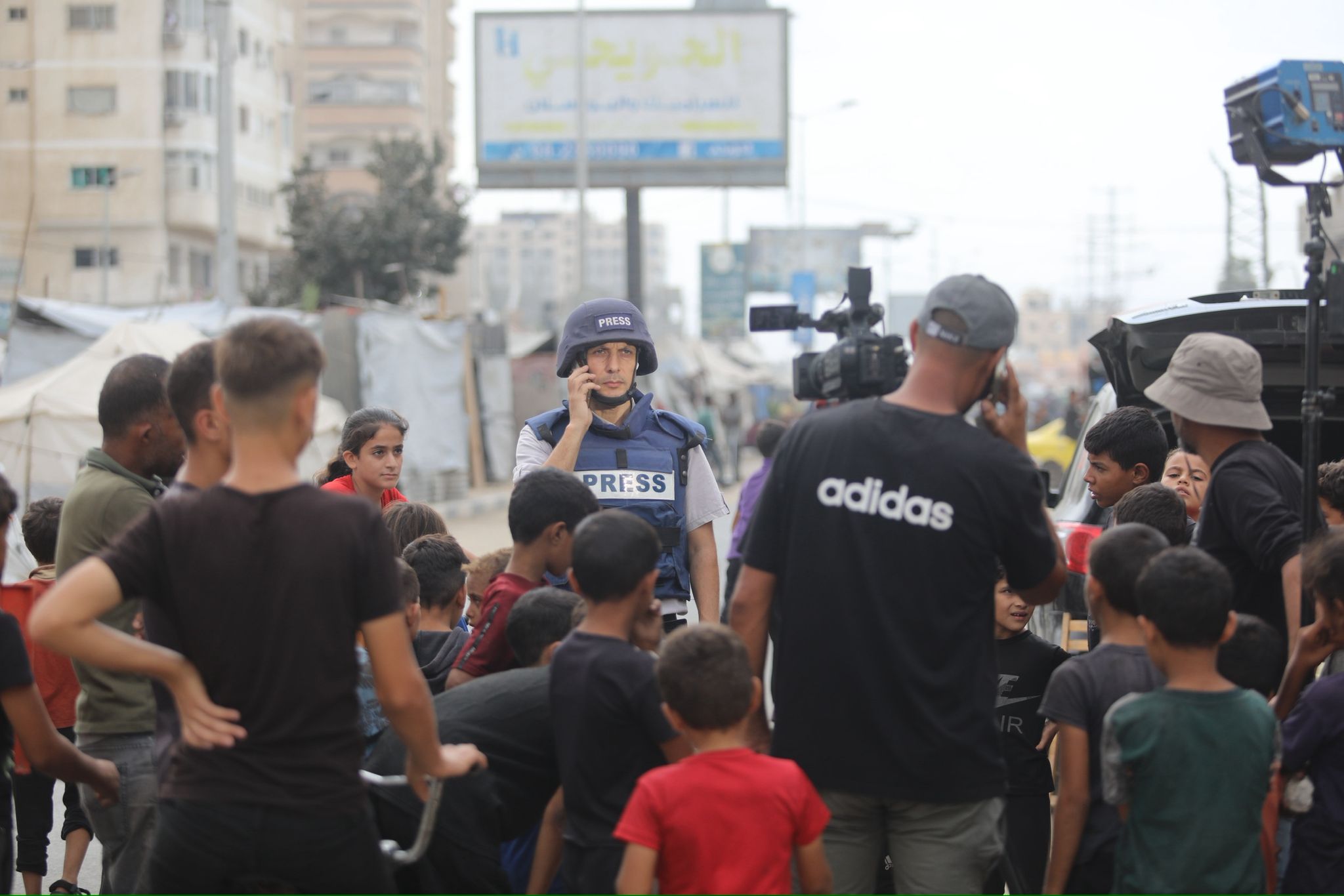
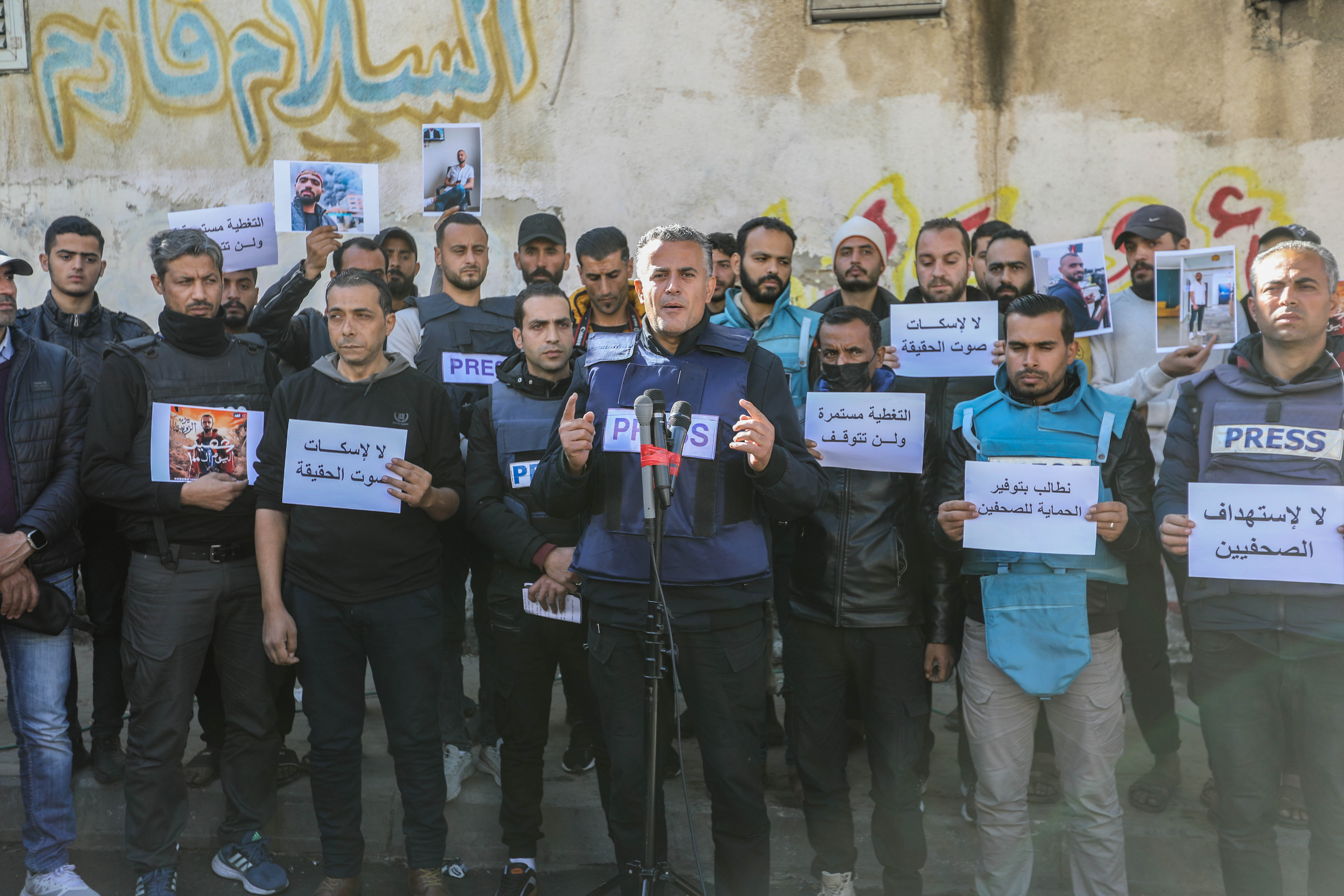
تعمل الصحافة بإيقاع الحاضر، وتزداد مهامها صعوبة في الحرب بسبب القصف وانقطاع الاتصالات والنزوح وتقييد الوصول واستهداف الصحفيين وتضارب الروايات. لكن ما تنتجه لا ينتهي عند النشر، فقد يعود إليه باحث أو صحفي استقصائي بعد سنوات، أو محامٍ أو مؤسسة حقوقية تبني ملف مساءلة، أو أسرة ضحية تبحث عن تفاصيل غابت عنها. 

وهذه مسؤولية إضافية لا تلغي وظيفة الصحافة بل تنبع منها: أن تكون المادة صالحة، قدر الإمكان، لمن يعيد النظر في الحدث لاحقًا؛ فالدقة ونسبة المعلومات إلى مصادرها والتمييز بين المشاهدة المباشرة والرواية المنقولة والمعلومة المتحقق منها ليست متطلبات للحظة النشر فقط، بل هي ما يحدد قيمة المادة حين تصبح جزءًا من الذاكرة العامة.

والحدث الذي لا يُسجَّل معرّض للسقوط من الذاكرة، لكن الخطر لا يقتصر على الضياع، فقد تبقى المادة بلا ما يعين على فهمها: صورة بلا تاريخ، أو شهادة بلا سياق، أو رقما بلا مصدر، أو خبرا لا يميز بين ما تأكد وما ظل موضع شك، وهذه الذاكرة الناقصة قد تكون أخطر من الغياب، لأنها تبدو مكتملة.

تعمل الصحافة بإيقاع الحاضر، وتزداد مهامها صعوبة في الحرب بسبب القصف وانقطاع الاتصالات والنزوح وتقييد الوصول واستهداف الصحفيين وتضارب الروايات. لكن ما تنتجه لا ينتهي عند النشر، فقد يعود إليه باحث أو صحفي استقصائي، أو محامٍ أو مؤسسة حقوقية تبني ملف مساءلة، أو أسرة ضحية تبحث عن تفاصيل غابت عنها بعد سنوات من الحدث.


بين سرعة النشر وواجب التحقق

قد يبدو التحقق الكامل ترفًا في الحرب، لكن ضيق الوقت لا يحوّل المعلومة غير المؤكدة إلى حقيقة، ولا يعفي المؤسسة من توضيح حدود ما تعرفه، وتؤكد المعايير المهنية لوكالة رويترز أولوية الدقة على السرعة، ونسبة المعلومات إلى مصادرها، والتصحيح الواضح للأخطاء.

 والمطلوب ليس انتظار اكتمال التفاصيل، بل تحديد ما هو معروف وما لم يتأكد، وتحديث المادة كلما ظهرت معلومات جديدة، وتصحيح الخطأ علنًا لا بتعديل صامت يفوت القارئ. فالنقص الذي تفرضه الظروف مقبول، أما تحوّله إلى يقين زائف فلا.

ولم تغب هذه الاعتبارات عن عملنا في صحيفة فلسطين. فقد نصّ دليلنا المهني على ألا يُنقل ما ورد في الصحافة الإسرائيلية دون مراجعة وتحقق، وعلى الامتناع عن نشر معلومات قد تضر بجمهورنا، وبالفعل كانت هناك مراجعة دائمة للأخبار التي تأتي من تلك المصادر قبل نشرها، خشية أن تكون كاذبة أو مضللة أو تحمل دعاية موجهة. ففي الحرب، حيث تختلط الأخبار بالدعاية والتضليل، لا تكفي شهرة المعلومة ولا نسبتها إلى مصدر معروف، بل لا بد من فحص سياقها وتبعات نشرها، دون أن يتحول الحرص على الجمهور إلى حجب ما يحتاج إليه.

قد تكون الصورة أبلغ من تقرير طويل، لكنها لا تشرح تلقائيًا زمانها ومكانها وظروفها، ولا تحدد هوية الظاهرين فيها ولا الجهة المسؤولة، ولهذا لا ينفصل نشرها عن التحقق من مصدرها وتاريخها ومكانها، وفحص احتمال اجتزائها أو إعادة استخدامها خارج سياقها. وكذلك الشهادة: هل صاحبها شاهد الحدث مباشرة أم أنه ينقل عن غيره؟ وما الذي أمكن التحقق منه بصورة مستقلة؟ ومسؤولية الصحفي أن يتيح للجمهور معرفة ما تثبته المادة فعلًا، وما لا يمكن استنتاجه منها، وما يحتاج إلى أدلة إضافية، بدل أن يحمّلها ما لا تستطيع إثباته.


مجمع ناصر الطبي: حين تعيد الأدلة فحص الرواية الأولية

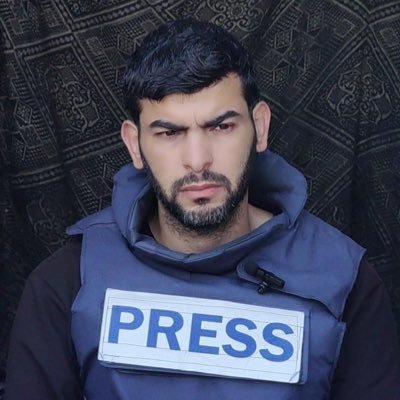
تقدم واقعة قصف مجمع ناصر الطبي في خان يونس في 25 أغسطس/آب 2025 مثالًا على أهمية مراجعة الروايات الأولية، إذ قال مسؤول عسكري إسرائيلي في البداية إن القوات استهدفت كاميرا تابعة لحماس. لكن تحقيقًا نشرته رويترز حلّل مواد بصرية ومعلومات أخرى وخلص إلى أن الكاميرا جهاز تابع للوكالة، يضعه مصورها المتعاقد حسام المصري مرارًا على الدرج الخارجي نفسه للمستشفى لبث مباشر، وقد استشهد في الضربة الأولى. 

ونقل التحقيق عن مسؤول عسكري إسرائيلي أن القوات تصرفت دون موافقة قائد المنطقة الأعلى المسؤول عن العمليات في غزة. وأعقبت الضربة الأولى ضربة ثانية بعد دقائق أصابت صحفيين ومسعفين ومن هرعوا إلى المكان، واستشهد في الهجوم 22 شخصًا بينهم خمسة صحفيين. وبعد عام، أفادت "أسوشيتد برس" بأن أحدًا لم يُحاسَب، وجدّدت الوكالتان مطالبة إسرائيل بتفسير كامل لما حدث.

والدرس ألا تتوقف الصحافة عند الرواية الأولى أيًا كان مصدرها، فالأدلة البصرية والتحقق المستقل قد تعيد بناء الحدث، لكن ذلك لم يكن ممكنًا إلا لأن المادة الأصلية أُنتجت وحُفظت ونُسبت إلى مصادرها على نحو يسمح بمراجعتها. 

قد يبدو التحقق الكامل ترفًا في الحرب، لكن ضيق الوقت لا يحوّل المعلومة غير المؤكدة إلى حقيقة، ولا يعفي المؤسسة من توضيح حدود ما تعرفه، والمطلوب ليس انتظار اكتمال التفاصيل، بل تحديد ما هو معروف وما لم يتأكد، وتحديث المادة كلما ظهرت معلومات جديدة، وتصحيح الخطأ علنًا لا بتعديل صامت يفوت القارئ.


الإنسان أبعد من رقم الضحايا

تفرض الحروب على غرف الأخبار التعامل مع أعداد هائلة من القتلى والجرحى والنازحين والمفقودين، والأرقام ضرورية لفهم حجم الكارثة، لكنها لا تنقل التجربة الإنسانية خلفها. 

فحين يُختزل الضحايا في أعداد تتكرر في العناوين، تتراجع الفروق بين حياة وأخرى، وتصبح الخسارة خلفية مألوفة، أما الأسماء والمهن والعلاقات الأسرية والأماكن فتمنح التغطية بعدًا لا توفره الإحصاءات. 

وهذا ما تناوله هشام زقوت في مجلة الصحافة، إذ أكد أهمية تجاوز الأرقام إلى أسماء الناس وقصصهم، والاستفادة من المواد المرئية والشهادات في توثيق أكثر اكتمالًا.

وتمتد هذه المسؤولية إلى ما قبل الموت أو الإصابة، فمتى أمكن النشر بموافقة أصحاب الشأن ومع مراعاة سلامتهم، ينبغي أن تظهر حياة الناس قبل الحرب. 

فالفلسطيني في التغطية ليس مجرد ضحية حدث عسكري، هو إنسان له سيرة وعالَم اجتماعي قد يتعرض للدمار أو التشتت، ولا يعني ذلك التخلي عن الأرقام والتحليل، بل أن تتكامل المستويات.


حين تتعارض المبادئ مع الواقع

تبدو هذه المبادئ بديهية على الورق، لكن الحرب تضعها في اختبارات لا تحسمها القواعد وحدها، فالتحقق قد يكون مستحيلًا حين يتعذر الوصول إلى الموقع وتنقطع الاتصالات، وهذا ما حصل فعلاً خلال الحرب حيث تعطلت شبكات المحمول (جوال وأوريدو) والإنترنت لأيام.

 وهنا لا يكون الخيار بين النشر والصمت فقط، بل بين النشر مع بيان صريح لدرجة التأكد، والنشر على أنه يقين، وقد يكون الحل في تدرّج واضح للقارئ: ما شاهدناه، وما أخبرنا به شهود، وما نسبته جهات رسمية، وما لم نتمكن من التحقق منه.

وذكر الاسم قد يتعارض مع سلامة الأسرة، فالمعلومة التي تكرّم الضحية قد تعرّض من بقي من ذويه للخطر، وهذا يُحسم بتقدير يراعي موافقة الأسرة وظروفها ويقدّم الأمان عند التعارض. 

والموارد تنقص، فلا تملك كل غرفة أخبار فريقًا للتحقق ولا أرشيفًا منظمًا، ومن الواقعي الاتفاق مسبقًا على حد أدنى من التوثيق لكل مادة: التاريخ والمكان ومن صوّر وكيف وصلت المادة وأين حُفظت نسخة أصلية منها؟ فهذا الحد هو ما يفرّق لاحقًا بين مادة يمكن البناء عليها ومادة لا يمكن الوثوق بها.


مسؤولية لا تنتهي عند الصحفي وحده

لا يمكن تحميل الصحفي الفرد وحده مسؤولية ما يبقى من التغطية، فالمادة نتاج عمل جماعي يشارك فيه المحرر والمصور والمراسل والمراجع، وتؤثر فيها السياسات التحريرية والوقت والموارد والظروف الأمنية. فعلى المؤسسة توفير بيئة تساعد على الالتزام بالمعايير حتى في أشد الظروف: إجراءات واضحة للتحقق، وتوثيق للمصادر، وتحديث للمواد وتصحيح ظاهر للأخطاء، وتمييز بين الخبر والتحليل والشهادة والرأي، إضافة إلى الدعم المهني والنفسي للصحفيين، فمن يعمل تحت القصف أو النزوح أو الصدمة يحتاج إلى حماية وإسناد.

ولا يقل عن ذلك أهمية مراجعة التغطية بعد انقضاء الحدث المباشر: ما الذي لم نتمكن من التحقق منه؟ وما الأخطاء التي وقعت؟ وأي الفئات والمناطق لم تحظ بتغطية كافية؟ وكيف نستكمل النقص ونصحح ما استقر في المواد المنشورة؟ هذه الأسئلة لا تتعلق بتقييم الأداء وحده، بل بما نتركه وراءنا من مواد يُرجع إليها.

لا يمكن تحميل الصحفي الفرد وحده مسؤولية ما يبقى من التغطية، فالمادة نتاج عمل جماعي يشارك فيه المحرر والمصور والمراسل والمراجع، وتؤثر فيها السياسات التحريرية والوقت والموارد والظروف الأمنية.


ما الذي تتركه الصحافة للأجيال اللاحقة؟

لا تكتب الصحافة التاريخ كما يكتبه المؤرخ، ولا تقدم وحدها رواية مكتملة للحرب، فهي تعمل تحت ضغط الوقت وتضارب المعلومات.  لكن هذا لا يقلل أثرها في تشكيل المواد التي سيعود إليها الآخرون، فقد تصبح مقابلة قصيرة شهادة أساسية في إعادة بناء حدث، وقد تحدد صورة موثقة مكان ضربة وتوقيتها، وقد تترك صياغة مبهمة أو نسبة خاطئة أو صورة بلا سياق أثرًا يصعب تداركه. ولذلك فهذه المسؤولية ليست مشروعًا منفصلًا يبدأ بعد انتهاء الحرب، بل تبدأ من اختيار المعلومة وطريقة التحقق منها وصياغة الخبر واختيار الصورة وتقديم الشهادة، ثم تمتد إلى التصحيح والمراجعة وإتاحة السياق. 

ولا يعني ذلك أن يكتب الصحفي متصورًا نفسه مؤرخ المستقبل، فمسؤوليته الأولى تظل نقل الحقيقة بقدر ما تسمح الأدلة والظروف، واحترام حق الجمهور الراهن في المعرفة، وحماية كرامة من تتناولهم التغطية. وربما لا نعرف كل ما سيسأل عنه قارئ الغد، لكننا نعرف ما الذي يجعل إجابتنا ممكنة: مصدر معلن، وتاريخ مثبت، وحدود معرفة معترف بها، وتصحيح لا يخفى.

أن نكتب للحاضر، نعم، لكن من دون أن ننسى أن بعض ما نكتبه قد يصبح يومًا ما من ذاكرة المستقبل.


Related Articles

What Image of Gaza Will the World Remember?

Will the story of Gaza be reduced to official statements that categorise the Palestinian as a "threat"? Or to images of the victims that flood the digital space? And how can the media be transformed into a tool for reinforcing collective memory and the struggle over narratives?

Hassan Obeid
Hasan Obaid Published on:
From News Reporting to Documentation: Practical Lessons from Covering the War on Gaza

From the very first moment of the genocidal war waged by Israel on Gaza, Al Jazeera correspondent Hisham Zaqout has been a witness to hunger, devastation, war crimes, and the assassination of his colleagues in the field. It is a battle for survival and documentation, one that goes beyond mere coverage and daily reporting.

Hisham Zakkout Published on:

More Articles

When Citizens Become Journalists and Journalists Become Influencers

As citizen journalists increasingly document and shape public events, professional journalists risk surrendering their civic role to algorithms, personal branding and the pursuit of attention.

Nawaf Al-Tamimi Published on:
The Impact of Israeli Occupation Authorities’ Impunity on Journalism in Palestine

The Israeli occupation’s impunity has intensified attacks on Palestinian journalists, forced media organisations to withdraw their crews and severely undermined independent reporting from Gaza. Despite systematic targeting, communications blackouts and a lack of international accountability, Palestinian journalists continue documenting violations under extraordinary risks.

Yaser Ahmed Ali
Yaser Ahmed Ali Published on:
Where Did the Arab Audience Go? Beyond Technology, Towards Trust and Relevance

Arab newsrooms cannot rebuild audience trust simply by chasing platforms and investing in AI while their journalism fails to reflect people’s lives, address their concerns and hold power to account.

Sara Ait Khorsa
Sara Ait Khorsa Published on:
The Roots of Western Media Bias Towards the Israeli Narrative

Western media bias towards the Israeli narrative is rooted in decades-old reporting practices that privilege official military sources, embed journalists with occupying forces, marginalise local voices, and repeatedly turn war coverage into an extension of state power.

Osama al-Rashidi Published on:
Bangladesh: Crackdown on Reporting on Indigenous Communities

In newsrooms across Bangladesh, the word "Indigenous" has become too dangerous to put in print. Editors quietly strike it from the copy, wary that a single mention could invite the wrath of the state.

Marzia Hashmi Momo Published on:
How to Protect News and Information Integrity During Elections

An analysis of threats to Kenya’s media landscape ahead of the August 2027 elections finds that AI deepfakes, synthetic media, and coordinated online campaigns threaten voter choice and democratic integrity. Across Africa, emerging regulation, verification tools, and fact-checking efforts are constrained by limited funding, weak platform accountability, and largely reactive debunking.

Jean-Pierre Afadhali Kenyan journalist
Jean-Pierre Afadhali Published on:
Docudrama: Aesthetic Narration as an Alternative to the Missing Camera!

The use of drama in documentaries sparks a debate between fears of fabrication and the celebration of filling gaps left by missing visual archives. This hybrid format occupies a middle ground, merging emotional impact with documentary reality. Its use requires strict ethical constraints to prevent deception. With the rise of digital platforms, "docudrama" has transcended the rigid limits of television, venturing into new creative and cinematic horizons.

Hani Bishr Published on:
Moroccan Journalism Between State Support and Market Dominance: Can the “Information Economy” Save the Profession?

Moroccan journalism remains trapped between state dependency and market pressure, and its survival may depend on turning information into sustainable public value rather than cheap content for clicks.

Anas al-Shaara Published on:
Anas al-Sharif: “I am the owner of a cause before I am a journalist”

From documenting the occupation's crimes on social media platforms to covering the war of genocide on Al Jazeera, journalist Anas Al-Sharif defied harsh field conditions and the lenses of snipers. He lost his father and a number of his loved ones, yet he chose to convey the "Palestinian narrative to the world." In this interview, we get to know the face and features of a Palestinian journalist stripped of protection and faithful to the belief that "coverage continues."

Anas al-Sharif Published on:
As in Rwanda: Can the Israeli Press Be Prosecuted for Participation in Genocide?

Israeli media incitement has helped frame Palestinian journalists as security threats, weakening their legal and professional protection and legitimising attacks against them. Legal accountability is possible through the ICC, universal jurisdiction, and professional pressure against journalists and outlets that incite violence.

Nasser Adnan Thabet Published on:
Can Africa’s Media Decolonise Climate Story?

Despite efforts in combating climate change and finding climate solutions in the Africa, the continent’s climate story is still told through the lens of colonisation. The dominant stories centre on the victimhood; especially during climate disasters. Such stories don’t mention the side of the continent’s efforts to adapt to climate change.

Jean-Pierre Afadhali Kenyan journalist
Jean-Pierre Afadhali Published on:
The Phenomenon of “News Avoidance”: Have We Come to Know More Than We Should?

Audiences are increasingly avoiding the news as the constant flow of crises, violence, and tragic human stories creates psychological exhaustion and anxiety. Media outlets need to respond with more responsible editorial choices, stronger media literacy, and coverage that balances urgent events with constructive, humane, and less harmful storytelling.

Wessam Kamal Published on:
In Gaza… Testimonies That Have Not Been Told

Beyond the frontline dangers, reporting during the Israeli war involves enduring arrest, torture, systematic incitement, and assassination. This reality forces journalists into a relentless struggle to keep reporting from the depths of mass displacement, starvation, and a complete breakdown of daily infrastructure.

Mohamed Abu Qamar Published on:
When Modi’s Managed Media Met Europe’s Press

A brief, viral exchange in Oslo between Prime Minister Narendra Modi and a Norwegian journalist has exposed the widening gap between India's tightly controlled media environment and traditional adversarial press culture. Over the past decade, open, unscripted scrutiny has increasingly been replaced by carefully managed public relations, image-driven interviews, and direct digital reach. This systemic shift has reshaped the broader landscape of Indian news media, creating a culture of forced deference that prioritises political showmanship over holding power accountable.

Arsalan Bukhari, an independent journalist based in India
Arsalan Bukhari, Mehrunnisa Maryam Published on:
The Left and the Right in One Front Against Journalism in South America

Journalism in Latin America is facing a crisis of hostility. In the age of political polarization, governments from both the left and the right are not merely managing states; they are actively harassing critical voices, imposing institutional censorship, and enforcing official narratives that attack independent media to silence disagreement and fake democracy across the region.

Noe Zavaleta
Noe Zavaleta Published on:
Humanitarian Storytelling: Reclaiming Voice in Crisis Reporting

Humanitarian storytelling is evolving. In the age of algorithmic amplification, humanitarian organisations are not merely sharing aid updates; they work side by side with responsible media; they are providing accountability, combating harmful narratives, and demonstrating the human reality behind the crisis and news headlines.

Shereen Nanish. A media consultant from Palestine/Jordan with over 10 years of experience in journalism and humanitarian communications. Based in Germany.
Shereen Nanish Published on:
On the Misunderstanding Between Media and Diplomacy

The analysis of international crisis coverage reveals a clear structural gap between the immediate, simplified narratives produced by the media and the slow, complex processes of diplomacy. The tension between the two fields appears set to persist as reporters are forced to trade detailed, long-term tracking of negotiation for fast-paced, dramatic framing and the immediate demands of the attention economy.

Said Al-Azri
Said Al-Azri Published on:
How Journalists are Combating Cybertroopers 

The brutal state crackdown in Đồng Tâm highlights a intensifying withdrawal from free expression in Vietnam, heavily driven by the regime's deployment of state-backed cyberarmies like Force 47. As these digital actors systematically intimidate and mass-report critics, tech giants like Meta further compound the issue by increasingly acquiescing to government censorship requests to protect market share. This coordinated digital assault leaves a dangerous gap in the global conversation, forcing independent journalists to navigate severe online hostility and risk arbitrary imprisonment just to expose state overreach.

AJR Contributor Published on:
Journalism After the Genocide in Gaza: One War Has Ended, and Other Wars Have Begun!

The post-ceasefire reality for Gaza’s journalists reveals a challenging shift from documenting active daily bombardment to navigating an overwhelming landscape of community and structural ruin. The pressure on reporters appears set to escalate as they struggle to rebuild their own lives from absolute zero while fighting to ensure that ongoing human suffering, systemic displacement, and political marginalization are accurately documented and held to account.

Yousef Fares
Yousef Fares Published on:
US-Iran Islamabad Talks: How Journalists Report from Outside Closed Doors

The "Islamabad Talks" highlight a growing contradiction in modern diplomacy where journalists are physically present but denied direct access to negotiations. The pressure on transparency appears set to intensify as reporters are forced to trade traditional eyewitnessing for outside in investigation and geopolitical speculation.

Anam Hussain
Anam Hussain Published on:
Can Artificial Intelligence Become a Documentary Film Director?

AI opens new possibilities in documentary filmmaking, from sorting archives to speeding up production. But documentary is not built on technology alone: it depends on the director’s vision, creativity, and ability to shape meaning. Can AI, for instance, make a film like Ordinary Fascism?

Bashar Hamdan, investigative producer and documentary filmmaker at Al Jazeera Media Network
Bashar Hamdan Published on:
When Speaking Up Backfires: How Social Conformity Silences Journalists

While state censorship remains a reality, freedom of speech in Africa faces a rising internal threat: the community itself. This article examines how social conformity, digital echo chambers, and ingrained bias create a modern "chilling effect". This pressure forces journalists to choose between aligning with popular narratives or facing professional and social marginalisation.

Derick Matsengarwodzi
Derick Matsengarwodzi Published on:
Has the Global South Benefited from the Digital Transformation?

Despite the promise of digital technologies to amplify voices and expand media reach in the Global South, structural barriers, such as political repression, technological dependency, and persistent digital divides, continue to limit their impact. Real progress requires not only technological adoption but also institutional reform, stronger journalistic capacity, and independent ethical frameworks to challenge dominant Western media narratives.

Al-Shafi Abtidon
Al-Shafi Abtidon Published on:
Missiles Made of Words: How Western Media Narratives Shape the Iran–Israel–US Conflict

Western media coverage of the Iran–Israel–US conflict often functions as a weapon of war, using selective language that frames US and Israeli strikes as “self-defence” while depicting Iranian actions as "provocation". This linguistic framing normalises civilian casualties and helps manufacture public consent for military aggression by dehumanising certain populations.

Muqeet Mohammed Shah
Muqeet Mohammed Shah, Ifrah Khalil Kawa Published on: