خارج حسابات السوق.. خريجو الإعلام بجامعة دمشق وقلق السنة الأخيرة

خارج حسابات السوق.. خريجو الإعلام بجامعة دمشق وقلق السنة الأخيرة

لا تبدو الامتحانات النهائية لطلاب السنة الرابعة في كلية الإعلام بجامعة دمشق مصدر القلق الوحيد المصاحب لساعات دراستهم؛ إذ يمتد هذا القلق نحو التفكير في المستقبل الذي ينتظرهم بعد سنوات لم تكن - من وجهة نظرهم - هي الأفضل في التكوين الأكاديمي والممارسة الميدانية. ويواجه خريجو كلية الإعلام هذا القلق لإدراكهم مدى صعوبة حصولهم على فرصة عمل محلية وهم يرون تضخم أعداد خريجي الإعلام مقابل محدودية الشواغر والفرص في وسائل الإعلام السورية.

وفق دراسة مسحية أعدها المركز السوري لحرية الإعلام والتعبير عام 2020 بعنوان "الإعلام السوري.. خارطة وسائل الإعلام الفاعلة وتقييم الواقع المؤسساتي الناشئ بعد عام 2011" ، كان ينشط في سوريا ما يقرب من 13 محطة تلفزيونية و36 محطة إذاعية و30 صحيفة و67 موقعا إلكترونيا و6 مجلات و10 وكالات أنباء.

ومثلت الوسائل التي تعمل من داخل الأراضي السورية ما نسبته 66% من إجمالي وسائل الإعلام، في حين شكّلت المؤسسات التي تبنّت خطاب الثورة النسبة المتبقية البالغة حوالي 34% ويتركز معظمها خارج سوريا.

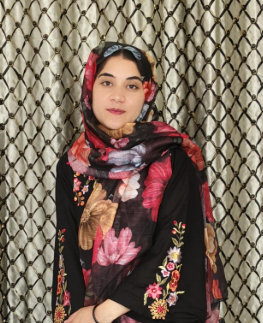
في حديث لمجلة الصحافة، يقول الطالب في السنة الرابعة أحمد إبراهيم "التحدي الأكبر خلال دراستي في كلية الإعلام لم يكن دراسيا بقدر ما كان إدراكيا" مُرجعا السبب إلى "الفجوة بين التسارع التكنولوجي الهائل في صناعة الإعلام والبطء الطبيعي للبيئة الأكاديمية في مواكبة هذا التحول" على حد تعبيره.

ويضيف: "تطلب الأمر منا جهدا مضاعفا للتوفيق بين المناهج التقليدية والسعي الذاتي لاستيعاب أدوات العصر مثل خوارزميات البيئة الرقمية"، معتبرا أن "الصعوبة الحقيقية تكمن في بناء الوعي النقدي الذي يسمح بتحقيق توازن بين المبادئ الأكاديمية الراسخة والواقع العملي المرن والخاضع لتحولات دائمة".

في السياق نفسه، تشير الطالبة في قسم الإعلام الإلكتروني سارة خضور إلى أن الصعوبات التي واجهتها تمثّلت في "قلة المصادر المستخدمة في المشاريع وغياب الاهتمام الكافي من أساتذة الكلية بتدريس كيفية جمع المعلومات من المصادر بطريقة صحيحة".

ومن زاوية الممارسة العملية تقول رهف الحراكي طالبة السنة الرابعة في قسم العلاقات العامة والإعلان: "الكلية لا تؤهل الطلاب نهائيا لسوق العمل وهذا ما يدفعنا للبحث عن دورات خارجية مدفوعة والتعلم الذاتي".

"تطلب الأمر منا جهدا مضاعفا للتوفيق بين المناهج التقليدية والسعي الذاتي لاستيعاب أدوات العصر مثل خوارزميات البيئة الرقمية"


المناهج: معضلة الطالب والأستاذ

إذا ما قرر أحد القيام بجولة في كلية الإعلام وطرح أسئلة على كل من الأساتذة والطلبة حول الكلية عموما فسيتفق الجميع على فكرة واحدة: تغيير المناهج وتطويرها.

يبلغ عدد المواد التي يدرسها الطلبة قرابة 40 مادة دراسية موزعة على الأقسام الأربعة، 12 منها مشتركة في السنة الدراسية الأولى تتضمن مقدمات في معظم مجالات الإعلام مثل الإذاعة والتلفزيون والصحافة والعلاقات العامة والتحرير الإعلامي والإعلام الإلكتروني، بينما تصبح أكثر تخصصا في السنوات اللاحقة.

يرى أحمد إبراهيم أن "المناهج تقوم على أسس نظرية وأكاديمية متينة في بعض الجوانب مثل نظريات الاتصال وأخلاقيات المهنة والتفكيك التحليلي للنصوص الإعلامية"، وهذا ما يمنح الطلبة قاعدة فكرية وقدرة على التفكير النقدي، لكنه يلفت إلى أن الصعوبة لا تكمن في تعقيد هذه المواد أو قِدمها بقدر ما تكمن في "ميزان الفاعلية"؛ لأن القيمة الحقيقية للمناهج - حسب قوله - تعتمد كلياً على مدى قدرة الطلبة على ترجمة هذه النظريات إلى ممارسات حية.

لكن سارة خضور - من قسم الإعلام الإلكتروني - ترى أن جودة المناهج لا بأس بها، وتصفها بأنها متوسطة الصعوبة، قائلة: "من الأفضل تقديم معلومات أكثر فائدة للطالب عند وجوده في سوق العمل؛ لأنه مختلف تماما عن الحالة الأكاديمية الموجودة في الجامعات."

إذا ما قرر أحد القيام بجولة في كلية الإعلام وطرح أسئلة على كل من الأساتذة والطلبة حول الكلية عموما فسيتفق الجميع على فكرة واحدة: تغيير المناهج وتطويرها.

بينما وصفت رهف الحراكي المناهج بأنها "عقيمة" ترتكز على تلقين الطالب وتكديس معلومات تاريخية في ورقة الامتحان، ثم تُنسى تماما لعدم جدواها.  

وأضافت: "تشرح مادة الكتاب الجامعي آليات إعلامية تقليدية ولا تتناول كيف تُدار المؤسسات الإعلامية والعلاقات العامة اليوم"، متفقة مع سارة على أن التدريس حاليا مختلف تماما عن سوق العمل.

رفض مسؤول إداري وتعليمي في كلية الإعلام التجاوب مع أسئلة "مجلة الصحافة" حول شكوى الطلاب وإمكانية تعديل المناهج إلا بعد الحصول على إذن من رئاسة جامعة دمشق للإدلاء بتصريحات.

في المقابل، تحدث أستاذ في الكلية - رفض الكشف عن هويته لأسباب مهنية - قال: "إن المناهج التعليمية توفر الحد الأدنى أو الأساسيات ويبقى التعويل على الطالب في تطوير ملكاته ومهاراته لدخول سوق العمل، مشيراً إلى أن هناك خطة موضوعة فعلا لتطوير المناهج وتعديلها دون أن يفصح عن تفاصيلها أو موعد إقرارها."


أين يقف الطالب من سوق العمل؟

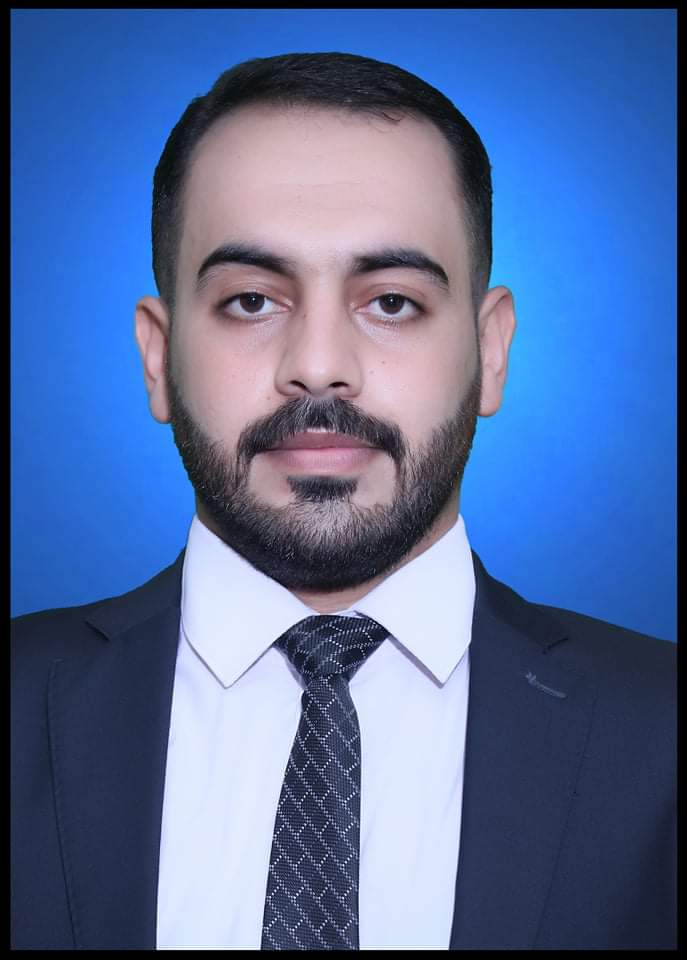
أما الخريج أحمد إبراهيم فيقول "إن الجامعة منحته البوصلة والأطر الفكرية، وإن الرهان الحقيقي بات معقودا على قدرة الطالب على مواصلة التعلم، وبناء ملف أعمال (بورتفوليو) يثبت كفاءته، ويدعم ما بدأه في التعليم الأكاديمي". ويرى أن سوق العمل الإعلامي لم يعد يبحث عن شهادة أكاديمية أو تخصص ضيق، بل عن »صانع محتوى شامل« يجمع بين الرؤية التحريرية والمهارة التقنية".

يتفق المدرب الصحفي ومدير تحرير جريدة "عنب بلدي" علي عيد مع هذا الطرح إذ يقول "إن الصحفي يجب أن يعمل على تنمية قدراته من الألف إلى الياء وهذا النمط قلّما نجده في سوريا".

وأضاف أن علوم الإعلام لا تحتاج فقط إلى جامعات، بل إلى مواكبة مستمرة للتقنية والتطور، وأن هناك حاجة متكاملة تبدأ بالتعليم والتأهيل وتنتهي بالممارسة والأخلاقيات والمعايير المهنية.

يرى عيد أن السوق الإعلامية في سوريا قادرة على استيعاب عدد من الخريجين قد يصل إلى 200 أو 300 خريج سنويا، وتحديدا من خلال الفرص المتاحة عبر الإعلام الحكومي أو الإعلام الخاص أو في دوائر الدولة عبر مديريات متخصصة أو مكاتب إعلامية تابعة لها، على أن يتمتع الخريج بقدر معقول من الخبرة التي تمكنه من ممارسة العمل الإعلامي، مشيرا إلى وجود ما بين 500 إلى 600 وسيلة إعلام جرى ترخيصها.

وبسؤاله عن كيفية تعامل وسائل الإعلام مع هؤلاء الخريجين، يوضح عيد أن الأمر لا يتعلق فقط بالحصول على شهادة تخرج من قسم أو كلية في علوم الاتصال، بل لا بد أن يكون هذا التعليم مجديا بالدرجة الأولى، إضافة إلى امتلاك الخريجين قدرة على الانخراط في سوق العمل بناء على ما تعلموه.

في دراسة للمركز السوري لحرية الإعلام والتعبير يشير عدد من المشاركين إلى أن القطاع الإعلامي "لم يعد موحداً"، إذ تختلف إمكانية الوصول والتصاريح والهامش التحريري تبعا لكون الوسيلة جديدة أو قديمة أو توجهها السياسي، وهذا ما يؤدي بحسب الدراسة، إلى مشهد إعلامي يتسم بعدم التكافؤ بدلاً من تكافؤ الفرص. 

ويتابع "نعلم أن وضع الجامعات في سوريا صعب، خصوصا مع تداعيات 14 سنة من الحرب شهدت تدميرا منهجيا للجامعات وقطاع التعليم العالي". ويعتقد أيضاً أن الخريجين يلاقون صعوبات كبيرة في الانخراط في سوق العمل، كما أن فرصهم تنحسر مقابل أشخاص غير خريجين قادمين من أقسام أخرى أو حتى من خارج القطاع وكانوا خارج مناطق سيطرة نظام الأسد.

ملايين السوريين توزعوا حول أنحاء العالم ومن بينهم طيف واسع من الشباب اطلع على أحدث العلوم في قطاع الصحافة، وهؤلاء غالبا ما يجدون فرصا أكبر من الخريجين بحسب عيد الذي يعتقد أن هناك مشكلات مركبة تؤثر على غالبية الكوادر الإعلامية السورية، خصوصا أولئك الذين بقوا في سوريا طيلة سنين الحرب؛ أبرزها فجوة في القدرات والمهارات بسبب افتقارهم للتقنيات وعدم توفر التكنولوجيا لسنوات طويلة، كذلك عدم دخول مدارس جديدة للتحرير الصحفي وغيرها من الجوانب الإعلامية، مؤكدا الحاجة الملحة إلى إعادة تأهيل وتدريب وتمكين هذه الكوادر.

في دراسة أخرى للمركز السوري لحرية الإعلام والتعبير، بعنوان "حالة الإعلام السوري خلال السنة الأولى من المرحلة الانتقالية السياسية"، يشير بعض المشاركين إلى أن البيئة الإعلامية أصبحت "أكثر انفتاحا ووضوحا" مقارنةً بعهد نظام الأسد، بينما قال آخرون إنها "مجزأة ومتوترة وتزداد اعتمادا على الضغوط غير الرسمية بدلاً من المنع المباشر".

وأشار عدد من المشاركين إلى أن القطاع الإعلامي "لم يعد موحدا"؛ إذ تختلف إمكانية الوصول والتصاريح والهامش التحريري تبعا لكون الوسيلة جديدة أو قديمة أو مستقلة أو مرتبطة سياسيا، وهذا ما يؤدي - بحسب الدراسة - إلى مشهد إعلامي يتسم بعدم تكافؤ الفرص.

مع كل هذه التحديات، تبدي سارة خضور تفاؤلها بالمستقبل قائلة "لدي رؤية إيجابية حول سوق العمل وأعتقد أن هناك فرصا كبيرة لطلاب الإعلام والخريجين، ولكن ما أخشاه أن تستمر قلة فرص التدريب، وألا يحظى التدريب بالاهتمام الكافي الذي يؤهل الطلبة والخريجين".
Related Articles

Independent Syrian Journalism: From Revolution to Assad's Fall

Independent Syrian journalism played a pivotal role in exposing regime corruption and documenting war crimes during the 13-year revolution, despite immense risks to journalists, including imprisonment, assassination, and exile. Operating from abroad, these journalists pioneered investigative and open-source reporting, preserving evidence, and shaping narratives that challenged the Assad regime's propaganda.

Ahmad Haj Hamdo
Ahmad Haj Hamdo Published on: 17 Dec, 2024

More Articles

As in Rwanda: Can the Israeli Press Be Prosecuted for Participation in Genocide?

Israeli media incitement has helped frame Palestinian journalists as security threats, weakening their legal and professional protection and legitimising attacks against them. Legal accountability is possible through the ICC, universal jurisdiction, and professional pressure against journalists and outlets that incite violence.

Nasser Adnan Thabet Published on: 8 Aug, 2026
A Soldier with the Rank of Correspondent in the Israeli Army

Israeli military journalism developed through a deep fusion of media, censorship, and the army, turning correspondents into carriers of the official security narrative. This embedded model later influenced Western war reporting, where access to the battlefield often came at the cost of independence and critical distance.

Sujood Awais Published on: 4 Aug, 2026
The Phenomenon of “News Avoidance”: Have We Come to Know More Than We Should?

Audiences are increasingly avoiding the news as the constant flow of crises, violence, and tragic human stories creates psychological exhaustion and anxiety. Media outlets need to respond with more responsible editorial choices, stronger media literacy, and coverage that balances urgent events with constructive, humane, and less harmful storytelling.

Wessam Kamal Published on: 17 Jul, 2026
From Srulik to Handala: Caricature as a Media Symbol

From the pro-occupation Israeli character 'Srulik' to the resilient and satirical Palestinian 'Handala', caricature emerges as another battleground for memory and the future. How did these characters come to be, what is their media symbolism, and why does caricature remain so influential?

Sujood Awais Published on: 14 Jul, 2026
“Sometimes You Work for Years Without Pay” – Cameroonian Journalists Demand Safety Nets

While many journalists demonstrate admirable resilience in producing quality journalism under precarious conditions, resilience should not be the only safety net. Journalism deserves protection, because democracy depends on it.

Akem
Akem Nkwain Published on: 11 Jul, 2026
When Modi’s Managed Media Met Europe’s Press

A brief, viral exchange in Oslo between Prime Minister Narendra Modi and a Norwegian journalist has exposed the widening gap between India's tightly controlled media environment and traditional adversarial press culture. Over the past decade, open, unscripted scrutiny has increasingly been replaced by carefully managed public relations, image-driven interviews, and direct digital reach. This systemic shift has reshaped the broader landscape of Indian news media, creating a culture of forced deference that prioritises political showmanship over holding power accountable.

Arsalan Bukhari, an independent journalist based in India
Arsalan Bukhari, Mehrunnisa Maryam Published on: 5 Jul, 2026
How Sources Shaped the Story of Gaza’s Aid-Site Killings

In conflict reporting, the question is rarely only about what happened. It is also who gets to explain what happened. The findings here suggest that the answer to that question often shapes the story that audiences ultimately receive.

Djamil Kerrouche Published on: 1 Jul, 2026
The Stringers Behind India’s Breaking News: No Contracts, Credit or Safety

Thousands of rural Indian freelance reporters, called "stringers," face low pay, police harassment, and total abandonment by the big TV networks that rely on them. These local journalists risk their lives to film breaking news like riots and rallies, but they work without contracts, insurance, or legal help when they get into trouble. This unfair system forces poor, small-town reporters to take on all the danger alone just to keep the national 24-hour news channels running.

Hanan Zaffa
Hanan Zaffar, Majid Alam Published on: 27 Jun, 2026
Why Have Print Newspapers Disappeared in Gaza?

The genocidal war has systematically devastated the media sector in the Gaza Strip. With the occupation destroying over 150 media organizations, printing presses have completely shut down, forcing all newspapers to shift entirely to digital coverage.

Mohamed Abu Shahma Published on: 24 Jun, 2026
Mohamed al-Khalidi and Marwa Muslim: Forgotten in Life, Vindicated in Death

The occupation killed journalists Mohamed al-Khalidi and Marwa Muslim as part of a systematic pattern of targeting the press, but throughout their careers they also faced neglect, marginalisation, and a lack of recognition. Colleague Maysoun Kahil tells their story, and asks why Palestinian journalists are so often honoured only after death, rather than supported in life.

Maysoun Kahil Published on: 17 Jun, 2026
The Double Ordeal of Freelance Journalists in Gaza

Independent journalists in Gaza face a dangerous double battle. Working without institutional protection or financial safety nets, they risk their lives to report the reality of war, overcoming severe resource shortages and systemic neglect to ensure the world hears the truth.

Noor Abu Rokba Published on: 14 Jun, 2026
The Left and the Right in One Front Against Journalism in South America

Journalism in Latin America is facing a crisis of hostility. In the age of political polarization, governments from both the left and the right are not merely managing states; they are actively harassing critical voices, imposing institutional censorship, and enforcing official narratives that attack independent media to silence disagreement and fake democracy across the region.

Noe Zavaleta
Noe Zavaleta Published on: 8 Jun, 2026
How Journalists are Combating Cybertroopers 

The brutal state crackdown in Đồng Tâm highlights a intensifying withdrawal from free expression in Vietnam, heavily driven by the regime's deployment of state-backed cyberarmies like Force 47. As these digital actors systematically intimidate and mass-report critics, tech giants like Meta further compound the issue by increasingly acquiescing to government censorship requests to protect market share. This coordinated digital assault leaves a dangerous gap in the global conversation, forcing independent journalists to navigate severe online hostility and risk arbitrary imprisonment just to expose state overreach.

AJR Contributor Published on: 25 May, 2026
Vases and Baby Diapers: War as Told by People, Not Politicians!

The analysis of field reporting during the war reveals a deep divide between distant geopolitical news and the actual human reality on the ground. This conflict between official media assignments and the lived experience will continue as journalists find themselves abandoning institutional scripts to focus instead on the raw details of daily survival and the preservation of personal memory.

Maram
Maram Humaid Published on: 21 May, 2026
Safety Strategies Female Journalists Use in Hostile Environments

Female journalists across Africa face layered physical, gender-based, digital, and psychological risks while covering protests, elections, conflict, and crises, forcing them to rely on hard-earned survival strategies as much as newsroom support.

Nigerian freelance Journalist John Chukwu
John Chukwu Published on: 14 May, 2026
The Afterlife of an Image: How Photojournalism Contests Shape Visibility and Responsibility

As photojournalism contests elevate certain images to global prominence, they also influence how violence, dignity, and memory are constructed in the public imagination.

Daniel Harper
Daniel Harper Published on: 5 May, 2026
Malawi Investigates Poor Pay and Working Conditions for Junior Journalists

Malawi’s investigation into poor pay for junior journalists exposes a deeper crisis where economic hardship is eroding media independence and forcing reporters to choose between ethical integrity and survival.

Benson Kunchezera Published on: 30 Apr, 2026
Journalism as a Struggle for Survival in Sudan

With war erupting in Sudan, the country’s media landscape collapsed almost overnight after the Rapid Support Forces entered Khartoum. Many journalists were left without jobs, salaries or shelter, scattered between displacement, exile and siege, as newspapers shut down and media institutions ceased to function. For many, journalism was no longer a profession but a daily struggle for survival.

Saif al-Din al-Bashir Ahmed Published on: 27 Apr, 2026
From Print to Pixels: How Small-Town Journalists in Bihar Are Surviving Threats and Closures

As newspapers vanish across districts like Siwan, Gaya, and Purnea, reporters turn to mobile phones, digital start-ups and community networks to keep local journalism alive.

Rehan Qayoom Mir. An independent journalist whose work has appeared in international and national outlets,
Rehan Qayoom Mir, Sajad Hameed Published on: 12 Apr, 2026
Arab Society and Investigative Journalism: The Dialectic of Culture, Power, and Profession

Investigative journalism in Arab societies operates within a dense web of social, political, and cultural pressures that often push journalists to balance truth-telling against survival, forcing them onto a precarious “razor’s edge.” Yet despite these constraints, moments of crisis can transform society itself from a source of pressure into a powerful ally, driving accountability and reigniting the pursuit of truth.

Musab Shawabkeh
Musab Al Shawabkeh Published on: 7 Apr, 2026
The Revolution That Framed Islam: How 1979 Shaped Western Media on Iran

The 1979 Revolution transformed how the Western world views and reports on Islam. What started as a confused attempt to understand a new religious movement has turned into a permanent media habit of framing Iran through the lens of conflict and suspicion.

Daniel Harper
Daniel Harper Published on: 4 Apr, 2026
The Challenge of Reporting in Chechnya

Independent journalism no longer exists as a functioning practice inside Chechnya. What remains is a profession rebuilt in exile, forced to operate at a distance from the very place it is meant to cover.

Rushda Fathima Khan
Rushda Fathima Khan Published on: 29 Mar, 2026
How AI Can Clean Messy Data; and Where It Can't

Normalising inconsistent, messy, or incomplete data is tedious and time-consuming, but essential. AI can handle grunt work, but editorial decisions remain with the journalist.

KA
Konstantinos Antonopoulos Published on: 21 Mar, 2026
Missiles Made of Words: How Western Media Narratives Shape the Iran–Israel–US Conflict

Western media coverage of the Iran–Israel–US conflict often functions as a weapon of war, using selective language that frames US and Israeli strikes as “self-defence” while depicting Iranian actions as "provocation". This linguistic framing normalises civilian casualties and helps manufacture public consent for military aggression by dehumanising certain populations.
Muqeet Mohammed Shah
Muqeet Mohammed Shah, Ifrah Khalil Kawa Published on: 14 Mar, 2026