
خافيير بالديس كارديناس.. 12 طلقة ردّاً على سؤاله

خافيير بالديس كارديناس.. 12 طلقة ردّاً على سؤاله

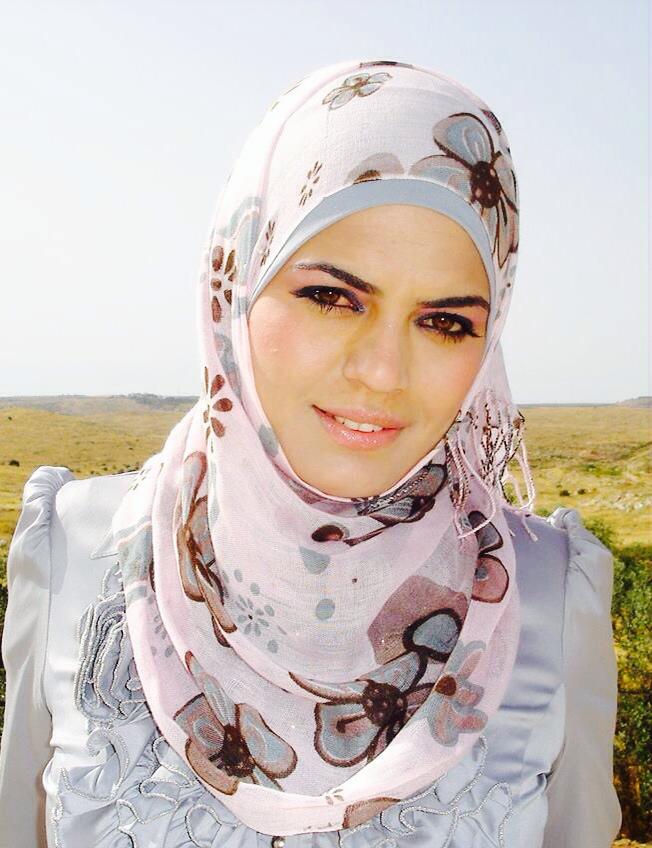
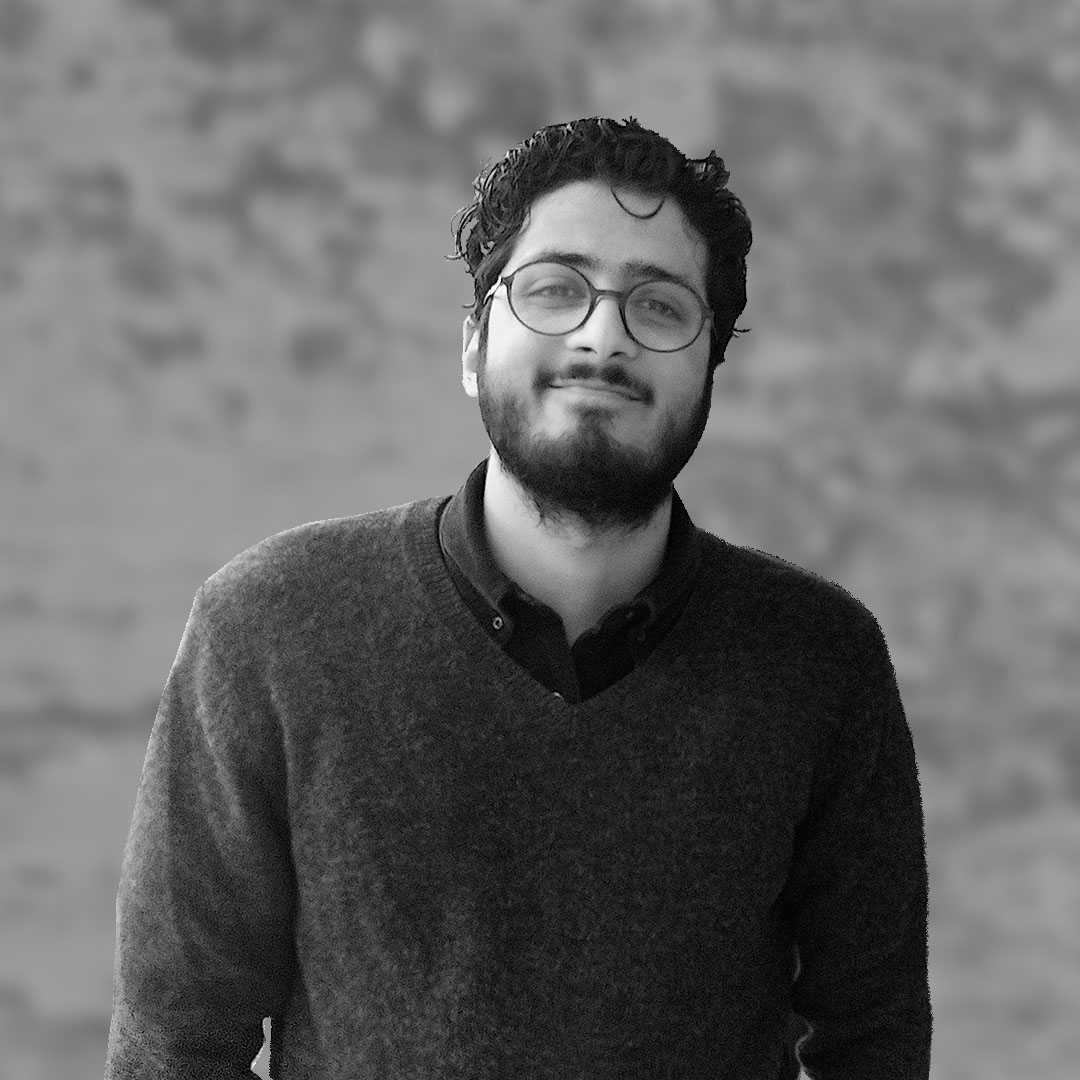
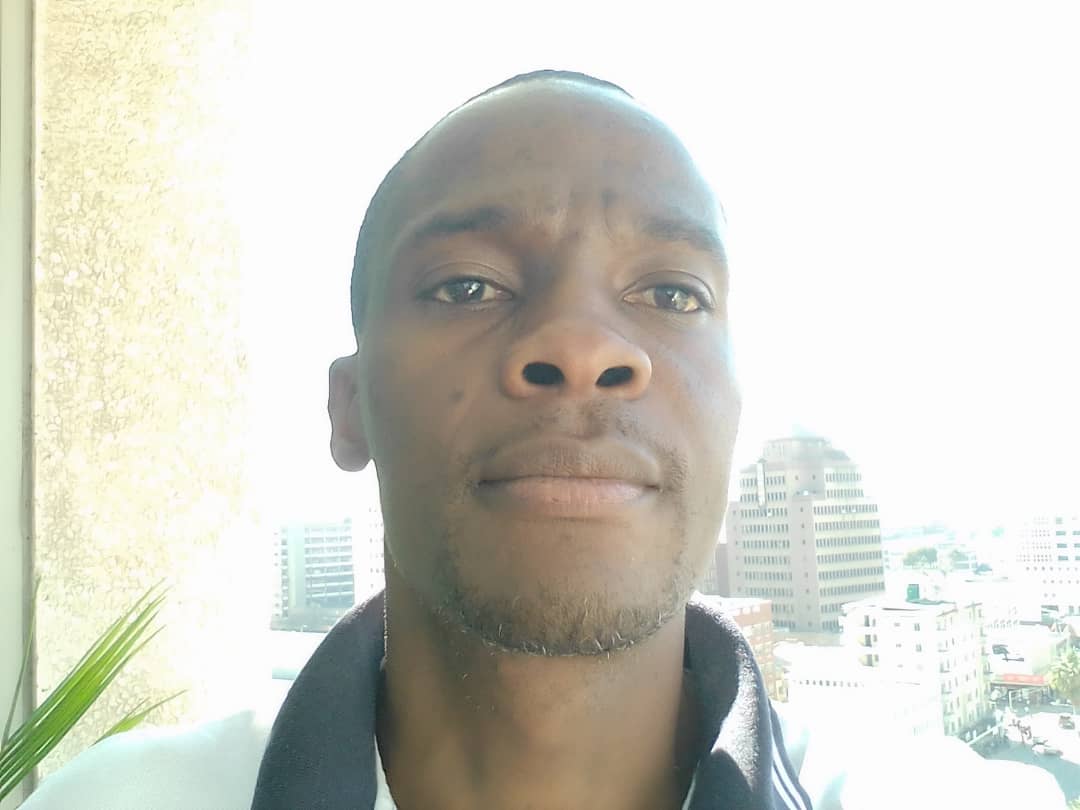
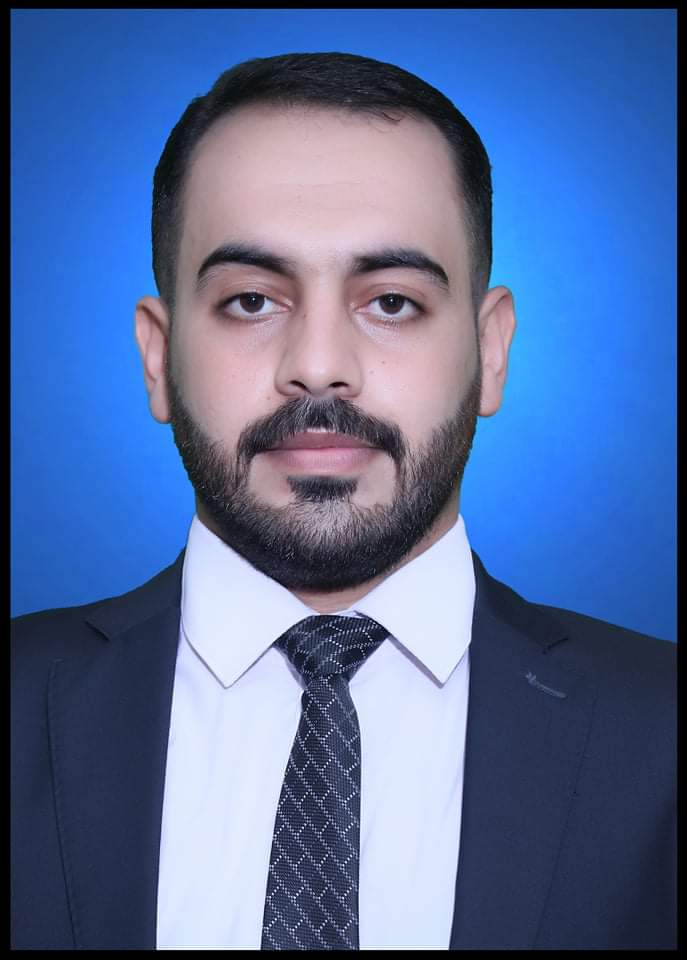
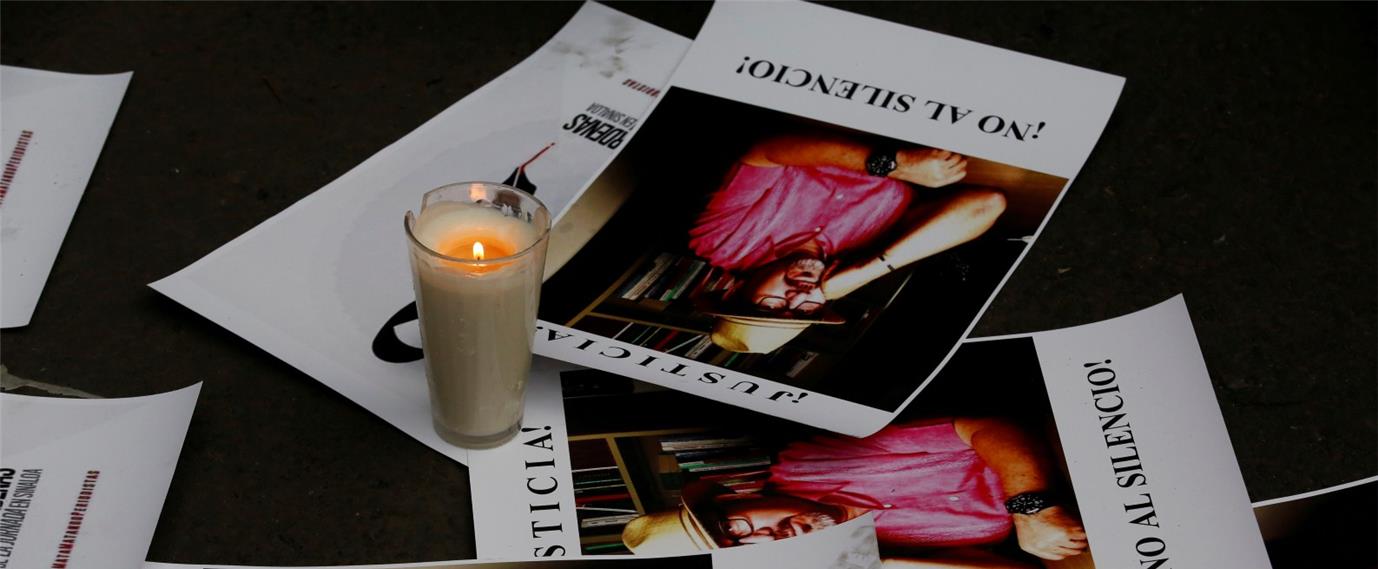
لماذا لم يقتلوك؟ بهذا السؤال، افتتح خافيير كارديناس بالديس مقالته المنشورة في مجلة الصحافة بفبراير/شباط الماضي. ولم يمهله القتلة كثيرا للإجابة؛ حيث اغتالوه يوم 15 مايو/أيار الحالي، ليضاف إلى ستة صحفيين مكسيكيين تمت تصفيتهم عام 2017. كان بالديس مراسلا لصحيفة "لا هورناذا" المكسيكية، كما أسس مع زملاء آخرين صحيفة "ريودوسي" التي تخصصت في صحافة "تهريب المخدرات". إضافة لكتابته عدّة كتب عن تجارة المخدرات بالمكسيك، كان آخرها كتاب "صحافة مهربي المخدرات" الذي شهد معرض الكتاب في مدينة غواذالاخارا عام 2016، حفل توقيعه.
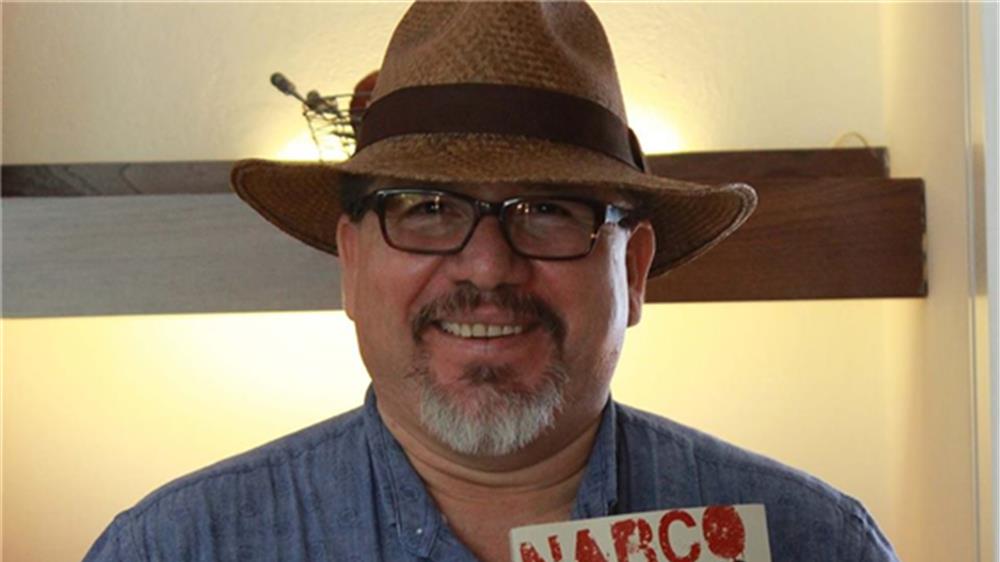
 

الصحفي المكسيكي المغدور، خافيير كارديناس بالديس.

في نعيه أشارت الصحف المكسيكية أنه لم يكن الوحيد الذي غطى جرائم تجارة المخدرات في البلاد، لكنه كان أفضل من عمل في هذا المجال. كانت لديه طرق خاصة في البحث والاستقصاء والحصول على المعلومات وربطها وتحليلها، والنبش خلف المتورطين سواء من داخل العصابات أو من رجال الحكومة. أما الضحايا، فقد ثبّت أسماءهم وذكَّر دوما بقصصهم خوفا من أن تذهب دماؤهم طي النسيان.

إنه ابن سينالوا البار، المكان الذي عقَّه كثير من أبنائه بانجرافهم لتلك التجارة القذرة. وبدا واضحا أن عمله في الصحافة المختصة بتهريب وتجارة المخدرات، نابع من التزام أخلاقي نحو وطنه الأكبر المكسيك وبلدته سينالوا.

لم يكن بالديس ينكر خوفه من أن يطاله ما طال زملاءه من قتل قبله، بل كان متوقعا أمر اغتياله، وكأن المسألة مسألة وقت لا أكثر. مع هذا، فقد عاش حياة اعتيادية وكان خفيف الظل، كثير النكتة، إلا أن جميع احتياطاته الأمنية التي كان قد اتخذها بشكل شخصي لم تمنع ملثمين من إيقاف سيارته وحمله على الخروج منها وإنهاء حياة صحفي أقضَّ مضاجع تجار المخدرات في سينالوا، بـ 12 طلقة صوّبت نحو جميع أنحاء جسده.

في الرابط، مقال خافيير كارديناس بالديس عن عمله في صحافة "بائعي المطاط" كما يطلق عليها في المكسيك.
 

More Articles

Why should journalists be cautious with Israeli sources?

Journalists should treat Israeli sources with particular scrutiny because anonymous briefings, military censorship, strategic leaks and recycled analysis can blur the line between verified information, speculation and propaganda, with real consequences for audiences on the ground.
Ahmad Al-Agha
Ahmad Al-Agha Published on: 8 Oct, 2026
Common Mistakes Made by Television Correspondents

Television correspondents earn trust not by being first or omniscient, but by reporting what they can verify, using images responsibly, resisting performance and speculation, and putting accuracy before speed.

Linda Shalash
Linda Shalash Published on: 1 Oct, 2026
Priorities for Media Recovery in Gaza

Rebuilding Gaza’s media requires more than restoring equipment and newsrooms: it means protecting and supporting journalists, rebuilding institutions, strengthening professional standards, and preserving journalism’s role as a living witness to the truth.

Sufian al-Shorbagy Published on: 30 Sep, 2026
Will We Write A Falsified History In The Future?

The digital transition of journalism has exposed a growing archive reliability gap, where online news documents are often subject to fake news, content manipulation, and a lack of verification mechanisms, challenging their role as official historical records.

Said El Hajji
Said El Hajji Published on: 24 Sep, 2026
Editorial Workflow in Television Journalism: From Oversight to Quality

Quality television journalism relies on cohesive teamwork rather than individual multitasking. A functional hierarchy is key, restoring the "gatekeeper" role by verifying facts and shielding the public from fake news and propaganda, especially in complex, high-tension environments.

Ali Najeeb Published on: 20 Sep, 2026
Nepal’s Deadly Floods Expose a Newsroom Safety Gap

Nepal’s deadly floods exposed a wider South Asian newsroom safety gap, where many journalists are often sent into dangerous assignments without formal risk assessments, adequate training, protective equipment, evacuation plans or mental-health support.

Hanan Zaffa
Hanan Zaffar Published on: 10 Sep, 2026
The migrant issue in Libya: did the media pass the test of professionalism?

Libya’s migration debate has become a test of whether the media can report legitimate public concerns without laundering rumours, fuelling hate, or turning vulnerable migrants into scapegoats.

Imad al-Madouli Published on: 2 Sep, 2026
The economics of truth: How Lack of Funding is Compromising Quality Journalism in Africa

Reporting and newsgathering cost money; they require time, patience and experienced personnel. However, globally limited funding is leading to a generally compromised journalism output.

Derick Matsengarwodzi
Derick Matsengarwodzi Published on: 30 Aug, 2026
We survived… and stayed alive!

A Palestinian journalist and mother recounts surviving Gaza’s genocide, where the press vest became a target, motherhood became terror, and staying alive did not feel like salvation.

Yumna al-Sayyid Published on: 19 Aug, 2026
A Continuing Crisis, an Intermittent Story: What Makes Famine Newsworthy?

An analysis of 180 articles from the BBC, The Guardian, The New York Times and CNN found that coverage of hunger in Gaza frequently linked the crisis to political decisions and identified responsibility rather than treating it only as a humanitarian emergency. Tracking the same outlets through early August 2026 also shows that this coverage came in sharp waves, with periods of intense reporting separated by months of limited attention even as severe food insecurity persisted.

Djamil Kerrouche Published on: 16 Aug, 2026
Who Decides the News? Inside India's Algorithm-Driven Newsrooms 

Editors once decided which stories mattered based on evidence, public interest and ethics. Today, recommendation algorithms and engagement metrics increasingly shape editorial decisions, prioritising what keeps audiences scrolling.

Seerat-Un-Nisa Published on: 11 Aug, 2026
As in Rwanda: Can the Israeli Press Be Prosecuted for Participation in Genocide?

Israeli media incitement has helped frame Palestinian journalists as security threats, weakening their legal and professional protection and legitimising attacks against them. Legal accountability is possible through the ICC, universal jurisdiction, and professional pressure against journalists and outlets that incite violence.

Nasser Adnan Thabet Published on: 8 Aug, 2026
A Soldier with the Rank of Correspondent in the Israeli Army

Israeli military journalism developed through a deep fusion of media, censorship, and the army, turning correspondents into carriers of the official security narrative. This embedded model later influenced Western war reporting, where access to the battlefield often came at the cost of independence and critical distance.

Sujood Awais Published on: 4 Aug, 2026
The Phenomenon of “News Avoidance”: Have We Come to Know More Than We Should?

Audiences are increasingly avoiding the news as the constant flow of crises, violence, and tragic human stories creates psychological exhaustion and anxiety. Media outlets need to respond with more responsible editorial choices, stronger media literacy, and coverage that balances urgent events with constructive, humane, and less harmful storytelling.

Wessam Kamal Published on: 17 Jul, 2026
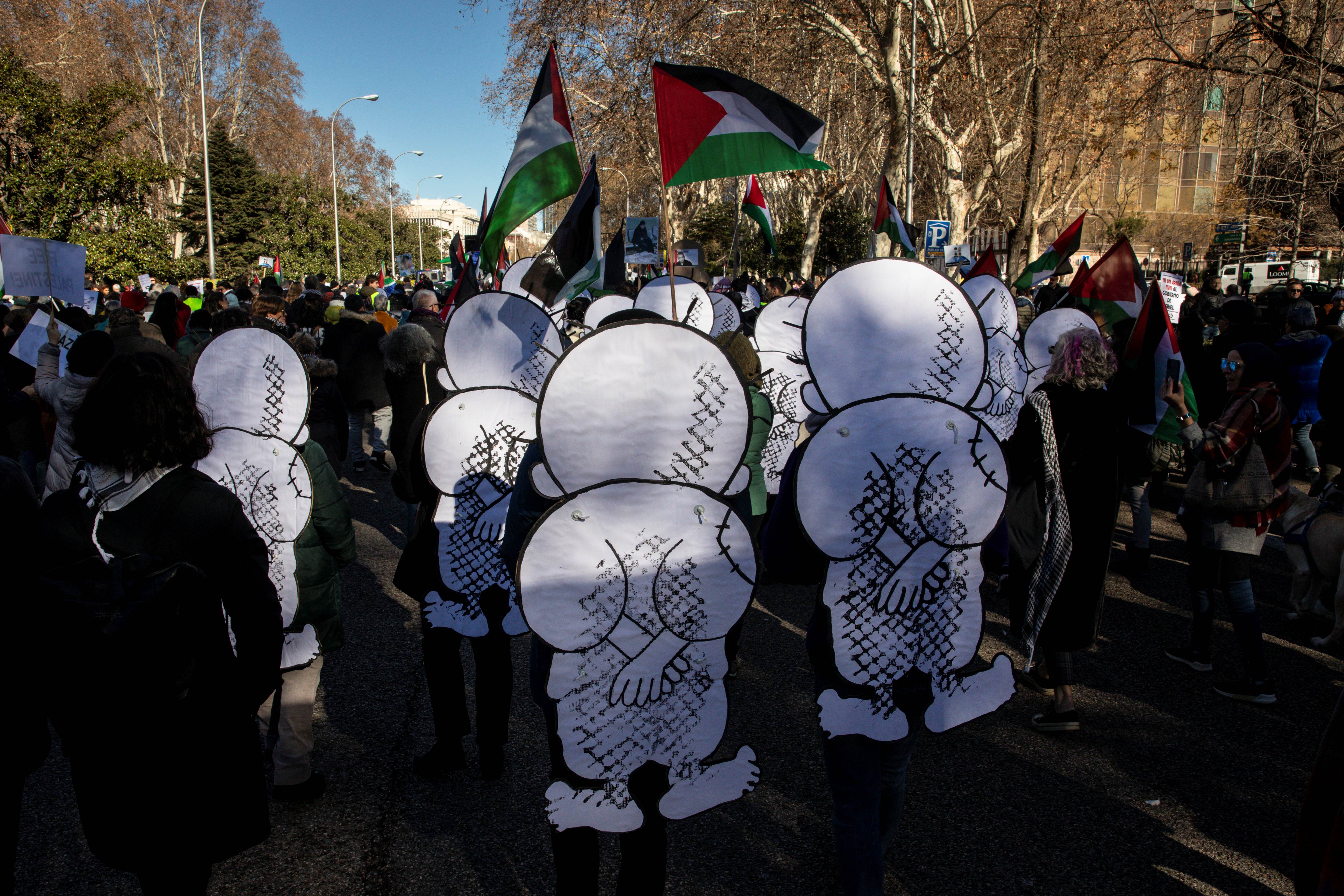
From Srulik to Handala: Caricature as a Media Symbol

From the pro-occupation Israeli character 'Srulik' to the resilient and satirical Palestinian 'Handala', caricature emerges as another battleground for memory and the future. How did these characters come to be, what is their media symbolism, and why does caricature remain so influential?

Sujood Awais Published on: 14 Jul, 2026
“Sometimes You Work for Years Without Pay” – Cameroonian Journalists Demand Safety Nets

While many journalists demonstrate admirable resilience in producing quality journalism under precarious conditions, resilience should not be the only safety net. Journalism deserves protection, because democracy depends on it.

Akem
Akem Nkwain Published on: 11 Jul, 2026
When Modi’s Managed Media Met Europe’s Press

A brief, viral exchange in Oslo between Prime Minister Narendra Modi and a Norwegian journalist has exposed the widening gap between India's tightly controlled media environment and traditional adversarial press culture. Over the past decade, open, unscripted scrutiny has increasingly been replaced by carefully managed public relations, image-driven interviews, and direct digital reach. This systemic shift has reshaped the broader landscape of Indian news media, creating a culture of forced deference that prioritises political showmanship over holding power accountable.

Arsalan Bukhari, an independent journalist based in India
Arsalan Bukhari, Mehrunnisa Maryam Published on: 5 Jul, 2026
How Sources Shaped the Story of Gaza’s Aid-Site Killings

In conflict reporting, the question is rarely only about what happened. It is also who gets to explain what happened. The findings here suggest that the answer to that question often shapes the story that audiences ultimately receive.

Djamil Kerrouche Published on: 1 Jul, 2026
The Stringers Behind India’s Breaking News: No Contracts, Credit or Safety

Thousands of rural Indian freelance reporters, called "stringers," face low pay, police harassment, and total abandonment by the big TV networks that rely on them. These local journalists risk their lives to film breaking news like riots and rallies, but they work without contracts, insurance, or legal help when they get into trouble. This unfair system forces poor, small-town reporters to take on all the danger alone just to keep the national 24-hour news channels running.

Hanan Zaffa
Hanan Zaffar, Majid Alam Published on: 27 Jun, 2026
Why Have Print Newspapers Disappeared in Gaza?

The genocidal war has systematically devastated the media sector in the Gaza Strip. With the occupation destroying over 150 media organizations, printing presses have completely shut down, forcing all newspapers to shift entirely to digital coverage.

Mohamed Abu Shahma Published on: 24 Jun, 2026
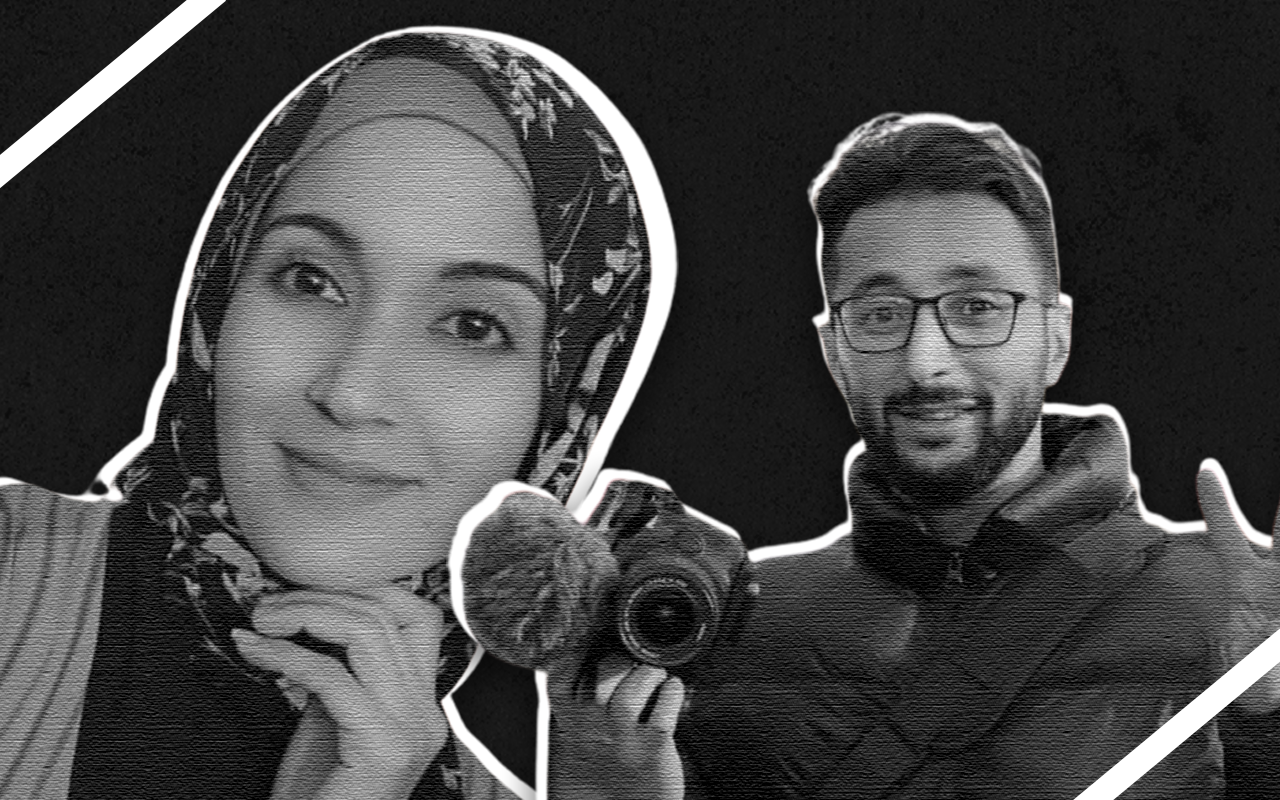
Mohamed al-Khalidi and Marwa Muslim: Forgotten in Life, Vindicated in Death

The occupation killed journalists Mohamed al-Khalidi and Marwa Muslim as part of a systematic pattern of targeting the press, but throughout their careers they also faced neglect, marginalisation, and a lack of recognition. Colleague Maysoun Kahil tells their story, and asks why Palestinian journalists are so often honoured only after death, rather than supported in life.

Maysoun Kahil Published on: 17 Jun, 2026
The Double Ordeal of Freelance Journalists in Gaza

Independent journalists in Gaza face a dangerous double battle. Working without institutional protection or financial safety nets, they risk their lives to report the reality of war, overcoming severe resource shortages and systemic neglect to ensure the world hears the truth.

Noor Abu Rokba Published on: 14 Jun, 2026
The Left and the Right in One Front Against Journalism in South America

Journalism in Latin America is facing a crisis of hostility. In the age of political polarization, governments from both the left and the right are not merely managing states; they are actively harassing critical voices, imposing institutional censorship, and enforcing official narratives that attack independent media to silence disagreement and fake democracy across the region.

Noe Zavaleta
Noe Zavaleta Published on: 8 Jun, 2026
How Journalists are Combating Cybertroopers 

The brutal state crackdown in Đồng Tâm highlights a intensifying withdrawal from free expression in Vietnam, heavily driven by the regime's deployment of state-backed cyberarmies like Force 47. As these digital actors systematically intimidate and mass-report critics, tech giants like Meta further compound the issue by increasingly acquiescing to government censorship requests to protect market share. This coordinated digital assault leaves a dangerous gap in the global conversation, forcing independent journalists to navigate severe online hostility and risk arbitrary imprisonment just to expose state overreach.

AJR Contributor Published on: 25 May, 2026