كيف تعيد غزة تعريف العمل الصحفي

كيف تعيد غزة تعريف العمل الصحفي

ترجمة: إيمان أبو حيّة
 

واجب الصحفيين يقتضي قول الحقيقة، ومع ذلك، وفقًا لنموذج الدعاية الذي وضعه نعوم تشومسكي وإدوارد هيرمان، يتمثل دور وسائل الإعلام في تسلية الجماهير وترفيههم وإعلامهم وغرس القيم والمعتقدات وقواعد السلوك التي من شأنها دمجهم في البنى المؤسسية للمجتمع الأكبر.

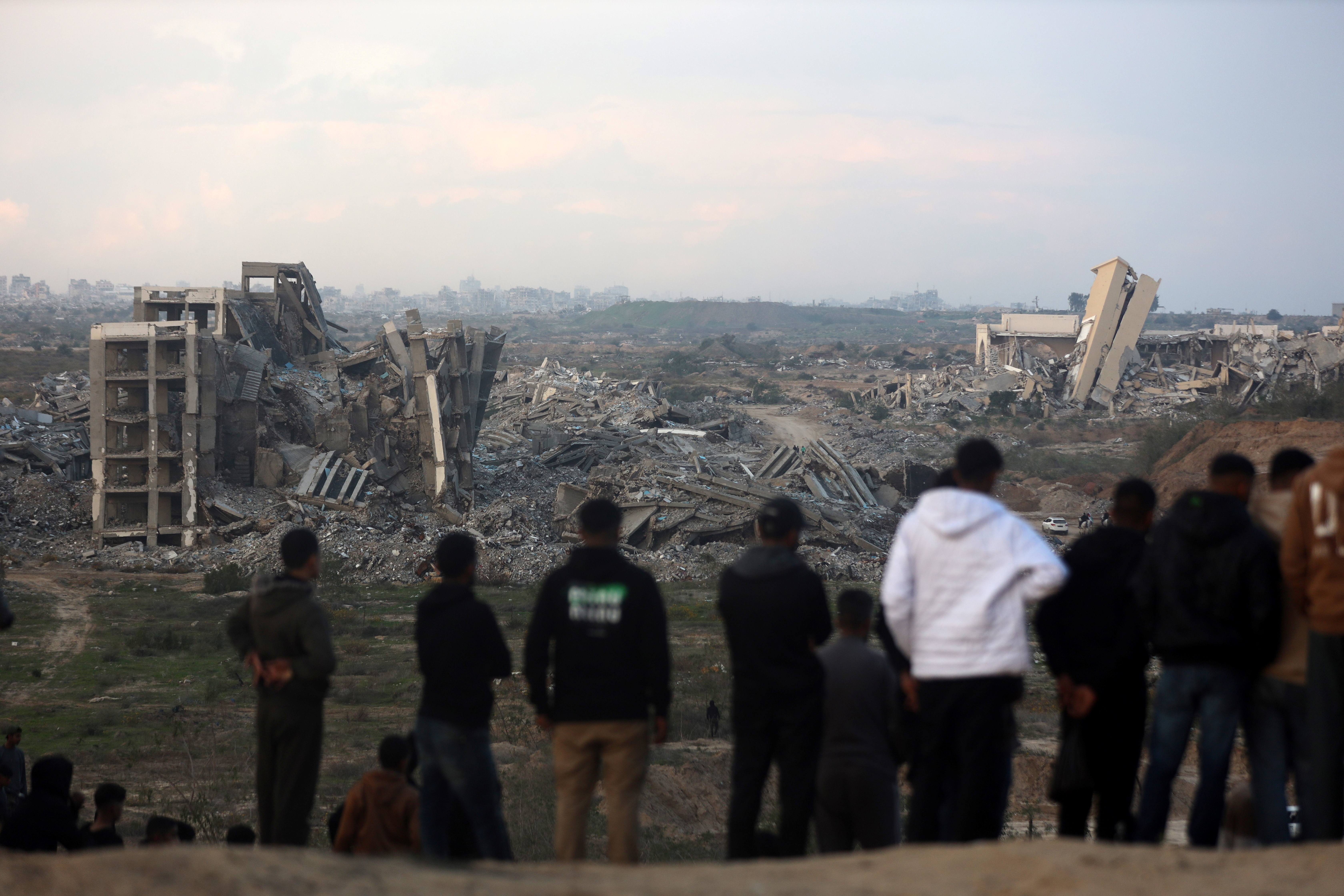
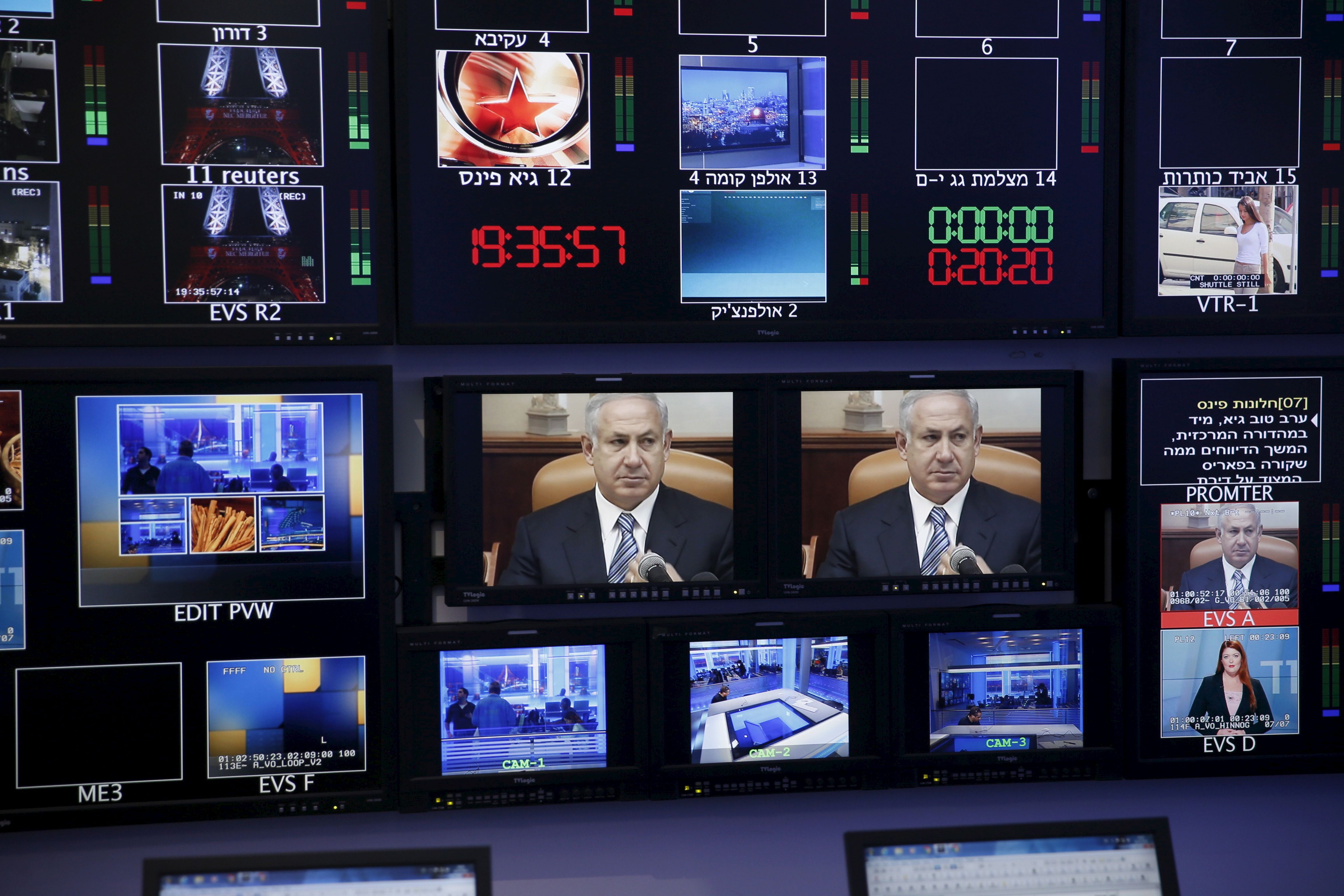
ما قامت به وسائل الإعلام الغربية في تغطيتها للإبادة الجماعية الراهنة في فلسطين يعد أوضح مثال معاصر على حملة التلاعب الذي تمارسه وتتورّط فيه.

لقد دفعت القيود الإسرائيلية المفروضة على دخول الصحفيين الأجانب لغزة إلى كتابة رسالة  مفتوحة وُجّهت إلى السلطات الإسرائيلية في يوليو/تموز 2024، ورغم ذلك، تواطأ العديد من الموقعين عليها - بوعي كامل - على رواية القصة من منظور صهيوني، وأصرّوا على تهميش سردية الصحفيين الفلسطينيين المستندة إلى الأدلة، رغم كفاءتهم المهنية العالية في أرض الميدان، وانخرط كثيرون بالترويج لمزاعم لا أساس لها من الصحة حول قطع رؤوس الأطفال والاغتصاب المنظَّم وصولًا إلى الرقابة الذاتية على المحتوى الذي يكشف معاناة الفلسطينيين.

الصحفي كريس دويل مدير مجلس التفاهم العربي البريطاني كتب حول ذلك: "من الواضح أن العقلية السائدة لدى العديد من السياسيين والشخصيات الإعلامية في أوروبا والولايات المتحدة تقوم على أن الصحفيين الفلسطينيين في غزة لا يُعترف بهم ولا يمنحون أي اعتبار". ويضيف: " إنّهم يُعاملون كما لو أنهم غير جديرين بالثقة، وعاجزون عن أداء عمل صحفي مهني."

إن الهوّة بين ما يعرضه الفلسطينيون لنا وبين ما تنتقيه وسائل الإعلام الغربية المختلفة وتعرضه، يدل على تحول خطير في المعايير الصحفية السائدة، تلك التي يُفترض أنها تقوم على مبدأ أساسه قول الحقيقة.

إلا أن هذا التحوّل لم يبدأ اليوم، بل هو جزء من سيرورة طويلة عبّر عنها ستيوارت آلان في كتابه "شهادة المواطن: إعادة تصوّر الصحافة في زمن الأزمات" بالقول: "عند النظر إلى عدد من السياقات الوطنية، يبدو من المنصف القول إنه قد طرأ على مدار القرن الماضي تبدّلٌ تدريجيٌ - ولو أنه متفاوت- في التصورات المتنوعة للصحافة؛ فنًا كانت أو حرفة أو تجارة أو رسالة أو مهنة. وقد تم ذلك لصالح "مكانة" مهنيةٍ حصريّة مدّعاة؛ وذلك لضمان التميّز عن غير المحترفين وغير المختصين من العامة".

إن الهوّة بين ما يعرضه الفلسطينيون لنا وبين ما تنتقيه وسائل الإعلام الغربية المختلفة وتعرضه، يدل على تحول خطير في المعايير الصحفية السائدة، تلك التي يُفترض أنها تقوم على مبدأ أساسه قول الحقيقة.


لكن - في ظل غياب هؤلاء الصحفيين الذين تُنسب إليهم "الاحترافية المهنية" -  تحوّل الكثير من الشباب الفلسطينيين بفعل شهادتهم على هذه الحرب إلى صحفيين. هكذا أصبحنا نعتمد على عدد كبير منهم لمتابعة التحديثات اليومية، كما برز بعضهم واكتسبوا شهرة خاصة وحضورًا كبيرًا، ممّن أرسوا نمطًا من السرد الصحفي الذي يتسم بالعمق العاطفي غير المحايد، ولكنه ينسجم مع المعايير النقدية في كونه محتوى صادقًا. ومن خلال التغريدات والمقاطع المصوّرة، والتقارير والمقالات، لم تكن قدرة هؤلاء الشباب على توثيق الحقيقة نقيضًا لمشاعرهم، بل منبعثة منها ومتشابكة معها.

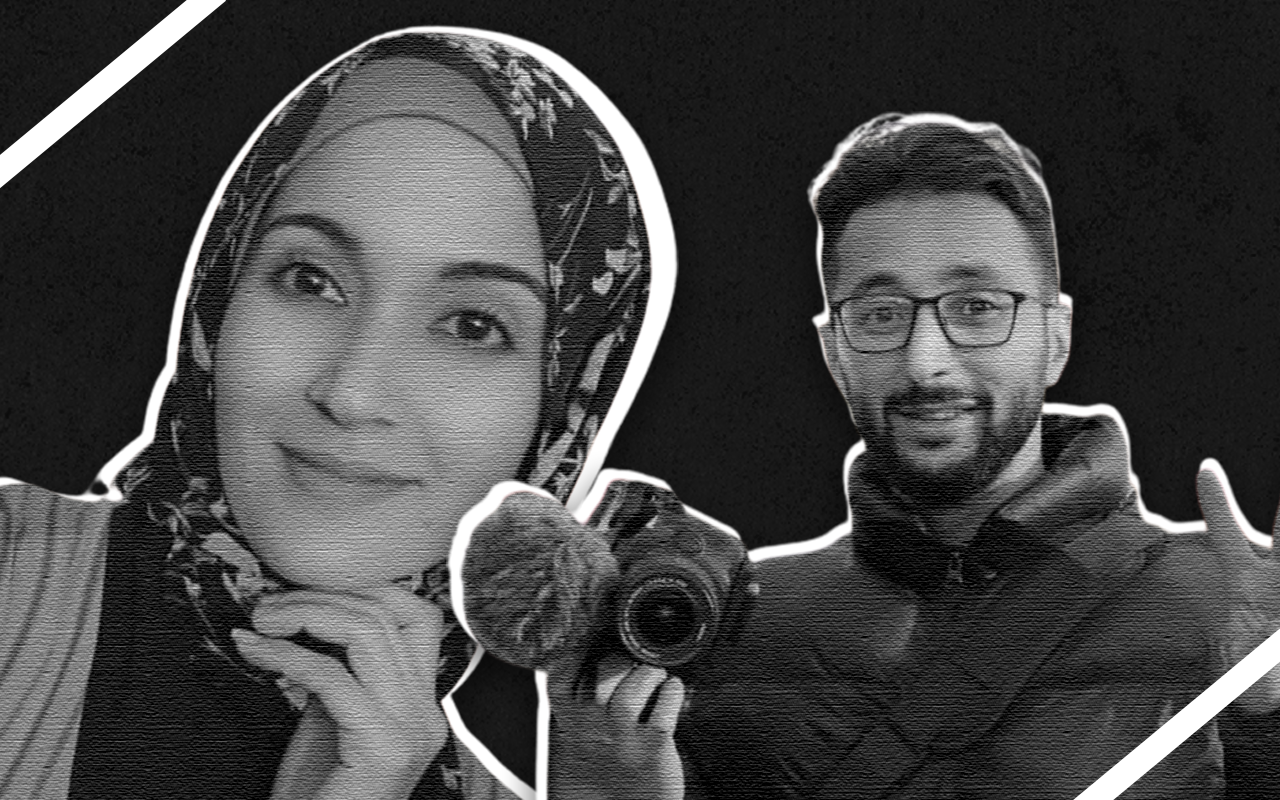
لقد دفعتهم قسوة الواقع الذي يعيشونه إلى الاقتراب من الحقيقة أكثر مما يسع أي صحفي من خارج غزة تصويره أو التعبير عنه حتى لو رغب في ذلك. وكما كتب الصحفي الفلسطيني حسام شبات في تمهيد موجع سبق مقتله على يد قوات الاحتلال في 25 مارس/آذار 2025: "على مدى الثمانية عشر شهرًا الماضية، كرّستُ كل لحظة من حياتي لشعبي. وثّقتُ الفظائع في شمال غزة دقيقةً بدقيقة، مصمّمًا على أن أُظهر للعالم الحقيقة التي حاولوا طمسها."

صحفي الصدفة

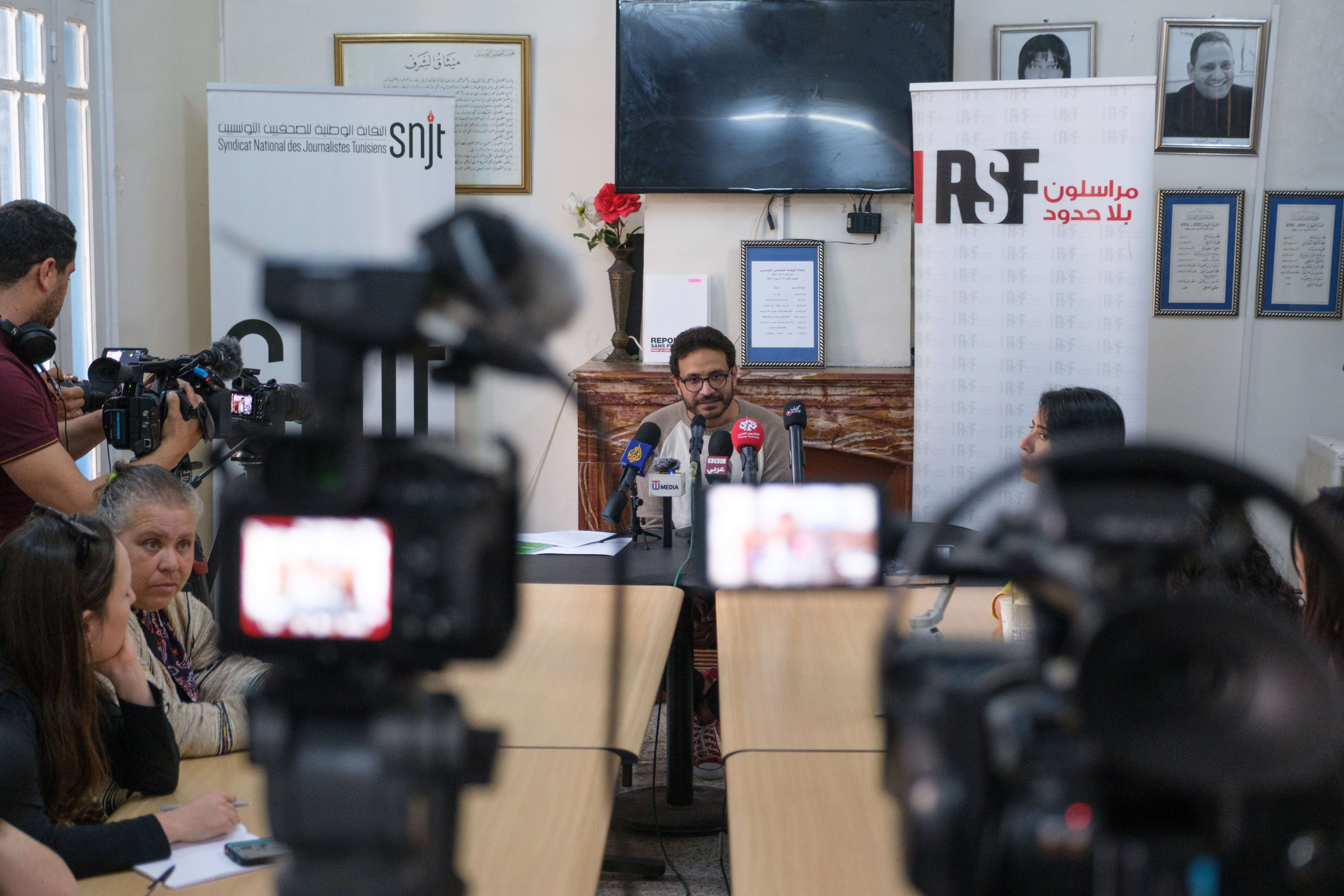
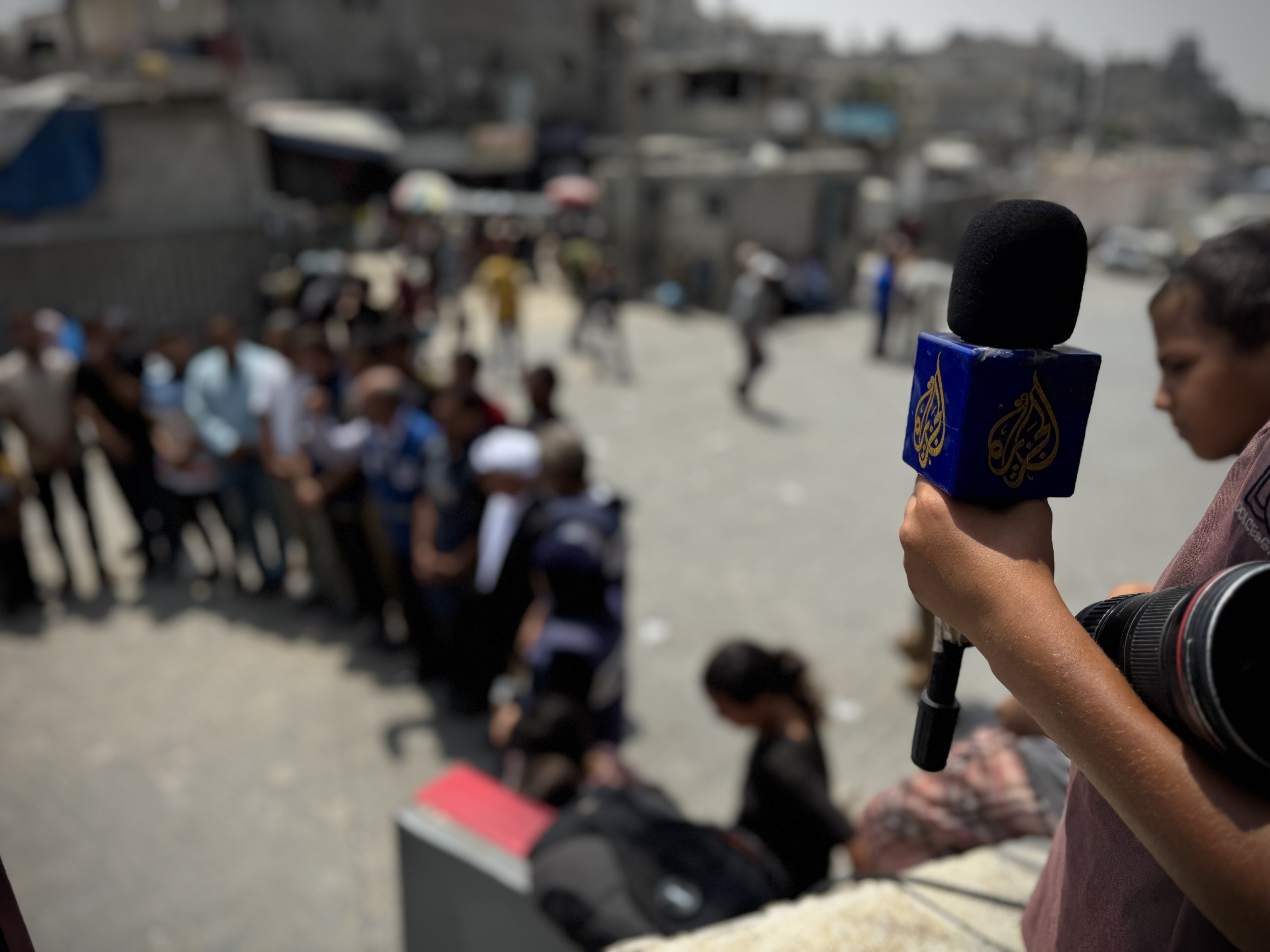
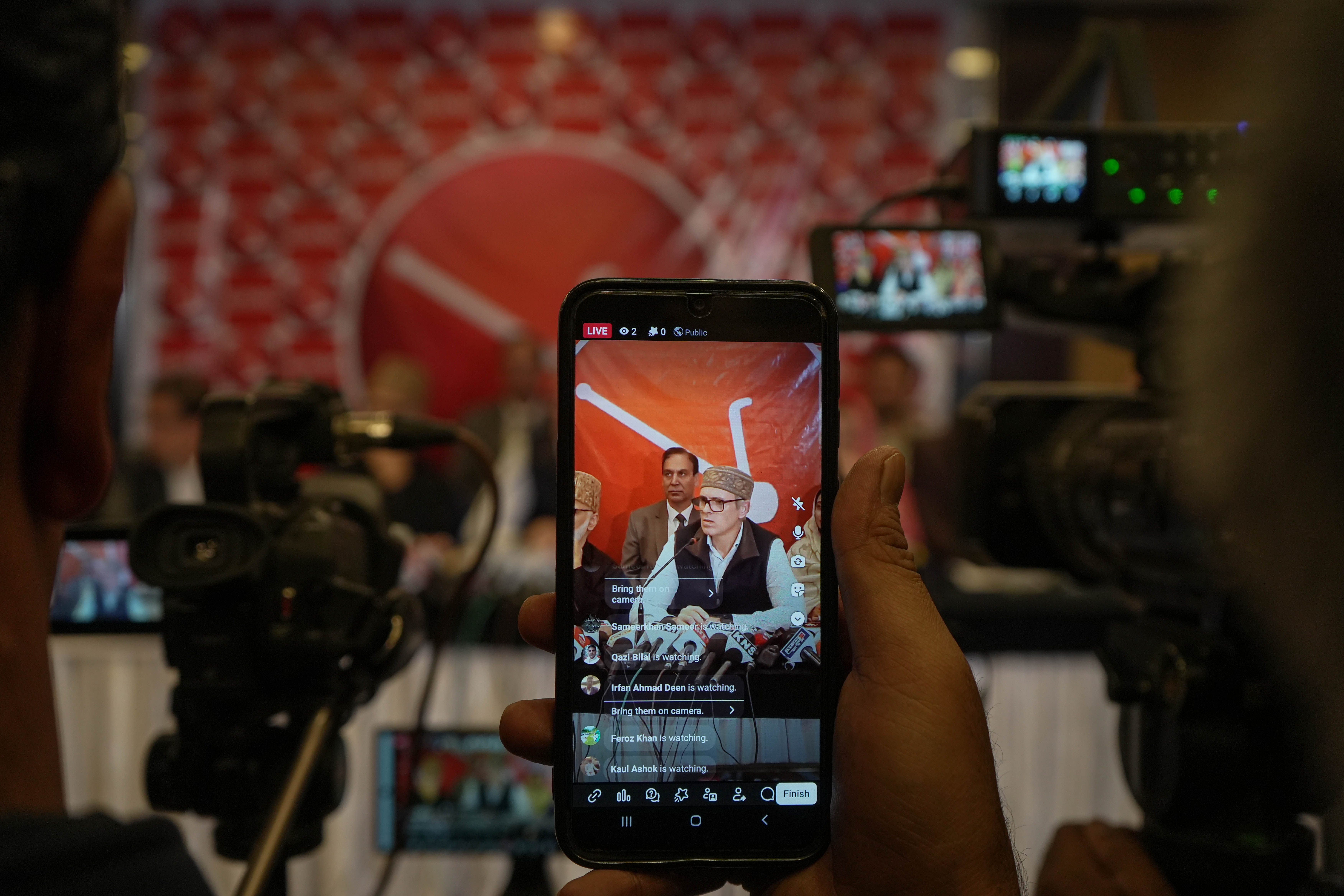
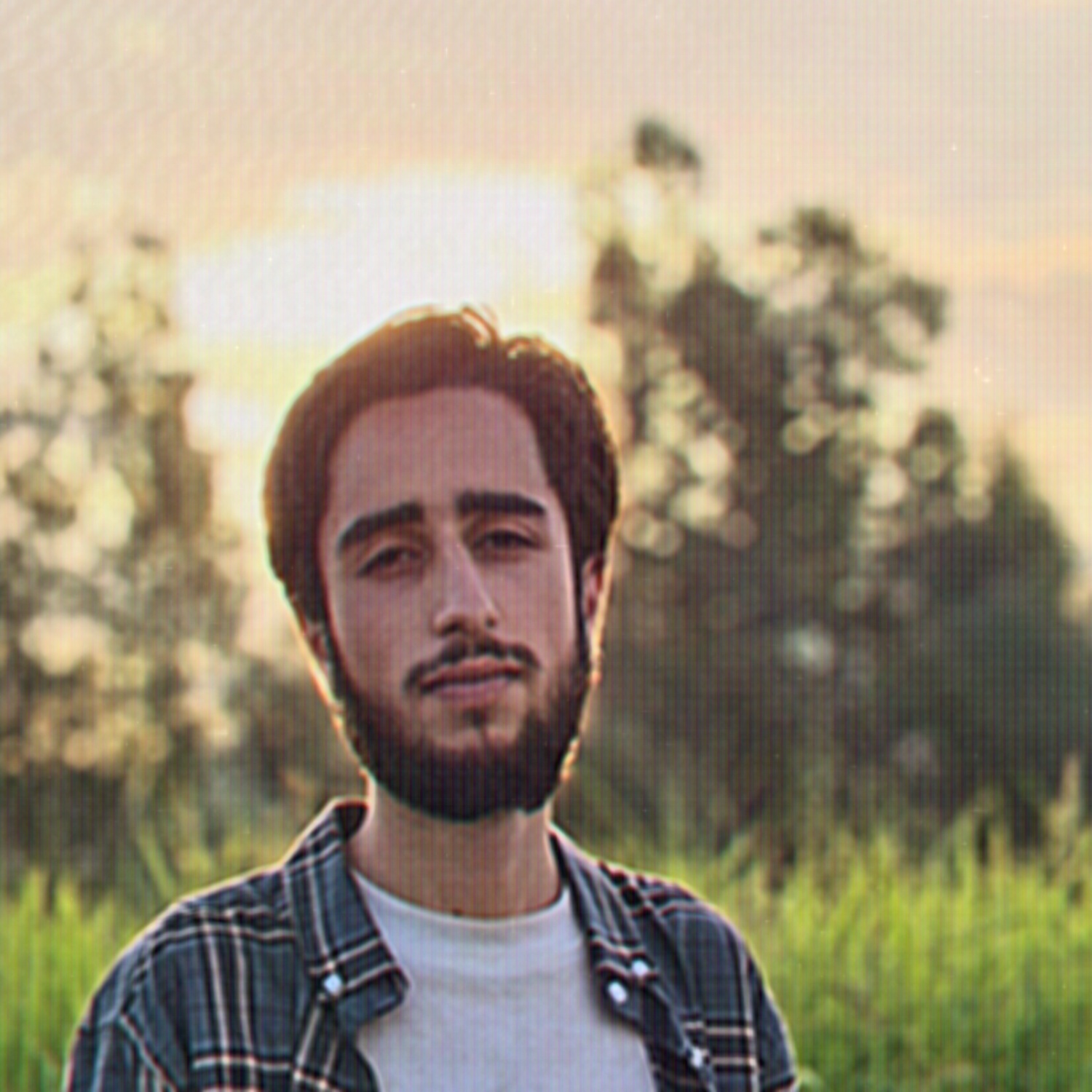
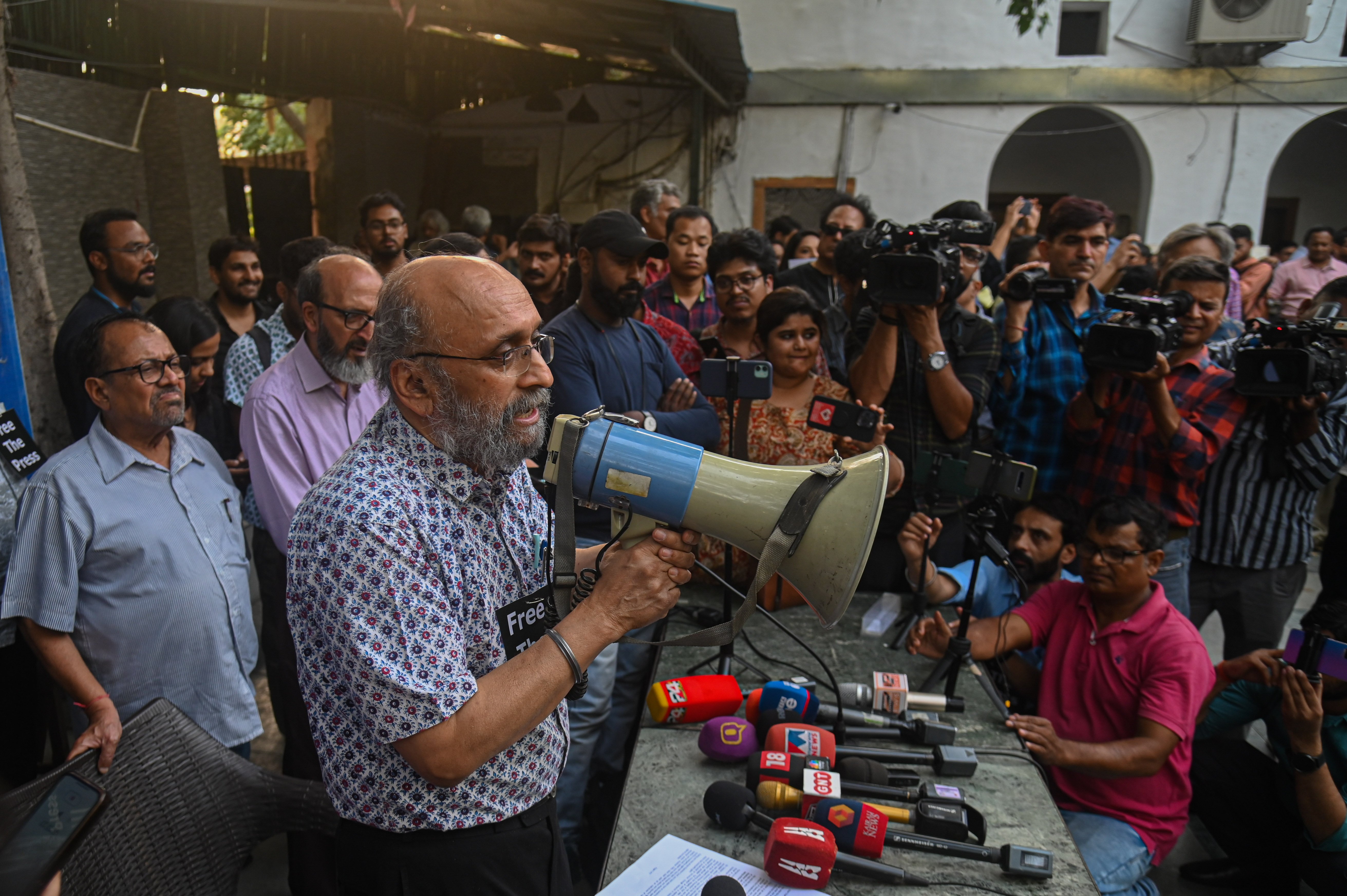
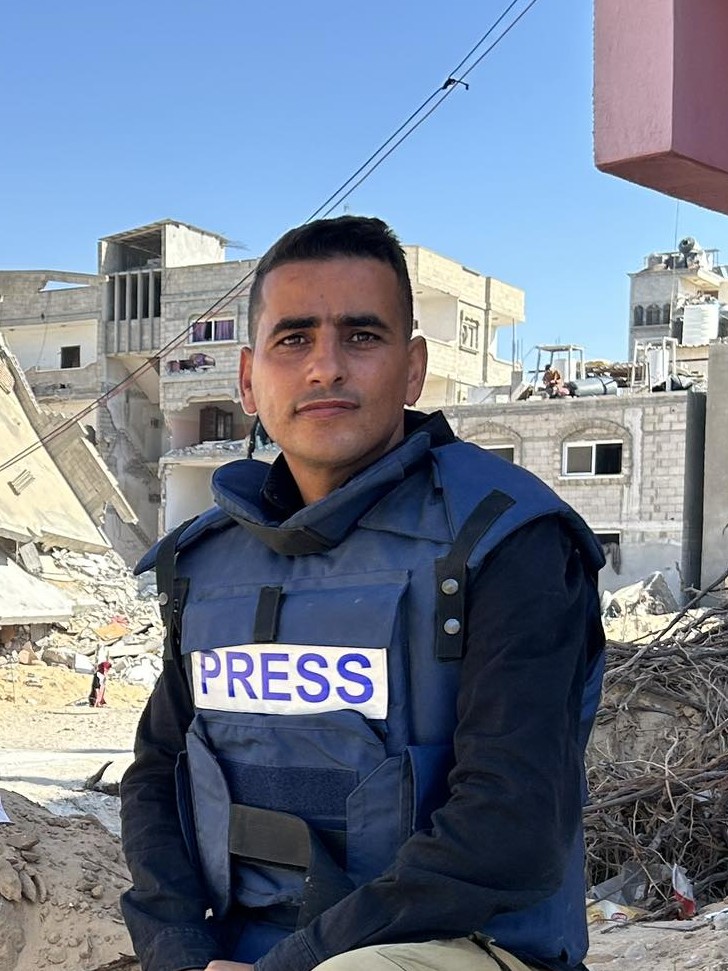
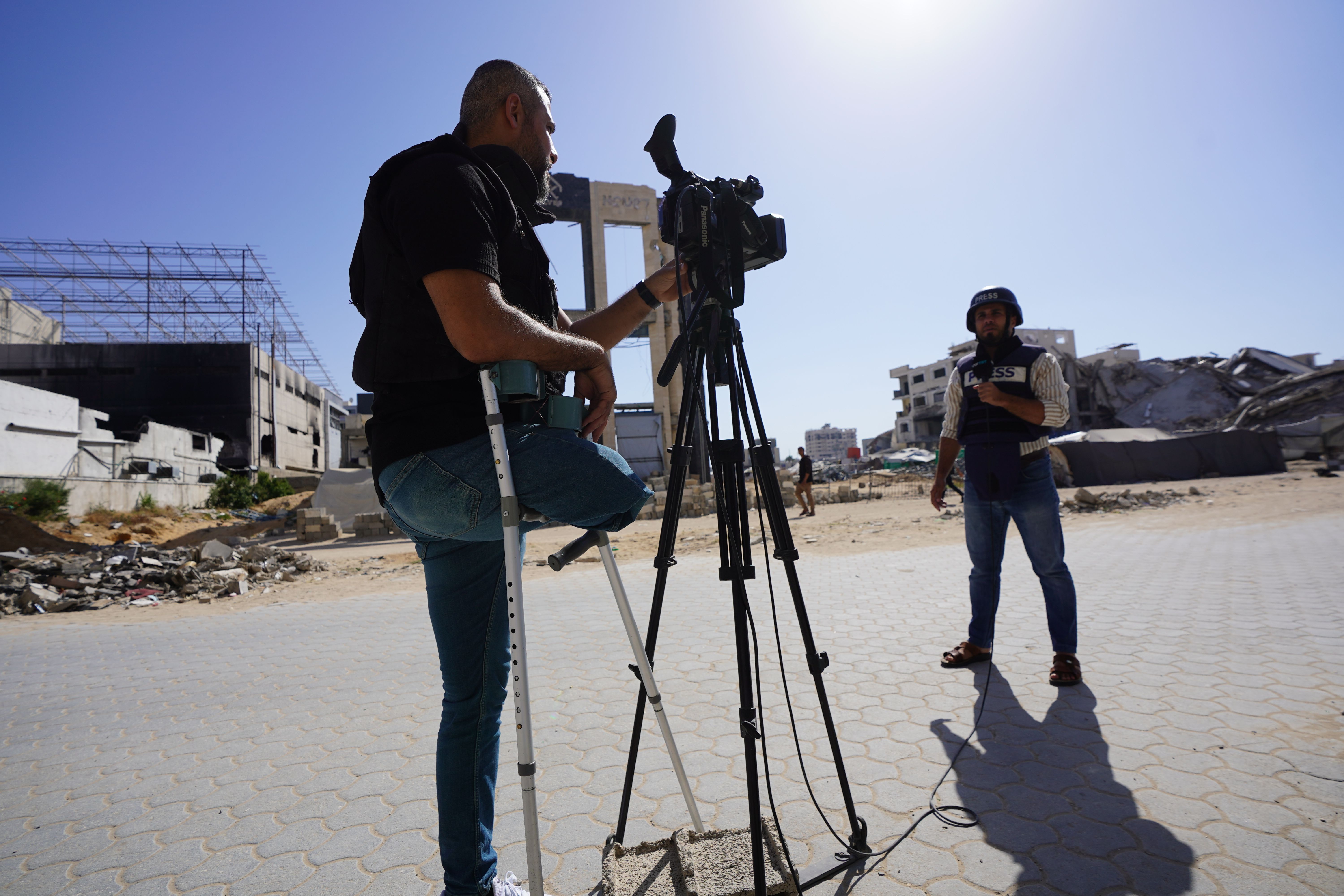
يقول الصحفي أبو بكر عابد صحفيٌّ "وليد الصدفة" في ظل الحرب، الذي ولد على الخطوط الأمامية للإبادة الجماعية التي أودت بحياة ما لا يقل عن  60 ألف فلسطيني منذ السابع من أكتوبر/تشرين الأول 2023: "لقد أُنتجت الصحافة الفلسطينية في ظل أكثر الظروف رعبًا". (7)  ومع ذلك "لقد خذلنا المجتمع الدولي، وخصوصًا المؤسسات الإعلامية الدولية". قالها عابد بينما كان محاطًا بزملائه من الصحفيين الفلسطينيين خلال مؤتمر صحفي عُقد في يناير/كانون الثاني. ورغم أنهم تولوا المهام التي درجت العادة أن يتولاها مراسلون ذوو خبرة، إلا أنهم لم يحظوا بأي حماية.


 في ظل غياب الصحفيين الذين تُنسب إليهم "الاحترافية المهنية"، تحوّل الكثير من الشباب الفلسطينيين بفعل شهادتهم على هذه الحرب إلى صحفيين. هكذا أصبحنا نعتمد على عدد كبير منهم لمتابعة التحديثات اليومية، كما برز بعضهم واكتسبوا شهرة خاصة وحضورًا كبيرًا، ممّن أرسوا نمطًا من السرد الصحفي الذي يتسم بالعمق العاطفي غير المحايد.


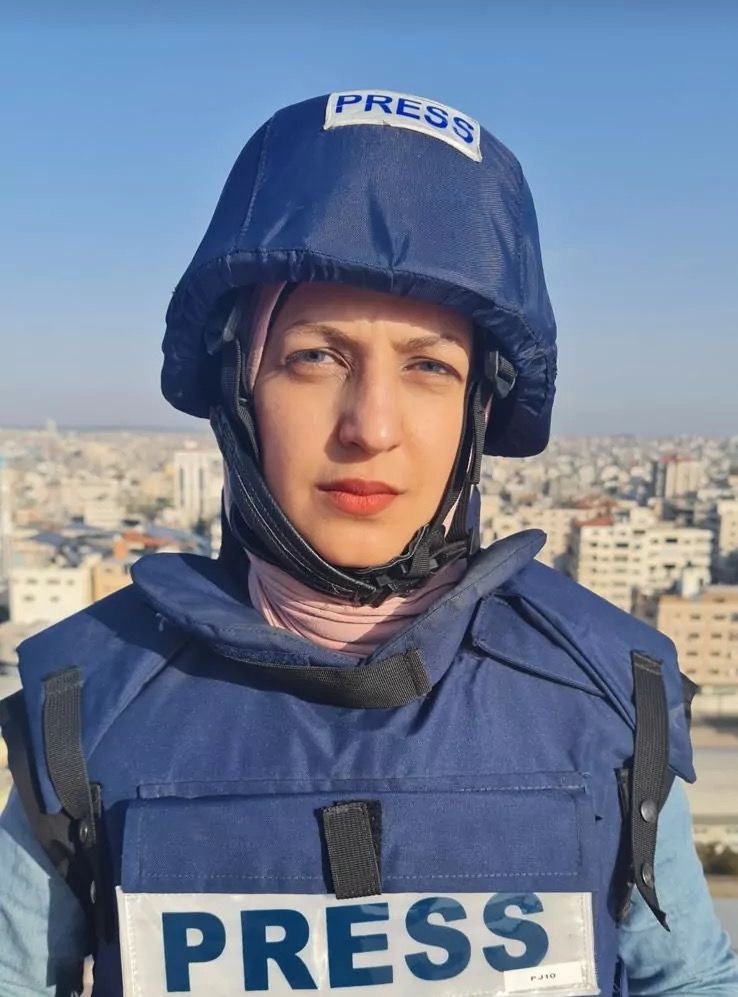
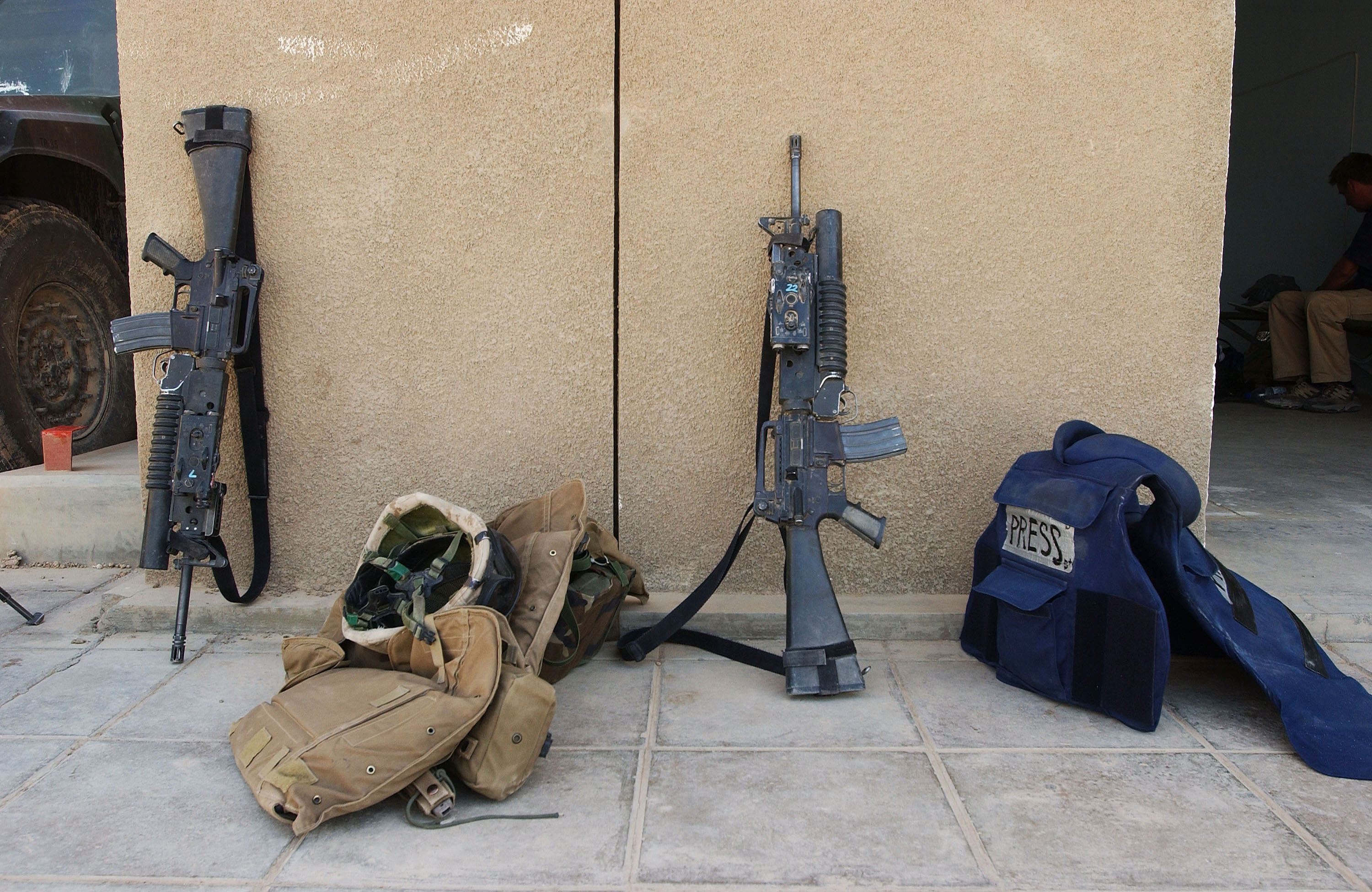
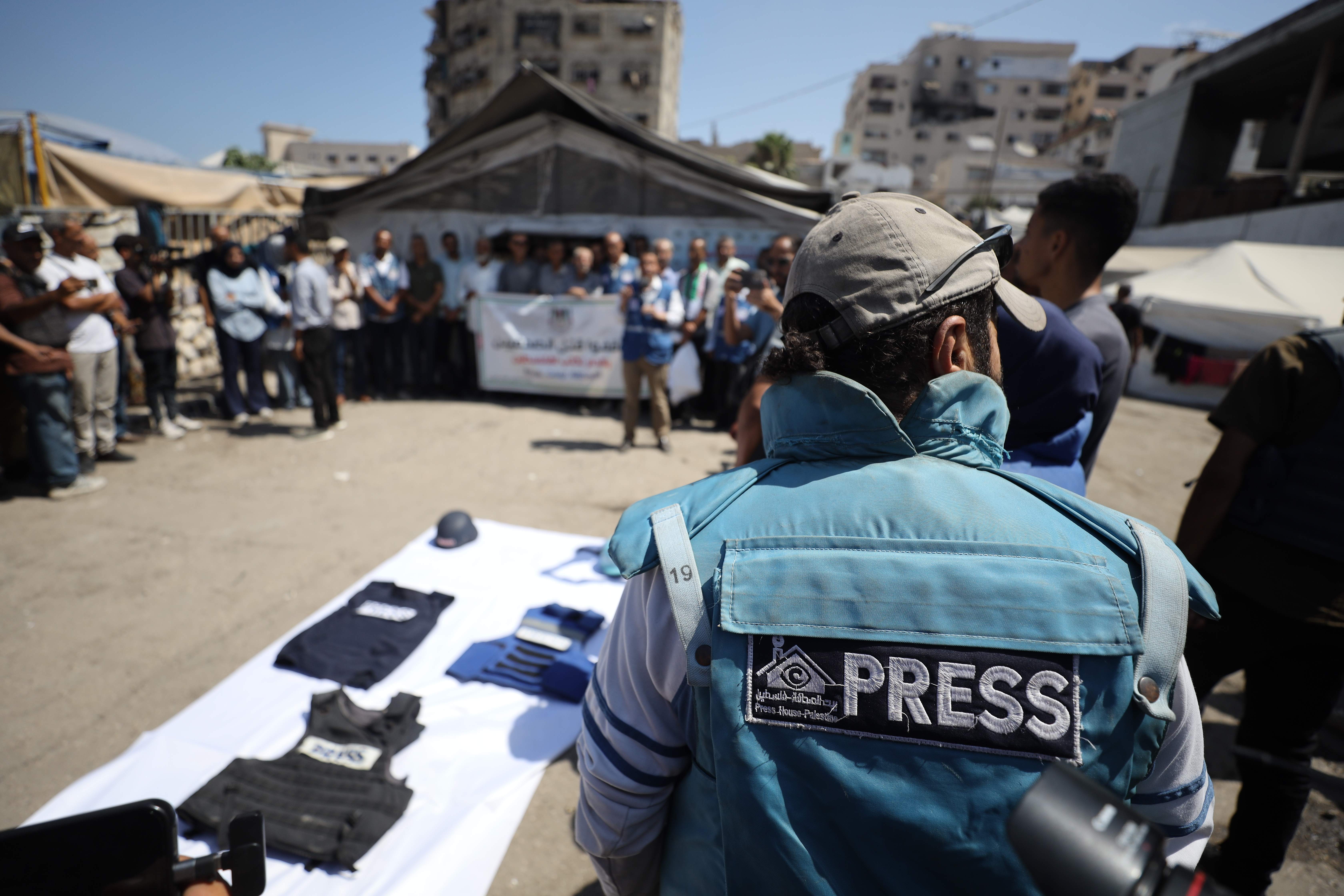
تنص المادة 79 من البروتوكول الإضافي لاتفاقية جنيف على أن "الصحفيين المشاركين في مهام مهنية خطرة في مناطق النزاع المسلح يُعتبرون مدنيين." ويُفترض أن يُطبّق ذلك " دون المساس بحق المراسلين الحربيين المعتمدين لدى القوات المسلحة"، كما ورد في المادة 4. لكن هذا الإطار القانوني لم يُطبّق، ولا يزال الصحفيون الفلسطينيون يدفعون الثمن حيث قُتل ما لا يقل عن 214 صحفيا إلى حدود الآن في إسرائيل والأراضي الفلسطينية المحتلة منذ أكتوبر/تشرين الأول 2023، وهذا يجعل فلسطين "أخطر دولة في العالم على الصحفيين". وفي غزة وحدها، تشير مصادر أخرى إلى أن العدد قد يكون أعلى بكثير. وعلى هامش ذلك يرى كريس دويل أنه: "في القرن الواحد والعشرين ينبغي بذل جهد أكبر لحماية الصحفيين في مناطق النزاعات؛ لأن الحرب الإعلامية أصبحت على مستوى مختلف كليًا، والتحكم في السرد بات أمرًا بالغ الأهمية."

وبالنسبة لأبو بكر عابد، فإنّ مواصلة العمل الصحفي واجب لا محيد عنه؛ لأن خصومه في معركة التحكم بالسردية لا يقتصرون على مُحتلّه فحسب، بل فيهم أيضًا قادة العالم ووسائل الإعلام الغربية الرئيسية. ويشرح ذلك قائلا: "ما نكتبه وما نوثّقه وما نتحدث به هو شكل من أشكال المقاومة ضد الاحتلال، أعلم أنني أبلغ من العمر 22 عامًا فقط، لكنني مستعد للتضحية حتى آخر نفس". وبهذا الحس المسؤول تجاه الإنسانية - الذي يغيب بشكل كبير في تغطية وسائل الإعلام الغربية - ستظل أحلامه وتطلعاته كصحفي رياضي في المقام الثاني دوما: " حتى لو أصبحتُ مراسلًا رياضيًا، فإنني سأكون حاضرًا كلما احتاجتني غزة؛ سأترك أي شيء، وسأتخلى عن كل شيء من أجل وطني، من أجل فلسطين."

بهذا المعنى، تتجاوز الصحافة الفلسطينية حدود ما يمكن أن تعنيه الصحافة إذا كان هدفها الأساس هو الهيمنة، كما أنها تمثل أنقى وأخطر أشكال الصحافة كما جسّدت ذلك رسالةُ الوداع المفجعة التي كتبها حسام شبات "خاطرتُ بكل شيء من أجل نقل الحقيقة."


تحدي حياد الإعلام الغربي

في أغسطس/آب 2017 كتبت كريستيان أمانبور مذيعة شبكة سي أن أن: "علينا دائمًا أن نكون صادقين، لا محايدين" كما أضافت: ""لقد تعلّمتُ من حرب البوسنة ألّا أقع في فخّ المساواة الأخلاقية الزائفة."  ومع ذلك، وفي تظاهر فاضح بالحياد، فإن وسائل الإعلام الغربية ضبطت ساعة الرواية على السابع من أكتوبر.
فبعد سبعة عشر شهرًا، لا تزال سي أن أن نفسها تصف "الحرب على حماس في غزة" بأنها "ردّ على هجمات 7 أكتوبر".
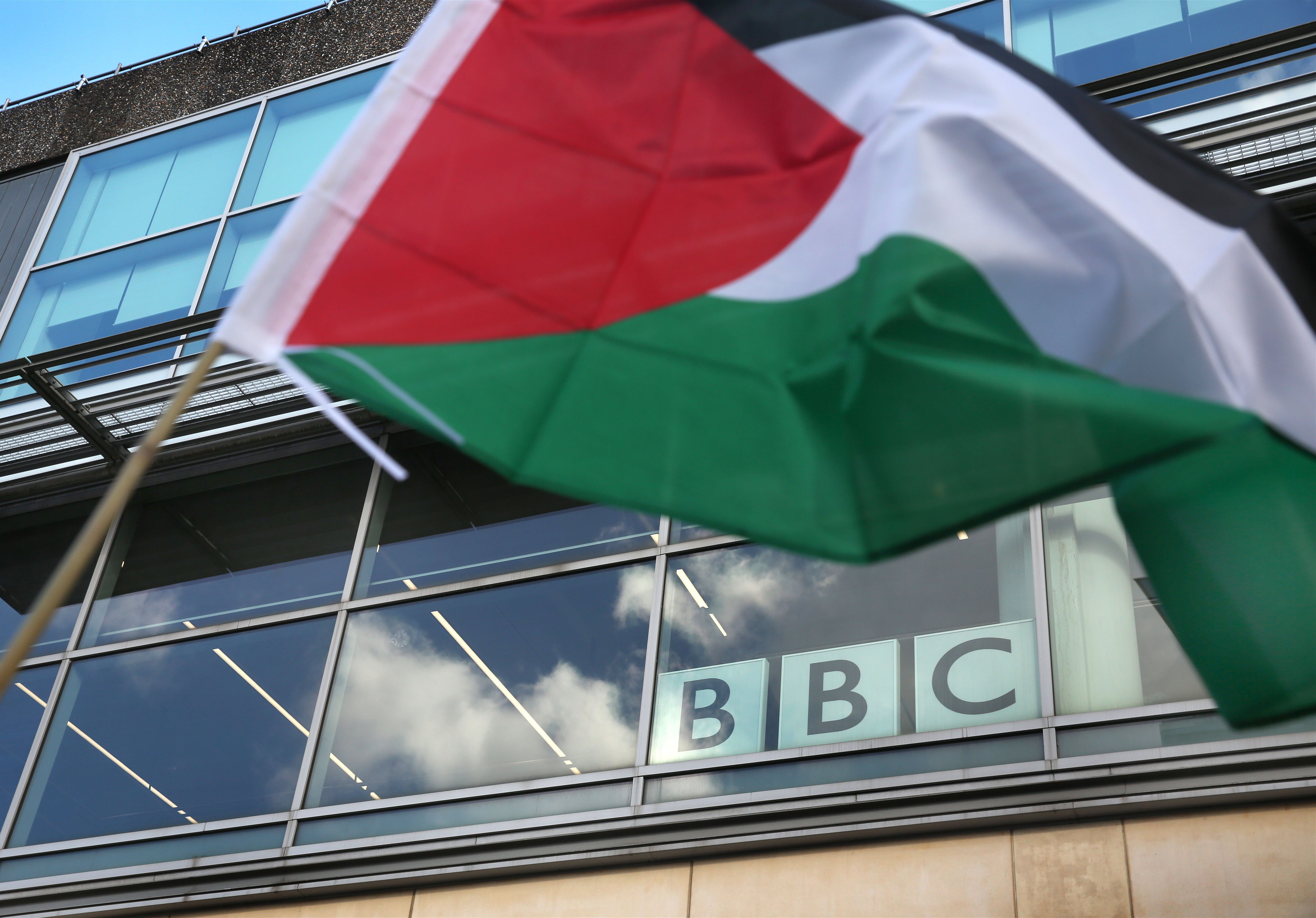
وفي المقالات التي توثق جرائم الحرب الإسرائيلية الأخيرة والانتهاكات المتكررة لاتفاق وقف إطلاق النار، لا تغفل هيئة الإذاعة البريطانية عن الإشارة دائمًا إلى أن "هجوم حماس في أكتوبر 2023 أسفر عن مقتل نحو 1200 شخص".
أما في صحيفة التايمز - وفقًا لتحقيق نشره موقع Declassified UK  للصحفي حمزة يوسف - فقد تم تغيير عبارات مثل "منذ أكتوبر 2023" لتُصبح "منذ هجمات حماس". 

هذا النوع من السرد هو محاولة مستمرة لصياغة "مساواة أخلاقية زائفة" بين هجوم حماس والإبادة الجماعية التي تنفّذها إسرائيل، وبين مقتل 1,139 إسرائيليًا ومقتل ما لا يقل عن 60 ألف فلسطيني، وبين يوم واحد من العنف و76 عامًا من الاحتلال.
وقد أدى هذا التزييف في معادلة السرد  إلى انحيازٍ صريح دون جهد، لا سيما من قبل الوسيلة البريطانية التي تشتهر بشعارها: "الالتزام بتحقيق الحياد الواجب في جميع موادها الإعلامية". 
كما صرح أحد صحفيي BBC لموقع Declassified UK :  "رغم انعدام التناسب في هذا الصراع، كان محررو البرامج يصرّون على 'موازنة' الأصوات الفلسطينية بنظيرتها الإسرائيلية." ويتسائل أبو بكر عابد حول ذلك: "ما دور الموضوعية في هذا السياق بالذات؛ في سياق الإبادة؟ ما معنى الموضوعية حين أرى الأطفال ممزّقي الأوصال أمام عيني؟ ما هي إن لم تكن مجرد تبرير للعنف؟".


بالنسبة لأحمد شهاب الدين وغيره من الصحفيين الفلسطينيين في الشتات، فإن العلاقة بين الهوية والتجربة لا يمكن نفيها. وفي ثقافة إعلامية تُعدّ فيها الموضهذا النوع من السرد هو محاولة مستمرة لصياغة "مساواة أخلاقية زائفة" بين هجوم حماس والإبادة الجماعية التي تنفّذها إسرائيل، وبين مقتل 1,139 إسرائيليًا ومقتل ما لا يقل عن 60 ألف فلسطيني، وبين يوم واحد من العنف و76 عامًا من الاحتلال.


وفي حالة جديدة من الانحياز المتخفي في ثوب الموضوعية، قامت هيئة الإذاعة البريطانية بسحب فيلم وثائقي بعنوان "غزة: كيف تنجو في منطقة حرب"، وذلك بعد موجة انتقادات تتعلق بوالد الراوي، الذي شغل منصب نائب وزير الزراعة في حكومة حماس.
أما الراوي نفسه، الطفل عبد الله اليازوري، البالغ من العمر ثلاثة عشر عامًا، فقد عبّر في حديثه مع موقع "ميدل إيست آي" عن خيبة أمله العميقة من القرار، قائلًا: "عملت على هذا الفيلم الوثائقي لأكثر من تسعة أشهر، فقط ليُحمى ويُحذف بهذه البساطة. واكتشفت قرار سحبه من الأخبار التي كانت تُتداول حوله. ولا، ولم أتلقَ أي اعتذار من بي بي سي."

وفي سياق مماثل، أشارت إليه الصحفية السابقة في الهيئة البريطانية كاريشما باتيل، في مقال يتحدث عن قرار استقالتها؛ كتبت تقول: "تفشل الموضوعية عندما تصبح وسيلتها الأساسية هي الموازنة المستمرة بين "طرفي" القصة وكأن كليهما على القدر ذاته من الصدق. المؤسسة الإعلامية التي ترفض الوصول إلى حقائق واضحة، تتحوّل إلى أداة في حرب المعلومات، حيث يُغرق أصحاب النيات السيئة منصات التواصل بادعاءات لا أساس لها، فيسقط الجميع في "ضباب" ما بعد الحقيقة. في مثل هذا السياقات تظل الحقائق المستندة إلى الأدلة وحدها هي القادرة على تبديد هذا الضباب." 


الصحفيون الناشطون: دروس من فلسطين

يرى الصحفي البريطاني الفلسطيني حمزة يوسف أن "محاولة تحقيق توازن مصطنع أو ادّعاء الحياد في وجه الظلم، هو شكل من أشكال التواطؤ." وردًّا على هذا التواطؤ، يدفع الصحفيون المستقلون والمواطنون الصحفيون باتجاه إعادة تصوّر الدور الصحفي.  ومن خلال تحدي الرواية المؤسسية، وكشف الانحياز، وإعلاء أصوات غزة فإنهم يقودون تحولا في المهنة يجعل من الشهادة على الإبادة مهمة أساسية لا تقبل المساومة.

هذا الدمج بين الصحافة والناشطية - بوصفها سياسة أو سلوكًا - يهدف إلى إحداث تغيير اجتماعي وسياسي يشجع على القيام بإعادة تصور جوهري للدور الصحفي؛ بحيث لا تُشوَّه الحقيقة، ولا يُكافأ الانحياز ماليًا أو سياسيًا. ويقول يوسف: "لا بد من إدماج الناشطية في العمل الصحفي، واستخدام العزيمة الأخلاقية والإمكانيات المهنية لكشف وتفكيك الأنظمة التي تُنتج القمع. ولا بد أن يكون العمل الصحفي مدفوعًا ببصيرة أخلاقية".

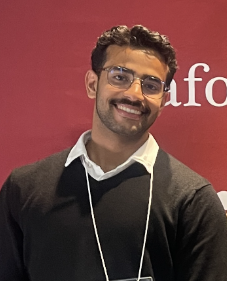
ويوافقه الرأيَّ الصحفيُّ والناشط أحمد شهاب الدين الذي يرى أن العمل بصفة الصحفيّ وصفة الناشط معا لا يتعارضان بالضرورة، ويتسائل: "من يرغب في رواية القصص دون أن يغيّر شيئًا؟".  ورغم أن شهاب الدين راكم خبرة مهنية في العمل في بعضٍ من أعرق المؤسسات الإخبارية في العالم - من بينها هيئة الإذاعة البريطانية وصحيفة نيويورك تايمز، وعمل أستاذًا مساعدًا في كلية الصحافة بجامعة كولومبيا، ويعدّ صحفيًا متمرسًا وفقًا للمعايير المؤسسية السائدة - إلا أنّه يرى أنّ مجرد رواية قصص تُقر بواقع تجاهل النخب الإعلامية المنهجي والمتعمَّد للإبادة الجماعية يعد فعلا من أفعال التحدي والخروج عن المألوف. ويستحضر شهاب الدين ما قيل له أثناء مشاركته في ندوة عام 2012 حول الربيع العربي: "أنت لست صحفيًا، بل ناشط." وكأن الدورين لا يمكن أن يجتمعا. ويضيف: "بالنظر إلى عدد الأوصاف التي أُطلقت عليّ في حياتي، أجد أنه من المثير للاهتمام أن يُقال عني ناشط؛ لأنها قيلت بنية الإهانة، لكنها في الحقيقة كانت مديحًا، وأنا بكل صراحة فخور بها، ولا يمكن إلا أن أكون كذلك."

وبالنسبة لأحمد شهاب الدين وغيره من الصحفيين الفلسطينيين في الشتات، فإن العلاقة بين الهوية والتجربة لا يمكن نفيها. وفي ثقافة إعلامية تُعدّ فيها الموضوعية المعيار النظري للمهنيّة، فإن هذا قد يؤدي إلى حصرهم في قوالب نمطية تُستخدم غالبًا للتشكيك في مصداقيتهم بدعوى أنهم "ناشطون" لا يملكون سلطةً صحفية. لكن حين تصبح الموضوعية غطاءً زائفًا لانحياز مؤسسي، فإن ما يُوصم بأنه "عملُ ناشطين" هو ما يتيح للصحفيين التحقيق في الظلم، ومواجهة التحيزات، وكشف الحقيقة حين تتخلى المؤسسات الصحفية السائدة عن القيام بذلك.

أما بالنسبة للصحفيين في فلسطين وخاصة في غزة - حيث يكون توثيق الشهادة لما يجري في حرب الإبادة مسؤولية وطنية، وضرورة لتحفيز التحرك الدولي - فإن هذا الرابط بين الهوية والتجربة لا يمكن أن يكون أشدّ تداخلًا منه في هذه الحالة؛ وذلك لأنّ هؤلاء الصحفيين كما يؤكّد أبو بكر عابد يكونون بحق "جزءًا من الحدث."
More Articles

Migration Issues and the Framing Dilemma in Western Media

How does the Western press shape the migration narrative? Which journalistic frames dominate its coverage? And is reporting on anti-immigration protests neutral or ideologically charged? This analysis examines how segments of Western media echo far-right rhetoric, reinforcing xenophobic discourse through selective framing, language, and imagery.

Salma Saqr
Salma Saqr Published on: 31 Jan, 2026
Polarised, Intimidated, Silenced: The Media Under Siege in Cameroon’s Election

Cameroon’s 2025 presidential election exposed a troubling paradox: a nation voting under the watchful eye of power, while its press remained silenced. From the arrest of a teenage reporter to bans on political debate and digital manipulation, freedom of expression is under siege, and journalism is on trial.

Shuimo Trust Dohyee
Shuimo Trust Dohyee, Ngweh Rita Published on: 22 Jan, 2026
What Image of Gaza Will the World Remember?

Will the story of Gaza be reduced to official statements that categorise the Palestinian as a "threat"? Or to images of the victims that flood the digital space? And how can the media be transformed into a tool for reinforcing collective memory and the struggle over narratives?

Hassan Obeid
Hasan Obaid Published on: 13 Jan, 2026
Journalism in Mauritania: Behind the Facade of Press Freedom Indicators

Mauritania holds the top position in the Arab world in the Press Freedom Index published by Reporters Without Borders. However, behind this favourable ranking, the media and journalists face significant challenges, chief among them the ambiguity surrounding the definition of a "journalist" and the capacity of media professionals to fulfil their roles in accountability and oversight. Despite official efforts, the defining feature of Mauritania’s media landscape remains its persistent state of fluctuation.
 Ahmed Mohamed El-Moustapha
Ahmed Mohamed El-Moustapha Published on: 6 Jan, 2026
How Can Journalism Make the Climate Crisis a People’s Issue?

Between the import of Western concepts and terminology that often fail to reflect the Arab context, and the denial of the climate crisis, or the inability to communicate it in clear, accessible terms, journalism plays a vital role in informing the public and revealing how climate change directly affects the fabric of daily life in the Arab world.

Bana Salama
Bana Salama Published on: 19 Dec, 2025
Freelancers in Kashmir Fear Losing Access as Verification Tightens

Kashmir’s new “verification drive” claims to root out impostors, yet its heavy bureaucratic demands mainly sideline the independent freelancers who still dare to report in a shrinking media landscape. But here’s the unsettling question that hangs over the Valley like fog at dawn: who really benefits when the storytellers without institutional shields are pushed out of the frame?

Tauseef Ahmad
Tauseef Ahmad, Sajid Raina Published on: 11 Dec, 2025
Journalists in Maldives Enter New Phase of Government-Controlled Media Repression

As journalists weigh the costs of their work against threats to their lives and families, the fight for press freedom in the Maldives enters a dangerous new chapter, one where the stakes have never been higher.

Sumaiya Ali
Sumaiya Ali Published on: 8 Dec, 2025
Reporting Under Fire: The Struggle of African Journalists Facing Intimidation

African journalists who expose corruption and power now face a brutal mix of arrests, torture, digital surveillance, and lawsuits meant to drain their resources and silence them. From Ethiopia, Nigeria, Malawi, Benin, Sudan, Uganda, and Kenya to exile in Canada, reporting the truth has become an act of personal survival as much as public service.

Nigerian freelance Journalist John Chukwu
John Chukwu Published on: 4 Dec, 2025
Shipwrecked Narratives: How to Keep Migration Stories Afloat

Migration stories don’t become real until you meet people in the journey: the carpenter carrying photos of his fantasy coffins, or the Libyan city worker burying the forgotten dead, or the Tatar woman watching her livelihood collapse at a militarised border. Following these surprising human threads is the only way journalism can cut through collective exhaustion and make readers confront a crisis they’ve been trained to ignore.

Karlos Zurutuza, a freelance journalist and a media trainer. His work has been published in The Guardian, Al Jazeera English, POLITICO, The Middle East Eye and The Independent, among others.
Karlos Zurutuza Published on: 30 Nov, 2025
In-Depth and Longform Journalism in the AI Era: Revival or Obsolescence?

Can artificial intelligence tools help promote and expand the reach of longform journalism, still followed by a significant audience, or will they accelerate its decline? This article examines the leading AI tools reshaping the media landscape and explores the emerging opportunities they present for longform journalism, particularly in areas such as search and content discovery.

. سعيد ولفقير. كاتب وصحافي مغربي. ساهم واشتغل مع عددٍ من المنصات العربية منذ أواخر عام 2014.Said Oulfakir. Moroccan writer and journalist. He has contributed to and worked with a number of Arab media platforms since late 2014.
Said Oulfakir Published on: 24 Nov, 2025
Zapatismo and Citizen Journalism in Chiapas, Mexico

In Chiapas, independent journalists risk their lives to document resistance, preserve Indigenous memory, and challenge state and cartel violence. From Zapatista films to grassroots radio, media becomes a weapon for dignity, truth, and survival.

Ana Maria Monjardino
Ana Maria Monjardino Published on: 26 Oct, 2025
Lost in Translation: The Global South and the Flaws of Content Moderation

Global Rules, Local Consequences: How Biased Moderation Fuels Disinformation in the Global South. Unequal systems of AI and human oversight are failing to protect and often silencing non-Western voices online.

Lucia Bertoldini
Lucia Bertoldini Published on: 22 Oct, 2025
Propaganda: Between Professional Conscience and Imposed Agendas

When media institutions first envisioned editorial charters and professional codes of conduct, their primary goal was to safeguard freedom of expression. However, experience has shown that these frameworks have often morphed into a "vast prison", one that strips journalists of their ability to confront authority in all its forms. In this way, Big Brother dons velvet gloves to seize what little space remains for the practice of true journalism.

فرح راضي الدرعاوي Farah Radi Al-Daraawi
Farah Radi Al-Daraawi Published on: 17 Oct, 2025
Journalists Under Occupation; Palestinian Journalists in the West Bank

Palestinian journalists in the West Bank face extreme physical danger, psychological trauma, and systemic targeting under Israeli occupation, yet continue to report with resilience, amplifying the voices of their people despite global indifference and media bias.

Synne Furnes Bjerkestrand
Synne Bjerkestrand Published on: 13 Oct, 2025
Narrative Without Debate: The Telegraph’s Comment Ban on Gaza Coverage

What does it mean for readers when their voices are deliberately cut off? This content analysis of The Telegraph, a UK-based conservative newspaper known for its pro-establishment stance and alignment with right-leaning narratives, shows it systematically disabled Instagram comments on Israel-Gaza posts, blocking dissent and shaping a one-sided, pro-Israel narrative.

Mohammed Ramees
Mohammed Ramees Published on: 9 Oct, 2025
The Silent Death of Urdu Newspapers in India

With a 200-year history, Urdu newspapers in India are now facing a silent death—trapped in a cycle of decline where circulation has fallen by nearly 25%, advertising is absent, and government support is scarce. What vanishes is more than print: it is the erosion of a cultural and political lifeline that once bound Hindus, Muslims, and Sikhs in common debates and carried the voices of the marginalised into India’s public sphere.

Hanan Zaffa
Hanan Zaffar, Majid Alam Published on: 1 Oct, 2025
Mental Health in Newsrooms

Newsrooms, long lauded as bastions of information, are quietly grappling with a mental health crisis, underscoring an urgent need for systemic support, emotional safety, and sustainable practices to protect those telling the world’s stories.

Faras Ghani Published on: 27 Sep, 2025
Why Are Young Journalists in Kashmir Quitting Before They Begin?

In Kashmir, mounting censorship, political pressure, and shrinking job prospects are forcing a generation of aspiring journalists to abandon the profession, many before they even get the chance to begin, leaving behind a media landscape stripped of dissent, debate, and independent voices.

Abrar Fayaz, Muqeet Mohammed Shah Published on: 23 Sep, 2025
Sudan’s Journalists Are Being Silenced: By Bullets, Exile, and Fear

The collapse of the media industry in Sudan has subjected journalists to physical threats, legal and professional challenges, with no functioning legal system to investigate crimes committed against the press.

Nalova Akua
Nalova Akua Published on: 17 Sep, 2025
Nepali Journalists Trapped Between “GenZ” Protest and State Crackdowns

Nepali journalists are under attack on two fronts: facing violence from protesters in the streets while also being targeted by government crackdowns, restrictive laws, and political interference that threaten press freedom.

Sumaiya Ali
Sumaiya Ali Published on: 12 Sep, 2025
Interview with Zina Q. : Digital Cartography as a Tool of Erasure in Gaza

Amid Israel’s war on Gaza, Zina Q. uncovers how Google Maps and satellite imagery are being manipulated; homes relabelled as “haunted,” map updates delayed, and evidence of destruction obscured, revealing digital cartography itself as a weapon of war. By exposing these distortions and linking them to conflicts from Sudan to Ukraine, she demonstrates how control over maps and AI surveillance influences not only what the world sees, but also what it remembers.

Al Jazeera Journalism Review
Al Jazeera Journalism Review Published on: 6 Sep, 2025
I Don’t Want You to Be a Journalist, Mama”. Do Gaza’s Journalists Have the Luxury of Absence?

Does the Palestinian journalist in Gaza have the freedom to simply “step away”? How do they navigate the balance between their professional responsibilities and their family life? And to what extent does the duty to report justify the personal cost of being separated from one’s loved ones? Journalist Jenin Al-Wadiya sheds light on the deeply human details that rarely make it to the screen.

Jenin Al-Wadiya
Jenin Al-Wadiya Published on: 31 Aug, 2025
The Continent Experience: A New Kind of Newspaper for the Future of Journalism

The Continent is a new way of empowering people through quality journalism, blending the authority of newspapers with the reach of 21st-century distribution. Readers love it. That’s why we built it. It’s a model other newsrooms can learn from and one that comes with its own set of challenges.

Sipho Kings
Sipho Kings Published on: 28 Aug, 2025
Intersections of Journalism and Social Sciences in the Field

The field is where journalism and the social sciences meet at their most dynamic edge. As the world grows more complex, journalists increasingly take on the role of sociologists, without abandoning their core mission to question power and expose uncomfortable truths. By drawing on the methods and insights of social science, journalism deepens its coverage, grounds stories in real-world contexts, and resists the temptation of surface-level narratives.

Mohammed Ahddad
Ahdad Mohamed Published on: 23 Aug, 2025