صور غزة في ذاكرة العالم

صور غزة في ذاكرة العالم

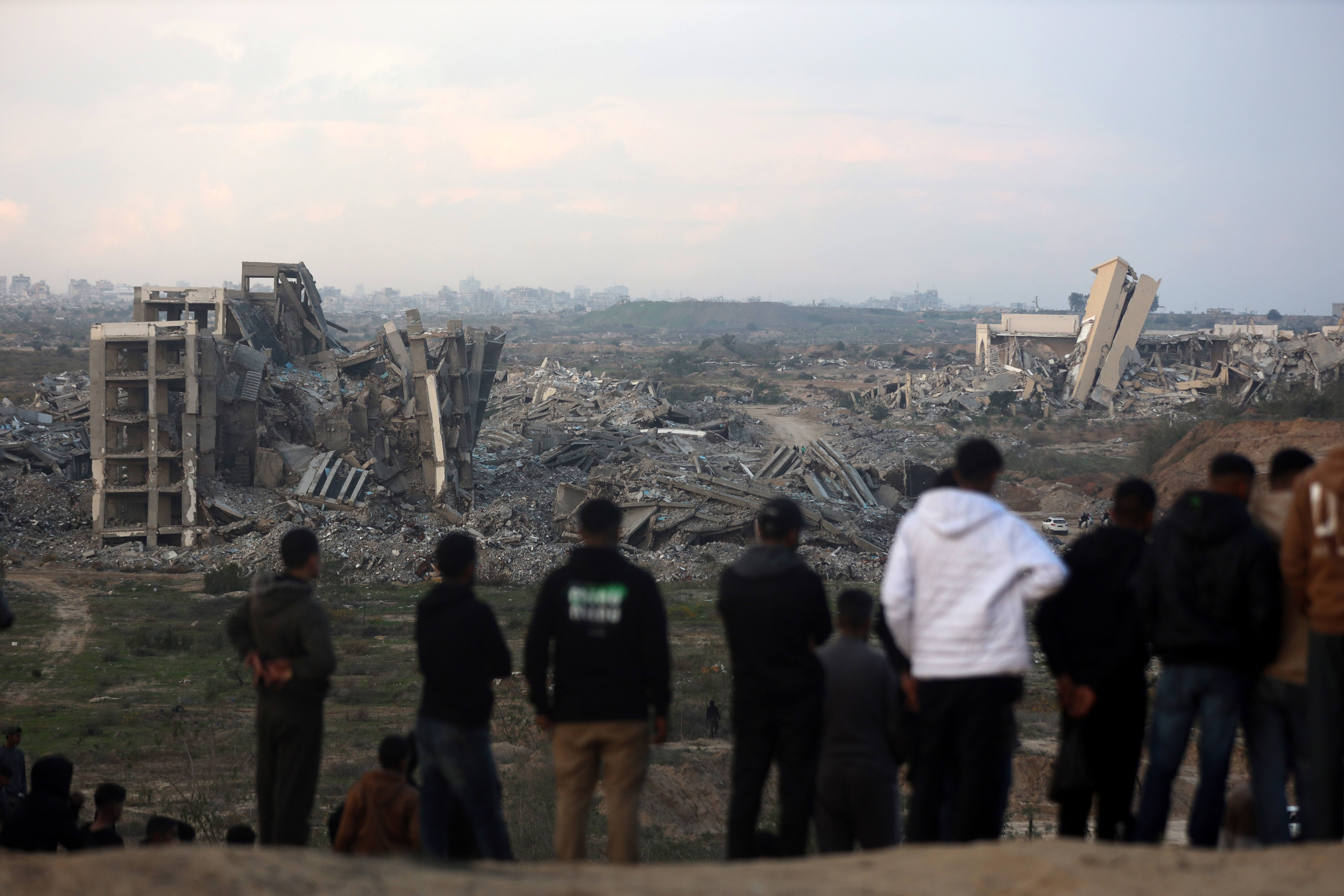
من بين آلاف الصور التي أظهرت الإبادة في غزة، بدءاً من المجاعة ونسف الأبراج وصولاً إلى وجوه الضحايا، تصدّرت بعضها الصفحات الرئيسة لصحف ومجلات دولية، ورُشّحت أو فازت بجوائز عالمية، فيما انتشرت أخرى على منصات التواصل الاجتماعي. هذا الانتقال لا يحدث لكل الصور؛ فما الذي جعل صورة واحدة قادرة على الخروج من إطارها وتجاوز وظيفتها الإخبارية، لتكتسب حضورًا طويل الأمد في الذاكرة البصرية العالمية؟

من بين تلك الصور: أمٌّ تركض وتغطي جسدها بقطعة قماش من ستارة صفراء، فيما تتشبث طفلتها الصغيرة بعنقها وتحيط بهما آثار الدمار. التقطها المصور الغزي عليّ جاد الله، الذي كان يوثق قصفاً إسرائيلياً لعمارة سكنية وما خلّفه من مصابين ودمار. يقول مصور وكالة الأناضول التركية، الذي أمضى ثمانية عشر عاماً في التصوير الصحفي، إن عمله لا يقتصر على توثيق لحظة الحدث، بل يمتد إلى ما يليها من إسعاف الضحايا وانتشالهم وإظهار آثار الدمار الواسع: "صورة الأم وطفلتها واحدة من آلاف الصور التي التقطها، وحين التقطتها كنت أشعر بتميزها ولفتها لأنظار العالم؛ لتجاوزها مشهد الهروب وتجسيدها عاطفة الأمومة بدفئها وأمنها وحمايتها في إبادة قلبت واقعهما إلى محاولة للنجاة من الموت".
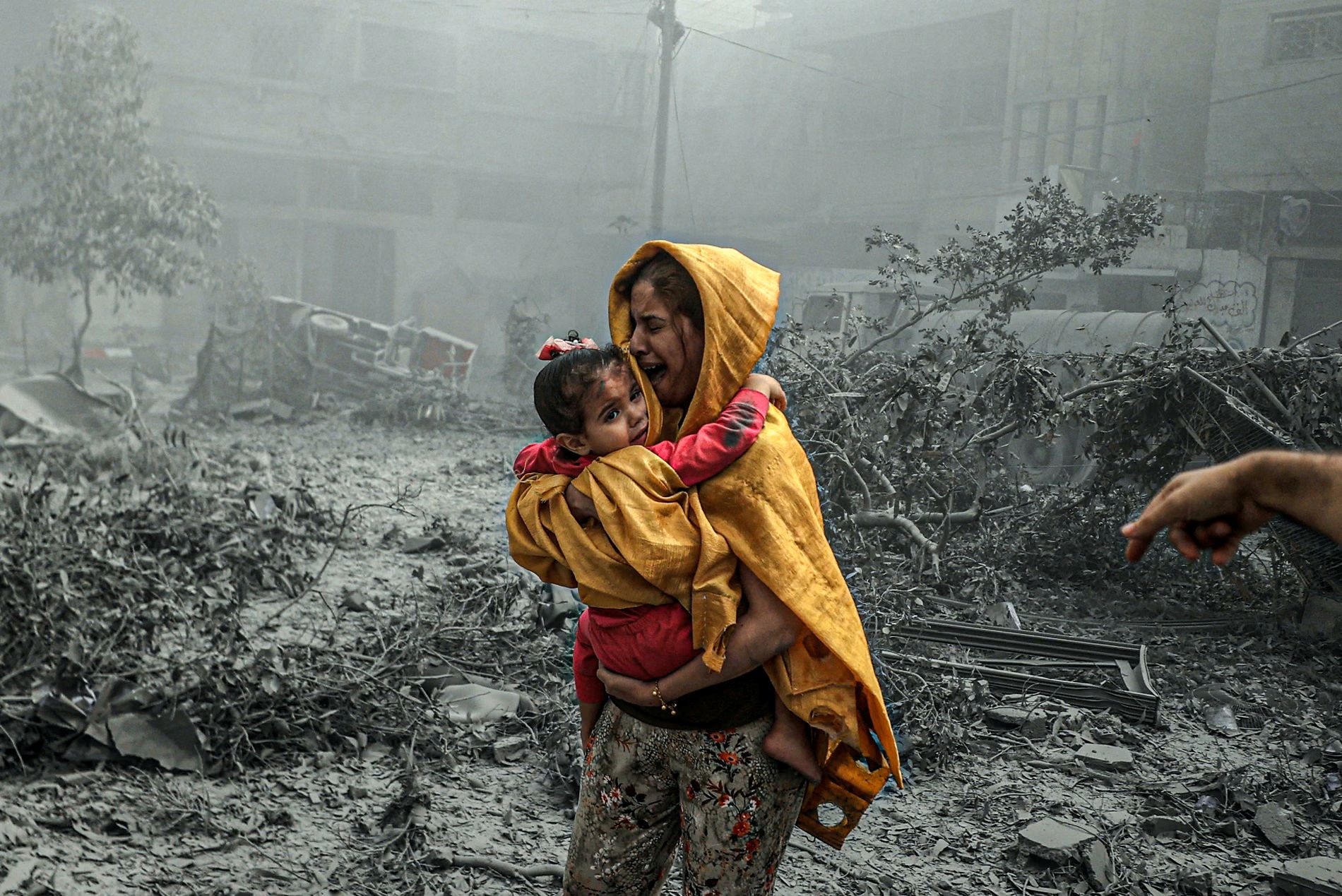
امرأة تحمل طفلتها وتركض بعيدًا عن القصف  في غزَّة  تصوير عليَّ جادالله (1)
امرأة تحمل طفلتها وتركض بعيدًا عن القصف  في غزَّة.  (تصوير: عليَّ جادالله)

الصور بالنسبة إلى جاد الله تتجاوز اللقطة والتوثيق إلى إظهار التفاصيل الإنسانية المتمثلة في المشاعر، كالفرح والألم والتعابير العفوية الظاهرة في الوجه والعينين وحركة الجسد، إلى جانب التفاصيل الشخصية والبيئة المحيطة، مع الحفاظ على الكرامة الإنسانية. ويرى أن توافر هذه العناصر يمنح الصورة قوتها وقدرتها على جذب الانتباه.

نشرت مؤسسات إعلامية دولية صورًا لجاد الله، وظهرت أعماله في مجلات أميركية، منها Time وU.S. News وThe Atlantic. لكن الانتشار وحده لا يفسر وصول بعض الصور إلى هذه المساحة من الاهتمام، فيما تبقى آلاف الصور الأخرى خارجها.

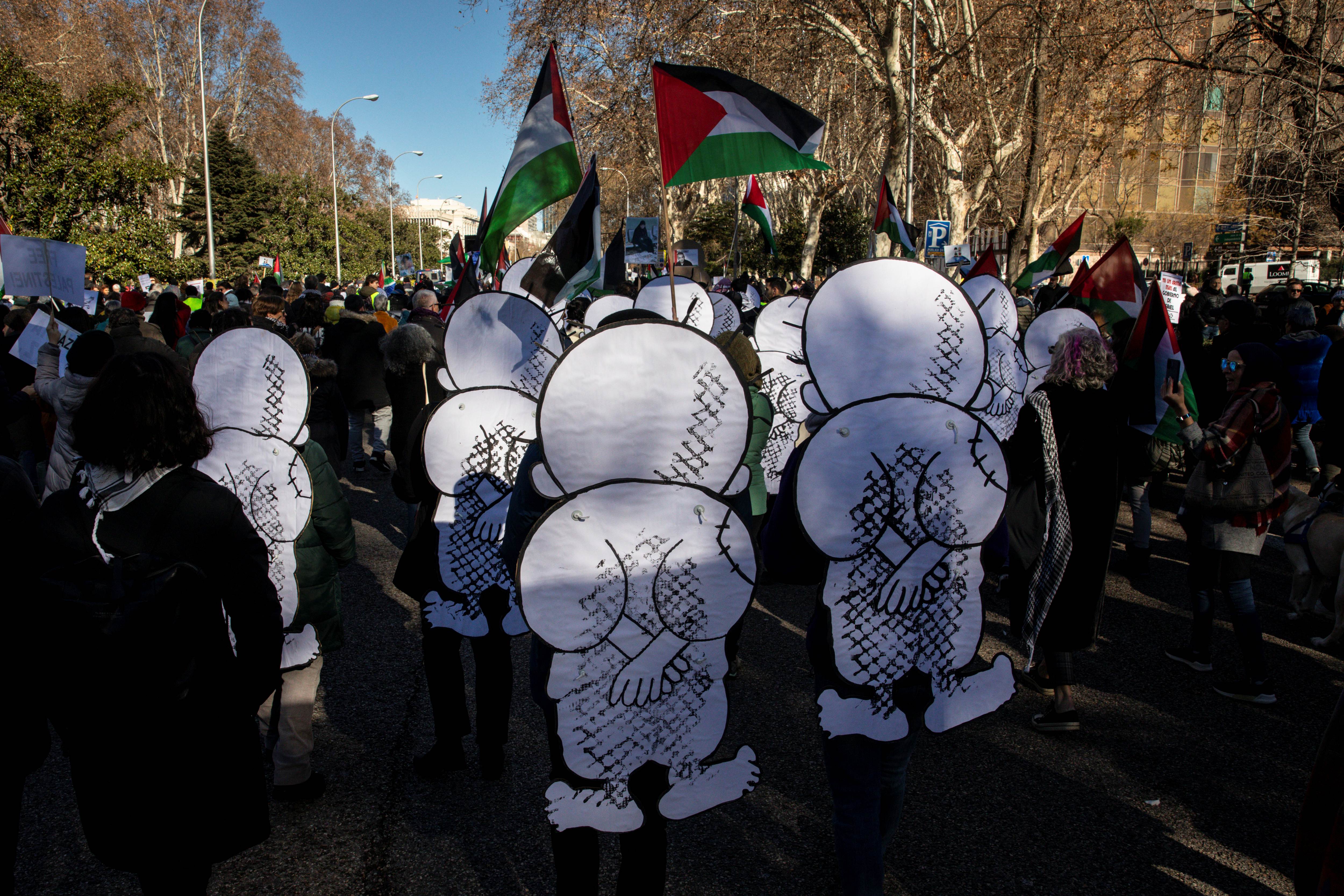
ما بعد الالتقاط، تدخل الصور مرحلة لا يقرر فيها المصور وحده مصيرها؛ إذ تنتقل إلى غرف التحرير، وتخضع للاختيار والتحقق والمقارنة، ثم تصل إلى الجمهور. ويثني جاد الله على دور الجمهور في تسريع وصول الصور وتوسيع التضامن مع الضحايا، عبر تداولها في منصات التواصل الاجتماعي ومحركات البحث، وصولًا إلى طباعتها وحملها في الاعتصامات التضامنية.


من الميدان إلى الصفحة الأولى

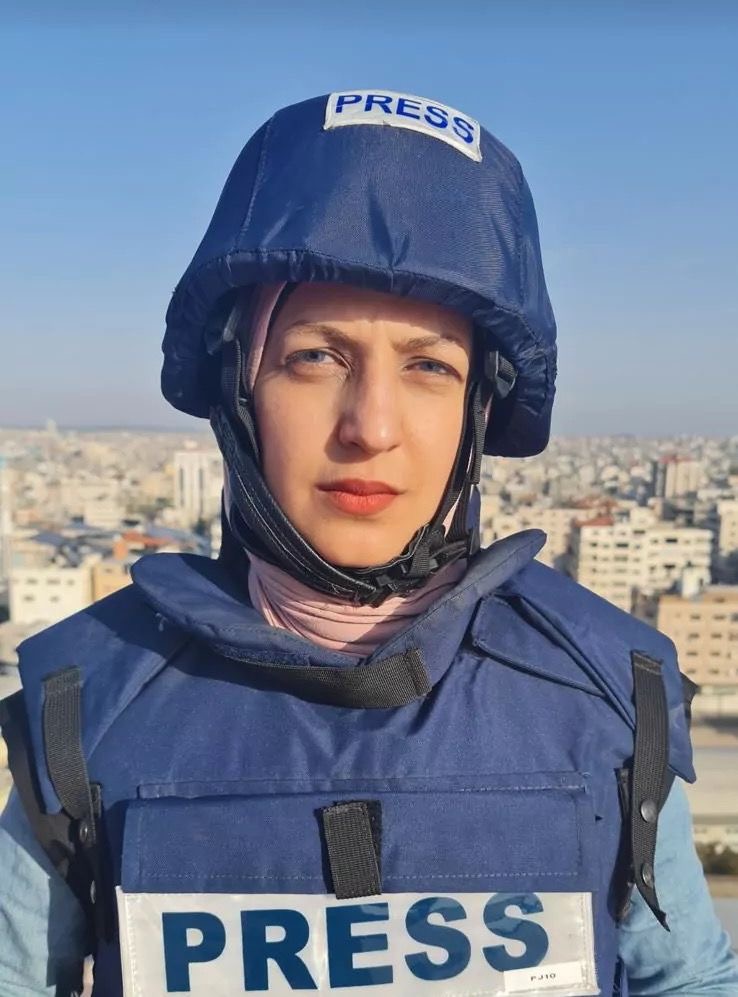
على ركام مخيم جباليا، يتنقل المصور ساهر الغُرّة لتصوير قصة إنسانية لصحيفة "نيويورك تايمز"، ويروي لمجلة الصحافة: "الأحداث في غزة فرضت نفسها على عدسات المصورين الصحفيين، والقوة الإنسانية للمشهد هي أحد العناصر التي تمنح الصورة قدرتها على الوصول والتأثير في الجمهور".

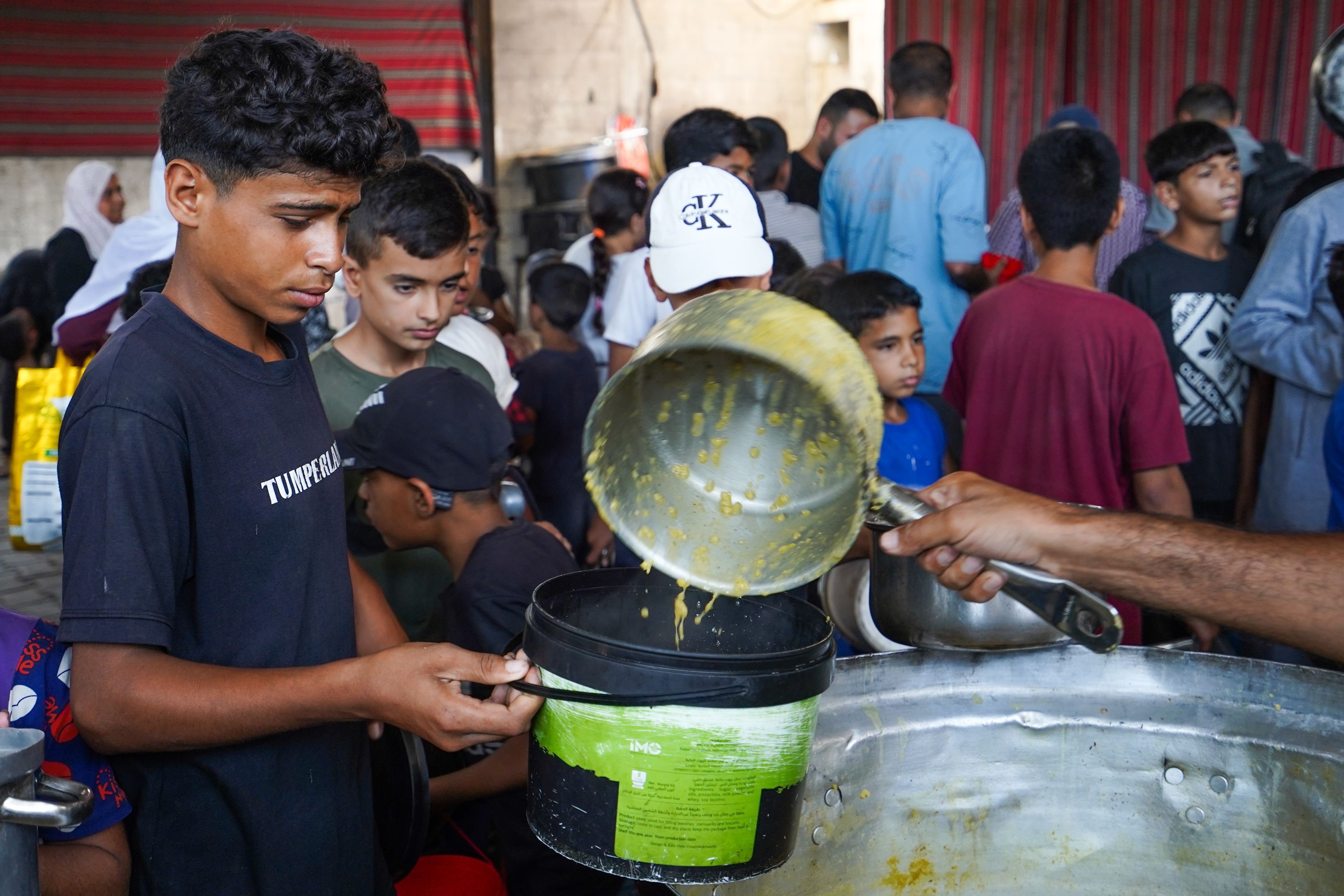
خلال حرب الإبادة، التقط الغُرّة آلاف الصور، من بينها صورة الطفل يزن أبو فول، البالغ من العمر سنتين، التي وثّقت آثار سوء التغذية والمجاعة على جسده. وفي لقطة واسعة، صوّر عائلة حسن الشافعي وهي تقيم إفطارها الرمضاني على أنقاض منزلها في بيت لاهيا، في مشهد مؤثر لواقع فُرض عليهم. يكشف اختلاف الصورتين أن صور الإبادة لا تعتمد على عنصر واحد للخروج من إطارها؛ فالرسوخ في الذاكرة البصرية يكمن في قوتها وقربها من الحدث وبقدرتها على اختصار القصة.
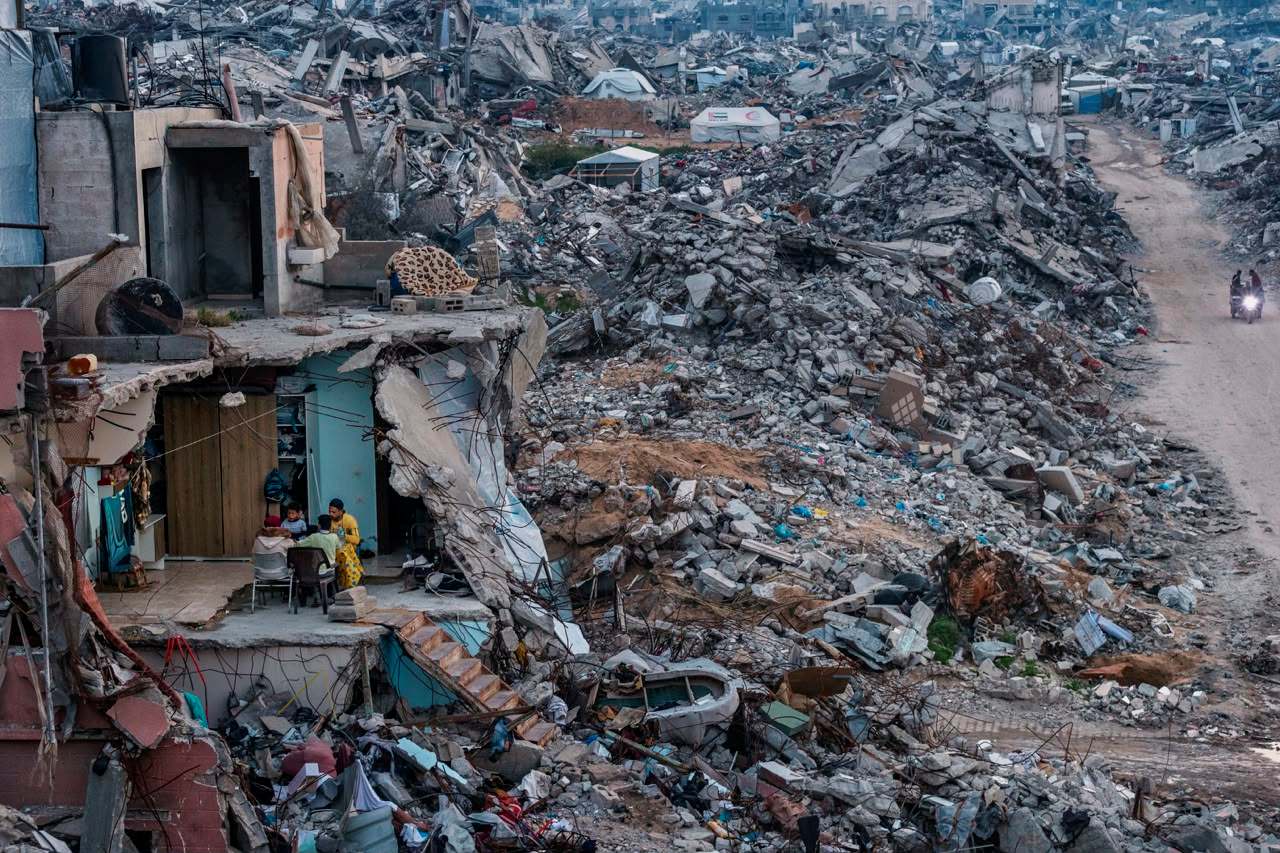
عائلة  الشافعي التي تتناول إفطارها الرمضاني على  ركام بيتها تصوير ساهر الغرة
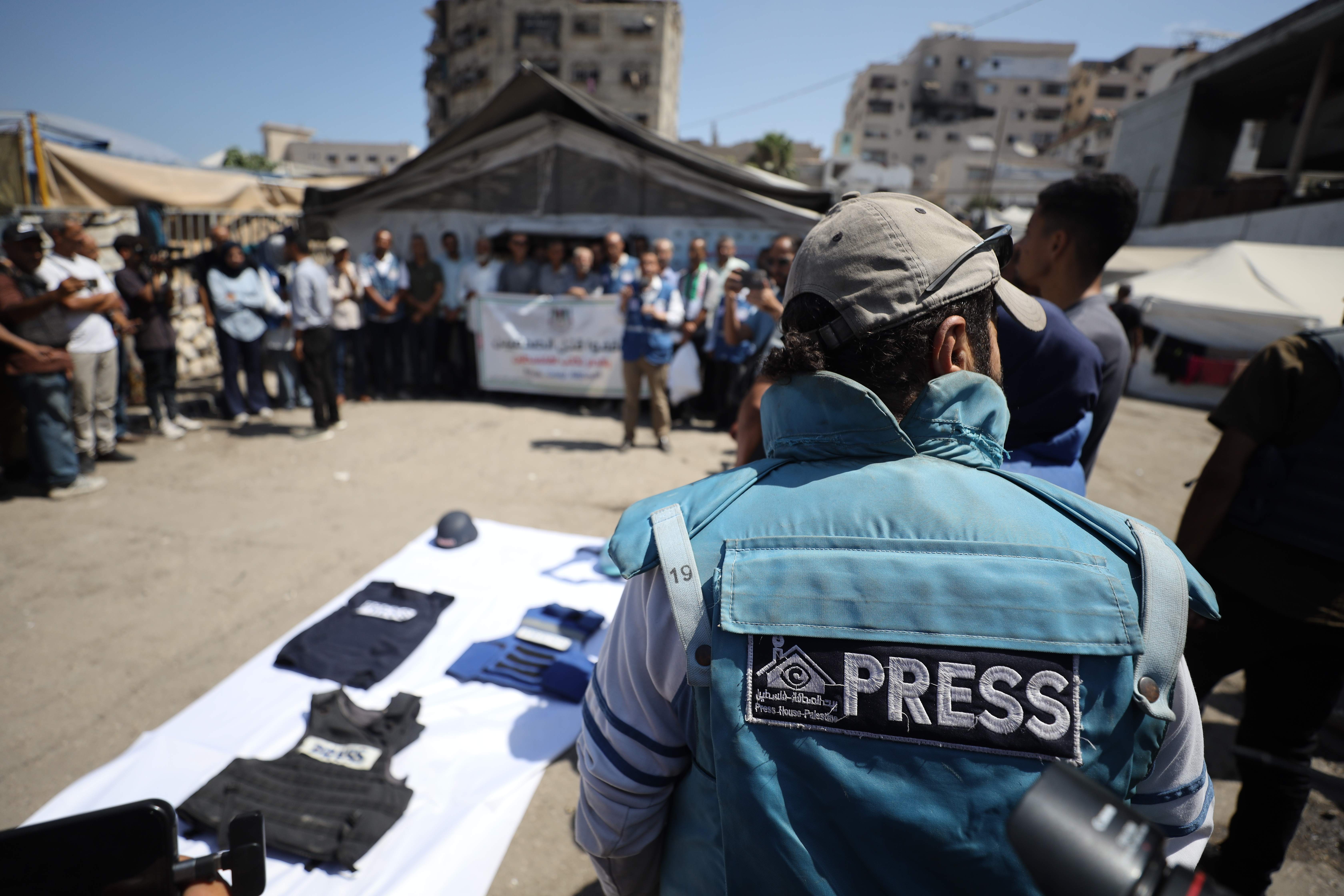
عائلة  الشافعي تتناول إفطارها الرمضاني وسط ركام منزلهم. (تصوير: ساهر الغرة)


إحدى صور الغُرّة وصلت إلى الصفحة الرئيسية لصحيفة "نيويورك تايمز"، تظهر فيها مجاعة غزة وحياة سكانها المقيمين على "الخط الأصفر". ويقول إنه تلقى إشادة إيجابية من المحررة، قبل أن تحظى الصورة باهتمام دولي ونيل جائزة World Press Photo عن سلسلة "شهود على غزة".
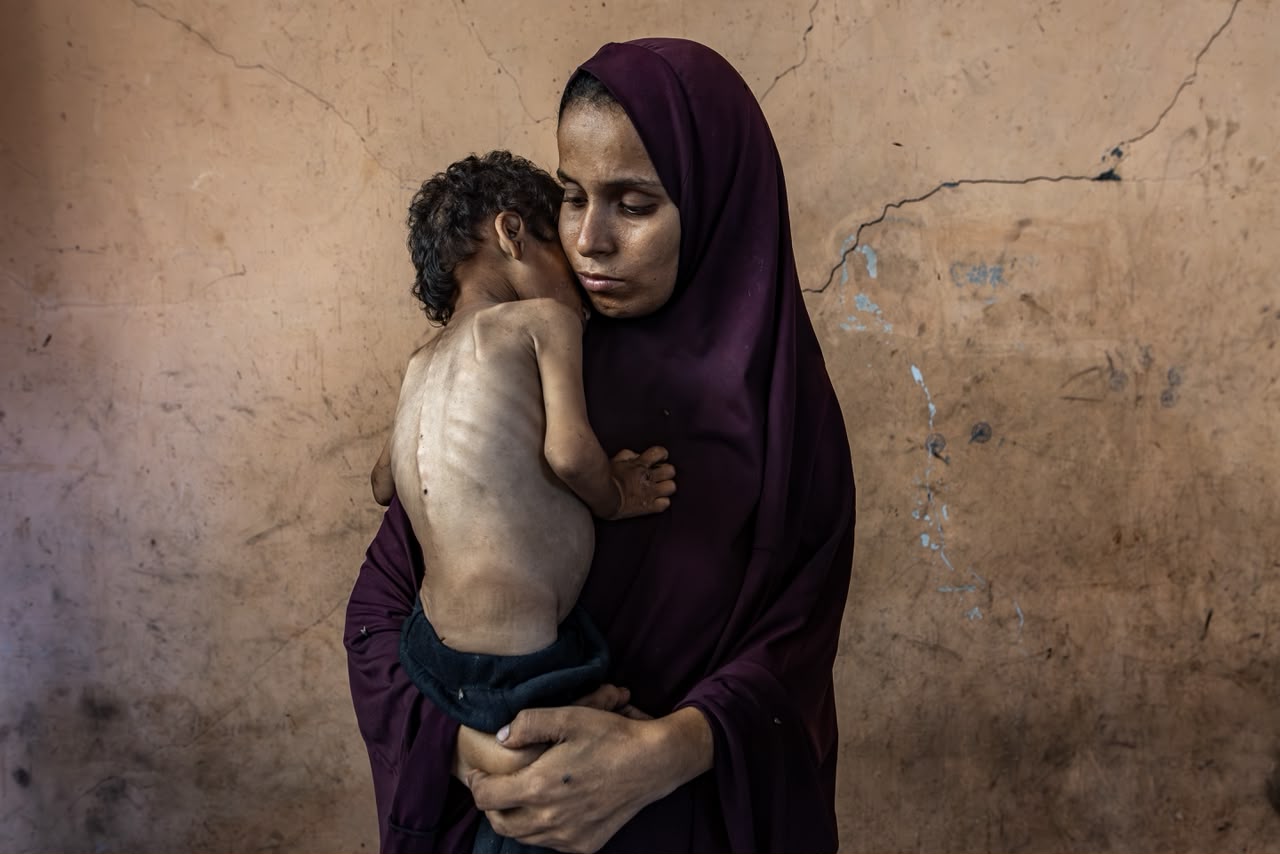
صورة الطفل يزن أبو فول التقطها ساهر الغرة  لصحيفة نيويورك تايمز
الطفل يزن أبو فول مع والدته أثناء المجاعة في غزة التقطها المصور الصحفي ساهر الغرة لصالح صحيفة نيويورك تايمز

ويرى أن الأثر الحقيقي يُلمس في ما قد تصنعه الصور في حياة الضحايا؛ إذ يقول إن انتشار صورة الطفل يزن وتداولها أسهما في حملات تضامن عالمية، وفي لفت الرأي العام الدولي إلى غزة، بما أحدث -وفق تقديره- ضغطًا على الاحتلال الإسرائيلي لإدخال المساعدات. لكن وصول الصورة إلى الصفحة الأولى وحصد الجوائز لا يجيبان وحدهما عن سؤال نجاحها؛ فالآلاف من الصور القوية تُلتقط في الحروب ولا تحظى جميعها بالمساحة نفسها. لذلك، لا يتعلق الأمر بما يراه المصور فقط، وإنما أيضًا بما تراه غرفة التحرير جديرًا بالنشر، وبالسياق الذي تظهر فيه الصورة وتوقيتها، وقدرتها على تمثيل حدث يتجاوز اللحظة التي التُقطت فيها.


داخل غرفة التحرير

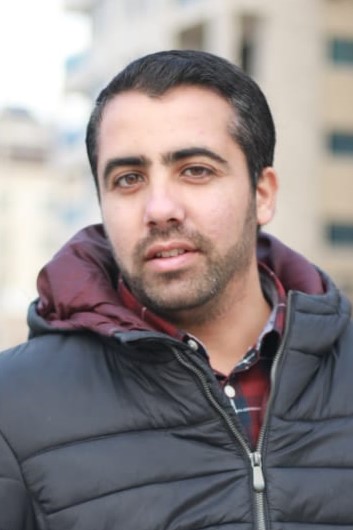
بوكالة الأناضول التركية في العاصمة أنقرة، يستقبل المحرر والمصور الصحفي مصطفى حسونة صور غزة عبر البريد الإلكتروني والمنصات السحابية التابعة للوكالة، قبل أن تخضع للاختيار والمراجعة. ويشير حسونة، الذي أمضى اثني عشر عاماً في التصوير، إلى أن عملية الاختيار تعتمد على معايير عدة؛ منها الجودة التقنية، وقوة الحدث وأهميته، وندرة الصورة. وتكشف هذه المعايير أن الصورة لا تصل إلى الجمهور بتأثيرها العاطفي وحده؛ فالعملية التحريرية تحدد أي مشهد يستحق أن يُرى، وفي أي توقيت وبأي سياق. ومع وصول آلاف الصور من منطقة واحدة، تصبح ندرة اللحظة وقوة الحدث ووضوح الصورة عوامل مؤثرة في فرص انتشارها.

ويقول حسونة: "بعض الصور لا تُنشر بسبب تأثيرها النفسي على المشاهد؛ فكرامة الضحايا تبقى من الاعتبارات الأساسية في التعامل مع الصور. ويمكن لصورة واحدة أن توثق جريمة، لكنها في الوقت نفسه قد تكشف جثمانًا أو إصابة أو لحظة شديدة الخصوصية لعائلة فقدت أحد أفرادها". ويرى أن استمرار خروج الصور من موقع الحدث يساهم في إبقاء الإبادة حاضرة في الذاكرة البصرية للجمهور؛ فالصور لا تؤدي دورها مرة واحدة، إذ قد تعود إلى الواجهة مع استمرار الحدث فتكتسب دلالة جديدة أو تستعيد اهتمامًا سابقًا.

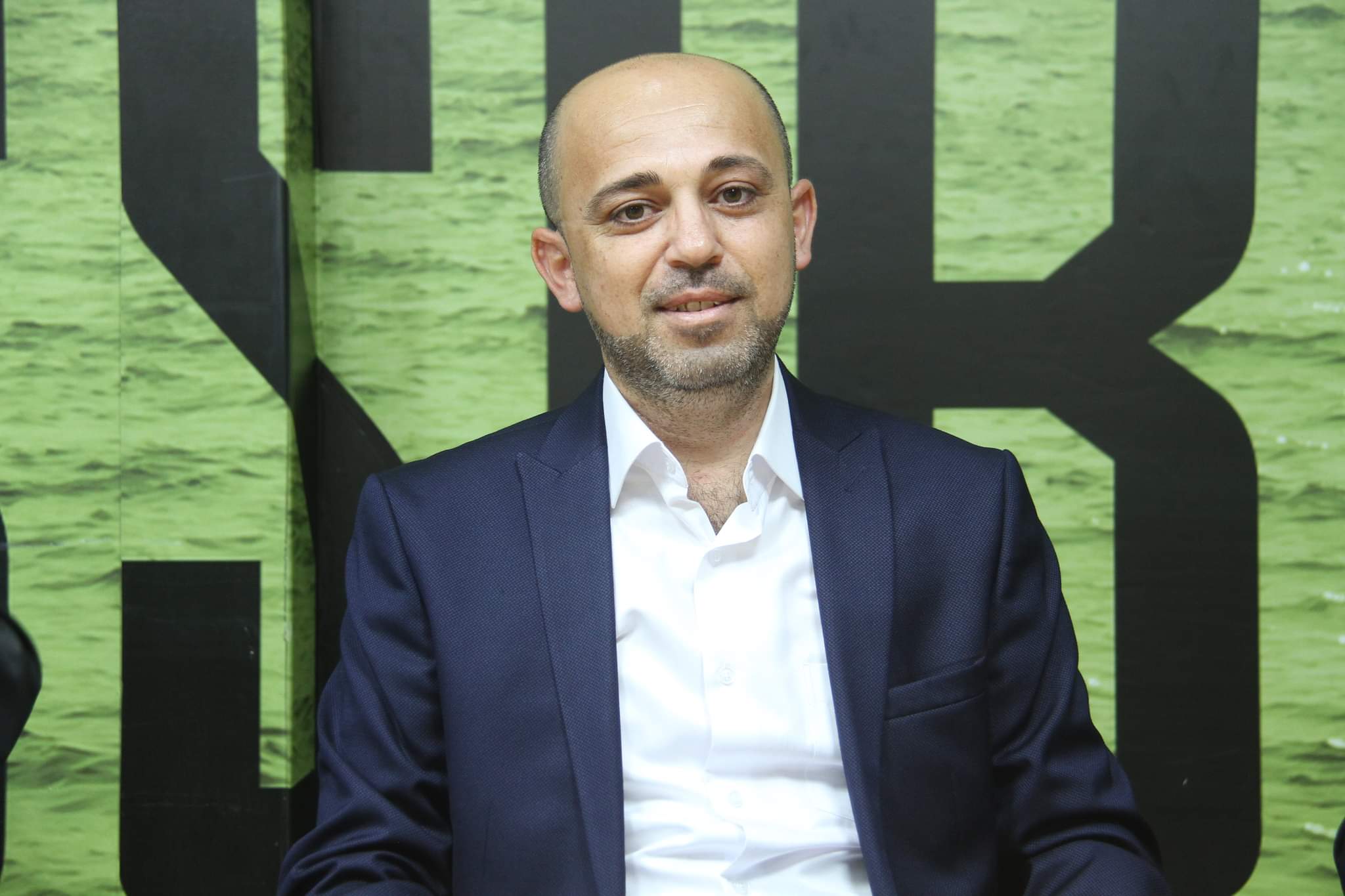
لا تبدأ قيمة الصورة، وفق القيّم الفني والمصور محمد سومجي، عند لحظة التقاطها؛ فالصورة التي تبقى في كاميرا المصور تظل وثيقة محدودة التداول، بينما قد تصبح الصورة التي تروّج لها المنصة أو الوكالة جزءًا من التاريخ. وتتشكّل قيمتها في رأيه عبر التداول وإعادة النشر والتأطير والتكرار.

يعرّف سومجي "اقتصاد الصورة" بأنه: حركة المرور والتشغيل والإنتاج وتوزيع الصور التي تشكل كيفية إدراك الحروب، وفي كثير من الأحيان كيفية خوضها. ويرى أن قيمة الصورة تتصل بـ"حراس البوابة": من يتحكم في الكاميرا ومن يتحكم في التوزيع، وأن وسائل التواصل الاجتماعي كسرت جانبًا من هذا الاحتكار؛ لذلك لم يشبه اقتصاد صورة الإبادة في غزة اقتصاد الحروب السابقة.

ويقول: "في الإبادة على غزة أخذت العملية شكلًا مختلفًا؛ فكمية الصور والفيديوهات التي خرجت مباشرة من القطاع كانت أكثر من أن يتمكن أي محرر من إدارتها، مما أدى إلى انتشارها عالميا". وبحسب سومجي، لا تصل بعض الصور وتنجح مصادفة، إنما نتيجة قرارات تُتخذ في غرف الأخبار واجتماعات سياسات المنصات بشأن ما ينبغي أن يراه الجمهور وكيف ينبغي أن يشعر حياله. ويشير إلى أن صور الموت والدمار، بما تحمله من شحنة عاطفية قوية، تحظى باهتمام أكبر، فيما لا تحظى صور التحدي بالانتشار والتأثير نفسيهما.

لا يرى سومجي أن صناعة الصورة الأيقونية عملية بصرية خالصة؛ فالمحررون والجوائز والمعارض -في رأيه- هم الآلة التي تحوّل الصورة إلى أيقونة، وهذه الآلة تعمل وفق سياسات المؤسسات التي تقف وراءها. فهناك صور غير عادية لا تظهر أبدًا لأنها لا تحدث الإثارة ولا تتناسب مع الخط السياسي للنشر؛ إن ما يتم الاحتفال به باعتباره "صورة الحرب" هو في كثير من الأحيان مجرد الصورة التي خدمت جهة ما.

فصور الحروب لا تُستقبل بالطريقة نفسها في كل السياقات؛ إذ تؤثر الجغرافيا والسياق السياسي في تقديم الضحايا وفهم صورهم، خصوصًا ضحايا الجنوب العالمي. وفي النهاية، لا يرى سومجي الصورة لحظة ثابتة، بل رحلة طويلة تبدأ بالمصور، وتمر عبر الوكالات والمحررين والمنصات والخوارزميات والجمهور. وفي كل مرحلة، يمكن أن تتغير قيمتها ومعناها وفرص بقائها، إلى أن تصل، أو لا تصل، إلى الذاكرة البصرية للعالم.
More Articles

News In the Race for Attention

As audiences turn to Reels, social media and AI for news, journalists are adapting to new demands while trying to protect the depth and quality of their reporting

Rehan Qayoom Mir. An independent journalist whose work has appeared in international and national outlets,
Rehan Qayoom Mir, Sajad Hameed Published on: 16 Oct, 2026
How Has Social Media Affected Television in Yemen?

Social media has transformed television in Yemen from a one-way broadcast medium into a more interactive, audience-driven system in which viewers help shape, source and even produce the content they watch.

Mohammed Alragawi Published on: 13 Oct, 2026
Why should journalists be cautious with Israeli sources?

Journalists should treat Israeli sources with particular scrutiny because anonymous briefings, military censorship, strategic leaks and recycled analysis can blur the line between verified information, speculation and propaganda, with real consequences for audiences on the ground.

Ahmad Al-Agha
Ahmad Al-Agha Published on: 7 Oct, 2026
Priorities for Media Recovery in Gaza

Rebuilding Gaza’s media requires more than restoring equipment and newsrooms: it means protecting and supporting journalists, rebuilding institutions, strengthening professional standards, and preserving journalism’s role as a living witness to the truth.

Sufian al-Shorbagy Published on: 4 Oct, 2026
Common Mistakes Made by Television Correspondents

Television correspondents earn trust not by being first or omniscient, but by reporting what they can verify, using images responsibly, resisting performance and speculation, and putting accuracy before speed.

Linda Shalash
Linda Shalash Published on: 1 Oct, 2026
Will We Write A Falsified History In The Future?

The digital transition of journalism has exposed a growing archive reliability gap, where online news documents are often subject to fake news, content manipulation, and a lack of verification mechanisms, challenging their role as official historical records.

Said El Hajji
Said El Hajji Published on: 24 Sep, 2026
Editorial Workflow in Television Journalism: From Oversight to Quality

Quality television journalism relies on cohesive teamwork rather than individual multitasking. A functional hierarchy is key, restoring the "gatekeeper" role by verifying facts and shielding the public from fake news and propaganda, especially in complex, high-tension environments.

Ali Najeeb Published on: 20 Sep, 2026
Nepal’s Deadly Floods Expose a Newsroom Safety Gap

Nepal’s deadly floods exposed a wider South Asian newsroom safety gap, where many journalists are often sent into dangerous assignments without formal risk assessments, adequate training, protective equipment, evacuation plans or mental-health support.

Hanan Zaffa
Hanan Zaffar Published on: 10 Sep, 2026
The migrant issue in Libya: did the media pass the test of professionalism?

Libya’s migration debate has become a test of whether the media can report legitimate public concerns without laundering rumours, fuelling hate, or turning vulnerable migrants into scapegoats.

Imad al-Madouli Published on: 2 Sep, 2026
The economics of truth: How Lack of Funding is Compromising Quality Journalism in Africa

Reporting and newsgathering cost money; they require time, patience and experienced personnel. However, globally limited funding is leading to a generally compromised journalism output.

Derick Matsengarwodzi
Derick Matsengarwodzi Published on: 30 Aug, 2026
We survived… and stayed alive!

A Palestinian journalist and mother recounts surviving Gaza’s genocide, where the press vest became a target, motherhood became terror, and staying alive did not feel like salvation.

Yumna al-Sayyid Published on: 19 Aug, 2026
A Continuing Crisis, an Intermittent Story: What Makes Famine Newsworthy?

An analysis of 180 articles from the BBC, The Guardian, The New York Times and CNN found that coverage of hunger in Gaza frequently linked the crisis to political decisions and identified responsibility rather than treating it only as a humanitarian emergency. Tracking the same outlets through early August 2026 also shows that this coverage came in sharp waves, with periods of intense reporting separated by months of limited attention even as severe food insecurity persisted.

Djamil Kerrouche Published on: 16 Aug, 2026
Who Decides the News? Inside India's Algorithm-Driven Newsrooms 

Editors once decided which stories mattered based on evidence, public interest and ethics. Today, recommendation algorithms and engagement metrics increasingly shape editorial decisions, prioritising what keeps audiences scrolling.

Seerat-Un-Nisa Published on: 11 Aug, 2026
As in Rwanda: Can the Israeli Press Be Prosecuted for Participation in Genocide?

Israeli media incitement has helped frame Palestinian journalists as security threats, weakening their legal and professional protection and legitimising attacks against them. Legal accountability is possible through the ICC, universal jurisdiction, and professional pressure against journalists and outlets that incite violence.

Nasser Adnan Thabet Published on: 8 Aug, 2026
A Soldier with the Rank of Correspondent in the Israeli Army

Israeli military journalism developed through a deep fusion of media, censorship, and the army, turning correspondents into carriers of the official security narrative. This embedded model later influenced Western war reporting, where access to the battlefield often came at the cost of independence and critical distance.

Sujood Awais Published on: 4 Aug, 2026
The Phenomenon of “News Avoidance”: Have We Come to Know More Than We Should?

Audiences are increasingly avoiding the news as the constant flow of crises, violence, and tragic human stories creates psychological exhaustion and anxiety. Media outlets need to respond with more responsible editorial choices, stronger media literacy, and coverage that balances urgent events with constructive, humane, and less harmful storytelling.

Wessam Kamal Published on: 17 Jul, 2026
From Srulik to Handala: Caricature as a Media Symbol

From the pro-occupation Israeli character 'Srulik' to the resilient and satirical Palestinian 'Handala', caricature emerges as another battleground for memory and the future. How did these characters come to be, what is their media symbolism, and why does caricature remain so influential?

Sujood Awais Published on: 14 Jul, 2026
“Sometimes You Work for Years Without Pay” – Cameroonian Journalists Demand Safety Nets

While many journalists demonstrate admirable resilience in producing quality journalism under precarious conditions, resilience should not be the only safety net. Journalism deserves protection, because democracy depends on it.

Akem
Akem Nkwain Published on: 11 Jul, 2026
When Modi’s Managed Media Met Europe’s Press

A brief, viral exchange in Oslo between Prime Minister Narendra Modi and a Norwegian journalist has exposed the widening gap between India's tightly controlled media environment and traditional adversarial press culture. Over the past decade, open, unscripted scrutiny has increasingly been replaced by carefully managed public relations, image-driven interviews, and direct digital reach. This systemic shift has reshaped the broader landscape of Indian news media, creating a culture of forced deference that prioritises political showmanship over holding power accountable.

Arsalan Bukhari, an independent journalist based in India
Arsalan Bukhari, Mehrunnisa Maryam Published on: 5 Jul, 2026
How Sources Shaped the Story of Gaza’s Aid-Site Killings

In conflict reporting, the question is rarely only about what happened. It is also who gets to explain what happened. The findings here suggest that the answer to that question often shapes the story that audiences ultimately receive.

Djamil Kerrouche Published on: 1 Jul, 2026
The Stringers Behind India’s Breaking News: No Contracts, Credit or Safety

Thousands of rural Indian freelance reporters, called "stringers," face low pay, police harassment, and total abandonment by the big TV networks that rely on them. These local journalists risk their lives to film breaking news like riots and rallies, but they work without contracts, insurance, or legal help when they get into trouble. This unfair system forces poor, small-town reporters to take on all the danger alone just to keep the national 24-hour news channels running.

Hanan Zaffa
Hanan Zaffar, Majid Alam Published on: 27 Jun, 2026
Why Have Print Newspapers Disappeared in Gaza?

The genocidal war has systematically devastated the media sector in the Gaza Strip. With the occupation destroying over 150 media organizations, printing presses have completely shut down, forcing all newspapers to shift entirely to digital coverage.

Mohamed Abu Shahma Published on: 24 Jun, 2026
Mohamed al-Khalidi and Marwa Muslim: Forgotten in Life, Vindicated in Death

The occupation killed journalists Mohamed al-Khalidi and Marwa Muslim as part of a systematic pattern of targeting the press, but throughout their careers they also faced neglect, marginalisation, and a lack of recognition. Colleague Maysoun Kahil tells their story, and asks why Palestinian journalists are so often honoured only after death, rather than supported in life.

Maysoun Kahil Published on: 17 Jun, 2026
The Double Ordeal of Freelance Journalists in Gaza

Independent journalists in Gaza face a dangerous double battle. Working without institutional protection or financial safety nets, they risk their lives to report the reality of war, overcoming severe resource shortages and systemic neglect to ensure the world hears the truth.

Noor Abu Rokba Published on: 14 Jun, 2026