عبء التوثيق البصري للإبادة.. كيف ينقل المصور الحقيقة؟

عبء التوثيق البصري للإبادة.. كيف ينقل المصور الحقيقة؟

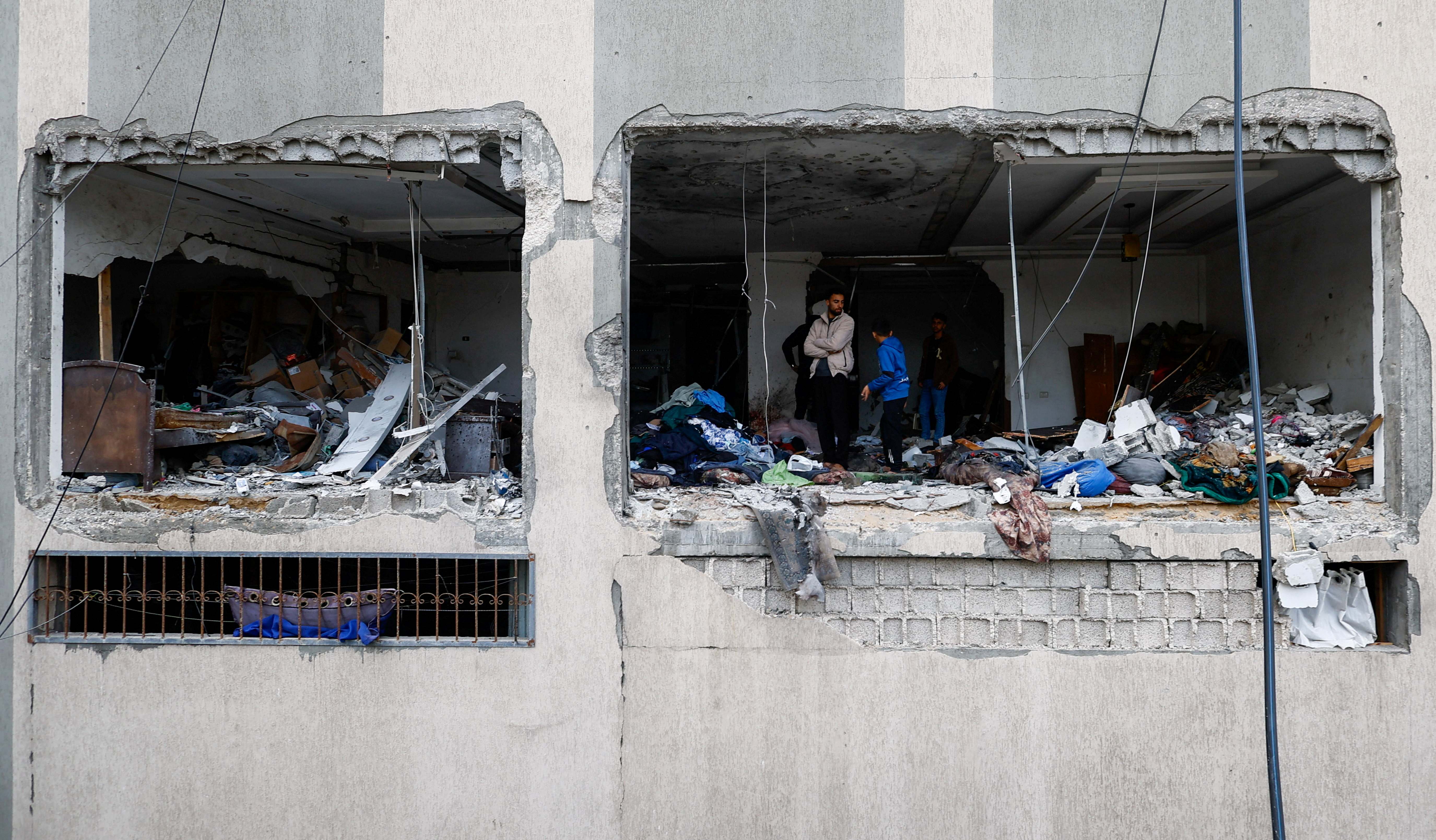
في الثالث عشر من أكتوبر/تشرين الأول 2023، ومع دخول الحرب على غزة يومها السابع، بدأت تتكشف أبعاد أكثر وضوحاً لمعالم الإبادة، بعد أن فرض الاحتلال الإسرائيلي التهجير القسري على أهالي شمال القطاع نحو الجنوب، بالتزامن مع انقطاع التيار الكهربائي بالكامل وتصاعد القصف على البنايات السكنية والطرقات.

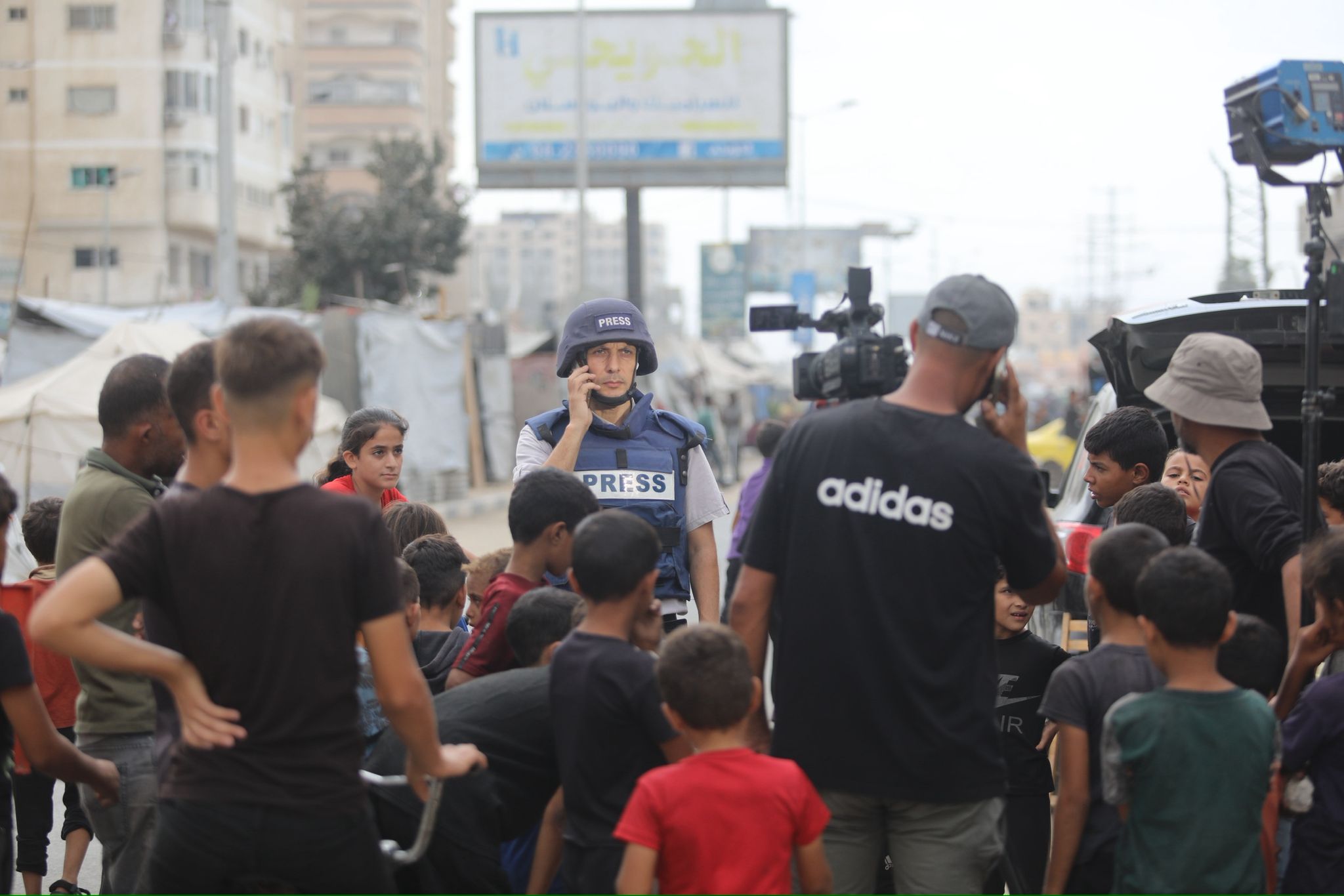
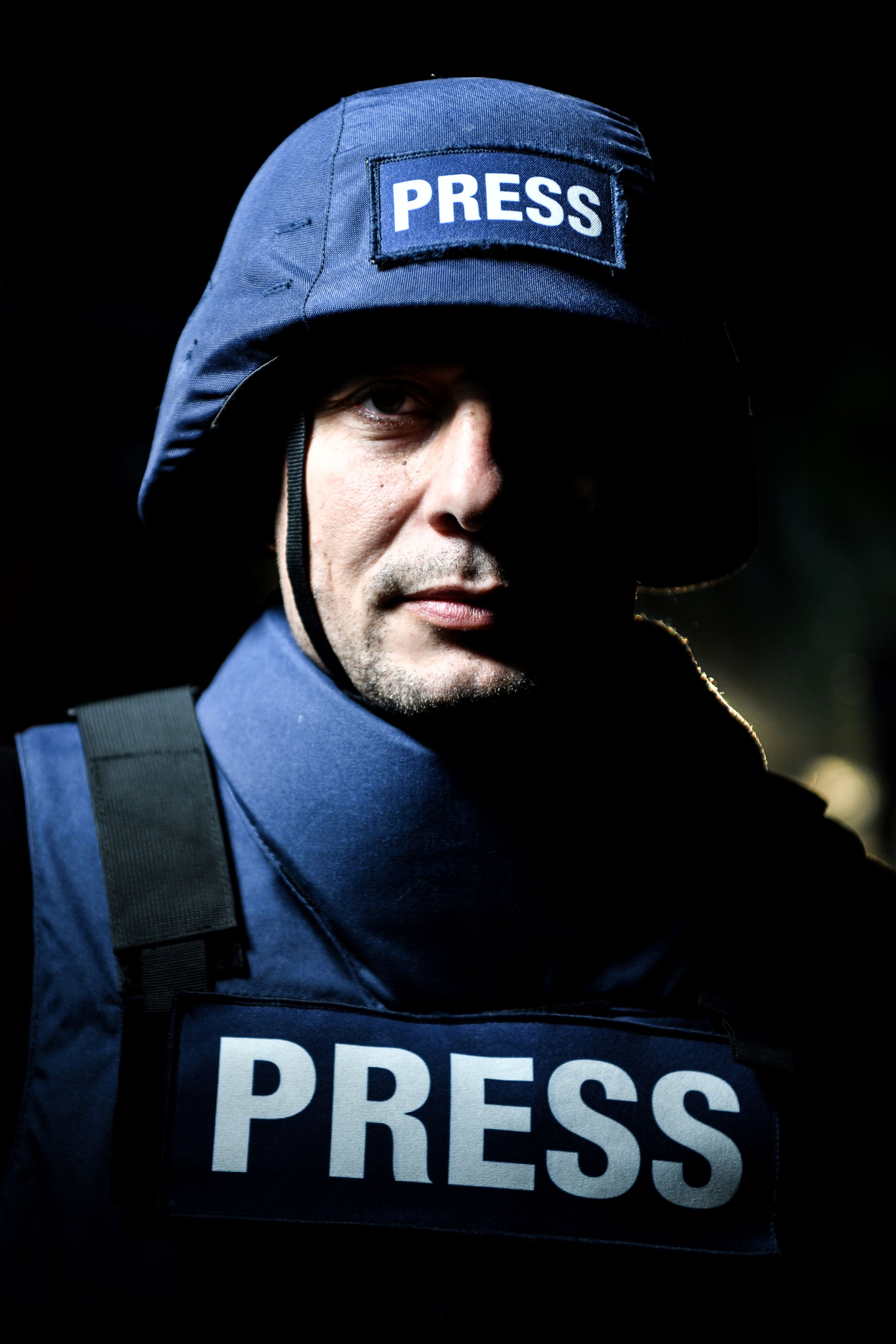
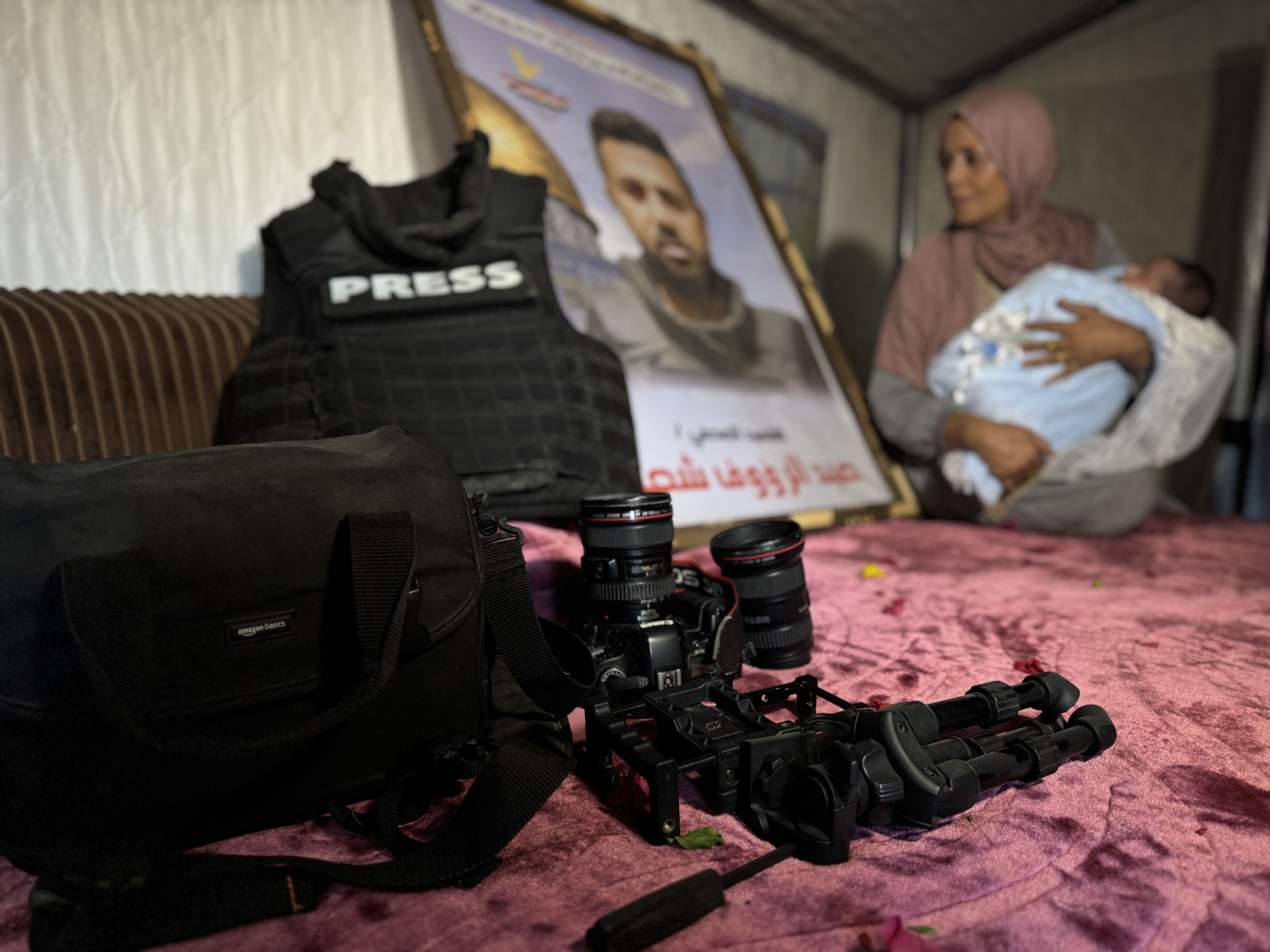
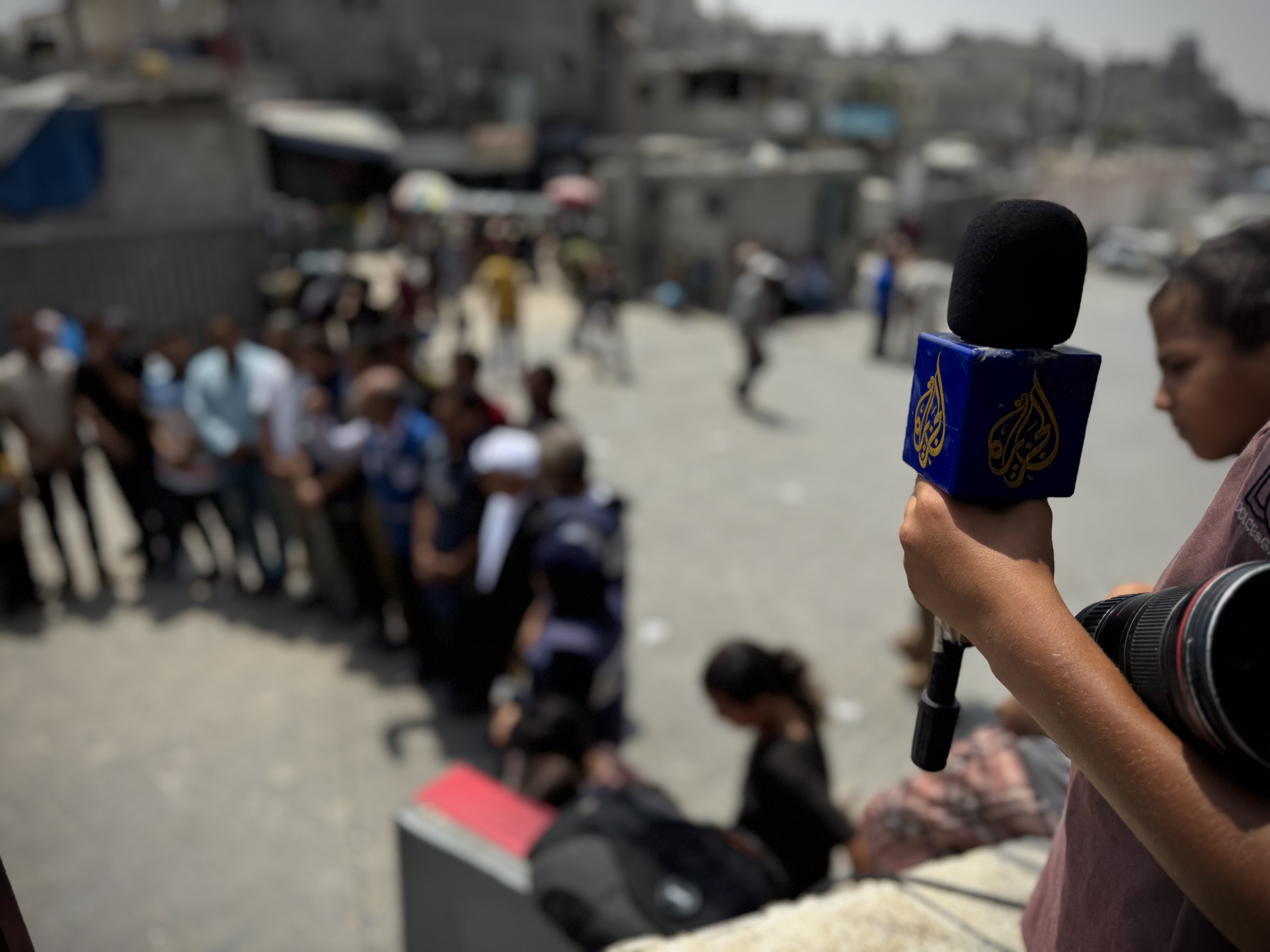
في تلك اللحظات، كان مصور قناة «الجزيرة مباشر» عبد الله شهوان يقف برفقة عدد من زملائه في ساحة مجمع الشفاء الطبي، حين وصلت عربة تجرها دابة تحمل شهداء قد بترت أطرافهم ومشهد أصعب كان لطفل وصل جسداً بلا رأس. وسط تلك الأهوال، وجد المصورون الصحفيون في غزة أنفسهم أمام واحدة من أصعب التغطيات؛ فالقواعد والأخلاقيات المهنية التي درسوها في الجامعات لم تعد لمثل هذا الواقع. أصبحت على عاتقهم مسؤولية توثيق جرائم الإبادة بحق الفلسطينيين، مع ما يحمل من تعقيدات أخلاقية حول حرمة الأجساد وما يجب وما لا يجب عرضه على المشاهدين. ومن هنا برزت المعضلة البصرية والأخلاقية الكبرى في العمل الصحفي: كيف ينقل المصور الحقيقة للجمهور دون أن يتحول التوثيق إلى انتهاك جديد للضحية؟ وكيف يلتقط صورة قابلة للنشر تواجه الإنكار وتكشف الجريمة، دون أن تغدو امتداداً لقسوتها؟


في الميدان

عند الرابعة فجر العاشر من أغسطس/آب 2024، اتصل الصحفي أنس الشريف بزميله عبد الله شهوان ليبلغه بوقوع مجزرة في مصلى مدرسة التابعين بمدينة غزة، وبضرورة التوجه فوراً للتغطية. وصل الزملاء إلى المكان، لكن هول ما رأوه شلّ حركتهم، فلم يستطيعوا رفع كاميرا واحدة.

يصف شهوان المشهد بمصلى لا تتجاوز مساحته مئتي متر مربع، اختلطت فيه أشلاء العشرات من الشهداء، وكان ذوو الضحايا يبحثون بين الأشلاء عن مفقوديهم دون جدوى.

مضت عشر دقائق قبل أن يتمالك الصحفيون أنفسهم لبدء التوثيق، غير أن معظم اللقطات التي سُجلت لم تكن قابلة للعرض على الشاشات أو عبر وكالات الأنباء، لقسوتها البالغة وحرصاً على كرامة الضحايا. وهنا تتجلى المفارقة؛ فحجب هذه المشاهد، رغم ضرورته الأخلاقية، يعني أن المجزرة لم تصل إلى العالم بقسوة واقعها. بل إن غياب توثيق المشاهد القاسية يفتح الباب أمام إنكار المجازر أو التقليل من حجمها، في وقت تمثل فيه الصورة المباشرة أداة لمواجهة التضليل، وبناء سجل بصري للجريمة، ونقل مستوى من المعاناة تعجز الكلمات وحدها عن وصفه.

يؤكد شهوان، الذي عمل في الميدان طوال الحرب، أن مشاهد الأطفال والنساء تعد من أهم ما ينبغي توثيقه، لكن بشاعة الجريمة تقف أحياناً حائلاً دون التصوير رغم أهميته، متسائلاً: «كيف لك أن توثق مشهد سيدة تمزق رحمها من شدة القصف وخرج جنينها، وارتقى كل من الأم والجنين شهيدين؟». ولا يتوقف أثر هذه اللقطات عند حدود الشاشة؛ فمئات المشاهد تظل عالقة في ذاكرة المصور  وتلاحقه بما ينعكس على قدرته على المواصلة والعمل بمهنية. 


النشر بعيداً عن الصدمة

أمام تعذر عرض المشاهد الدموية، برزت الحاجة إلى مقاربة بصرية تتجاوز استعراض الدماء نحو إبراز الجريمة بقوة التعبير والإدانة. ويرى مصور وكالة الصحافة الفرنسية محمود الهمص أن قيمة الصورة الصحفية ونجاحها يكمنان في قوتها التعبيرية والتكثيفية، لا في مشاهدها الصادمة أو العنيفة. ويستشهد الهمص بصورة التقطها ليد سيدة تبرز من تحت الركام بينما بقي جسدها كاملاً تحت الأنقاض، معتبراً أن هذا الكادر وحده كافٍ لتوثيق جريمة مكتملة واختزال أبعاد المأساة الإنسانية، دون عرض مشاهد عنيفة أو المساس بكرامة الجسد.

ويدعم هذا التوجه الدكتور سامي عكيلة، رئيس قسم الصحافة والإعلام في الكلية الجامعية للعلوم التطبيقية بغزة، مؤكداً أن التعامل الصحفي مع المشاهد القاسية يتطلب توازناً دقيقاً بين حق الجمهور في المعرفة وتوظيف الصورة كدليل يوثق الجريمة لمحاسبة مرتكبيها، وبين صون كرامة الضحايا واحترام خصوصيتهم.

ويشدد عكيلة على أن نجاح الصورة الصحفية يقاس بقدرتها على تقديم الدليل وكشف الحقيقة، لا بحجم الصدمة البصرية؛ إذ لا تستلزم قوة الدليل عرض أكثر المشاهد إيلاماً، ويمكن للصحفي المهني اختيار لقطة ذات قيمة توثيقية وتعبيرية تحمي كرامة الضحية وتمنح الجمهور المعرفة الكافية لفهم ما جرى.

 نجاح الصورة الصحفية يقاس بقدرتها على تقديم الدليل وكشف الحقيقة، لا بحجم الصدمة البصرية؛ إذ لا تستلزم قوة الدليل عرض أكثر المشاهد إيلاماً، ويمكن للصحفي المهني اختيار لقطة ذات قيمة توثيقية وتعبيرية تحمي كرامة الضحية وتمنح الجمهور المعرفة الكافية لفهم ما جرى.


يميز الخبير الحقوقي الدكتور عصام عابدين بوضوح بين المعايير الأخلاقية والحقوقية من جهة، والمعايير الجنائية والإثباتية من جهة أخرى عند التعامل مع الصور القاسية في سياق الجرائم الدولية. فمن الناحية الأخلاقية والحقوقية، تقتضي عملية التوثيق احترام كرامة الضحايا وخصوصيتهم، والحصول على الموافقة المستنيرة متى كانت لازمة وممكنة، وإيلاء عناية خاصة لحماية الأطفال والناجين وأسر الضحايا وتجنيبهم مزيداً من الأذى أو المخاطر.

أما من الناحية الجنائية أمام المحاكم وجهات التحقيق، فيوضح عابدين أن العبرة ليست بقسوة المشهد أو مدى صدمته للجمهور، بل بقيمته الإثباتية وصلته بالوقائع محل التحقيق، وأصالته وموثوقيته، وإمكان التحقق من مصدره وزمانه ومكانه، وسلامة سلسلة حيازته منذ لحظة جمعه وحفظه حتى تقديمه للقضاء، بما يشمل الحفاظ التام على الملف الأصلي وبياناته الرقمية وحمايته من العبث أو التلاعب.

ويشير عابدين إلى مفارقة حقوقية بقوله: «قد تكون هناك صورة شديدة القسوة لكنها محدودة القيمة الإثباتية، بينما تكشف صورة أخرى أقل قسوة عن عناصر جوهرية في إثبات الجريمة أو تحديد المسؤولية الجنائية عنها». ومن هنا ينبع الفارق الجوهري بين جمع الصور وحفظها لأغراض المساءلة، وبين نشرها إعلامياً؛ إذ قد تقتضي العدالة الاحتفاظ بصور بالغة القسوة كأدلة محتملة دون عرضها للجمهور، لأن أهمية الصورة في إثبات الجريمة لا تمنح مسوغاً مطلقاً لنشرها، بل يظل النشر خاضعاً لمعايير المصلحة العامة والضرورة والتناسب واحترام حقوق الضحايا.

عملياً، يوضح محمود الهمص أن حفظ الأرشيف التوثيقي يعود في كثير من الأحيان إلى وعي المصور ومسؤوليته الفردية، لا إلى سياسات وكالات الأنباء وحدها؛ إذ يحتفظ المصورون بالصور القاسية التي يتعذر نشرها في أرشيفاتهم الخاصة بملفاتها الرقمية الخام، لتكون جاهزة ضمن سلسلة حيازة موثوقة متى طلبتها جهات تحقيق أو تقارير استقصائية دولية.


داخل غرفة التحرير

تختلف آلية العمل التحريري في تغطية الحرب على غزة عن أي تصعيد سابق. ويقول محمد أبو قمر، رئيس تحرير وكالة الصحافة الفلسطينية «صفا»: «هذه المرة الأولى التي نتعامل فيها مع مشاهد لجثث تتحلل، وجثث تنهشها الكلاب، ومشاهد أخرى لأجساد تحترق وهي على قيد الحياة»، مشيراً إلى أن طواقم الوكالة واجهت هذا الواقع يومياً على امتداد الحرب.

وفرض هذا الواقع سياسة تحريرية تقوم على تظليل المشاهد التي تظهر فيها أجساد بشرية غير مكتملة؛ فعند وصول صورة لشهيد بلا رأس، يعمد المحررون إلى التعامل معها بالتمويه أو الإخفاء صوناً لكرامة الشهيد وعائلاتهم ومراعاة لمشاعر المشاهدين.

ويضيف بأن غرفة التحرير توازن بين نشر الحقيقة والمسؤولية الأخلاقية عبر التركيز على المشهد العام للجريمة؛ فعند استهداف منزل، تكفي مشاهد النيران وعدد الإصابات وحجم الدمار لتوثيق بشاعة الحدث، بينما تُستخدم المشاهد القاسية بعد تظليلها لاستكمال السياق، أو يُمتنع عن نشرها كلياً لاعتبارات أخلاقية ومجتمعية.

وقد راكمت طواقم التحرير عبر سنوات الحرب خبرة واضحة بالمحاذير المهنية، وباتت تعرف متى تغطي وكيف تغطي، وما المسموح بنشره وما غير المسموح به. ومن وجهة نظر أبو قمر، فإن تجنب عرض الأجساد المبتورة لا يضعف إدانة الجريمة، حتى مع غياب أي خطوط حمراء لدى الاحتلال في الميدان؛ فالمشهد الكلي لما يُنشر من صور وفيديوهات كافٍ للدلالة على بشاعة ما يجري.

لا تقف معايير النشر عند حدود غرف التحرير، بل تفرض خوارزميات منصات التواصل الاجتماعي، ولا سيما التابعة لشركة "ميتا"، قيوداً صارمة على المشاهد القاسية، تبدأ بحذف المحتوى أو تقييد وصوله، وقد تنتهي بإغلاق الحسابات بالكامل.

وقد دفع هذا التضييق الرقمي المؤسسات والمصورين إلى تطوير أسلوب بصري رمزي يتجاوز الحجب الخوارزمي ويقدم صورة إنسانية عن الضحايا؛ فبدلاً من التركيز الحصري على الجراح والأشلاء التي تُحظر فورياً وتصدم المتلقي، اتجهت العدسات نحو التفاصيل الإنسانية والمتعلقات الشخصية، كحذاء طفل بين ركام منزله، أو لعبة ملقاة، أو أم ثكلى تحتضن حقيبة طفلتها الشهيدة؛ وهي لقطات قابلة للنشر في كل مكان، وتترك أثراً أعمق من المشاهد الدموية المباشرة.

لا تقف معايير النشر عند حدود غرف التحرير، بل تفرض خوارزميات منصات التواصل الاجتماعي، ولا سيما التابعة لشركة "ميتا"، قيوداً صارمة على المشاهد القاسية، تبدأ بحذف المحتوى أو تقييد وصوله، وقد تنتهي بإغلاق الحسابات بالكامل.


فخ تبلّد الحساسية 

في المقابل، يحذر الدكتور سامي عكيلة من انجراف بعض المؤسسات الإعلامية نحو صناعة الصدمة لجذب الجمهور، مؤكداً أن هذا النهج يثير إشكالات أخلاقية وقانونية عديدة، ويسقط في مبدأ تبرير الوسيلة بالغاية على حساب خصوصية الضحايا وكرامتهم.

كما أن التكرار المستمر للمشاهد الدموية قد يفضي إلى ما يُعرف بالبلادة الإنسانية وتبلّد الحساسية، حيث يفقد الجمهور تدريجياً تعاطفه مع الألم، وتتحول الصور القاسية إلى مشاهد مألوفة، بما يطبّع انتهاك كرامة الإنسان ويحول معاناته إلى مادة بصرية اعتيادية.

وهنا تبرز مسؤولية حارس البوابة في المؤسسة الإعلامية، والمتمثلة في تقييم المواد البصرية وتحديد ما يصلح للنشر كاملاً، وما ينبغي نشره جزئياً أو بعد التظليل، وما يجب حجبه حماية للضحايا والجمهور. فالمعيار الأهم في العمل الصحفي ليس حجم القسوة في الصورة، بل قدرتها على تقديم الحقيقة وتزويد الجمهور بما يحتاج إلى معرفته دون التضحية بالكرامة الإنسانية.

تثبت التجربة الميدانية في غزة أن توثيق الإبادة لا يتطلب استباحة جسد الضحية، بل يستقيم عبر مسارين متوازيين: مسار إعلامي جماهيري يلتزم بالأخلاقيات المهنية ويتجاوز قيود الخوارزميات بقوة التعبير والرمزية، ومسار حقوقي وجنائي يحفظ الملفات الأصلية ببياناتها الرقمية وسلسلة حيازتها كأدلة دامغة للمساءلة الدولية؛ وبذلك يوثق الصحفي الجريمة بكامل أركانها، ويحمي كرامة الضحية حية وشهيدة.

Related Articles

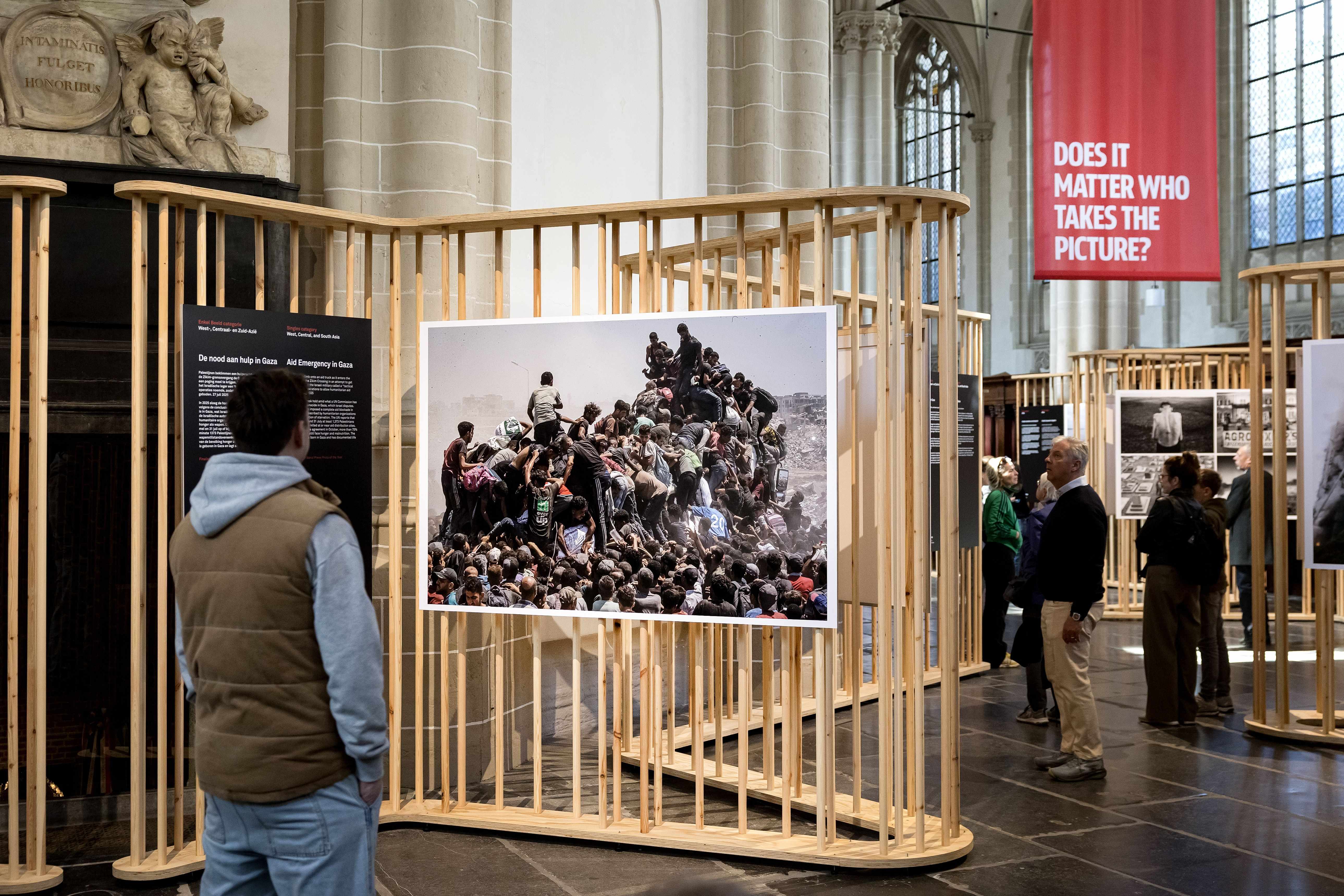
The Afterlife of an Image: How Photojournalism Contests Shape Visibility and Responsibility

As photojournalism contests elevate certain images to global prominence, they also influence how violence, dignity, and memory are constructed in the public imagination.
Daniel Harper
Daniel Harper Published on:
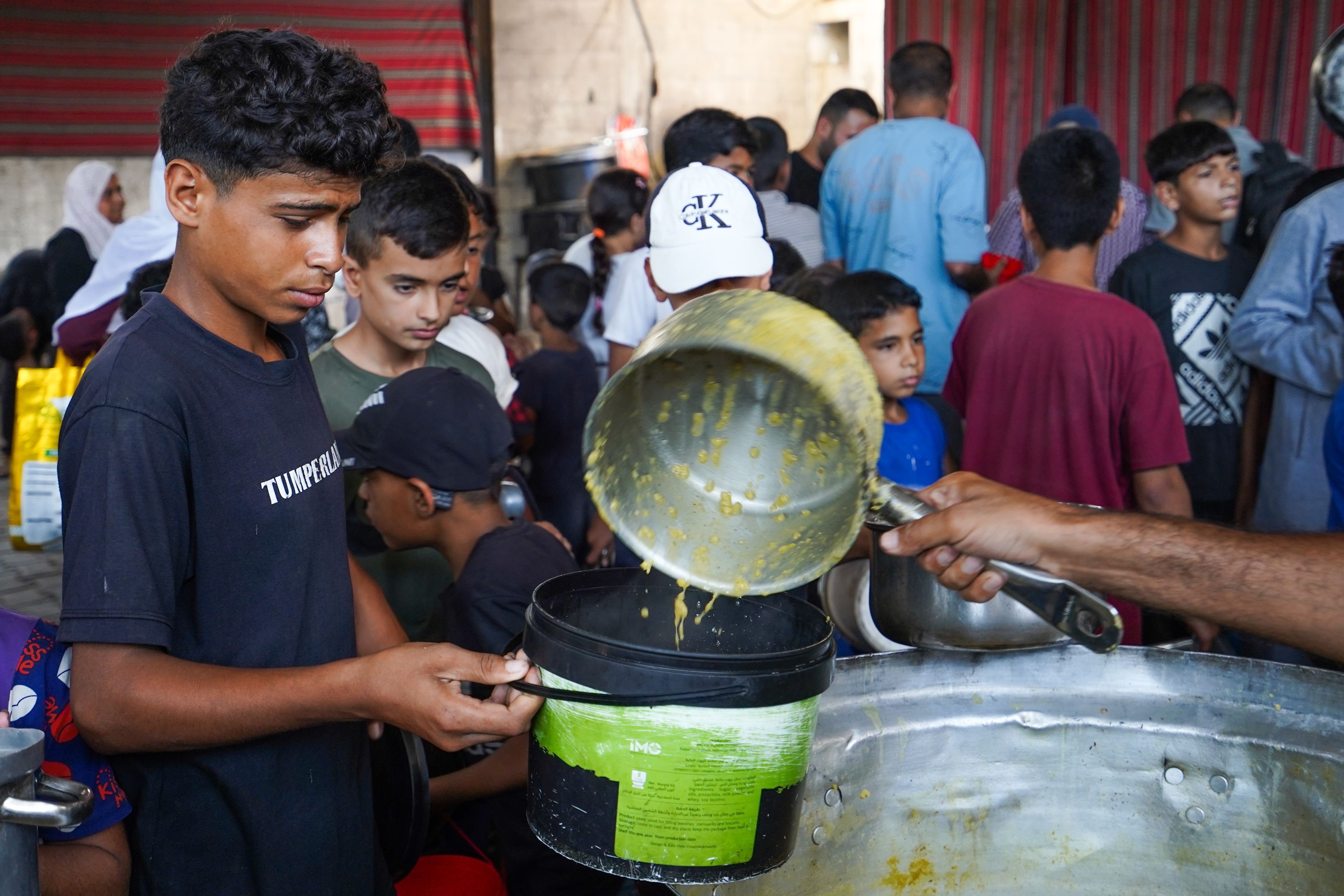
From News Reporting to Documentation: Practical Lessons from Covering the War on Gaza

From the very first moment of the genocidal war waged by Israel on Gaza, Al Jazeera correspondent Hisham Zaqout has been a witness to hunger, devastation, war crimes, and the assassination of his colleagues in the field. It is a battle for survival and documentation, one that goes beyond mere coverage and daily reporting.

Hisham Zakkout Published on:

More Articles

How Mobile Journalism is changing reporting in Malawi

In Malawi, smartphones are putting journalism within reach of young women and underserved communities, allowing them to tell stories once overlooked by mainstream media, but raising urgent questions about accuracy, ethics and the pressure to publish first.

Benson Kunchezera Published on:
Fact-Checking and the Material Burden Imposed by Geography

Geographical inequalities in mapping, imagery and language resources make open-source verification significantly more difficult and costly in conflict zones such as Sudan, leaving important evidence vulnerable to delays and doubt. Addressing this imbalance requires sustained investment in local archives, proactive mapping, language technologies and editorial transparency.

Ahmed Zaghloul Published on:
When Journalism Disappears: How Social Media Takedowns Are Reshaping What the World Can See

Governments do not need to shut down a newsroom to silence its reporting: repeated social media takedowns can sever its access to audiences, deprive journalists of sources and evidence, and leave gaps in the historical record.

Mehran Firdous Published on:
The Victims' Digital Resorrection…Reviving legacy or Commodifying Pain?

As artificial intelligence brings the dead back to life on screen, the article examines the troubling line between preserving victims’ memories and exploiting their suffering for digital engagement, raising urgent questions about consent, journalistic integrity, and accountability.

Khulod Hadaq Published on:
How to Protect Sources when Police Seize a Journalist’s Phone?

The increasing seizure of journalists' digital devices by authorities using advanced forensic tools and spyware poses a severe threat to source confidentiality and press freedom, forcing reporters to rely on strict digital hygiene and minimized data storage to mitigate risk.

Arsalan Bukhari, an independent journalist based in India
Arsalan Bukhari Published on:
Gaza’s Images in the World’s Memory

Among the thousands of images that have documented the genocide in Gaza, from famine and the demolition of residential towers to the faces of victims, some have appeared

Amira Nassar
Amira Nassar Published on:
News In the Race for Attention

As audiences turn to Reels, social media and AI for news, journalists are adapting to new demands while trying to protect the depth and quality of their reporting

Rehan Qayoom Mir. An independent journalist whose work has appeared in international and national outlets,
Rehan Qayoom Mir, Sajad Hameed Published on:
How Has Social Media Affected Television in Yemen?

Social media has transformed television in Yemen from a one-way broadcast medium into a more interactive, audience-driven system in which viewers help shape, source and even produce the content they watch.

Mohammed Alragawi Published on:
Why should journalists be cautious with Israeli sources?

Journalists should treat Israeli sources with particular scrutiny because anonymous briefings, military censorship, strategic leaks and recycled analysis can blur the line between verified information, speculation and propaganda, with real consequences for audiences on the ground.

Ahmad Al-Agha
Ahmad Al-Agha Published on:
Priorities for Media Recovery in Gaza

Rebuilding Gaza’s media requires more than restoring equipment and newsrooms: it means protecting and supporting journalists, rebuilding institutions, strengthening professional standards, and preserving journalism’s role as a living witness to the truth.

Sufian al-Shorbagy Published on:
Common Mistakes Made by Television Correspondents

Television correspondents earn trust not by being first or omniscient, but by reporting what they can verify, using images responsibly, resisting performance and speculation, and putting accuracy before speed.

Linda Shalash
Linda Shalash Published on:
Will We Write A Falsified History In The Future?

The digital transition of journalism has exposed a growing archive reliability gap, where online news documents are often subject to fake news, content manipulation, and a lack of verification mechanisms, challenging their role as official historical records.

Said El Hajji
Said El Hajji Published on:
Editorial Workflow in Television Journalism: From Oversight to Quality

Quality television journalism relies on cohesive teamwork rather than individual multitasking. A functional hierarchy is key, restoring the "gatekeeper" role by verifying facts and shielding the public from fake news and propaganda, especially in complex, high-tension environments.

Ali Najeeb Published on:
Nepal’s Deadly Floods Expose a Newsroom Safety Gap

Nepal’s deadly floods exposed a wider South Asian newsroom safety gap, where many journalists are often sent into dangerous assignments without formal risk assessments, adequate training, protective equipment, evacuation plans or mental-health support.

Hanan Zaffa
Hanan Zaffar Published on:
The migrant issue in Libya: did the media pass the test of professionalism?

Libya’s migration debate has become a test of whether the media can report legitimate public concerns without laundering rumours, fuelling hate, or turning vulnerable migrants into scapegoats.

Imad al-Madouli Published on:
The economics of truth: How Lack of Funding is Compromising Quality Journalism in Africa

Reporting and newsgathering cost money; they require time, patience and experienced personnel. However, globally limited funding is leading to a generally compromised journalism output.

Derick Matsengarwodzi
Derick Matsengarwodzi Published on:
We survived… and stayed alive!

A Palestinian journalist and mother recounts surviving Gaza’s genocide, where the press vest became a target, motherhood became terror, and staying alive did not feel like salvation.

Yumna al-Sayyid Published on:
A Continuing Crisis, an Intermittent Story: What Makes Famine Newsworthy?

An analysis of 180 articles from the BBC, The Guardian, The New York Times and CNN found that coverage of hunger in Gaza frequently linked the crisis to political decisions and identified responsibility rather than treating it only as a humanitarian emergency. Tracking the same outlets through early August 2026 also shows that this coverage came in sharp waves, with periods of intense reporting separated by months of limited attention even as severe food insecurity persisted.

Djamil Kerrouche Published on:
Who Decides the News? Inside India's Algorithm-Driven Newsrooms 

Editors once decided which stories mattered based on evidence, public interest and ethics. Today, recommendation algorithms and engagement metrics increasingly shape editorial decisions, prioritising what keeps audiences scrolling.

Seerat-Un-Nisa Published on:
As in Rwanda: Can the Israeli Press Be Prosecuted for Participation in Genocide?

Israeli media incitement has helped frame Palestinian journalists as security threats, weakening their legal and professional protection and legitimising attacks against them. Legal accountability is possible through the ICC, universal jurisdiction, and professional pressure against journalists and outlets that incite violence.

Nasser Adnan Thabet Published on:
A Soldier with the Rank of Correspondent in the Israeli Army

Israeli military journalism developed through a deep fusion of media, censorship, and the army, turning correspondents into carriers of the official security narrative. This embedded model later influenced Western war reporting, where access to the battlefield often came at the cost of independence and critical distance.

Sujood Awais Published on:
The Phenomenon of “News Avoidance”: Have We Come to Know More Than We Should?

Audiences are increasingly avoiding the news as the constant flow of crises, violence, and tragic human stories creates psychological exhaustion and anxiety. Media outlets need to respond with more responsible editorial choices, stronger media literacy, and coverage that balances urgent events with constructive, humane, and less harmful storytelling.

Wessam Kamal Published on:
From Srulik to Handala: Caricature as a Media Symbol

From the pro-occupation Israeli character 'Srulik' to the resilient and satirical Palestinian 'Handala', caricature emerges as another battleground for memory and the future. How did these characters come to be, what is their media symbolism, and why does caricature remain so influential?

Sujood Awais Published on:
“Sometimes You Work for Years Without Pay” – Cameroonian Journalists Demand Safety Nets

While many journalists demonstrate admirable resilience in producing quality journalism under precarious conditions, resilience should not be the only safety net. Journalism deserves protection, because democracy depends on it.

Akem
Akem Nkwain Published on: